

Which alcohol is worth investing in?
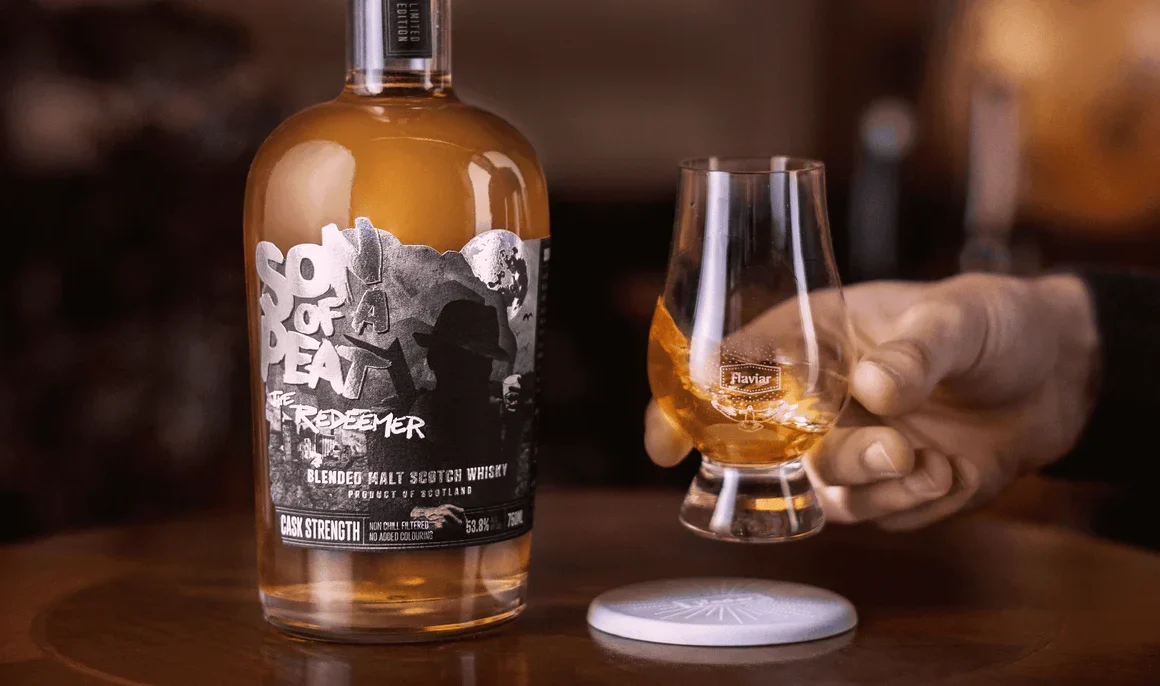
The 1926 Macallan was sold for PLN 10.4 million at an auction in London. This was no mistake, but a new world record.
You might be wondering if the world has gone mad. After all, you could buy an apartment in the center of Warsaw for that amount. But that’s exactly why alcohol as an investment has become one of the hottest topics of 2025.
Paradox is fascinating. According to the latest NielsenIQ data, the Polish alcohol market has shrunk by 5.6% year-on-year. People are drinking less, but spending more on higher-quality spirits. The premium segment is booming—if that’s the right word to use when talking about whisky or cognac.
Which alcohol is worth investing in?
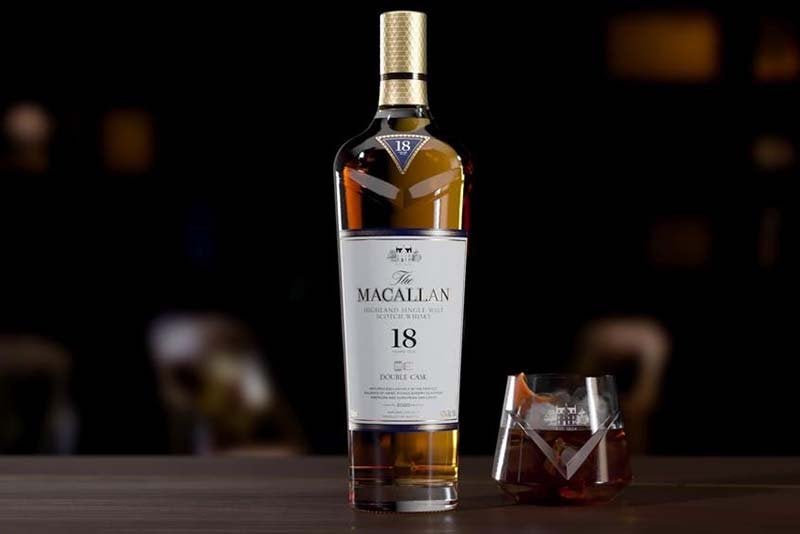
This phenomenon is called premiumization. Instead of three cheap beers, we buy one craft beer. Instead of standard whisky, we reach for a limited edition. And it’s these limited editions that are becoming coveted by investors.
“Alcohol is one of the few categories where you can both enjoy the product and make money from it,” say experts from London auction houses. Of course, that doesn’t mean you should drink a bottle worth a million zlotys.
Investing in alcohol has two faces today. On one hand, there are physical bottles and barrels—you can touch them, admire them, store them in a climate-controlled cellar. On the other hand, there are financial instruments that let you profit from alcohol without ever touching a single bottle.
Both approaches have their advocates. Collectors love the tangibility of their investments. Financial investors value liquidity and the ease of portfolio management. However, each of these paths requires completely different knowledge and preparation.
To know which alcohol is worth investing in, we’ll walk you through every aspect of alcoholic investments. From choosing specific bottles, to storage methods, all the way to modern financial instruments. You’ll also learn what pitfalls to watch out for and how not to get fooled by counterfeits.
Let’s start with something tangible—the actual bottles you can hold in your own hands.
Collectible bottles and barrels – tangible assets
Have you ever bought a bottle of fine whisky for a birthday and left it in the closet? After five years, you might discover that instead of just a gift, you have a small fortune at home. Investing in physical spirits is more than just a hobby—it’s a tangible asset you can touch, store, and pass on to your children.
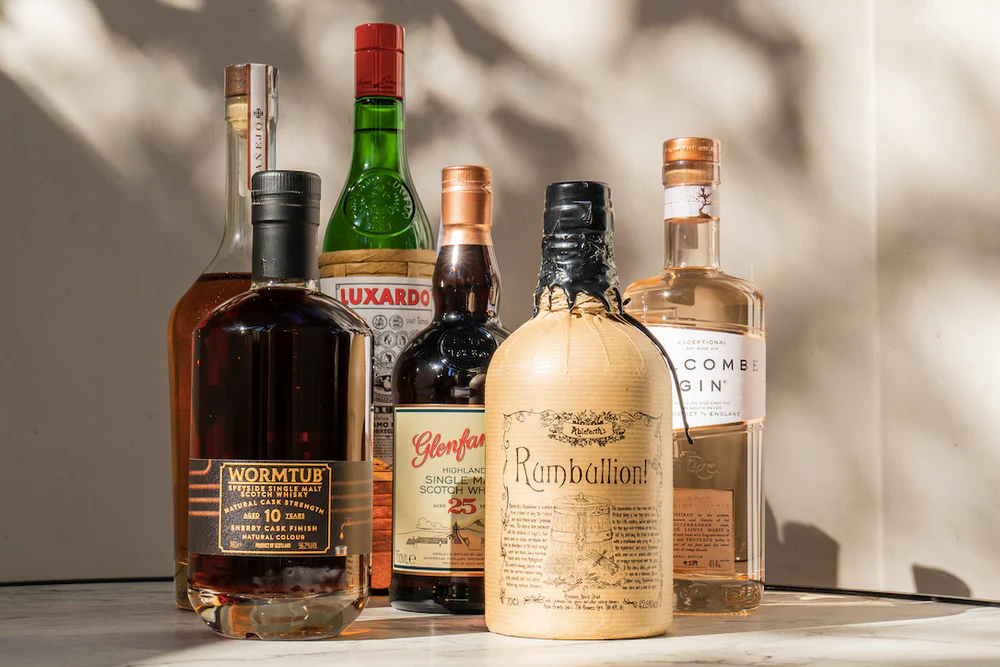
The Knight Frank Luxury Investment Index shows that whisky appreciates by an average of 8-12% per year. This is higher than most bank deposits, but it requires patience and proper storage conditions.
| Type of investment | Minimum capital | Average annual return | Time horizon |
|---|---|---|---|
| Collectible whisky | 5,000 PLN | 8-12% | 10-20 years |
| Investment wines | 15,000 PLN | 6-15% | 5-15 years |
| Whisky barrels | 25,000 PLN | 10-18% | 12-25 years old |
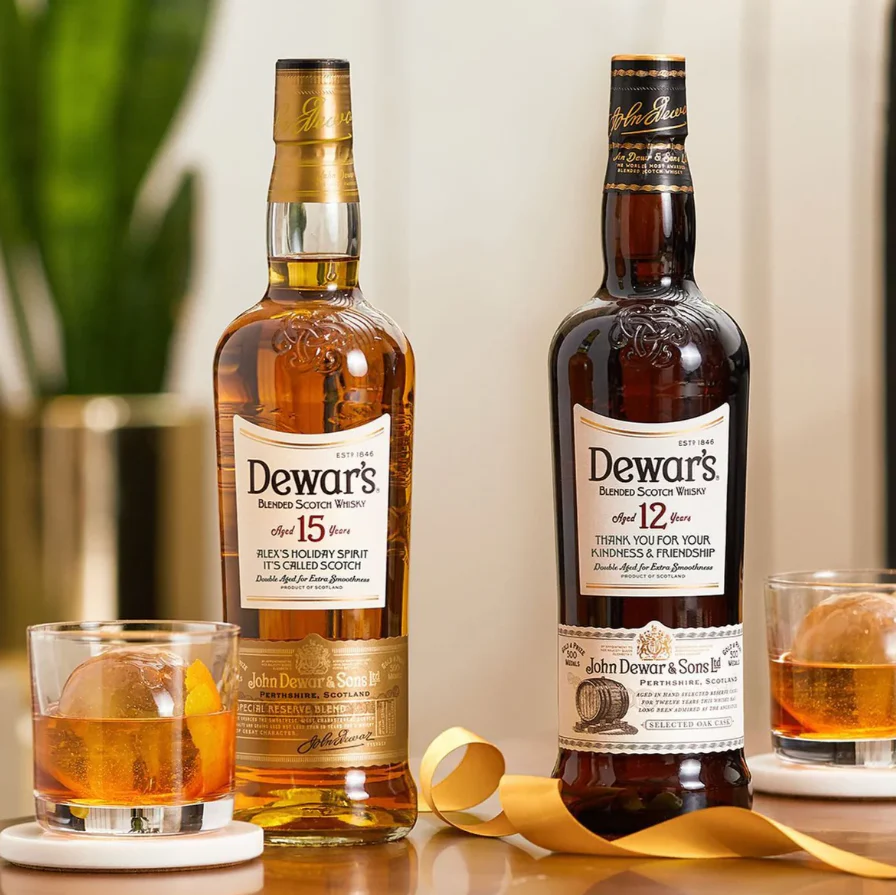
Whisky is probably the easiest place to start. Look for limited editions, closed distilleries, or bottles with label misprints. Yes, misprints—collectors pay a fortune for these kinds of “mistakes.” The Macallan 1926 sold for $1.9 million in 2019. Back then, no one was thinking about investing.
Wine is a more complex matter. En-primeur means buying wine before it’s even bottled—risky, but potentially very profitable. Bordeaux from good vintages can increase in value by several hundred percent over a decade. The catch is, you need to really know your stuff or have a trusted advisor.
Whisky casks are a whole different league. You’re buying a share of production directly from the distillery, which will mature for several more years. The value increases not only due to aging, but also because of the “angel’s share”—the portion of alcohol that evaporates during maturation. Less whisky means a higher price per liter.
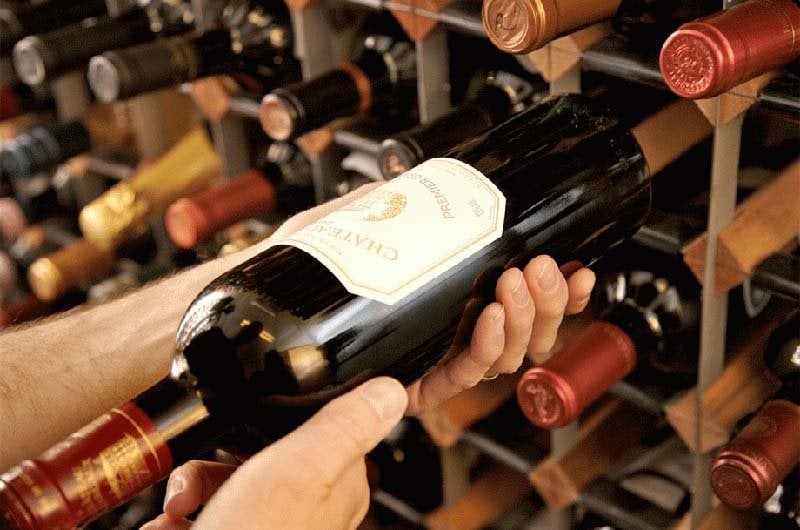
Proper storage is essential—without it, your investment could turn into vinegar or stale water. The ideal conditions are a temperature between 10-15°C, low humidity, and no sunlight. A professional storage facility in Poland costs 8-15 zlotys per bottle per month. That may not sound like much, but with a larger collection, it quickly adds up.
The risk of counterfeiting is real. Especially when it comes to expensive whisky and wines. Always check certificates of authenticity. Renowned auction houses like Bonhams or Sotheby’s have their own experts, but even they sometimes make mistakes. Buy from trusted sellers and avoid deals that seem “too good to be true.”

An interesting contrast: Macallan 1926 vs. Polish wines from Lubusz. The Scottish whisky has benefited from global limited supply and strong branding. Polish wines are a local niche with growth potential, but lack international recognition. The risks are different, and so is the potential.
The local market has its advantages—less competition, the opportunity for direct contact with the producer. But there are also limitations—a narrow customer base, liquidity issues.
But what if you want to earn money without a basement and without worrying about the temperature?
Stocks, ETFs, and funds – how to profit without the headache
Have you ever wondered why a bottle of whisky can lose its value, while the shares of its producer do not? ? The answer is simple. Whisky in a bottle is a product you can drink. Shares of Brown-Forman are a stake in a business that has been making that whisky for decades.
Speaking of investing in the alcohol sector, let’s get straight to the point. Here is a table of key players:
| Company | Ticker | DY | 5-year CAGR |
|---|---|---|---|
| Diageo | DEO | 3.2% | 2.1% |
| Brown-Forman | BF.B | 2.8% | 4.7% |
| Pernod Ricard | RI.PA | 2.9% | 1.8% |
| Constellation Brands | STZ | 1.4% | 8.3% |
Diageo is a giant with a market capitalization exceeding $70 billion. The owner of Johnnie Walker and Smirnoff. The problem? In 2024-2025, its shares dropped by around 15%, while the MSCI World index gained 8%. This shows that even the best brands can go through weaker periods.
Brown-Forman deserves special attention for one reason. This company has been paying dividends consistently for 38 years. The owner of Jack Daniel’s knows how to treat shareholders. The stability of these payouts is something you won’t find in tech companies.
If individual stocks feel too risky, ETFs might be the answer. Vice Fund, also known as AdvisorShares Vice ETF (ACT), is a fund that invests in “sin” sectors. Alcohol makes up about 40% of its portfolio. The TER fees are 0.95% per year—higher than standard ETFs, but diversification comes at a price. Its holdings include Anheuser-Busch InBev, Molson Coors, and the aforementioned Diageo.
An alternative is structured certificates, but caution is advised here. The issuer may be a bank that, in case of trouble, will not pay out the profit. This is an instrument for experienced investors.
In Poland, we have an additional benefit – IKZE and IKE. By investing in alcohol funds through these accounts, you can deduct your contributions from your taxes. For IKZE, this amounts to 9,168 PLN per year. Profits from the funds will only be taxed upon withdrawal, often at a lower rate.
Fundamental analysis in this sector has its own specific aspects. The EBITDA margin should exceed 20%—alcohol is a high-margin business. The debt-to-EBITDA ratio should not be higher than 3.5. Also, check the geographical exposure—companies heavily dependent on a single market are more risky.
Checklist for choosing a broker for alcohol investments:
Access to US and European markets – most companies are listed there. Possibility to open IKZE/IKE accounts online. Low commissions on foreign transactions. Access to ETFs – not all platforms offer the full range.
Diversification in this sector means mixing different segments.
Remember the currency. Most companies settle in dollars or euros. A weakening zloty can improve your returns, but it can also make them worse. Some investors hedge against currency risk, but this increases costs.
The alcohol sector has another advantage – it is defensive. People drink during recessions and during periods of growth.
Risk, regulations, and logistics – a cold shower for the investor
For now, everyone is talking about the profits from investing in alcohol. I was excited too, until I started calculating the real costs. Because it’s not as simple as buying a bottle and waiting for returns.
Reality is much more complex. Here are the main risk categories you need to know:
- Tax regulations – the excise duty on spirits is 7,610 PLN per hectolitre of 100% alcohol in 2024. This directly affects producers’ margins and secondary market prices. Any change to this rate can ruin your calculations.
- Health trends – Gen Z drinks significantly less than previous generations. This isn’t just a passing fad. Young people simply spend their free time differently.
- Risk of counterfeiting – fakes are a real plague, especially in the premium segment. You need to be certain about the provenance of every bottle.
- Logistics and storage – temperature, humidity, light. A single mistake can ruin an entire collection. A private cellar with the right climate costs between 50,000 and 150,000 PLN.
- Insurance – the ballpark premium for a private cellar worth 500,000 PLN is around 8,000–12,000 PLN per year. Without it, you’ll only sleep soundly until the first mishap.
- Transport – every time you move bottles, there’s a risk. Especially if you’re dealing with something truly valuable.
Regulatory alerts 2025: The ban on powdered alcohol comes into effect from March 2025. This demonstrates how quickly laws can change. Additionally, the statistics are alarming—a 5.5-fold increase in liver cirrhosis since 2002 is increasing the pressure to tighten excise taxes.
A logistics checklist is essential. Temperature 12-18°C, humidity 60-70%, no direct light. Insurance against theft, fire, and damage. Transport only with trusted companies using proper equipment.
“Many investors are unaware of the real costs of this industry,” says one market expert. And he’s right. Because in addition to the purchase price, you also have storage, insurance, transportation, and authenticity verification.
Not to mention the potential ban on online alcohol sales, which could be introduced at any moment. If that happens, your investment liquidity will drop dramatically.
The truth is – this isn’t an investment for everyone. It requires substantial knowledge, starting capital, and patience. Plus, nerves of steel when you see new regulations coming in.
With a clear mind, let’s look to the future of the market.
Cheers to your wallet – what’s next for alcohol investments?
Alcohol investments are a topic that sparks emotions—from fascination to outright aversion. However, after analyzing all aspects, it’s clear that the future of this sector will not be the same as before.
Before making any decisions, it’s worth remembering three basic rules that form the acronym PRO:
| Letter | Meaning |
|---|---|
| P | Plan |
| R | Research |
| O | Caution |
These three points may sound trivial, but in practice, most mistakes result from ignoring them.
What could happen by 2030?
The outlook for the traditional alcohol market is far from optimistic. Global demand could drop by as much as 20–30 percent in the coming years. Generation Z drinks significantly less than previous generations. Governments are introducing more and more restrictions. Alcohol-free beverages with complex flavors are becoming increasingly popular.
However, this does not mean the entire industry is doomed. Certain segments—such as premium spirits or low-alcohol beverages—may continue to grow. Companies that adapt quickly will survive. The rest… well, the market is unforgiving.
If after all this you still want to give it a try, here are the specific steps:
→ Open a demo account with a broker and test your strategies risk-free
→ Visit a professional whisky or wine warehouse – see the physical assets with your own eyes
→ Read the annual reports of 2–3 alcohol companies from different regions
→ Set a maximum investment amount and stick to it without exceptions
Remember, even the best analysis does not guarantee profits. The market can surprise you when you least expect it.
“Investing is not a sprint, but a marathon – what matters is not speed, but perseverance and wisdom in making decisions.”
Richi Richardo
lifestyle & business editor
Luxury Blog




Leave a Comment