

What is glamping?
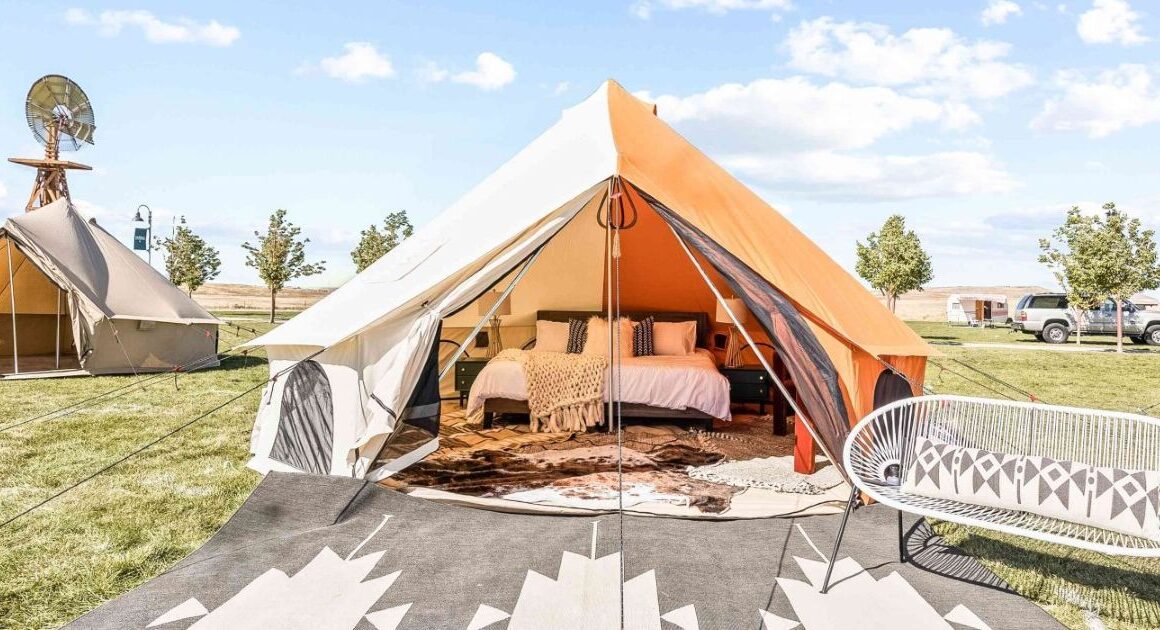
Glamour under the stars: where did glamping come from?
Contemporary glamping has gained popularity in the 21st century, catering to travelers seeking a connection with nature without sacrificing comfort. In 2022, the global glamping market was valued at approximately $2.7 billion. Forecasts indicate continued growth, with a projected compound annual growth rate (CAGR) of 10.2% through 2030.
In Poland, glamping is attracting an ever-growing group of enthusiasts. Although the market is still relatively young, glamping property owners report full occupancy during the summer season. The number of available spots continues to increase.
Glamping combines luxury with nature, offering unique experiences in picturesque locations. Guests can enjoy comfortable beds, private bathrooms, or even air conditioning, all while surrounded by forests, mountains, or seaside beaches. It’s the perfect solution for those who want to escape the hustle and bustle of the city without giving up everyday comforts.
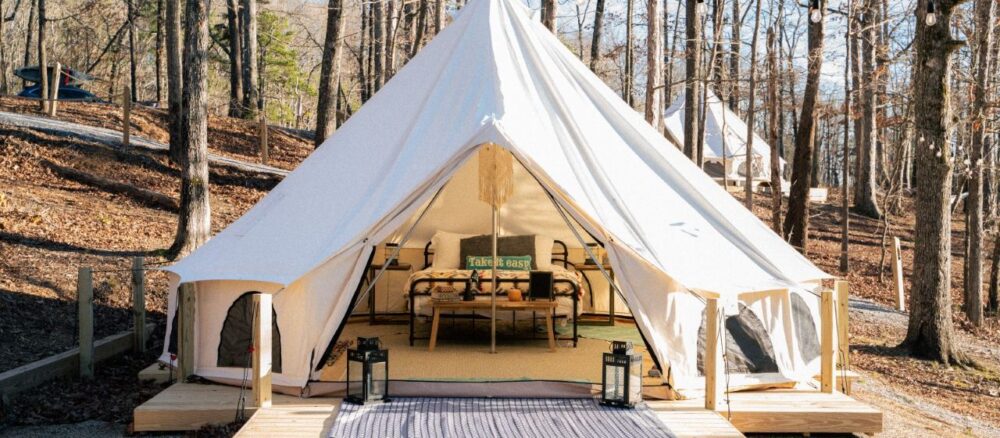
photo: blog.whiteduckoutdoors.com
Key features that set glamping apart from traditional camping
The phenomenon of glamping is making an increasingly strong mark on the tourist map of Poland and Europe. If you’re wondering how it differs from traditional camping, the key factors are accommodation standards, amenities, service, locations, and price. Each of these elements translates into a completely different holiday experience.
Accommodation standard and amenities
Glamping is all about comfort. Instead of a regular tent or trailer, you’ll find luxurious cabins, yurts, wooden lodges, or designer safari tents. The interiors are often compared to boutique hotels: full-size beds, air conditioning, modern bathrooms, and a private kitchen are the norm, not the exception. In contrast, traditional camping is all about simplicity—you sleep on a mat, use shared sanitary facilities, and cook your own meals on a portable stove. This difference is vividly illustrated by comparisons featured by National Geographic.
Service and amenities
In glamping, you can expect service that’s almost hotel-level: breakfast delivery, cleaning, bike rentals, or even a private jacuzzi are not uncommon. This is a tailor-made solution for those who want to feel close to nature without giving up comfort. Traditional camping means self-sufficiency—you take care of everything yourself, and interaction with staff is often limited to the reception or a duty manager. It’s worth noting that the growing popularity of glamping is raising service standards at classic resorts, as shown by analyses from Camping.info.
Locations and price
Glamping is most often found in unique, picturesque locations—on the edge of a forest, by a lake, or with mountain views. In contrast, traditional campsites are generally more accessible and offer simpler infrastructure. The price difference is significant: a night in a comfortable glamping tent will cost you several times more than a spot at a regular campsite. However, as the latest reports and trends published by Onet Podróże show, the growing number of tourists willing to pay for a unique experience is driving dynamic growth in this market.
As a result, if you dream of comfort and unconventional interiors, glamping will delight you from the moment you arrive. Camping, on the other hand, remains the go-to choice for fans of simplicity, authentic contact with nature, and traveling on their own terms.
Typical glamping accommodations: from safari tents to treehouses
Glamping, a blend of luxury and camping, offers a variety of accommodation options that let you enjoy nature without sacrificing comfort. Below, we present the most popular types of glamping stays, complete with examples and descriptions.
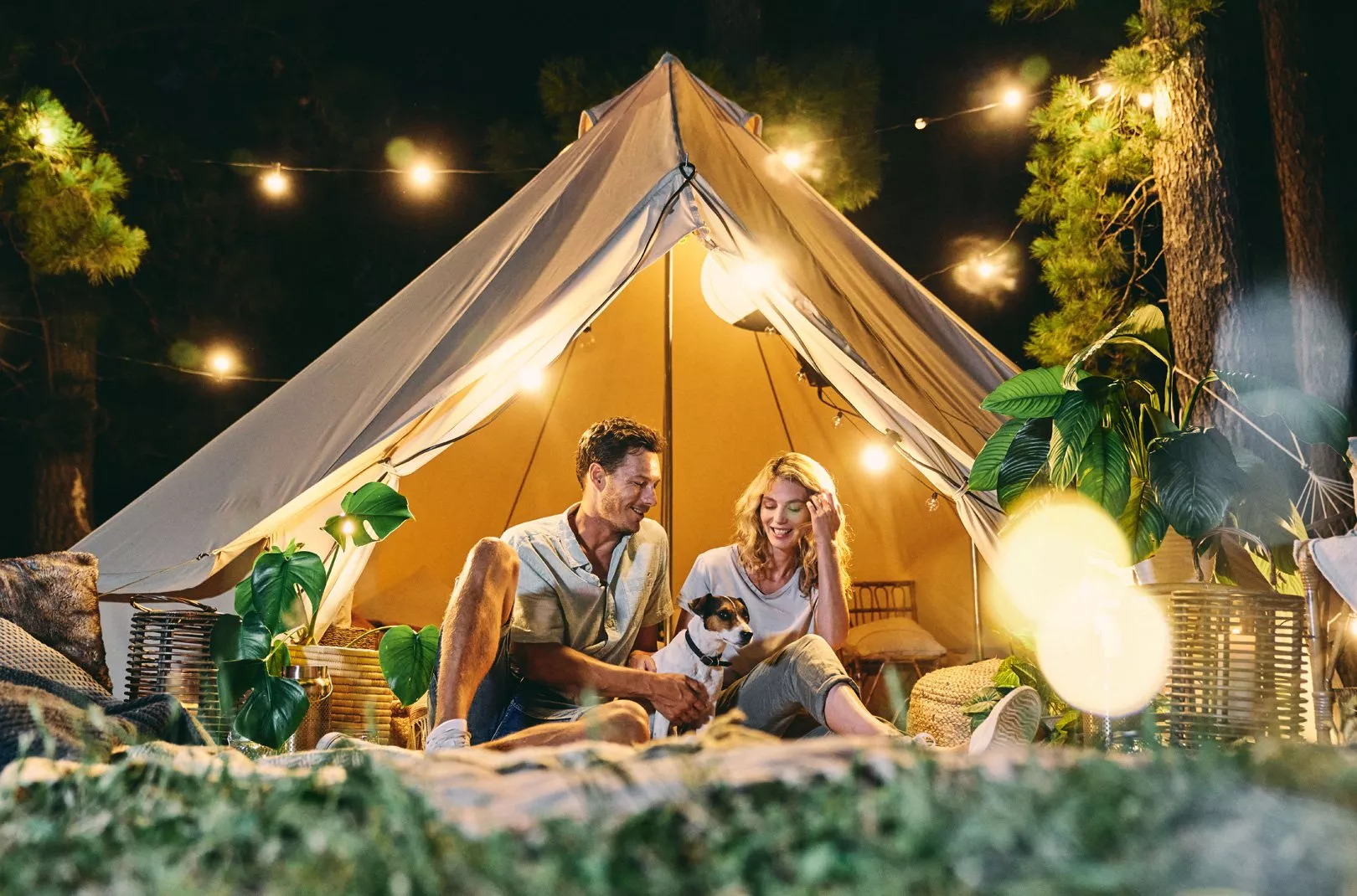
photo: millets.co.uk
Safari tents
Safari tents are spacious structures inspired by traditional African tents used during expeditions. They feature a sturdy frame and canvas walls. Often, they come with luxurious amenities such as canopy beds, en-suite bathrooms, or private terraces. An example of this type of accommodation is the Four Seasons Tented Camp Golden Triangle in Thailand, where guests can experience elegance surrounded by wild nature.
Yurts
Yurts are traditional Mongolian round tents that have gained modern interpretations in the world of glamping. They are spacious, well-insulated, and often feature fireplaces, making them perfect for cooler months. Many glamping resorts around the world offer stays in luxurious yurts, combining traditional design with contemporary amenities.
Treehouses
Treehouses are the fulfillment of childhood dreams of living among the treetops. Modern versions of these houses offer full comfort, including bathrooms, kitchens, and spacious bedrooms. One example is the Fuselage Cabin in Sweden, designed by Tree Tents UK, which combines contemporary design with closeness to nature.
Geodesic domes
Geodesic domes are futuristic, hemispherical structures that offer panoramic views of the surrounding nature. They are energy-efficient and resistant to various weather conditions. An example is Domes de Charlevoix in Canada, where guests can admire views of the St. Lawrence River from the comfort of a modern dome.
Tipi
Tipis are traditional Native American tents that have gained popularity in glamping thanks to their unique aesthetics and functionality. An example is Swallow Park Glamping in Norfolk, where guests can stay in spacious tipis that combine traditional design with modern amenities.
Each of these accommodation options offers a unique experience, blending closeness to nature with comfort and luxury. Choosing the right type of lodging depends on individual preferences and the desired level of comfort and adventure.
Amenities that turn camping into luxury
Glamping, the blend of traditional camping with luxurious amenities, is gaining popularity in Poland. With comforts such as plush hotel beds, private bathrooms, jacuzzis, air conditioning, and Wi-Fi, a stay in nature becomes both comfortable and relaxing.
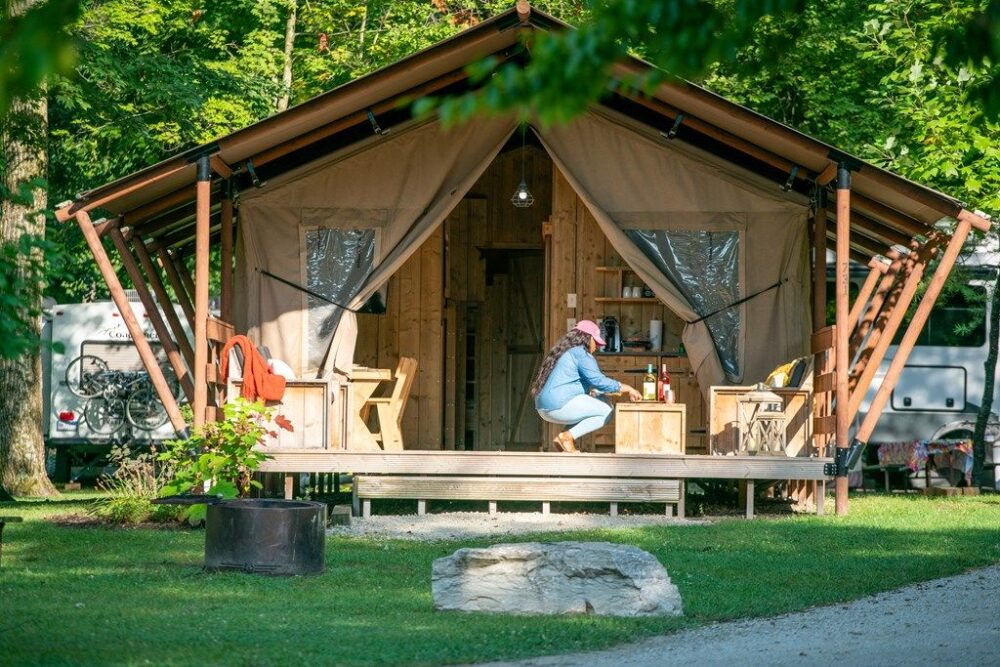
photo: koa.com
Comfortable hotel beds
In glamping, full-size, comfortable beds with high-quality bedding are standard, ensuring a restful night’s sleep. An example of such a place is Tatra Glamp in Bukowina Tatrzańska, where the spherical domes feature hotel beds, a kitchenette, and an electric stove, offering comfort comparable to a hotel stay.
Private bathrooms
Private bathrooms are another feature that elevates the standard of glamping. Venues such as Kalevala in Borowice offer Finnish tents with access to private bathrooms, allowing guests to enjoy privacy and comfort while staying close to nature.
Jacuzzi
For many guests, the opportunity to relax in a jacuzzi is a significant advantage. At Diamond Glamp & Jacuzzi in Zakopane, guests can enjoy private jacuzzis, allowing them to unwind after a day spent outdoors.
Air conditioning
Air conditioning in glamping tents ensures thermal comfort regardless of the weather conditions. Tatry Mountain Glamp with jacuzzi in Zakopane offers air-conditioned tents, guaranteeing a pleasant stay even on hot days.
Wi-Fi
Internet access is important for many people, even when relaxing in nature. At Glamping Stacja Zieleniec in Nałęczów, guests have access to free Wi-Fi, allowing them to stay connected with the world or work remotely surrounded by nature.
Thanks to these amenities, glamping combines the best features of traditional camping with the comfort of luxury hotels, offering unforgettable experiences in the heart of nature.
Glamping in Poland: the most interesting locations and examples
Glamping, the perfect blend of luxury and nature, is becoming increasingly popular in Poland. Here’s an overview of the most interesting glamping resorts in the mountains, by the sea, and by the lakes that are truly worth a visit.
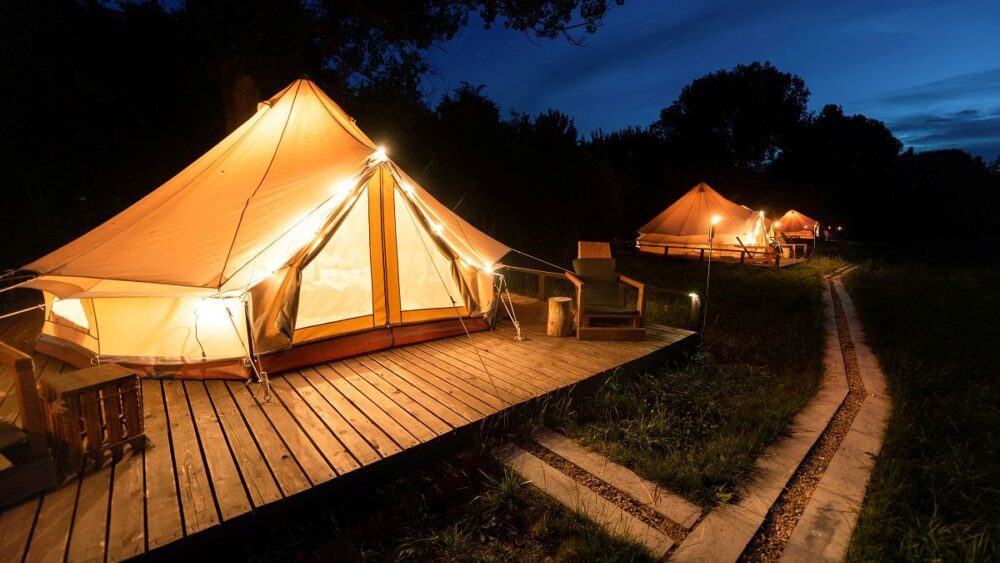
photo: sunnysports.com
Glamping in the mountains
Impresja Glamping
Located in Wolimierz, Lower Silesia, it offers four boutique tents with comfortable beds, spacious terraces, and showers with a view of the sky. Guests can enjoy a sauna, hot tub, herbal baths, and relax in hammocks.
Tatra Glamp
Situated in Bukowina Tatrzańska, it features modern spherical domes with panoramic views of the Tatra Mountains. Each dome is equipped with comfortable beds, a bathroom, and a terrace.
Glamping by the sea
wBAŃCE
Located in Dąbrowa, in the Łódź Voivodeship. It offers transparent, bubble-shaped tents that allow for stargazing. Each tent has a private bathroom, and the property features a jacuzzi, hammocks, and a pond.
Urzeka
Situated in Drzewce, in the Lubusz Voivodeship, it offers waterfront cabins that combine the features of tents and wooden cottages. Each unit is equipped with a bathroom, kitchenette, and air conditioning. Guests can enjoy a barbecue, bonfire, and water attractions.
Glamping by the lakes
Forest Glamp
Located in Masuria, it offers modern safari tents surrounded by dense forests. The area features numerous cycling trails and lakes, making it a perfect spot for lovers of active recreation.
Glendoria
Also in Masuria, it combines agritourism with glamping. It offers stylish cottages and tents with access to a private spa and a restaurant serving local specialties.
Glamping in Poland is an excellent option for those who want to combine comfort with closeness to nature. No matter which location you choose, everyone will find something for themselves, enjoying a unique experience and the beauty of Polish landscapes.
How much does it cost? A price comparison between glamping and a traditional hotel
When comparing accommodation costs between glamping and 3- and 4-star hotels in Poland and Europe, it’s worth considering a few key aspects.
Average accommodation prices in Poland
Glamping: The cost of a night in a glamping site in Poland varies depending on location, standard, and season. In popular destinations such as Mazury or Kaszuby, prices for two people can range from 200 to 600 PLN per night. In more exclusive locations, for example by the sea, prices can reach up to 1000 PLN per night.
3- and 4-star hotels: Average accommodation prices in hotels of this class also depend on many factors. In Warsaw, the average cost per night is around 340 PLN, in Kraków about 278 PLN, and in Wrocław around 290 PLN. In Gdańsk, prices for 4-star hotel stays are the highest in the country.
Average accommodation prices in Europe
Glamping: In Europe, glamping prices are just as varied. In countries like France or Italy, a night in a luxury tent can cost anywhere from 100 to 300 euros per night. In less popular locations, prices may be lower, starting at around 50 euros per night.
3- and 4-star hotels: According to forecasts, in 2024 the average price of hotel stays in Europe will increase by about 7% compared to the previous year. The largest increases are expected in countries such as Bulgaria (15%) and the Czech Republic (12%). In Poland, Austria, Hungary, Romania, France, the United Kingdom, Ireland, Greece, Portugal, Italy, Iceland, and the Netherlands, prices are expected to rise by around 10%.
Factors influencing costs
- Location: Properties situated in popular tourist destinations usually have higher prices.
- Season: During the peak of the summer season, prices for both glamping and hotels are higher.
- Standard and amenities: A higher standard and additional amenities, such as a spa or swimming pool, increase the cost of accommodation.
- Length of stay: Longer stays may be eligible for discounts or special offers.
- Advance booking: Booking early often allows you to get better prices.
In summary, both glamping and stays in 3- and 4-star hotels offer a wide price range, depending on various factors. The choice of the right option depends on individual preferences, expected standards, and budget.
Who is glamping for: tourist profiles and motivations
Glamping, or luxury camping, caters to modern travelers seeking a blend of comfort and closeness to nature. It’s an alternative to hotels and traditional campsites, designed especially for those who value unique experiences and high-quality service.
Couples, families, and their expectations
Couples choose glamping as a romantic escape from everyday life—they appreciate the peace, privacy, and unique atmosphere of the place. Meanwhile, families enjoy spending quality time together surrounded by nature, without giving up comfort—spacious tents, cabins, or yurts with bathrooms and relaxation areas are especially popular here. According to data from the Turystyka.rp portal, as many as 37% of guests at such sites are families with children, and their main motivation is the desire for safe contact with nature without compromising on comfort—you can find more about this phenomenon in the analysis of the glamping tourism market in Poland.
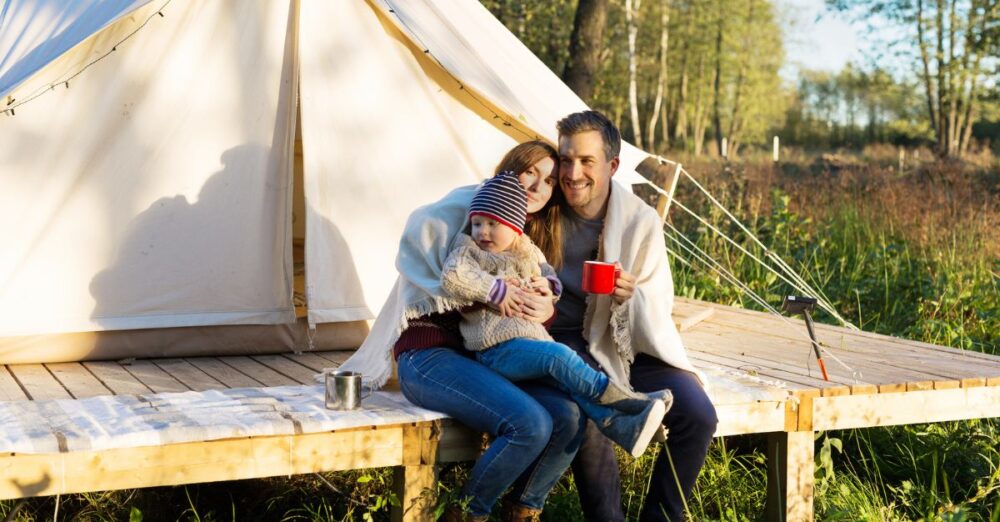
photo: jomesg.com
Digital nomads and eco-tourists
More and more often, glamping is chosen by digital nomads. The ability to work remotely surrounded by beautiful nature, fast internet, and spaces designed for focus are key for this group. These guests look for places that enable efficient work while also inspiring creativity and relaxation. On the other hand, there is a growing number of eco-tourists who value sustainability, the use of local resources, and minimizing negative environmental impact. Glamping meets these needs by offering, for example, waste reduction, eco-friendly energy sources, or vegan food options, as confirmed by studies published by ResearchGate.
Unique needs and motivations of guests
Glamping guests value relaxation, an escape from the city bustle, and a sense of uniqueness. They seek adventure and want to explore local attractions, but without sacrificing comfort. Glamping meets the need for safety, access to comfortable amenities, and the desire to connect with nature. Industry experts emphasize that this market segment is also growing thanks to individualized offerings—personalized packages and themed workshops attract new customers, as reported by Turystyczny24h, which analyzes guest motivations and profiles.
Glamping is not a passing trend—it’s a response to the evolving needs of modern travelers. If you long for a classy getaway surrounded by nature, you’re sure to find something for yourself in this style of travel.
The ecological dimension of glamping: sustainable luxury or just marketing?
Glamping, or luxury camping, is gaining popularity as a way to combine comfort with a close connection to nature. Many glamping operators emphasize their commitment to sustainability by implementing various eco-friendly practices. However, there are also accusations of greenwashing, meaning consumers are misled about the actual environmental impact.
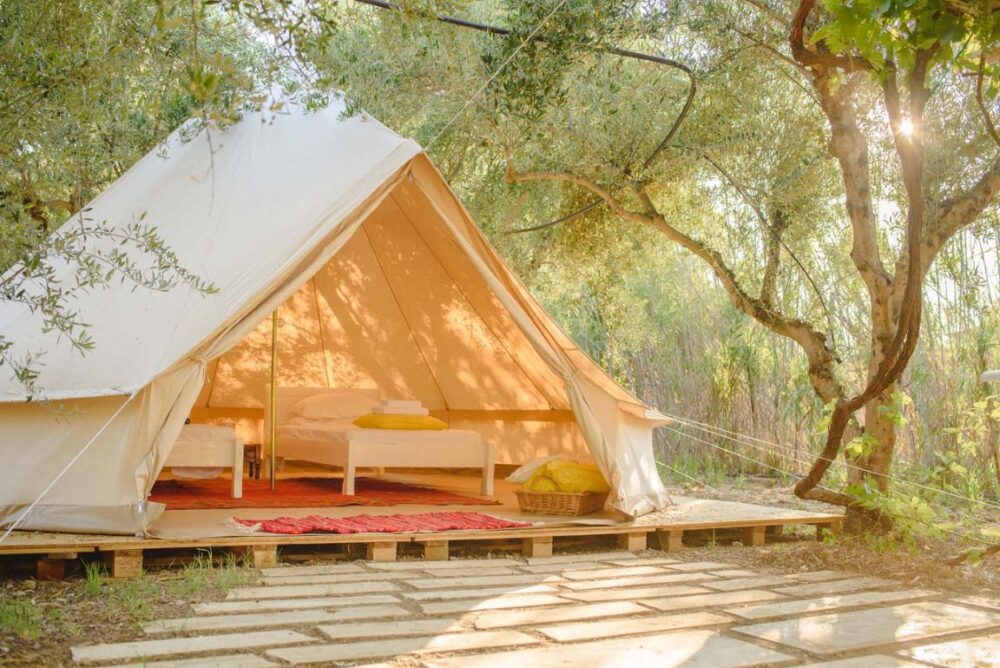
photo: katerinaskouzina.com
Eco-friendly practices in glamping
Among the initiatives aimed at sustainable development in glamping, the following stand out:
- Solar panels: Harnessing solar energy to power facilities reduces greenhouse gas emissions and lowers consumption of energy from conventional sources.
- Composting: Processing organic waste into compost reduces the amount of waste sent to landfills and provides a natural fertilizer for local vegetation.
- Use of local materials: Constructing and furnishing buildings with locally sourced materials reduces the carbon footprint associated with transportation and supports the local economy.
Criticism of greenwashing in glamping
Despite eco-friendly declarations, some glamping sites have been criticized for greenwashing. Examples of such practices include:
- Vague or unsubstantiated claims: Using terms like “eco” or “environmentally friendly” without specific evidence or certifications.
- Concealing negative impact: Highlighting a single ecological aspect, such as the use of solar panels, while ignoring other environmentally harmful practices like excessive water consumption or lack of proper waste management.
- Exploiting green aesthetics: Using green colors, plant motifs, and slogans suggesting eco-friendliness that are not reflected in actual practices.
Examples of good and bad practices
Best practices:
- Eco-friendly resorts: Properties that have obtained environmental certifications such as LEED or BREEAM, confirming their commitment to sustainable development.
- Transparency of actions: Centers that publish detailed reports on energy consumption, waste management, and other environmental aspects.
Bad practices:
- Fake certificates: Using non-existent or unreliable eco-labels to mislead customers.
- Lack of consistency: Promoting eco-friendly initiatives such as recycling while simultaneously using single-use plastic packaging and other unsustainable practices.
Expert opinions on sustainability in glamping
Experts emphasize that authenticity and transparency are essential for sustainable development in glamping. They recommend that consumers carefully verify the ecological claims of facilities, look for credible certifications, and remain aware of potential greenwashing practices. Only in this way can truly eco-friendly initiatives be supported and misleading marketing activities avoided.
How to choose the perfect spot for your first glamping experience
Glamping, the perfect blend of luxury and closeness to nature, is becoming an increasingly popular way to relax. To fully enjoy this experience, it’s worth carefully choosing your location based on a few key criteria.
Location
Choosing the right location is fundamental. Places situated in picturesque areas such as Mazury, Tatry, or Bieszczady offer not only beautiful views but also a variety of outdoor attractions. It’s worth considering transport accessibility and proximity to hiking trails or lakes, which can make your stay even more enjoyable.
Season
Seasonality has a significant impact on the glamping experience. Spring and autumn offer a more tranquil atmosphere and milder temperatures, making them ideal for those seeking relaxation. Summer brings increased tourist activity but also longer days perfect for outdoor pursuits. Winter can be appealing to winter sports enthusiasts, provided the site is properly equipped for colder conditions.
Amenities
The standard and available amenities have a significant impact on the comfort of your stay. It’s worth checking whether the property offers private bathrooms, heating, kitchen access, or additional attractions such as a sauna or jacuzzi. Some places may also provide meals based on local products, which is an added advantage.
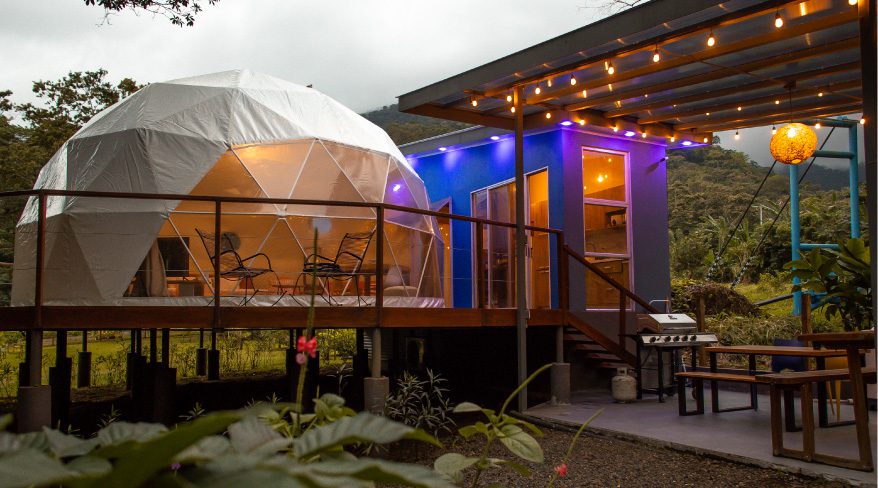
photo: bitzudome.com
Budget
Glamping costs can vary greatly depending on the location, standard, and season. Accommodation prices may start at around 200 PLN per night, while more luxurious sites can reach up to 1000 PLN. It’s important to factor in additional fees for attractions or meals, and keep in mind that prices may be higher during peak season.
Animal Policy
If you’re planning a trip with your four-legged friend, make sure your chosen accommodation is pet-friendly. Not all places welcome animals, and some may require additional fees or specific conditions to be met. It’s also worth checking if there are walking areas or dog parks nearby.
List of questions to ask property owners
Before making a reservation, it’s worth asking the owners a few questions to avoid any surprises:
- What amenities are available at the property?
- Are additional attractions included in the price, or do they require an extra fee?
- What are the rules regarding pets?
- Is the property available during your selected season?
- What dining options are available on-site or nearby?
- Is heating or air conditioning available at the property, depending on the season?
- What are the rules regarding reservation cancellations and possible refunds?
Carefully selecting a glamping location based on the above criteria will allow you to fully enjoy a luxurious getaway surrounded by nature.
Packing checklist: what to take and what you don’t need
A glamping trip promises a close connection with nature combined with comfort beyond that of standard camping. However, even a luxury tent or cabin requires thoughtful packing. Creating a practical packing list not only helps you avoid excess luggage but also lets you make the most of the amenities available on site. Here’s how to organize your packing, taking into account the season and the unique features of glamping.
Seasonal essentials
The summer season encourages a minimalist approach. All you need are lightweight clothes, a hat, comfortable shoes, sunscreen, and sunglasses. However, if you’re planning a trip in autumn or spring, it’s worth packing layered clothing, a waterproof jacket, and warm socks. A year-round packing list should also include insect repellent, a flashlight with spare batteries, and a first aid kit. You’ll find inspiration and ready-made checklists in guides such as the one prepared by Slowhop, where experts share their glamping experiences.
Unnecessary items thanks to on-site amenities
Many guests tend to pack too much—bedding, towels, and even kettles, which are usually already provided in cabins or luxury tents. Before you leave, carefully check the list of amenities offered by your accommodation—most of the time, you can also skip bringing basic dishes, cutlery, cleaning supplies, or toiletries. According to the CampRest portal, you often don’t even need sleeping bags, mats, or your own camp beds. This way, instead of excess luggage, you gain space for little things that will make your stay more enjoyable—like your favorite tea or a good book.
Personalization and seasonal accessories
Consider individual needs: active people will appreciate sportswear and yoga gear, while food lovers might enjoy spices or a personalized mug. In the colder months, bring a hot water bottle; in summer, a lightweight picnic blanket. Universal gadgets like a power bank or a multifunctional scarf also make packing easier. You’ll find the latest trends and practical tips in guides such as the one from Travelist, where you’ll find glamping-specific packing lists ready to download and use.
A carefully prepared packing list is the key to a stress-free trip. With it, you won’t forget anything and can avoid unnecessary baggage. Glamping lets you enjoy nature without giving up comfort—just pack only what you truly need.
The future of glamping: trends and innovations in luxury camping
Glamping, or luxury camping, is gaining popularity as an alternative to traditional outdoor getaways. Combining hotel-level comfort with close contact with nature, glamping is attracting an ever-growing group of enthusiasts.
Modular constructions
In response to growing interest, glamping operators are investing in modular structures such as cabins and pods. These modern units offer durability and comfort while being easy to assemble and disassemble, allowing for flexible adaptation to changing market needs. In 2024, the cabin and pod segment accounted for over 43% of glamping market revenues, highlighting their increasing popularity.
Smart technologies
The integration of modern technologies is becoming standard in glamping facilities. Guests expect access to Wi-Fi, smart lighting and heating management systems, as well as the ability to use mobile apps for booking and managing their stay. In 2023, 65% of glampers preferred digital check-ins, and 70% believed that text notifications enhanced their experience.
Off-grid and sustainability
Growing environmental awareness is prompting operators to create off-grid facilities, independent of traditional power networks. The use of renewable energy, rainwater harvesting systems, and composting toilets are just some of the solutions aligned with the trend of sustainable development. In 2024, Europe, accounting for over 35% of the global glamping market, stood out for its strong emphasis on eco-friendly practices.
Personalizing experiences
Guests are seeking unique and personalized experiences. Operators are responding to these needs by offering a variety of accommodation options, from yurts to treehouses, as well as service packages tailored to individual preferences, such as cooking workshops, yoga classes, or nature excursions. In 2024, the 18-32 age group accounted for over 43% of glamping market revenues, highlighting the importance of adapting offerings to the expectations of younger clients.
Market forecasts until 2030
According to a report by Grand View Research, the global glamping market reached a value of $3.45 billion in 2024 and is projected to grow to $6.18 billion by 2030, with a compound annual growth rate (CAGR) of 10.3% between 2025 and 2030. This growth is driven by increasing interest in luxury outdoor experiences, especially among millennials and Generation Z, who value unique and eco-friendly forms of leisure.
In summary, the future of glamping looks bright, with a strong focus on technological innovation, sustainability, and service personalization, enabling the industry to meet the rising expectations of modern travelers.
Your journey with comfort and nature
Glamping is a unique way to relax, combining luxurious comfort with closeness to nature. More and more people are swapping hotel walls for cozy tents or cabins, eager to enjoy fresh air without giving up modern conveniences. This trend is gaining popularity because it lets you experience adventure without compromise—you can bask under azure skies while having warm bedding, a private bathroom, and a gourmet breakfast at your fingertips.
Definition and differences compared to traditional camping
Glamping is short for “glamorous camping,” meaning luxury camping. Unlike traditional camping, you don’t have to worry about missing a shower or pitching a tent. It’s the perfect option for those who want to break the routine while still enjoying everyday comfort. According to the Green Canoe portal, the most important aspects are unique locations, stylish interiors, and a full range of amenities.
Types of accommodation, amenities, and locations in Poland
The glamping offer is incredibly diverse: you’ll find safari tents, yurts, treehouses, and even glass capsules with a view of the stars. Interiors resemble boutique apartments, and amenities include private bathrooms, kitchenettes, terraces, or jacuzzis.
Glamping is flourishing in Poland—the most interesting locations include Mazury, Bieszczady, and Pomorze. You can find examples in the Dzień Dobry TVN review.
Costs, target group, and ecology
Nightly rates start at around 250 PLN, but can go much higher—everything depends on the standard and location. Glamping attracts couples seeking a romantic getaway, families with children, as well as those who want to connect with nature without giving up comfort. It’s worth noting that many sites are investing in eco-friendly solutions: compostable toilets, renewable energy sources, and reducing plastic use are increasingly becoming the norm, as highlighted by Wyborcza.pl.
The future of glamping: trends and development
Every year, more and more designer spaces emerge, focusing on sustainability and smart home technologies. Forecasts indicate continued growth in interest and the creation of new, eco-friendly accommodation options that blend seamlessly with their surroundings and minimize environmental impact.
Glamping is not just an escape from everyday life—it’s an opportunity to connect with nature without sacrificing comfort. If you dream of sleeping under the stars but still value convenience, this trend is perfect for you. Give it a try and treat yourself to a luxurious adventure in nature!





Leave a Comment