

What are the most luxurious handbag brands?
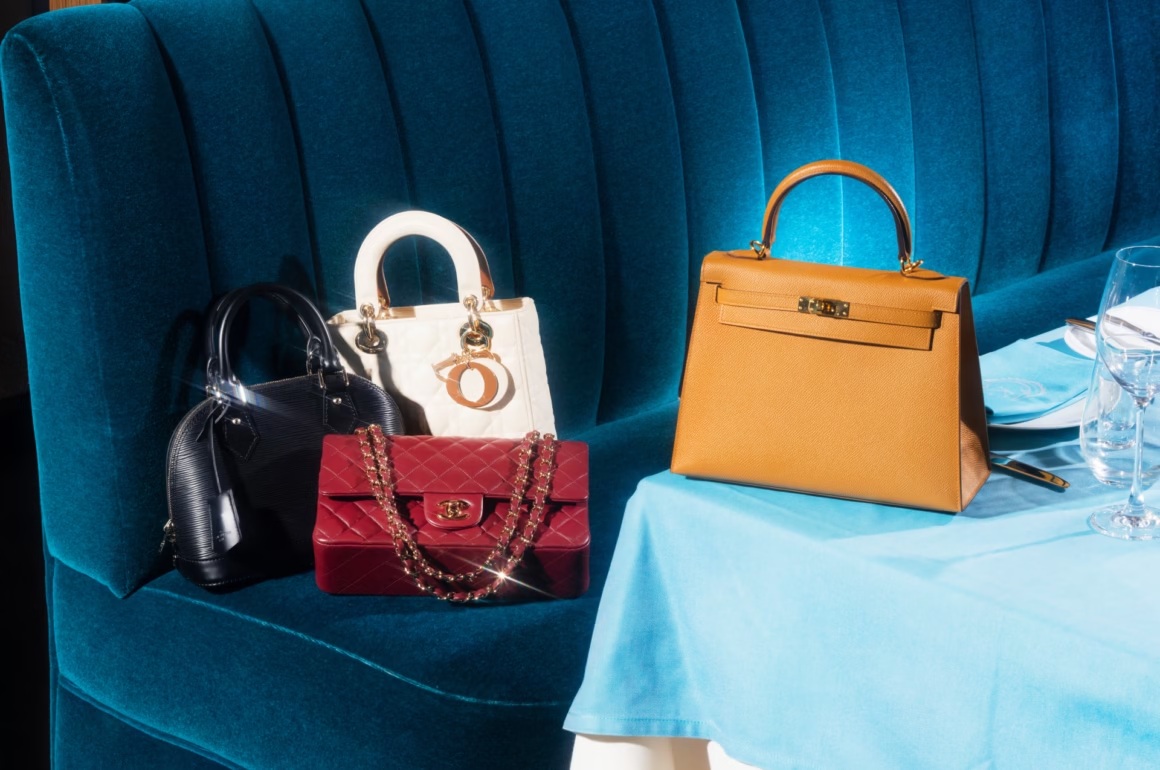
Can a handbag cost more than an apartment in downtown Prague? The question is only seemingly absurd.
In 2022, the auction house Christie’s sold a Hermès Himalaya Birkin bag for $500,000. However, that’s nothing compared to the jewel from the Mouawad collection—the “1001 Nights Diamond Bag” was valued at an astonishing $3,800,000.
Let’s picture a scene at an auction house. Elegant women discreetly raise their paddles, bidding on a piece of leather and metal. The tension mounts with every new offer. Finally, the gavel falls—half a million for a handbag.
What are the most luxurious handbag brands? – from Birkin to 1001 Nights
The global luxury accessories market is now a giant worth $100 billion. Data from 2024 shows that the handbag segment is growing at a rate of 5-7% per year. That’s faster than most traditional investments.
Something is happening in Poland, too. An influencer from Krakow shows off her new Chanel bag on Instagram—the post racks up thousands of likes within hours. The comments are full of admiration and questions about the price. The resale market is booming, and apps for selling pre-owned luxury handbags are gaining popularity.
It’s no longer just about functionality. These little leather wonders have become status symbols, objects of desire, and sometimes even a way to invest capital. Young women save for months for their dream model, treating it as an investment.
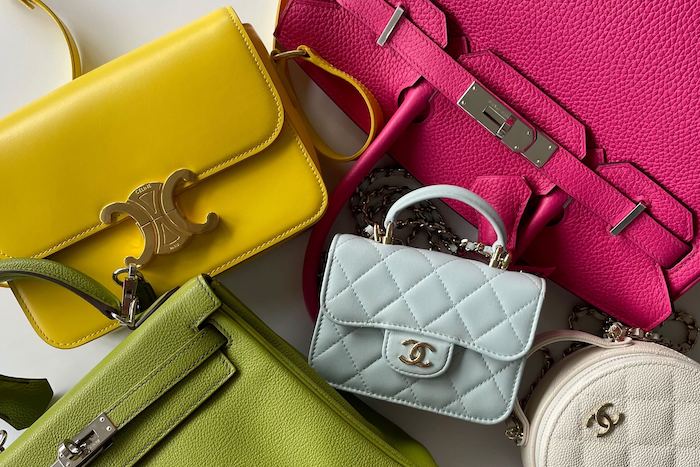
photo: fabfitfun.com
In this article, we’ll take a closer look at:
- How has the history of luxury handbags evolved from practical pouches to today’s icons
- Why do some brands reach astronomical prices
- How the secondary market is changing the game
- Is buying a luxury handbag a smart financial decision
The question is: how did an ordinary pouch become an investment worth more than a car?
From Pouch to Status Icon – A Historical Overview
In 1854, a young Frenchman named Louis Vuitton created a trunk that transformed the way Europe’s elite traveled. Flat, rigid, covered with gray Trianon canvas—it might sound dull today, but at the time, it was revolutionary. Until then, trunks had domed lids and couldn’t be stacked on top of each other. This single detail sparked a wave of change that eventually led us to today’s world of handbags costing tens of thousands of zlotys.
In fact, Louis Vuitton wasn’t the first. The oldest luxury handbag brand was founded back in 1829 in Brussels—Delvaux. This Belgian family of craftsmen started with leather accessories for the local aristocracy, and their first major order came from the Belgian royal court. But it was the French brands that set the tone for what we now know as the luxury industry.
| Year | Event |
|---|---|
| 1829 | The founding of Delvaux in Belgium |
| 1837 | Thierry Hermès opens a workshop in Paris |
| 1854 | Louis Vuitton is revolutionizing travel trunks |
| 1955 | The launch of Chanel 2.55 |
| 1984 | The birth of the Birkin bag |
| 1995 | Lady Dior enters the market |
Hermès began with saddles and harnesses for horses. In 1837, Thierry Hermès opened his workshop on rue Basse-du-Rempart in Paris, serving mainly the aristocracy and the military. It was only his sons who shifted the company’s focus to leather accessories as the horse era was coming to an end. It’s fascinating how often luxury is born out of practicality.
The real transformation came after World War II. The world was becoming globalized, and so was luxury. Women were entering the workforce en masse and needed elegant handbags for the office. Coco Chanel sensed this trend and in February 1955 released the 2.55 model—a quilted bag with a long chain strap that could be worn on the shoulder. “I’m tired of carrying my bag in my hand and losing it,” Chanel said. Simple, yet brilliant.
The 1980s brought another revolution. In 1984, Jane Birkin, sitting next to Jean-Louis Dumas, president of Hermès, on a flight from Paris to London, complained about the lack of a perfect weekend bag. Dumas sketched a design on a paper napkin. That’s how the Birkin was born—a bag that today costs more than a car and has its own waiting lists.
The boom of the 1990s was a whole new story. The world discovered “it bags”—handbags that became stars in their own right. The Lady Dior from 1995, named after Princess Diana, ushered in the era of celebrity marketing. Suddenly, a handbag was no longer just an accessory—it was a statement, an investment, an object of desire.
After 2010, everything got more complicated. Digitalization changed the way people buy luxury. The younger generation started paying attention to sustainability, questioning the logic of owning a bag that costs as much as an apartment. Brands had to adapt—introducing recycling programs, transparency in the supply chain, and limited editions available online.
Today, in 2025, we’re facing yet another transformation. Artificial intelligence, personalization, new materials—luxury is reinventing itself once again. But one thing has remained unchanged since the days of that first Vuitton trunk. It’s craftsmanship and obsessive attention to detail that still determine whether a handbag becomes an icon or fades into the annals of history.
Five pillars of luxury – craftsmanship, materials, exclusivity
I’ve been wondering lately what really makes a handbag cost tens of thousands of zlotys. And I don’t mean branding or marketing—I’m talking about things you can actually measure and verify.
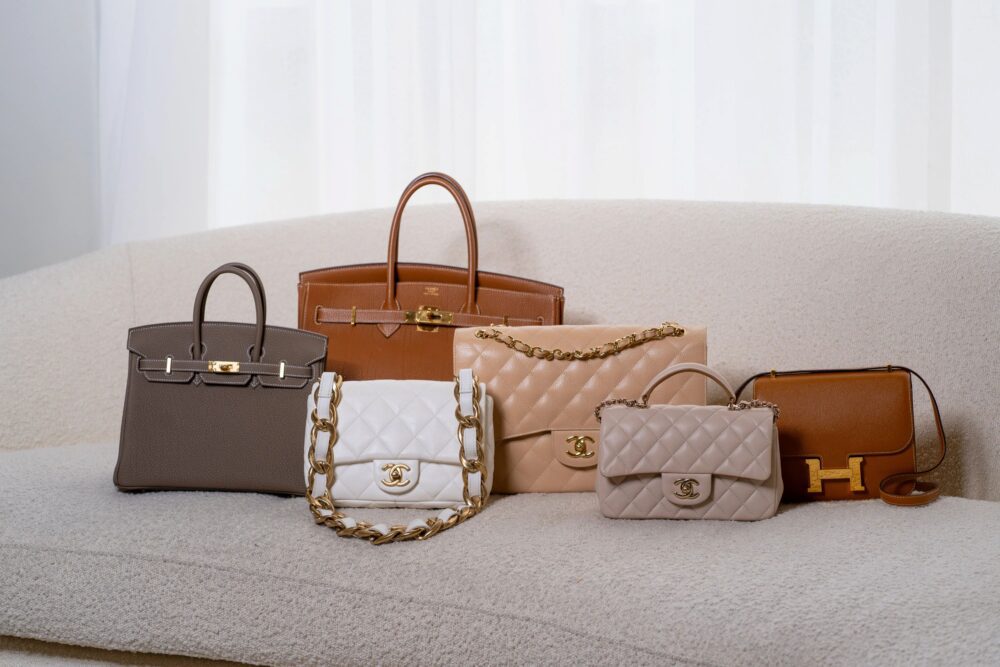
photo: luxe-cheshire.com
True luxury isn’t accidental. It’s the sum of five specific elements you can actually identify. Craftsmanship is the first pillar, but not just any kind. We’re talking about techniques that take years to master. Hermès uses the saddle stitch method—each stitch is made with two needles at once, pulling the thread through the hole from both sides. It’s a technique borrowed from saddle makers. A single Birkin takes 18–24 hours of pure handwork. There are no machines that could do it better.
The second pillar is materials, but not the kind from your local tannery. Nile crocodile leather is standard, but the Himalaya Birkin uses crocodile skin hand-polished for months. Buckles made from 18-karat gold, sometimes set with diamonds. The cost is absurdly high, but the difference is visible to the naked eye.
Limited production —this is where the economics get interesting. Hermès makes five Birkins a week. Globally. Not because they can’t make more, but because they want to maintain scarcity. Waiting lists stretch on for years. That’s no accident.
| Pillar | Description | Example |
|---|---|---|
| Craftsmanship | Techniques that require decades of learning | Saddle stitch – 18h on Birkin |
| Materials | The most expensive available raw materials | Himalaya crocodile leather |
| Limited supply | Deliberate product shortage | 5 pieces per week globally |
The fourth element is brand heritage. History sells. Kelly named after Grace Kelly, Birkin after Jane Birkin—every name has its own story. This elevates the intangible value of the product. Someone is paying for the privilege of carrying a piece of history.
The fifth pillar is innovative design, but not in the sense of gadgets. It’s about solutions that stand the test of time. Hermès introduced the padlock with a key in the 1930s. To this day, it remains one of the most recognizable features of their handbags.
Honestly, it sounds like a recipe for a monopoly. And it probably is.
Does your handbag meet these five criteria? Handcrafted, exclusive materials, limited availability, brand history, timeless design. If so, you’re holding true luxury. If not—well, at least now you know what to look for.
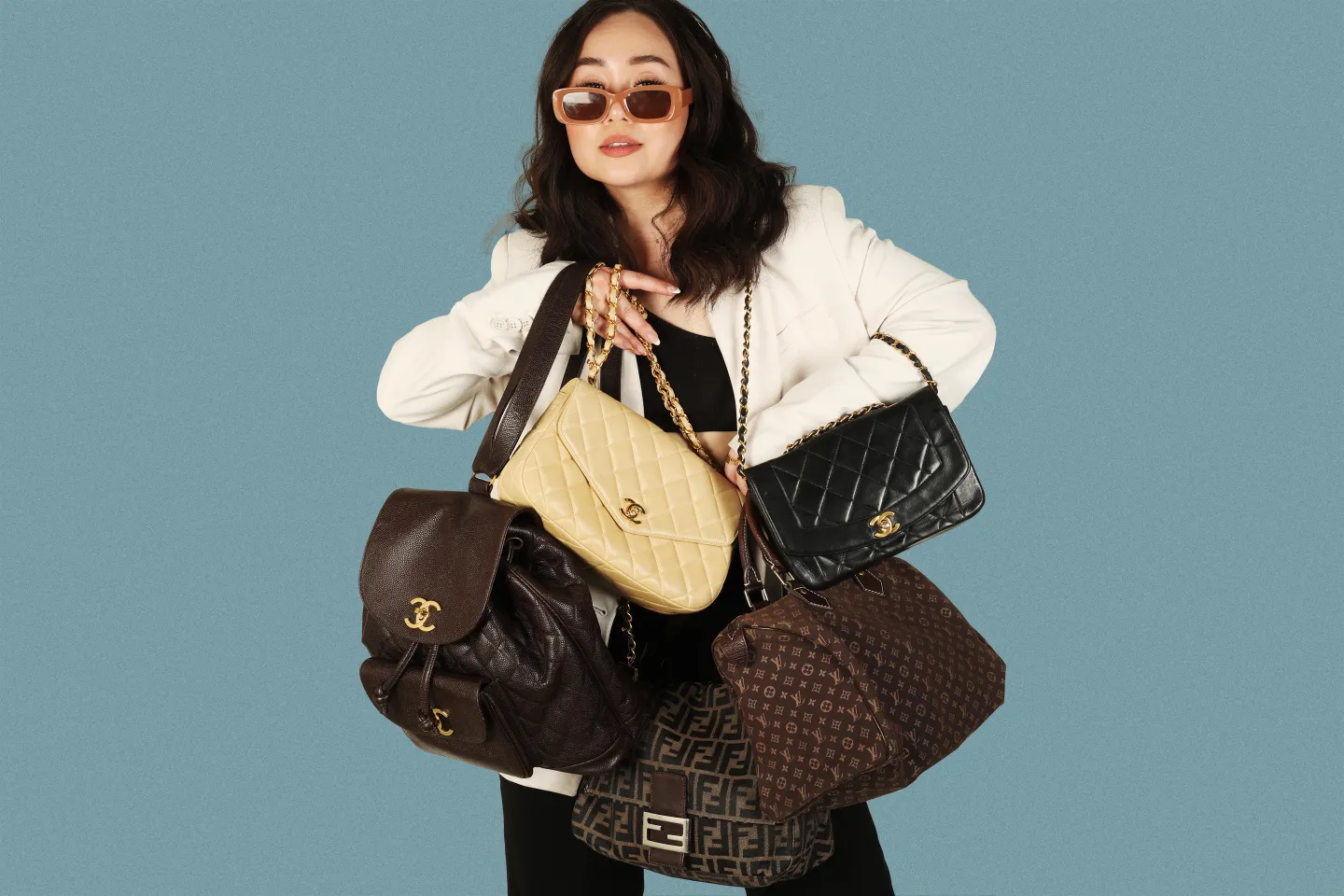
photo: fortune.com
Luxury Podium – Ranking of the 10 Brands Dominating the Market
Do you remember those five pillars we talked about? Heritage, craftsmanship, exclusivity… Exactly. Now it’s time to see which brands truly reign at the top. This isn’t an easy list, because each of these houses has its own strengths.
1. Hermès
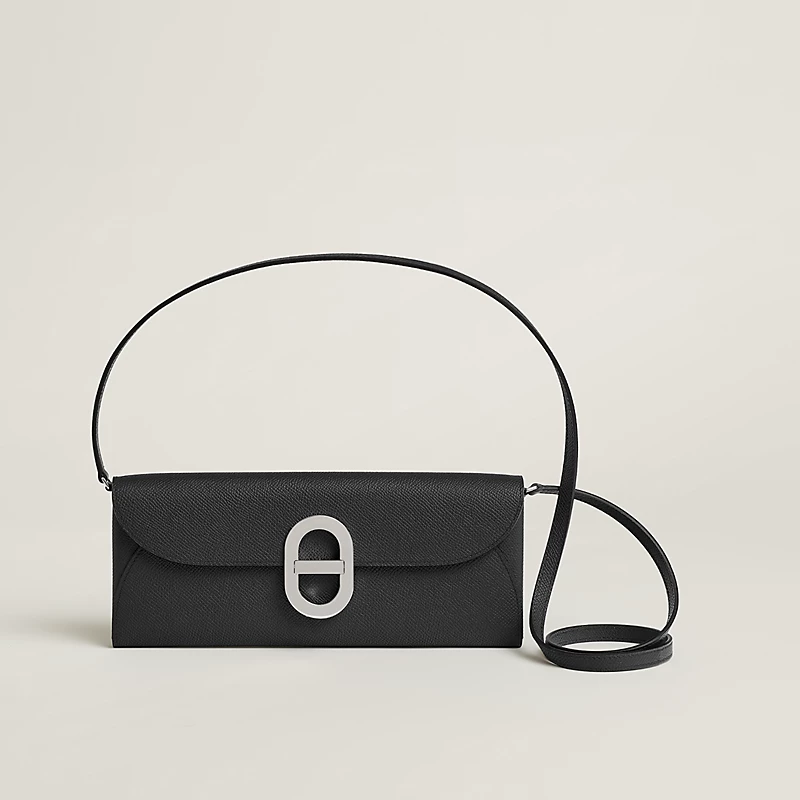
photo: hermes.com
Prestige score: 10/10. No debate here. The Birkin is the holy grail of handbags, with waitlists that stretch for years. The iconic model? Of course, the Birkin 35. Starting prices from 400,000 PLN, but that’s just the beginning. Hermès can be brutally selective—not everyone even gets a chance to buy.
2. Chanel
Prestige score: 9/10. Coco knew exactly what she was doing when she designed the 2.55 in 1955. This bag, with its signature quilted pattern and chain, is an icon anyone would recognize. Chanel has something others don’t—a certain understated elegance.
3. Louis Vuitton
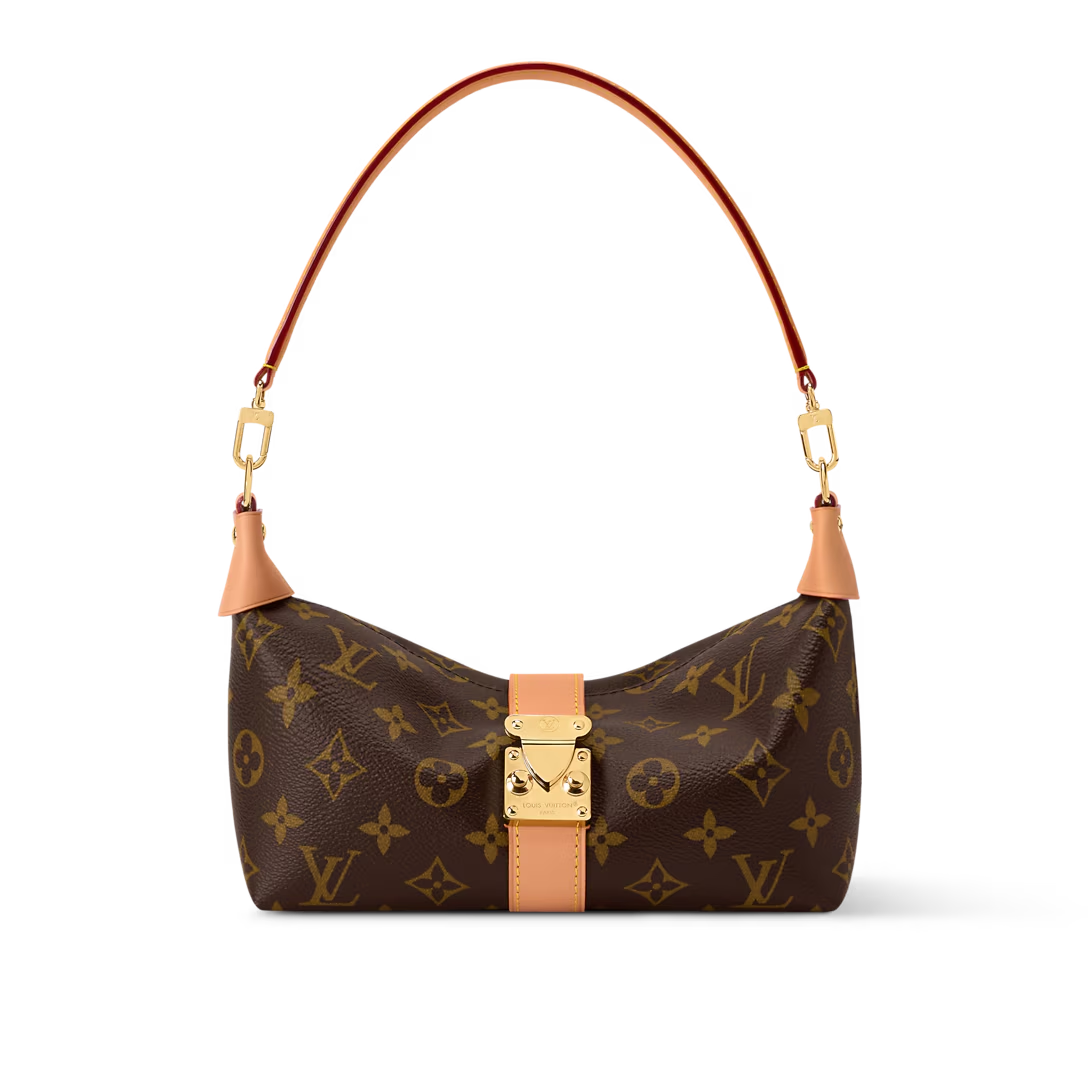
photo: us.louisvuitton.com
Prestige score: 9/10. The Speedy 30 is a classic that never goes out of style. LV has the edge in recognizability—the monogram is everywhere. Maybe sometimes a bit too everywhere, but the brand’s history since 1854 speaks for itself.
4. Dior
Prestige score: 8/10. The Lady Dior owes its name to Princess Diana, but the design is much older. Those signature quilted patterns and D-I-O-R letter charms are unmistakable.
5. Bottega Veneta
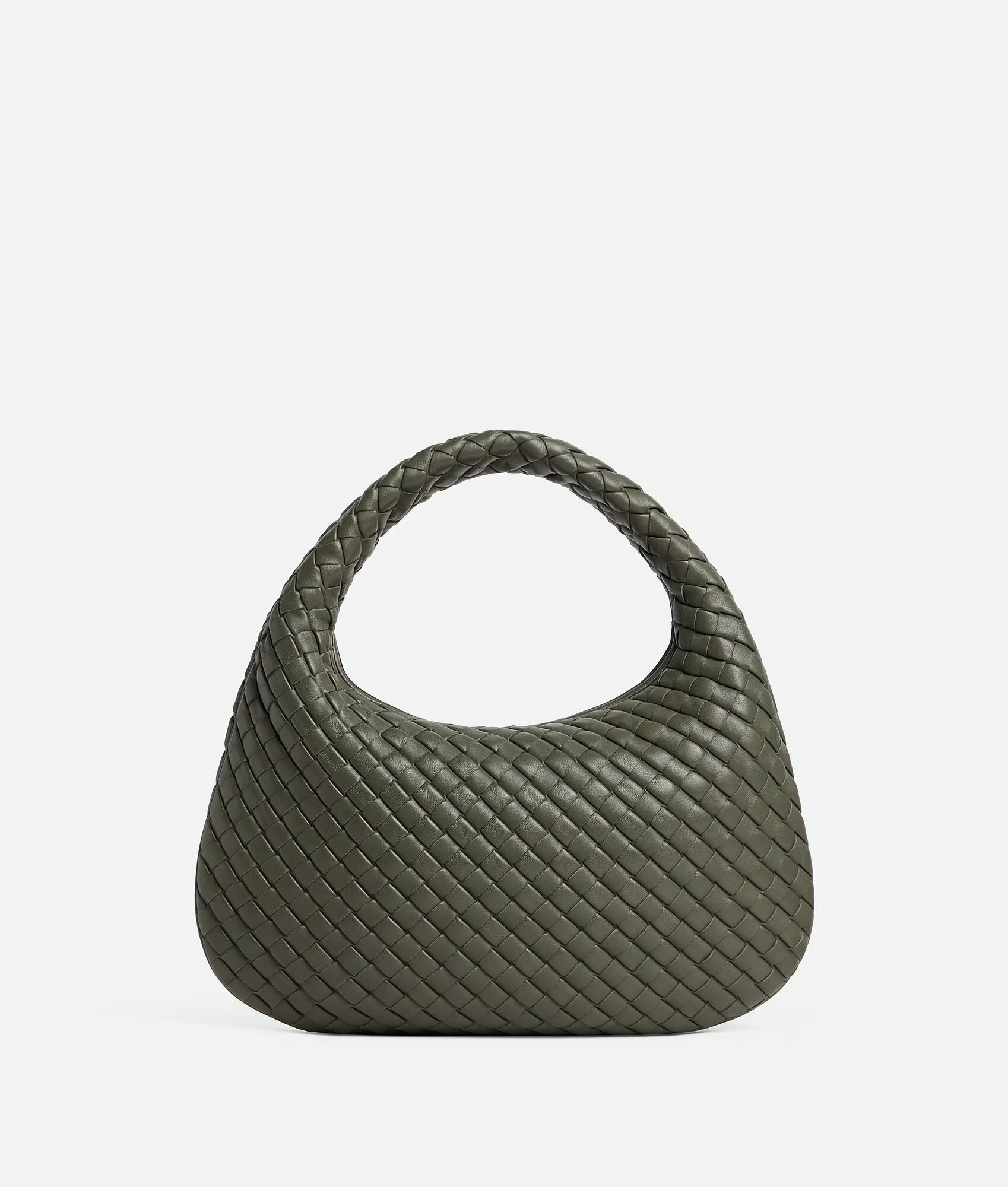
photo: bottegaveneta.com
Prestige score: 8/10. “When your own initials are enough”—their motto says it all. The Cassette Bag with its signature intrecciato weave is a masterpiece of craftsmanship. They may not shout as loudly as other brands, but true connoisseurs know.
6. Gucci
Prestige score: 7/10. The Dionysus with its tiger head is a newer icon, but just as recognizable. Gucci balances tradition and modernity better than most competitors.
7. Prada
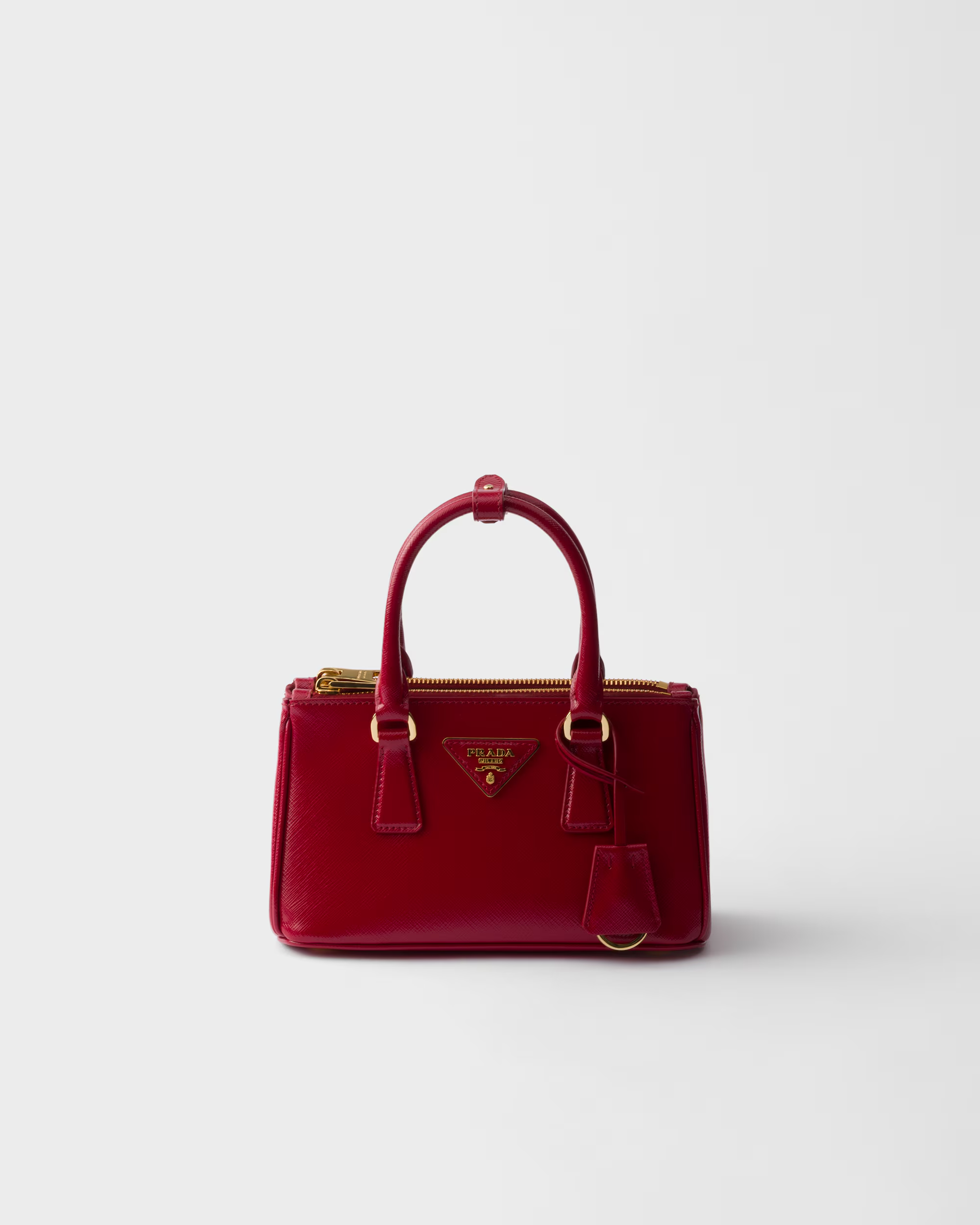
photo: prada.com
Prestige score: 7/10. The Re-Edition 2005 proves that minimalism can be luxurious. Prada has that Italian flair that’s hard to imitate.
8. Fendi
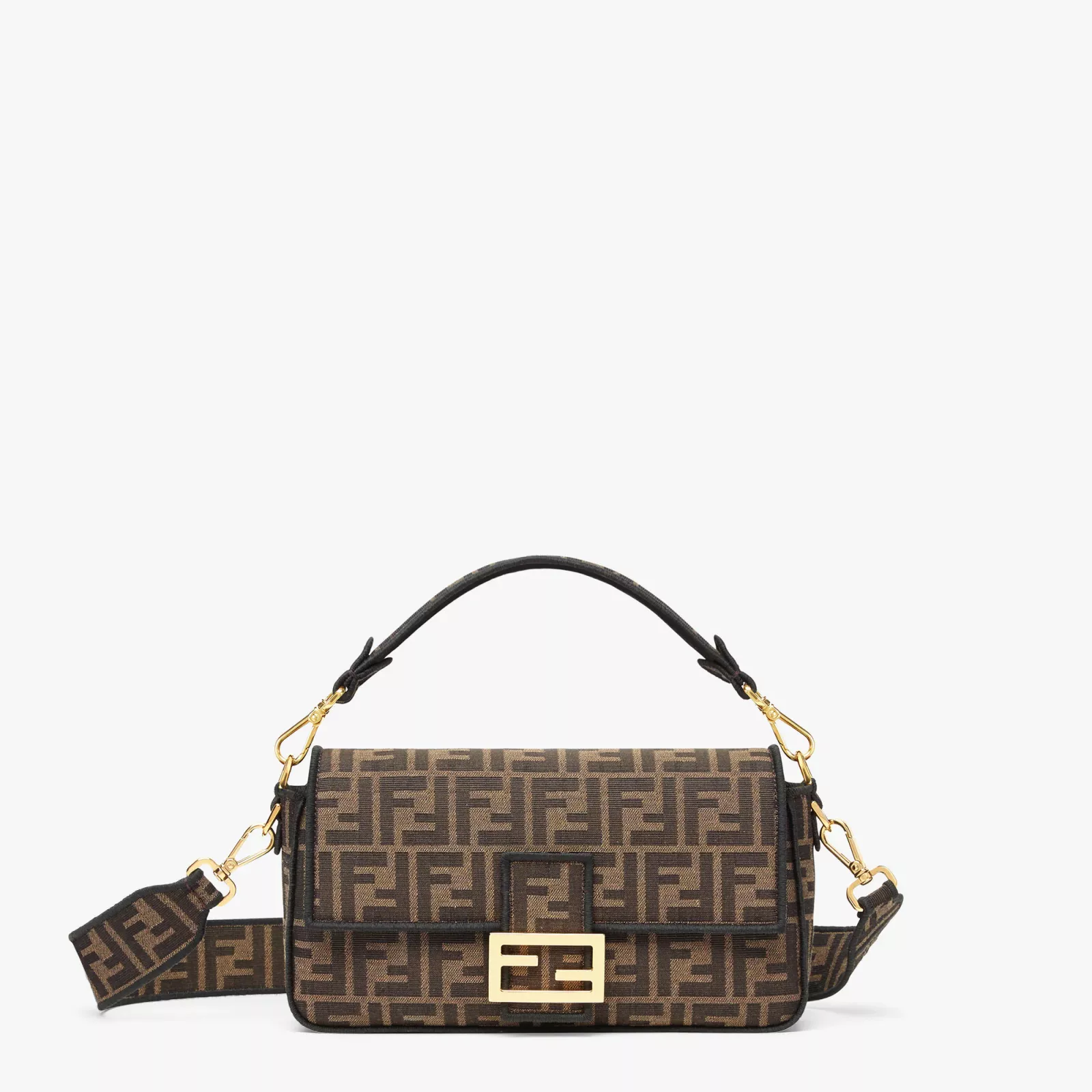
photo: vogue.pl
Prestige score: 7/10. The Baguette was a hit in the ‘90s and is now making a huge comeback. Fendi knows how to create bags that are both practical and luxurious.
9. Celine
Prestige score: 6/10. The Luggage Tote with its signature “smile” is a relatively new icon. Celine has its own unique style—quiet luxury.
10. Mouawad
Prestige score: 6/10. The name might not ring a bell, but the 1001 Nights Diamond Purse at $3.8 million is a Guinness World Record. This isn’t just a handbag—it’s a work of art with 4,356 diamonds.
| Brand | Starting price (PLN) | Waiting list | Iconic model |
|---|---|---|---|
| Hermès | 400,000 | 2-5 years | Birkin 35 |
| Chanel | 25,000 | 6-12 months | 2.55 |
| Louis Vuitton | 8,000 | Immediately | Speedy 30 |
| Dior | 20,000 | 3-6 months | Lady Dior |
| Bottega Veneta | 15,000 | 1-3 months | Cassette |
Interesting, isn’t it? These prices are just the starting point. On the secondary market, some models can be worth much more than on their release day. But more on that in a moment.
Handbag as an asset – profits, auctions, and the secondary market
I used to think investing was all about stocks and bonds. Now, when I look at a Birkin bag, I see an asset that has gained 500% in value over the past decade, according to the Knight Frank Luxury Investment Index. It sounds like a joke, but the numbers don’t lie.
The average annual price increase for a Birkin is 14%, while the S&P 500 delivered less over the same period. Of course, you can’t compare a handbag to a stock index one-to-one—they’re different risk categories. But the fact remains: some luxury handbags are outperforming traditional investments by a wide margin.
A record-breaking example? The Hermès Himalaya Birkin sold for half a million dollars at auction. Christie’s and Sotheby’s regularly hold auctions dedicated to luxury accessories, where prices reach astronomical levels. That particular bag was made from Nile crocodile leather and adorned with diamonds, but even standard Birkin models are seeing impressive gains.
The resale market is booming, and platforms like The RealReal and Vestiaire Collective are introducing increasingly advanced authenticity verification systems.
| Asset | Average annual return | Risk | Liquidity |
|---|---|---|---|
| Hermès Birkin | 14% | High | Low |
| S&P 500 | 10-12% | Medium | High |
| Gold | 5-7% | Medium | High |
| Art | 6-8% | Very high | Very low |
The verification process is crucial. The RealReal employs experts who inspect every detail—from leather quality to the stitching technique. Vestiaire Collective uses a similar system, though it’s less extensive. These platforms democratize access to the secondary market, but they also introduce a certain level of price standardization.
For a potential investor, the most important factors are the condition of the bag, the rarity of its color and size, and provenance documentation. The original box, dust bag, padlock with keys—all of these add to the value. Some colors are more sought after than others, and limited editions fetch the highest prices.
Liquidity remains an issue. You can’t sell a bag overnight like you would stocks on the exchange. The verification process, finding a buyer, negotiations—it all takes time. Sometimes months.
“Luxury goods have become an asset class in their own right” —as Financial Times wrote in a report on alternative investments. And indeed, more and more women are treating the purchase of luxury handbags as a long-term financial strategy, not just a pleasure buy.
Of course, the risk is significant. Trends change, brands can lose prestige, the market can collapse. But for now, the trend seems stable, especially at the top end.
This phenomenon also raises questions about the social consequences of this approach to luxury.
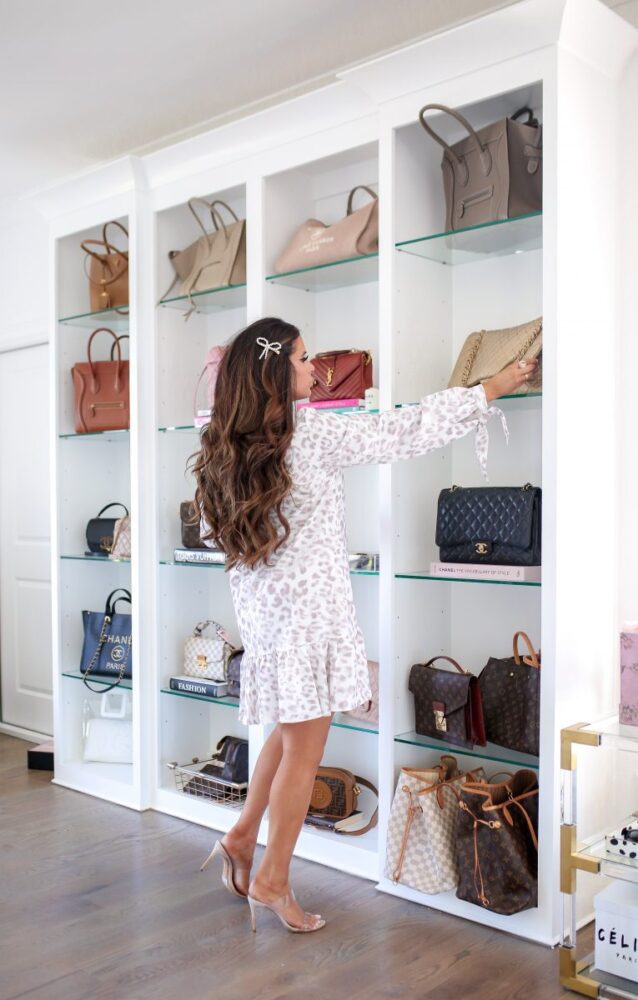
photo: thesweetestthingblog.com
Between Snobbery and Sustainability – Controversies and Debates
“Snobbery tax is buying a handbag for 20 thousand” – that’s how one X user put it last year. The post sparked a flood of comments. Some women defended their choices, while others criticized the senselessness of such spending.
This exchange highlights just how divided the world of luxury handbags is. On one side, there are arguments about investment and quality; on the other, accusations of empty snobbery.
The debate over exotic leathers has split the community for years. PETA regularly targets fashion houses for using crocodile or snake skins. The organization publishes graphic photos from farms and slaughterhouses. Their campaigns are effective—some brands are already giving up exotic materials.
Traditionalists respond differently. They claim leather craftsmanship is an art passed down through generations. That farms are regulated and animals do not suffer unnecessarily. They also add that genuine leather is more durable than synthetic alternatives.
| Argument | Source |
|---|---|
| Exotic skins = cruelty | PETA, activists |
| Traditional craftsmanship = heritage | Manufacturers, collectors |
The problem of counterfeits is a story in itself. In 2023, a scandal erupted involving Poczta Polska. The company was selling handbags in its stores that looked strikingly similar to Gucci models. The patterns, colors, even the shape of the clasps—everything seemed familiar. When the issue came to light, Poczta quickly pulled the products from sale.
This is just the tip of the iceberg. “Chinese replicas” have flooded the Polish market for quite some time. They’re sold at bazaars, online, and sometimes even in shopping malls. The quality varies—from obvious fakes to copies so convincing it’s hard to tell them apart from the originals.
Luxury handbag manufacturers are fighting this phenomenon. They hire lawyers, scan the internet, file lawsuits. But it’s a losing battle. For every site taken down, three new ones pop up.
The debate over snobbery versus empowerment resurfaces regularly. “A woman has the right to spend her money on whatever she wants”—that’s one of the most popular arguments. And it’s hard to disagree. If someone works hard and can afford expensive things, why shouldn’t they indulge?
On the other hand, questions about priorities arise. Is it really worth spending a fortune on a handbag when that money could go toward a child’s education or a vacation? Does an expensive bag truly make life better?
A new player in this game is vegan materials. Brands are experimenting with leather made from pineapples, mushrooms, even grapes. It sounds odd, but the results can be surprising. Some vegan leathers look and feel almost like the real thing.
ESG certifications are becoming increasingly important. Fashion houses want to show they care about the environment and society. They publish reports, boast about eco-friendly initiatives, promise to reduce CO2 emissions. Is it genuine concern or just marketing? It’s hard to say.
Young women are increasingly choosing brands that align with their values. Quality and prestige alone are no longer enough. How a company treats its employees and whether it respects the planet also matter.
But are vegan materials really better? Their production also requires energy and chemicals. Durability can be questionable. And what about recycling? Natural leather decomposes on its own. Synthetic alternatives can linger in the ground for decades.
What does the future hold for luxury handbags? – forecasts and recommendations
The luxury handbag market is on the brink of a massive transformation. After years of traditional business models dominating, changes are coming that will completely upend everything we know.
Optimistic scenario: the sustainable revolution
By 2030, sustainable materials could make up 30% of the entire market. This isn’t just a trendy fad—it’s a necessity. Brands are already investing millions in labs where leathers made from mushrooms or pineapples are being developed. It sounds strange, but it works.
Realistic scenario: digital fusion
Handbag NFTs are no longer a joke. Louis Vuitton is already testing metaverse pop-up stores, where you can buy a virtual bag with real money. And then wear it in the real world. Absurd? Maybe. But it works.
Disruptive scenario: investment frenzy
Analysts predict the price of a Birkin could hit $1 million. For a single bag. This isn’t just fashion anymore—it’s a hardcore investment, like gold or real estate.
For collectors looking ahead to 2025-2030, I have a concrete checklist. Diversify your portfolio—not just Hermès, but also new sustainability-focused brands. Certificates of authenticity will be crucial, as counterfeits are getting better and better. And ESG—without it, no brand will survive the next decade.
Brands have to choose: either go ultra-exclusive, or embrace transparency and sustainability. There’s no middle ground.
And what about activists? They’ll have a real impact on which brands survive. One viral TikTok about factory working conditions can destroy a brand worth billions.
The most fascinating part is that a handbag is no longer just a handbag. It’s becoming a token, an investment, a political statement. These aren’t just accessories anymore—they’re assets.
The next five years will show whether the market moves toward even greater exclusivity or the democratization of luxury. Most likely, both at the same time. That’s how revolutions work—they create parallel realities.
Nadinne
fashion editor


Leave a Comment