

Victoria’s Secret Ambassadors – from Angels to VS Collective
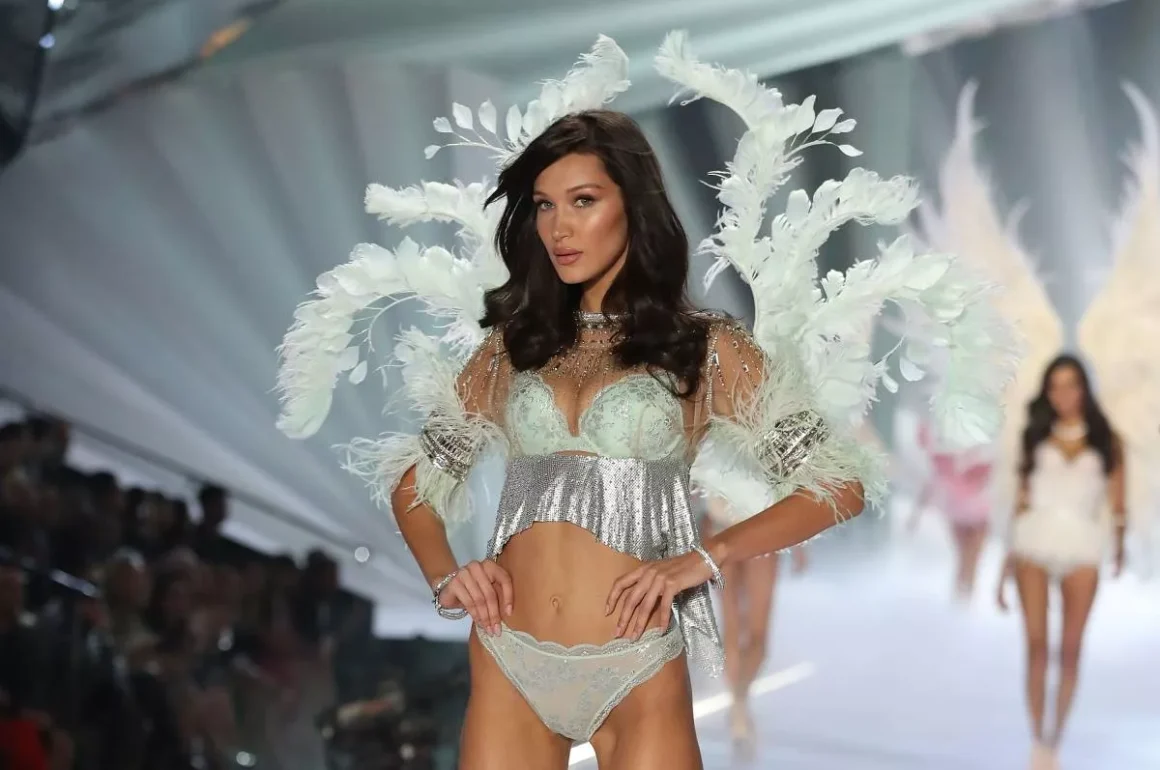
Did you know that Victoria’s Secret no longer has Angels? I was surprised when I first heard this question. For years, those wings were a symbol of luxury and femininity around the world.
For decades, Victoria’s Secret built an empire on the image of ideal women in lace lingerie. The brand was founded in 1977 and quickly became synonymous with luxury in the lingerie world. At its peak in 2016, the company reached revenues of “8.1 billion USD.” Back then, no one suspected that everything would change just a few years later.
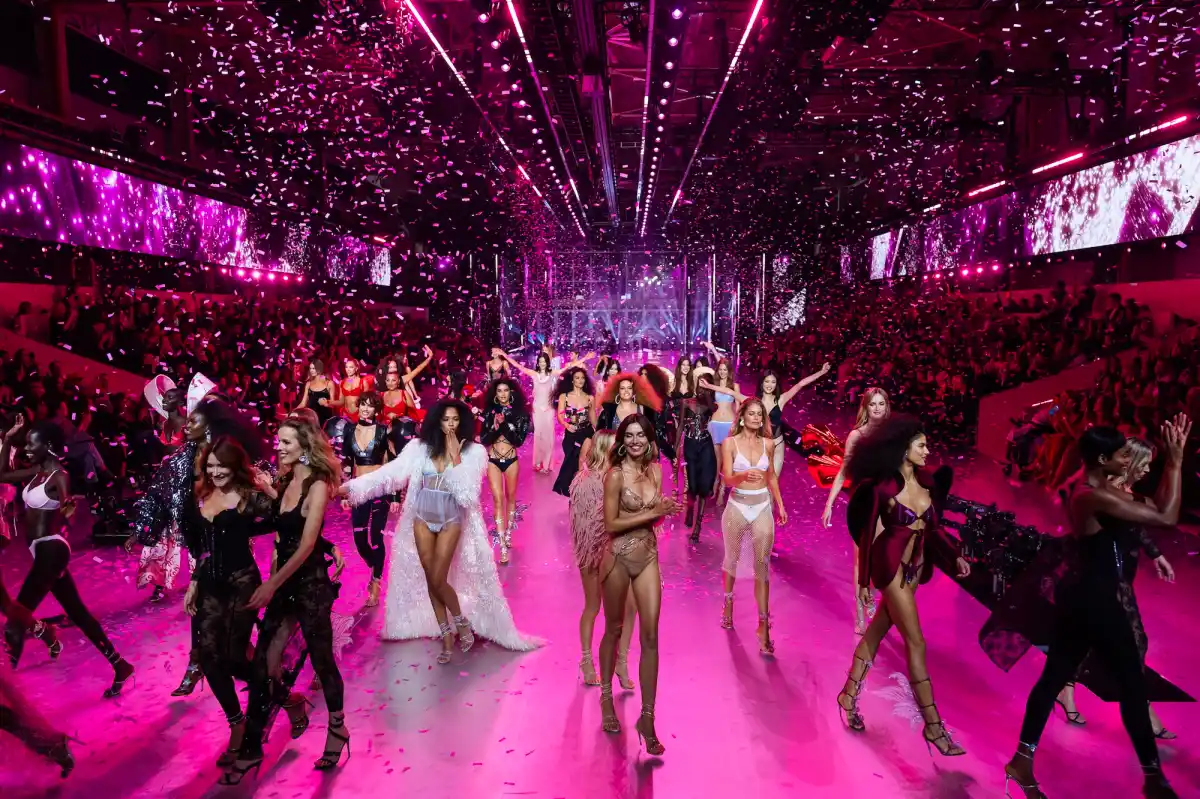
photo: usmagazine.com
Today, the Victoria’s Secret ambassadors tell a completely different story. In 2021, the company announced the “VS Collective” program, which completely transformed the way the brand is represented. This isn’t just a rebranding—it’s a revolution in the approach to femininity and diversity.
Victoria’s Secret ambassadors like wings of love
The phenomenon of this brand’s ambassadors fascinates me for several reasons. First, it shows how quickly culture and our perception of beauty can change. Second, it’s a perfect example of how business must respond to social shifts in order to survive.
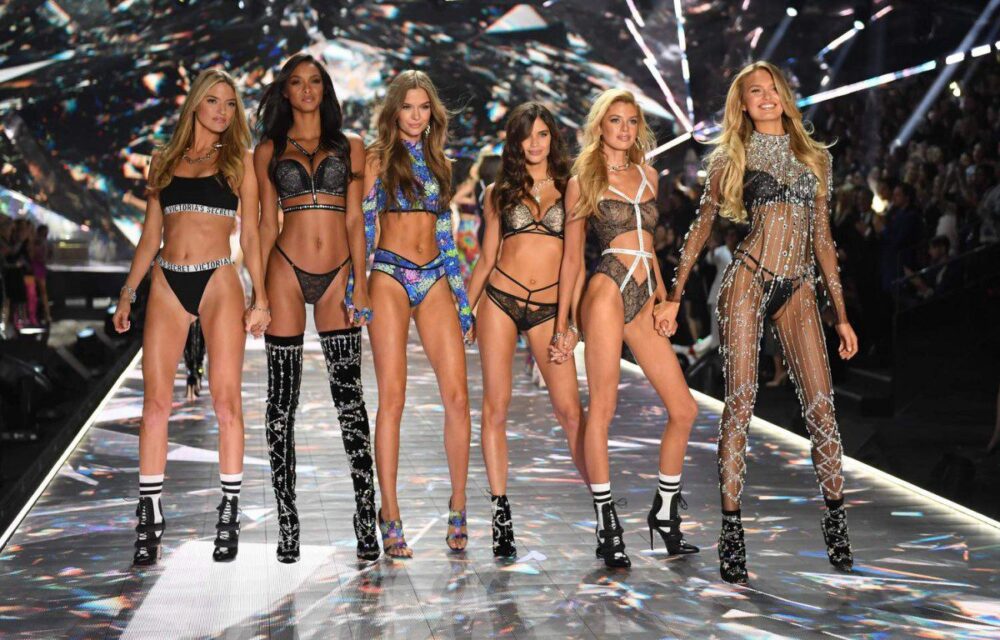
photo: m.maxmodels.pl
In this article, I want to show you:
– How the Victoria’s Secret ambassador program has evolved over the years
– Who represents the brand today and why these choices matter
– How these changes are impacting the entire fashion and lingerie industry
The changes at Victoria’s Secret are a mirror reflecting the transformation of society as a whole.
I still remember the days when Victoria’s Secret shows were watched by millions of women around the world. Today, those same women are asking questions about authenticity and diversity. This is no coincidence—it’s a natural evolution in how we think about beauty.
To understand where we are today, we first need to look at where we’ve come from. The history of this brand’s ambassador program is a fascinating journey through the last three decades of pop culture.
From Angels to VS Collective – the evolution of brand ambassadors
I remember exactly that moment in 1997 when I first saw a model wearing huge angel wings on the Victoria’s Secret runway. It was something completely new—not just lingerie, but an entire theatrical spectacle. Back then, no one could have guessed that the “Angels” show would become one of the most recognizable fashion brands in the world.
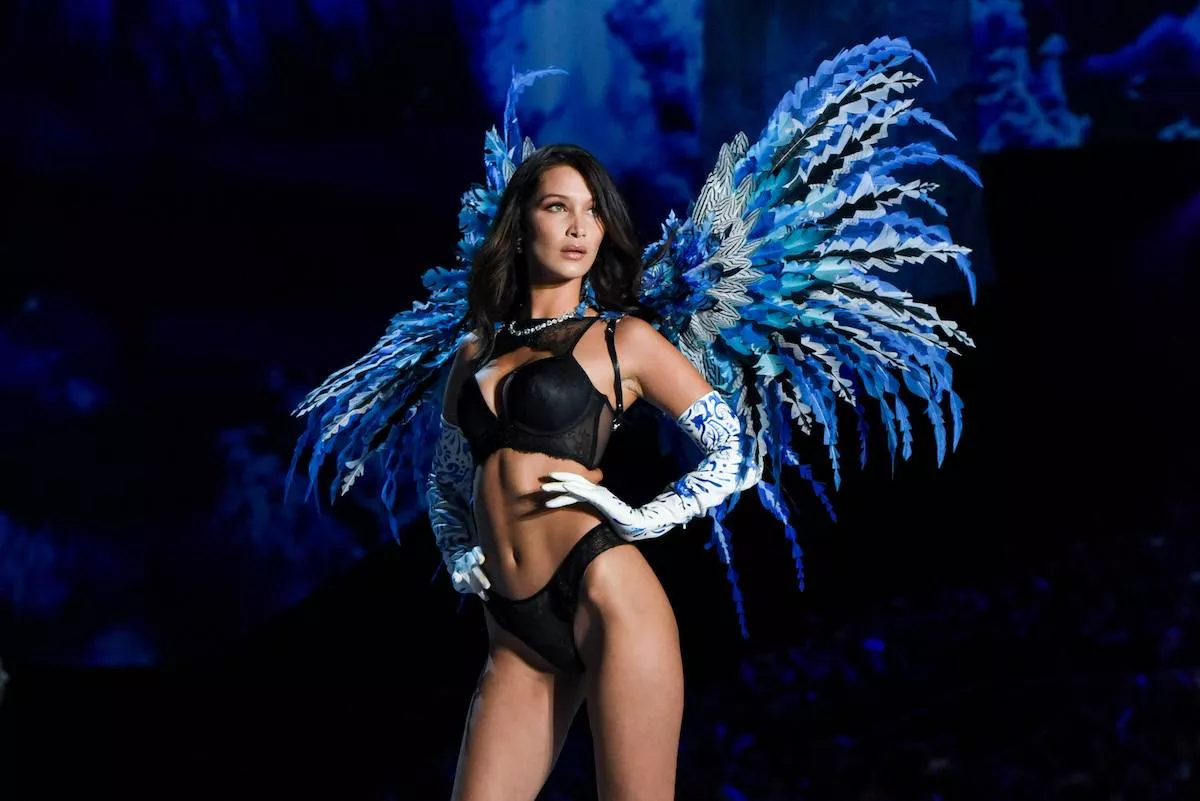
photo: vogue.pl
In fact, the whole story started rather accidentally. Victoria’s Secret was looking for a way to stand out in the market, and the idea with the angels seemed… well, pretty risky. But it worked.
| Year | Event |
|---|---|
| 1997 | Introducing the “Angels” program – the first wings on the runway |
| 1999 | The first televised VS Fashion Show |
| 2001 | Heidi Klum becomes the first official ambassador |
| 2005-2010 | The golden era – shows watched by millions of viewers |
| 2010 | Peak popularity – 12 million viewers of the show |
| 2018 | A drastic drop in viewership to 3.3 million |
| 11.2018 | Ed Razek’s controversial interview in Vogue |
| 2019 | Cancellation of the annual fashion show |
| 06.2021 | Official announcement of VS Collective |
I watched these shows for years and saw how the mood shifted. That drop from 12 million viewers in 2010 to just 3.3 million in 2018—it was no accident. The world was changing, and Victoria’s Secret seemed stuck in the past.
The turning point came in November 2018, when Ed Razek gave that infamous interview to Vogue. His comments that transgender and plus-size models didn’t belong on the runway sparked an uproar. People started saying out loud what they’d only whispered before—that the brand was promoting unrealistic beauty standards.
Then the Jeffrey Epstein scandal broke. The connections between him and Victoria’s Secret’s leadership cast a shadow over the entire company. Suddenly, those luxurious parties and the exclusive world of angels looked completely different. A brand built on fantasy and dreams was confronted with a very unpleasant reality.
Canceling the show in 2019 was basically inevitable. The company had to rethink its future. For two years, there was silence, speculation, and changes in management.
When the VS Collective was announced in June 2021, I knew it was the end of an era. There was no more talk of angel wings or fantasy—now the focus was on diversity and inclusion. A completely different philosophy, different values.
This whole evolution shows just how much consumer expectations have changed. What was the height of glamour 20 years ago can now seem outdated or even problematic. The new VS Collective approach aims to meet these challenges, though only time will tell if the brand’s former popularity can be rebuilt.
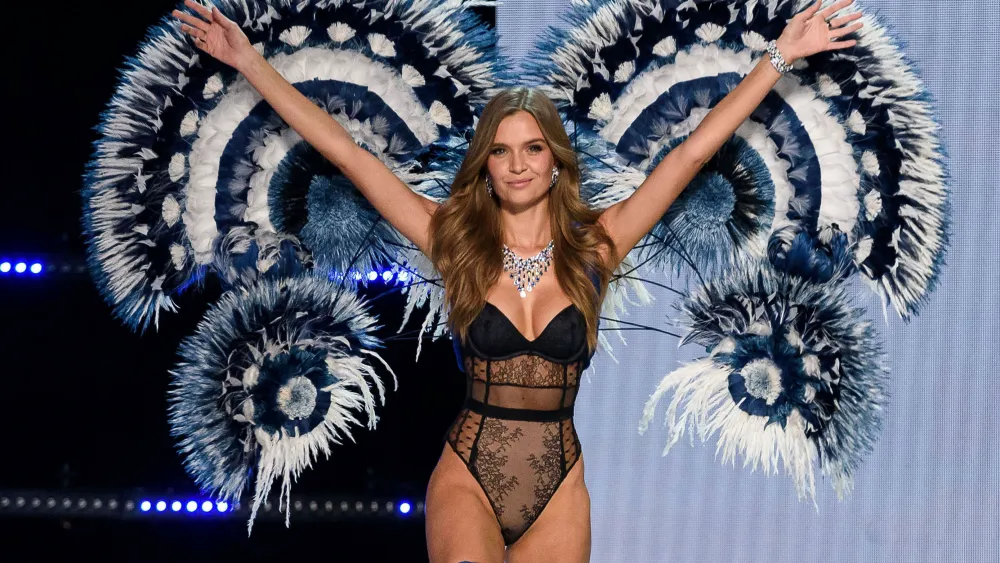
photo: wwd.com
VS Collective 2025 Ambassadors – who they are, why they were chosen, and what their mission is
I sometimes wonder if people even know what the VS Collective is. It’s a new initiative from Victoria’s Secret—no, not those famous Angels with wings anymore. Now it’s something completely different.
The VS Collective is a group of women who have represented the brand since 2021. Each of them has her own social mission and an authentic message. I think it’s quite a clever marketing move, although I was skeptical at first.
| First and last name | Date joined | Main social mission |
|---|---|---|
| Megan Rapinoe | June 2021 | LGBTQ+ equality and women’s rights in sports |
| Priyanka Chopra Jonas | June 2021 | Cultural diversity and women’s entrepreneurship |
| Hailey Bieber | August 2021 | Youth mental health |
| Adut Akech | September 2021 | African representation in fashion |
| Valentina Sampaio | October 2021 | Transgender rights |
| Eileen Gu | January 2022 | Women’s sports and breaking stereotypes |
| Naomi Osaka | March 2022 | Mental health awareness in sports |
These women’s contracts are truly impressive. The financial range goes from $500,000 up to $5 million per year. The amounts cover not just standard photo shoots, but also participation in social campaigns, social media posts, appearances at brand events, and collaboration on collection design.
I remember Hailey Bieber’s campaign with the silk collection from spring 2023. “Silk isn’t just about luxury—it’s a way to feel confident in your own skin,” she said in an interview at the time. Sales of that line broke records in the first three days.
Another interesting project is the #VSVoices podcasts with Naomi Osaka. She talked with young female athletes about pressure and mental health. Honestly, I didn’t expect a lingerie brand to tackle such serious topics. But somehow, it works.
Adut Akech co-created a collection inspired by her Sudanese roots. The patterns, the colors—everything had a deeper meaning. It wasn’t just another product line.
The numbers don’t lie—online sales jumped by 30% after the rebranding and the launch of the VS Collective. Especially in the 18–35 age segment. Younger women finally felt that this brand could be for them, too.
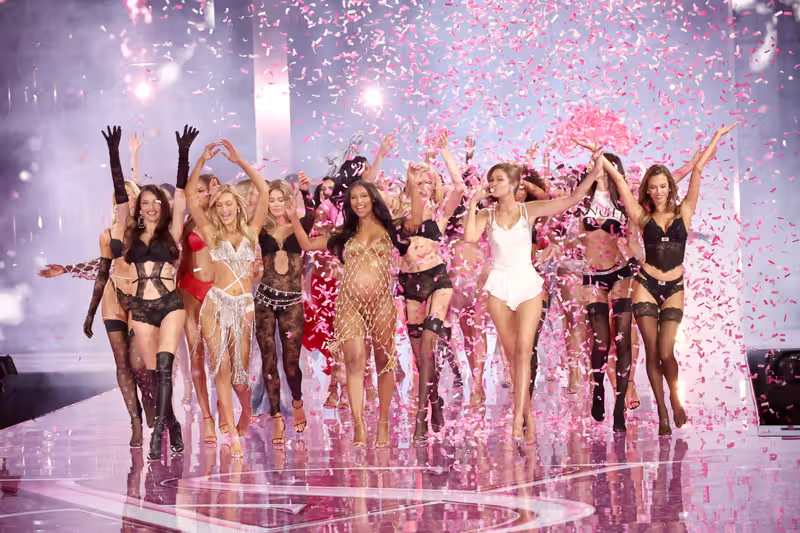
photo: hypebae.com
The brand’s Instagram gained 2.5 million new female followers in two years. The engagement rate jumped from 1.2% to 4.8%. That’s a huge difference if you know anything about social media.
What strikes me is the authenticity of these women. They don’t pretend to be perfect. Megan Rapinoe openly talks about her struggles, Hailey about her anxieties. That resonates with women all over the world.
Of course, not everything is rosy. Some collections sold less well, and there were controversies around some ambassadors’ statements. But overall, the strategy is working.
Data from November 2025 shows that the VS Collective is successfully rejuvenating the brand and attracting new groups of consumers. Now I’m curious to see what the future of this project will look like.
What’s next for Victoria’s Secret ambassadors – insights, trends, and actions for you
Revolution VS Collective is like a changing of the guard in the fashion world—the old order making way for a new era. Watching this transformation unfold over the past few years, I can clearly see where we’re headed.
Three things struck me most when analyzing Victoria’s Secret’s current strategy. First, the brand has finally realized that diversity isn’t a trend, but a necessity—and they’re acting consistently on this front. Second, social media has become the true battleground for customer attention, and VS has learned how to play this game. Finally, the authenticity of ambassadors now matters more than their looks.
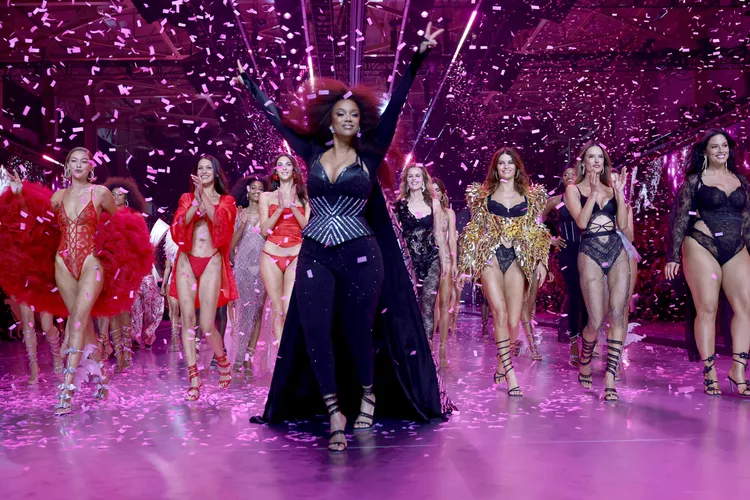
photo: people.com
Observing these changes is an investment in understanding the future of lingerie fashion.
My predictions? By 2027, VS Collective will have over 50 members from different continents. It’s an ambitious plan, but a logical one. The brand’s revenue could reach $10 billion by 2030—if they stay on their current path.
The clash with Rihanna’s Savage X Fenty is particularly interesting. There, the focus is on even greater size diversity and representation. VS is responding gradually, but is it fast enough?
“The future belongs to brands that listen to their clients rather than dictate standards to them,” as one branding expert recently told me.
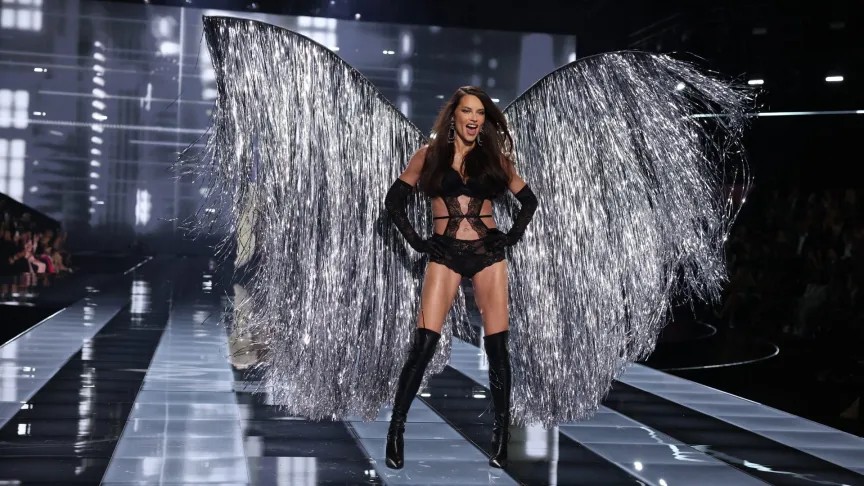
photo: entertainmentnow.com
Watching these changes, I often think about how much the fashion world has evolved. In the past, brands told us how we should look. Today, we tell them what we expect. And finally, they’re listening.
Nadine
fashion & lifestyle editor
Luxury Blog



Leave a Comment