

The tie trend – is the tie still in fashion?
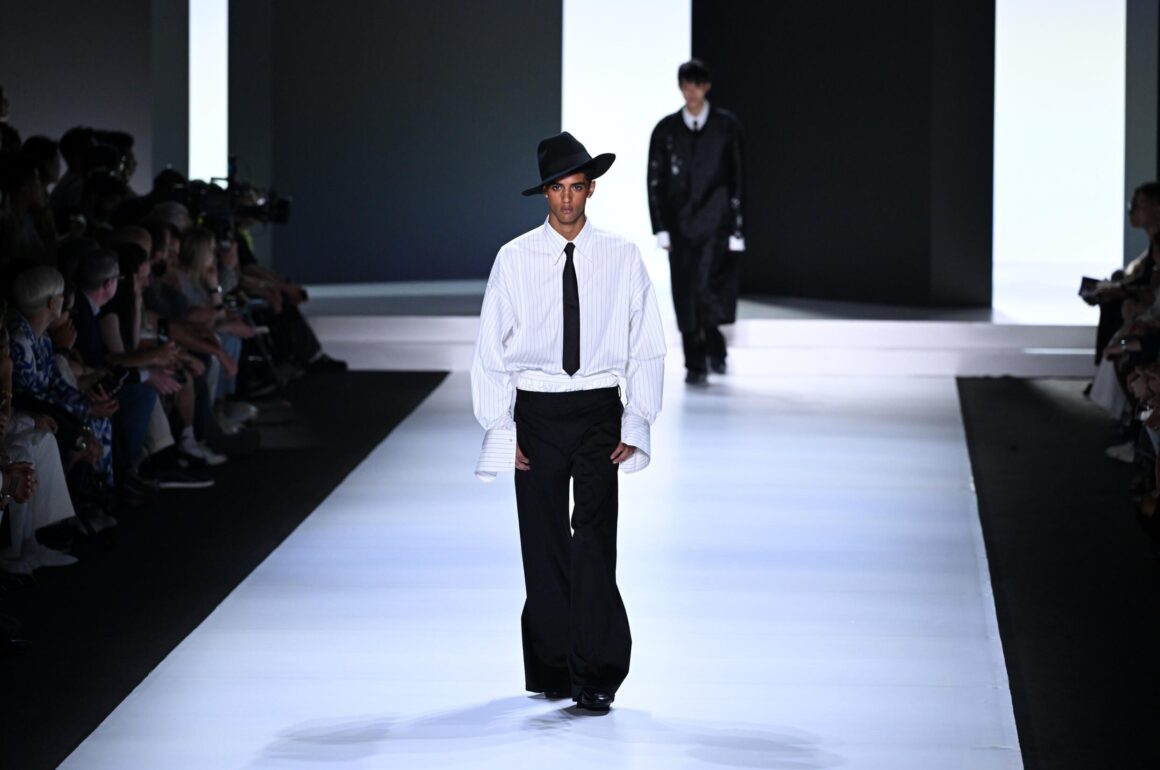
When we think of men’s accessories, one of the first things that comes to mind is the tie. It’s one of those timeless additions that not only bring elegance and sophistication, but also have a rich history and significance in the world of fashion. A tie is therefore much more than just a piece of clothing—it’s a symbol of class, elegance, history, and individual style. However, is the tie trend still relevant today? Is it worth investing in a variety of patterns and colors, or is it better to give up on this accessory altogether? To answer this question, we need to take a closer look at the world of ties.
The value of tradition in the modern world
The history of the necktie dates back hundreds of years, to the 17th century . Initially, it was not a fashion or style accessory, but served a practical purpose. The earliest mentions of neckties come from the time of the Thirty Years’ War, when Croatian soldiers wore special scarves around their necks. The name “cravat” or “kravata” (in French) comes from these scarves, and is the origin of the word “necktie.” These ties were meant to protect the neck and fasten shirt collars. And although they first served as a protective element for shirts, they quickly became a part of sophisticated attire.
In the 17th century, the tie began to be worn at European courts, especially in Paris. Its popularity was greatly influenced by the fashionable figure of Louis XIV, the King of France, who loved to adorn his outfits with various tie knots. He was the one who introduced more elaborate ways of tying these accessories into fashion, giving them a new aesthetic. In the 1960s, wide ties known as “flares” appeared, expressing the spirit of youthful rebellion. However, in later decades, classic, narrower ties made a comeback, and designers also experimented with different fabrics and colors.
For centuries, the tie has been an inseparable element of men’s elegance and style. It is a symbol of confidence and timelessness, which for decades has adorned the necks of men around the world. Even today, as the value of tradition is being rediscovered, the tie can be a unique way to show respect for history. On the other hand, in a world where modifications like Louis Vuitton micro bags quickly gain popularity, does the tie trend stand a chance of surviving?
Classic elegance
In the world of fashion, certain elements remain an enduring source of class and sophistication. In this regard, the tie continues to stand out as a distinctive accent in men’s wardrobes, symbolizing timeless elegance. Even in the face of constant experimentation and fleeting trends in fashion, such as seasonal spring trends, the tie remains a steadfast value, signifying confidence, maturity, and respect for traditio n.
A refined appearance is more than just an external presentation. It is also a manifestation of inner taste and aesthetics. The tie, as a subtle and demanding accessory, fits perfectly into this concept. Its presence around a man’s neck not only reflects attention to detail but also expresses a sense of style and the ability to harmoniously compose an entire outfit. When chosen well, it has the power to transform an ordinary ensemble into a majestic creation. The moment it is tied into an elegant knot, the entire posture and silhouette gain confidence. The patterns and colors of ties allow for a subtle expression of personal style, whether through classic simplicity or bold extravagance.
The tie trend: How to balance tradition and modernity?
The current era of fashion brings a fascinating clash between tradition and modernity, presenting men with the challenge of wearing a tie. This classic accessory, a symbol of elegance and class, still holds a prominent place in men’s wardrobes. But how do you strike the right balance between honoring tradition and expressing a modern sense of style?
Contemporary fashion trends bring dynamic changes that prompt a reevaluation of established conventions. As a result, many men choose to wear a tie only on special occasions, giving it the status of a unique accent in their outfits. On the other hand, there is a group of men who are not afraid to experiment with ties as an everyday accessory. This modern approach to wearing a tie becomes an expression of their individual aesthetic and self-confidence. They opt for ties in a variety of patterns, colors, and textures, creating original looks that highlight their personality.
To find a harmonious balance between tradition and modernity when it comes to wearing a tie, it’s essential to understand your own preferences and the context. Wearing a tie only occasionally, for special events, highlights its uniqueness and brings out its traditional significance. However, it’s also worth remembering that incorporating it into your daily wardrobe—even the classic combination with an elegant blazer and a pair of dress trousers—can add a fresh touch to your everyday style.
New faces of the tie
While classic patterns and solid colors of ties remain popular, the fashion world is also adapting to modern times. Today, we can see exciting experiments with shapes, textures, and unconventional designs. The tie has become a canvas for creative designers looking to add a touch of boldness to men’s wardrobes.
What changes are affecting the tie trend and the huge market for this accessory?
- Patterns and motifs: Prints that once stayed in the background are now taking center stage in styling. The tie has become a true canvas for artists determined to redefine this classic accessory. Experiments with unconventional designs—such as abstractions, geometric shapes, or street art—give men the opportunity to express their unique style and confidence.
- Textures: The revolution also extends to tie textures. In addition to classic materials like silk and wool, previously unseen fabrics are emerging, adding new dimensions to styling. Metallic fabrics, velvet, and even leather are becoming bold choices that catch the eye and give the entire look a distinctive character.
- Shapes: The shapes of ties are also evolving, taking on new forms and proportions. Designs featuring unconventional widths or asymmetrical cuts bring a sense of freshness and innovation to men’s fashion. Combined with modern knots, these unique shapes create a captivating contrast between classic style and contemporary trends.
- How to tie: Just like with scarf tying, it’s worth experimenting with different knots and tie-wearing techniques. For those who appreciate tradition, classic knots such as the Four-in-Hand or Half-Windsor are an excellent choice. Meanwhile, those who prefer a modern look can try more unconventional knots like the Eldredge or Trinity.
Experimenting with style is not only a sign of courage, but also a testament to the evolving perception of men’s fashion. The new faces of the tie open doors to greater style self-awareness and allow men to express their personalities through unique, unconventional choices. It is also proof that the tie, despite its long history, is ready to adapt to the changing tastes and needs of the modern man.
The tie trend—still has plenty to offer
In light of the current tie trend analysis, it is safe to say that this classic element of men’s wardrobe still holds its place in today’s fashion. It is a symbol of elegance, style, and respect for tradition. Whether you opt for classic patterns or bold experiments, the tie remains a versatile accessory that can perfectly express your personality. The key to success lies in understanding your own preferences and being able to express your individuality through this timeless yet versatile men’s accessory. You can find your own luxurious tie among the collections of exclusive fashion houses such as , Versace, or Louis Vuitton.



Leave a Comment