

The story of the Alexandre Mattiussi brand – from the streets of Paris to the world’s runways
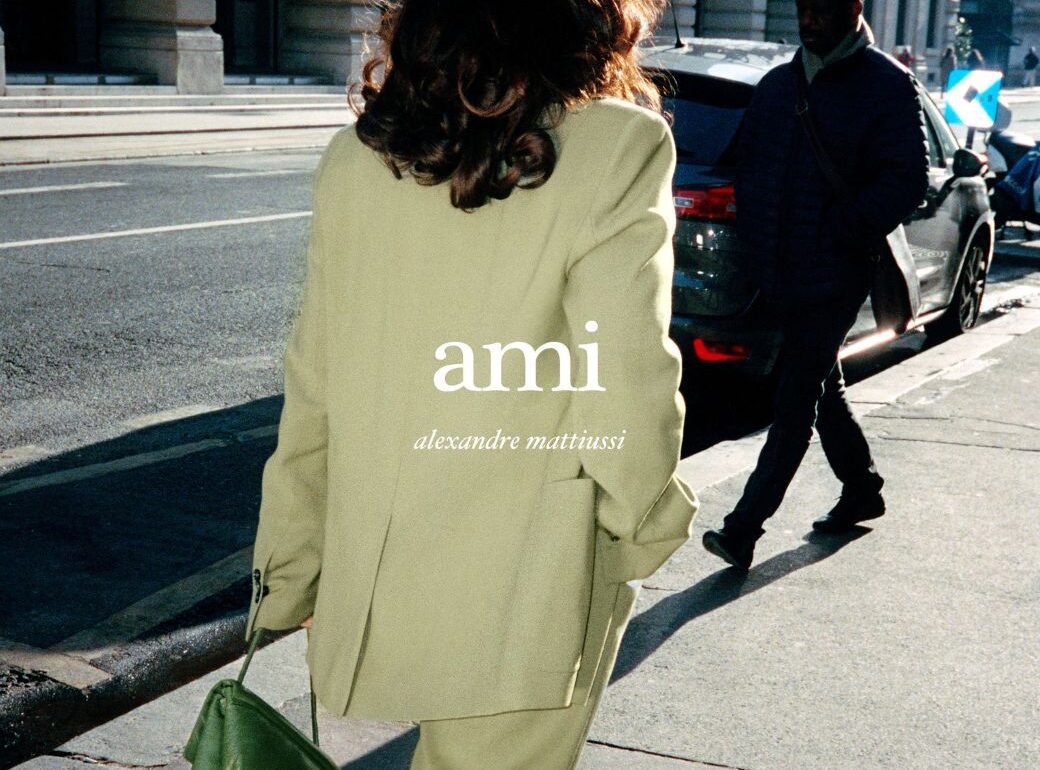
AMI at the Heart of Paris – The Story of Alexandre Mattiussi’s Brand
The story of AMI isn’t just another tale of fashion success. It’s proof that in a world full of noise, you can find your own voice. Mattiussi didn’t want to design clothes for a chosen elite. He wanted to dress his friends. Ordinary guys from Paris.
photo: frankstore.es
AMI means “friend” in French—and that’s exactly how the designer thought of his clients.
Today, the brand is present in over 400 retail locations worldwide. But did you know that for the first two years, Mattiussi barely made any money? He lived with his parents, saved on everything. Sometimes I think it was that very desperation that gave him the strength to create something authentic.
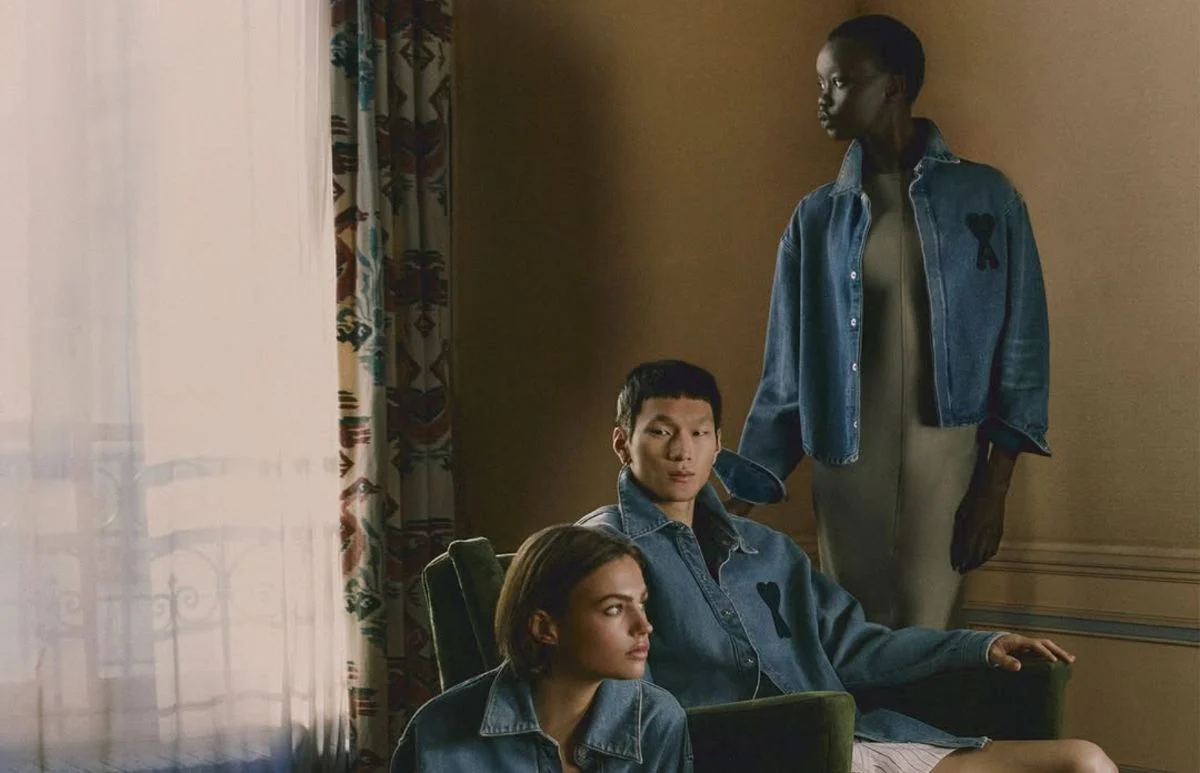
photo: frankstore.es
His journey from assistant at major fashion houses to owner of a global brand wasn’t easy. It was full of doubts, mistakes, and small victories. And that’s exactly what makes it so fascinating.
Is it possible to build a multi-million brand in just a decade while staying true to your values? Mattiussi proved that it is.
The designer’s youth and first steps in fashion
Who would have thought that a kid from the provinces would become one of the most important designers? Alexandre Mattiussi grew up in a quiet part of France, where fashion seemed like a distant world.
His family had no ties to the fashion industry, yet the story of the Alexandre Mattiussi brand shows just how much he would later change it. Even as a teenager, he felt drawn to creating clothes. Maybe it was that French culture buzzing all around him—I can’t say for sure.
In the ’90s, he got into the renowned Duperré school in Paris. That’s where he learned the basics of cutting and sewing. Later, he moved on to IFM – Institut Français de la Mode. He graduated around 2000, although… honestly, I’m not entirely sure about that date.
His first internships were crucial. At Givenchy, he discovered the world of haute couture—all those details, the perfection of craftsmanship. Later, he moved to Dior, where he learned from the best how to create luxury collections.
The most formative period was probably his time with Marc Jacobs in New York. There, he saw how elegance could be blended with casual style. That’s when he realized what he wanted from fashion.
Each internship brought new contacts. He met suppliers, photographers, stylists. He built a network that would later prove invaluable. All those skills—from sketching to managing a collection—he gathered over the years.
When he launched AMI in 2011, he already had everything he needed: experience, vision, and people who believed in him.
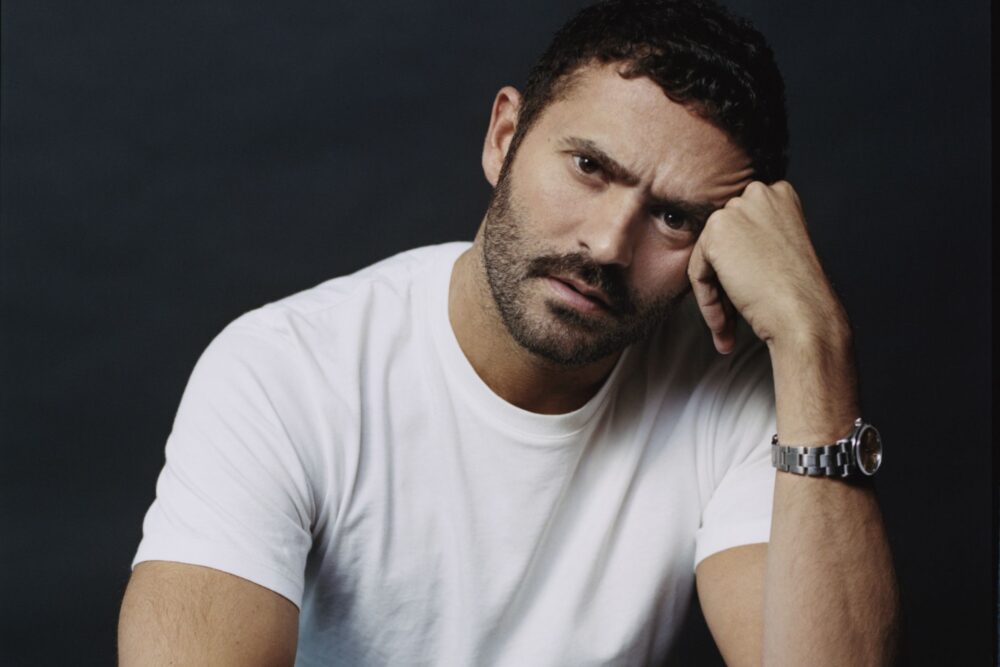
photo: drapersonline.com
The birth of AMI Paris: mission and first collection
I used to think that all fashion brands had complicated names with some deep philosophy behind them. AMI Paris is a completely different story.
Alexandre Mattiussi founded the brand in 2011, and the name is simply his initials—Alexandre Mattiussi… and that “I” at the end. But the cool thing is, “AMI” means “friend” in French. Coincidence? Probably not, since the whole idea from the start was for the brand to feel friendly and approachable.
Mattiussi had worked at major fashion houses before, but he wanted something different. Authentic Parisian casual for real people, not just runway models. It sounds simple, but back in 2011, that was a pretty fresh concept.
The first collection shown during Men’s Fashion Week caused quite a stir. The press wrote about a “new take on men’s elegance,” and buyers were calling the very next day. Maybe I’m exaggerating about the calls, but the reactions were genuinely positive.
Those oversized coats he showcased—they were something else. Knitwear in beiges, greys, and navy blues. Nothing flashy, nothing over the top. A neutral palette that everyone copies now.
I remember the first time I saw those pieces in a store. I thought—finally, something you can wear to work and out for a beer with friends. That’s exactly what Mattiussi was aiming for. Clothes for real people, not just for magazine spreads.
AMI immediately found its place. Not too formal, not too casual. Somewhere in the middle, right where most of us live our everyday lives.
Signature style: casual chic with heart
I remember the first time I saw that little heart on a sweatshirt. I thought it was just some small Instagram brand.
AMI Paris is actually a strange combination. On one hand, you get this elegance, like someone took couture and made it more relaxed. On the other—pieces you can wear to the grocery store. I don’t know if it’s intentional, but it works.
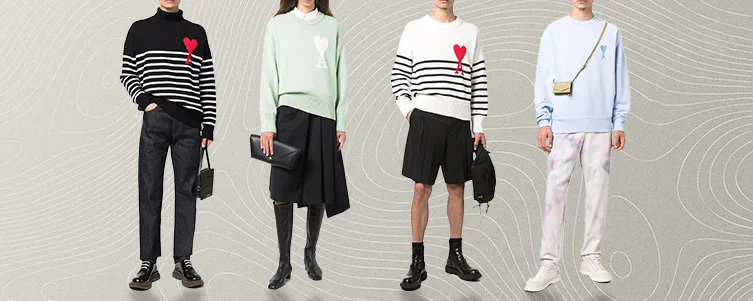
photo: topcashback.cn
The “AMI de Cœur” logo is everywhere. On t-shirts, sweatshirts, even bags. That little heart has become more recognizable than some luxury symbols. Maybe because it doesn’t scream “I’m expensive”?
For them, oversize isn’t a trend—it’s a philosophy. Everything is loose, comfortable. Girls wear their men’s sweatshirts, guys wear women’s pants. Nobody cares. This might be the first time genderless doesn’t sound like marketing—it actually makes sense.
Colors? Beige, gray, white. Sometimes navy blue. Nothing wild. But that’s the point—you can wear it anywhere.
Alexandre Mattiussi, the brand’s founder, once said: “Luxury should be accessible, not elitist.” And you can tell. The prices aren’t ridiculous like at some fashion houses.
Millennials are buying it because… well, why? Maybe because it looks good, but you don’t have to dress up just to grab a coffee. Or maybe because you don’t have to explain to your grandma why you wore her sweater.
Milestones and global expansion
I remember hearing for the first time in 2012 about the opening of a boutique in Paris. Back then, it seemed like a bold move. Who would have thought that was just the beginning of such an expansion.
2013 brought the ANDAM award. That was a really big deal in the industry. Although I have to admit, at the time I didn’t fully grasp the significance of that prize.
After that, things took off. Tokyo, London, New York —stores were opening one after another. Online sales started to grow at a pace no one had expected. Financial data from that period was… well, hard to come by. Companies aren’t always eager to share that kind of information.
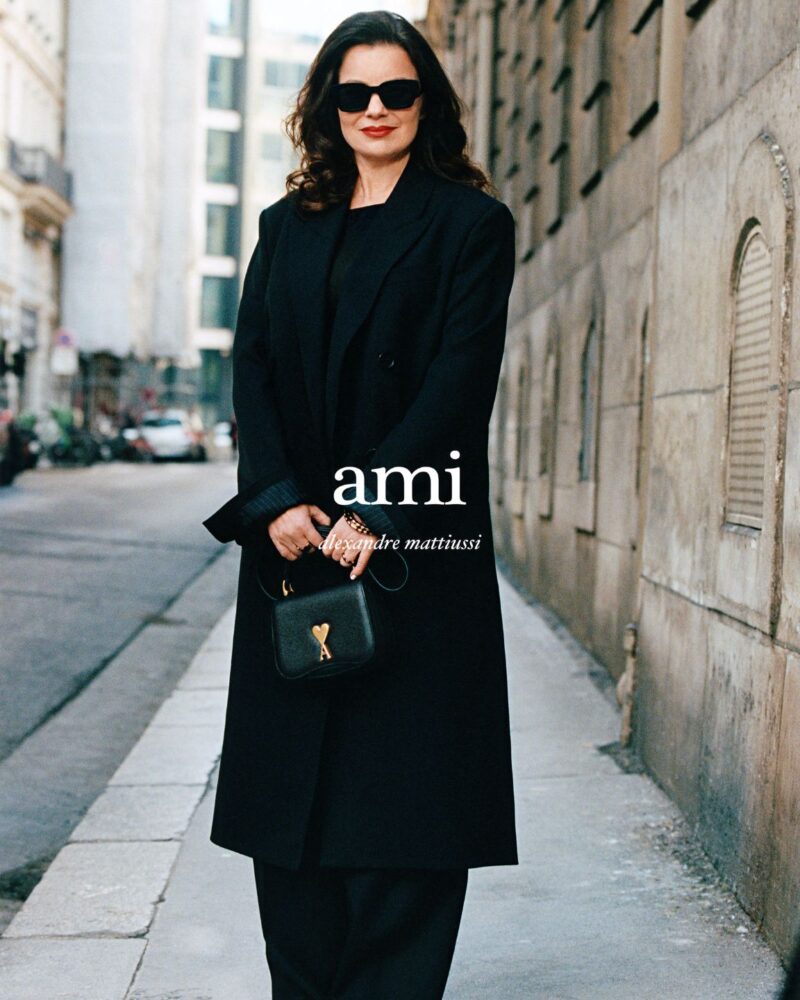
photo: gosee.de
It’s actually strange how quickly everything happened. At first, they focused mainly on menswear. I thought it would stay that way.
In 2019, Sequoia Capital China invested. That showed the scale of the whole venture. I don’t remember the exact amount, but it was clear we were talking serious money.
The move into womenswear was pretty seamless. There was no big bang—they just expanded the collection. Sometimes those quiet moves turn out to be the best. Women appreciated it right away.
Today, it’s hard to believe it all started with a single store in Paris. The internet has truly changed the way brands can grow.
Collaborations that made waves
I remember seeing that AMI x Moncler jacket for the first time in 2019. Back then I thought, “This can’t work, the brands are too different.” But I was completely wrong.
That Moncler collection was a game changer. Alexandre Mattiussi poured his AMI heart into those puffer jackets. The result was something between luxury and streetwear. Sales? Everything disappeared from the shelves within 48 hours. Moncler reported it was their fastest drop ever.
Then came Puma in 2020—and that was total madness. The AMI Hearth sneakers with that signature heart logo sold out in just 3 hours. On StockX, prices shot up by 300% in the first week. Instagram went wild—#AMIxPuma had over 2 million tags.
Things were calmer with Eastpak, but… maybe that’s why it worked even better? In 2021, backpacks and bags with the heart instead of the traditional logo. Simple, but effective. Young people were buying them like crazy.
The 2022 Gap collaboration felt odd at first. An American giant and French elegance? But the denim jacket with an AMI twist turned out to be a TikTok sensation. Over 50 million views in a month.
Smiley in 2023 was pure insanity. T-shirts with a sad emoji in AMI style—it sounds silly, but it worked. Sold out online in 20 minutes.
These collaborations turned AMI into something more than a niche brand. Suddenly, everyone recognized that heart logo. Alexandre became a name, not just initials.
The brand’s influence on men’s and unisex fashion
I remember the first time I saw the AMI Paris collection in 2011. Back then, I had no idea Alexandre Mattiussi would change the way we think about menswear.
Mattiussi did something others couldn’t. He took the elegance of haute couture and brought it into everyday clothing. His shirts cost around 200 euros, not 800 like the competition. It’s still expensive, but no longer out of reach.
Critics have mixed opinions about AMI. Tim Blanks from Vogue praised the brand’s “democratic luxury.” But some accuse Mattiussi of making clothes that are too simple. I think that’s where the strength lies—simplicity that works.
What’s interesting is how women have embraced AMI. He didn’t actually plan for that from the start. But his oversized sweaters and clean cuts just work for everyone. Women buy the men’s sizes and look fantastic.
He has plenty of imitators—COS is trying something similar, and so is Uniqlo.
The unisex trend isn’t just about fashion; it’s a shift in mindset. Young people don’t want to be boxed in by rigid rules. AMI hit the moment perfectly. Mattiussi didn’t have to force unisex—it happened naturally.
The democratization of menswear by AMI means you can look good without spending a fortune. And without feeling like you’re wearing a costume. That’s probably the most important thing.
Sustainability and future prospects
Is it really possible to reconcile business with responsibility? This question comes back to me every time I think about the future of the industry.
Certified materials are no longer an option—they’re a necessity. That’s the main reason we manufacture in Europe: it’s easier to control the process. Supply chain tracking sounds technical, but it’s simply knowing where our things come from. Sometimes I’m surprised by how few companies actually do this.
Asia is still a big unknown, but that’s where the money is. Expansion into these markets is planned for the next three years. E-commerce is growing fast, although I have to admit—not everything can be sold online. The feel of the material matters.
Homeware… that’s something I’m still considering. Is it too much at once? On the other hand, people buy a lifestyle, not just clothes. Maybe it does make sense.
Mattiussi once said something that stuck with me: “Social responsibility cannot limit creative freedom. Together, they create real value.” It might sound lofty, but in practice it means you can’t make beautiful things at the expense of everything else.
The plans are ambitious. Maybe too ambitious? Time will tell. For now, we’re focused on making sure every step makes sense—for the company and for the world.
Why the story of the Alexandre Mattiussi brand is only just beginning
I remember the first time I saw that heart on a T-shirt in a shop in Paris. Back then, I had no idea it was AMI Paris. Now everyone’s wearing that logo, but this is just the beginning.
The story of Alexandre Mattiussi’s brand is a fascinating lesson. The guy used to work for Dior and Givenchy. Solid experience, but in 2011 he dropped everything and started his own label. AMI means “friend” in French. He wanted to make clothes for his buddies, not for the rich crowd in the front row.
That heart on the chest became a hit by accident. Simple design, nothing complicated. People buy it because it’s cool, not because someone told them to. The marketing takes care of itself.
The brand went global fast. Awards started pouring in. Stores in Tokyo, New York, everywhere. But it wasn’t forced expansion—it was natural growth.
Collaborations with Uniqlo caused a sensation. Anyone could get a piece of the brand for a reasonable price. Smart move, honestly. Other luxury brands weren’t doing that.
AMI changed the approach to both men’s and women’s fashion. Anyone can wear anything. No divisions, no rigid rules. You just wear what suits you.
Now Alexandre is thinking about ecology and sustainable production. It’s not just marketing. Young customers demand it. You either do it right, or you’re out.
What can you learn from this? That authenticity pays off. That you don’t have to shout to be heard. And that good products speak for themselves.
AMI is only thirteen years old. In the fashion world, that’s nothing. It’ll be interesting to see what happens in the next ten years.
Be sure to check out the story of Philipp Plein —the famous designer




Leave a Comment