

The history of the Valentino brand
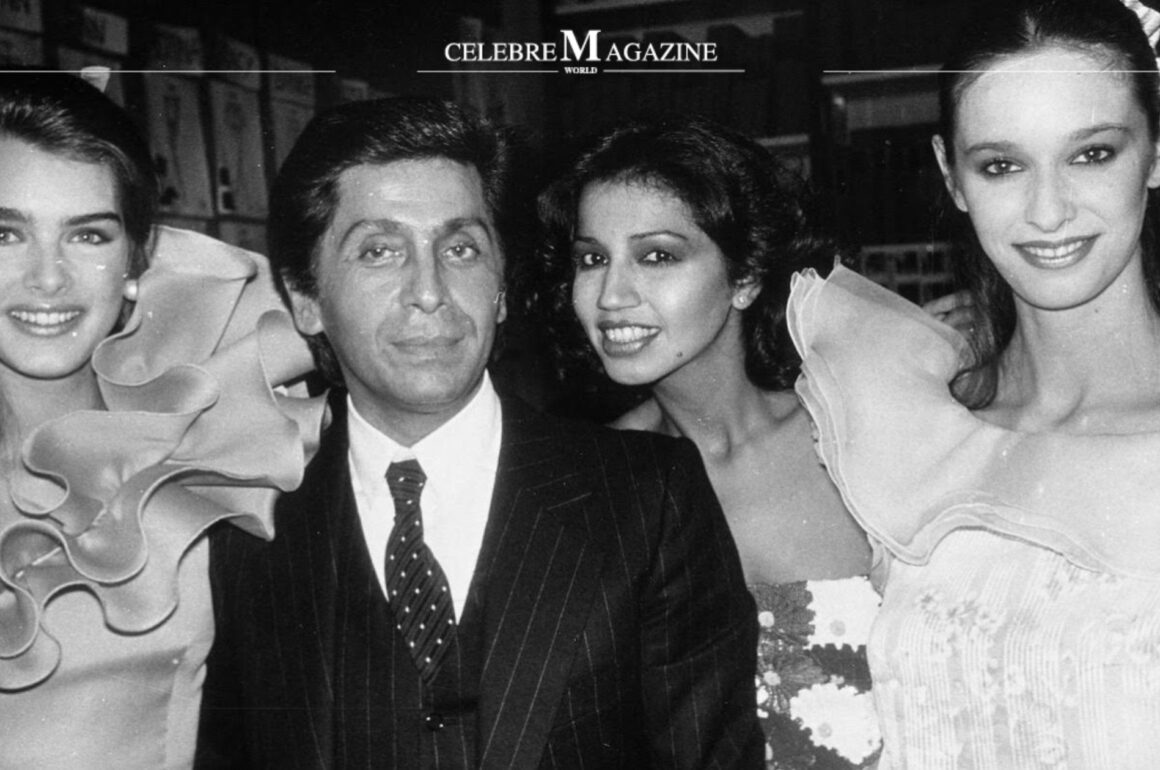
This Italian fashion house has been shaping and defining the concept of luxury, class, and timeless style for decades. The history of the Valentino brand is therefore a story of success and a passion for fashion that has managed to withstand the test of time, preserving its authentic beauty. From humble beginnings in Rome, where the idea was born, to its current global influence and legacy, we will explore the roots and development of this fashion legend and see how it has evolved over the decades. We will take a closer look at both the creativity of its designers and the pivotal moments that have made Valentino one of the 10 most expensive brands in the world.
Beginnings – The Dolce Vita of the 1960s
The history of the Valentino brand dates back to the 1960s, when a young Italian, Valentino Garavani, set out to revolutionize the world of fashion. It was a time when the clothing market seemed to pulse with new energy, and Italy became the epicenter of creativity and emerging trends. Valentino himself was born in Voghera, a small town in Lombardy, on May 11, 1932. From an early age, he was fascinated by fashion, gaining his first experience working for local designers and tailors, including his aunt, Rosa.
From the very beginning, the boy clearly felt that fashion design was the art form closest to his heart, which inspired him to further develop his artistic talents. With the support of his parents, he had the opportunity to study at the renowned École des Beaux-Arts in the French capital. It was in Paris, a city brimming with life that he also began his professional career, working in salons founded by Jean Dessès and Guy Laroche.
In 1960, in the heart of the Eternal City of Rome, Valentino opened his first boutique with the help of Giancarlo Giammetti, with whom he not only established a business partnership but also a lifelong friendship. Together, they created the Valentino brand, which soon gained international acclaim. Valentino drew inspiration from the “Dolce Vita” of Italy at the time, a spirit that was reflected in his designs. The designer’s debut showcased not only elegant but also bold creations that embodied the spirit of freedom and independence of the era. His work combined sophistication with daring experiments in form and color, making each piece truly unique.
One of the most groundbreaking moments in Valentino’s career was the introduction of “Valentino Red” in 1967. This rich, deep shade of red not only became the brand’s signature, but also a symbol of class and sophistication. “Valentino Red” became the emperor of red in the fashion world, highly coveted and inspiring other designers to experiment with color. That same year, Messrs. Garavani and Giammetti were also honored with the prestigious Marcus Neiman award.
The Era of Haute Couture
Within a few years, the history of the Valentino brand gained momentum, and the company achieved immense popularity. Designers hailed it as “The Queen of Rome”. In the 1970s and 1980s, Garavani was especially acclaimed for his stunning haute couture creations. Evening gowns and glamorous outfits that won the hearts of models, actresses, and aristocrats became the brand’s signature. Valentino received another award in 1989, namely the title of Commander of the Legion of Honour. This is the highest distinction in France, awarded for outstanding achievements in various fields.
Garavani loved designing outfits for specific people and special occasions. He was a perfectionist who personally oversaw every detail of his creations. Flowing gowns, elegant suits, tailored trench coats, and the iconic red shade named in his honor, “Rosso Valentino,” are the essence of his style. It’s no wonder the brand’s designs made such a splash on the international stage. The fashion house’s clients included numerous film and music stars, as well as politicians’ wives, among them Jacqueline Kennedy-Onassis.
The most iconic collections – the history of the Valentino brand
The fashion house has created many iconic collections over the years, which continue to inspire designers around the world. In addition to the aforementioned Valentino Red Collection (1967), a sensual and elegant take on classic evening gowns, several others are also worth mentioning. A particularly interesting example is undoubtedly the Marie Antoinette Collection from 1973, featuring dresses with sweetheart necklines and stunning tulle sleeves, all designed as an homage to the Queen of France, Marie Antoinette.
In the 1990s, Valentino gained recognition for bold experiments with contrasts. The Punk-Chic Collection (1994) combined punk sensibility with haute couture elegance, creating a striking contrast in the fashion of that era. At a time when minimalism prevailed, Valentino opted for extravagance and sharp contrasts. The designer decided to incorporate elements characteristic of punk culture, such as studs, threads, and raw materials, and blend them into unique, high-quality creations. It was a manifestation of courage and artistic experimentation, demonstrating that fashion can be not only sophisticated but also exceptionally sensual and rebellious.
New management
Although the designer sold his brand in the 1990s, this did not mark the end of its influence on the fashion world. In 2007, Maria Grazia Chiuri and Pierpaolo Piccioli took over as creative directors, bringing new energy to the brand. Their work referenced Valentino’s heritage while introducing modernity and freshness. After taking over the fashion house, the brand moved towards a more romantic and delicate style. The Opera Collection from 2008 is an example of this approach. This collection radiates grace and beauty, while remaining modern and full of subtle details.
It’s also worth mentioning the outstanding Rockstud Collection (2010). This iconic line of accessories introduced shoes and evening bags adorned with signature star-shaped studs known as “rockstuds.” Another highlight was the collection inspired by the Ethno-Punk Collection (2020), which originally debuted in 1994. This was Pierpaolo Piccioli’s attempt to blend traditional ethnic patterns with the rebellious spirit of punk. This experimental approach to fashion, which first appeared thirty years ago, is making a comeback on the runway in a completely new and extraordinary form.
The history of the Valentino brand – what is it like today?
It can be said, then, that under the direction of Pierpaolo Piccioli, the Valentino brand has undergone a transformation towards a more romantic and delicate aesthetic. His designs are full of subtlety, lace details, pastel shades, and airy fabrics. This is romanticism in haute couture form. And yet, Valentino still remains true to the haute couture tradition. The headquarters in Rome is still the heart of the brand, and each collection reflects the spirit of Italy, the craftsmanship of artisans, and the passion of designers. This commitment to craftsmanship and quality remains the foundation of the brand.
The brand has undergone many changes, yet it remains true to its classic roots. Valentino’s designs blend timeless elegance with modernity, making them appealing to both older and younger generations. The history of the Valentino brand is not only a fascinating story of success, but also a valuable source of lessons and inspiration for future entrepreneurs, fashion designers, and fashion enthusiasts. It shows that inspiration can be found in many places, such as culture, art, history, or even music. It encourages seeking out creative sources of inspiration and continuously developing your vision. On our blog, you can also read the history of the Hugo Boss brand and Versace.



Leave a Comment