

The history of Hugo Boss: who was the founder of the brand?
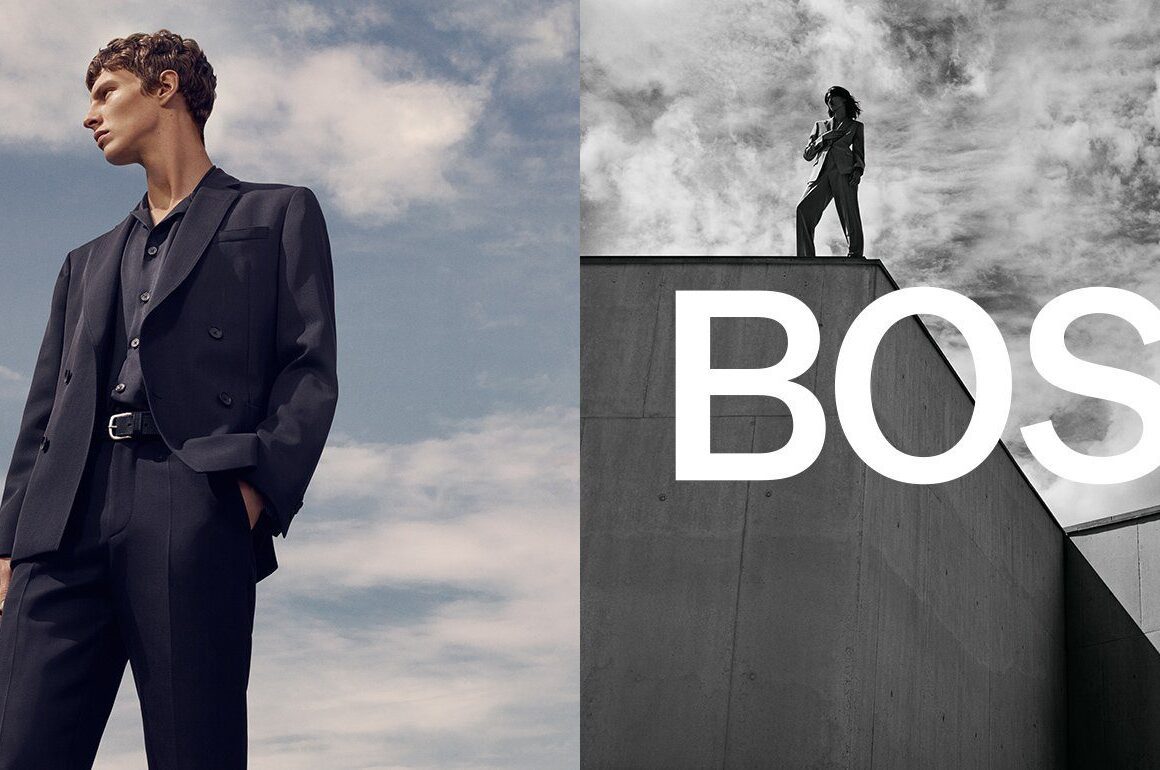
We often forget about the people behind the creation of companies. Yet it is their names that represent not only the clothes, but also an entire story and a unique mission that often became their life’s work. Hugo Ferdinand Boss is someone who undoubtedly made a tremendous impact on the world of fashion and the clothing industry. His name today is synonymous with elegance and luxury, and the brand he founded is one of the most recognizable symbols of style worldwide. So let’s explore the history of Hugo Boss, the story of the founder’s life and creative journey. Let’s discover what sparked the beginnings of a brand that now holds such a strong position in the market.
Innocent beginnings – the story of Hugo Boss
Hugo Ferdinand Boss was born on July 8, 1885, in Metzingen, Germany. Like many promising designers, he showed an interest in fashion and tailoring from an early age. His first professional experiences were related to working as a trainee with a local tailor. It was there that he acquired the initial skills that contributed to the creation of one of the most renowned clothing brands in the world.
He opened his own tailoring business in his hometown only in 1924, at the age of 41. In the early years, he specialized in producing men’s clothing, particularly
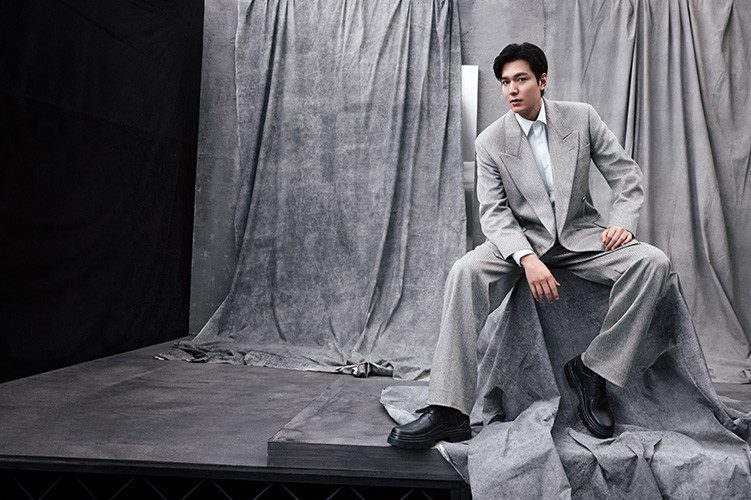
source: group.hugoboss.com
The war years and post-war consequences
After a brief period of bankruptcy caused by the Great Depression, Boss relaunched the company in 1931. At that time, he also signed a contract with the Nazi regime in Germany to produce uniforms for the SA (Sturmabteilung) and SS (Schutzstaffel). It is worth noting that he himself was not a member of the NSDAP (National Socialist German Workers’ Party), but he chose to cooperate with the Nazi regime for economic reasons. Nevertheless, this decision sparked considerable controversy.
Throughout the entire duration of World War II, the Hugo Boss company produced uniforms for German soldiers. After the war ended, Boss was arrested and interrogated by the Allies for his role in supporting the Nazi regime. Ultimately, he was found to be complicit and was fined and banned from conducting business. Yet the story of Hugo Boss did not end there—the brand’s true growth was still ahead.
The history of Hugo Boss – a return to the world of fashion
After the post-war period, Hugo Boss decided to return to the fashion industry, hoping for a positive reception in the market. The 1950s and 1960s were a time when the company focused on producing men’s suits, which proved to be an excellent strategy. In 1953, the brand introduced its first men’s suit called “Boss Suit”, which soon became synonymous with masculine elegance.
In 1967, the founder’s grandsons —Jochen and Uwe Holy —took over the company and decided to give the brand a warmer image by appointing Sylvester Stallone and well-known Formula 1 drivers as brand ambassadors. Soon after, the brand began expanding into international markets and gained popularity in the United States, where it launched its first women’s collection . However, it was the elegant menswear—especially suits, coats, and blazers—that brought the most recognition. In the following decades, the Hugo Boss brand expanded its range to include women’s collections, perfumes, and accessories.
After the new management took over, the company underwent several key changes and a restructuring of its organization. This, in turn, contributed to the development of Hugo Boss as an international fashion brand with a diverse range of products and a more global image. Since then, the brand has continued its overseas expansion, maintaining its position in the fashion world. In 1993, the company was sold to the Italian fashion group Marzotto, but it has remained active on the international market.
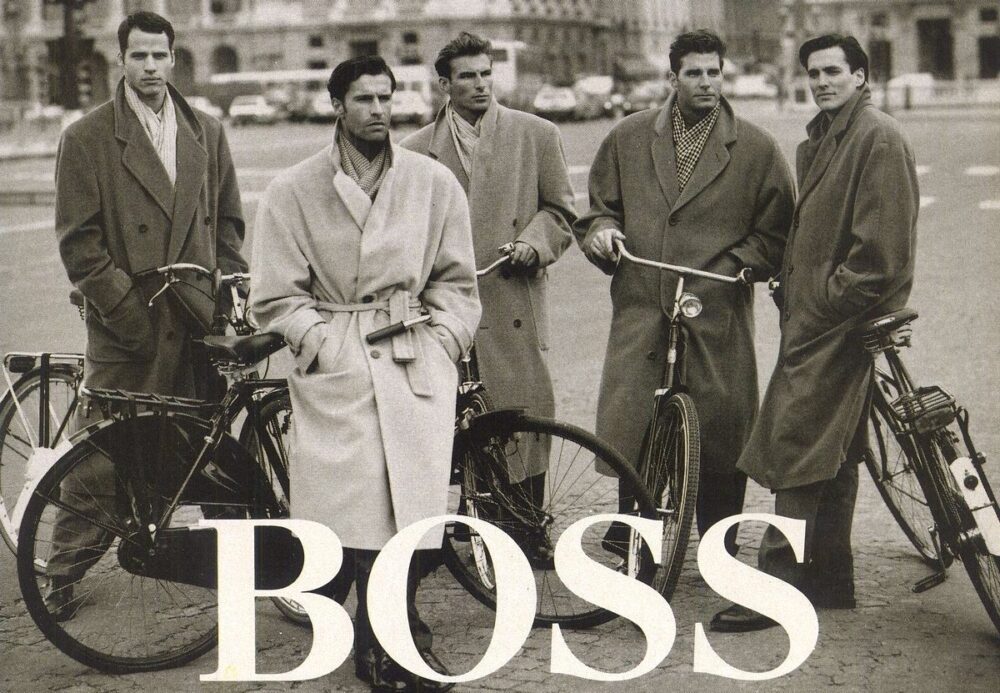
source: 20thcenturyjames.tumblr.com
Exceptional heritage
The year 1985 marks the passing of a remarkable designer who left behind a legacy that continues to shape the fashion world. Who was the founder of Hugo Boss? This is a figure with a multifaceted history, who began his career in tailoring but quickly became one of the symbols of luxury in the fashion industry. Despite the controversies related to the World War II era, one cannot deny this man’s contribution to the clothing industry. The story of Hugo Boss is an example of how one person can influence the development of fashion and culture for generations. Without a doubt, this name will be remembered for a long time, inspiring future generations of designers and fashion enthusiasts.
Currently, Hugo Boss offers various product lines such as BOSS, HUGO, BOSS Orange, and BOSS Green. Each of these lines has its own unique style and targets different customer groups. The brand is a symbol of luxury, style, and exceptional quality. Its history, product quality, and strong image have made it one of the leaders in the fashion and fragrance industry. In addition, the brand is known for its commitment to ecology and sustainability, as well as its support for the development of art and culture—the company sponsors the Hugo Boss Prize for artists. And none of this would have been possible without the immense passion and, at times, considerable sacrifice of one man.



Leave a Comment