

The history of ceramics
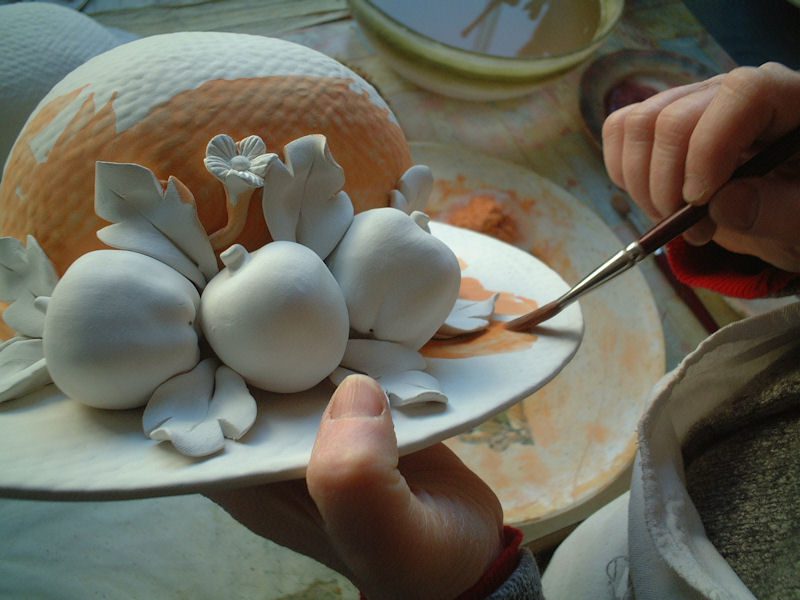
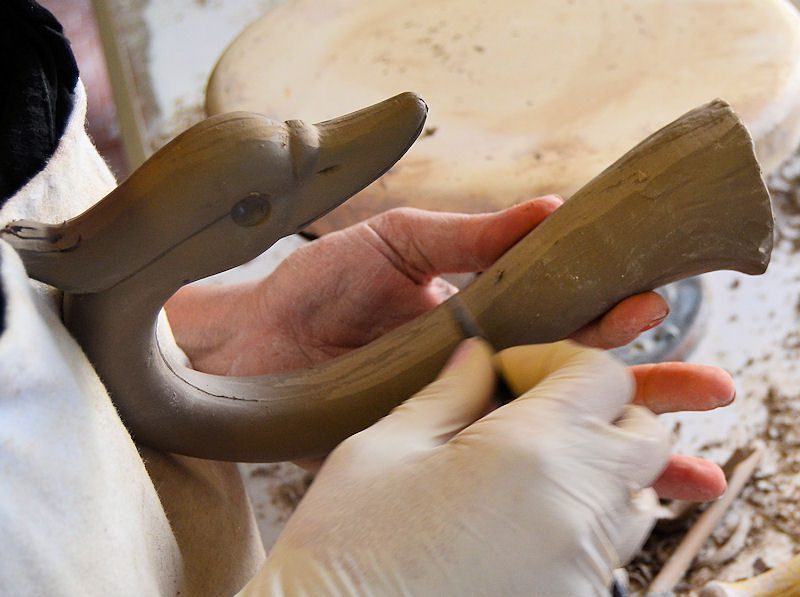
Ceramics are a living history inscribed in clay, surviving through the ages and becoming a key element in uncovering the mysteries of ancient civilizations. The history of ceramics is a story of innovation, artistry, and life itself. It also stands as a testament to humanity’s need for self-expression and the drive to improve the world around us. This story begins in the Neolithic era, when people first started transforming raw earth into objects of enduring value. It leads us through the channels of history, from ancient kilns to modern art galleries, revealing along the way how ceramics have shaped humanity. I invite you on a journey through the centuries to rediscover the history of ceramics—from its humble beginnings to its role as a cultural testament to our shared heritage.
The history of ceramics — Timeless art
The origins of ceramics date back to around 24,000 BCE, when the first simple clay figures began to be made in China. However, it was the Neolithic period that brought a true revolution in ceramic production. Thanks to advances in clay forming and firing techniques, it became possible to create durable vessels for storing food and water. From that moment on,
The evolution of ceramics
In ancient Egypt, ceramics were used not only for practical purposes but also as grave offerings. This reflected their cultural and religious significance. Greek ceramics, renowned for their sophisticated vases and amphorae, became a medium for depicting mythological scenes while also playing a key role in trade. The Romans developed mass production techniques for ceramics, further cementing their importance in the ancient world.
The Middle Ages and the Renaissance
In medieval Europe, ceramics were mainly produced to meet the needs of local communities. This contributed to the development of distinctive regional styles. The Renaissance brought a renewed interest in art and craftsmanship, along with new techniques such as majolica—glazed ceramics that became popular in Italy.
Contemporary ceramics
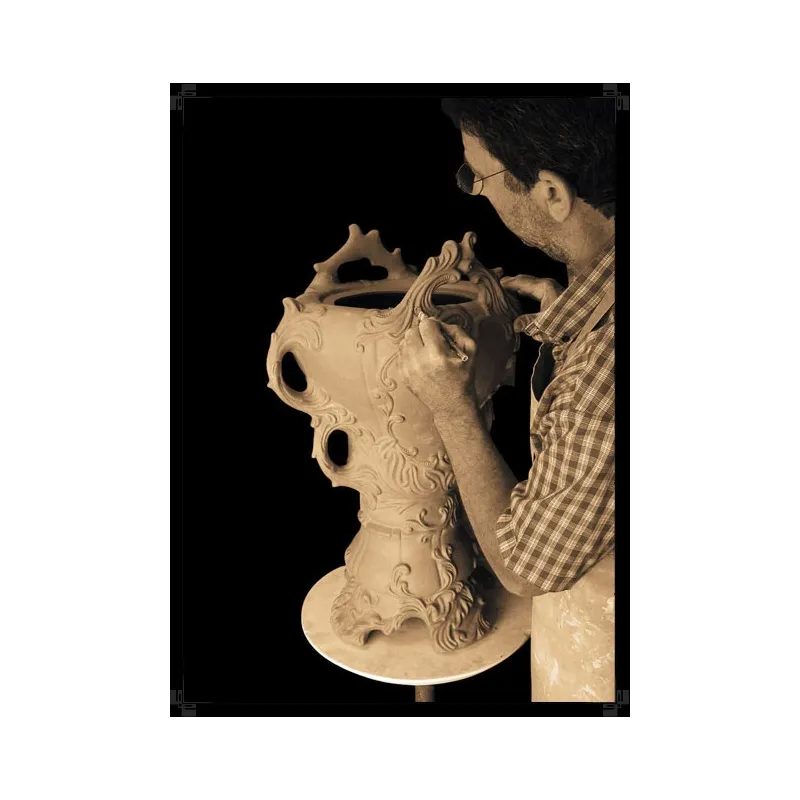
The 19th and 20th centuries were a time of innovation in ceramic production, both in terms of mass manufacturing and artistic expression. The Industrial Revolution and the development of new technologies made it possible to produce ceramics on an unprecedented scale. At the same time, contemporary artists continue to discover new ways to use clay as a medium for expressing individual artistic visions.
The history of ceramics is not only a chronicle of artistic exploration, but also a reflection of humanity’s needs, values, and aspirations throughout the ages. From simple Neolithic vessels to sophisticated contemporary art installations, ceramics remain a constant witness to our shared history, culture, and spirit of innovation.
“No other craft can boast such a long tradition, nor so many ways to express itself and opportunities for innovation as ceramics.”
Ceramics in Modern Interiors
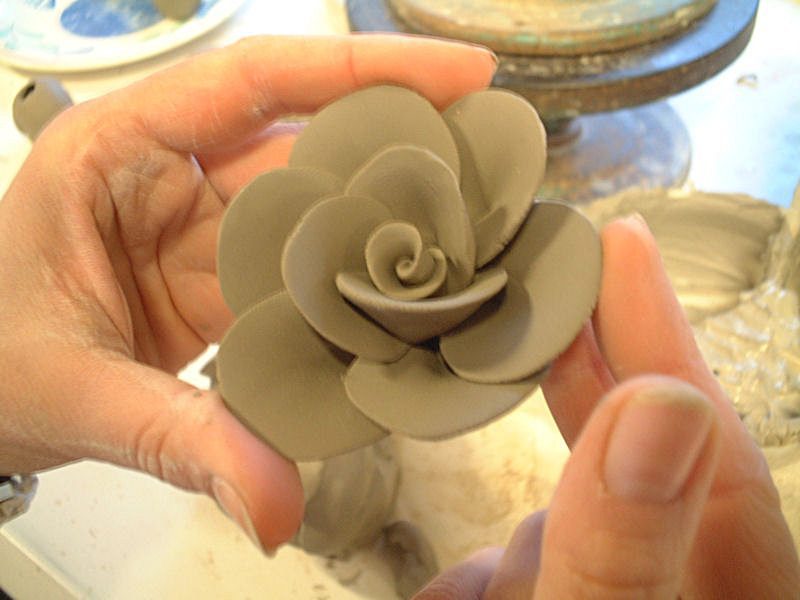
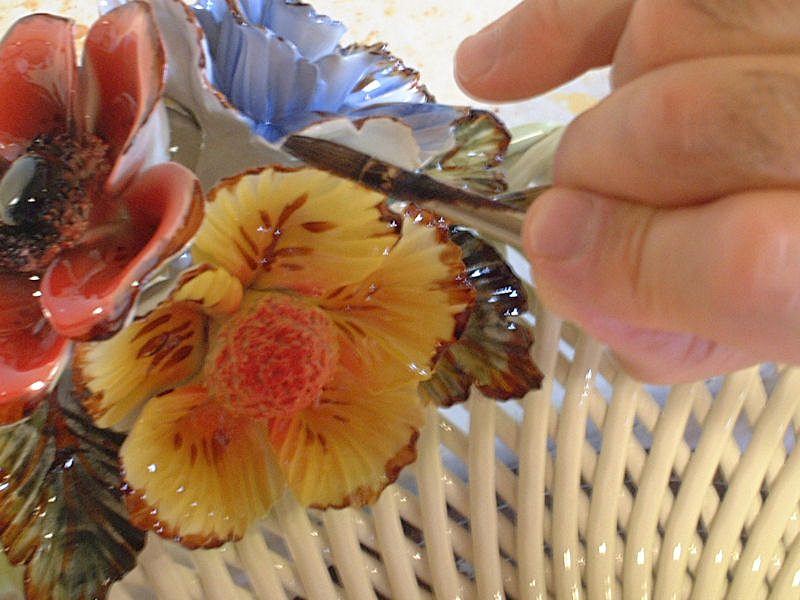
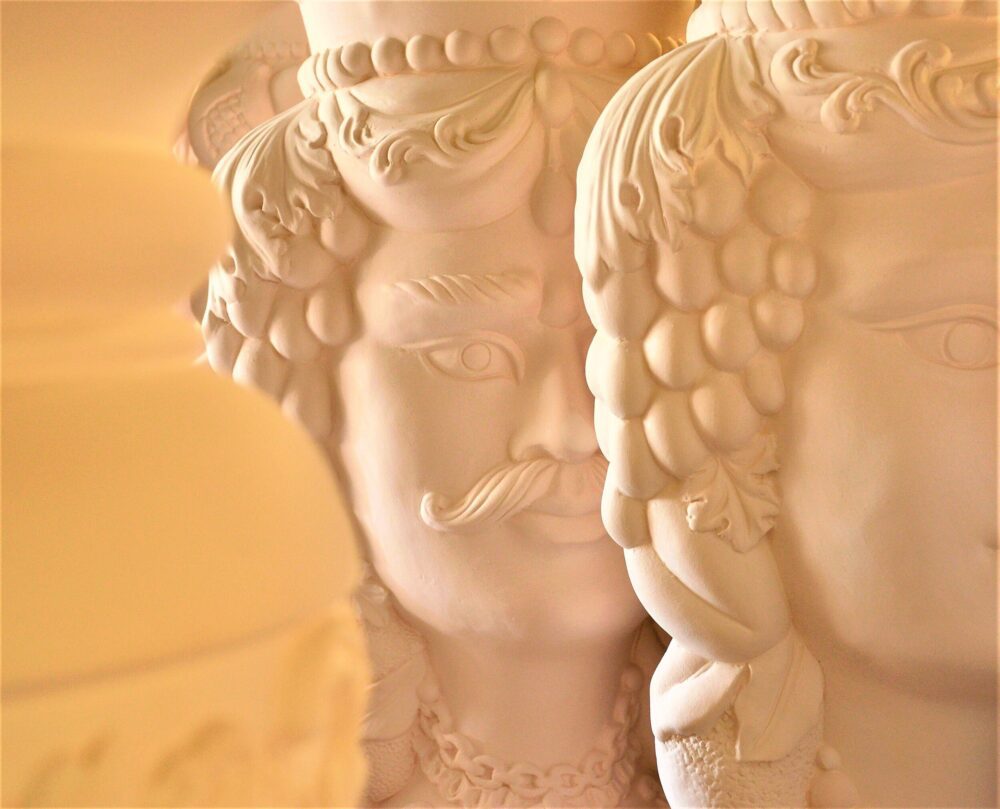
Ceramics in modern interiors go beyond traditional boundaries, blending practical elements with sophisticated design and artistic expression. From dinnerware to decorative pieces, contemporary ceramics are a testament to how far creativity and innovation can take this craft. Here are some exceptional works of art that combine ceramic form with functionality:
- Dinnerware Set
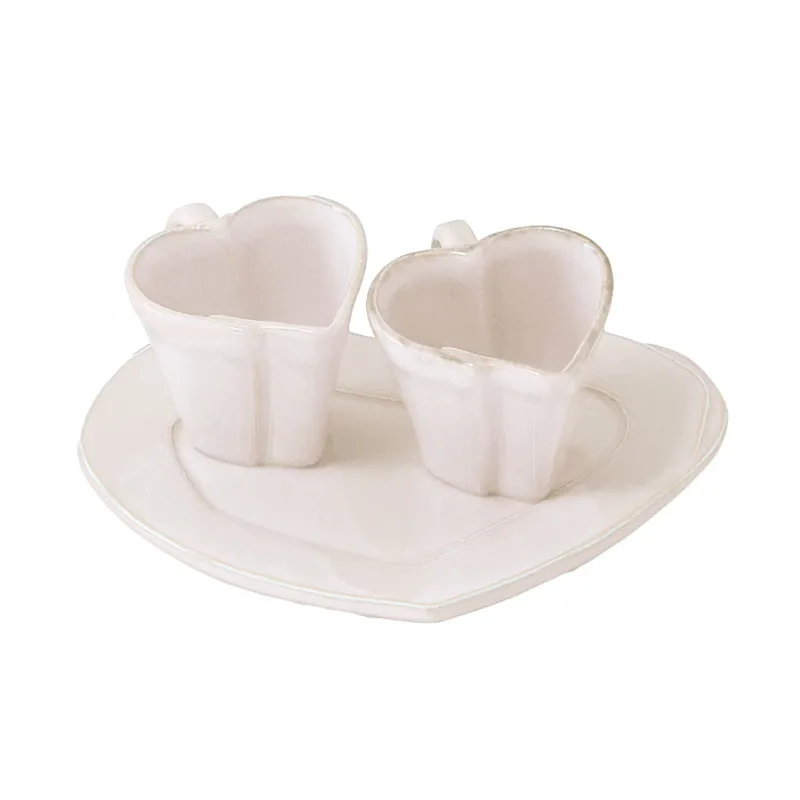
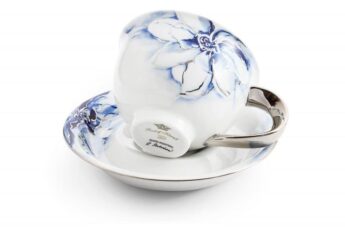
Contemporary dinnerware, including cups, plates, mugs, and pitchers, has become a canvas for ceramic artists. Thanks to unique glazing techniques, hand-painting, or firing, each piece can tell its own story. At the same time, it brings exceptional design and a distinctive style to every home. This dinnerware not only serves a practical purpose but also becomes an important decorative element of the table, reflecting the hosts’ personality.
- Vase
- Figurines
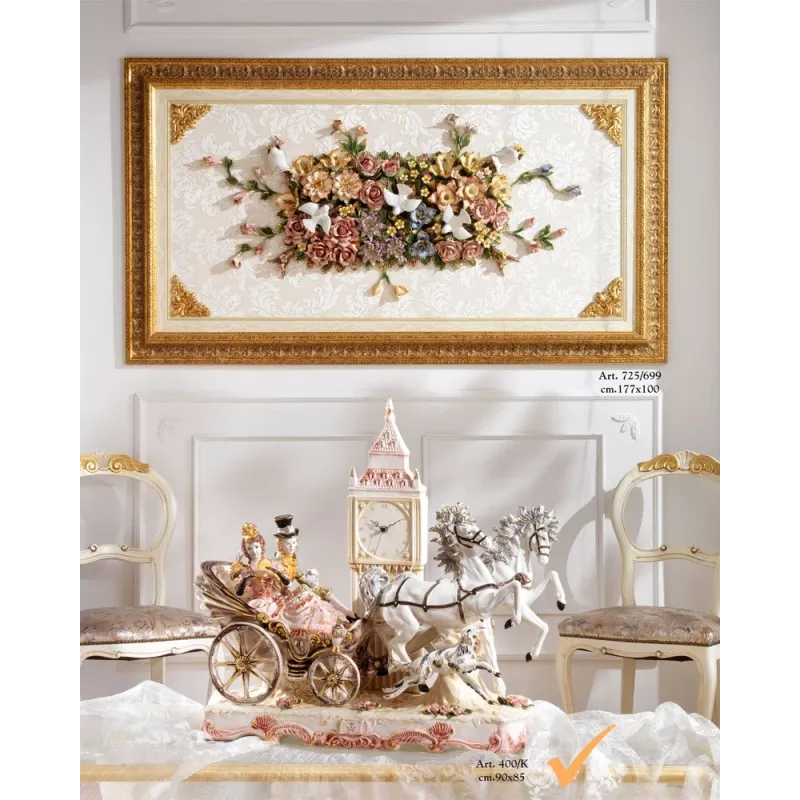
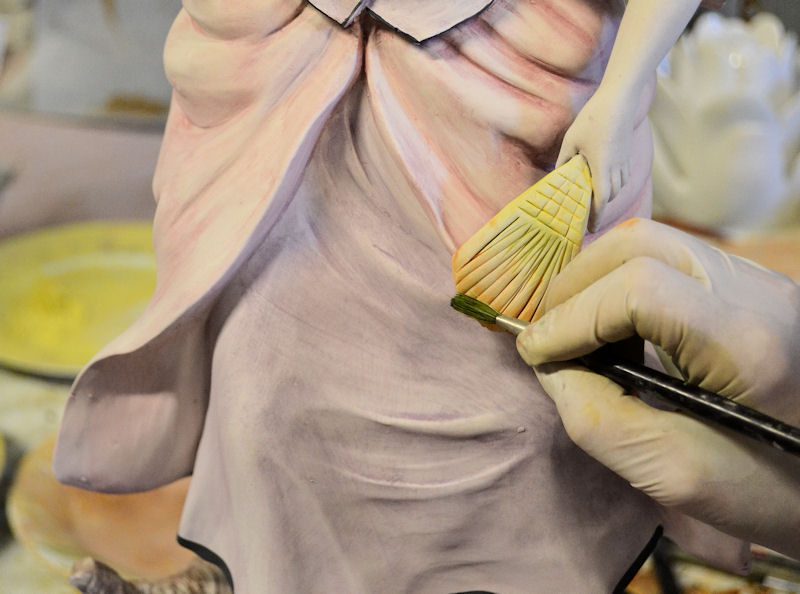
Ceramic figurines are works of art that combine meticulous craftsmanship with artistic sensitivity. Each piece, hand-shaped and carefully painted, tells its own story while reflecting the talent and passion of its creator. These small sculptures can serve as refined decorative elements, adding character and subtle elegance to interiors, while also bearing witness to artisanal traditions.
What else makes ceramics so captivating?
- Candle holders
Ceramic candle holders seamlessly blend functionality with aesthetics, bringing warmth and a cozy ambiance to any space. Contemporary designs often play with form and color, turning candle holders into true works of art that can become the focal point of your decor.
- Mirrors
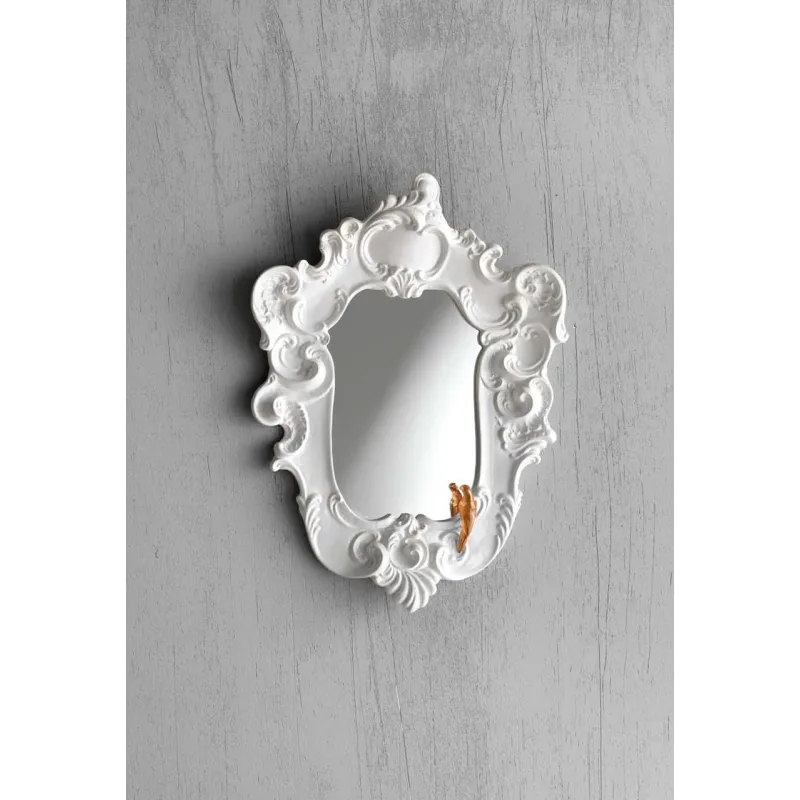
Mirrors with ceramic frames are a perfect example of how ceramics can complement and enhance everyday objects. Decorative frames, hand-shaped and painted, give each mirror a unique character and transform it into a distinctive interior accent.
- Clocks
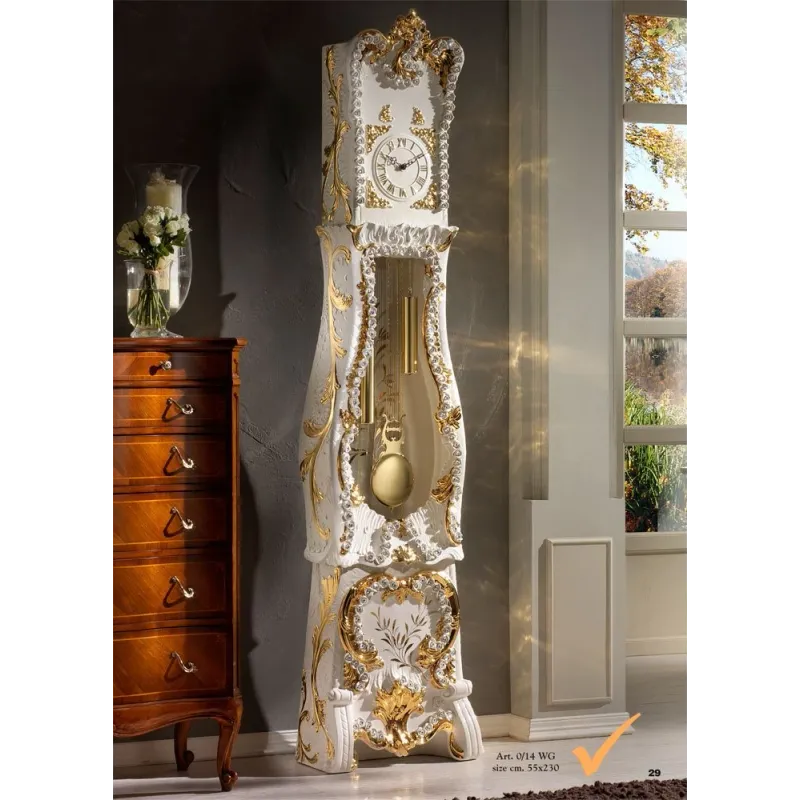
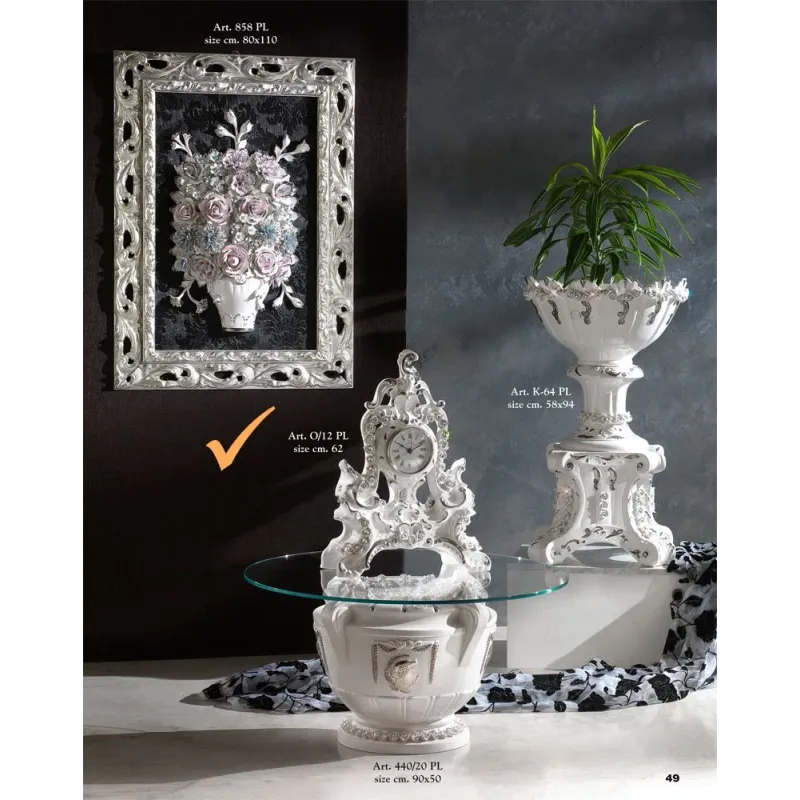
Ceramic clocks combine traditional craftsmanship with modern design. Their dials and cases, often hand-decorated, catch the eye with unique patterns and colors, making them not only practical but, above all, beautiful objects.
- Images
Ceramics also find their place on walls in the form of ceramic artworks. Artistically designed and crafted tiles, mosaics, or reliefs adorn living rooms, bringing three-dimensional texture and depth to the space.
Ceramics in contemporary art offer a space of limitless possibilities for both artists and craftsmen. By transcending the boundaries between functional craft and fine art, contemporary ceramics enrich our lives and interiors, bringing beauty that is both timeless and ever-evolving.
Timeless living room decor
Ceramics remain an eternally timeless choice, bringing unique character and warmth to the living room. Regardless of current trends, ceramics always hold a special place in the hearts of design enthusiasts. They combine the beauty of form, a wealth of textures, and depth of color. Every ceramic piece introduces a touch of history and craftsmanship to the living room, serving as a reminder of durability and a close connection to nature.
Composition with Interior
Ceramics blend perfectly with a variety of interior styles—from classic and Scandinavian to modern loft spaces. Their versatility makes it easy to match ceramic elements with your existing décor. Whether your living room stands out for its minimalism or embraces boho richness, ceramics will always find their place within it.
Atmosphere
Ceramics are, above all, an art form that brings a unique atmosphere to the living room. Artistically crafted figurines or original ceramic paintings can become the focal point of the décor, around which the entire interior design is centered. Thanks to ceramics, the living room gains depth, and its residents enjoy a daily dose of beauty that enhances their mood and well-being.
Durability
By choosing ceramics, we invest in decorations that can last for many years without losing their value. It’s also a nod to ecology—ceramics, as a natural material, are durable and sustainable, so by opting for them, we’re also taking care of our planet.
Ceramics in the living room is more than just a trend — it’s a conscious choice for timeless décor that blends aesthetics, functionality, and respect for tradition. We already know that the history of ceramics is a fascinating tale of human creativity, innovation, and the pursuit of beauty. It spans thousands of years, from simple Neolithic vessels to sophisticated works of contemporary art. It stands not only as a testament to the evolution of craftsmanship and art, but also as a remarkable cultural chronicle, reflecting the changing eras, needs, and aspirations of humanity.




Leave a Comment