

The development of luxury real estate in top Alpine resorts
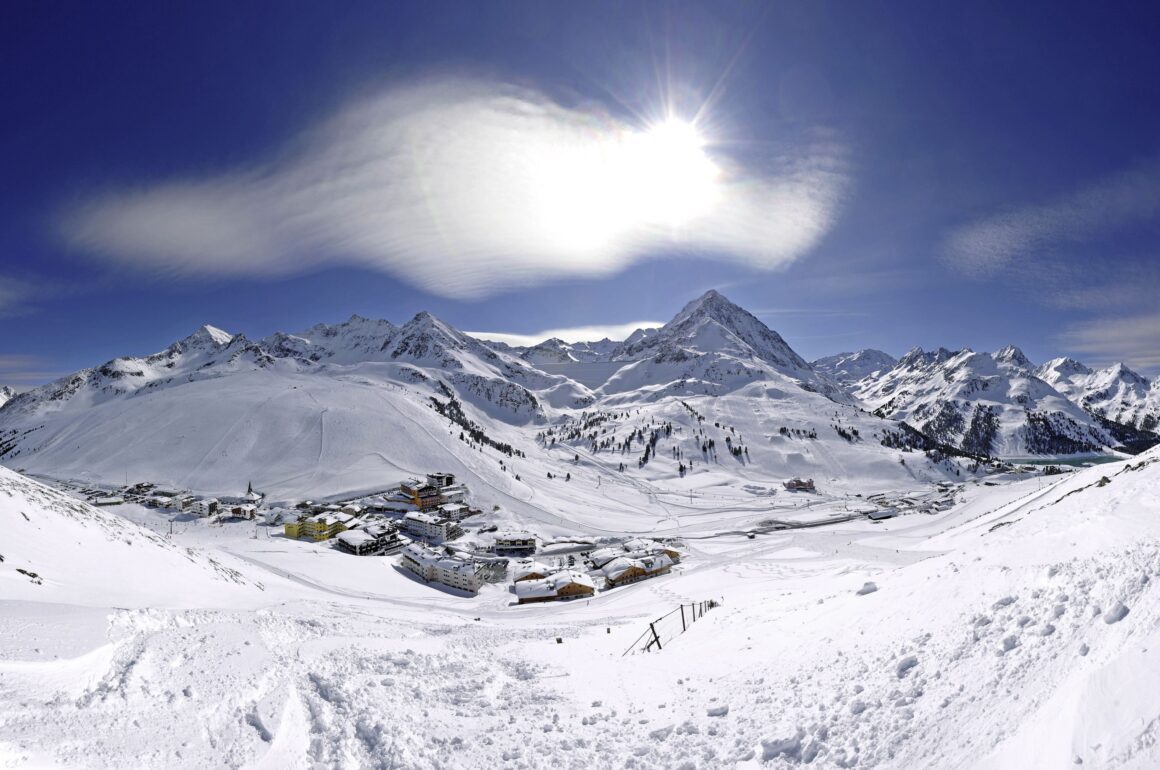
Where are the wealthiest investing their capital today, as the world trembles with geopolitical uncertainty and inflation? The answer may surprise you—they are increasingly turning their eyes to the snow-capped peaks of the Alps. The global luxury Alpine real estate market has just surpassed €50 billion in 2024, and this is only the beginning of a boom so significant that even local politicians are starting to worry.
Imagine a Polish entrepreneur who, after successfully selling an IT company, is considering buying a chalet in Swiss Verbier for 8 million francs. He sits in a hotel lobby, browsing listings on his tablet, while in exactly the same spot 150 years ago, another Pole—a health resort guest—was counting his coins to afford a month-long stay.
Luxury real estate development in top Alpine resorts – discover the hottest market
A striking contrast, isn’t it? Yet it’s precisely this evolution—from spa guesthouses to a global mecca for the ultra-wealthy—that reveals just how radically the Alps have changed over the past decades.
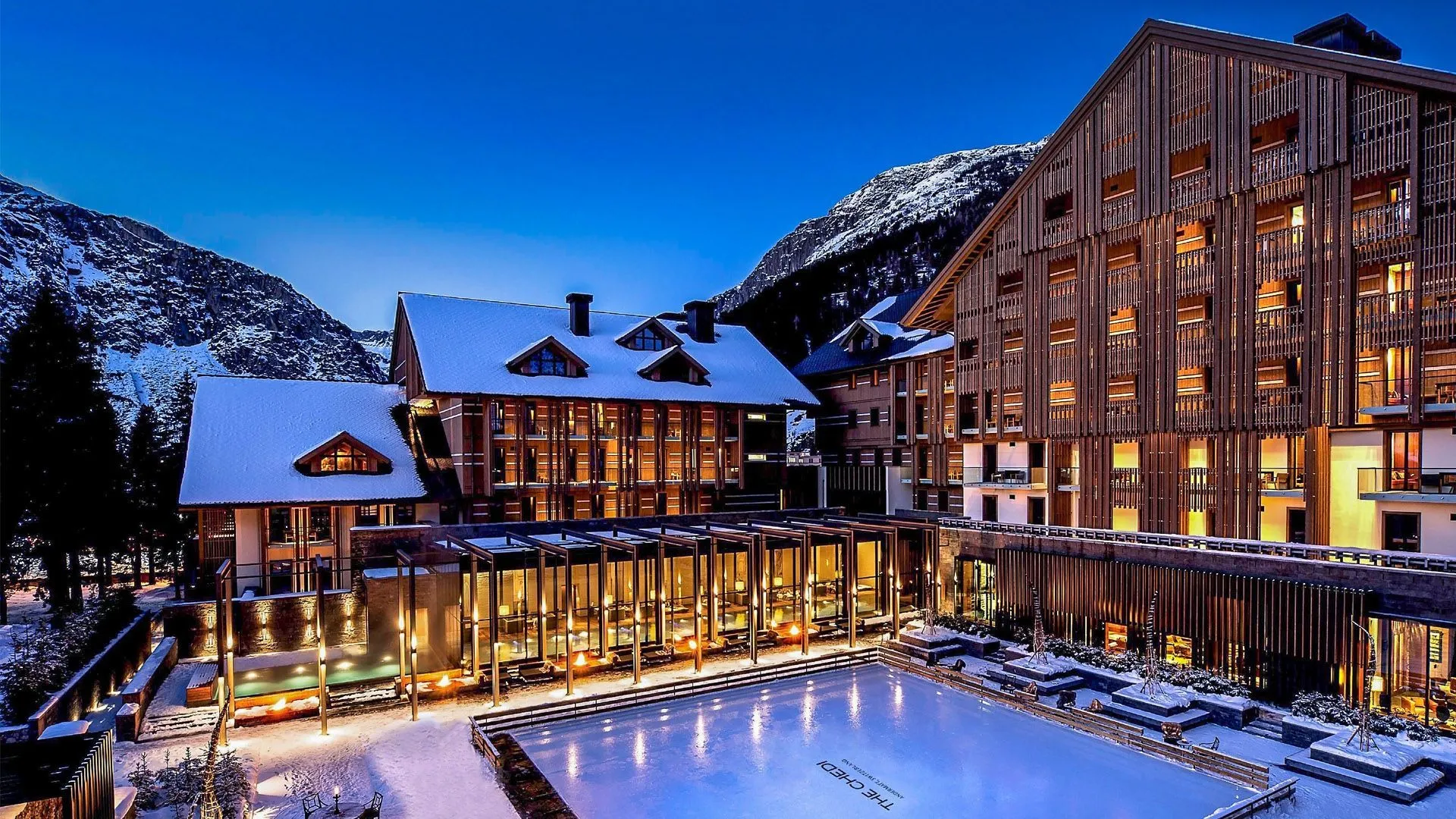
photo: theluxurytravelexpert.com
Sometimes I wonder if we truly realize that we’re witnessing a genuine revolution unfold before our eyes. This region has undergone a remarkable transformation—from local ski resorts to one of the world’s hottest investment markets. And it’s not just about skiing or the views.
To grasp the scale of this phenomenon, we need to dig deeper into its roots. The history of this boom stretches much further back than it might seem, and the market mechanisms here operate under entirely different rules than in traditional financial centers. Modern regulatory challenges blend with new investment trends, creating a mosaic so complex that even seasoned players can lose their way in its intricacies.
What’s happening today in the Alpine valleys is neither a coincidence nor a fleeting trend. It’s the result of long-term processes worth understanding—especially as more and more Polish investors begin to see these areas as a real alternative to classic forms of capital allocation.
From ski kings to digital billionaires – the history and evolution of the market
Have you ever wondered how Alpine resorts transformed from lung treatment centers into playgrounds for billionaires? It’s a fascinating journey spanning over a hundred years of transformation.
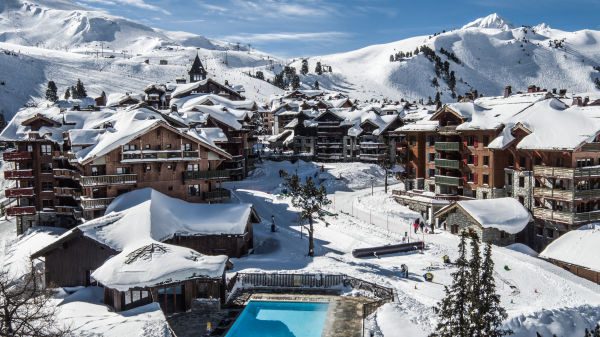
photo: snow-online.com
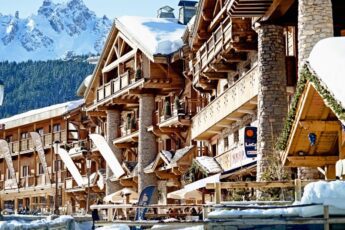
In fact, it all started with… illness. In the 19th century, wealthy city dwellers traveled to the Alps not to ski, but to treat tuberculosis. The first centers in Chamonix were sanatoriums, where people came to breathe the mountain air. No one was thinking about million-euro apartments back then.
| Year/period | Key event |
|---|---|
| 1860-1900 | The emergence of sanatoriums in Chamonix and St. Moritz |
| 25/01/1924 | The first Winter Olympic Games in Chamonix |
| 1946 | The founding of Courchevel as a planned premium resort |
| 1980-1990 | Influx of capital from Russia and the Middle East |
| 1995-2005 | The era of holiday apartments for the middle class |
| 2008-2020 | Market consolidation, price increases of 200-400% |
The 1924 Games were a real breakthrough. Suddenly, Chamonix became famous all over the world. People realized you could not only heal your lungs there, but also have a fantastic time. The first hotels for tourists—not patients—started to appear.
But the true revolution was Courchevel in the 1940s. After the war, the French decided to create a resort from scratch—the first fully planned ski resort in history. It was a brilliant idea. Instead of waiting for the town to develop on its own, they designed everything: where the hotels would be, where the slopes would go, where the restaurants would stand.
The ’80s and ’90s were a whole different league. Russian oligarchs, Arab sheikhs, Asian billionaires appeared. Suddenly, these small Alpine towns became a global marketplace. I remember my real estate agent friend saying that prices increased five- or sixfold within a decade. People were buying apartments like stocks on the exchange.
It’s interesting how each era left its architectural mark. Those old sanatoriums were massive, stone buildings—meant to be solid and healthy. Then, in the ’60s, those concrete brutalist blocks appeared. And by the ’90s, the oligarchs wanted nothing but glass, steel, and panoramic windows.
The 2008 crisis cooled the market a bit, but not for long. By 2020, prices were rising again. That’s when people realized that Alpine real estate wasn’t just about fun, but also a safe investment. Swiss francs, stable laws, breathtaking views—the perfect place to stash your money.
What fascinates me most about this story? How every generation of owners completely changed the character of these places. From quiet sanatoriums, through sporty resorts, to exclusive enclaves for the ultra-wealthy. Today, we’re looking at the 2025 market, which is the result of all these transformations at once.
State of the Market 2025 – Prices, Buyers, and Key Locations
The mountain real estate market in 2025 reveals clear price and geographic divisions that are worth knowing before making an investment decision.
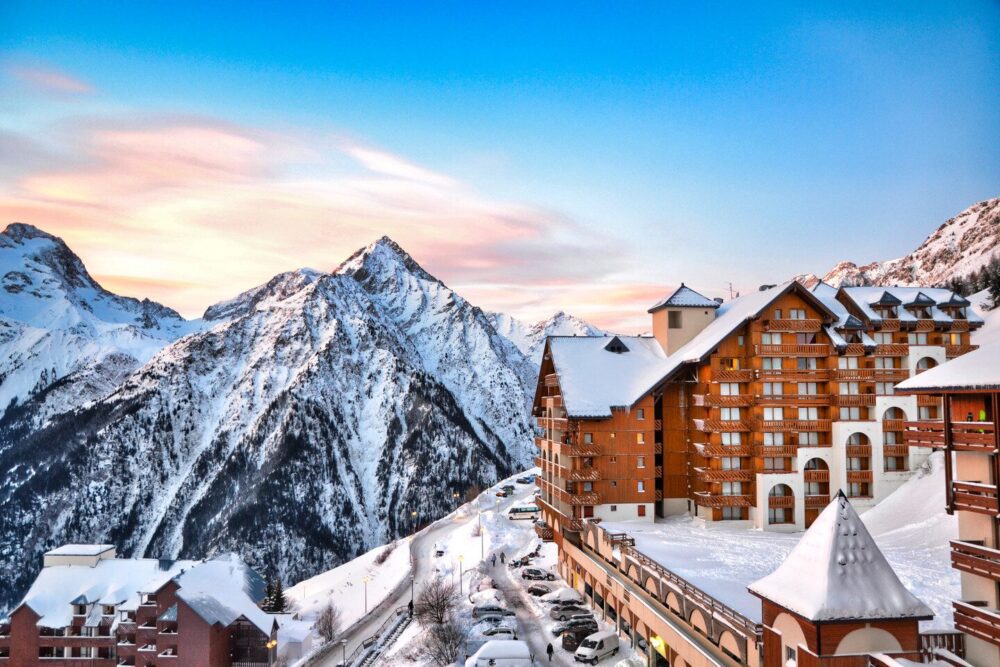
photo: snowtrex.co.uk
Current prices per square meter in the most expensive Alpine resorts are as follows:
| Resort | Average price €/m² | YoY trajectory |
|---|---|---|
| Courchevel | 30,000 | +8% |
| St. Moritz | 25,000 | +5% |
| Kitzbühel | 18,000 | +12% |
These figures may seem abstract, but when you multiply them by a typical chalet size of 400 square meters, we’re talking about amounts exceeding 10 million euros for a single property.
The buyer structure has changed significantly in recent years. Currently, we see the following breakdown:
• Europe: 40% (mainly Germany, France, United Kingdom)
• Asia and the Middle East: 25% (a rise in investors from Singapore and the Emirates)
• USA: 20% (a stable share despite dollar exchange rate fluctuations)
• Others: 15% (a dramatic drop in Russian buyers after 2022)
Interestingly, just three years ago, Russian oligarchs accounted for around 15% of all transactions in the premium segment. Now, investors from Gulf countries have taken their place.
When it comes to property type, chalets dominate—they make up 60% of all sales. Apartments account for 30%, and hotels just 10%. The average size ranges between 300 and 500 square meters, which means buyers are looking for space not only for themselves but also for guests.
Cortina d’Ampezzo has become a true star in recent months. This Italian resort, set to host part of the 2026 Olympic Games, has seen prices rise by 22% year-on-year. That’s significantly more than traditional Alpine destinations. Investors are counting on the Olympic effect to persist even after the games conclude.
It’s also worth noting Zermatt, where despite the lack of new development land, prices are rising by 7% annually. Paradoxically, limited supply only fuels demand. The same is happening in Austria’s Lech am Arlberg—there, every new property finds a buyer even before construction is complete.
Geographical constraints in the Alps mean we’re dealing with a market of very limited supply. You can’t simply build a new resort—the land is protected, and regulations are becoming increasingly strict. This is one of the main factors driving the steady price growth in the best locations.
The current state of the market is also characterized by a certain uncertainty related to growing environmental and regulatory challenges, which could significantly impact the future of investment in this sector.
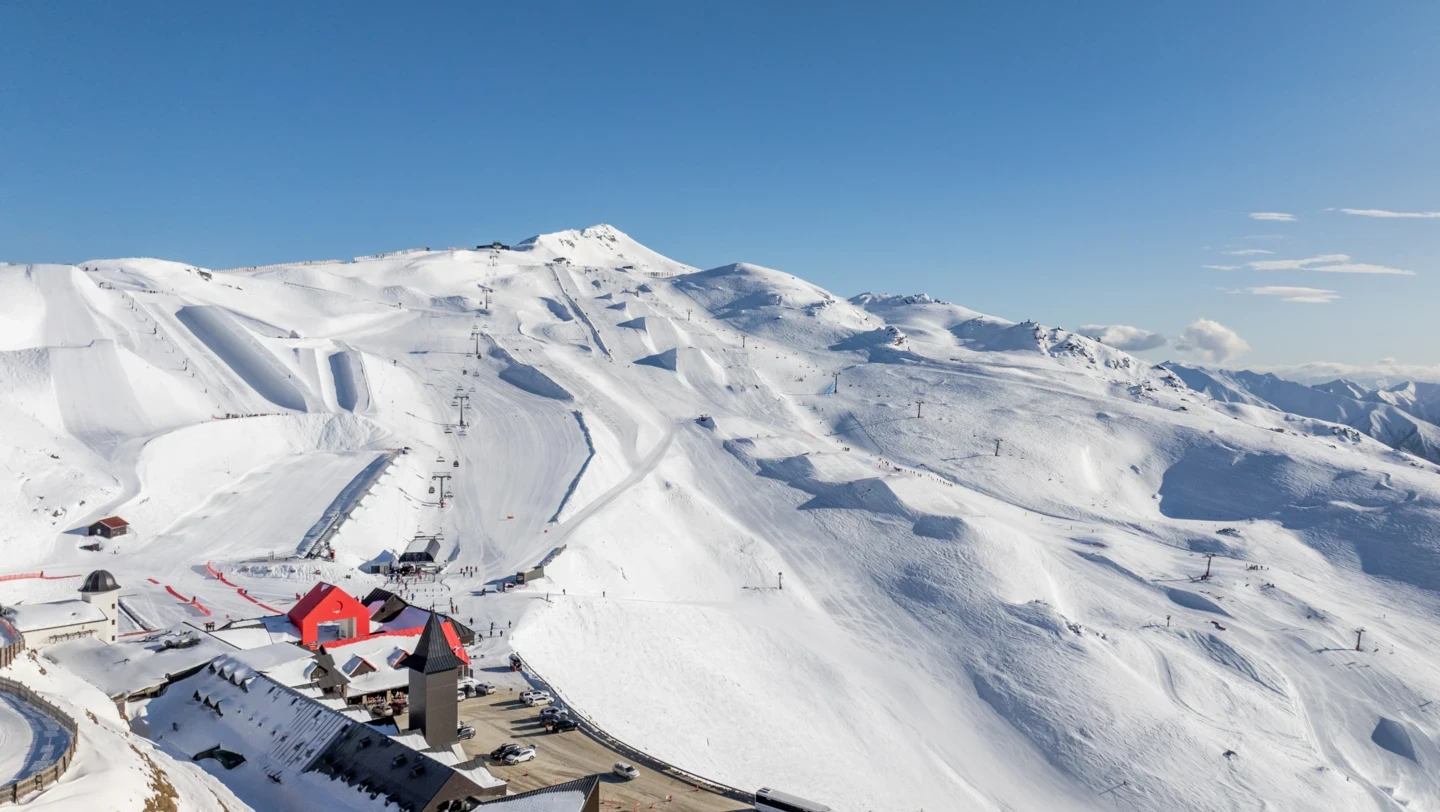
photo: newzealand.com
Ice is melting, regulations are tightening – environmental and regulatory challenges
Alpine glaciers are shrinking at a rate of 1.8 meters per year. Sounds abstract? For property owners in mountain resorts, it’s a very real financial problem.
Already, 20% of ski resorts in the Alps are struggling with a lack of snow. I remember a few years ago, a friend bought an apartment in a small resort—he was counting on steady rental income. The season got shorter, guests stopped coming. By 2050, experts predict the ski season will be cut in half.
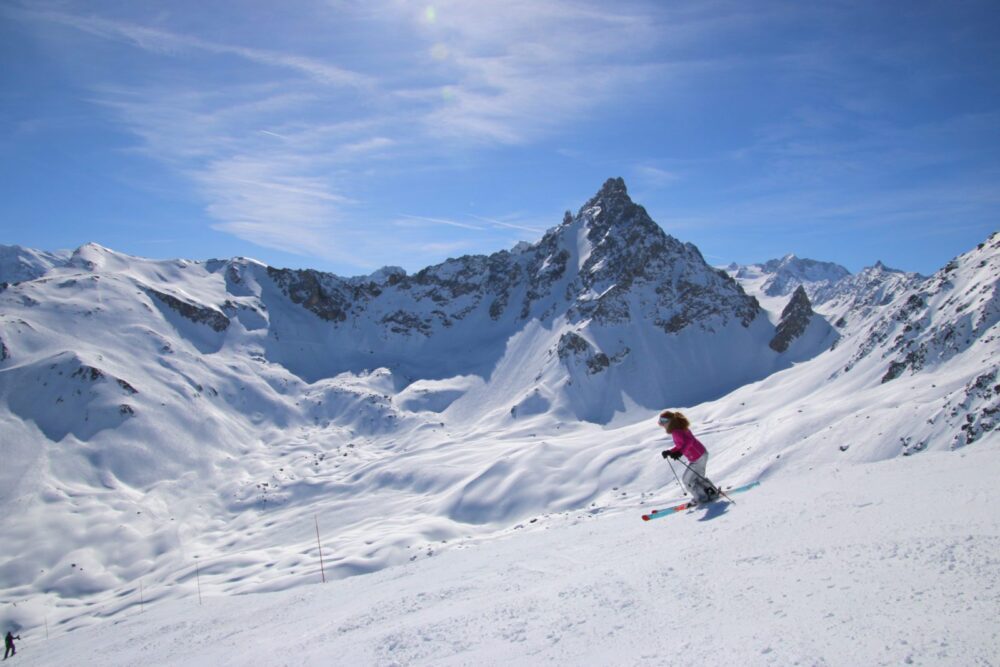
photo: theluxuryvacationguide.com
“Alpine glaciers lose about 3% of their mass each year. This is an irreversible process that will transform all mountain tourism,” warns WWF in its latest report.
The environment is one thing. Another is the law, which is becoming increasingly strict:
- Switzerland – Lex Koller restricts real estate purchases by foreigners. In Zermatt, the quotas for 2024 were already exhausted in March.
- Austria – new limits for “second homes,” especially in Tyrol and Salzburg.
- France – some mountain municipalities are introducing bans on the construction of new tourist facilities.
Social tensions are rising in parallel. Zermatt and St. Moritz are prime examples—both cities are implementing increasingly radical anti-car policies. Local residents protest against “ghost towns.” In some districts, 80% of homes stand empty for 8-10 months of the year.
Owners pay taxes on real estate, but contribute nothing to the local community. Shops are closing because there are no regular customers. Young people are leaving because they can’t afford to live in their hometown.
Overtourism further complicates the situation. St. Moritz has introduced limits for tourist groups, while Zermatt is considering a reservation system for entering the town. All this impacts the region’s investment appeal.
Interestingly, the very factors that are destroying the traditional mountain tourism model could become an opportunity for thoughtful investments. But that’s another story.
How can an investor respond to these challenges?
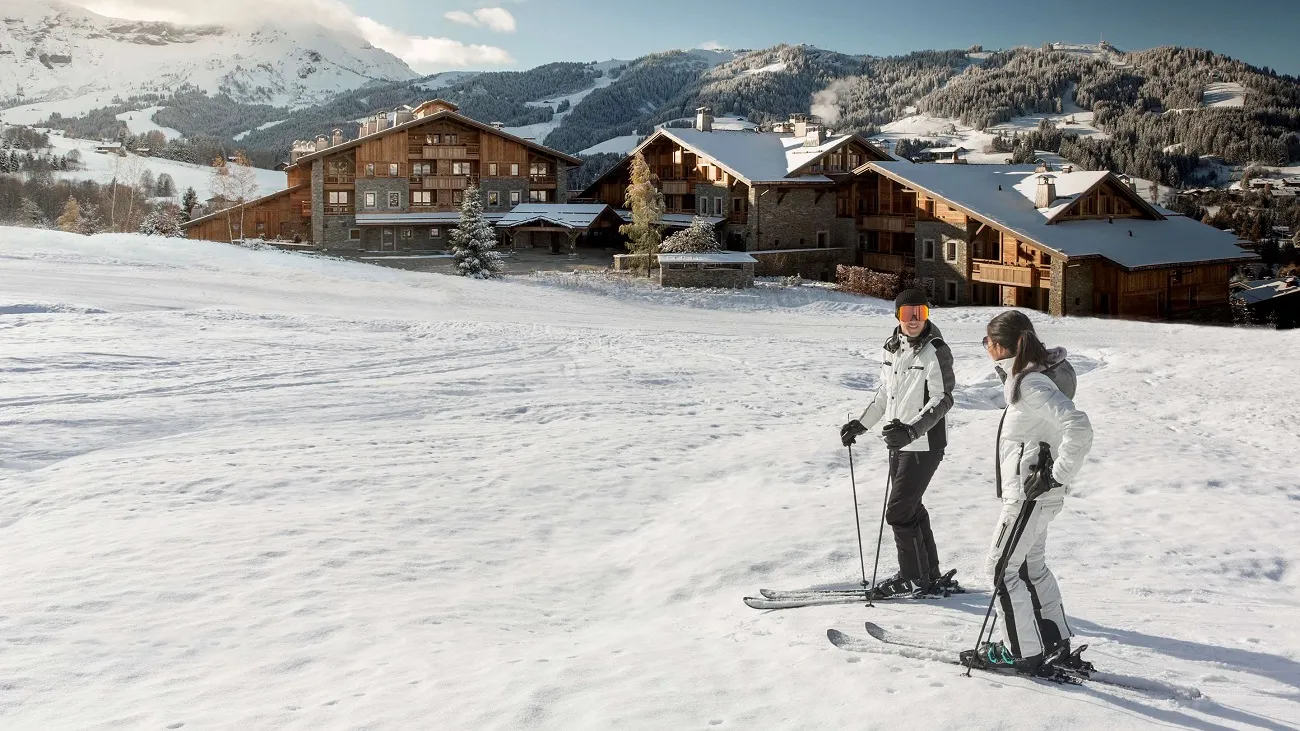
photo: theluxurytravelexpert.com
What’s next? 2030 trends and investor strategies
I sometimes wonder if my friend was right when he said a year ago that the Alps are a thing of the past. Now I’m seeing reports from Knight Frank and Savills—they’re predicting a 5-7% annual increase in the value of prime locations through 2030. That doesn’t sound like the past at all.
In fact, I can already see four main trends that will shape this market:
- A safe haven is becoming the norm. 73% of ultra-wealthy investors are planning their “safe alpine base”—not just for holidays, but as a genuine residential alternative.
- Technology is becoming a permanent fixture in Alpine chalets. Net-zero emissions, AI-powered home management systems, and VR viewings before you even set foot on site.
- Year-round monetization is no longer just a dream. Skiing in winter, hiking in summer, digital detox in autumn—each season attracts its own group of renters.
- Partnerships are replacing traditional investments. Local developers are looking for capital, while we are seeking market access.
Besides, these technologies are no longer science fiction. I recently met a developer from Chamonix—he showed me a house that automatically adjusts the temperature, lighting, and even orders food based on who is currently inside. The system learned over two seasons and now anticipates guests’ needs better than a hotel concierge.
But technology is one thing, and strategy is another. I see several specific solutions that are already working right now:
- Equity partnership with a local developer – we provide the capital, they bring local expertise
- Alpine REIT fund – diversification without the need to manage individual properties
- Short-term rental with a 3-5% yield plus capital appreciation
- Co-ownership with rotational use – sharing costs and risk
To be honest, this partnership strategy is what convinces me the most. I found a developer in Verbier who builds only net-zero chalets. He has the permits and the contacts, I have the capital. We split the profits fifty-fifty, but more importantly—we also share the risk.
This market will never be the same as before. By 2030, the Alps will become a real alternative to London or Zurich as a permanent residence for some of the ultra-wealthy. The key is to be there before everyone else realizes it.
Draw conclusions and pack your skis – next steps for the reader
After this entire journey through Alpine investments, one thing is clear—there are no easy answers. But at least now we know where to look for the right questions.
History has shown us that the real estate market in the Alps has evolved from local deals to a global investment arena. As of 2025, it’s a mix of opportunities and challenges—rising prices, new ESG regulations, but also huge potential in the premium segment. The risks? Above all, climate and regulatory changes that could turn previous assumptions about profitability upside down.
Now, let’s get specific—what’s next? You can’t just stop at theory.
1. ESG due diligence comes first
Every property must pass the filter of environmental standards. This is no longer optional—it’s essential. Energy certificates, environmental impact assessments, compliance with local climate plans.
2. Partner with a local law firm
It’s like hitting the slopes without skis if you don’t. Laws vary from canton to canton, and regulations change faster than mountain weather. It’s best to have someone who knows all the ins and outs.
3. Off-season reconnaissance trip
You’ll see the true face of the place. Not just sparkling slopes, but also infrastructure, accessibility, and how the local community functions. This matters for long-term value.
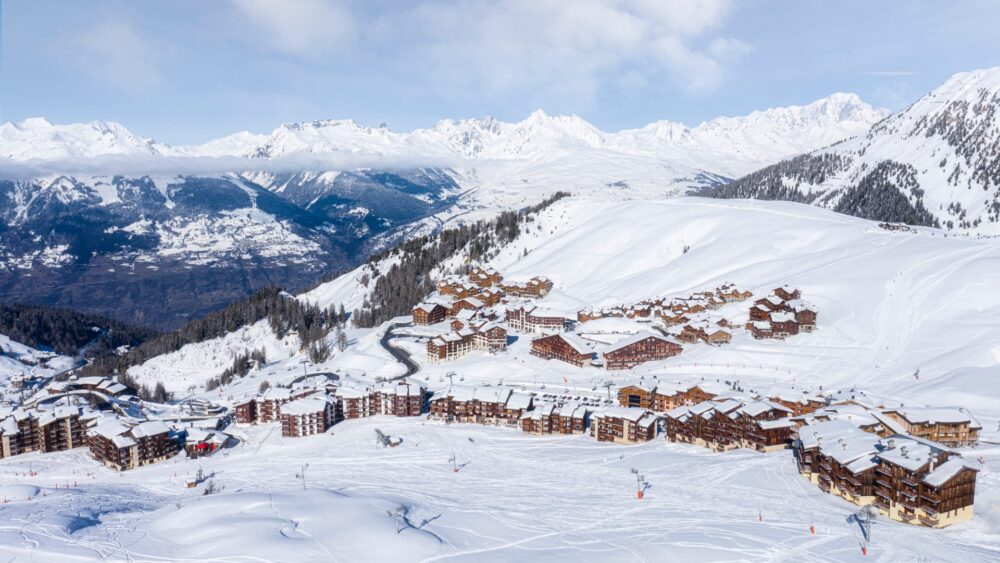
photo: alpineelements.co.uk
I actually made the mistake myself once—buying based only on photos from the peak season. Later, it turned out half the year was a dead zone. Luckily, I didn’t lose out, but it was a lesson learned.
Net-zero standards will become the new normal by 2030. Those who don’t keep up will be left with hard-to-sell properties. But those who prepare can benefit from this transformation.
Alpine peaks require good preparation and the right gear—just as investment peaks demand knowledge and a well-thought-out strategy.
Time to pack your investment skis and set out to conquer Alpine opportunities.
Tommy
real estate editor
Luxury Blog


Leave a Comment