

The Best Resorts in the Maldives – The Complete 2025 Guide
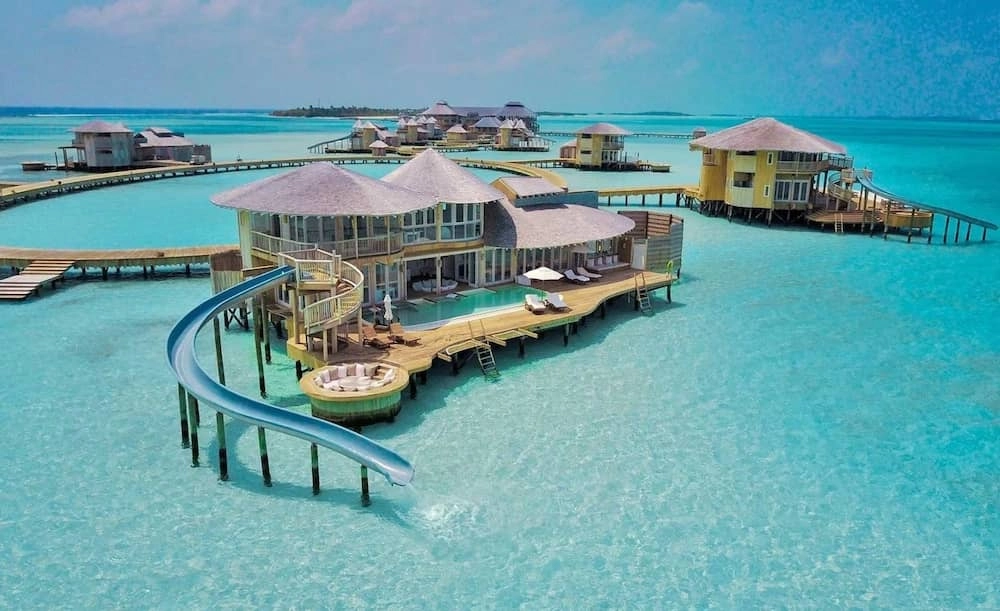
Imagine this scene. A woman in a white dress sits at the end of a wooden pier. She feels the warmth of the boards beneath her feet, and in front of her stretches turquoise water so clear you can see every grain of sand on the bottom. And that’s exactly what the best resorts in the Maldives will offer you!
“1.8 million tourists visited the Maldives in 2024, and by 2025, more than 170 resorts are already operating across various atolls.”
These numbers don’t lie. After the pandemic, people really started to think differently about vacations. It’s no longer just about sightseeing, but about recharging. About finding your way back to yourself. Maldives understood this immediately and opened dozens of new resorts. The competition is now fiercer than ever.
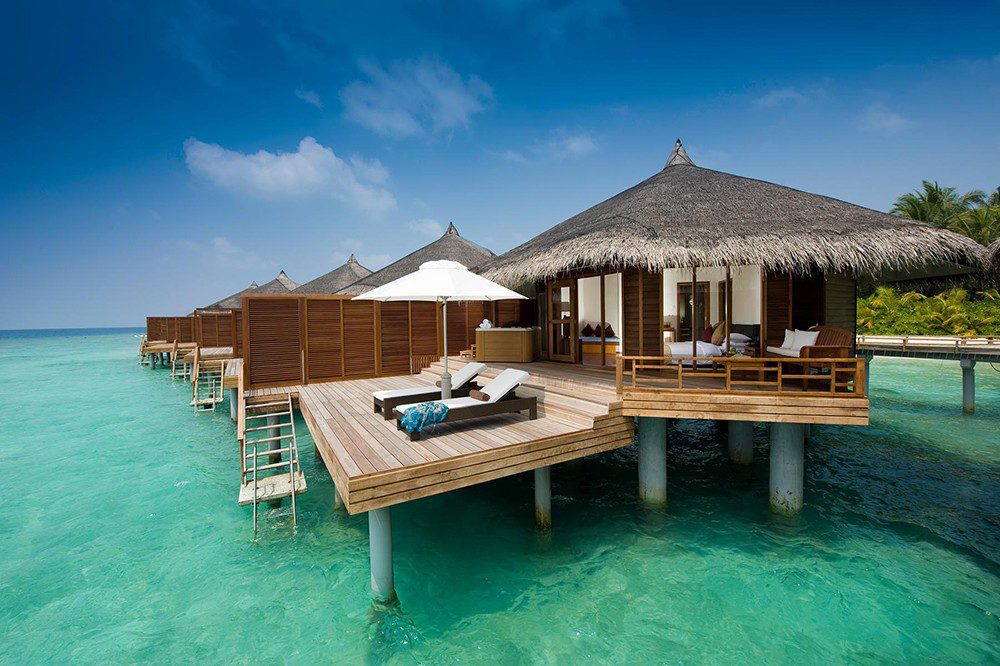
photo: spendlifetraveling.com
The best resorts in the Maldives – the magic of the atolls
I remember my friend telling me about her Maldivian vacation. At first, she complained about the price, then about the long flight. But when she came back, she simply said, “Now I get what it’s all about.”
It all started rather modestly, when the first resort opened in the 1970s…
From Kurumba to Muraka: the evolution of resorts in numbers
It’s actually fascinating how the Maldives became a tourist destination in the first place. Back in the 1970s, hardly anyone went there for vacation.
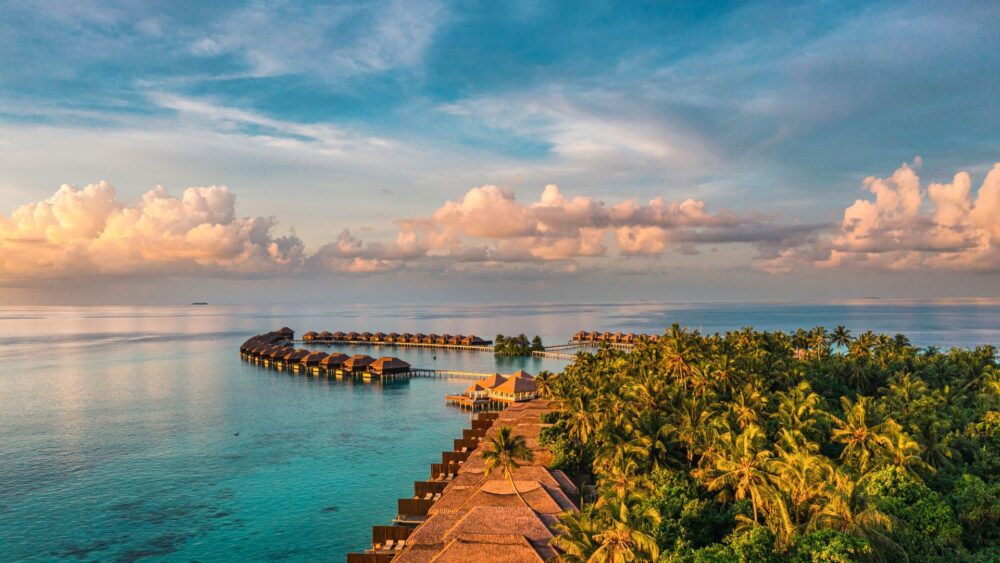
photo: cntraveller.com
1972 – Kurumba Village, the first resort, opens to tourists. Back then, it was truly primitive—just a few palm-leaf bungalows, no luxury at all. But someone had to start.
1979 – The government introduces the “one island, one resort” rule. This was a game-changing decision, protecting the environment from mass tourism. Each resort had to have its own island and take care of it.
1980–1990 – Slow infrastructure development, the first diving centers appear.
1995 – The first water villas are built—stilted bungalows over the lagoon. At the time, it seemed crazy. Who would want to sleep above the water?
2000–2004 – The spa and wellness boom begins, and resorts start competing for guests.
2005 – Ithaa restaurant at Conrad Maldives, the world’s first underwater restaurant. I remember everyone saying it was impossible. Today, it’s an icon of the Maldives.
2008–2010 – The financial crisis hits the Maldives too, and some resorts struggle.
After 2010 – a leap into ultra-luxury. Resorts start offering private islands, butlers, underwater spas. Prices skyrocket.
2015–2020 – Boom in over-water villas with private slides into the ocean, underwater bedrooms.
2020–2021 – The COVID-19 pandemic forces resorts into a “bubble resort” model—closed ecosystems. It turned out the Maldives were perfect for this kind of vacation.
2022–2025 – Focus on sustainability, solar panels, coral reef protection.
Each of these stages has shaped what you can find in the Maldives today. The decisions made in the ’70s and ’80s mean you now have a choice between an intimate, eco-friendly resort and an ultra-luxury island with every possible amenity.
That’s exactly why choosing the perfect resort can be so difficult—you’re dealing with places that have evolved in completely different directions over half a century.
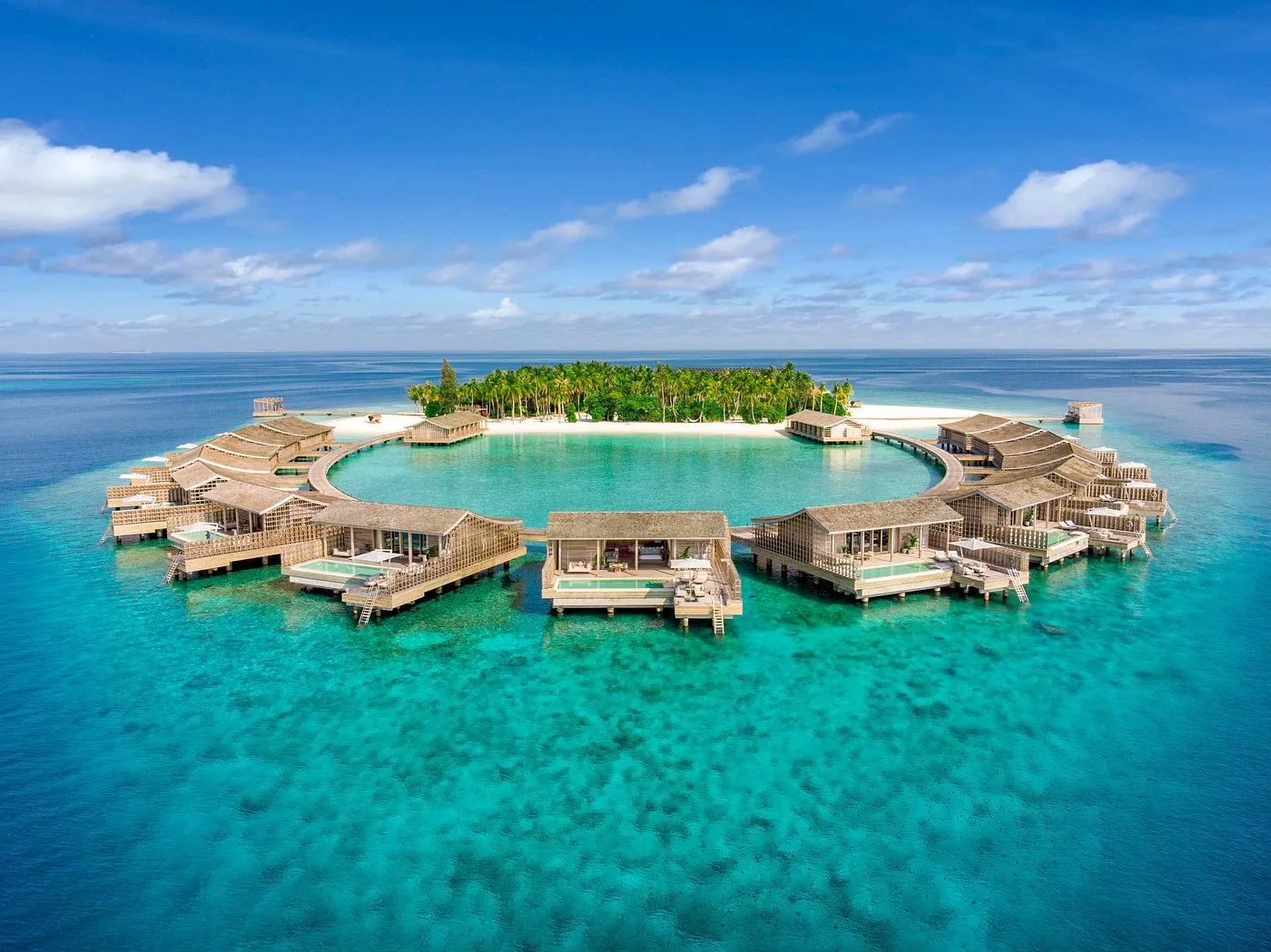
photo: vogue.com
How to Choose Your Paradise: Criteria That Will Transform Your Vacation
You’re standing in front of your laptop at 2 a.m., scrolling through your tenth resort in a row, and they all look straight out of a fairytale. But the devil is in the details—one has stunning photos but only a 7.5 rating. Another looks more modest, yet guests rave about it. The third offers a waterfront villa for the price of a competitor’s beachfront one. How do you make sense of it all?
That’s exactly why this table was created. Because choosing paradise is about more than just pretty Instagram photos.
| Criterion | What does it mean | What to watch out for |
|---|---|---|
| Atoll location | Distance from Malé and transfer options | Seaplane |
| Villa type | Differences between and beach | Size 100–500 m², private pool, glass floors in overwater |
| All-inclusive packages | Scope of services included in the price | Premium alcohol, à la carte restaurants, water sports |
| Guest reviews | Credibility of reviews | Ratings of 9+ are the gold standard; check comments from the last 6 months |
| Price per night | Actual accommodation costs | 500–5,000 USD, hidden transfer fees and taxes |
I recently spoke with a couple planning their honeymoon. He wanted a waterfront villa with a private pool, she dreamed of long walks on the beach. The compromise? A beach villa with direct access to the lagoon. For the same price, they got 200 m² instead of 120 m² in an overwater villa.
On the other hand, a family with two children made a completely different choice. They immediately ruled out the overwater villa—kids and glass floors over the ocean aren’t the best mix. They opted for a large resort with a kids’ program, even if it meant more tourists on the beach.
Transfer is often overlooked, but it’s a crucial piece of the puzzle. A seaplane sounds exotic, but it only lands during the day. Miss your flight? You’ll spend the night in Malé. A speedboat runs at any hour, but after three hours on the waves, you might not feel your best.
Guest ratings can be misleading. A resort rated 8.5 might be better than one with a 9.2, especially if the higher score comes mostly from couples without children and you’re planning a family holiday. Always read the comments, not just the numbers.
Price differences are huge. The same villa in the same resort can cost $800 in May and $3,000 in December. All inclusive also varies—a basic package covers local alcohol and the main restaurant. Premium adds global brands and access to all themed restaurants.
Before you move on to specific offers, check: does the transfer fit your budget, what are the resort’s ratings from the past year, does the villa type suit your needs, and what exactly is included in the meal plan. This is essential—without it, even the most beautiful photos can be deceiving.
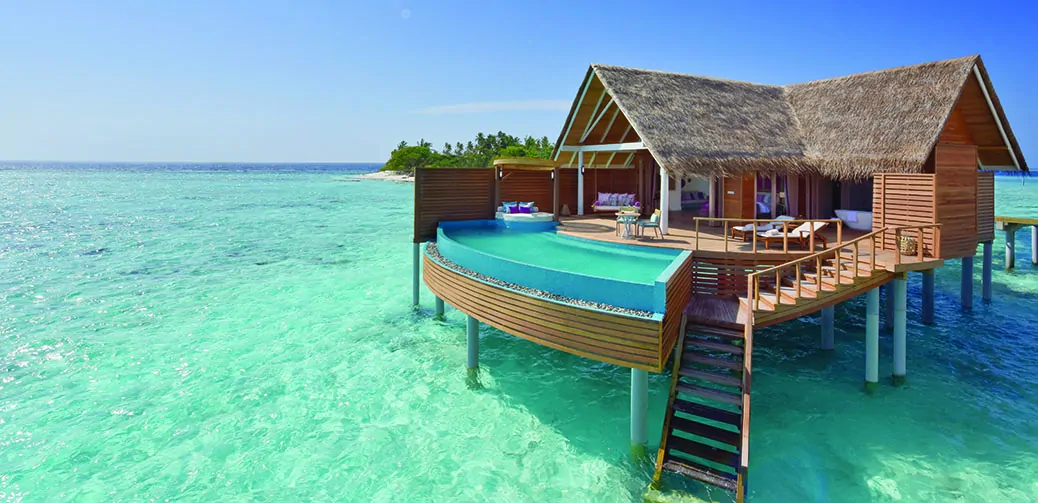
photo: luxurytraveldiary.com
Top 10 Resorts 2025: Strengths, Who They’re For, and Why
You know, I’ve spent a lot of time thinking about which resort truly deserves the top spot in 2025. After all, each one has its own advantages, but some just make an impression from the very first second.
Here’s my list of the top 10 resorts in the Maldives that are really worth considering:
| Place | Resort | Key advantage | For whom | Fun fact |
|---|---|---|---|---|
| 1 | Conrad Maldives Rangali Island | Muraka underwater villa | ? ?♀️ | The world’s first underwater bedroom |
| 2 | Soneva Jani | Villas with a private slide | ? ? | A slide straight from the bedroom into the lagoon |
| 3 | One&Only Reethi Rah | The largest lagoon | ? ⭐ | 12 different beaches to choose from |
| 4 | Velaa Private Island | Private golf course | ⭐ ?️ | The only 18-hole golf course in the Maldives |
| 5 | Amanzoe Maldives | Minimalist luxury | ? ?♀️ | Cinema under the stars on the water |
| 6 | COMO Maalifushi | Wellness program | ?♀️ ?♀️ | Yoga on a platform above the reef |
| 7 | Baros Maldives | Intimacy and history | ? | The first couples-only resort in the Maldives |
| 8 | Kandima Maldives | Active leisure | ? ?♀️ | The longest pool in the Maldives (150m) |
| 9 | Finolhu Baa Atoll | Retro-glamour design | ? ⭐ | 70s-style beach club |
| 10 | Lily Beach Resort | All-inclusive premium | ? ? | The only true all-inclusive in the Maldives |
I notice a certain pattern in this list – most resorts focus on unique experiences that will stay with you for a long time. It’s no longer enough to have a beautiful beach and decent food. Guests want something they can’t find anywhere else.
Honestly, I’m surprised by how much the market has changed in recent years. I remember when, just a few years ago, showing an overwater villa was enough to impress everyone. Now? Now you need an underwater bedroom or a slide from your terrace. Maybe we’re going a bit overboard with these attractions, but on the other hand… who wouldn’t want to slide straight into the ocean from their own villa?
It’s also interesting that almost all of these places are now investing in eco-friendly solutions. I didn’t mention this in the table, as it’s a separate topic, but it’s clear that sustainability has become the number one priority.
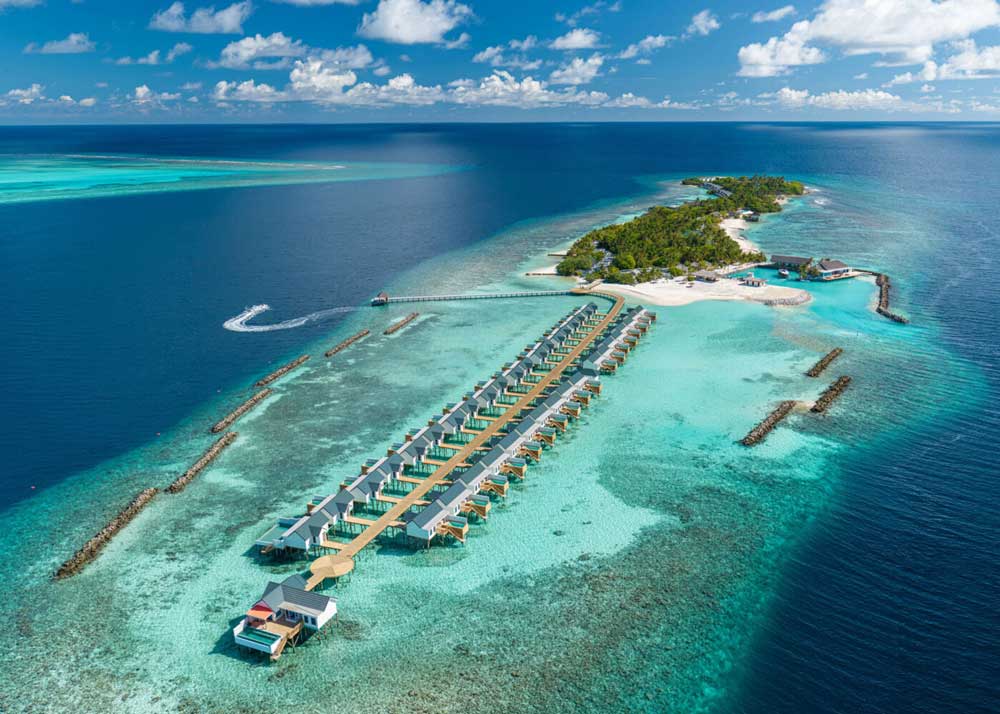
photo: ignitetravelsolution.com
Luxury with a Green Heart: Eco-Innovations in the Maldives
Did you know that a single coral colony can be home to over 4,000 species of fish? That’s more than in all of Europe. In the Maldives, this diversity is truly breathtaking.
Lately, there’s been a lot of talk about eco-friendly resorts in the Maldives. But is it real, or just a marketing ploy? I checked it out myself during my last visit, and I have to admit—the differences are huge.
The true leaders focus on three pillars: renewable energy, water management, and eliminating plastic. Solar power, desalination of seawater, and in-house recycling systems are the foundation. But the devil is in the details.
Baa Atoll is where the real magic happens. Here, one of the world’s largest coral reef restoration programs is underway. Over 1,000 species of coral have already been brought back to life. When you dive there, you see the results with your own eyes.
“Corals grow an average of 2–3 cm per year. Our techniques speed up this process by up to five times,” says Dr. Sarah Chen, a marine biologist working with local resorts.
The statistics are impressive: 70.0% of luxury properties in the Maldives have eliminated single-use plastics. More than 50 resorts are already certified for sustainability. Those aren’t small numbers for an archipelago in the middle of the Indian Ocean.
Soneva is an example worth knowing. This resort is powered 90% by solar energy. They have their own water treatment plant, composting facility, and even a glass foundry. Zero waste ends up in the ocean. Sounds like utopia? I’ve been there and I can confirm—it works.
But not everything that glitters is gold. Some resorts use green slogans mainly in their marketing materials. I’ve seen places that advertise themselves as eco-friendly, yet have huge pools filled with drinking water and air-condition open spaces.
“Greenwashing in the hospitality industry is a serious issue. Guests need to ask specific questions about certifications and real actions,” warns Marcus Rodriguez from Sustainable Travel International.
How do you spot a truly eco-friendly resort? Ask for concrete numbers. What percentage of their energy comes from renewable sources? Do they have their own wastewater treatment plant? How do they handle organic waste? Real leaders are happy to share this kind of data.
There are controversies, too. Critics point out that just flying to the Maldives creates a huge carbon footprint. Can you really be eco-friendly after a 10-hour flight? There’s no simple answer. Some resorts offer CO2 offset programs, but it’s still a topic of debate.
Technology is moving forward. Modern desalination systems use 60% less energy than those from a decade ago. Solar batteries store energy for the whole night. And new coral farming methods offer hope for restoring damaged reefs.
By choosing an eco-friendly resort, you’re not just thinking about your own comfort. You’re also supporting the local community and protecting a unique ecosystem. These islands could disappear under water in the coming decades. Every gesture matters.
When planning such a trip, it’s also worth considering the costs. Eco-friendly technologies often mean higher prices, but not always.
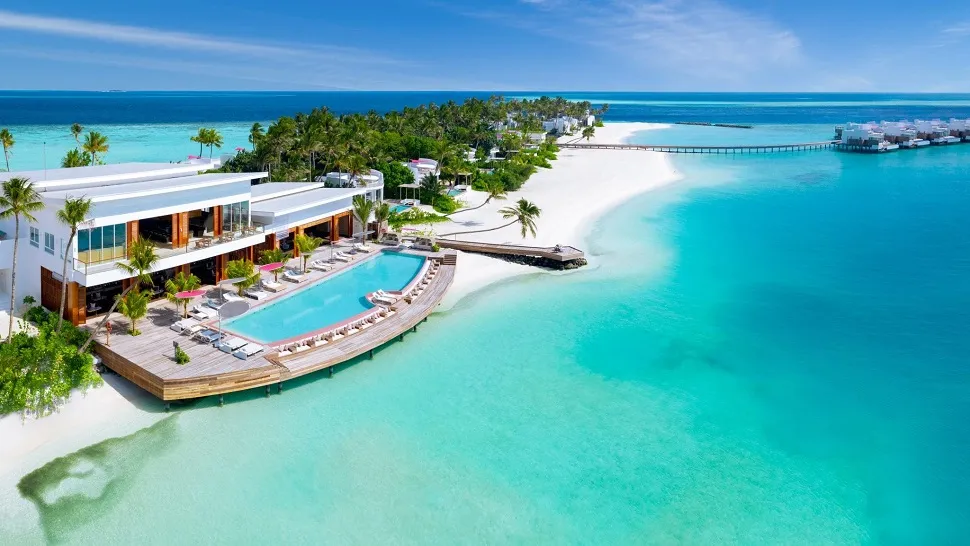
photo: theluxurytravelexpert.com
Save Without Compromise: Booking Tactics and Hidden Costs
Before you start dreaming of turquoise waters, take an honest look at your budget. This isn’t a trip to Hel—here, a single day can cost as much as an entire holiday in Europe.
Self-assessment test: Can you afford the Maldives?
Be realistic. How much can you spend without borrowing from family? Factor in not just the flight and hotel, but also all the little expenses that add up.
Price seasons are your first lesson in Maldivian economics. High season runs from December to April—it’s dry then, but prices jump by 30-40%. A resort that costs 8,000 PLN per week in May might be 12,000 PLN in January. Same place, same water, but the difference is like Skoda versus BMW.
| Season | Sample price (7 days) | Weather | Crowds |
|---|---|---|---|
| High (XII-IV) | 12,000 PLN | Perfect | Crowded |
| Low (V-XI) | 8,500 PLN | Rainy | Take it easy |
| Transitional | 10,000 PLN | Variables | Moderation |
In 2025, an offer appeared that surprised everyone: a 5-star all-inclusive resort for 4,029 PLN per person. Sounds like a system error? No, it was an advance promotion for the low season. Deals like this come around once a year.
⚠️ Hidden costs – this is where the real math begins
Seaplane transfer: 400-800 USD per person round trip. No one tells you this when you book.
Service charge: 10% added to your bill. In a luxury resort, that can mean an extra 200 USD per day.
Government tax: 16 USD per night per person. Not much, but it adds up.
Alcohol in packages: often limited to local brands. Premium spirits? Expect a surcharge of 15-30 USD per drink.
? Loyalty points are a game for the patient
Collecting points with credit cards can be very rewarding. Take Ritz-Carlton as an example: a client collected points worth 1.4 million INR (about 17,000 USD) and used them for a week in the Maldives. Sounds fantastic, but it took two years of consistent spending.
The best cards for earning hotel points: American Express, Chase Sapphire, local bank cards with partner programs. The trick is to spend your regular money, but make sure the points add up.
Book well in advance or at the very last minute. The middle ground doesn’t work – that’s when you pay full price. If your dates are flexible, track last-minute deals. Resorts would rather sell a room cheaper than leave it empty.
A boat transfer instead of a seaplane can save you half the cost, but it takes 1-2 hours longer. For some, that’s a good trade-off.
The future of tourism in the Maldives will be even more luxurious, but also more expensive. New technologies, stricter environmental regulations, rising maintenance costs – all of this will impact prices.
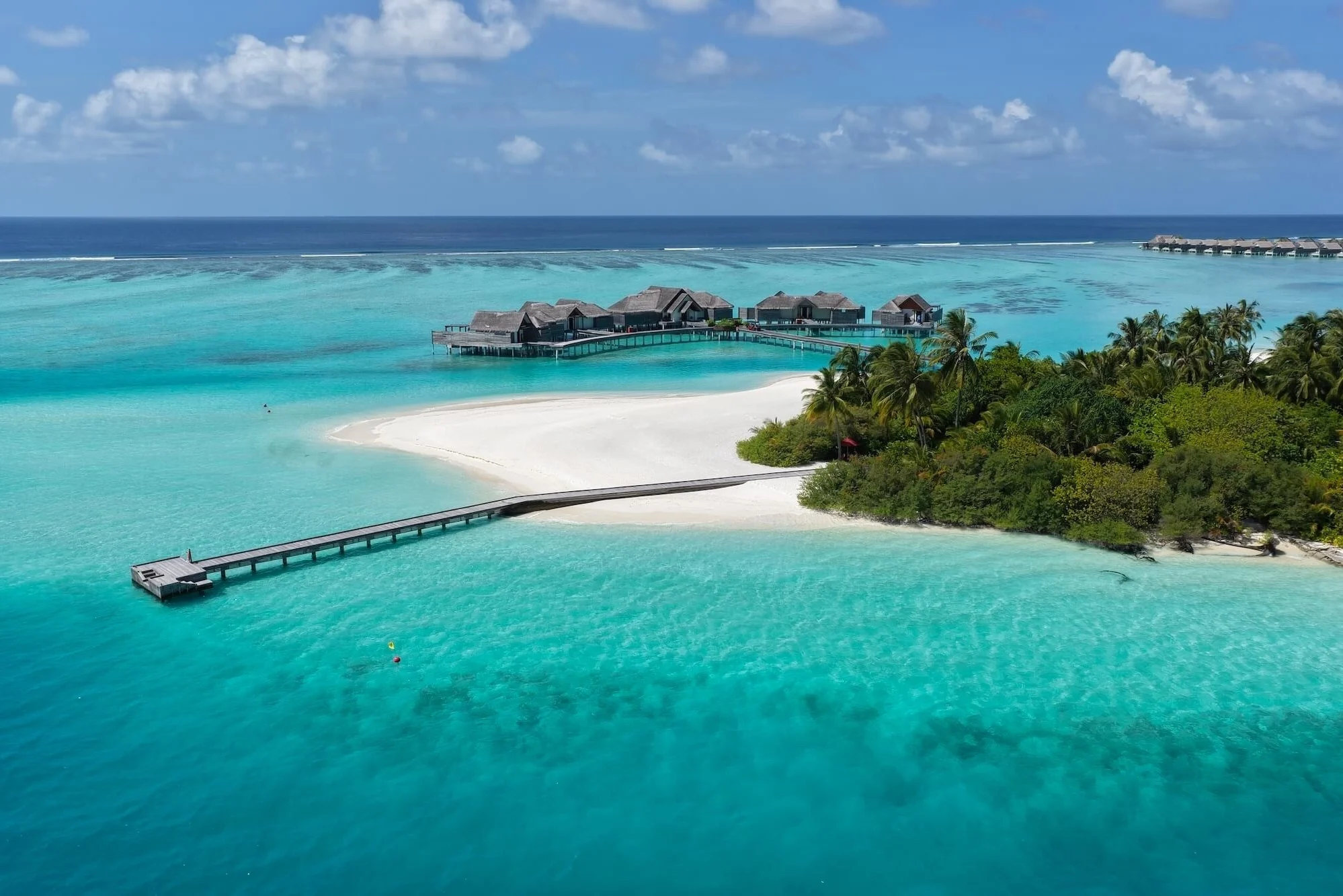
photo: theresortscollection.com
A look into the future: where is leisure in the Maldives headed?
Imagine opening your resort’s app and having artificial intelligence tell you: “Today, underwater visibility is perfect—I’ve booked your dive for 2:00 PM.” Sounds like science fiction? In the Maldives, it’s almost reality.
The archipelago’s tourism industry is on the brink of three major transformations. The first is AI personalization —chatbots are already planning trips in real time, analyzing the weather and your preferences. The second revolution? Underwater hotels are no longer just a concept. And the third—the most ambitious—is carbon neutrality by 2030.
The Maldivian government predicts a rise to 2.5 million tourists annually by 2030. Impressive, but what does it mean for you? On one hand, more flights and better infrastructure. On the other—tougher competition for spots at the top resorts.
| Trend | Benefit for you | Potential risks |
|---|---|---|
| AI-concierge | Personalized experiences | Less spontaneity |
| Underwater hotels | Unique experiences | Significantly higher prices |
| Carbon-neutral | Clear conscience, better PR | Costs passed on to guests |
Ecological initiatives can drive prices up by as much as 15-20%. Some resorts are already investing in solar panels and water desalination. It sounds great, but someone has to foot the bill.
What can you do right now? First, set price alerts for 2025-2026—this will be the last chance for relatively affordable rates. Second, choose resorts with eco-certifications—they’re more likely to withstand upcoming regulations. Third, have a plan B—consider alternative destinations if the Maldives become too expensive.
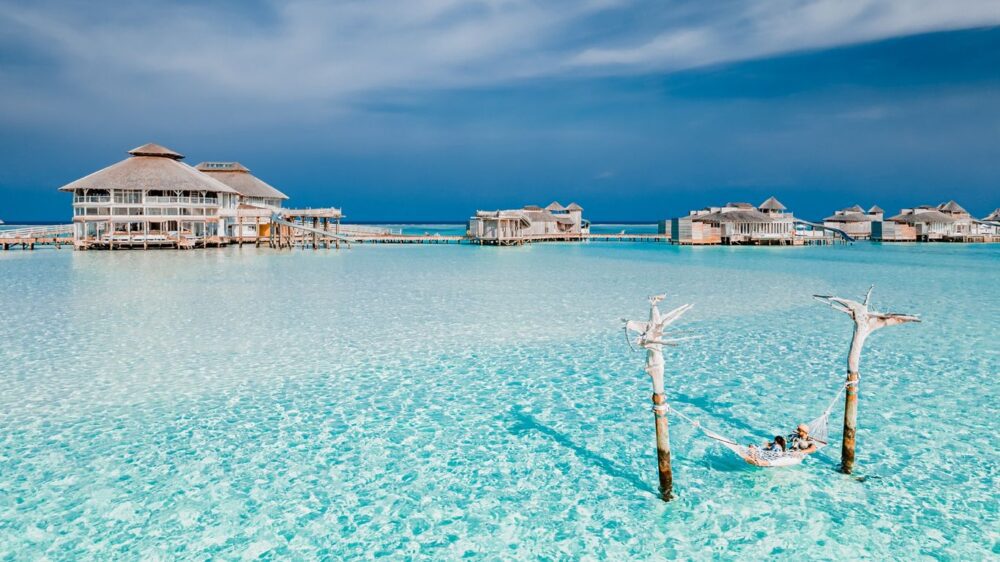
photo: travelandleisureasia.com
The future of holidays in the Maldives will be more technologically advanced and more expensive. But also, most likely, more eco-conscious. The key question is: are you ready for these changes? Start planning today—tomorrow might be too late.
Nadia
lifestyle & travel editor
Luxury Blog




Leave a Comment