

Is Miu Miu Prada? – sister brands or a single identity
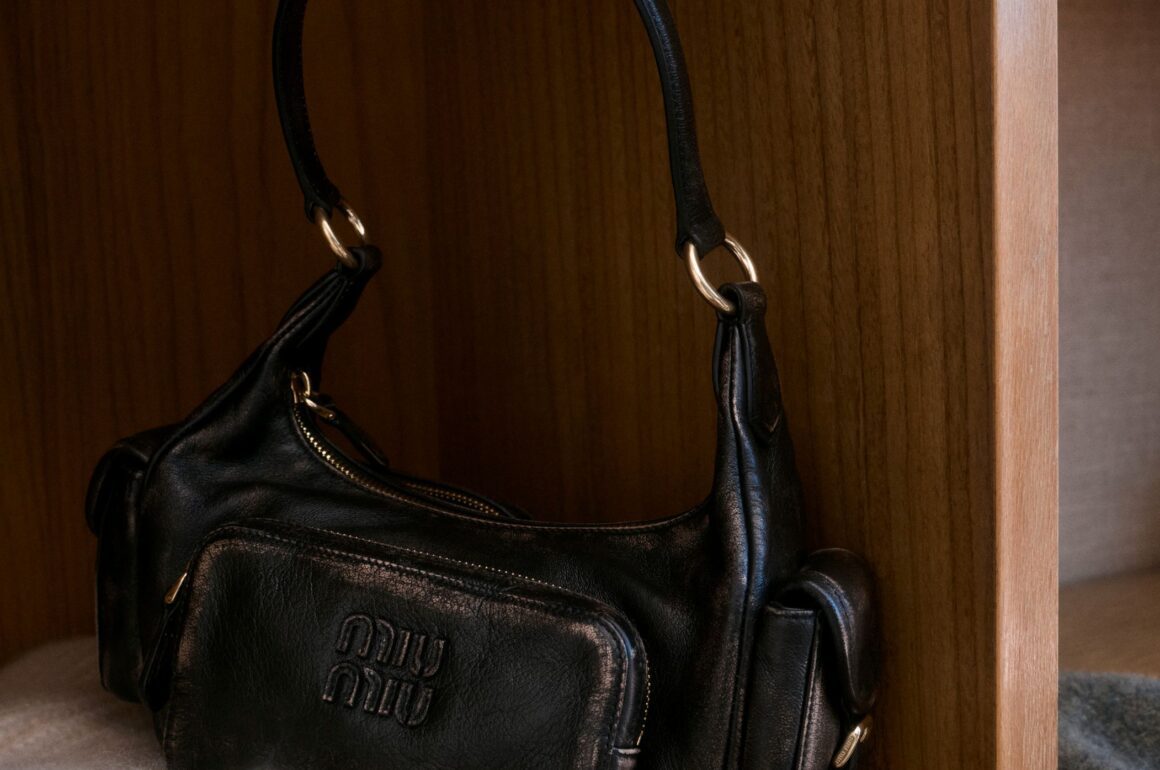
When buying a Miu Miu mini skirt, am I really investing in Prada’s heritage? More and more Polish luxury lovers are asking themselves this question today. And to be honest, I wondered the same thing myself when choosing a handbag for my last birthday.
Imagine this contrast – the fresh, youthful Miu Miu shows on the Paris runways, where
Is Miu Miu Prada? – from Parisian runways to Milanese salons
But the numbers tell a completely different story. “58% of luxury brand consumers don’t know that Miu Miu is part of the Prada group”—that’s a statistic that really surprised me. We’re not alone in this, are we?
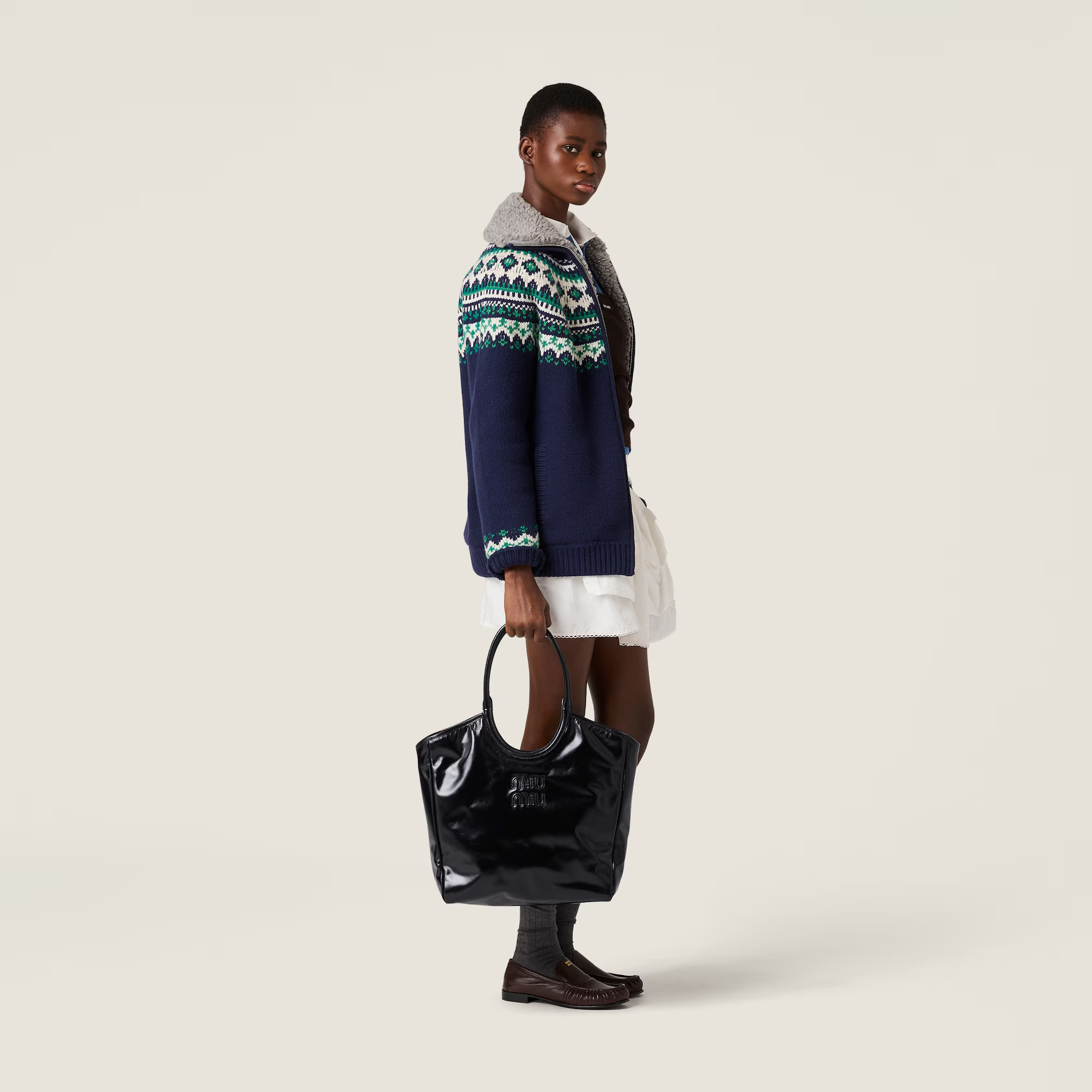
The question about the relationship between these brands has become especially relevant now, as Miu Miu is experiencing a real boom. I see these bags everywhere—from Warsaw galleries to Kraków cafés. But when you buy Miu Miu, are you paying for the same quality as Prada? Or is it just clever marketing that lets us feel luxurious for less?
It’s not just about money. It’s something deeper—about how we see ourselves through the brands we choose. Who is a young woman in Miu Miu? And the same one in Prada?
To understand this, we need to go back to the beginning. To the moment when one of the most powerful women in fashion decided to create something entirely new. Something that would allow her to be both a serious businesswoman and a playful girl at the same time.
The story behind this decision is key to understanding the current phenomenon of both brands.
History and Evolution: How Miu Miu Emerged from Under Prada’s Wing
You know, I always wonder about those family businesses that suddenly start growing like mushrooms after the rain. Prada and Miu Miu are the perfect example of how strategic decisions can completely change a brand’s story.
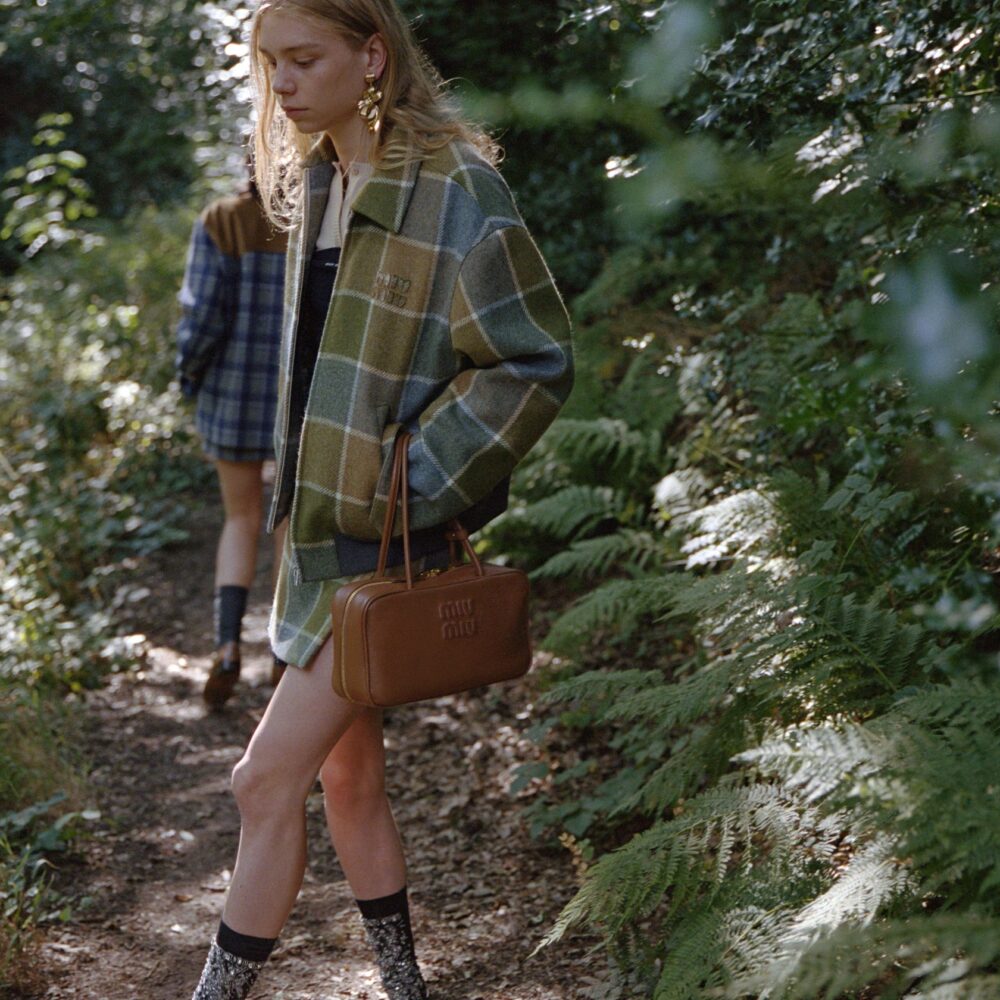
It all actually began over a hundred years ago. Mario Prada opened a leather goods store in Milan in 1913—nothing major, just a family business. But the real revolution came in 1978, when his granddaughter Miuccia took the helm. And this is where the interesting part of the story begins.
For fifteen years, Miuccia built Prada from the ground up, but in 1993 she did something brilliant—she created Miu Miu.
| Year | Event |
|---|---|
| 1913 | Mario Prada opens a store in Milan |
| 1978 | Miuccia Prada takes control of the company |
| 1993 | Miu Miu debuts with a cowboy-inspired collection |
| 2006 | Moving Miu Miu shows to Paris |
| 2020 | Launch of the “Upcycled by Miu Miu” initiative |
| 2020 | Raf Simons joins Prada as co-creative director |
That first Miu Miu collection from 1993 was truly groundbreaking. The cowboy style was completely different from what Prada was doing. Miuccia probably already knew back then that she needed space to experiment. Miu Miu became a kind of laboratory where she could test out her wilder ideas.
Moving the shows to Paris in 2006 was another smart move. Milan is one thing, but Paris is a whole different league. There, Miu Miu could compete with the very best.
And then came 2020—a year that changed everything. Not just because of the pandemic, but also due to two pivotal decisions. The first was “Upcycled by Miu Miu,” an initiative that proved the brand was serious about sustainability. The second was hiring Raf Simons as Prada’s co-creative director.
The latter was truly fascinating. Raf doesn’t work directly on Miu Miu, but his dialogue with Miuccia influences the entire group. Sometimes I think it’s this very collaboration that has given Miu Miu an extra boost for growth.
Each of these milestones served as another cornerstone for today’s successes. History shows that Miu Miu didn’t emerge by chance—it was a carefully crafted plan to create something new alongside the established Prada.
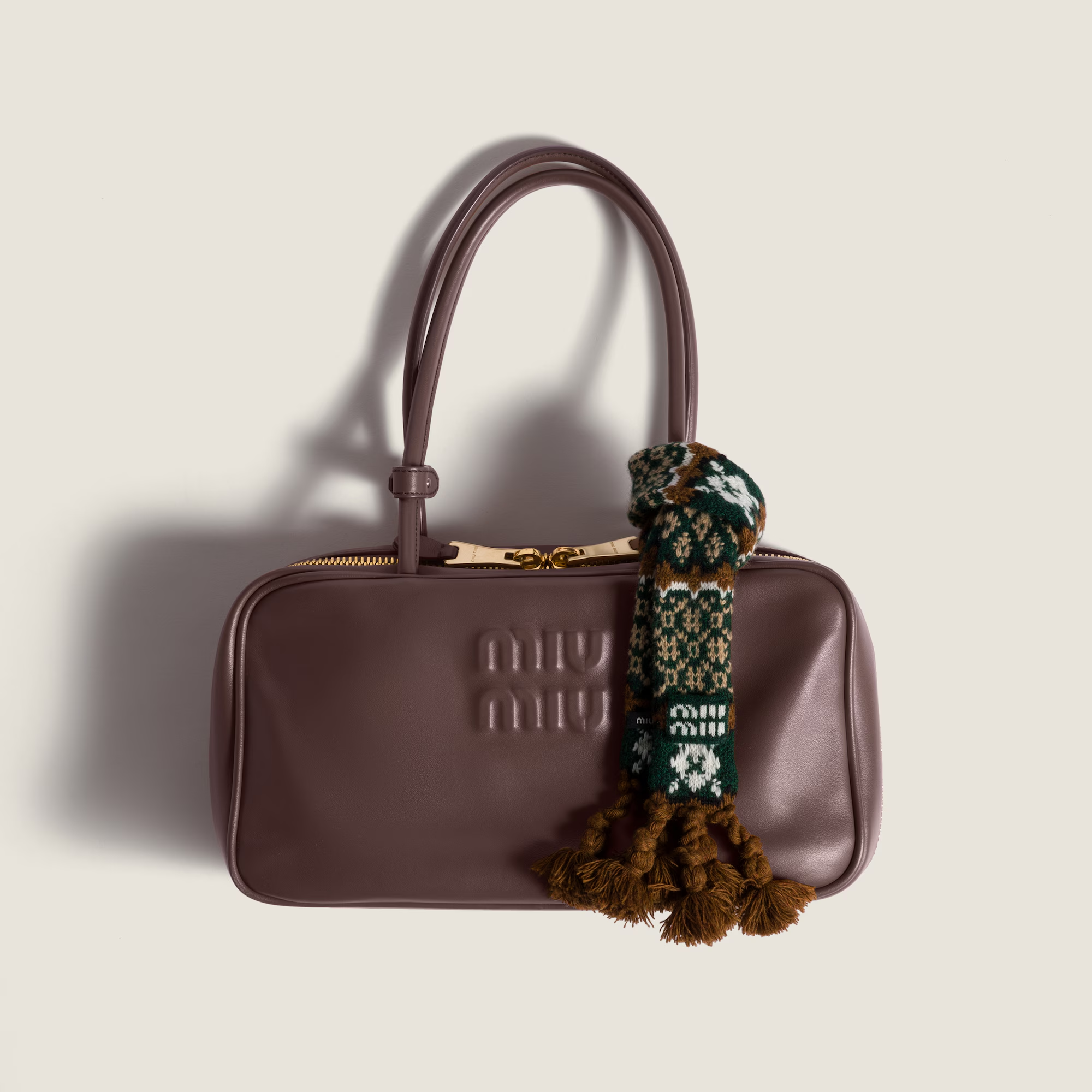
Today: differences, synergies, and impressive financial figures
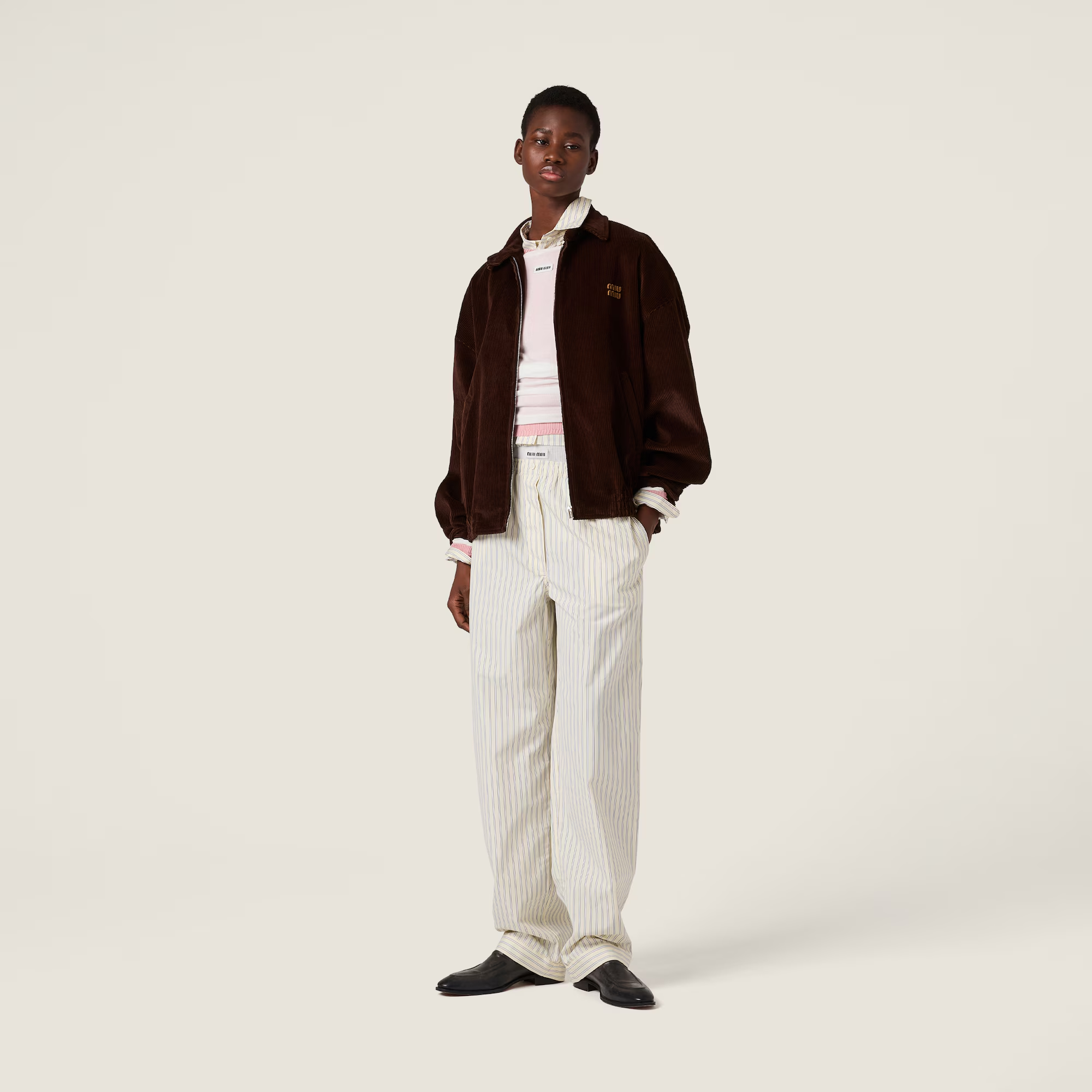
I saw this video on TikTok with Miu Miu – a girl in a mini skirt and an oversized blazer dancing to some indie track. 2.3 million views in a week. That really shows how different these brands are, even though they belong to the same group.
Completely different worlds, different women.
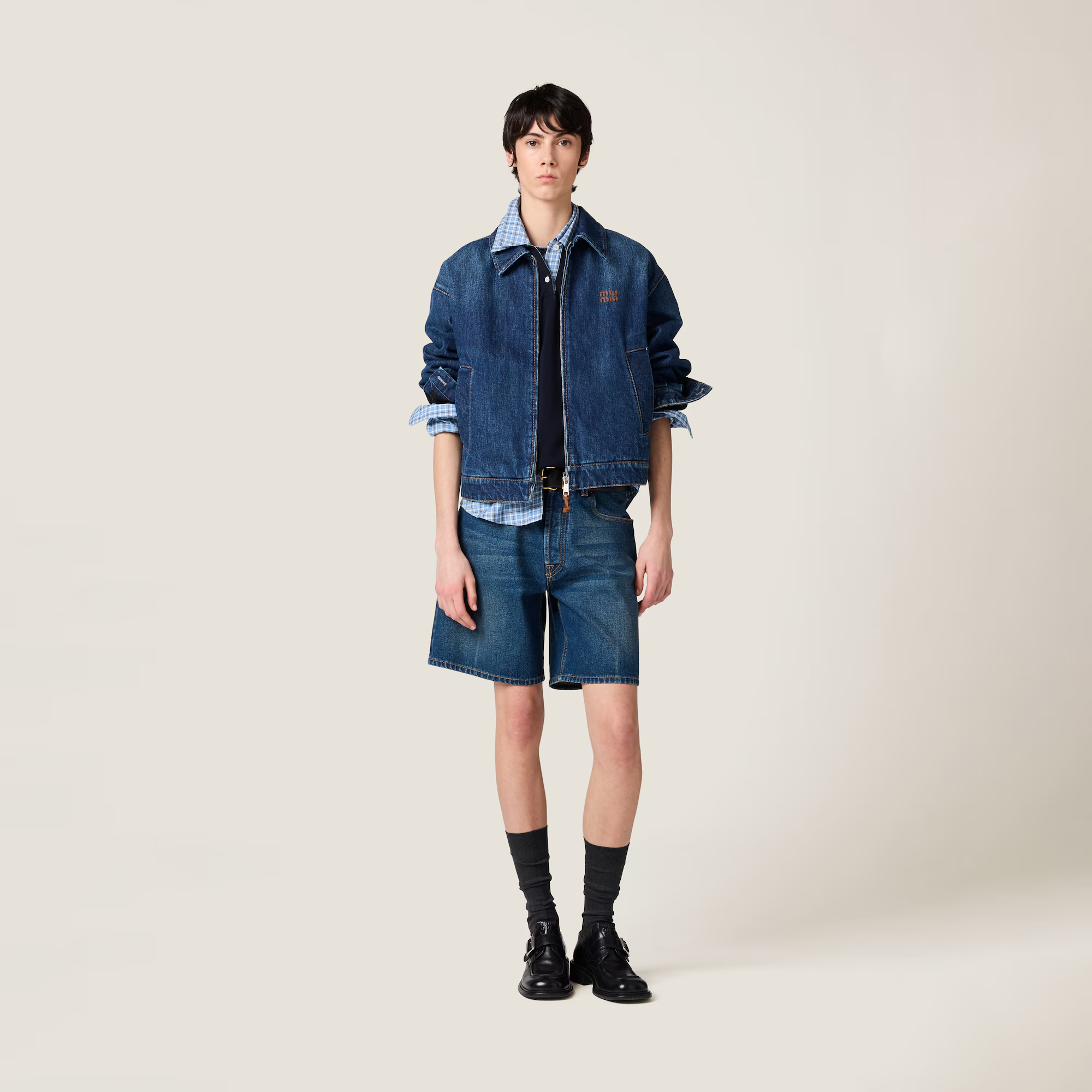
The “Miu Miu girl” is often a student or young professional who loves to experiment. She wears those iconic tulle mini skirts and mixes vintage pieces with new arrivals. She’s around 22-28 years old, lives in a big city, and follows influencers on Instagram.
The “Prada woman” is different now. Older, more established in her career. She opts for those iconic nylon bags and classic cuts. She values minimalism and functionality. Her style is well-defined.
| Aspect | Miu Miu | Prada |
|---|---|---|
| Target audience | 18-30 years old, Gen Z | 30-50 years old, millennials+ |
| Product style | Mini skirts, patchwork, upcycling | Nylon classics, leather handbags |
| Average price | 800-2500€ | 1200-4000€ |
| Sales channels | Social media, pop-up store | Flagship stores, departments |
| Aesthetics | Playful, vintage-inspired | Minimalist, tech-luxe |
The numbers speak for themselves—and what numbers they are:
- Miu Miu recorded an 89% increase in sales in the third quarter of 2025.
- The group’s revenue share increased to 23.4%
- Prada S.A. (1913.HK) gained 12% on the Hong Kong stock exchange in just the past month
- The combined revenues of both brands exceeded 4.2 billion euros
Interestingly, the brands complement each other perfectly on the operational level. They share a distribution network—the same logistics centers handle both lines. Their technological know-how is also shared, especially when it comes to materials and production. But the showrooms? Completely separate. Miu Miu has its own colorful, youthful spaces, while Prada sticks to its signature elegant minimalism.
Actually, it’s brilliant – one group, two completely different visual languages. One attracts younger wallets, the other – more mature ones. What’s next for this division?
What’s next for the fashion siblings? – conclusions and next steps for the reader
Luxury is changing at a dizzying pace. Every month brings new acquisitions, mergers, and strategic shifts. I remember thinking just three years ago that Miu Miu was simply Prada’s younger sister. Now I see it might be the future of the entire group.
Lectra’s 2024 forecasts are clear – Miu Miu has the potential to boost its revenue by 180% by 2030. These aren’t just empty numbers. Analysts see the brand as striking the perfect balance between heritage and modernity. Gen Z is buying Miu Miu, and so are millennials. That’s rare.
The scenario of Versace being acquired by the Prada Group is becoming increasingly plausible. It’s not about competing with Miu Miu or Prada—that would be a different league.
What does this mean for us as buyers? I have three specific tips:
- Track the secondary market indexes for vintage Miu Miu from 2019–2022. These collections will appreciate in value as the brand grows globally. Vestiaire Collective publishes this data quarterly.
- Invest in classic Prada nylon bags—especially the Re-Edition series. As the group expands, these will remain safe investments. They won’t lose value, even if the strategy shifts.
- Follow the upcycling programs of both brands. Sustainability isn’t a trend—it’s a necessity. The first limited editions from these lines will be highly sought after in a decade.
The truth is—buying luxury brands has become a strategic game. It’s no longer enough to simply like a bag or a pair of shoes. You need to understand where the brand is heading, who’s buying it, and how it’s positioning itself.
Do your research before making any major purchase, because these brands won’t be the same in five years.
Nina
fashion editor
Luxury Blog




Leave a Comment