

Is Fendi a luxury brand? – a complete overview in 4 chapters
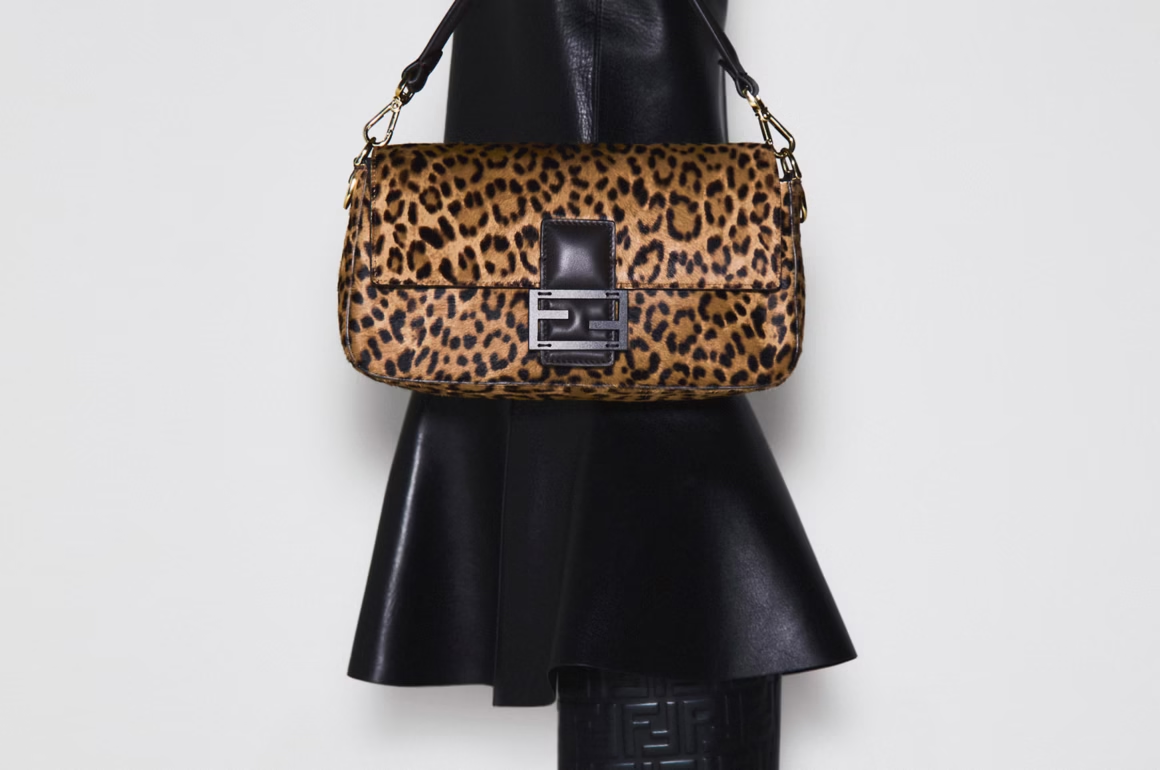
When I think about the fact that Fendi will celebrate its 107th anniversary in 2025, I sometimes wonder if we even remember that little shop from 1918. Adele Casagrande opened it on Via del Plebiscito in Rome—a simple boutique selling handbags and fur goods. Back then, no one could have predicted that this small business would become a global powerhouse.
The story truly took off when Adele married Edoardo Fendi in 1925. That’s when the shop’s name changed to Fendi. Their first Selleria technique was inspired by Roman saddles—something completely new at the time. Rome has always been woven into the brand’s DNA.
Is Fendi a luxury brand – from boutique to global icon!
1932 was the year when the five Fendi daughters—Paola, Anna, Franca, Carla, and Alda—took over the family business.
But the real breakthrough came in 1965. Karl Lagerfeld joined as the head designer, and that’s when everything changed. The “FF” logo was designed in just five minutes—Lagerfeld later said, “It was like a flash of lightning, I just knew it was right.” Honestly, it’s hard to believe something so iconic was created so quickly.
The 1990s were a whole new league. In 1997, Fendi opened its Palazzo in Rome—not just anywhere, but right in the historic city center. It was a clear signal that the brand wanted to be associated with the Eternal City. By then, everyone knew this was no ordinary Italian brand.
The acquisition by LVMH in 2001 for around $1,000,000,000 was the point of no return. Fendi became part of the world’s largest luxury conglomerate. Some said it was the end of the brand’s family spirit, but maybe that’s exactly why it has survived to this day.
With such a legacy, it’s time to see if today’s collection truly meets the standards of luxury.
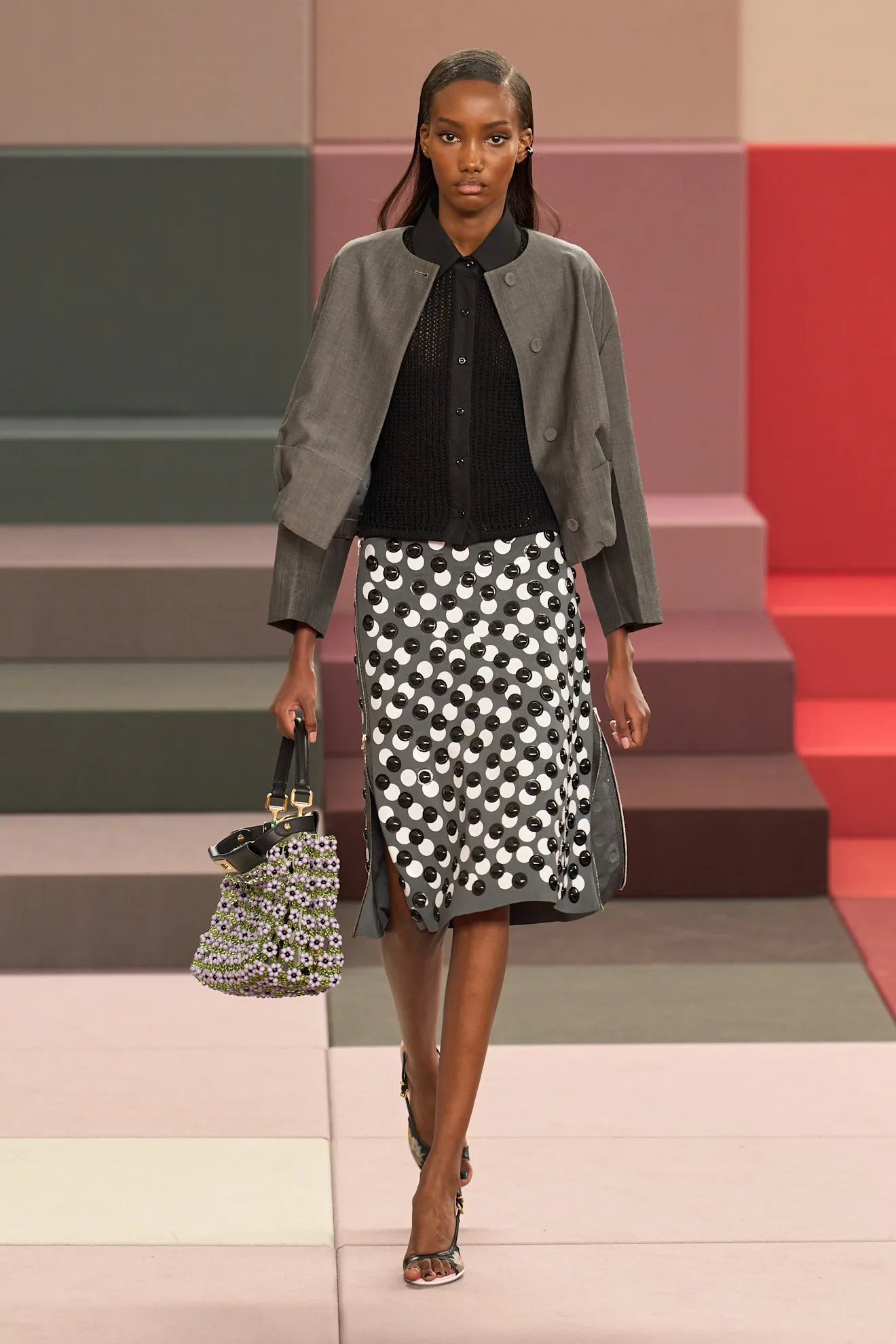
photo: vogue.pl
Signs of luxury: prices, clientele, and craftsmanship
When I first saw the Fendi price list, I thought there was a currency conversion error. A classic Baguette bag costs around 3,500 euros, but a fur coat from a limited collection can reach 80,000 euros. That’s the difference between a used Fiat and a new BMW.
But these numbers make sense when you look at the sales data. Since 1997, over a million Baguette bags have been sold—which means someone has bought one every 15 minutes for the past 27 years. In 2024, Fendi’s revenue grew by 14%, while most luxury brands are barely holding steady.
| Product | Price (EUR) | A hallmark of luxury |
|---|---|---|
| Classic Baguette | 3,500 | Selleria hand stitching |
| Peekaboo bag | 5,200 | Leather intarsia |
| Limited edition fur | 80,000 | Certificate of authenticity |
Fendi clients are mainly women between 35 and 55 years old, with an annual income above 200,000 euros. But lately, I’ve noticed more and more younger clients—the daughters buying themselves a Baguette for their 25th birthday, as if it’s the most natural thing in the world.
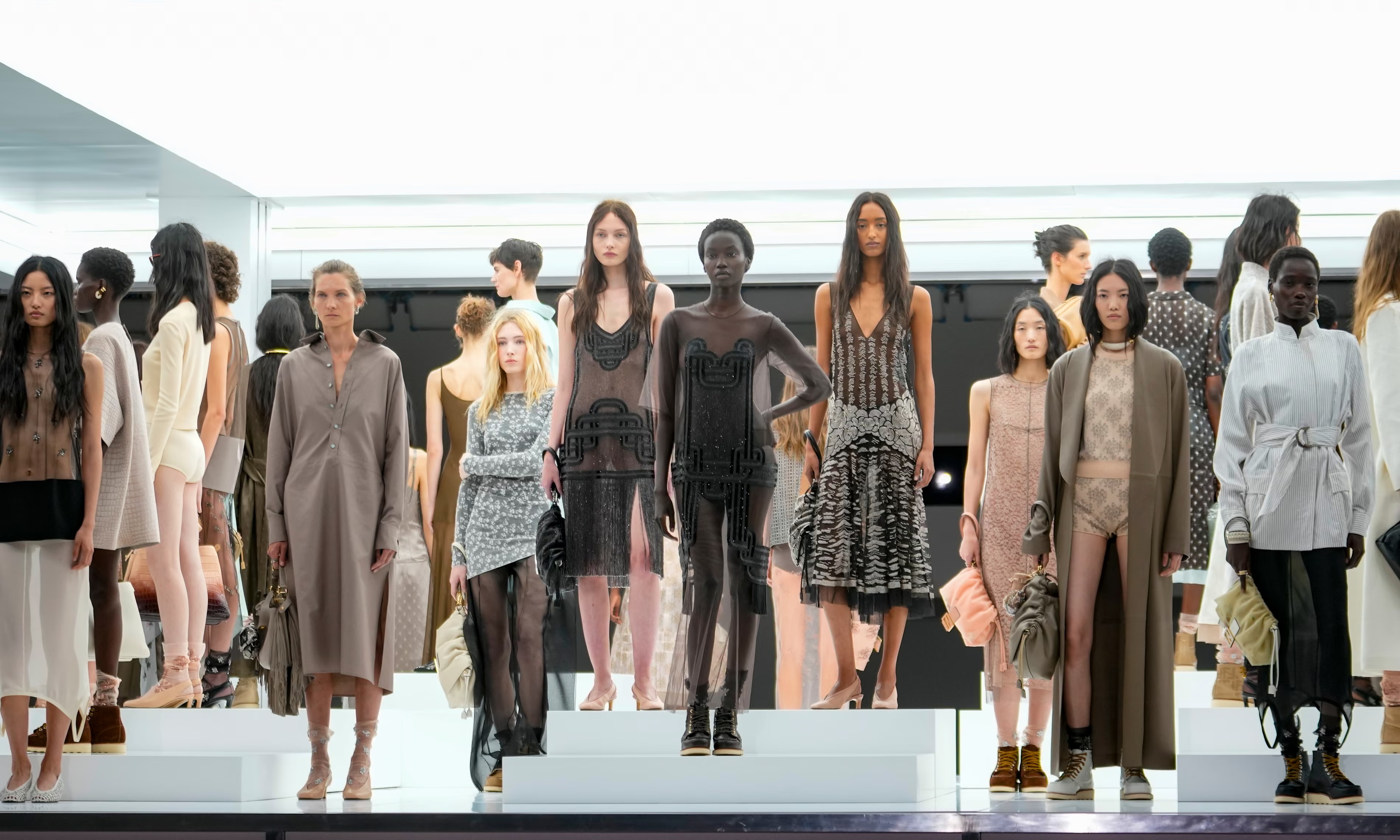
photo: theguardian.com
True luxury lies in the details that most people will never notice.
The Selleria technique means every stitch is done by hand. One bag requires 18 hours of a master artisan’s work. Inside, you’ll find a hologram with a serial number—each piece is registered in a central database in Rome. It’s like an ID card for your bag.
Leather intarsia is even more intricate. Pieces of leather are arranged like a puzzle, without glue, using only heat and pressure. I once watched how it’s done—the artisan spent three days working on a single pattern.
Sometimes I wonder if these prices aren’t just crazy. But then I see the line outside the boutique on Via del Corso and I get it—luxury isn’t just a product, it’s an entire value system.
Yet even the highest price doesn’t protect you from criticism…
Market voice: challenges and controversies surrounding Fendi’s status
“More and more female consumers are moving away from traditional luxury, questioning the point of paying exorbitant amounts for products whose actual value does not match the price” — this is a quote from the 2025 EY report. And honestly, when I read these words, I immediately thought of my friend, who recently faced a choice: a Fendi bag for 5,000 euros or a two-week holiday in Japan.
The report calls this phenomenon the “middle-class rebellion.” Women who, in theory, can afford luxury are starting to ask out loud: why? Why should I spend so much money on leather and a logo? It’s no longer just about finances—it’s a shift in mindset.
Facts:
- The global luxury market in 2025 is worth 350 billion euros
- Fendi’s share of this pie is just 1-2 percent
- These numbers show that the competition is fierce
I remember the scandal from Lithuania two years ago. The country’s prime minister showed up at an official meeting with a Fendi bag made of real fur. Social media exploded. PETA issued a statement calling it “an irresponsible promotion of animal cruelty.”
Interestingly, even then Fendi had already switched to synthetic fur in most of its collections, but the brand’s image took a hit. Activists don’t forgive easily. I know people who still boycott the brand for this very reason.
The problem is that today’s consumers are more aware. They read about how luxury handbags are made, check working conditions in factories, and care about the origin of materials. And when they discover that the markup on some products reaches 800 percent… well, it’s hard to blame them for feeling disappointed.
Additionally, the media don’t spare luxury brands. Every scandal, every controversy—everything hits the internet within minutes. Fendi has to navigate between tradition and modern expectations. It’s not easy.
How does the brand plan to respond to these challenges?
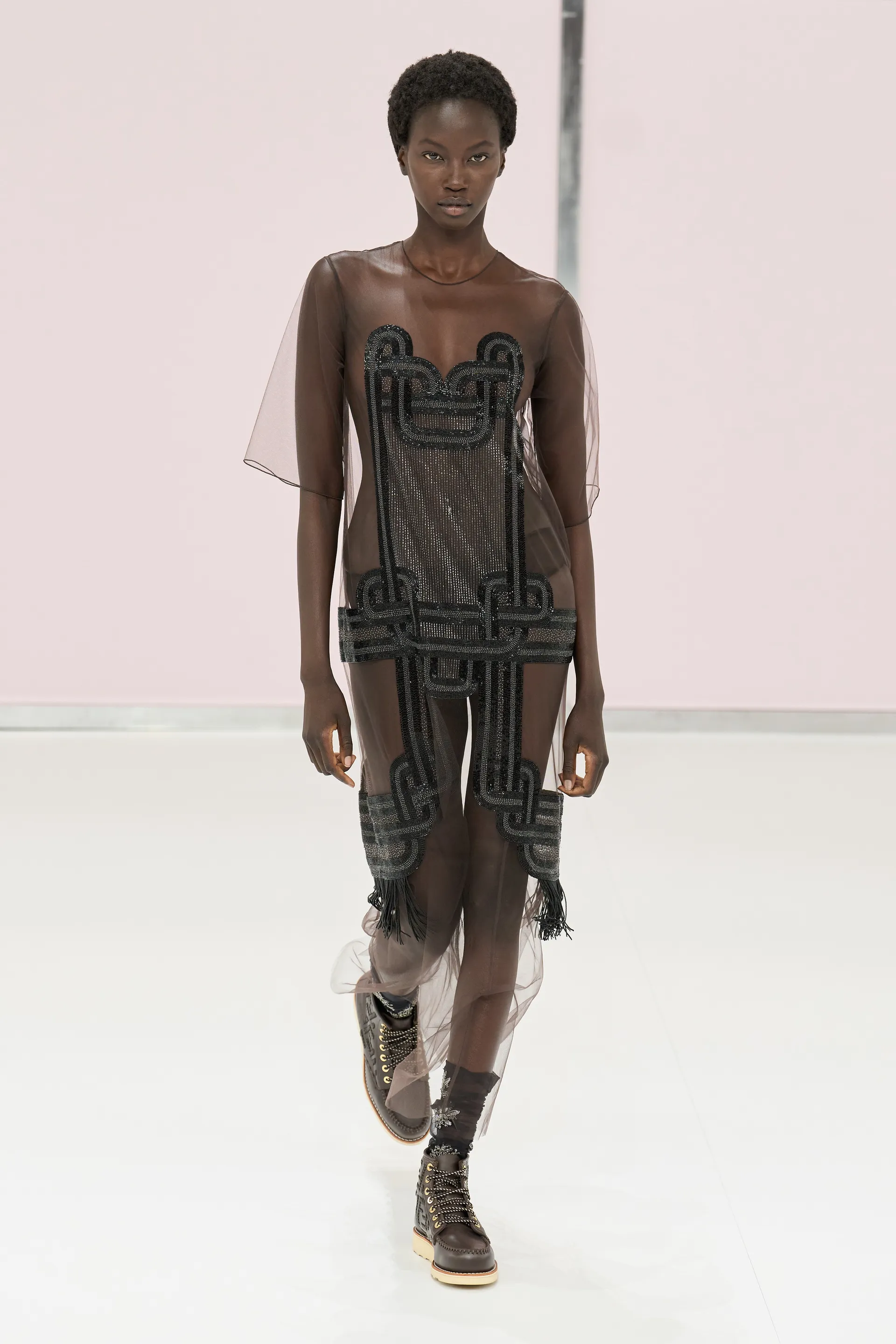
photo: vogue.com
What’s next? Luxury in the era of the metaverse and sustainability
Where is luxury headed? Looking at Fendi, I see a scenario that might surprise you. I’m not talking about more handbags or campaigns—this is something bigger.
Asia will be key. The projected e-commerce growth of 10-15% annually in 2025-2026 is no coincidence. Chinese female consumers are increasingly shopping online, and Fendi understands this perfectly. I see it myself—my friends from Korea order luxury items through apps.
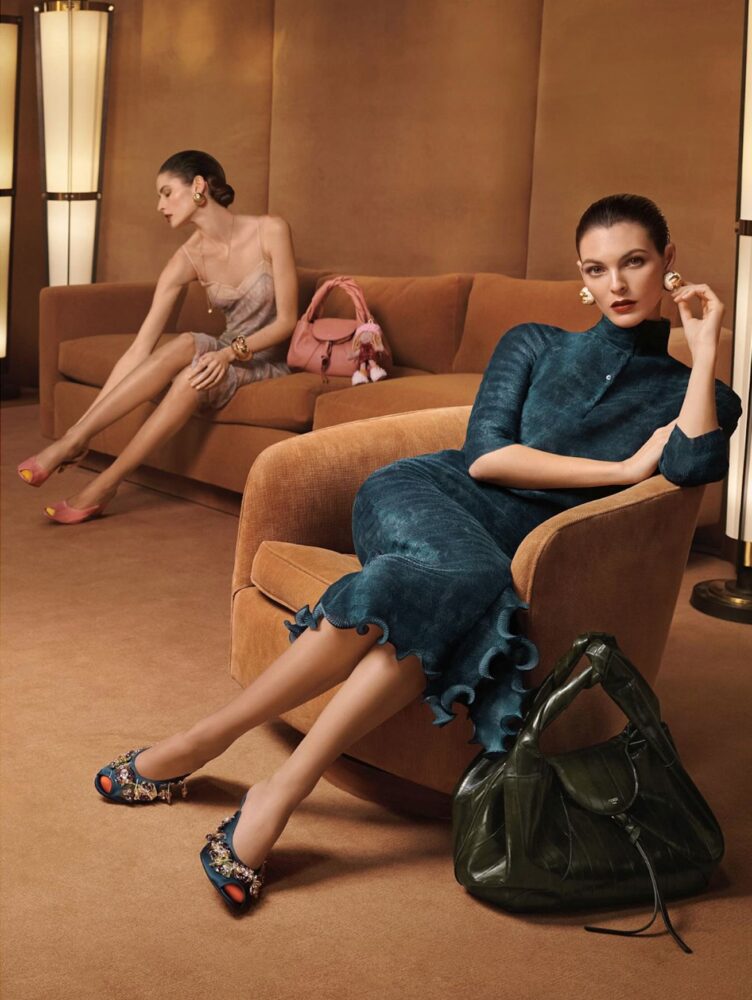
photo: anneofcarversville.com
The digital reality changes everything—a virtual Baguette might sound odd, but it makes sense.
Fendi is working on NFT projects and entering the metaverse. Collaborating with gaming platforms may seem eccentric, but young women are spending more and more time there. Who says luxury has to be physical?
Ecology isn’t just a trend. The plan for carbon neutrality by 2030 and work on synthetic leather are concrete steps. Sometimes I think this could be a bigger revolution than digitalization. The younger generation won’t buy from brands that ignore the environment.
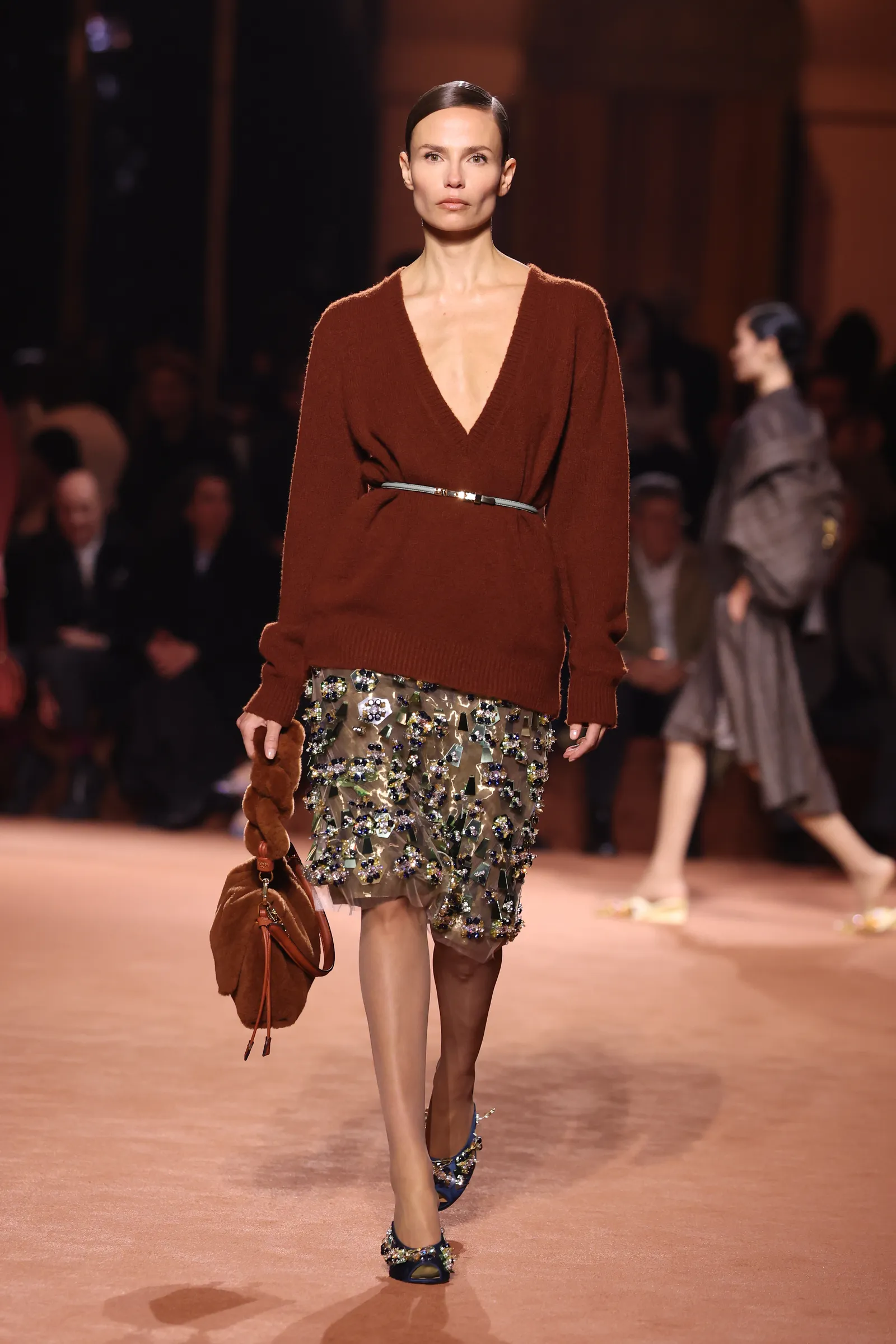
photo: voguearabia.com
What can a reader do?
- Follow the growth of Asian e-commerce platforms
- Follow luxury brands’ NFT projects
- Pay attention to material innovations
I won’t lie – some of these changes seem risky to me. But who would have thought ten years ago that buying handbags online would become the norm? Fendi is betting on a future that’s already happening.
Watch, invest, discuss. These trends will shape luxury for years to come.
Moni Li
lifestyle & fashion editor
LuxuryBlog


Leave a Comment