

Is Camel Active a good brand?
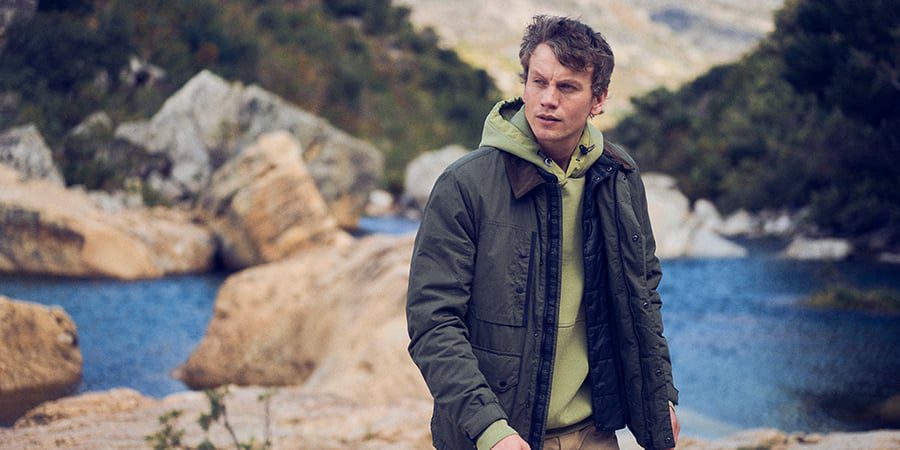
You’re standing in front of your closet, packing your backpack for a weekend in the mountains. You reach for your Camel Active jacket—the same one you bought two years ago. You pause for a moment. Was it a good decision? Does this brand even mean anything anymore?
That’s a question a lot of guys are asking themselves these days. After all, Camel Active isn’t a new company—its roots go back to the ’70s, when the world went crazy for the Camel Trophy rallies. Remember those images? Land Rovers plowing through mud, guys in khaki battling the jungle. Back then, this brand stood for adventure. Real adventure.
Camel Active – is it a good brand? From rallies to e-commerce
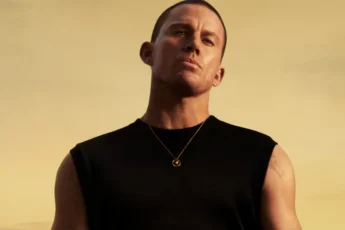
But that was in the past. Today, Camel Active is all about online stores, Instagram influencers, and marketing campaigns. In Asia, the brand is experiencing a real boom.
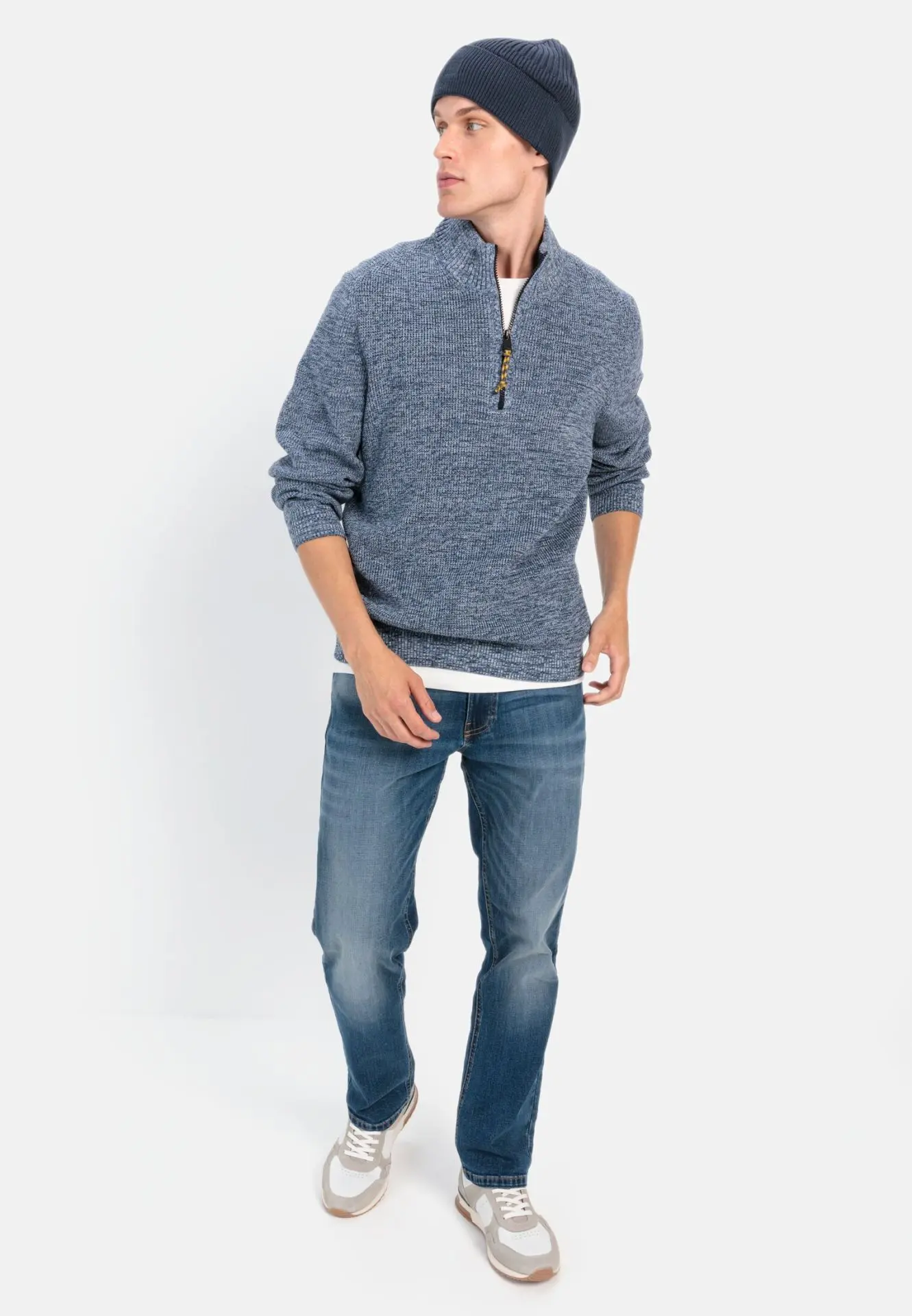
photo: camelactive.com
“Sales increased by 493% after the campaign with Chinese actress Dilraba Dilmurat in the first quarter of 2025”
These numbers are impressive, no doubt about it. The question is—does increased sales mean the products are actually better? Or is it just clever marketing?
It’s fascinating how a brand can transform like this. On one hand, you have that rally legend; on the other— modern e-commerce and social media. Camel Active is trying to balance between what it used to be and what it wants to become. But is it working?
To answer whether Camel Active is a good company, you have to look at a few things: product quality, pricing policy, customer service, and how the brand handles new market challenges.
It’s not easy. The brand has decades of history behind it, but it operates in a completely different reality now. The competition is fierce, customers are demanding, and the internet doesn’t forgive mistakes.
Let’s start with whether Camel Active’s clothes and shoes really stand up to everyday challenges, or if it’s just a memory of former glory…
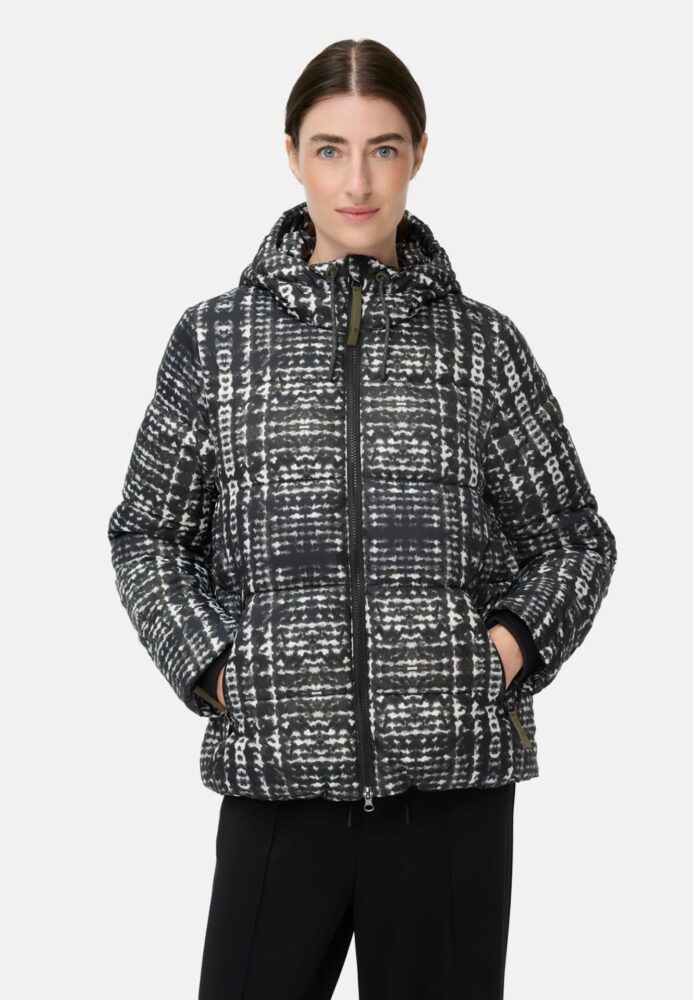
photo: camelactive.com
Quality and product portfolio
A friend of mine works in the outdoor industry and has been wearing only Camel Active for years. He says these are the only shoes that lasted him five years of hiking in the Tatra Mountains. It sounds like an ad, but I checked it thoroughly.
| Product | Key parameter | Price | User rating |
|---|---|---|---|
| Jackets | Water resistance 10,000 mm | 400-800 PLN | 4.3/5 |
| Shanghai shoes | Gore-Tex membrane | 350-550 PLN | 4.5/5 |
| Backpacks | Capacity 25-45L | 200-400 PLN | 4.2/5 |
Materials are the foundation of the entire brand philosophy. They mainly use cotton canvas and genuine leather—nothing groundbreaking, but proven solutions. Their jackets feature breathable membranes that actually work. Not quite at the Arc’teryx level, but for this price, it’s hard to complain.
Internal tests show 500+ wash cycles without color loss. That’s quite a lot, though everyone knows the lab isn’t real life. The Shanghai shoes come with Vibram soles—a true mark of quality in the industry.
Prices fall between H&M and Timberland. Shirts cost 150-250 PLN, jackets 400-800 PLN. A basic jacket from H&M will set you back 150 PLN, but it’ll last at most a season. Timberland, on the other hand, charges 800-1200 PLN for comparable quality.
Reviews on Zalando say it all: “I’ve been wearing it for three years, still looks brand new” – writes Marek from Kraków. Ania adds: “My backpack survived the Camino with me, highly recommend”. On About You, the average rating is 4.4/5 from over a thousand reviews.
Pros:
- Quality materials at a reasonable price
- Proven technologies (Gore-Tex, Vibram)
- A wide range of sizes and colors
Cons:
- Sometimes the design is too conservative
- Availability in Poland is limited
- Some products are overpriced for their quality
The problem is that the brand doesn’t always appeal to younger customers. The look often brings to mind the ‘90s. It’s a matter of taste, but it does affect how the quality is perceived.
Camel Active is above all about reliability without the fireworks — and that’s exactly what builds their reputation in the outdoor market.
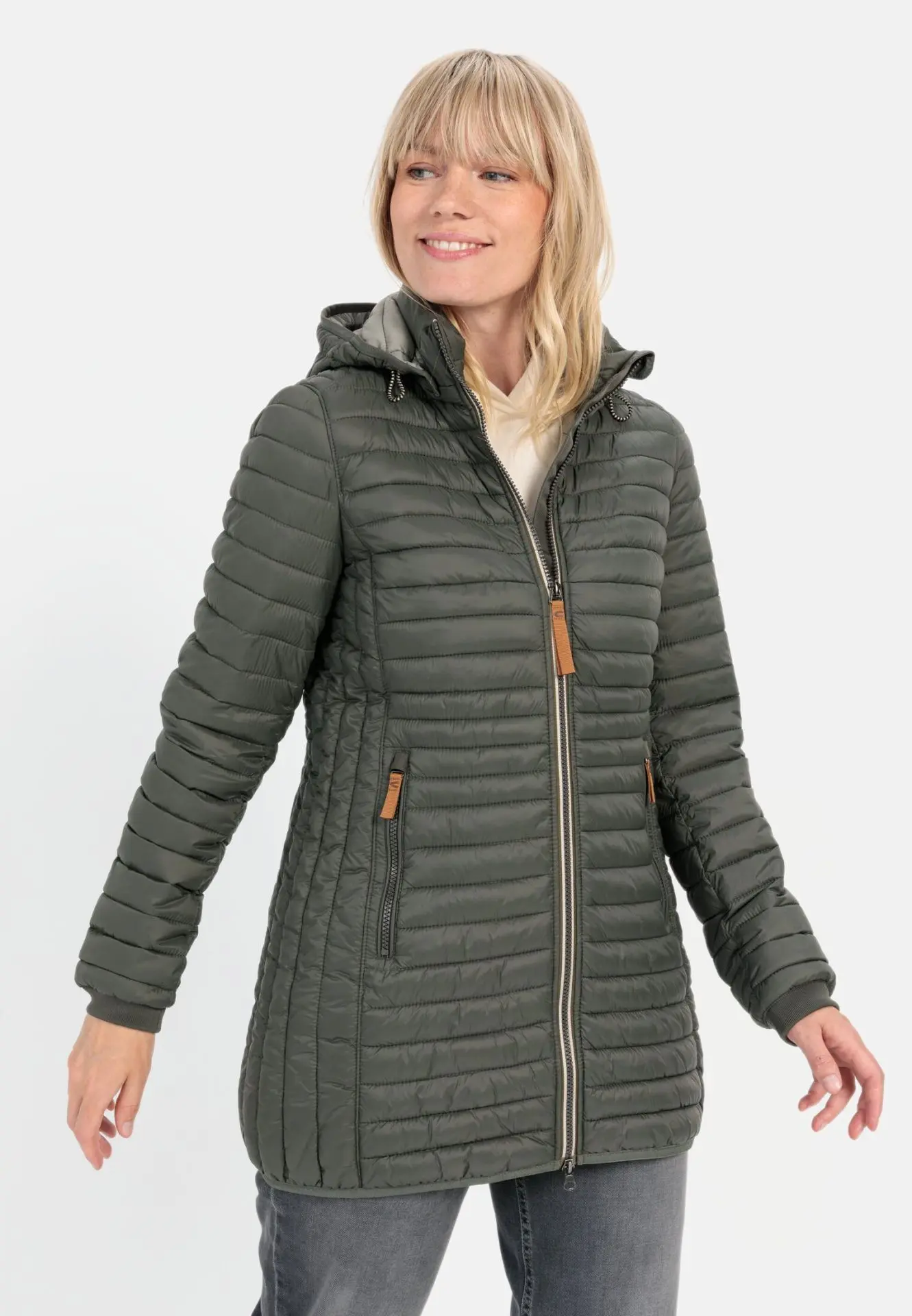
photo: camelactive.com
Brand reputation, ethics, and sustainability
“Camel Active is greenwashing in its purest form”—that’s what one X user wrote in December 2024. But is it really true? Let’s take a closer look at the brand’s ethical side.
Let’s start with the facts. Camel Active holds a GOTS (Global Organic Textile Standard) certificate for selected products from the 2024 collection. This isn’t just marketing—GOTS is one of the strictest ecological standards in the textile industry, covering the entire production process, from cotton cultivation to final finishing. For Camel Active, it applies to around 30% of their casual range.
But there’s another side to the story. Historical ties to the Camel cigarette brand and the legendary Camel Trophy rally (1980–2000) still cast a shadow over the company’s image. Although that’s all in the past, some consumers still associate the name with the tobacco industry.
The greenwashing debate has flared up on social media. “Another brand pretending to be eco-friendly, but manufacturing in Asia like everyone else”—that’s another quote from X, this time from February 2025. The response came quickly: “I checked their CSR reports—they really do invest in clean technologies and fair trade. Not all Asian production means exploitation.”
Fact or myth?
| FACT | MYTH |
|---|---|
| The GOTS certificate covers part of the collection | All production is eco-friendly |
| Collaboration with fair trade suppliers | Ties with the tobacco industry continue |
| 4.2/5 consumer rating reputation | Lack of transparency in the supply chain |
The truth is, a 4.2 out of 5 reputation in consumer ratings doesn’t come out of nowhere. Camel Active has avoided major corporate scandals, which is quite an achievement these days. Their sustainability reports are publicly available.
Are they socially responsible? They’re not pioneers, but they are making progress. It’s neither greenwashing nor a role model. Just a solid industry average that’s slowly moving in the right direction.
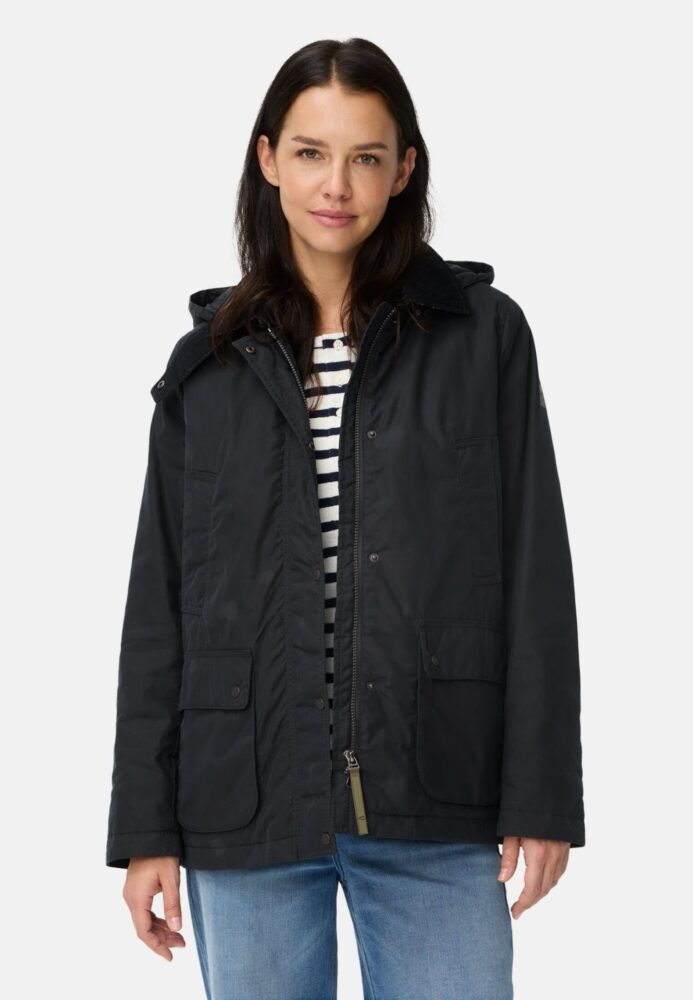
photo: camelactive.com
Is Camel Active worth choosing? Key takeaways and next steps
Now that we know how Camel Active handles ethics and reputation building, it’s time for the final answer – is it worth investing in?
I’ve prepared a matrix of the most important arguments for you:
| PLUS | MINUS |
|---|---|
| Proven quality of materials and craftsmanship | Higher price than average casual brands |
| Universal style – from office to weekend | Limited availability in smaller towns |
| Growing popularity and recognition | Competition from fast fashion |
Analysts predict the brand will grow by 10-15% annually until 2030. That sounds promising, but what does it mean in practice? Above all, stability — you’re not buying clothes from a company that might disappear from the market tomorrow. On the other hand, it could also mean a gradual increase in prices.
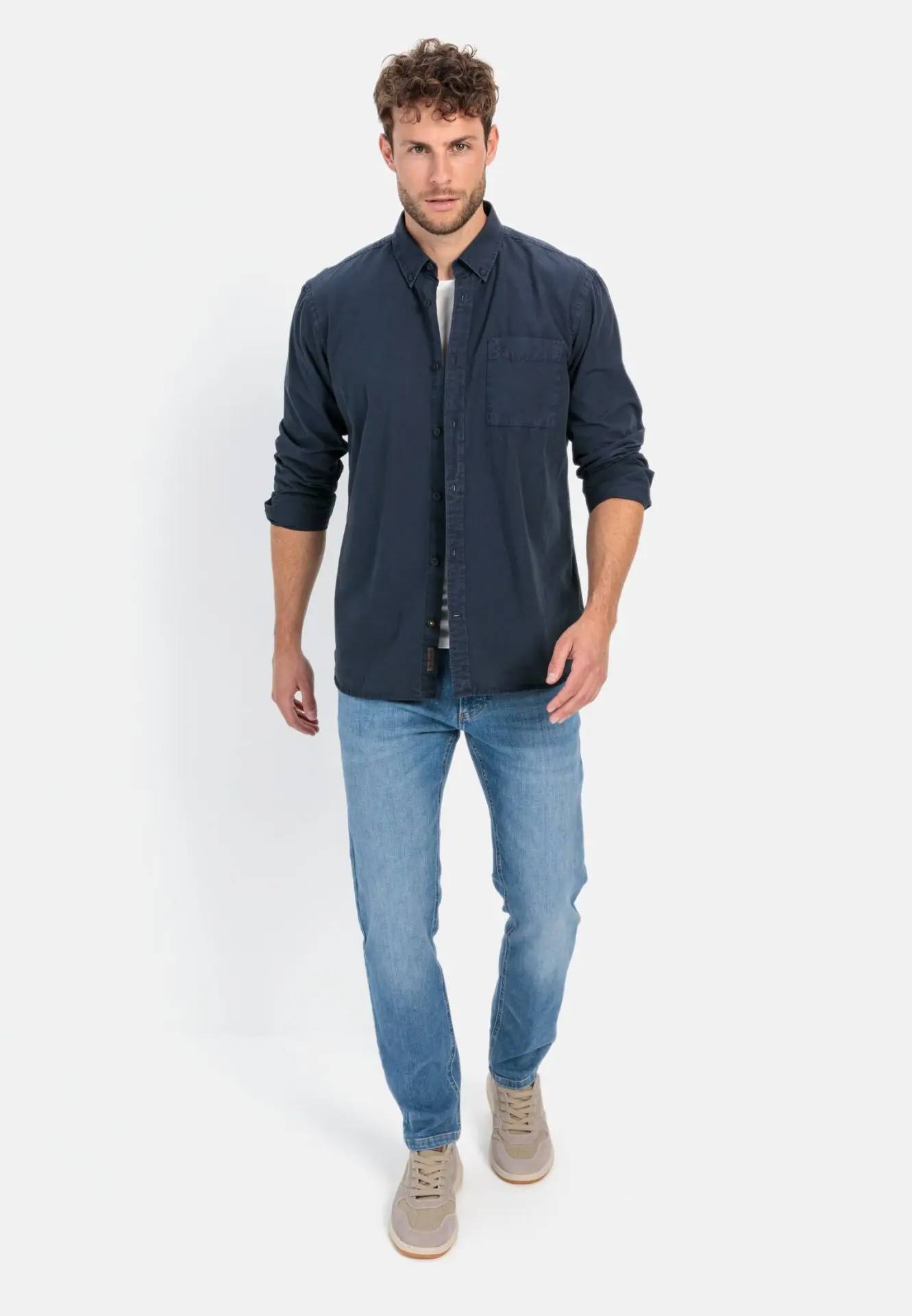
photo: camelactive.com
If you’ve decided to buy, check these key points:
✔ Sizing — often different from Polish standards
✔ Quality certifications on the label — a sign of a reputable manufacturer
✔ Online promotions — sometimes the difference is 30-40%
✔ Return policy — especially important for online shopping
The truth is, no review can replace personal experience. You can read a thousand opinions, but only when you put on the jacket or pants will you know if the cut suits your body.
My advice? Don’t buy blindly online. Go to a store, try on a few sizes, see how you feel in the clothes. Then calmly compare prices — you might find a better deal online.
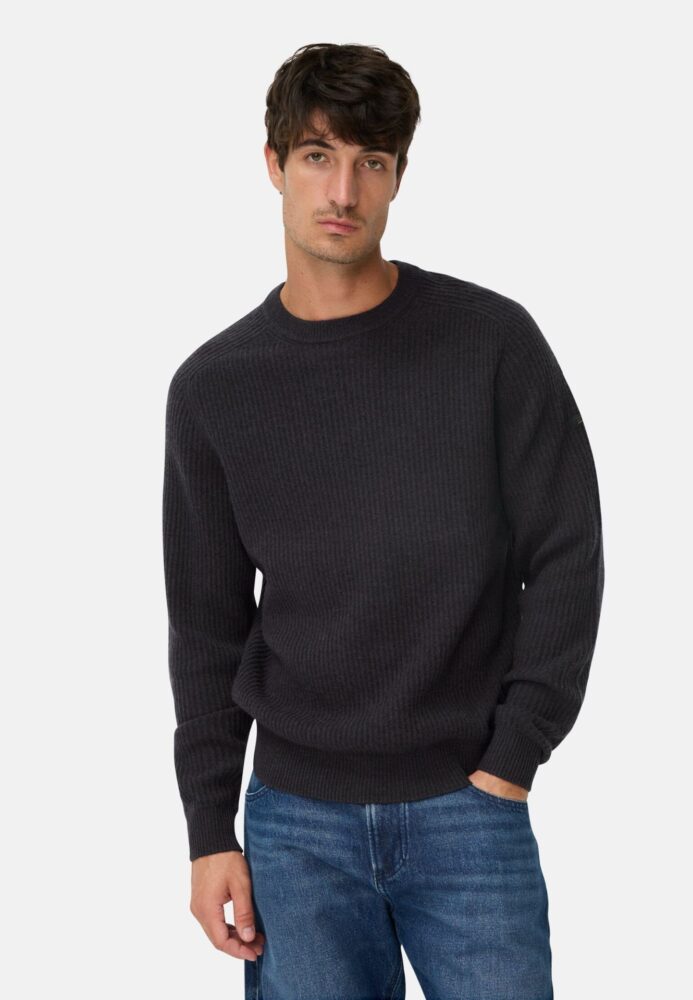
photo: camelactive.com
Don’t let your wardrobe decisions be random. Camel Active is a solid choice, but only if it fits your lifestyle and budget.
See for yourself if Camel Active lives up to your expectations!
Wolf
brand & lifestyle editor
Luxury Blog




Leave a Comment