

Is Boss a luxury brand?
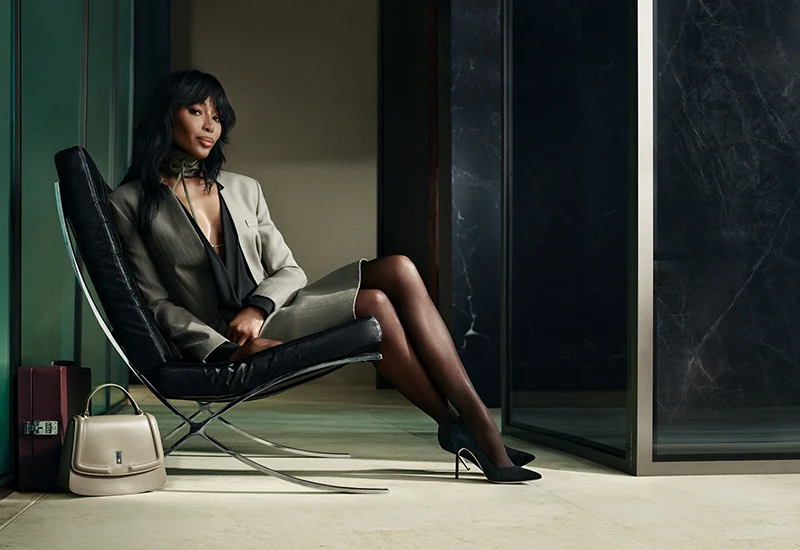
Hugo Boss is one of the most recognizable clothing brands in the world, associated with elegance, classic style, and high-quality craftsmanship. Similarly,
Is Boss a luxury brand? – The history and evolution of the brand
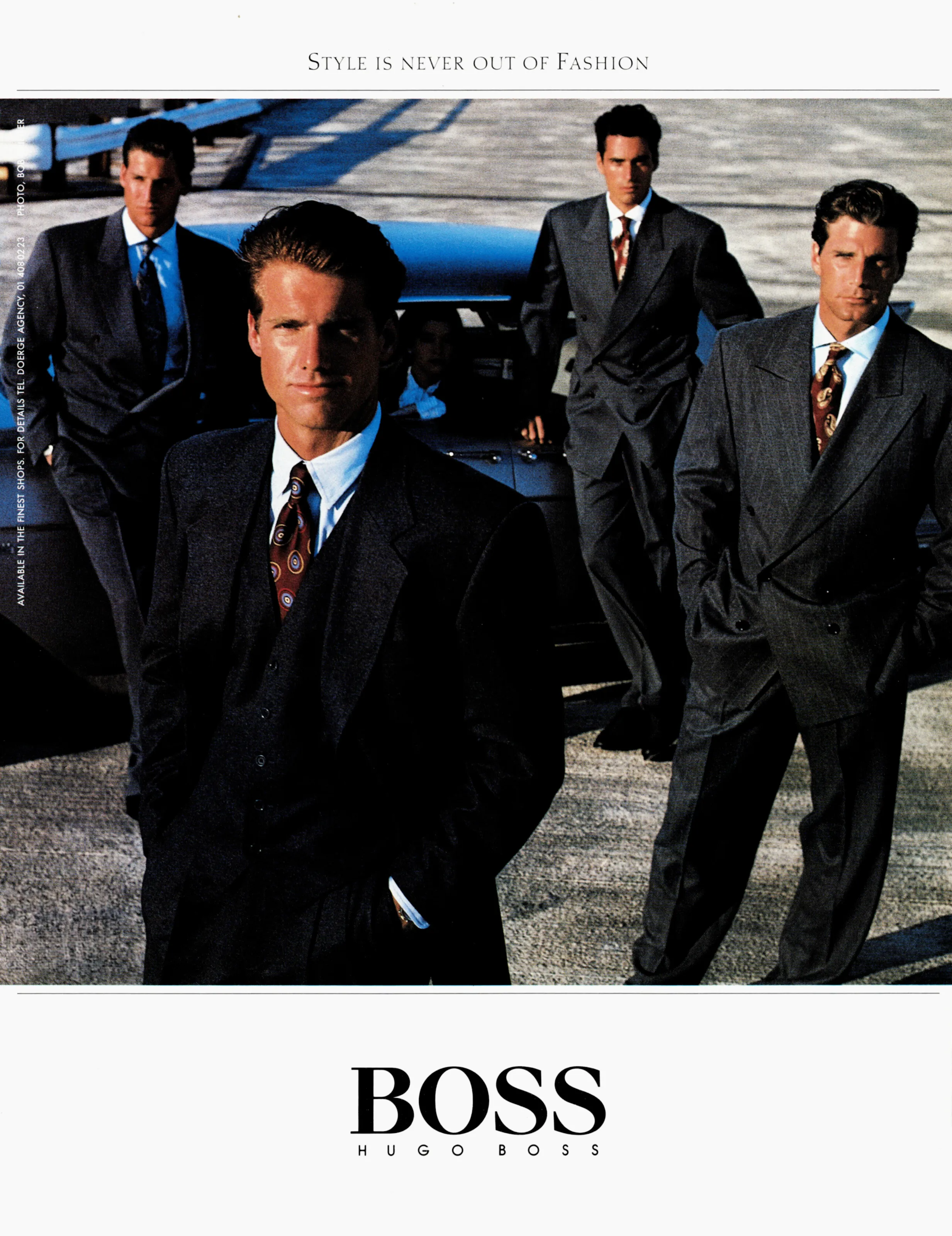
Hugo Boss was founded in 1924 in Germany as a company specializing in the production of workwear and uniforms. Initially, the brand focused on functional and durable solutions, supplying uniforms for various sectors of the economy. During World War II, the company produced clothing for the German army, which became a controversial part of its history. After the war, the company had to undergo restructuring and change its strategy to rebuild its reputation and enter new markets.
The 1950s and 1960s marked the brand’s first steps toward sophisticated men’s fashion. The company began to focus on classic cuts and high-quality fabrics, gradually earning recognition among customers who valued style and professionalism. A breakthrough came in the 1970s and 1980s, when Boss became synonymous with business elegance. At that time, the brand gained a reputation for impeccably tailored suits, which became a status symbol for dynamic, successful men.
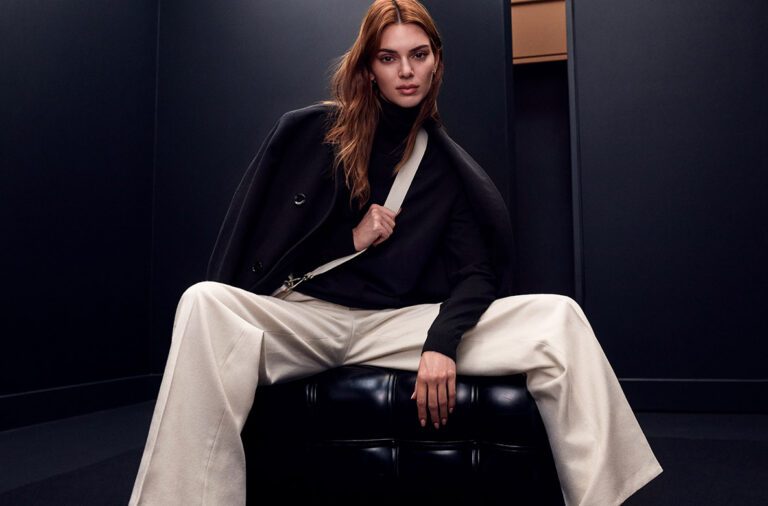
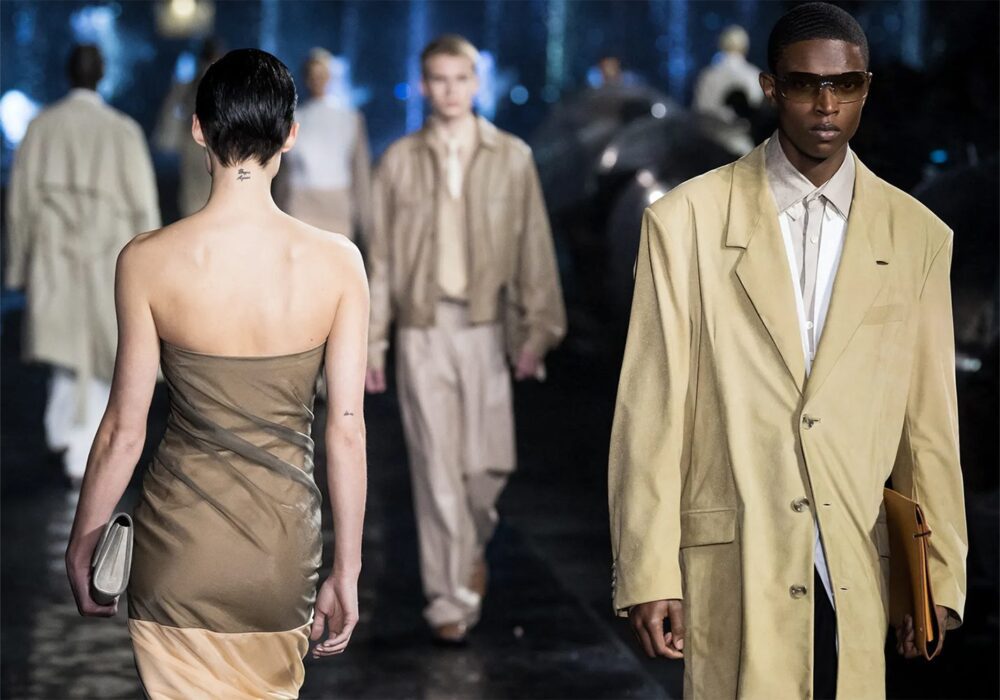
Today, Boss is not just about elegant suits, but also a wide range of products, including casual wear, fragrances, and accessories. The brand offers both premium collections and more affordable lines – and BOSS, allowing it to reach a broader audience. On one hand, it is still associated with elegance and luxury. On the other, increased accessibility has led many consumers to wonder whether BOSS truly fits the definition of a luxury brand. So, what’s the reality?
What does luxury really mean in the world of fashion?
To answer the question of whether Boss is a luxury brand, it’s worth first considering what luxury means in the context of fashion. The concept can have different meanings depending on one’s perspective. For some, it signifies the highest quality and prestige; for others, it’s about uniqueness and limited availability. In the fashion world, luxury brands are defined by several key elements. These include exclusivity, top-tier craftsmanship, heritage and history, uniqueness and prestige, as well as a high price point. Luxury products are often limited, hard to access, and crafted from the finest materials using artisanal techniques.
Brands such as Chanel, Hermès, Louis Vuitton, and Dior meet all these criteria. They offer exclusive collections with limited availability, and their quality and craftsmanship remain at the highest level. While Boss offers high-quality products, its wide availability in stores and outlets makes it difficult to speak of true exclusivity. Additionally, although the prices are relatively high, they are much more accessible than those of luxury fashion houses, placing Boss closer to the premium segment than haute couture.
Pricing strategy – where does Boss position itself?
One of the key indicators of luxury is price, which often serves as a barrier to entry and highlights the exclusive nature of a brand. In the case of Hugo Boss, product prices are relatively high, but still significantly lower than those of the most prestigious fashion houses. Boss suits, which are among the brand’s most recognizable offerings, range from 2,000 to 5,000 PLN. This makes them much more affordable than luxury models from Brioni, Tom Ford, or Ermenegildo Zegna, whose prices start at several thousand and often reach tens of thousands of PLN.
However, Boss’s range goes beyond elegant suits and also includes casual and sportswear lines, available at much lower prices. You can buy the brand’s T-shirts, sweatshirts, or jeans for just a few hundred zlotys, and even cheaper at outlets, making them more accessible to the average consumer. In contrast to brands like Gucci or Louis Vuitton, which deliberately keep their prices very high to emphasize their exclusivity, Boss uses a strategy that allows it to reach both premium customers and those looking for more affordable elegance.
Is Boss a luxury brand and what does it aspire to be?
In the fashion world, there is a clear distinction between luxury and premium brands. The first category includes exclusive fashion houses such as Chanel, Hermès, and Louis Vuitton. These brands offer limited collections, handcrafted pieces, and a tradition of craftsmanship. Their products are hard to come by, and prices often reach staggering amounts, emphasizing their exclusive nature. Premium brands, on the other hand, while offering high quality, remain more affordable and accessible to a wider group of customers.
Boss therefore falls into the second category—premium, but not luxury. Undoubtedly, its products are well-made and the brand enjoys a solid reputation. However, it lacks the key elements that define true luxury: limited availability, uniqueness, and handcrafted artistry. Hugo Boss’s pricing strategy further emphasizes this status.
Despite these efforts, experts unanimously agree that unless Boss limits its availability, raises the quality of its materials to haute couture standards, and focuses on more exclusive products, it will remain in the premium rather than luxury category.




Leave a Comment