

Investing in wine – storage, liquidity, and credibility
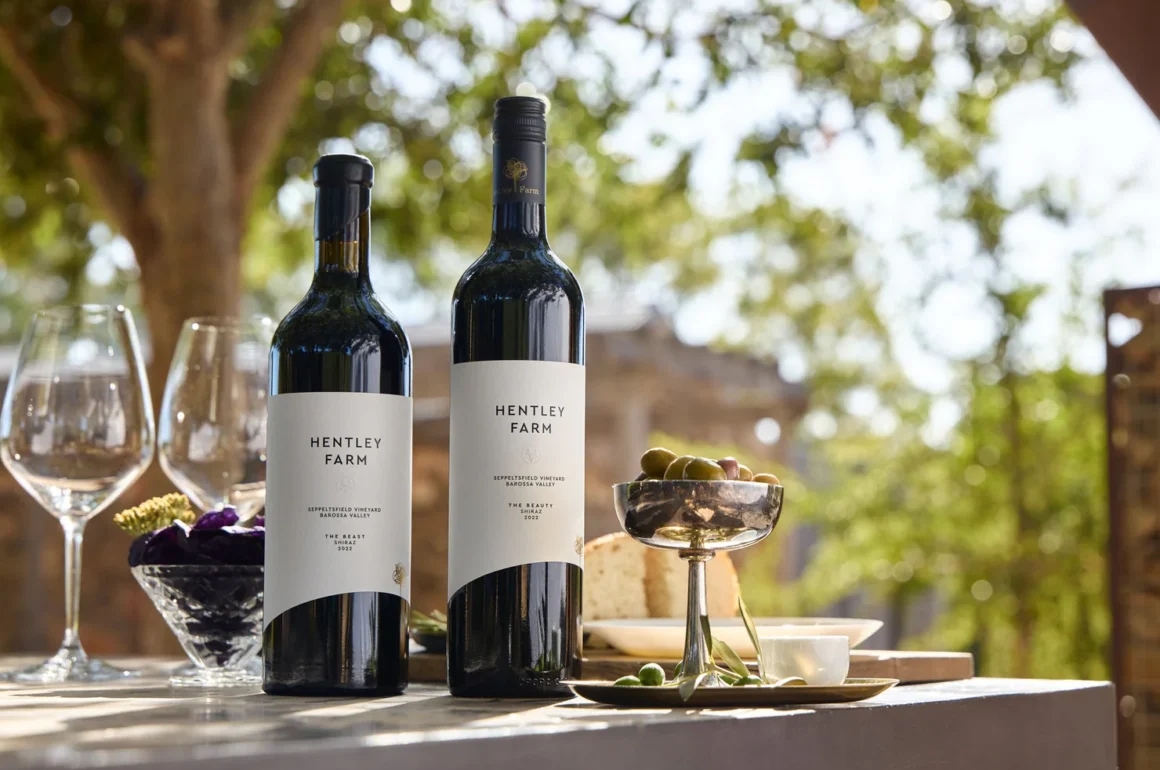
Global wine investing reached a value of $5,400,000,000 in 2024, outpacing the art market’s growth by 340 percent.
In fact, wine has always been a form of capital—we just didn’t call it that. Grandparents used to stash bottles in the cellar “for better times”—that was the first form of such an investment. Now we do the same, but with a calculator in hand.
Over the past twenty years, the Liv-ex 1000 index has risen by 260 percent. That’s more than gold, which delivered just 180 percent in the same period. Art? 220 percent. But wine has one unique advantage—you can drink it when everything else goes to hell.
Investing in wine – a glass of profit
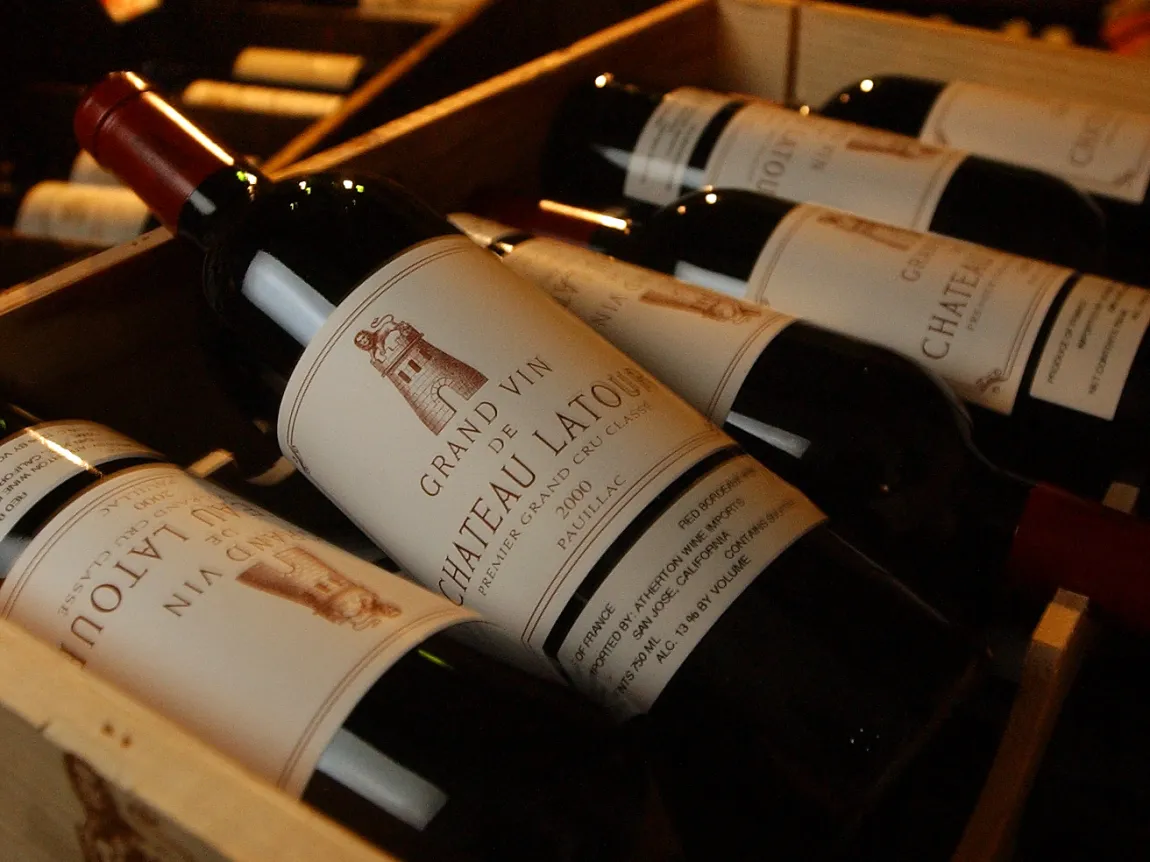
photo: fivethirtyeight.com
Crises are a fascinating phenomenon. While stock markets went wild, wine behaved like a calm old gentleman. Dot-com crash in 2000? Wine up 12 percent. The 2008 crisis? Only minus 5 percent, while indexes dropped by 40. The pandemic? People stayed home and bought Bordeaux like crazy.
Polish wine investment market: 89% annual growth since 2018340 private collectors with portfolios over $50,000Average annual return: 15.6%Most popular regions: Burgundy (34%), Bordeaux (28%)
Here in Poland, this boom really took off after we joined the EU. Suddenly, we had access to wine, capital, and a hunger for experimentation. I remember the first Desa Unicum auction in 2007—people didn’t really know what they were buying. Now we have guys who know vintages better than sommeliers.
Polish investors have fallen in love with wine for its stability. It’s not bitcoin—it won’t wake you up at three in the morning with a 30 percent drop. It’s an asset that doesn’t spoil; on the contrary, every year only adds to its value.
Of course, to get into this seriously, you need to know where to store it, how to trade it, and how to be sure the bottle isn’t a fake.
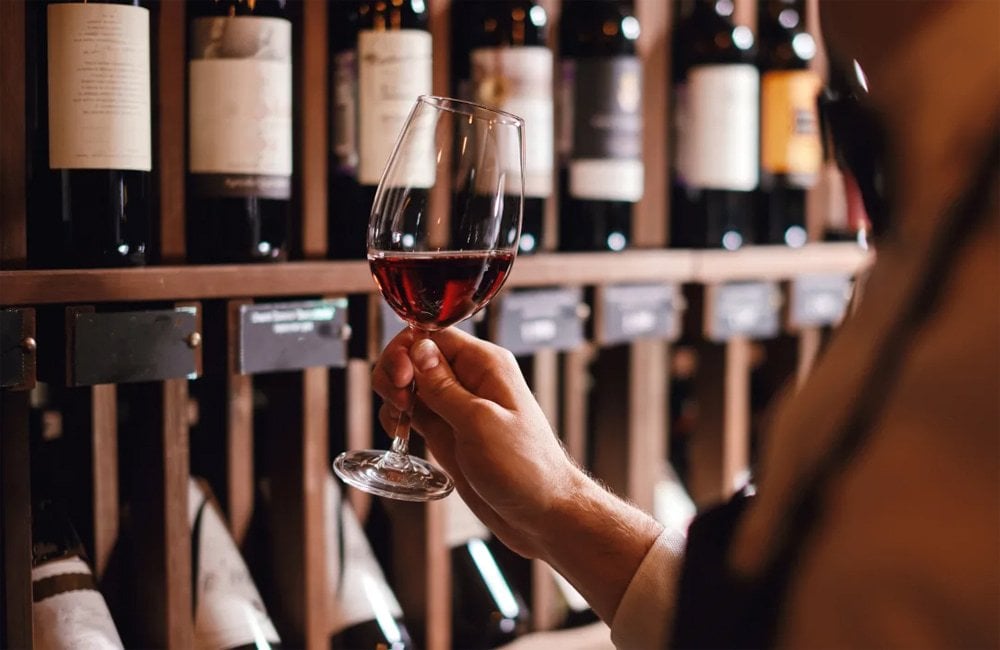
photo: vinovest.co
Storage: the technical foundations of value protection
A friend from France recently told me a story that perfectly illustrates why wine storage is no joke. During the 2019 heatwave, his home cellar collection lost nearly €50,000 in value. The temperature soared to 28°C for several days, and everything was ruined.
When it comes to storing investment wines, environmental conditions are key. The temperature should remain constant—between 10°C and 15°C, ideally around 12°C. Humidity needs to stay at 60-70%, with no fluctuations. Light? Almost none. Vibrations must also be kept to a minimum, so forget about using a garage next to a busy road.
| Magazine type | Temperature | Humidity | Annual costs/bottle | Insurance |
|---|---|---|---|---|
| House (basement) | Unstable | 40-80% | 0 PLN | None |
| Company cellar | 8-18°C | 50-75% | 15-25 PLN | Basic |
| Customs warehouse | 11-13°C | 65% | 35-50 PLN | Full |
| Trust fund | 12°C ±0.5 | 65% ±2% | 80-120 PLN | Premium |
In Poland, storage costs are still quite reasonable. For a cubic meter in a professional warehouse, you’ll pay around 800–1,200 PLN per year. That works out to about 40–60 PLN per bottle if you optimize the space. In London or Bordeaux, those amounts are twice as high.
But what about risk? Fire is an obvious concern—that’s why every professional warehouse uses FM200 systems instead of water. Power outage? That’s where the real cost game begins. A 48-hour generator is standard, but what if the outage lasts a week?
Insurance is a separate issue—policies vary dramatically between “all risks” and basic theft coverage.
You can see that the technical aspects of storage can eat up a significant portion of your budget. And sometimes, you need to exit your investment quickly when market conditions change. That’s when other challenges arise.
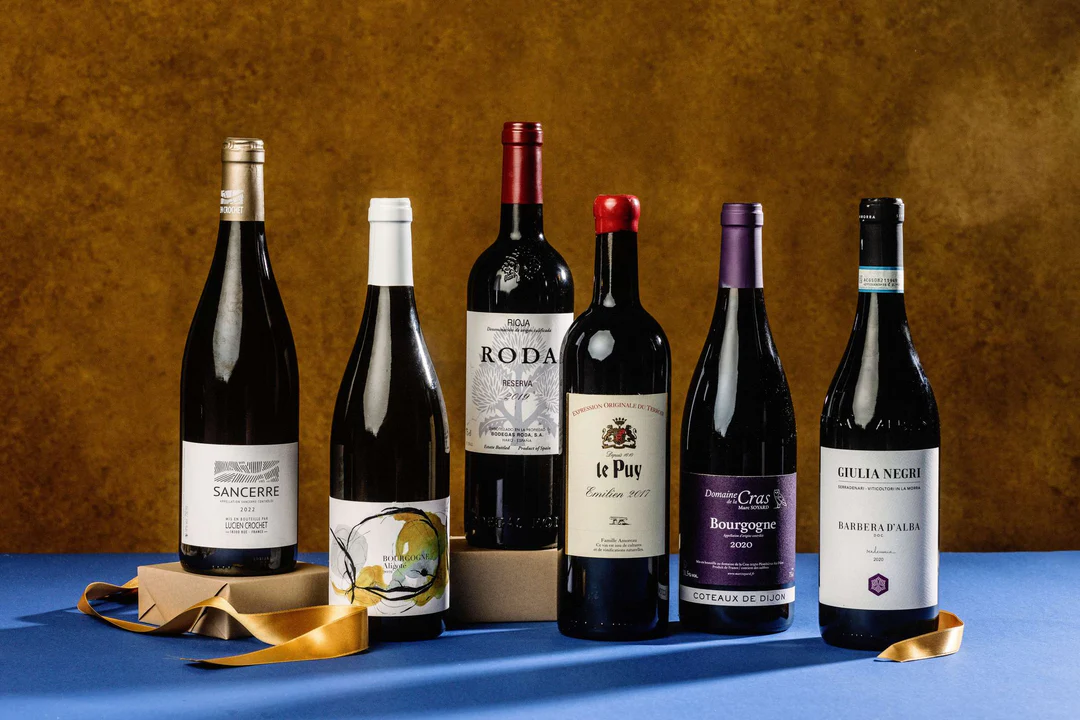
photo: elevendeli.ie
Liquidity: exit strategies and the secondary market
Your broker just called to tell you that your 2005 Bordeaux has gone up by 40%. But what now? How do you cash out without waiting months for a buyer?
Today, there are several ways to exit wine investments, though each comes with its own pitfalls. Traditional auction houses like Sotheby’s or Christie’s still dominate the high-end bottle segment. Commissions range from 15% to 25%, but you get prestige and often better prices for rare lots.
Electronic platforms, however, are changing the game. Liv-ex charges around 7.5% commission, Vinovest even less. The catch? Sometimes you wait weeks for a transaction, especially with less sought-after bottles.
Bid-ask spreads are the real indicator of liquidity. In 2024, for the Liv-ex 1000 index, the average spread was about 3-5% for top wines, but for lesser-known labels, it can jump to 15%. I remember a friend trying to sell Burgundy— the spread was so wide he effectively lost half his profit.
Volume is another factor. Bordeaux first growths trade daily, but Rhône or German rieslings might go a month without a buyer. Data from 2025 shows that 80% of trading volume is concentrated in just 200 wines.
There are also new tools speeding up liquidity. Tokenization lets you split an expensive bottle into fractions— you can sell 20% of your Petrus without offloading the whole position. Forward contracts allow you to lock in a price now, with delivery in a year or two.
Fractionalization sounds appealing, but beware of costs. Every transaction incurs fees, so small positions may not be worth it.
All these mechanisms work well, but only under one condition— the wine must be authentic and have clear provenance, as these are the key factors driving the final price discovery.
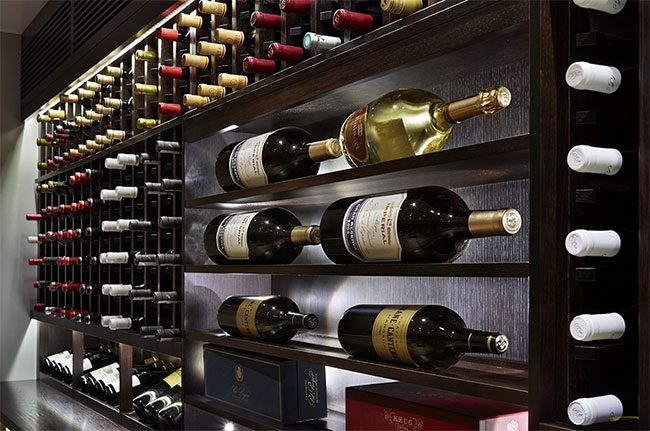
photo: decanter.com
Credibility of origin: a shield against counterfeiting
Do you remember the Rudy Kurniawan case from 2012? The guy sold $35 million worth of wine at auctions. The problem was, most of it was counterfeit, made right in his own kitchen. The FBI eventually caught him, but by then the damage was already done.
This shows just how crucial provenance is. Without it, even the most expensive bottles can turn out to be worthless. As investors, we need tools to protect ourselves.
Supply chain documentation has become essential. Today, it’s not just about traditional invoices and warehouse reports. More and more often, we see NFTs used as certificates of authenticity. It might sound odd, but blockchain really does help track a bottle’s journey from the vineyard to the collector.
Verifying authenticity is a systematic process:
- Label verification under UV light – genuine ones often have hidden markings
- Glass analysis with a spectroscope – each era has its own characteristic compositions
- Cork inspection – its age must match the vintage
- AI label pattern analysis – algorithms detect subtle differences
- Checking documentation in databases
- Expert opinion of an independent specialist
Detection techniques are evolving at lightning speed. Spectroscopy can now determine not only authenticity, but even storage conditions. Artificial intelligence analyzes thousands of details invisible to the human eye.
EU Law New EU regulations from 2024 introduce mandatory digital provenance for premium wines. In Poland, this means importers must maintain electronic origin records. Penalties for non-compliance reach up to 500,000 PLN.
The impact on the Polish market is already noticeable. Prices of wines with full documentation are rising faster than those without certificates. It’s logical—buyers are willing to pay more for guaranteed authenticity.
Some complain that all these procedures complicate trade. Maybe so, but it’s better to complicate things than lose money on counterfeits. Kurniawan showed how easy it is to fool even the experts.
Building a resilient portfolio starts with verifying provenance. It’s the foundation of everything—without it, even the best investment strategy can collapse.
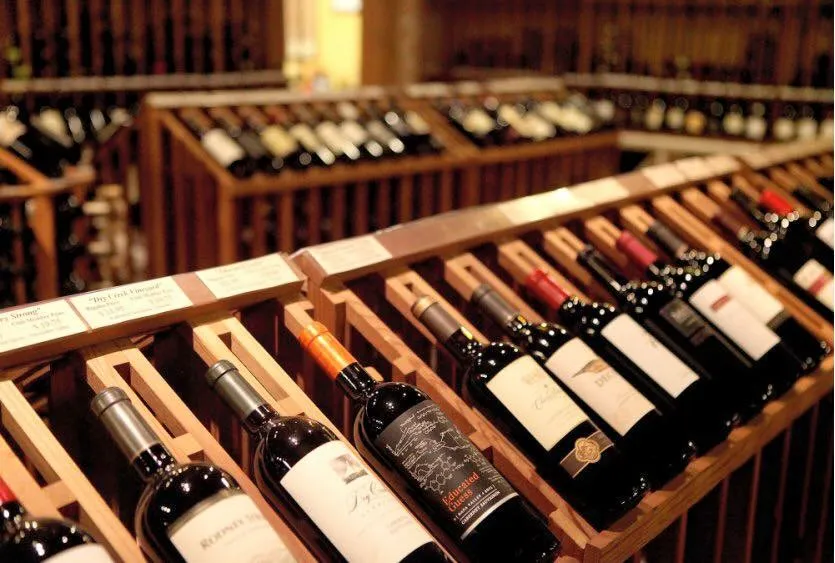
photo: vintage-cellar.com
How to build a profitable and secure investor’s wine cellar?
Bringing together all the elements—storage, liquidity, and origin—we can now move on to concrete action.
Here’s your plan for the first 90 days:
| Day | Action | Goal |
|---|---|---|
| 1-30 | Purchase of the first bottles, choosing a warehouse | The foundation of the collection |
| 31-60 | Certification, proof of origin documentation | Investment security |
| 61-90 | Initial valuation, performance assessment | Profitability control |
Actually, the table looks too schematic. In reality, everything overlaps—you’re buying, searching for storage, and arranging certificates all at once. That’s how it really works.
Key metrics you need to track:
IRR (internal rate of return) – shows the actual profitability of your investment. Turnover time – how many months you need to sell a bottle. Authenticity ratio – the percentage of your wines with full provenance documentation.
Monitoring tools? Most of us use Excel, but dedicated apps are starting to appear. Liv-ex has its own reports, and Wine-Searcher is helpful too.
Megatrends for the coming years will shape our decisions. Sustainable wine—meaning organic wines—are already gaining value faster than traditional ones. AI in valuations isn’t science fiction; it’s happening now. Algorithms analyze auctions and predict prices better than we do.
What does this mean for Polish investors? We need to adapt to trends faster than our Western competitors. Our market is smaller, but we’re more flexible.
photo: afr.com
Honestly, sometimes I wonder if we’re not going overboard with all this technology. Maybe what matters most is still good wine and patience?
A profitable cellar isn’t a coincidence—it’s the result of systematic action and constant learning about the market.
MARKY
investment editorial team





Leave a Comment