

Investing in government bonds

While unconventional investments such as art, rare spirits, or movie memorabilia attract attention and make headlines, investing in government bonds doesn’t stir much excitement. It’s considered the least controversial and most stable way to allocate capital. Short-term returns may not be impressive, but the long-term outlook is generally promising.
Investing in government bonds – how does it work?
Government bonds are considered one of the safest forms of investing money. First and foremost, it’s important to highlight something every investor should know—the distinction between government bonds, corporate bonds, and municipal bonds. Only the first carry minimal risk.
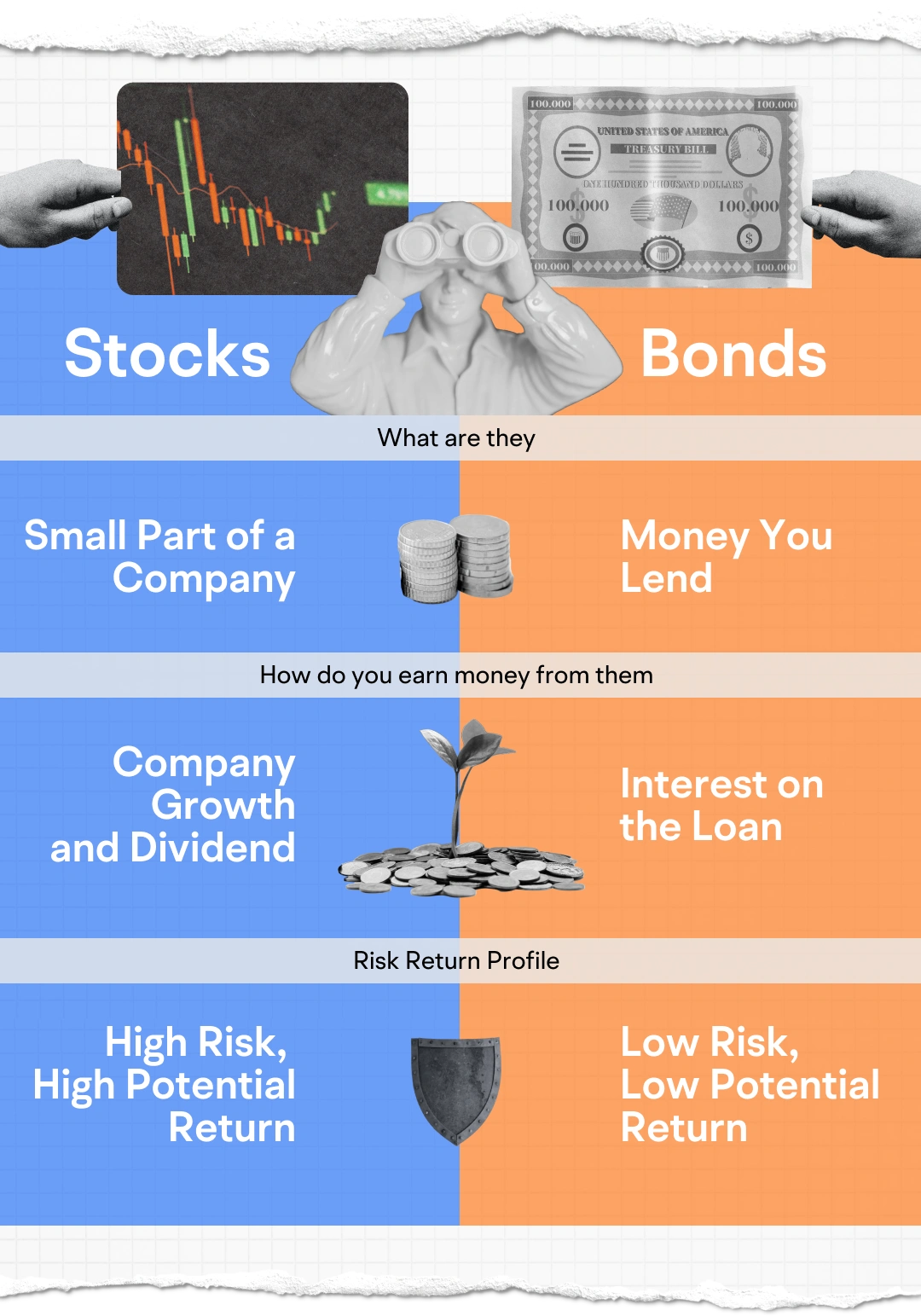
Each type of bond, however, is a form of “loan.” The entity issuing the bonds becomes indebted to the buyers.
The state is the debtor
Treasury bonds are simply a way for you to lend money to the government and receive compensation in the form of interest. It’s like granting a loan, but instead of a bank, the other party is the State Treasury. In exchange for making your savings available, the government commits to returning your capital after a specified period, along with interest.

Interestingly, depending on the type of bond, you can choose between various investment options—from short-term ones (e.g., 3-month) with a fixed interest rate, to anti-inflation bonds whose interest rate increases with inflation, making them an excellent safeguard in uncertain times.
Stability

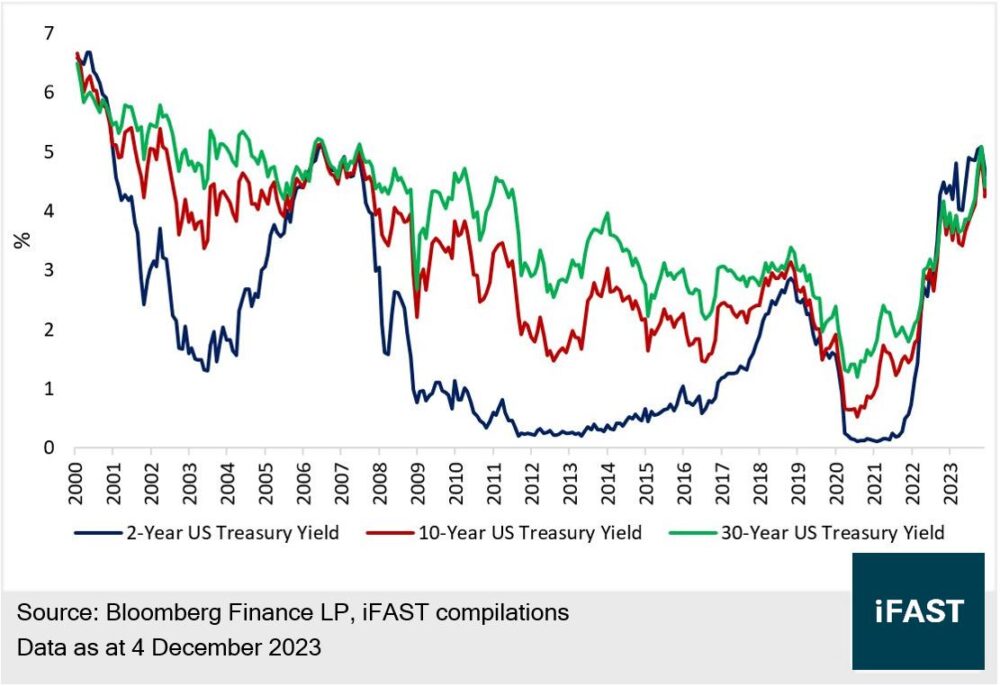
For many people, government bonds are therefore considered the safest form of investing capital, especially compared to bank deposits. When you open a deposit, you risk the bank going bankrupt. Such situations have happened many times. Banks fail regardless of geography. Waves of crises often go hand in hand with bank failures.
Meanwhile, when you invest in retail bonds, the state itself becomes your direct debtor, which in a way makes it even safer than keeping your money in a bank. Moreover, you can sell retail bonds before their maturity date, albeit with a small fee, which gives you extra flexibility. For those thinking about managing their savings safely in the long term, government bonds seem to be a truly sensible option.
Investment portfolio structure
An investment portfolio is simply a collection of various assets we own to manage our savings effectively and grow our capital. Imagine a portfolio as a basket where we put different “fruits” of investment—stocks, bonds,
The ideal structure depends on the individual investor’s needs, goals, time horizon, and risk tolerance. It is often said that the younger the investor, the more they should allocate to riskier but potentially more profitable assets, such as stocks. Conversely, the closer you are to the moment when you want to use your savings, the greater the emphasis should be on stable assets, such as government bonds, which offer greater security.
How to divide your portfolio?
A classic portfolio allocation is the so-called 60/40 rule, where 60% is invested in stocks and 40% in bonds. This approach works well for investors with a moderate risk tolerance who are looking for a balance between returns and safety. However, it’s worth noting that this model is evolving today. More and more people are adding alternative investments to their portfolios—such as gold, cryptocurrencies, or ETFs. Art or luxury items. These provide exposure to various markets, often previously inaccessible to the average investor.
In a well-diversified investment portfolio, it’s also worth including investments with different time horizons. Some assets should be easily accessible in the short term in case of an unexpected need for cash, while the rest can be invested for longer periods to build capital for the future.
With significant capital, it’s worth considering alternative investments. Alcohol, cars, and works of art are unconventional ways to allocate funds, as are condo hotels or other types of real estate, which help maintain balance. When one loses value, another gains.
Why diversification is so important
Investing in bonds, investing in, wine, cryptocurrencies – why is diversification so important?
Diversifying your investment portfolio is a strategy that helps minimize risk and build financial stability. Spreading capital across different asset classes means that market fluctuations have less impact on your overall investments. In a well-diversified portfolio, each component serves a distinct purpose—stocks can deliver high returns during bull markets, commodities can protect against inflation, and government bonds provide a solid foundation. Their greatest advantage is that during challenging market periods, they remain stable, offering a steady and predictable income.
Investing in government bonds – pros and cons
Although it may seem that government bonds have only advantages, it’s not that straightforward. Like any form of capital investment, they can be problematic and complex. What are the pros and cons of this type of investment?
Government bonds – disadvantages
Disadvantages of investing in government bonds:
- Low interest rates – especially compared to other forms of investment such as stocks, government bonds may offer relatively lower returns.
- Inflation risk – with high inflation, the real value of bond returns may be offset by a decrease in the purchasing power of money.
- Long investment period – many government bonds require capital to be locked in for an extended time, which can limit investment liquidity.
- Delays in responding to market changes – the interest rates on inflation-indexed bonds may react with a lag, which may not fully protect against the current effects of inflation.
- No immediate flexibility – government bonds are not traded on the market, which limits the possibility of selling them before maturity without losing part of the profit (in the case of early redemption).
Treasury bonds – advantages
Advantages of investing in government bonds:
- Stability – government bonds are considered one of the safest investment instruments because they are issued by the government, which reduces the risk of default.
- Stable income – investors can count on regular interest payments, providing a predictable stream of revenue.
- Inflation protection – inflation-indexed bonds ensure that the interest rate adjusts to rising prices, safeguarding the real value of your return.
- No management fees – investing in retail government bonds does not involve any additional costs, such as fund management fees.
- The possibility of diversification – the availability of various types of bonds, with different maturities and interest rates, allows you to tailor your investments to your individual needs and goals.
Investing in government bonds – is this a way to grow your capital?
Investing in government bonds is an option that attracts a wide range of investors. It appeals both to those taking their first steps in the world of finance and to more experienced individuals. For beginners, government bonds offer a safe way to invest savings, providing reassurance that their capital won’t be exposed to excessive risk. Seasoned investors value them for their stability and predictable income, which can perfectly complement more volatile investments such as stocks. Additionally, those planning for long-term savings—like retirement—can benefit from inflation-indexed bonds, which protect capital from losing value due to inflation. Investing in government bonds is also a good choice for those who appreciate regular interest payments and want to build a diversified portfolio. It’s an option where safety and stability go hand in hand with potential profit.






Leave a Comment