

HUGO and Hugo Boss – are they the same?
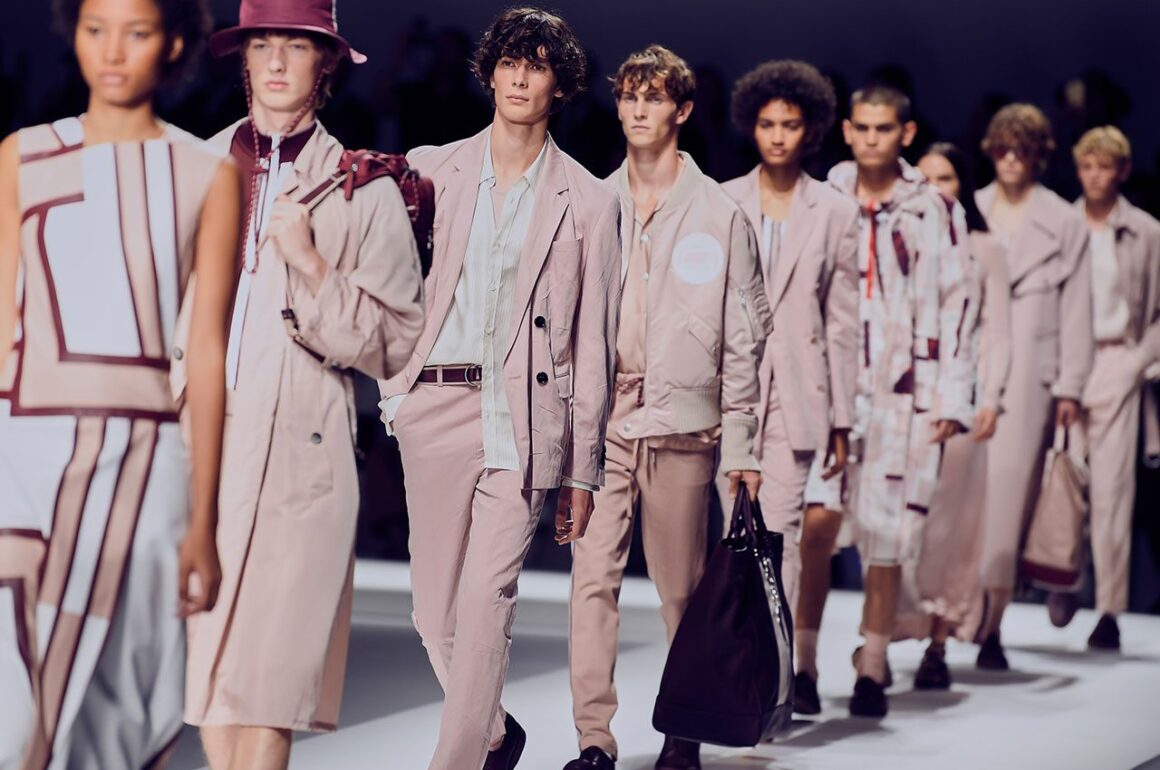
In the fashion world, misunderstandings about brand names are common, especially when they sound similar. Hugo and Hugo Boss both originate from the same German fashion house, but they represent different product lines and stylistic directions. Although many people use these names interchangeably, each has its own unique character, aesthetic, and design philosophy. In this article, we’ll take a closer look at the history of Hugo Boss and the differences between its individual lines.
HUGO and Hugo Boss: the history and evolution of the brand
Hugo Boss is a German clothing company founded in 1924 in Metzingen, a small town in Baden-Württemberg. The founder, Hugo Ferdinand Boss, initially focused on producing workwear and protective clothing for local craftsmen. In the 1930s, the company expanded its operations, becoming involved in making uniforms for various state organizations. World War II was a controversial chapter in the brand’s history, as the company produced uniforms for the German army. After the war, it underwent restructuring and rebranding, shifting its focus to civilian clothing production.
The real breakthrough came in the 1950s, when Hugo Boss began to specialize in elegant men’s suits. High quality, precise tailoring, and attention to detail quickly earned the brand recognition in the European market, and soon after, worldwide. In the following decades, the company steadily built its position as a leader among the most luxurious brands.
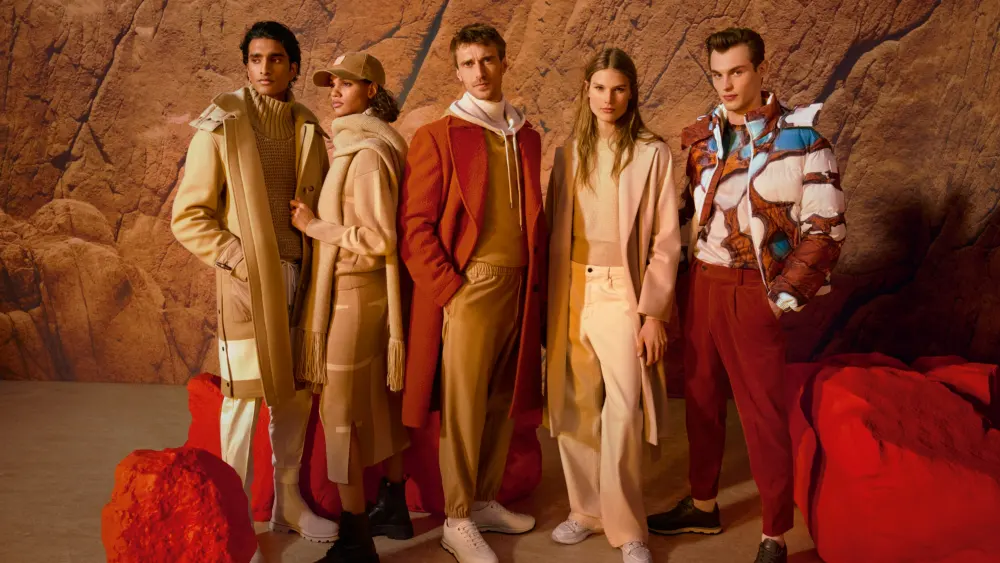
In the 1980s and 1990s, the brand began expanding its range by introducing women’s collections, accessories, and perfumes featuring its unique logo. Gradually, it also developed its portfolio to include more casual clothing lines, meeting the expectations of modern customers. Today, Hugo Boss is a global premium brand, offering not only classic suits and elegant apparel, but also modern casual looks, fragrances, and exclusive accessories.
Division into two clothing lines
Hugo Boss is more than just a clothing brand – it’s a global powerhouse that continually evolves and invests in new technologies. The company is introducing sustainable fashion, using eco-friendly materials and innovative production techniques to reduce its environmental impact. Additionally, it is committed to cutting-edge e-commerce and digital technologies, making it one of the fastest-growing luxury brands. The brand is present in over 100 countries worldwide, with flagship boutiques in London, Paris, New York, Tokyo. The company collaborates with sports and culture celebrities, sponsoring events such as Formula 1, golf tournaments, and prestigious fashion shows.
To meet the growing demands of the market and reach diverse target groups, the Hugo Boss brand introduced a division into two main product lines: BOSS and HUGO. This strategic move enabled the company to better tailor its offerings to different lifestyles, fashion preferences, and consumer expectations. Although both lines belong to the same brand, they differ in design philosophy, aesthetics, and target audience.
BOSS – a synonym for classic style and timeless elegance
BOSS is a line that embodies classic elegance, exceptional craftsmanship, and timeless style. It is designed for those who appreciate luxury fashion while valuing subtlety and sophistication. This collection masterfully blends tradition with modernity, offering both classic suits and refined casualwear with sophisticated tailoring.
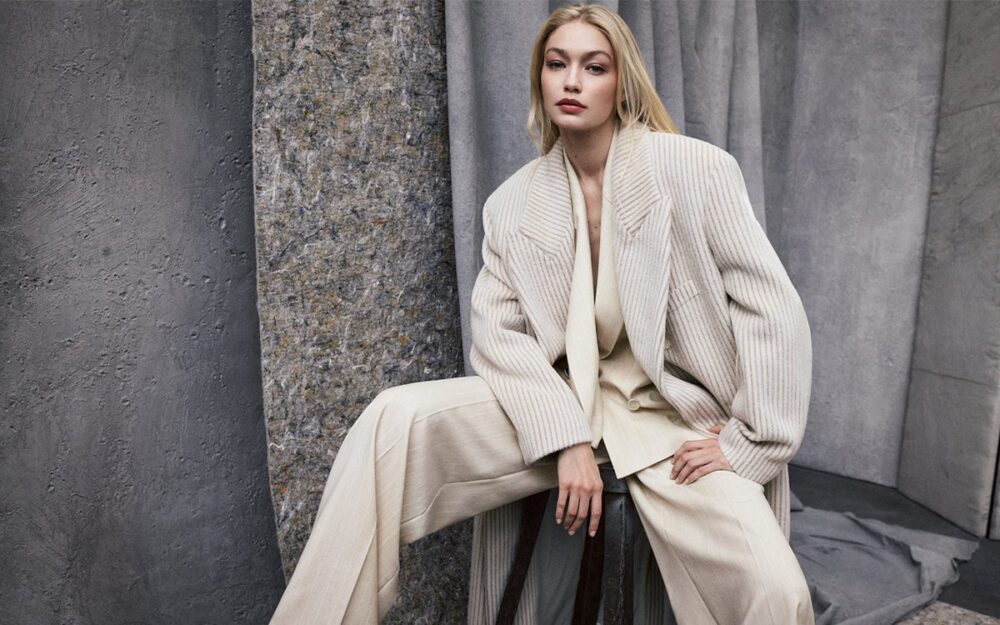
Products bearing the BOSS logo are distinguished by minimalist design, meticulously crafted details, and a subdued, elegant color palette. Dominant shades include black, navy, grey, and white, ensuring versatility and effortless styling. The materials used in this line are of the highest quality—wool, cashmere, silk, and premium cotton—guaranteeing comfort and durability.
A hallmark of the BOSS line is its versatility — the collections feature impeccably tailored suits, shirts, and blazers, as well as premium casual wear such as merino wool sweaters, classic coats, and luxurious polos. This makes the line perfect for any occasion, from business meetings to elegant events or more relaxed gatherings.
HUGO – for those who want to stand out
HUGO on the other hand, is a line designed for those who want to express their individuality through fashion, aren’t afraid to experiment, and value originality. It often draws inspiration from streetwear, sporty elegance, and modern runway trends, making it a perfect fit for young professionals, artists, influencers, and anyone looking to stand out from the crowd.
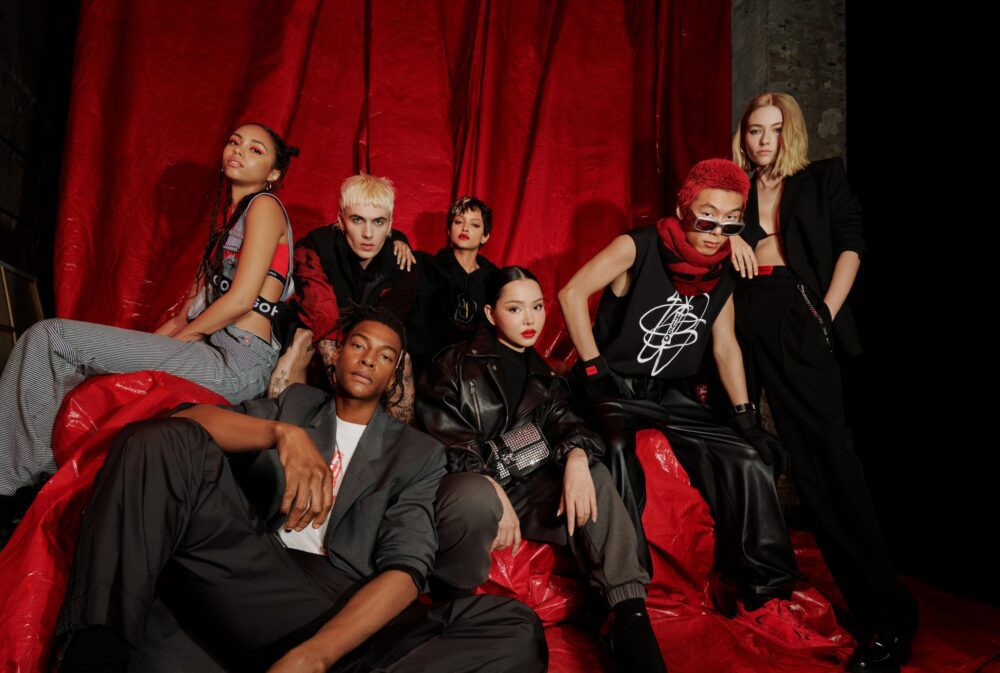
HUGO is the perfect choice for those seeking distinctive looks both for everyday wear and special occasions. The collections feature
With its bold approach to fashion, HUGO has become a symbol of modernity and independence. It’s a choice for those who don’t want to conform to the rigid boundaries of classic elegance, but instead prefer freedom, creativity, and originality.
Which segment to choose ?
Once we understand the differences between the two segments, when choosing BOSS or HUGO products, it’s worth carefully considering your style preferences, everyday wardrobe choices, and the occasions for which you plan to wear these clothes. Both lines have their own unique features and are aimed at different audiences, so it’s essential to match their character to your lifestyle.
If you appreciate classic style, elegance, and timeless design, the BOSS line will be an excellent choice. It’s perfect for those who want to look professional, prestigious, and sophisticated—no matter the occasion. Impeccably tailored suits, elegant shirts, stylish coats, and subtle accessories make this line highly regarded in corporate circles. It’s also a great option for formal occasions such as important meetings, receptions, galas, or weddings. Thanks to its subdued color palette and classic cuts, you can easily create an elegant, harmonious ensemble that highlights professionalism and confidence.
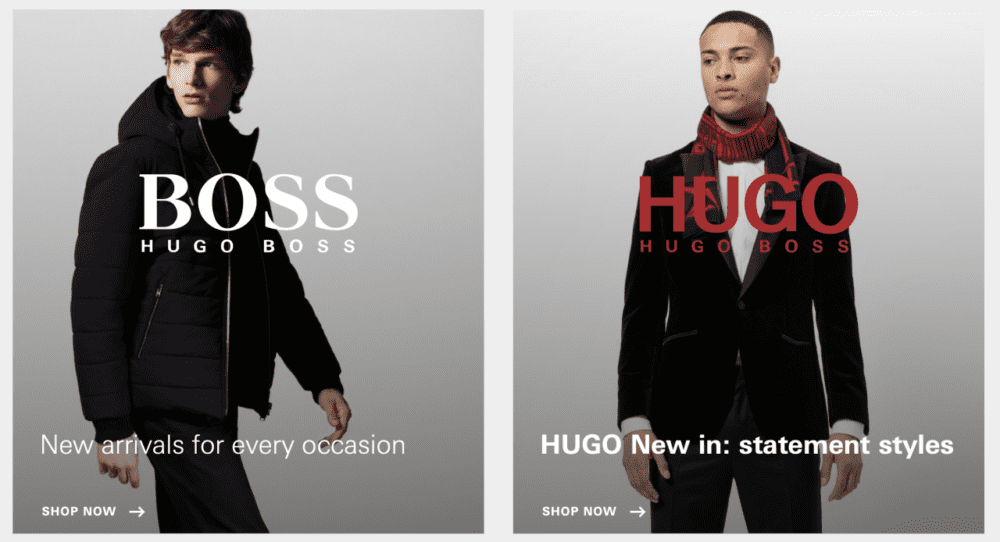
On the other hand, HUGO is one of the lines under the Hugo Boss brand, created as an alternative to classic fashion. It stands out with its fresh, urban style that combines bold colors, experimental cuts, and modern design solutions. This line is aimed primarily at younger, creative consumers who prefer a more relaxed, streetwear-inspired look. HUGO is perfect both for everyday wear and less formal occasions, such as meeting up with friends, going out, or fashion events.
Shared values
Although BOSS and HUGO differ in style, target audience, and approach to fashion, they share many important qualities. Both lines come from the same brand, which means they share common values, craftsmanship, and attention to detail. Whether you choose elegant suits from the main brand or modern, streetwear-inspired pieces from HUGO, you can be sure you’re getting products made from the finest materials, with meticulous attention to every detail.
Additionally, both segments represent a premium brand that focuses on an innovative approach to fashion and prestige. Although they differ in aesthetics, both lines offer high-end products that meet the needs of modern consumers. Both lines also share a global brand reach, and both have become recognizable worldwide. Their products, regardless of the collection, are present on international markets, in boutiques, as well as through online sales.



Leave a Comment