

How does a water vapor fireplace work?
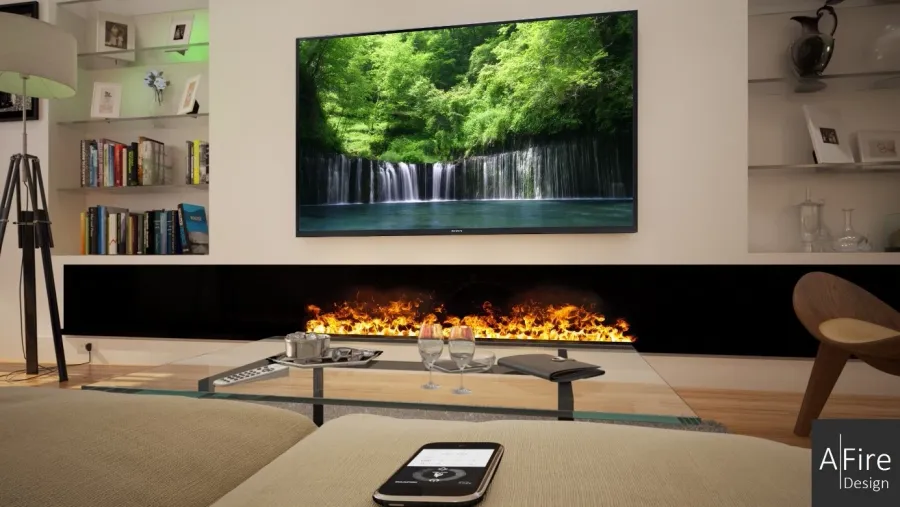
Imagine a flame you can touch with your bare hand. No trace of a burn. No smoke settling on the ceiling. That’s exactly what water vapor fireplaces offer—a technology that combines a delicate mist with LED lighting to create the illusion of glowing embers and dancing tongues of fire. The effect is so convincing that hotels and design showrooms use them as part of their decor, while parents with small children or cats at home can finally enjoy a “real” fireplace without worrying about safety.
How does a water vapor fireplace work? – we check
The whole secret lies in the water vapor produced by an ultrasonic generator (similar to those in humidifiers) and colorful LED lights illuminating the clouds from below. The effect? A three-dimensional, moving flame that tricks the eye and adds coziness to the interior. Zero fumes, zero ash, zero need to build a chimney—just a 230 V socket and access to water. At a time when apartments in blocks rarely have chimney ducts and environmental standards are getting stricter every year, this solution is spot on.
A fireplace
Later in the article, we’ll take a closer look at how the mechanism works, see how to handle the water (the tank lasts 8–12 hours), check what installation looks like, and find out whether such a fireplace requires any special maintenance. Don’t worry—it’s not rocket science.
The heart of the illusion: how is a 3D flame created from mist?
The whole mechanism starts with ordinary water. In the tank, usually with a capacity of 1–6 liters, there is filtered or descaled water (regular tap water quickly clogs the system with limescale). At the bottom of this tank, an ultrasonic transducer operates, vibrating at a frequency of over 20 kHz and breaking the water into microscopic droplets. This creates a cool mist that rises upward, and it is this mist that becomes the “fuel” for the entire illusion.
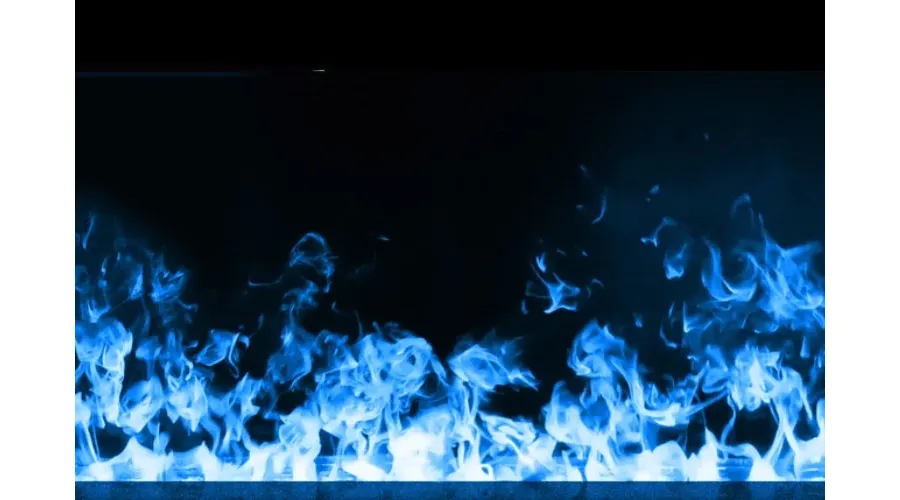
Now the magic of light begins. LED lights, often RGB, illuminate this mist in multiple layers: warm yellows and oranges mimic embers, reds add depth, and white accents create a sparkling effect. Fans and special grilles shape the airflow so that the mist ripples and dances like real flames. The 3D effect works really well, especially when viewed at an angle.
A fireplace
Opti‑Myst – patented mist and light system creating 3D flames
| Element | Function |
|---|---|
| Water tank | Stores 1-6 L of filtered water |
| Ultrasonic transducer | Atomizes water into a cool mist |
| LED (including RGB) | It highlights in multiple layers, creating depth and sparks |
| Fans/grilles | They shape the flow, giving movement to the flames |
| Ceramic heater | Optional, 1-2 kW, independent of the effect |
Light and air that sculpt the flame
Specific example: The Planika Cool Flame 500 has a 1.2 l tank, consumes 220 W for the flame effect alone, and operates for up to 12 hours on a single refill. The optional ceramic heater (usually 1,000–2,000 W) is a separate module, completely independent from the fire illusion. The most important part? Zero emissions, zero soot, zero ash. Just water, light, and cleverly released vapor.
A fireplace
Service in practice
Operating a steam fireplace is actually the most automated thing I’ve seen in the decorative heater category. The entire process comes down to three steps:
- Fill the tank with water (tap water is sufficient, although distilled water will extend the cleaning intervals)
- Plug the plug into a 230 V socket – “No chimney needed – just a 230 V socket and water”
- Activate the effect with the remote control, touch button, or app
The device will automatically extinguish the flame when the water level drops below the minimum. Most models offer up to 12 hours of operation on a single fill, so you can refill it in the morning and enjoy peace of mind until the evening.
Smart features and work safety
Control? This is where things get really comfortable:
- IR remote or touch panel (standard in every model)
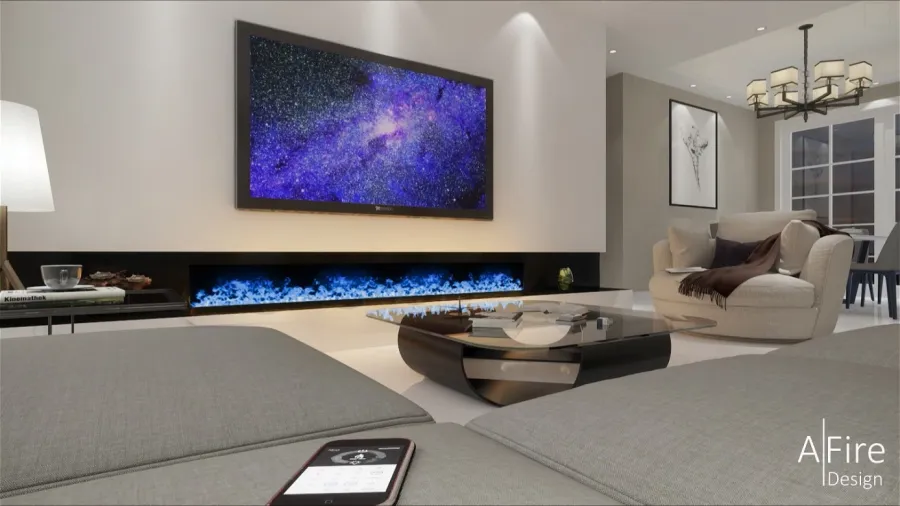
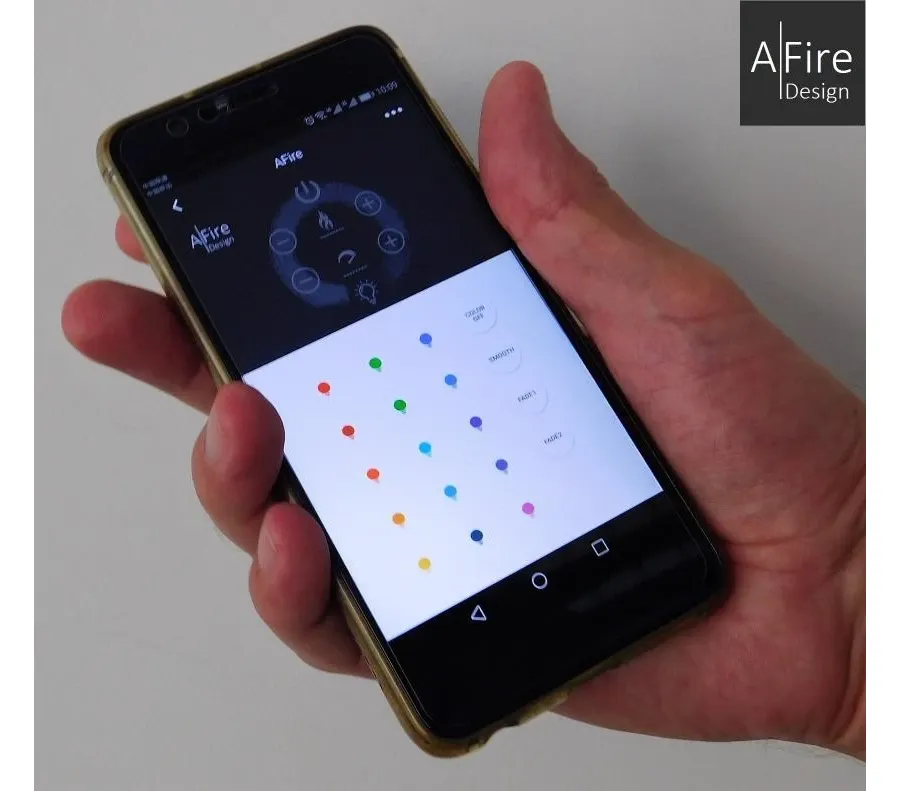
- Wi‑Fi/Bluetooth apps – control everything from your couch, even when the device is in the bedroom
- Timers for 9-12 h (set in the evening, turns off automatically at night)
- Flame adjustment – usually up to 6 height levels + RGB colors if the model has LEDs
The safety features are quite well thought out: auto-shutoff when the tank is empty, startup lock, sometimes a tilt sensor. The power consumption of the flame effect is about 220 W (for example, Cool Flame 500), which is less than an average laptop. The heater draws more, but that’s a separate circuit you only turn on in winter.
A fireplace
Safety and health
The most important thing to understand: you can literally touch the “flames” and nothing will happen to you. The water mist produced by ultrasound is cool to the touch, with no risk of burns. There is no open fire here, no combustion, so zero carbon monoxide, soot, or smoke in your living room. That’s a huge difference compared to traditional fireplaces.
For families with children or pets, this is truly a significant advantage. Water level sensors and automatic shut-off add peace of mind, and hotels and spas are eager to choose such solutions precisely for safety reasons. No one wants the risk of fire in a public place.
Hygiene and microclimate
Interestingly, selected models (e.g., Dimplex) have built-in silver biocide in the plastics, which reduces bacteria by 99.99%. This isn’t just marketing—it’s a real antibacterial additive in the components that come into contact with water. Plus, air humidification, which during the heating season is truly pleasant for the throat and skin.
One caveat, because people sometimes get confused: such a fireplace will not replace a wood-burning stove in terms of heat output. The heating module is optional and has power comparable to an electric convector. It’s more of a visual effect with a bit of extra warmth, rather than a main heat source. But as a safe decoration with atmosphere? It works great.
A fireplace
Installation and arrangements
The biggest advantage of a steam fireplace? We can install it practically anywhere. We don’t need a chimney, we don’t make holes in the wall, and we don’t install mechanical ventilation. All you need is a 230 V socket and access to water—ideally filtered or descaled for the device to work efficiently. This solution is designed strictly for interiors (indoor), so it won’t work on a terrace or in a gazebo.
Freestanding or built-in?
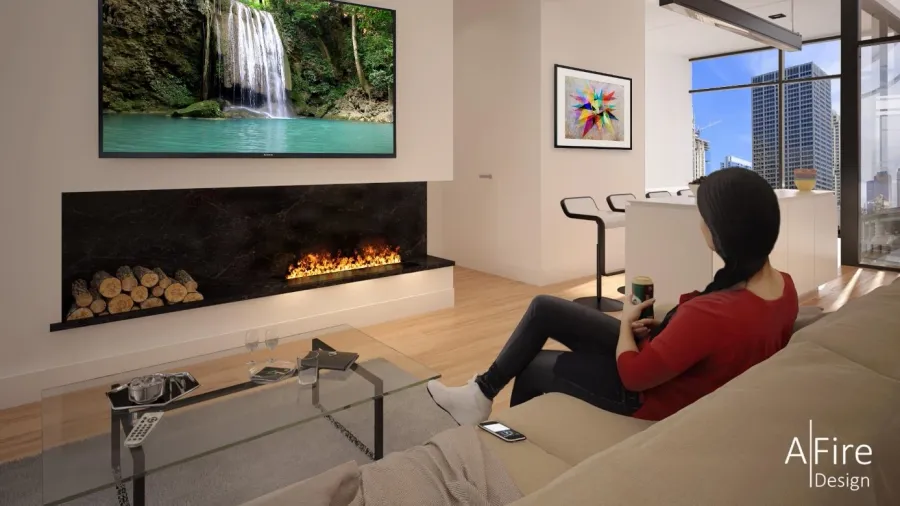
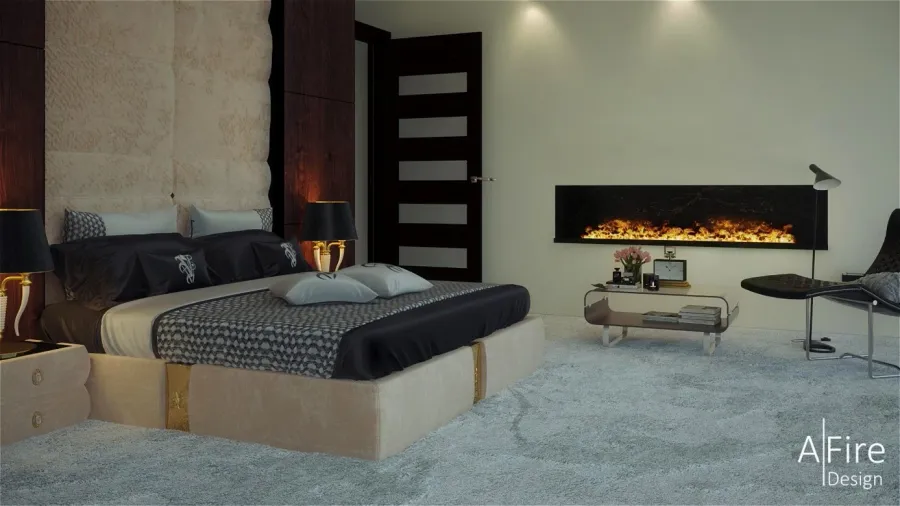
We have two main options. The first is a freestanding unit — you simply place it against a wall, and it’s ready to use. The second is a built-in solution: the fireplace can be installed in a drywall partition, an entertainment center, or even in a kitchen peninsula. Manufacturers offer single-, double-, and triple-sided versions, with the latter looking stunning as glass “pillars” dividing the space.
Places where it looks best
We mainly see them in apartment buildings (that’s where no chimney, 230 V power supply makes the biggest difference), but they are increasingly appearing in:
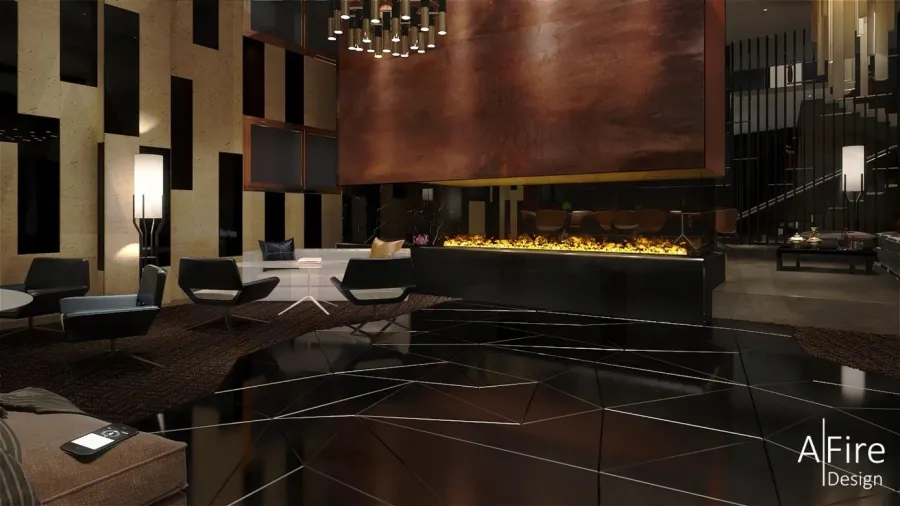
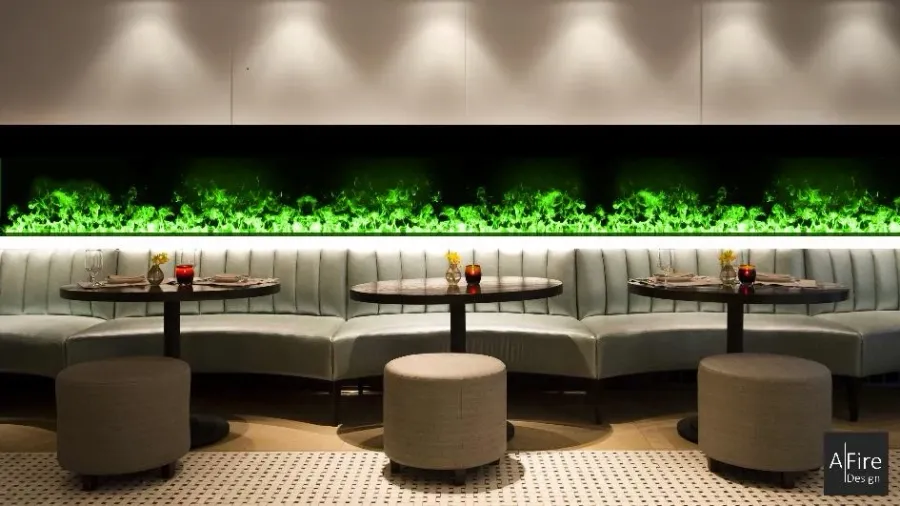
- lobby of hotels and restaurants
- spas and beauty salons
- offices and coworking spaces
- single-family homes as a striking addition
Selected models feature an automatic water supply system connected directly to the mains—just hook up the hose like you would with a refrigerator, and you never have to worry about refilling. The rest use a manual tank, but we’ll discuss that during operation. The truth is, installation flexibility opens up design possibilities that owners of homes with traditional stoves can only dream of.
A fireplace
What to do when the mist fades
Basic maintenance activities look more or less like this:
- Empty and rinse the tank weekly with regular use
- Wipe the transducer with a soft cloth (no detergents!)
- Check the seals every few months
- Replace the transducer when the mist becomes thin despite cleaning (usually after 1-2 years)
Important: the electronics must remain dry. Never pour water over the entire device.
Realistic limitations? First, this is not a primary heating source. It creates ambiance and provides light humidification, but it won’t heat your living room in winter. Second, the operating time on a single tank is usually 8–12 hours, so with intensive use you’ll be refilling water daily. Third, the flame effect only works when powered, so a power outage means the magic stops.
The upside? No soot, ash, or dirty glass. You might hear a slight hum like from a humidifier, but these are really minor inconveniences compared to a real fireplace.
What is this technology really about?
A fireplace
A water vapor fireplace works on the principle of illusion, but not just a theatrical one. It combines two worlds: the aesthetics of real fire and the safety of modern technology. It’s a solution for those who want the ambiance of a fireplace without the challenges of installation, maintenance, and fire risk.
The device uses cold water vapor and LED light to create the effect of flames. Water is ultrasonically transformed into mist, and carefully directed light creates the impression of movement and the color of fire. There is no combustion, smoke, or soot. Interestingly, some models can also heat the room with a built-in electric heater, though this is an additional feature, not the main function.
Does it sound like a gadget? Maybe a little. But for apartments in city centers, where a traditional chimney is science fiction, such a fireplace offers more than just decoration. It provides a taste of a home hearth that doesn’t require a building permit or chimney inspection.
Alfredo
premium brand enthusiast




Leave a Comment