

Famous Arabian horse studs in Poland
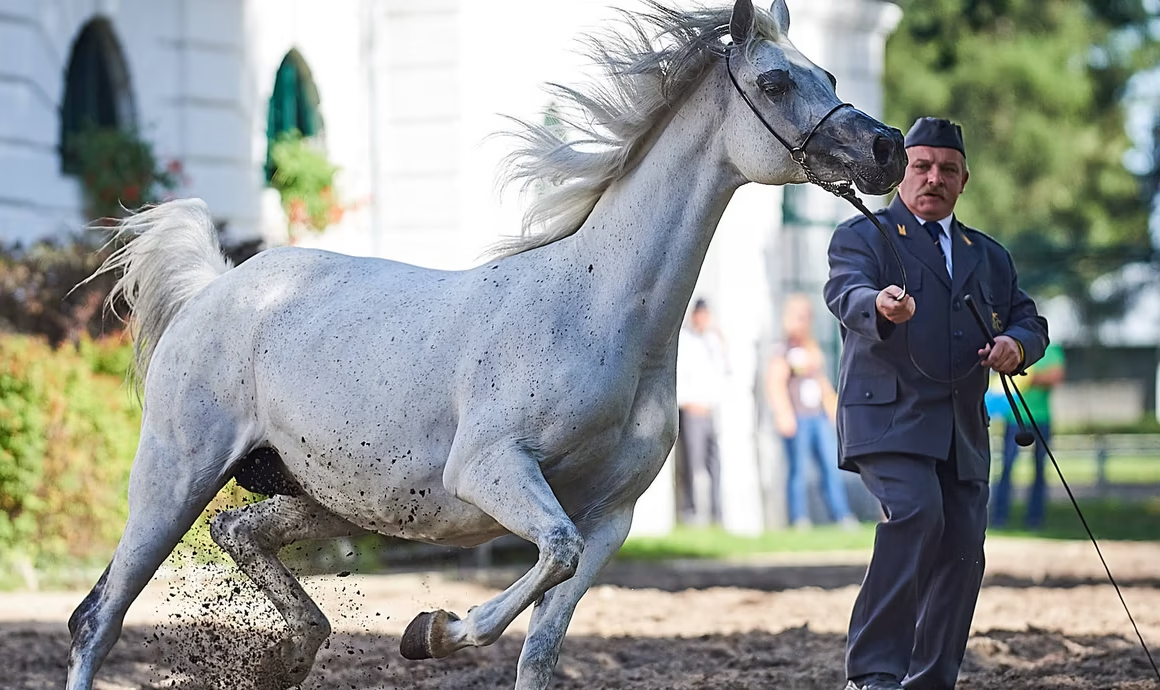
The silence was incredible. Twenty thousand people in the stands at Janów Podlaski held their breath as Formula—a chestnut Arabian mare whose every movement resembled a dance—ran into the arena. It was June 2025, the Arabian Horse Days, and for the first time, I understood why the whole world looks at Poland with envy.
Poland owns about 10% of the world’s purebred Arabian horse population—that’s over 5,000 horses in 2025. Be sure to check out the famous Arabian horse studs in Poland!
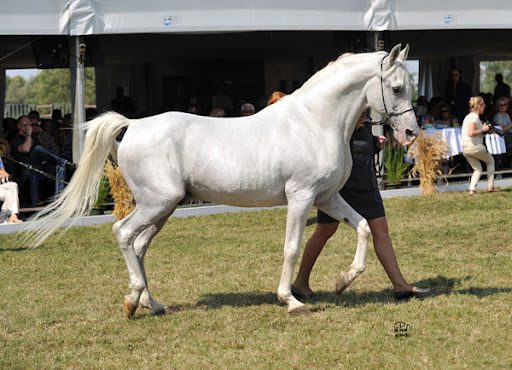
photo: waho.org
It may not sound as spectacular as our volleyball achievements, but it’s truly something remarkable. I think most of us don’t realize just how much of a powerhouse we are in this field. Arabian horses from Polish studs are sold for millions of dollars to the US, the Emirates, and Brazil. Janów Podlaski has been operating continuously since 1817—it survived partitions, world wars, and communism. It’s probably one of the oldest companies in Poland, if you can call it that.
Famous Arabian horse studs in Poland – from the desert to Podlasie
Why is everyone suddenly talking about Polish Arabians? Because in recent years, our horses have been winning practically everything at international shows. Breeders from Qatar and Saudi Arabia come here to buy foals. It’s a bit surreal—desert nomads coming to… Podlasie for their traditional horses.
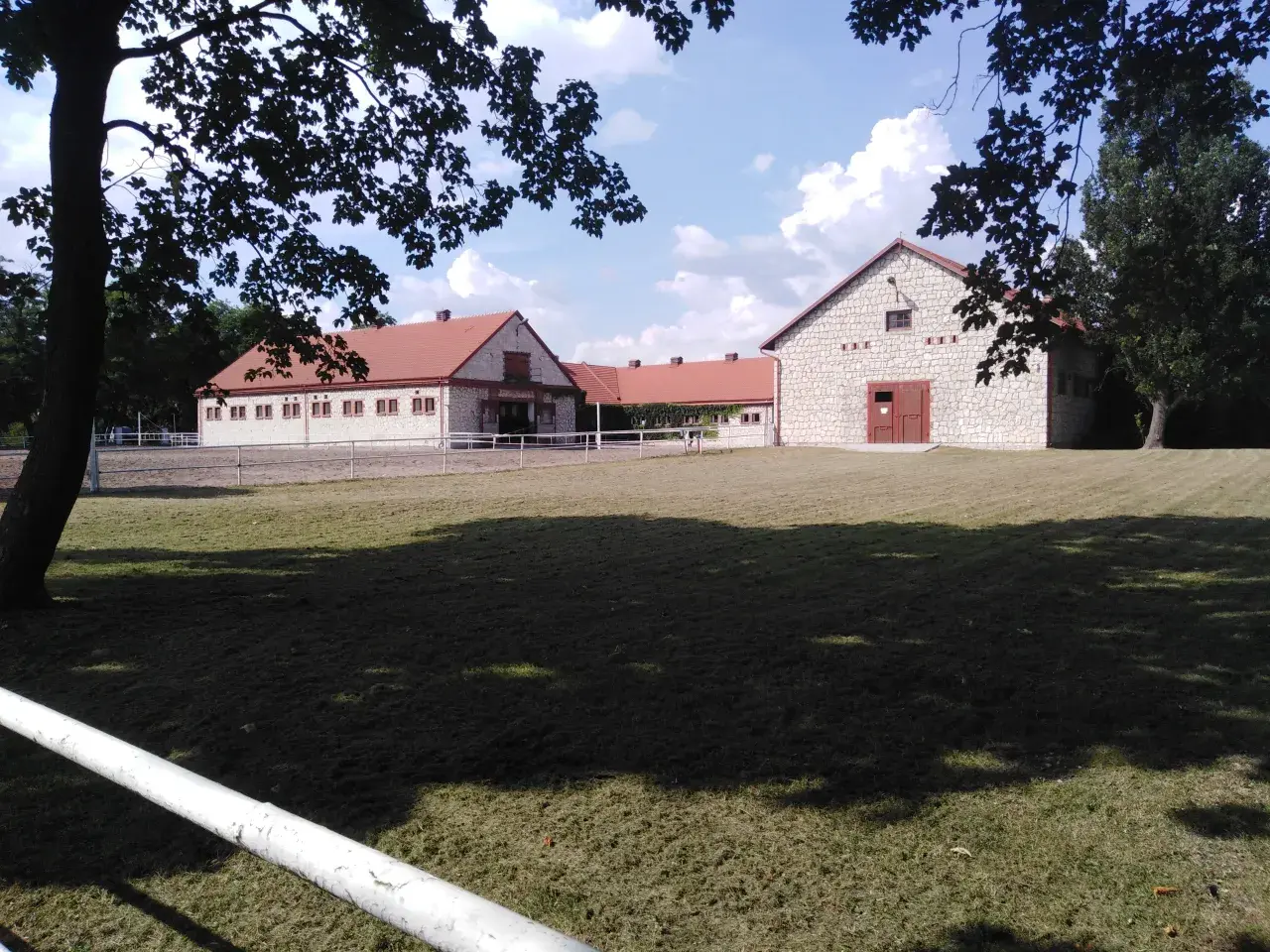
photo: fizjoterapia-zwierzat.pl
It actually started by chance. In the 19th century, Polish magnates bought Arabian stallions as a hobby, just to show off to their neighbors. No one expected this would turn into a business worth tens of millions of zlotys a year. But that’s exactly what happened.
I want to tell you three stories. The first is a family saga—how Polish breeding survived all the turmoil of history and became legendary. The second is about the modern successes of our studs, winning awards from Las Vegas to Dubai. The third is about the future—because the new generation of breeders has ideas that could change everything.
The story of Polish Arabians is really a story of our perseverance and determination.
It all began over two hundred years ago, when the first Polish count decided to import horses straight from the Middle East.
Heritage and Legends – The History of Polish Arabian Stud Farms
You know, I’ve always been fascinated by that moment in 1819 when Wacław Seweryn Rzewuski returned with his famous caravan from Arabia. Over a hundred horses—just imagine! And apparently, on the streets of Warsaw, you could hear people shouting “Emir!” to welcome those desert stallions. It sounds like a scene from a movie, but it was actually the beginning of something truly remarkable.
Rzewuski essentially laid the foundation for what we now know as Polish Arabian horse studs. Although… it wasn’t all smooth sailing at first. The history of these studs is a series of ups and downs that can be traced through the following decades.
| Year | Event |
|---|---|
| 1819 | Rzewuski’s Caravan – import of over 100 Arabian horses |
| 1817-1845 | The establishment and development of the stud farm in Sławnowo |
| 1919 | The founding of the Janów Podlaski stud farm |
| 1944 | Evacuation of horses to the USA during World War II |
| 1969 | The first Pride of Poland auction |
| 1989 | The end of central management of stud farms |
World War II was a true test of survival for Polish breeding. Few people know that Poland literally saved the Kuhailan line—in 1944, we evacuated part of the herds to the United States. It was a risky move, but thanks to it, these bloodlines survived. I can only imagine what kind of decisions breeders faced—leave behind their life’s work or risk losing everything.
After the war came the era of the Polish People’s Republic, and that’s when things got really interesting. Centralized management meant that studs became state-owned enterprises. On the one hand, this ensured financial stability; on the other, it brought bureaucracy and sometimes bizarre top-down decisions. But the pressure to export was enormous, as it brought Poland much-needed foreign currency.
A breakthrough moment came in 1969—the first Pride of Poland auction. It was a marketing masterstroke. Foreign buyers began coming to Poland regularly, and the studs gained international renown.
The years 1945–1989 were a period when Polish Arabian breeding operated in a unique way. Central planning had its drawbacks, but also advantages—long-term breeding programs, stable funding, and a focus on quality. Breeders had to adapt to five-year plans, which sounds absurd, but somehow it worked.
Studs like Janów Podlaski, Michałów, and Białka survived everything—uprisings, wars, regime changes. It shows that this tradition has truly deep roots in Polish culture.
Masters of the ring and exporters of dreams – the modern image of stud farms
Around 5,000 Arabian horses in Poland. That might not sound impressive, but when I look at these numbers from the perspective of someone who’s been following the industry for years, I see an entire map of Polish ambitions and challenges.
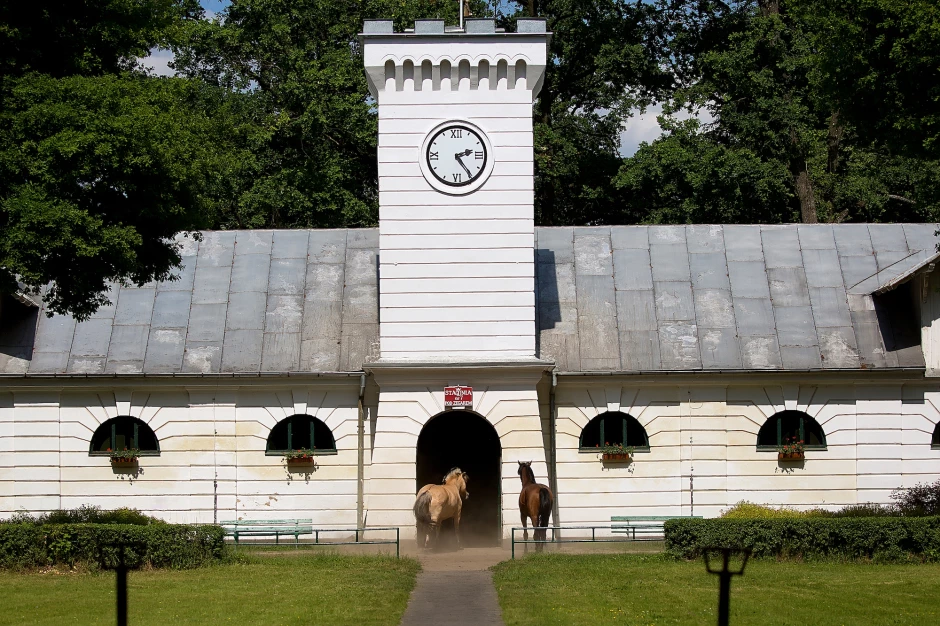
photo: farmer.pl
An annual production of 500-600 foals is actually a decent result for our market. Most come from state studs—Janów Podlaski, Michałów, Białka. But more and more private breeders are joining the game. Some with truly serious money.
Scale and breeding structure
I remember a decade ago it seemed like the state studs would dominate forever. Today, private breeders already own about 40% of the population. That’s a big shift. Maybe not always for the better, since many of them treat horses more as an investment than a passion.
The largest studs are still Janów with around 300 horses and Michałów with 250. But private breeders like Białka or Falborek also have their 50-80 head. The numbers are growing, though quality doesn’t always keep up.
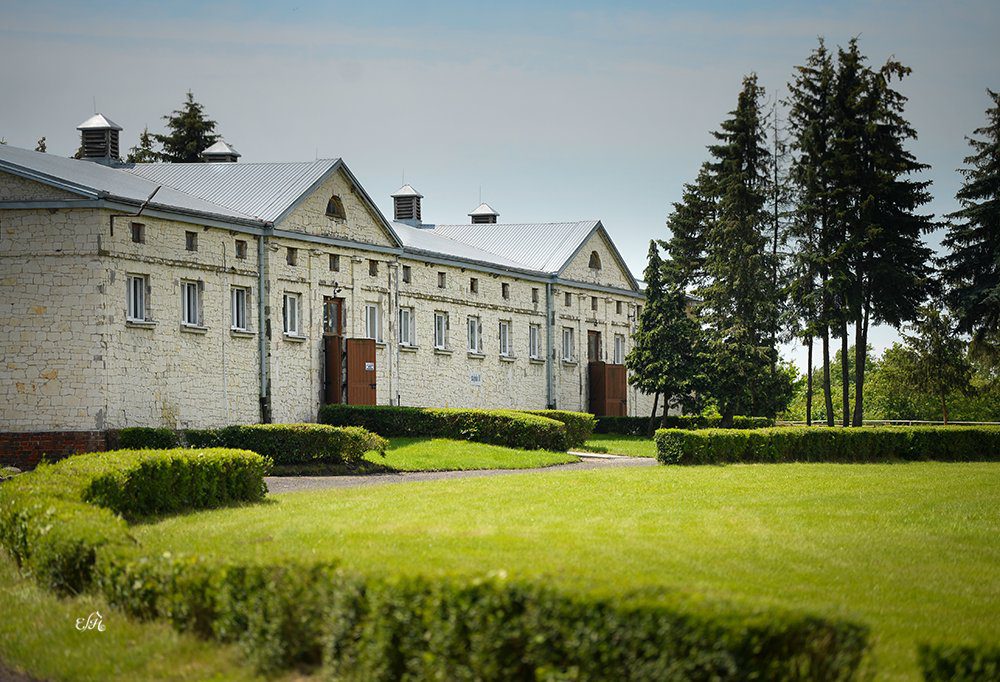
photo: konieirumaki.pl
Economics and the market
This is where it gets interesting, because 2024 was a financial disaster for the state studs. Just look at these losses:
Losses 2024 (PLN million)
Janów ████████████████████ -5.0
Michałów ████████████ -3.0
Minus 5 million in Janów, minus 3 in Michałów. That’s serious money. But 2025 has already brought a turnaround—Janów was awarded the title of Best European Breeder. Twist of fate, or have they really improved management?
Horse prices range from 50,000 PLN for a decent foal to several million for champions. I’ve seen deals go for 2 million euros, but that’s the top league. The average sale price hovers around 150,000 PLN.
Sporting and Show Successes
There’s little to complain about when it comes to results. The 2025 Arabian Horse Days will gather 100 horses—a record. The UAE President’s Cup in Warsaw attracted 20,000 spectators. Who would have thought so many people in Poland are interested in Arabians?
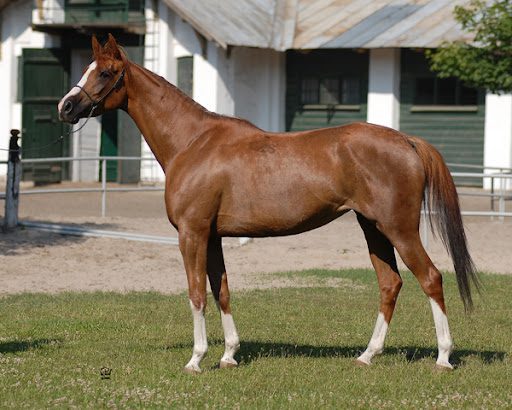
photo: waho.org
Our horses are winning in Europe and America. Eksalacja, Emanor, Eminencja —these names are now heard at world-class shows. It truly boosts the prestige of Polish breeding.
Controversies and Opinions
But not everything is golden. 2016—experts with years of experience were dismissed. That was a mistake, and the industry still feels its effects. In 2021, 162 malnourished horses were discovered. In the 21st century. In Poland.
“State studs are a relic of the communist era, it’s time to privatize them” —I read on X. On the other hand: “Private breeders only care about profit, not the breed”. The truth probably lies somewhere in between.
The state versus private debate continues. I think we need both models, but managed better. The current situation shows that without a concrete plan for the future, we’ll just keep patching holes.
Where the future is heading – key takeaways and next steps
I look at Arabian horse breeding and see that it’s evolving faster than we expected. I’m not talking about the past—the work happening now in laboratories and studs is laying the groundwork for something big.
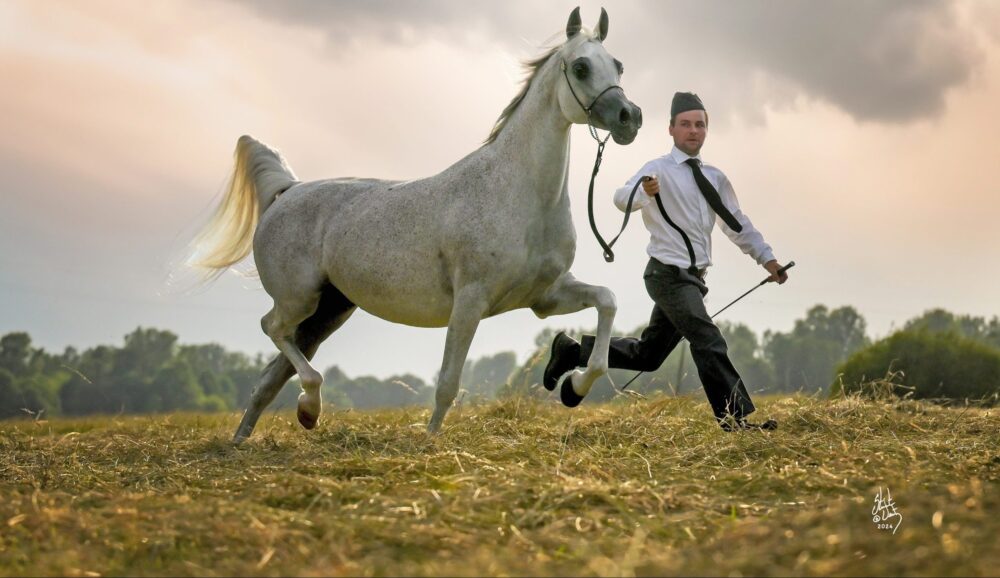
photo: thearabianmagazine.com
Three trends will shape the coming years, and the first is artificial intelligence in selection. Algorithms are already analyzing DNA and predicting offspring traits with an accuracy breeders could only dream of. The forecast is clear—exports to Asia will rise by 15% by 2030. It’s no coincidence that investors there are betting on technology.
The second trend? Sustainable breeding is no longer just a buzzword. Alfalfa feed and dried algae are reducing CO2 emissions by 8%. It may not sound like much, but for the entire industry, it’s a huge step. Studs in Janów Podlaski are already testing these solutions.
The third piece of the puzzle is the digitalization of auctions and sales. Pride of Poland 2026 will be a hybrid event—some buyers will bid remotely through advanced VR systems.
For investors, the advice is simple—look for studs that invest in technology. This isn’t a whim; it’s the future happening now.
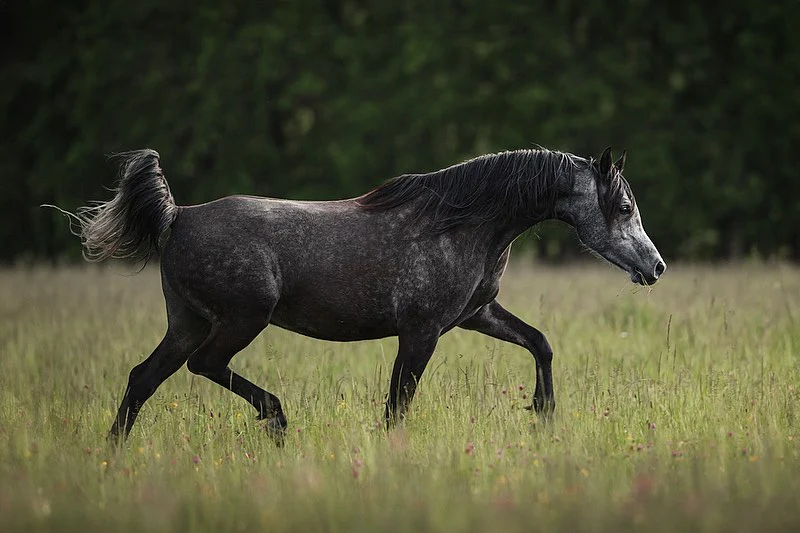
photo: wildjolie.com
Horse enthusiasts also have their place in all this. Your engagement and education drive demand for high-quality horses. Visit studs, attend shows, ask questions about breeding methods.
Arabian horse breeding is galloping into the future. The only question is—will we join the ride, or just watch from the sidelines?
An
lifestyle & business editor
Luxury Blog




Leave a Comment