

Which planters are best for the garden?
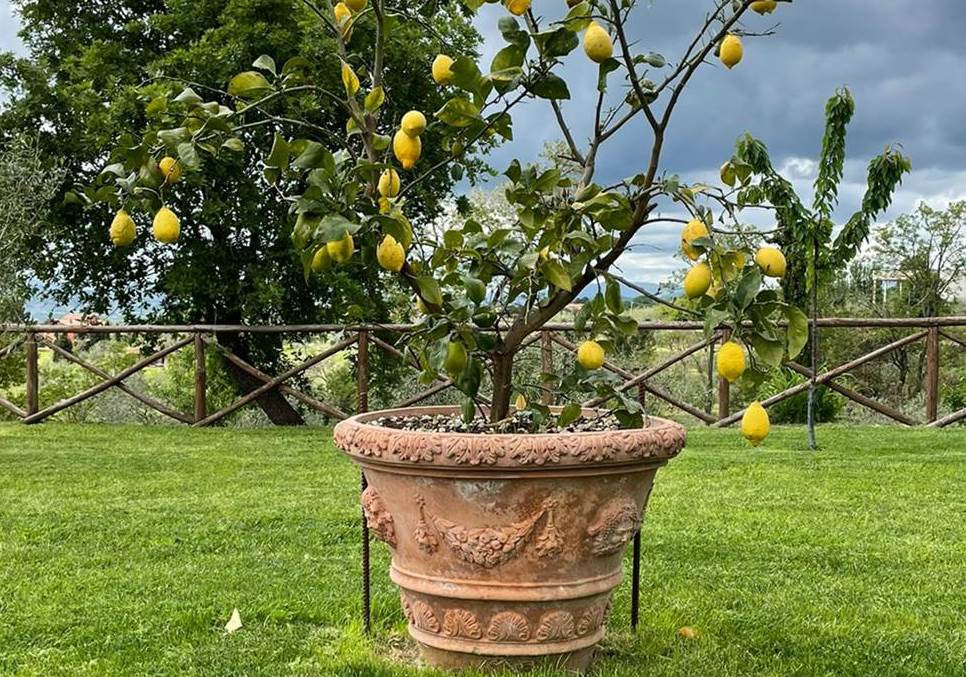
The approaching spring inspires thoughts of plants and arranging interiors, terraces, and gardens with greenery. March is the time when many frost-sensitive plants can be placed outside, allowing them to bask in the spring sunshine and return to full life.
Which garden planters are the best choice?
You can design a garden just like you would a kitchen or living room. Beautiful gardens require not only a caring hand, but also stylish accessories that match your chosen aesthetic. Arranging your home greenery involves more than just planting — it’s also about landscaping elements such as benches,
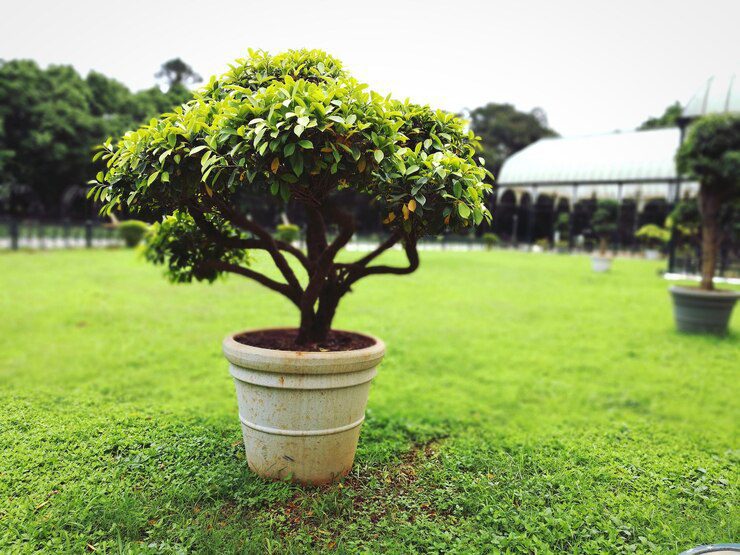
The range of choices, both in terms of materials and designs, as well as style, is vast. In a modern, elegant garden, minimalist patterns and smooth, glossy ceramics work perfectly. Metal containers, on the other hand, will give the space a loft-like character. For classic gardens inspired by Mediterranean style, ornate ceramic pots are the perfect fit.
Key features of good garden pots
Which garden planters are suitable for large plants? Which ones should you choose when designing a rustic garden? What defines a Mediterranean garden? There are many ways to arrange your space. However, every planter used outdoors should meet certain minimum requirements and have features that make it suitable for open-air use.
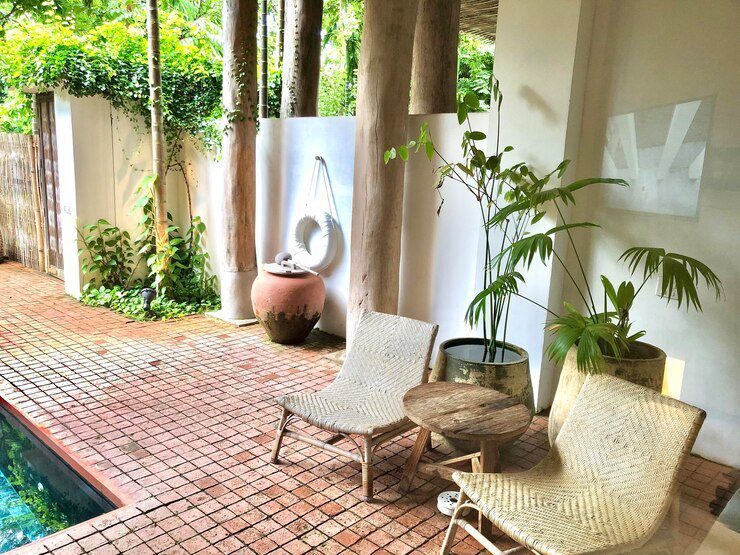
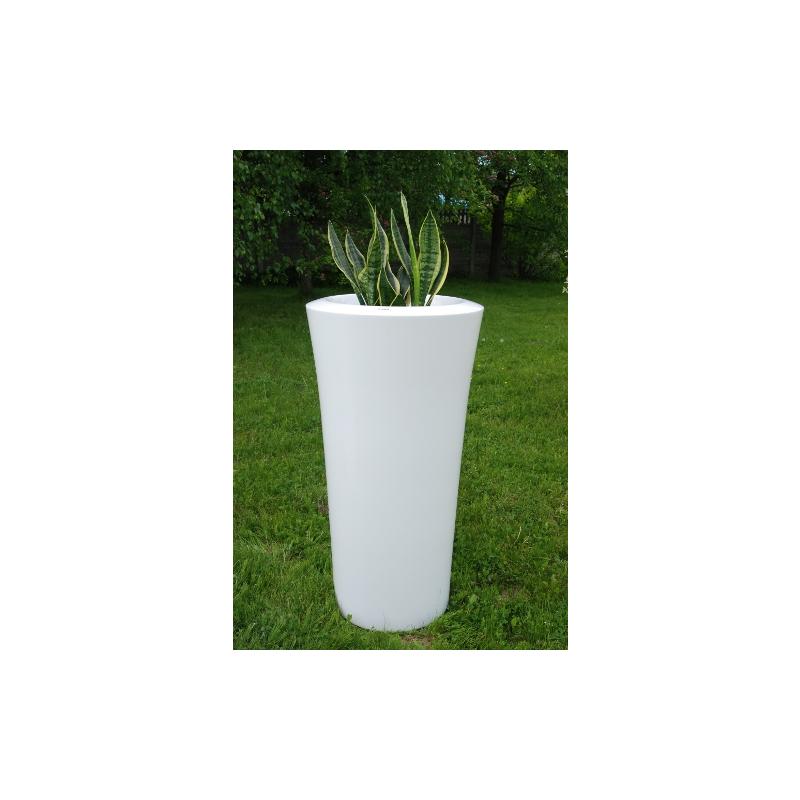
Garden pots are an important decorative and functional element in any garden. Properly chosen pots not only enhance the aesthetics of the surroundings but also provide optimal conditions for plants.
What should you consider when choosing a planter?
- Size and capacity:
- The pot should be large enough to accommodate growing plants and provide sufficient space for root development.
- The size of the pot should match the size of the plant and its expected growth.
- Stability:
- A stable planter is essential to prevent it from tipping over due to wind or uneven ground.
- Planters with a wide base or additional stabilization systems are preferred in gardens.
- Weather resistance:
- Planters should be made from materials resistant to weather conditions such as UV rays, moisture, and temperature fluctuations.
- Materials like reinforced concrete, ceramics, plastic, or special ceramic clays are popular for their durability.
- Drainage:
- An essential feature of a planter is the ability to drain excess water to prevent root rot.
- Planters should have drainage holes or be equipped with drainage inserts.
- Style and aesthetics:
- The planter should match the overall style of the garden and the surrounding architecture.
- There is a wide variety of planter styles available, from classic to modern, allowing you to tailor them to your individual preferences.
- Mobility:
- The ability to easily move the planter can be important, especially if you need to change its position due to weather conditions or the needs of your plants.
- Planters on wheels or made from lightweight materials make moving them much easier.
- Sustainable materials:
- Planters made from environmentally sustainable materials such as stone, metal, or high-quality ceramics are becoming increasingly popular.
- Proper substrate:
- The pot should be filled with a suitable substrate that provides the plant with essential nutrients and proper drainage.
- The ability to easily replace the substrate or use drip irrigation systems can be an additional advantage.
Garden planters are not only a practical addition to your outdoor space, but they also shape its aesthetics and functionality. Which garden planters are the best choice? It’s important to combine style with durability and practicality. Pay attention to their size, stability, resistance to weather conditions, and how well they fit into your garden’s design. The right combination of these features will help you create a harmonious and beautiful plant environment that will delight you for years to come.
How to Choose the Right Planter for Your Garden – Garden Design Trends 2024
Gardens, much like interiors, are influenced by ever-changing trends. Each season brings new inspirations and ideas that shape our approach to designing outdoor spaces. The pursuit of a functional and stylish garden will always matter, so it’s worth keeping up with the latest trends to give your space a fresh look. In 2024, we can expect several directions that will revolutionize the way we design and arrange green spaces.
Minimalism not just in interiors
Minimalism is a trend that continues to gain popularity. Simple, subtle garden accessories, neatly trimmed lawns, and plants in minimalist pots will dominate outdoor spaces. Furniture with sturdy construction and finished in muted colors is perfect for arrangements with a raw character, such as industrial or modern styles. Which pots are best suited for a minimalist garden? If you want to design your garden this way, focus on clean lines and a monochromatic color palette.
Vertical gardens
Vertical gardens are an innovative solution that not only save space but also add visual appeal to any area.
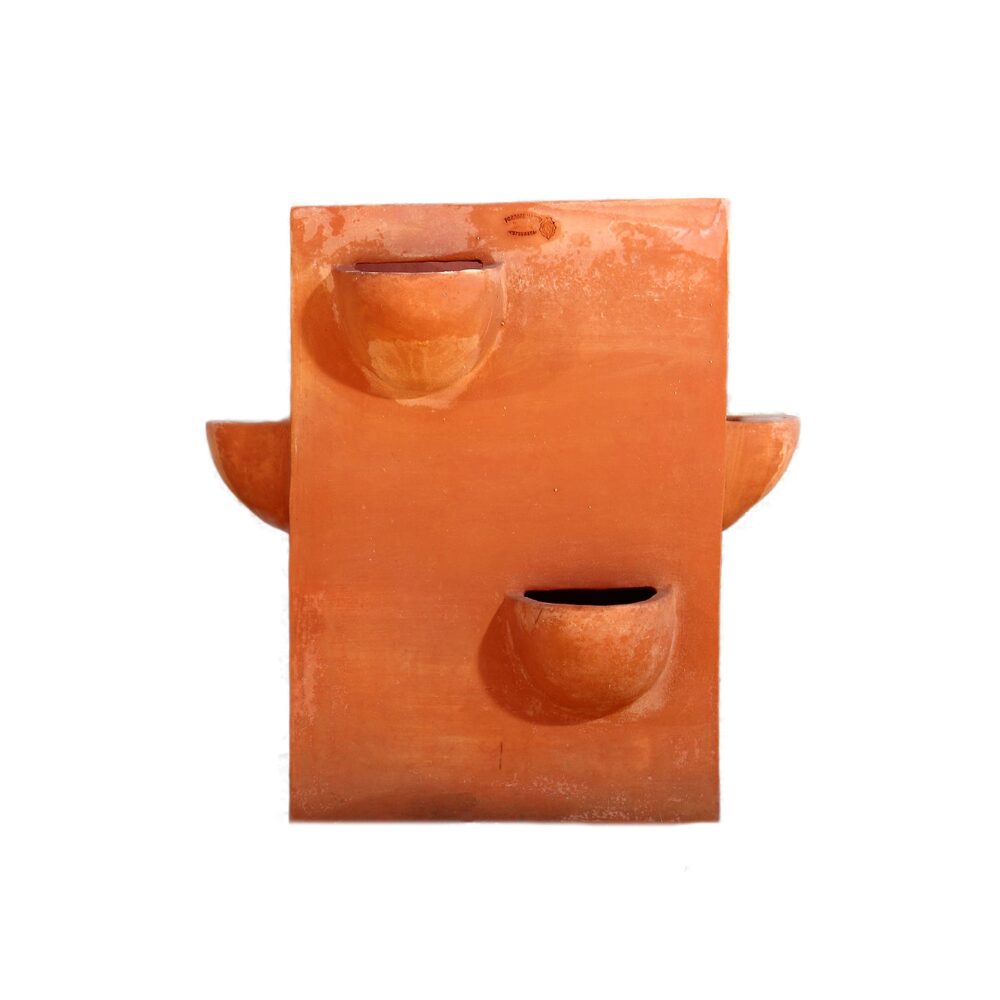
By using special frames and containers, we can create vertical gardens that are not only aesthetically pleasing but also functional. Irrigation systems provide plants with the right amount of water, making vertical gardens increasingly popular.
Viva Magenta color
Every year, the Pantone Institute selects the trendiest color of the season, and in 2024, the choice is Viva Magenta. This vibrant, carmine red inspires bold garden designs, infusing them with energy and optimism.
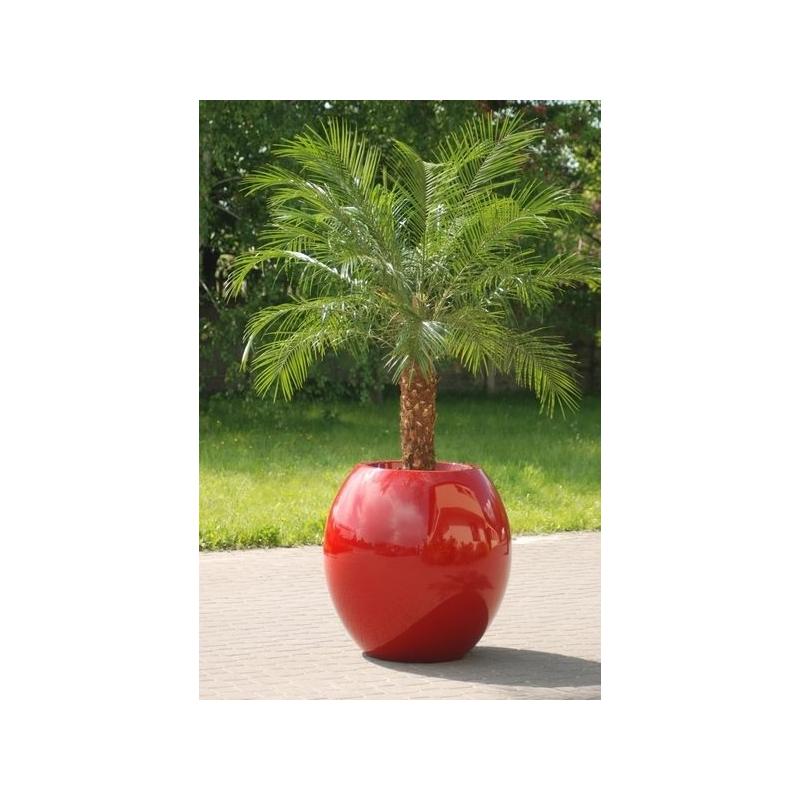
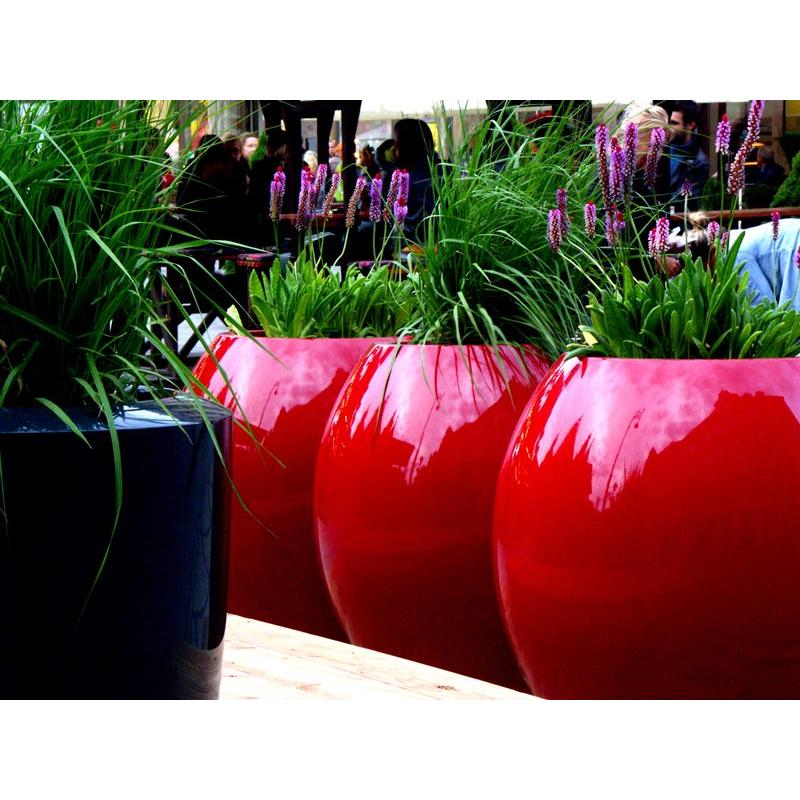
Plants with similar colors, such as peony asters or pansies in shades of red, will make a perfect addition to gardens.
Mediterranean Style
With the rising costs of international travel, more and more people are turning to Mediterranean inspirations. Olive trees, citrus plants, and exotic species combined with vibrant ceramics create a holiday-like atmosphere of relaxation in our gardens. However, it’s important to remember that these beautiful plants won’t survive the winter in our climate.
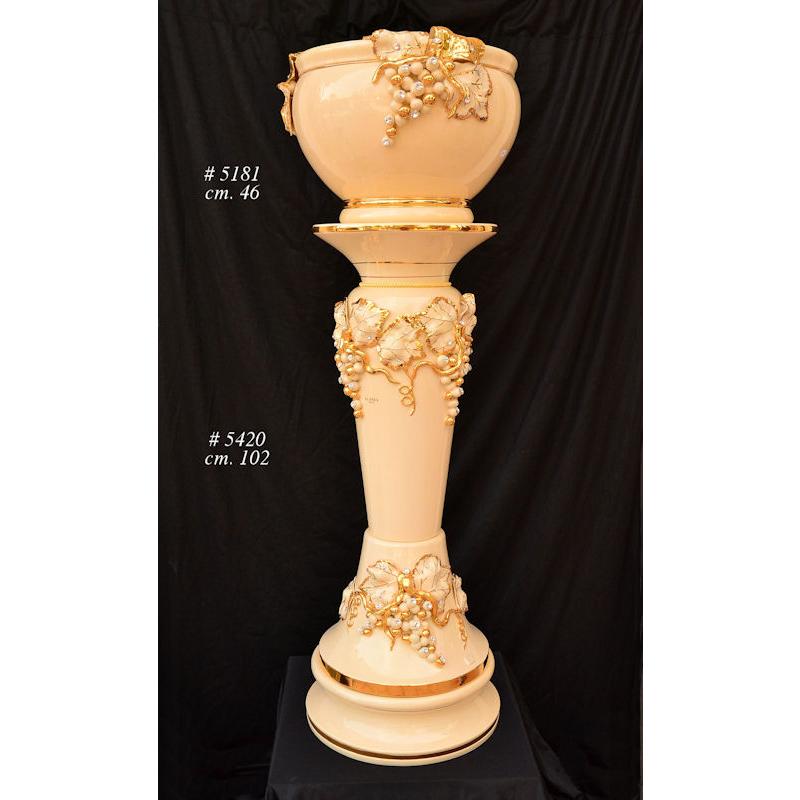
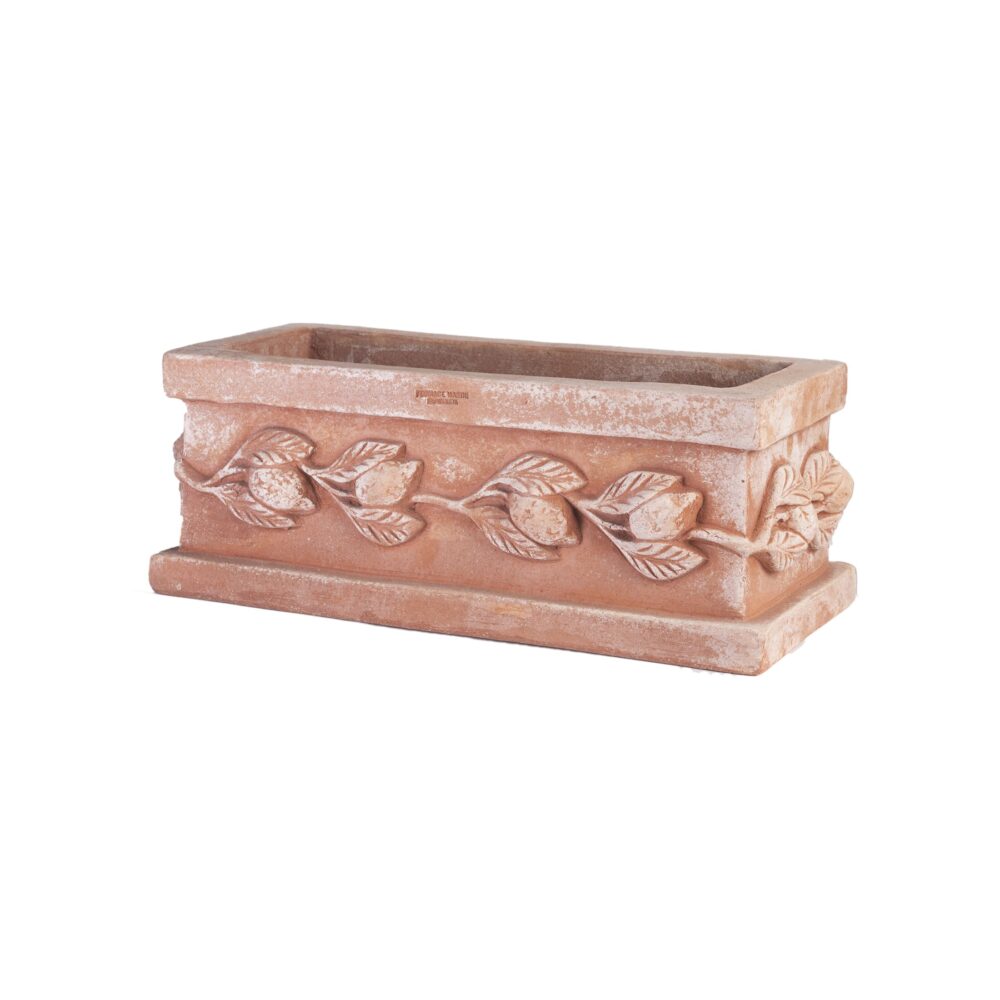
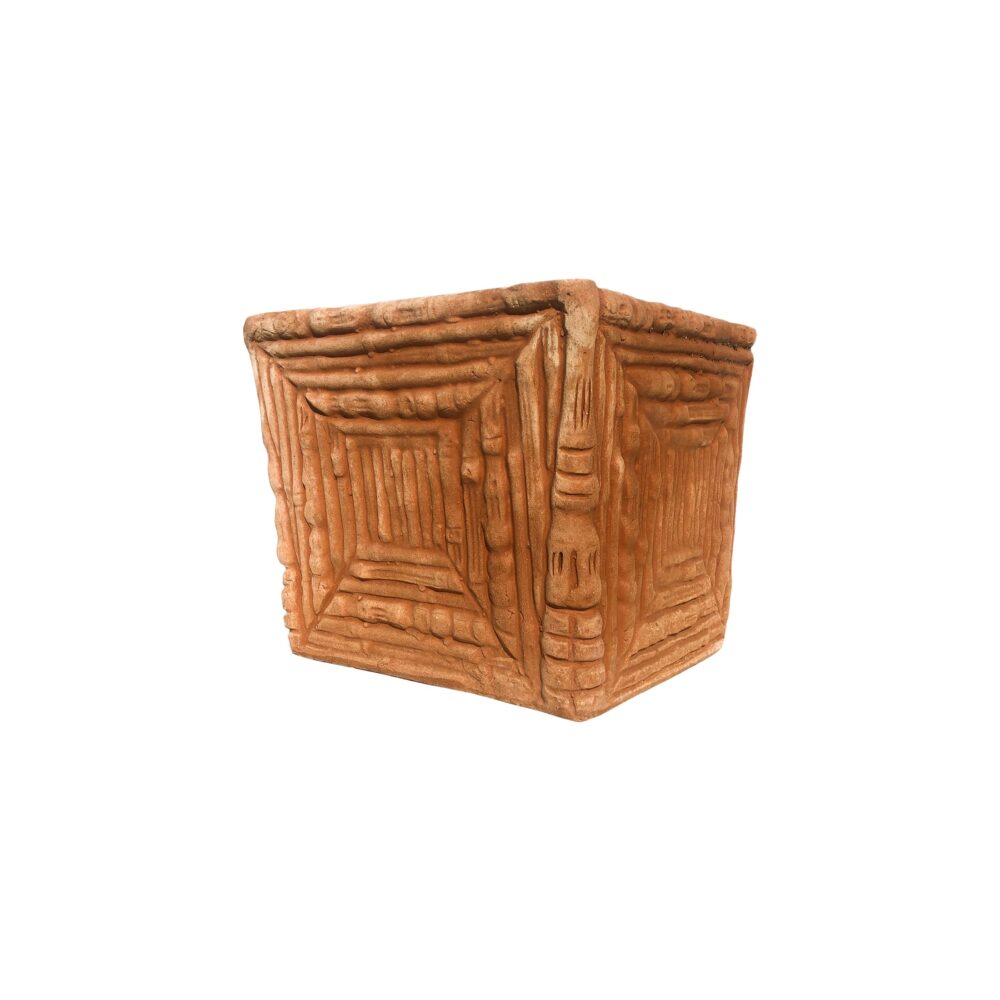
They should be placed in large, heavy pots. When choosing this style, it’s best to opt for handcrafted, stylish pots made of ceramic and terracotta. The finest Italian producers offer classic designs as well as unique, handmade garden pots and containers.
Native species and rustic style
The eco-friendly trend encourages choosing native plant species that are adapted to local conditions and do not require special care. Growing such plants helps preserve biodiversity and limits the spread of invasive species, which is an important step toward protecting the natural environment.
An alternative to the traditional lawn is a wildflower meadow, which not only requires less maintenance but also attracts insects and gives the garden an idyllic character. An interesting aspect of this trend is also garden patches. Instead of mowing the lawn, you can allow plants to grow naturally, making the garden more eco-friendly and appealing to local wildlife.
Slow gardening
The slow living trend is reflected in slow gardening, which encourages growing plants without artificial enhancers. Gardening tasks are adapted to the natural cycle of the seasons and weather conditions, fostering harmony with the surrounding nature.
Garden furniture made from natural materials such as wood and rattan is becoming increasingly popular in slow gardening design. Their timeless charm and refined character add allure and elegance to any outdoor space, regardless of the chosen style. It’s also worth matching the planters to your selected arrangement.
Boho and energizing colors
The boho aesthetic, characterized by its closeness to nature and the use of bright, cheerful colors, brings a sense of coziness and freedom to gardens. Incorporating textiles and natural lighting in the garden creates a pleasant space for relaxation and outdoor leisure.
What planters to place in front of your house in the 2024 season?
In modern garden design, the choice of planters plays a key role in creating a harmonious and aesthetically pleasing space. For large trees, the ideal solution is sturdy and durable planters made from weather-resistant materials such as reinforced concrete or ceramics. These planters should be deep and wide enough to provide ample space for the plant roots. However, it’s important to remember that, ultimately, the goal is to create a place where it’s simply enjoyable to spend time or have a morning coffee.
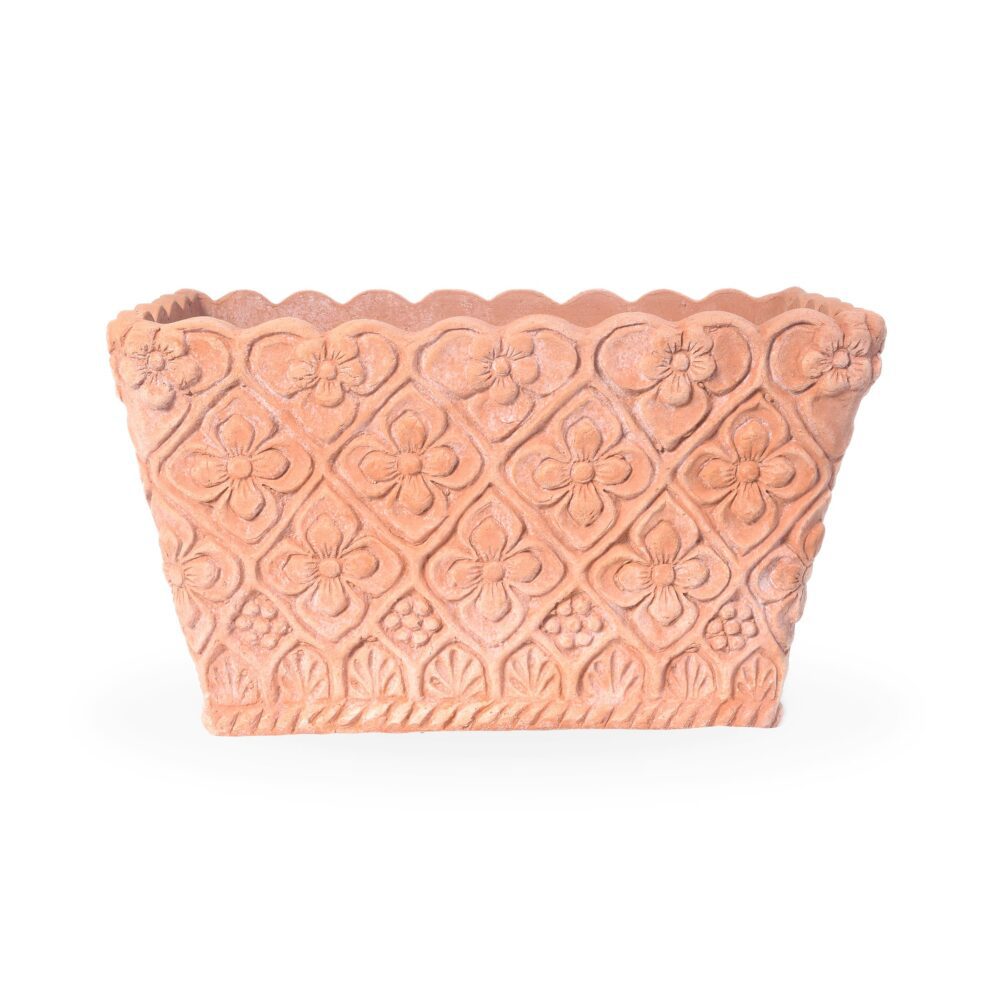
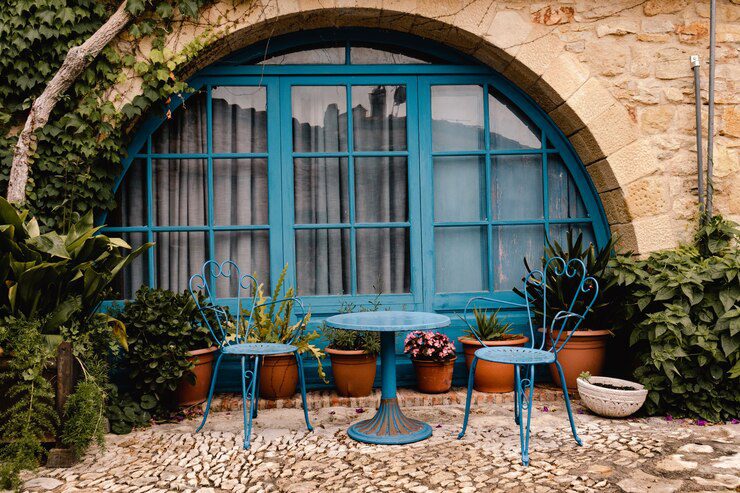
On the other hand, pots made from materials that allow air and water to pass through, such as clay or wood, are perfect for growing herbs. It is important that the herb pot has the right depth and drainage to provide the roots with optimal conditions for growth and development.
When it comes to planters in front of the house, it’s worth choosing models that harmonize with the architecture of the building and the style of the garden. Contemporary planters can be made from a variety of materials, such as concrete, metal, or polymer plastics, and their shapes can be minimalist or avant-garde, depending on the owner’s preferences and the character of the surroundings.



Leave a Comment