

What is the best material for outdoor furniture?
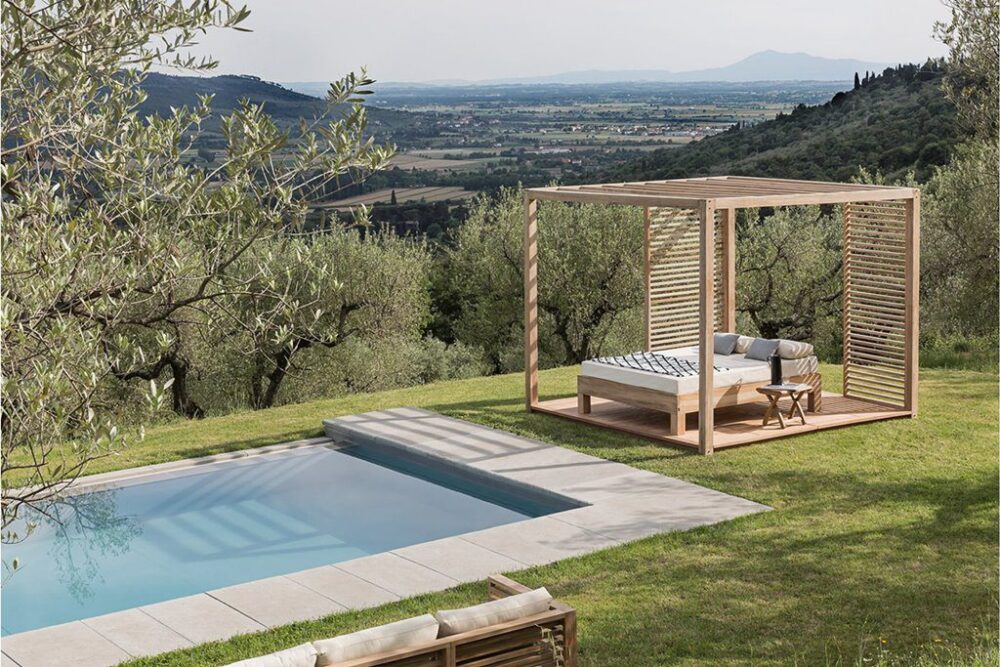
Spring encourages us to move from our living rooms to the garden more and more often. Sipping coffee in the morning sun or enjoying dinner surrounded by greenery will soon become daily rituals. To fully enjoy these moments, it’s worth considering how to arrange your garden. What chairs and table should you choose? What material is best for garden furniture? Should you fertilize the wisteria on your terrace? Where should you place insect hotels and replace part of your lawn with a wildflower meadow?
Garden furniture for the terrace and garden
Imagine lazy, sunlit mornings when you wake up, brew your favorite coffee, and step out onto the terrace or into the garden to enjoy breakfast in the open air. It’s a moment filled with tranquility, where every bite tastes better and the surrounding nature soothes your senses. To enjoy such moments for years to come, it’s worth investing in high-quality garden furniture. What material makes for the best garden furniture?
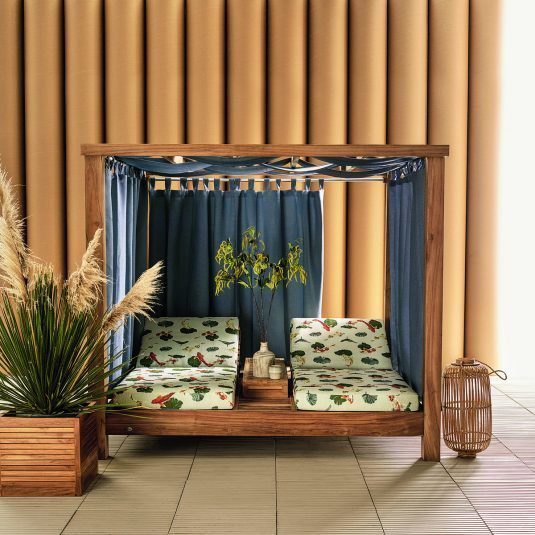
If you value durability and elegance, exotic wood, aluminum, or technorattan are excellent choices—they’re weather-resistant and easy to maintain. Well-chosen furniture not only provides comfort but also creates a unique atmosphere, making every moment spent on your terrace or in the garden pure pleasure. By investing in sturdy sets, you’re choosing comfort, style, and functionality for years to come—a decision that will turn your garden into your favorite place to relax. An evening glass of wine surrounded by nature.
Garden corner sofas – when are they the right choice?
Garden corner sofas are an excellent choice for those who value comfort and functionality in their garden or on the terrace. They work perfectly as the centerpiece of a relaxation area, offering plenty of seating space. This is especially useful during family gatherings or summer outdoor parties.
However, their selection depends not only on the available space but also on the design style and users’ expectations. In larger gardens, a corner sofa can replace the classic table and chair set, creating a more relaxed atmosphere that encourages unwinding. On the other hand, in smaller spaces, it’s worth considering whether more mobile furniture, such as individual armchairs and folding chairs, might be a better choice.
What is the best material for garden furniture and garden corner sofas? The choice of material affects both the durability and the look of your furniture. Another interesting question is whether the garden corner sofa should be made from the same material as the rest of the furniture. There’s no single right answer—it largely depends on the overall style and intended use. If the corner sofa is the focal point of your arrangement, it can stand out with a different material or color scheme.

It creates an interesting contrast. On the other hand, in uniform arrangements, it’s worth combining elements made from the same material. This, in turn, will ensure a harmonious look for the space. Regardless of your choice, it’s essential to invest in high-quality materials that will guarantee the durability of your furniture for many seasons.
What is the best material for outdoor furniture?
Choosing the perfect garden furniture starts with a fundamental question: what material makes the best garden furniture? There are plenty of options—synthetic rattan, wood, metal, and even plastics—each offering unique qualities and uses. Which one will work best in your garden? Do you value the natural charm of wood, or perhaps the modern lightness of aluminum? Or is resistance to changing weather conditions your top priority? What style defines your space—classic, Scandinavian, or maybe industrial? Will the furniture be moved around often, or is it meant to be a permanent fixture? And what about maintenance—do you have time for regular wood care, or do you prefer materials that require no extra protection? Choosing the right material is not just about aesthetics, but also about functionality and long-term comfort. After all, furniture is not just decoration, but also lasting functionality.
Wooden garden furniture
Wooden garden furniture is a timeless choice that never goes out of style. Its natural character blends perfectly with the greenery, creating a harmonious and cozy space for relaxation. Made from durable types of wood such as teak, acacia, or oak, these pieces can last for years, provided they are properly cared for.
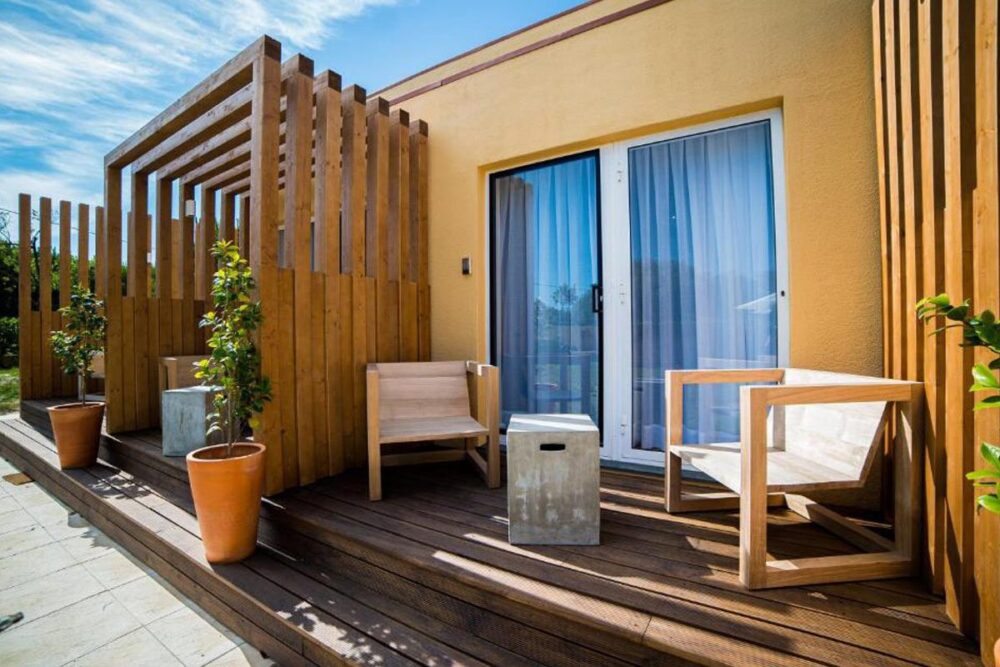
A warm wood tone brings a unique atmosphere to the garden, and the variety of styles—from rustic to modern—means they can be matched to almost any arrangement. However, before making a choice, it’s worth considering how often you’ll maintain them and whether you’ll appreciate their natural aging process—patination and color changes.
Advantages of wooden garden furniture:
- A natural and elegant look – wood brings warmth to the space and pairs beautifully with the greenery of the garden.
- Reliability and durability – properly protected wood, such as teak or exotic species, can last for many years.
- Versatility – they suit both classic and modern interiors, pairing beautifully with other materials such as metal or technorattan.
Disadvantages of wooden garden furniture:
- Require maintenance – regular oiling or varnishing is necessary to preserve their beauty and durability.
- Susceptibility to weather conditions – without proper impregnation, wood can absorb moisture, leading to cracks and warping.
- Weight – massive wooden furniture is more difficult to move compared to, for example, aluminum counterparts.
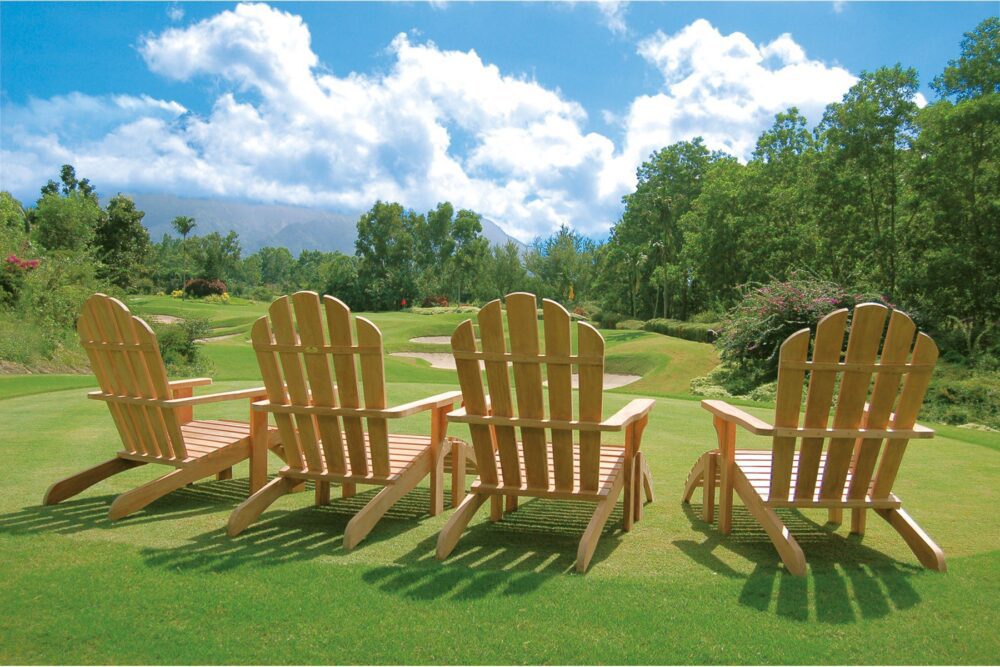
What kinds of outdoor settings do wooden garden furniture suit?
Wooden garden furniture works best in natural, rustic, and classic gardens, where their warm, organic look enhances the cozy atmosphere of the space. They pair beautifully with lush greenery, vine-covered pergolas, and stone pathways. In modern arrangements, they look stunning combined with metal elements, such as steel table legs or industrial lamps. They are also the perfect choice for wooden terraces, creating a cohesive, harmonious whole with the surrounding space.
Rattan and wicker – timeless classics at their finest
Rattan and wicker garden furniture are synonymous with lightness, natural charm, and timeless style. Thanks to their woven structure,
Advantages of rattan and wicker furniture:
- Lightness and aesthetics – natural weaving is subtle and adds an elegant touch to any space.
- Eco-friendly choice – both rattan and wicker are renewable, environmentally friendly materials.
- Styling versatility – they pair beautifully with classic, boho, and Mediterranean interiors alike.
Disadvantages of rattan and wicker furniture:
- Moisture sensitivity – without proper protection, they can absorb water and become deformed.
- Lower resistance to weather conditions – compared to technorattan or wood, they need to be stored under cover.
- Greater susceptibility to mechanical damage – the delicate structure of the braid can break or deform under heavy load.
What types of interiors suit rattan and wicker furniture?
Rattan and wicker furniture are a perfect fit for nature-inspired gardens, romantic terraces, and spaces with a boho or vintage vibe. They pair beautifully with lush greenery, linen textiles, and wooden accents. These pieces also work wonderfully on sheltered verandas and balconies, where their light form doesn’t overwhelm the space. Combined with soft cushions and throws, they create the perfect spot to unwind, enjoy your morning coffee, or host intimate summer gatherings.
Technorattan – durable material for garden furniture
Technorattan is a modern alternative to natural wickerwork, combining the classic look of rattan with exceptional resistance to weather conditions. Made from synthetic polyethylene fibers, it is not only durable but also easy to maintain and resistant to UV rays, rain, and fluctuating temperatures. This makes it an excellent choice for those seeking stylish yet practical garden furniture. Is it worth investing in technorattan instead of natural materials? That depends on whether your priority is convenience and durability, or if you care more about the ecological aspect and the authentic look of the furniture.
Advantages of technorattan furniture:
- High resistance to weather conditions – does not fade, crack, or absorb moisture.
- Easy to maintain – no impregnation required, just clean with soap and water.
- Modern design and a wide range of colors – perfect for both classic and minimalist interiors.
Disadvantages of technorattan furniture:
- Less eco-friendly material – although durable, it is synthetic and more difficult to dispose of than natural resources.
- May heat up in the sun – darker colors can become hot to the touch on warm days.
- Not everyone is a fan of its artificial look – while it does a good job imitating rattan, some people still find it lacks the natural charm.
What types of interiors do technorattan furniture suit?
Technorattan furniture works perfectly in both modern, minimalist gardens and elegant relaxation areas on terraces and balconies. Its aesthetic blends beautifully with wood, glass, or metal, making it easy to match with a variety of design styles—from Scandinavian to glamour. It’s also an ideal choice for those who value comfort and durability without the need for time-consuming maintenance.
Plastic chairs and garden furniture
Plastic furniture is one of the most practical and economical solutions for the garden, terrace, or balcony. Lightweight, easy to move, and requiring no special maintenance, they are the perfect choice for those who value convenience and simplicity. Modern plastic furniture has become more aesthetically pleasing—available in a wide range of colors and shapes, from classic to designer forms. But is plastic a good long-term choice? What should you pay attention to in order to avoid rapid wear and select sturdy models?
Advantages of plastic furniture:
- Lightweight and portable – easy to move, perfect for small balconies and gardens.
- Moisture resistance and easy cleaning – no impregnation required, just wipe with water.
- A wide range of colors and styles – from classic white to modern shades and shapes.
Disadvantages of plastic furniture:
- Less durable than other materials – low-quality plastic may crack or fade when exposed to sunlight.
- It may appear less elegant – compared to wood, rattan, or metal, it can seem less exclusive.
- Susceptibility to deformation – may deform under heavy loads or high temperatures.
What types of interiors are plastic furniture suitable for?
Plastic garden furniture works best in relaxed, modern settings—on balconies, in allotment gardens, or on terraces with a minimalist or industrial vibe. They’re also a great choice for public spaces like café patios or recreational areas, where easy maintenance and lightweight design matter most. If you value functionality over a luxurious look, plastic furniture can be the perfect solution for everyday use.
What color of garden furniture is trendy
Garden furniture, much like home interiors, is influenced by changing trends. In 2025, natural, warm shades such as beiges, browns, and greens will be in vogue, blending harmoniously with garden greenery. These colors bring a sense of calm and coziness to the space, creating an atmosphere of relaxation and closeness to nature. Popular arrangements include boho-style sets that combine different materials and colors, as well as minimalist, elegant furniture in subdued tones—perfect for modern, minimalist gardens.
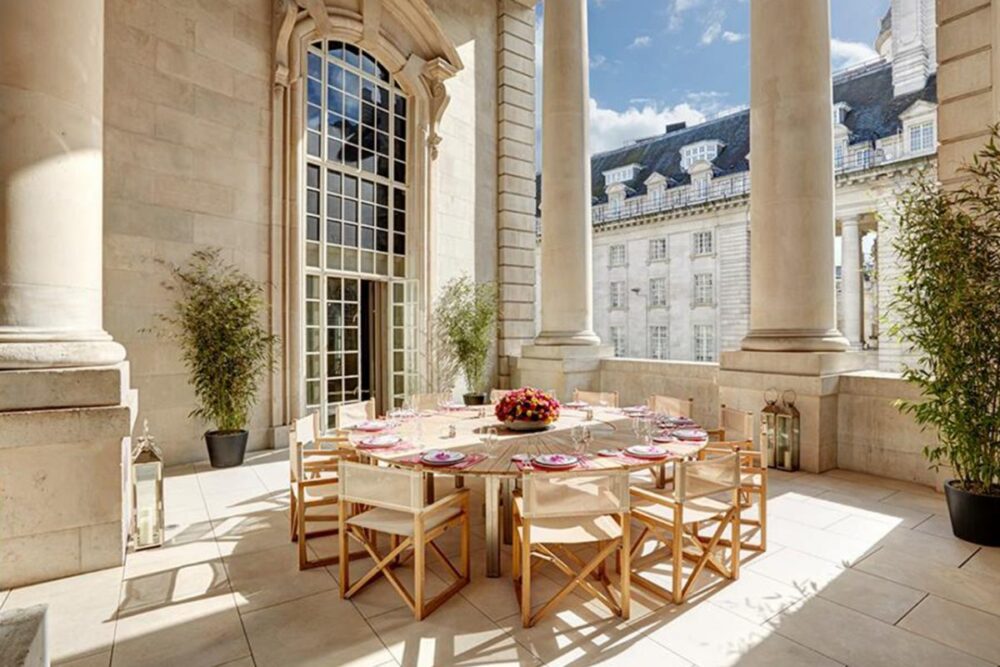
Do all garden furniture pieces have to be the same color? Absolutely not! Mixing different shades can add lightness and character to your garden, especially if you’re aiming for a more informal, eclectic style. On the other hand, in more classic gardens, it’s worth choosing a uniform color palette to create harmony and elegance. The color of your garden furniture should not only match the surroundings but also complement the overall garden style. In rustic or country gardens, natural wooden tones work beautifully, while in modern spaces, simple, monochromatic colors like grey, anthracite, or white are ideal. The key is to choose what will make your garden a cohesive, relaxing space at any time of day.
Not just chairs and corner sofas – baskets, swings, and hammock stands
In the garden, relaxation takes on a whole new meaning when the right furniture invites you to spend time outdoors. Garden baskets, swings, or hammock stands are a great alternative to classic chairs and tables. They create a space where you can truly unwind. Imagine moments spent with a book in a comfortable garden basket, the soothing rustle of leaves in the background, and the warm sun on your face. Or perhaps an evening rest on a swing, gently swaying in the breeze, as the scent of night-scented stock fills the air and the light of the setting sun creates a magical atmosphere.
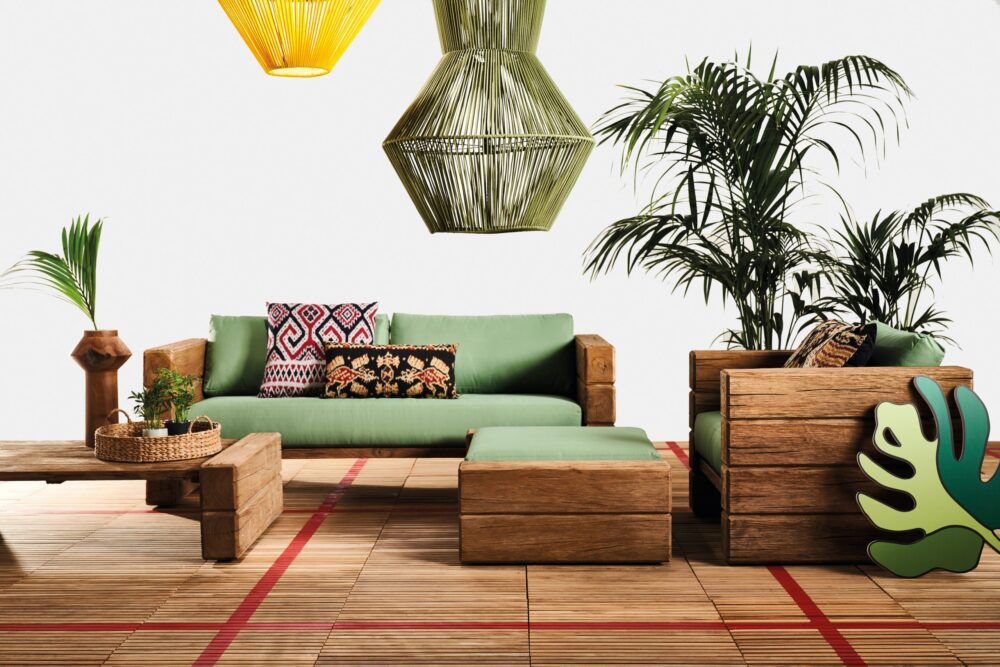
Wonderful plants such as grapevines, climbers along a garden pergola, or fruit trees in pots can enrich the space, adding a touch of natural charm. It’s worth considering plants in ceramic pots, which are easy to move and care for, allowing you to enjoy new flowers and fruits each season. Citrus trees, lilacs, lavender, or magnolias pair beautifully with garden furniture, creating a space full of sensory delights.
Write to us – we’ll put together the perfect garden furniture set for you: biuro@luxuryproducts.pl






Leave a Comment