

What is après ski style?
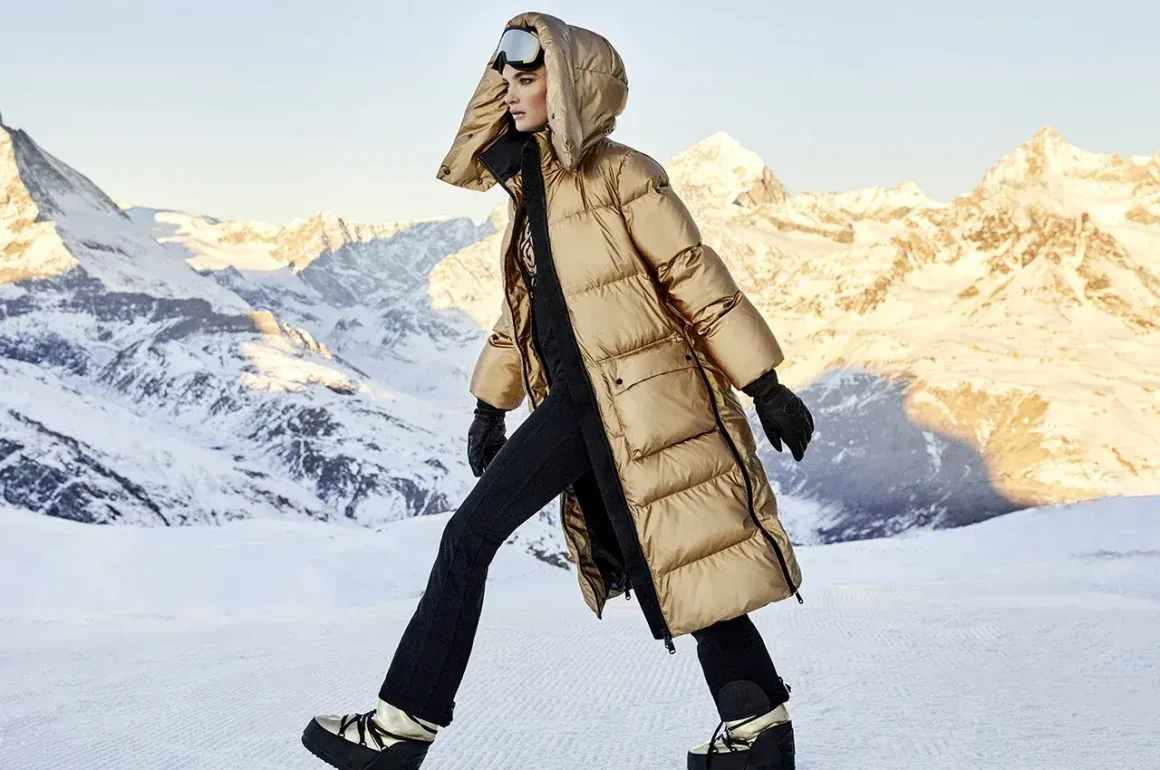
Imagine this moment – you’re taking your last run down the slope, the sun is setting behind the peaks, and you step into a wooden cabin. Steam rises from mugs of bombardino, laughter fills the air by the fireplace. This isn’t a coincidence. It’s a whole culture. Which begs the question: What exactly is après ski style?
Actually, “après-ski” is French for “after skiing.” The term emerged in the 1950s, when skiing stopped being just a sport and became a lifestyle. And it’s not just about having fun.
Today, the global ski market is worth $70 billion, and après-ski accounts for 20-30% of all spending. That means people spend almost as much on what happens after skiing as on the sport itself. Crazy, right?
What is après ski style? – the thrill after hitting the slopes!
Why has all this suddenly exploded? First, the wellness trend—everyone’s looking for ways to recover after activity. Second, sustainable fashion has gotten a new boost, since après-ski outfits are now worn everywhere. Third… Instagram. Let’s face it, those atmospheric mountain shots really do the trick.
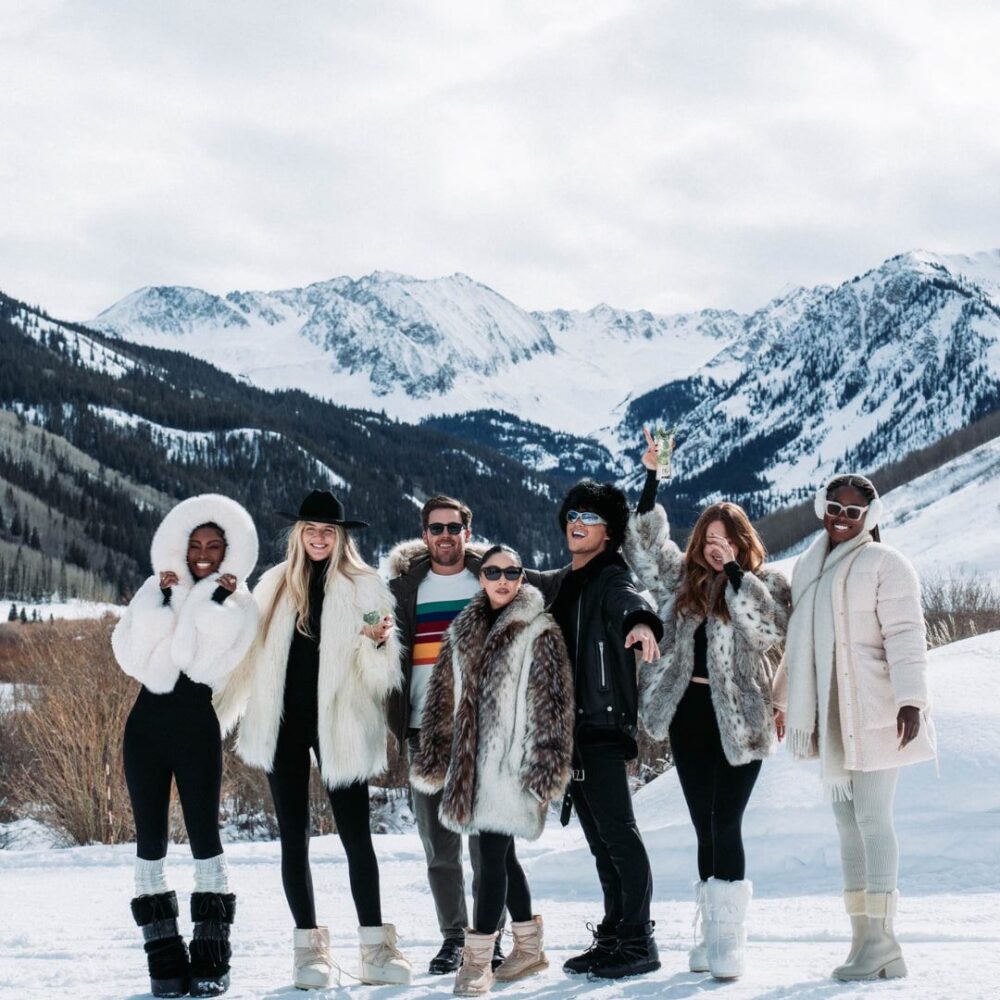
photo: stgermainliqueur.com
It might sound like a passing fad, but après-ski has been around for years. And it’s definitely not getting old.
In the next sections, you’ll find out:
– How après-ski culture evolved from Alpine huts to luxury resorts
– Which fashion trends define this style and why suddenly everyone wants to look like they’re on the slopes
– What the future holds for après-ski and whether it will survive for generations to come
To really understand it all, it’s worth going back to the beginning. Because this story didn’t start with luxury—it began with the simple need to warm up after a long day in the snow.
From Alpine roots to a global phenomenon: history and evolution
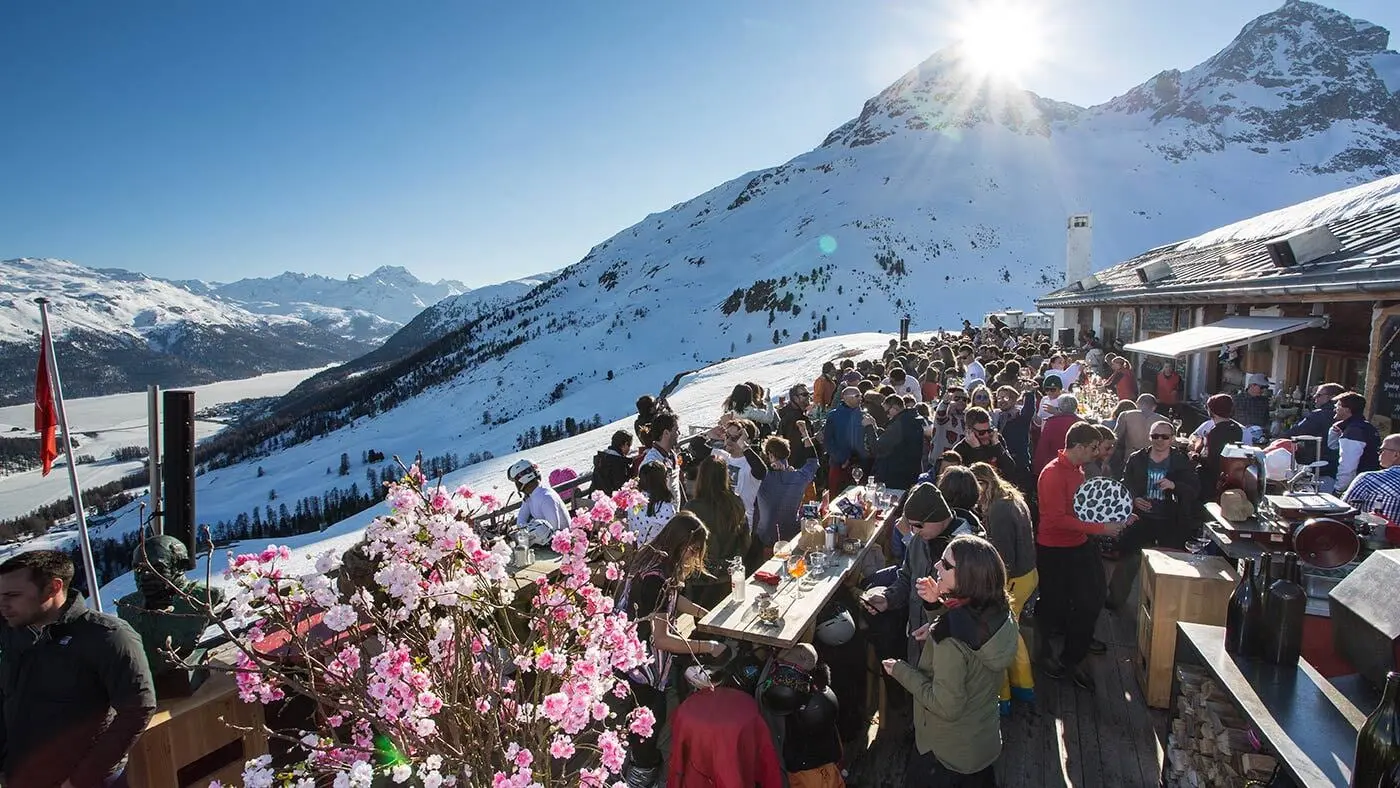
photo: maisonsport.com
Who would have thought it all started with a single bar in a small Alpine village? In 1950, the first true après-ski bar opened in Courchevel. It was actually quite spontaneous— skiers simply needed a place to warm up and have a drink after a day on the slopes.
The 1950s and 60s
At first, après-ski was a pretty modest affair. People gathered in small pubs, drank mulled wine, and shared stories about their skiing adventures. But everything changed in the 60s, when Brigitte Bardot started making regular appearances in Alpine resorts. Suddenly, skiing became fashionable among celebrities and the wealthy. She was the one who really gave the whole ski scene that glamorous vibe.
The 1970s and 80s
This is when things got really interesting. The 70s were the disco era, so après-ski changed too. Instead of quiet chats by the fireplace, there were dance floors and loud music. And in 1980, Ischgl hosted the first real après-ski festival. I remember my aunt telling stories about those times—she said sometimes people spent more time in the bars than on the slopes.
The 90s and 2000s
During this period, après-ski spread beyond the Alps. Resorts in the US, Canada, even Japan started copying the Alpine model. Each place added its own local twist—in Colorado, it was country bars; in Japan, traditional onsen after skiing.
The modern era and the pandemic
The years 2010-2020 were a golden age for après-ski. The parties kept getting bigger and more spectacular. But then COVID-19 hit. From 2020 to 2022, most après-ski bars were closed, and those that remained open had to follow strict social distancing rules. It was a truly strange time for the entire ski industry.
| Year | Key event |
|---|---|
| 1950 | Opening of the first après-ski bar in Courchevel |
| 1965 | Brigitte Bardot popularizes ski culture among celebrities |
| 1975 | The introduction of disco music to Alpine bars |
| 1980 | The first après-ski festival in Ischgl |
| 1995 | Après-ski expansion into North American resorts |
| 2010 | Globalization of the phenomenon – après-ski on every continent |
| 2020-2022 | Pandemic restrictions are transforming traditional forms of gatherings |
| 2024 | Full reopening of resorts and return to normalcy |
The history of après-ski demonstrates how a local tradition can evolve into a global cultural phenomenon. From a modest bar in the French Alps to a worldwide trend that now defines winter holidays for millions of people across the globe.
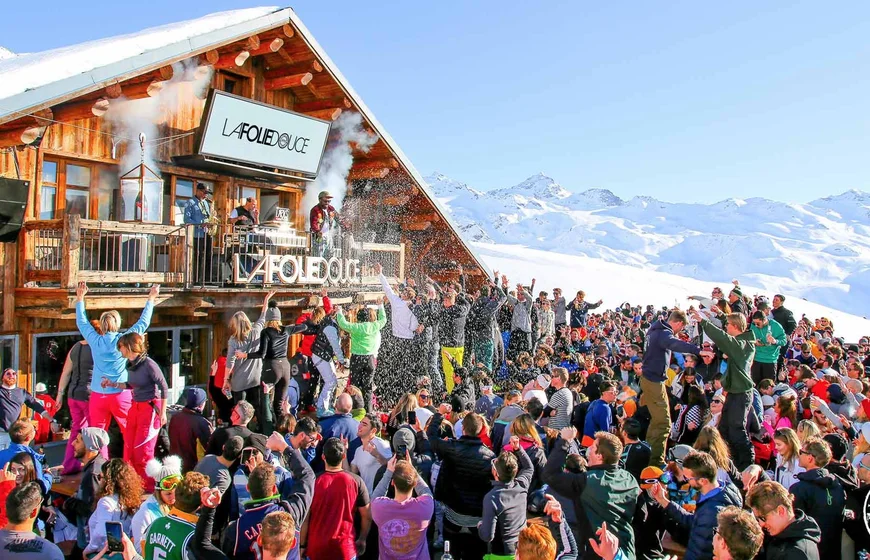
photo: vip-chalets.com
Fashion, parties, and savoir-vivre: the modern face of après-ski style
Snow crunches underfoot as warm light spills from the lodge windows. Laughter and the clinking of glasses fill the air—this is the moment when a day on the slopes becomes something more. Modern après-ski is no longer just about unwinding after skiing. It’s a whole ritual with its own set of rules.
Fashion
A good après-ski look starts with the basics. Thermal underwear is essential—without it, even the most expensive sweater won’t do its job. On top of that, add a cashmere sweater or at least one made from quality wool. Moncler is the obvious leader, but 4F also offers decent options at reasonable prices.
Puffer jacket —this is non-negotiable. It has to keep you warm, but also look good at the bar. For your feet, moon boots or something similar. They might look odd, but they’re incredibly practical.
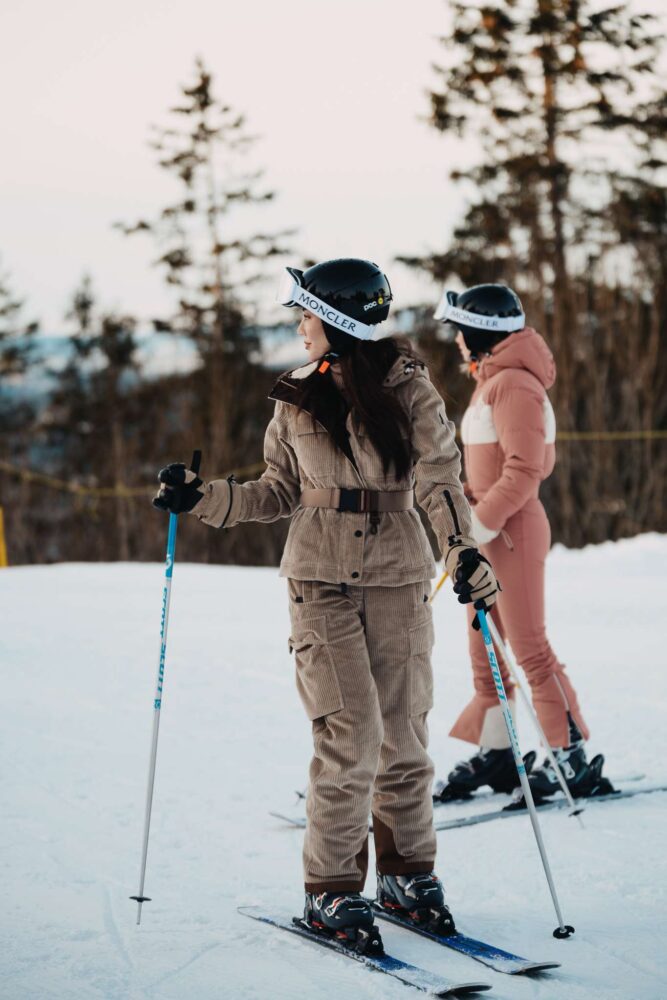
photo: theglamandglitter.com
| Must-have | Price | Luxury upgrade | Price |
|---|---|---|---|
| Wool sweater (4F) | 180 PLN | Cashmere sweater (Moncler) | 1,800 PLN |
| Down jacket (Reserved) | 299 PLN | Premium jacket (Canada Goose) | 3,500 PLN |
| Winter boots (Decathlon) | 149 PLN | Moon boots (original) | 890 PLN |
| Wool beanie | 45 PLN | Mink fur hat | 450 PLN |
The truth is, functionality matters most in the mountains. But if you have to choose, you might as well look good doing it.
Culture
Mulled wine is a classic you simply can’t skip. But beware—not all of it is good. The best has just the right amount of spices and isn’t overly sweet.
Bombardino —this is the Italian take on hot chocolate with brandy and whipped cream. Sounds sweet? That’s because it is. But after a whole day on the slopes, it tastes like pure bliss.
Fondue with live music —here, etiquette matters. Don’t just stab your fork into the pot like a barbarian. Do it with style, slowly, while enjoying conversation. The music should be a backdrop, not the main event.
These three things create the après-ski atmosphere. The rest is just extra.
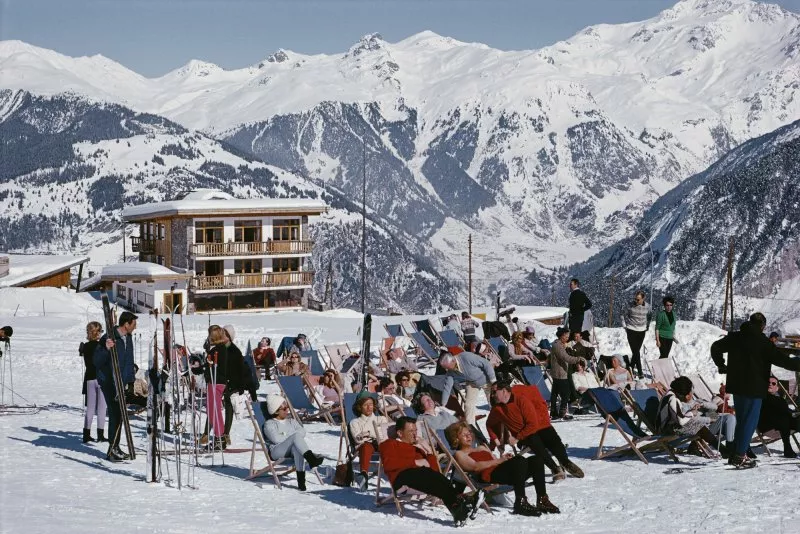
photo: vogue.pl
Savoir-vivre
A few basic rules to avoid looking like a tourist:
– Ski boots come off BEFORE entering the venue. Always. No one wants to hear that clattering
– Keep your voice down—remember, others want to relax too
– Don’t push your way to the bar. Order matters
– Hang wet clothes in designated areas, not on chairs
– Music is paid for with tips. That’s an unwritten rule
Après-ski is a culture with its own set of rules. You can embrace it anywhere—as long as you understand it’s about more than just clothes or drinks.
On top of style: what’s next for après ski?
Après-ski is no longer just a trend on the slopes. It’s become a serious business that connects cultures and is increasingly accessible to everyday people. Three things matter most here: the economic power of this trend, the blending of styles from different countries, and the fact that you no longer have to spend a fortune to look stylish after skiing.
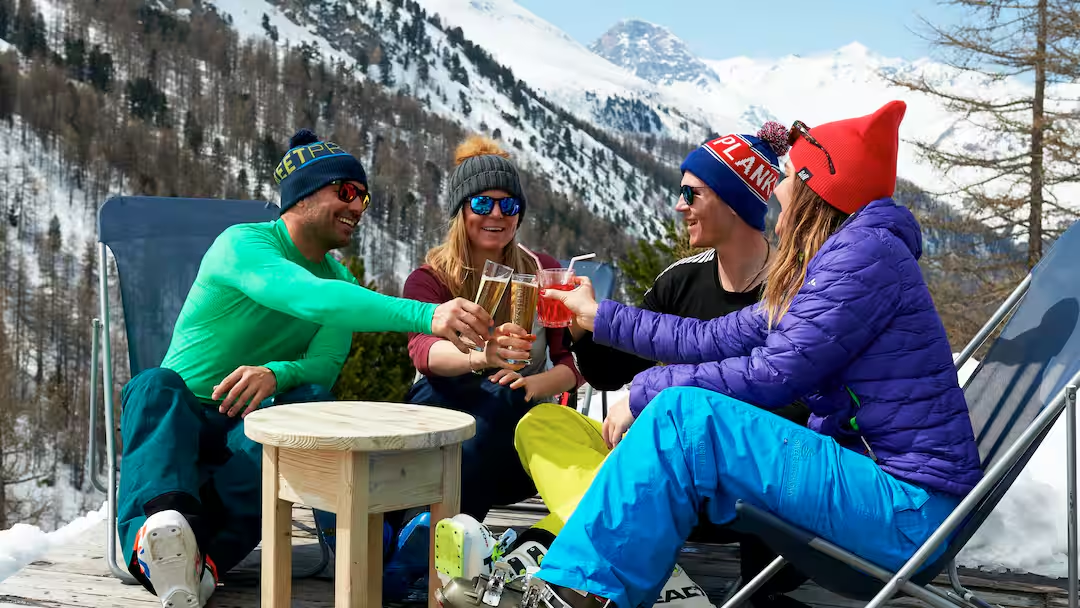
photo: crystalski.co.uk
The most interesting takeaways? First, après-ski generates billions of euros annually and shows no signs of slowing down. Second, we’re seeing Scandinavian minimalism blend with Alpine chic and Japanese functionality. Third, brands have finally realized that not everyone has the budget for a three-thousand-zloty jacket.
What’s next?
The coming years will belong to sustainable winter fashion. Forecasts predict an annual growth of 8.4% through 2030 —quite a lot for the apparel industry. People simply want to look good without harming the planet.
“We are witnessing a revolution in the way we think about winter elegance. The younger generation is looking for authenticity, not just brand prestige,” says Anna Kowalska, a fashion industry expert.
Something completely new is also emerging — virtual “e-ski lounges.” It might sound strange, but imagine experiencing the vibe of an Alpine lodge while sitting in Warsaw. VR technology is advancing rapidly, and such places are already being tested in Switzerland.
By 2030, après-ski will likely look completely different. More recycled materials, smart fabrics that react to temperature, and maybe even rental clothing instead of buying.
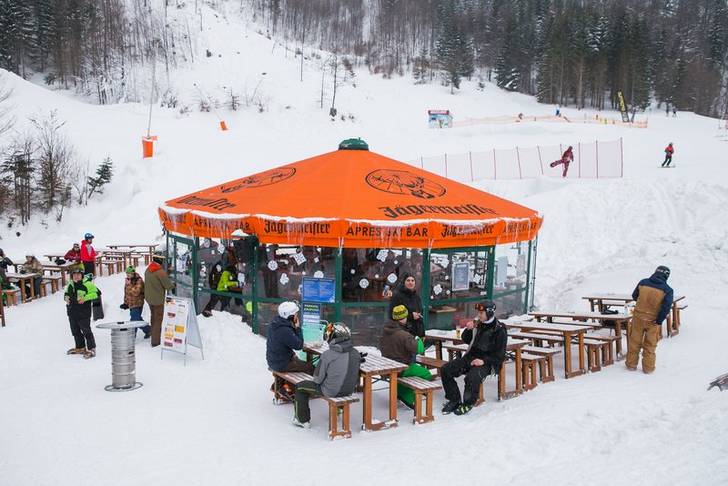
photo: jasna.sk
What can you do right now?
✅ Check if your winter clothes can be repaired instead of thrown away
✅ Look for local brands that produce ethically
✅ Try second-hand shops for ski equipment
✅ Share your photos with a hashtag promoting responsible fashion
✅ Choose places that care about the environment
Après-ski is no longer just for wealthy skiers from Gstaad — it’s a lifestyle anyone can make their own.
Nadin
sports & lifestyle editor
Luxury Blog





Leave a Comment