

What food is Milan famous for – a guide to cucina milanese
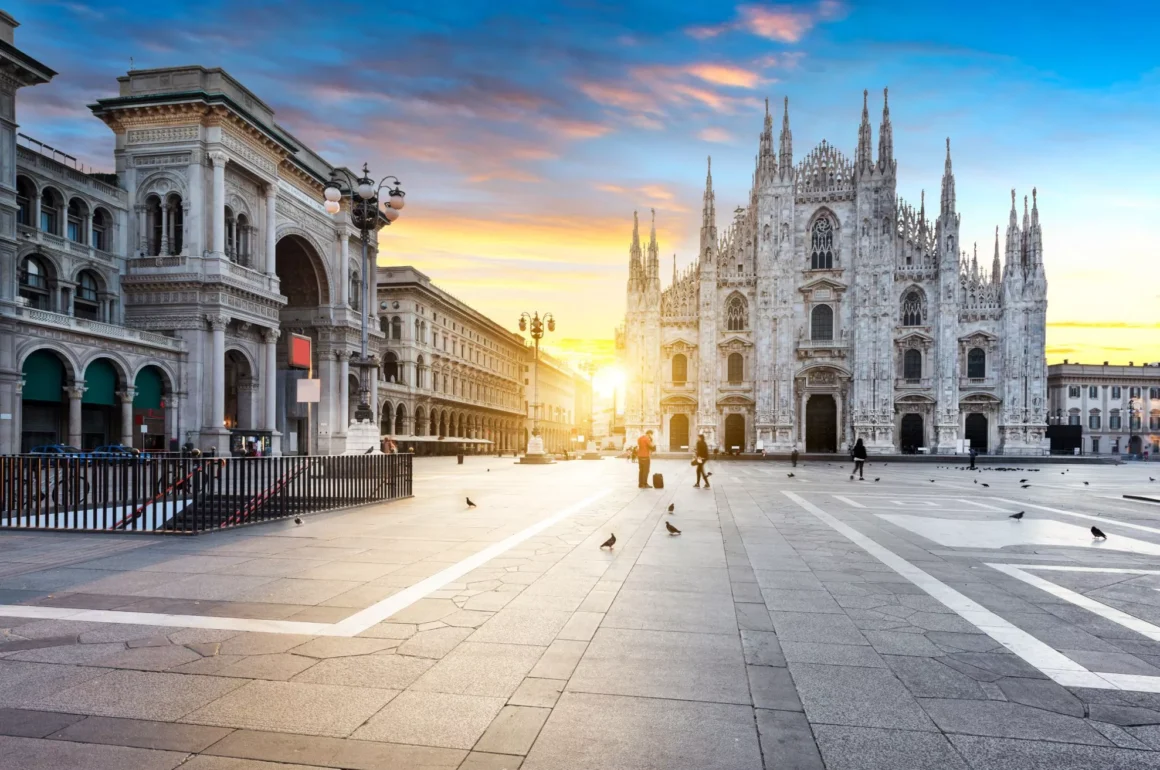
Agreed, Milan means fashion. And business. But someone forgot to mention that, above all, it’s the capital of a region where food has set the pace of life for centuries. Every week I check the tourism stats and you know what? Over 40% of visitors to this region list “cucina” as their main reason for coming. That’s no coincidence.
You look at photos of the Duomo and see crowds. But take a look at the Navigli district in the evening—every spot is packed, people are standing with a glass of Spritz, little bowls of olives and tartlets in front of them. That’s aperitivo, a ritual as Milanese as risotto itself. Speaking of risotto. After years of traveling around Italy, I’ve learned one thing: the south is all about olive oil, pasta, and tomatoes. The north? Butter, rice, and saffron. Milanese cuisine is somehow… heavier. More yellow, if you know what I mean. That’s the influence of history, Lombardy’s dairy industry, and its location between the Alps and the Po Valley.
What food is Milan famous for, and what makes its cuisine so appealing?
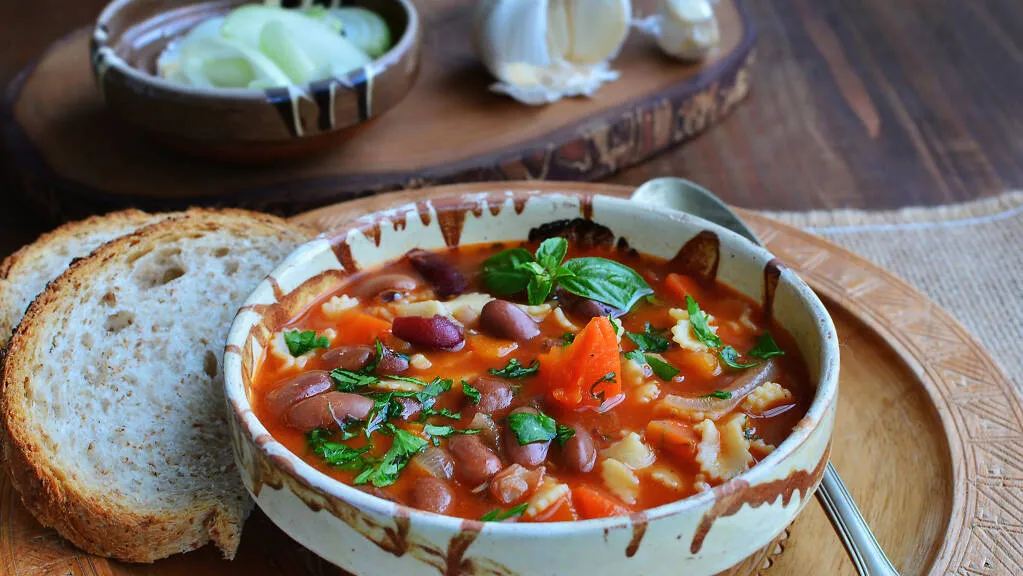
photo: timeout.com
You also can’t ignore the scale. In 2023 alone, the city welcomed around 10 million tourists. Instagram is packed with #milanesecuisine hashtags, and TikTok food tours rack up hundreds of thousands of views. The younger generation is discovering Italian regions not through Lonely Planet guides, but through local dishes. Suddenly, it turns out Milan truly has a lot to offer.
So, what exactly can you expect? In the following sections, I’ll show you:
• which iconic dishes you absolutely have to try—and why they’re nothing like what you’ll find in a typical Italian restaurant in Poland
• where it’s really worth eating, so you don’t overpay or fall into a tourist trap
• how to plan your own culinary tour of Milan, even if you only have a weekend
Sometimes I think the city’s image as a sterile financial metropolis is simply the result of bad PR. The truth is simple—Milan is as passionate about food as it is about fashion. And it’s worth seeing for yourself, preferably with a fork in hand.
A taste of Milan in a nutshell – signature dishes and key ingredients
Milanese cuisine isn’t about tomato sauce or plates of spaghetti like most of us associate with Italy. There’s none of that southern lightness here. Milan is in the north—different climate, different ingredients. So what dominates? Butter, saffron, slow-braised meats, rice instead of pasta. I was talking recently with an Italian friend from Sicily, and she admitted that when she comes to Milan, she feels like she’s in a different culinary country. Locally, it’s called “cucina gialla”—the yellow kitchen—named for the color of saffron and butter, which are the foundation here. The food is rich and hearty, because people in the Po Valley used to work hard in the rice fields and needed energy to last the day.
Why this character? The Po Valley is humid, cold in winter, and perfect for growing rice. Cattle farming has always been important here—hence veal and beef in almost every traditional dish. Cows were needed for milk to make butter and cheese, so forget about olive oil as the main fat here.
Savory dishes that define Milan
Alright, let’s get specific—what do you need to know about the most important dishes?
Risotto alla milanese is an absolute icon. The basics: Carnaroli or Vialone Nano rice, beef broth, saffron, butter, Grana Padano cheese. The texture should be creamy, the grains gently spreading on the plate—they call it “all’onda” in Italian, meaning wavy. It’s usually served as a starter, sometimes as a side to ossobuco. Calories? Easily 600–700 per serving, because they don’t skimp on the butter.
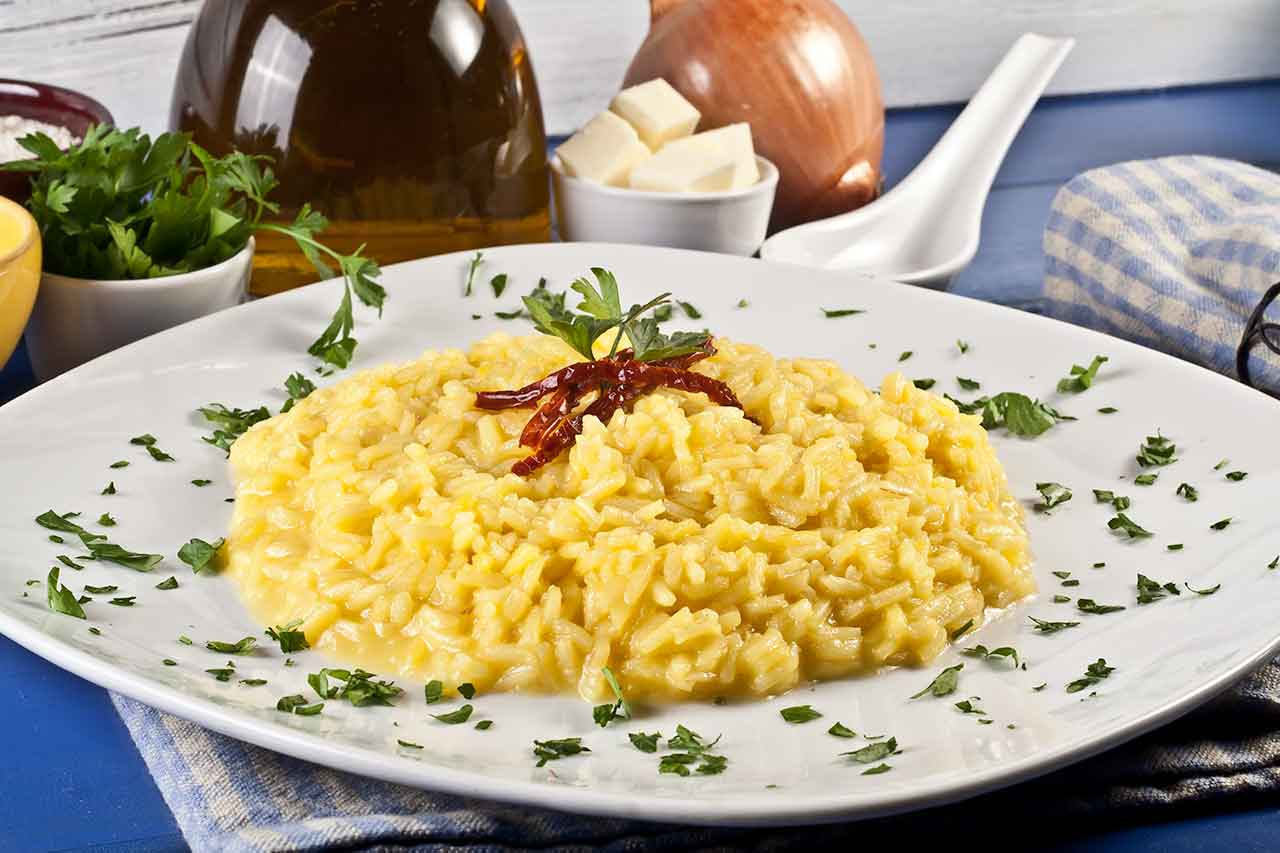
photo: mediolan.pl
Cotoletta alla milanese looks like an ordinary schnitzel, but it’s anything but ordinary. It’s a thick, bone-in veal cutlet, breaded and fried in clarified butter. The key is the thickness—a proper one should be juicy and thick inside, golden on the outside. Served as a main course, usually without elaborate sides. It’s rich, so the calories go up—about 700–850 kcal.
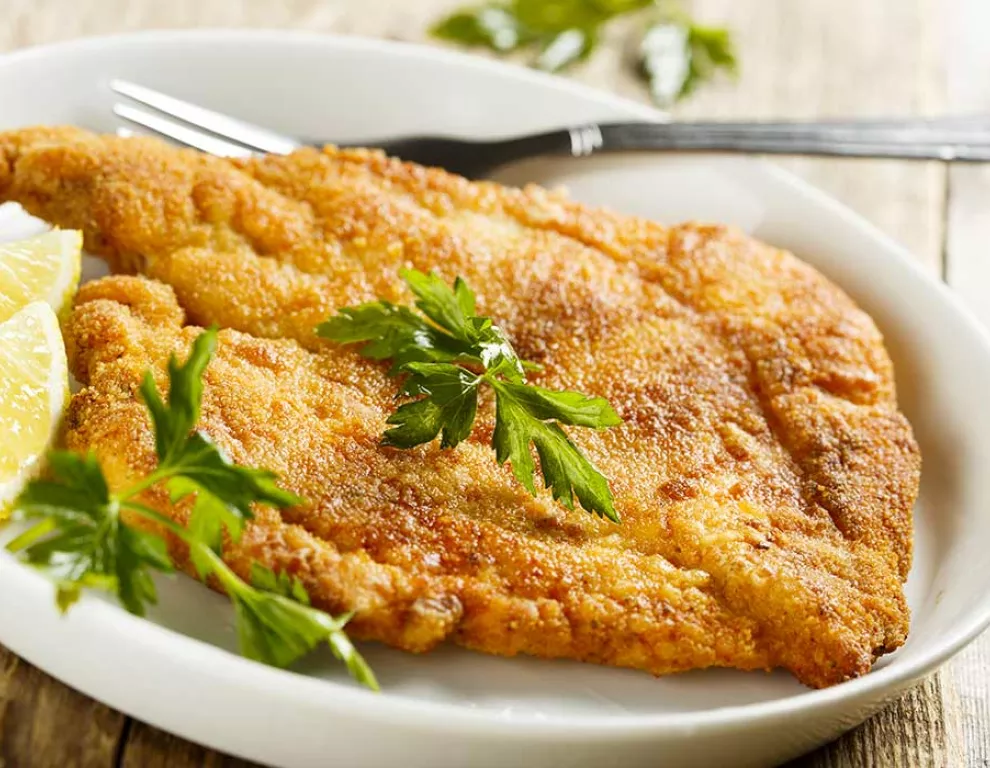
photo: sanpellegrino.com
Ossobuco —braised veal shank cut across the bone, with white wine, vegetables, and tomatoes. The bone has a signature hole full of marrow—that’s the best part, some eat the marrow with a spoon at the end. It’s braised for at least 2–3 hours, until the meat almost falls off the bone. The texture is tender, almost melting, with a deep flavor. Often served with risotto alla milanese as a classic pairing.
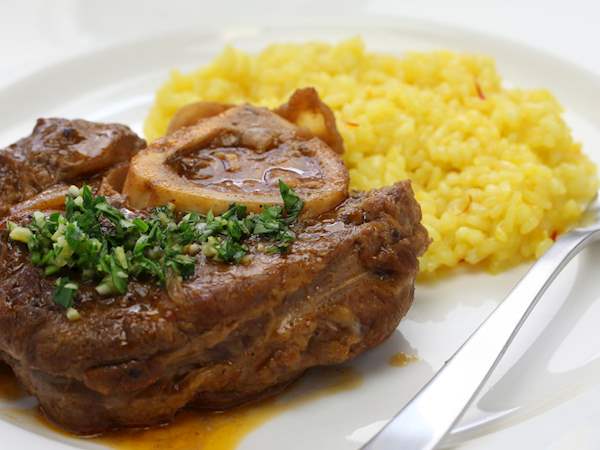
photo: tasteatlas.com
Cassoeula is something you won’t find on the menu every day. A rustic winter dish made with pork and savoy cabbage. It’s made from less noble parts of the pig—ears, skin, ribs—all slow-cooked together with cabbage. It’s thick, fatty, and has a strong aroma. This is food for true tradition lovers.
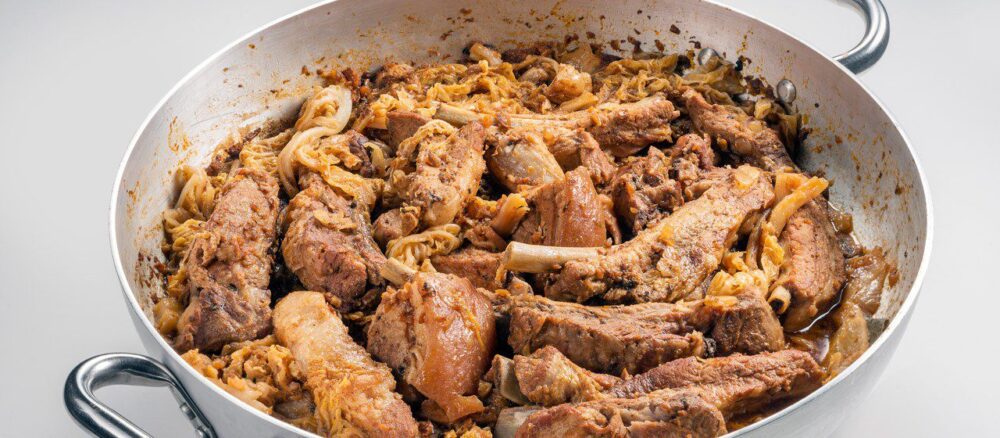
photo: yesmilano.it
Busecca is a tripe soup with beans, vegetables, and tomatoes. Very labor-intensive, as the tripe needs long cooking. It used to be a dish for common folk, today you’ll find it in traditional trattorias as a symbol of authenticity.
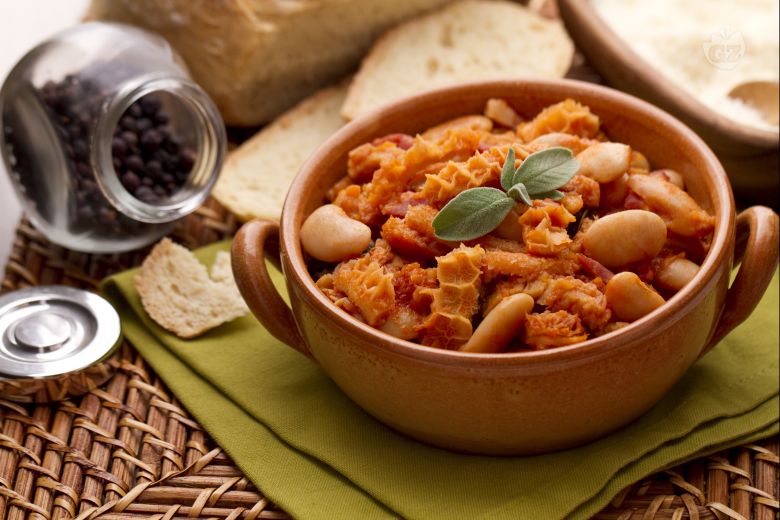
photo: ricette.giallozafferano.it
Mondeghili —meatballs made from ground meat (usually leftovers from boiled meat), egg, cheese, and bread soaked in milk. Breaded and fried. Home-style cooking, like the Italian version of our meat patties. Kids in Milan have eaten them for lunch for generations.
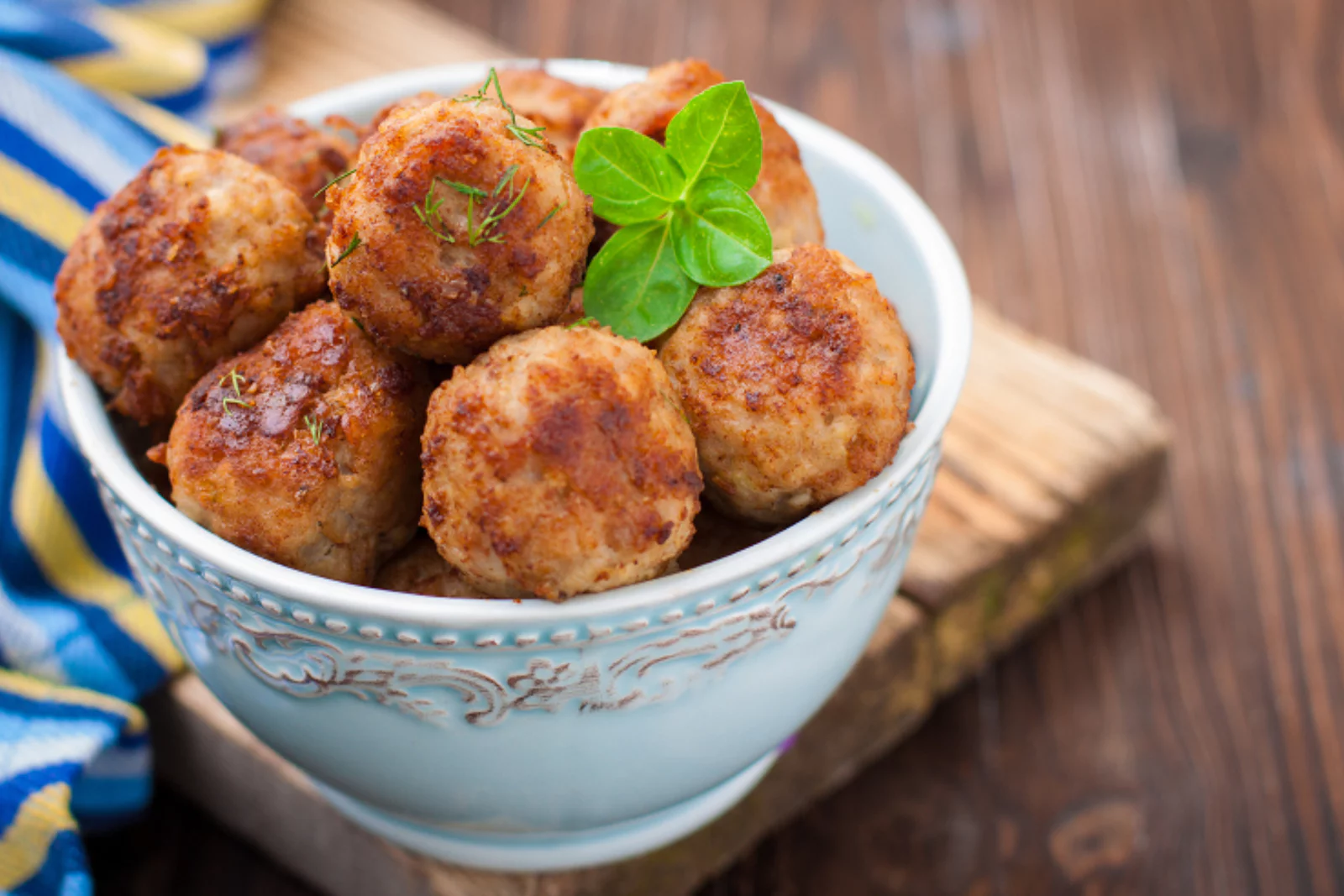
photo: seemilan.com
Your culinary strategy for Milan – practical takeaways
When you try to take on Milan from a culinary perspective, you quickly realize it’s so much more than just risotto and cutlets. There’s a whole mosaic here—from rich, buttery dishes to the humble yet clever solutions of cucina povera, from aperitivo that can easily replace dinner to desserts scented with saffron. And all of this unfolds in a city where image matters and time is money, so lunch in the middle of the day can be as quick as a fast food stop, but come evening, those same people linger for hours at a quiet table.
How you tackle this city with your appetite depends a bit on who you are:
- A classic weekend – the bare essentials. Start with risotto alla milanese at a decent trattoria (not just any hole-in-the-wall near the Duomo), then drop by for an aperitivo somewhere in the Navigli district, treat yourself to a cotoletta alla milanese on the third day, and finish it all off with panettone from a real pasticceria. That’s your foundation.
- On a budget, but never cheap. Opt for lunch at local bars—you’ll get a full meal for 10-15 euros. Treat aperitivo as dinner (a drink plus buffet saves money), drop by a municipal market (like Mercato Comunale), grab some gorgonzola and focaccia. Daily cost? Easily 25-30 euros per person, maybe even less.
- For advanced foodies. You book several tables at starred places about a month in advance, but in between, you slip in classic trattorias or enotecas with secret menus. And you’re on the lookout for vegan reinterpretations of dishes—because that’s what’s cool and not so obvious right now.
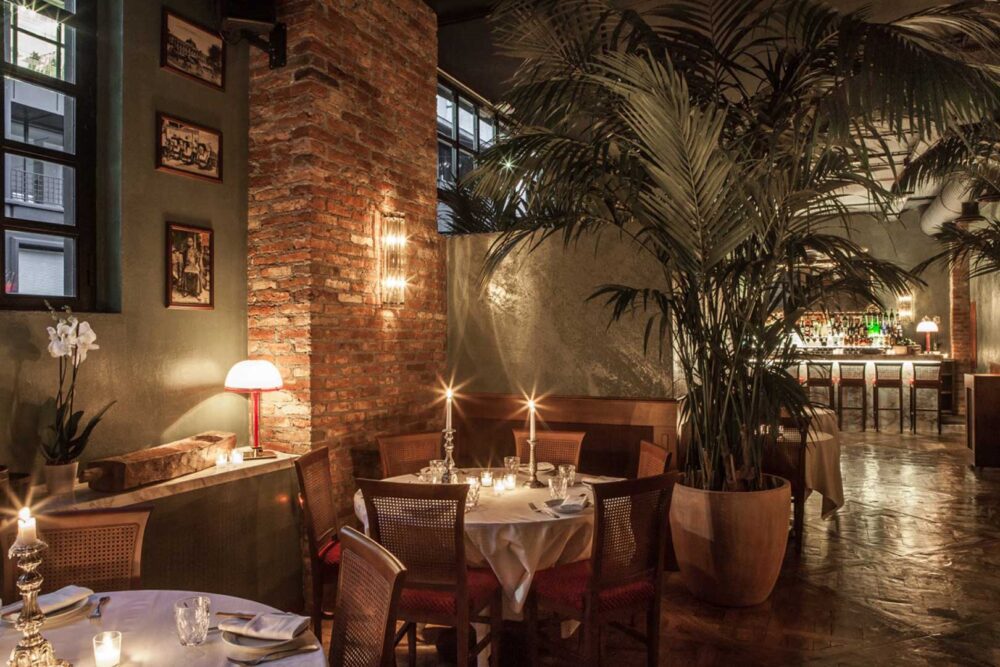
photo: flawless.life
General rules that always work:
– Food budget should be about 30-40% of your total trip budget, if you’re serious about it.
– Check if the menu features seasonal dishes
– it’s a sign the kitchen is dynamic.
– Avoid places with signs in five languages at the entrance.
– Always make a reservation, even at “regular” spots
– Italians appreciate that.
– If you’re vegetarian, ask about modifications
– it’s really not an issue anymore.
The future? Milan is already moving towards vegan interpretations of the classics —I once saw risotto made with coconut milk instead of butter; it sounded odd, but it worked. There’s also a growing focus on local ingredients, since saffron and grana padano cheese are getting much more expensive and people are starting to value authenticity. After Expo 2015, the city became a destination for foodies from all over the world, so the market is getting more professional, creative fusions are popping up—Asian-Italian combinations, new ways of serving classic dishes.
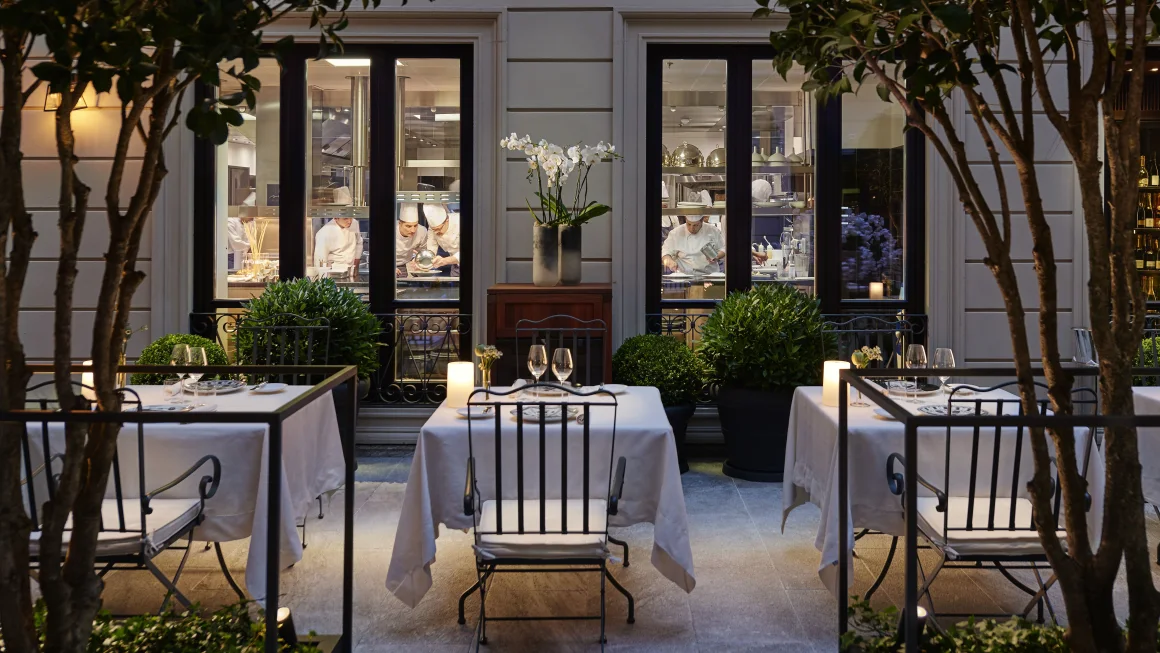
photo: edition.cnn.com
Treat food not as a side note to sightseeing, but as an equally important goal. Design your own plan—even if it’s just one meal “for the local cuisine,” not for convenience or hotel location. Even if it’s just lunch at a workers’ bar—it’s better than a random pizza by the Duomo.
Martha
lifestyle & business editor
Luxury Blog






Leave a Comment