

What does a tennis player need?
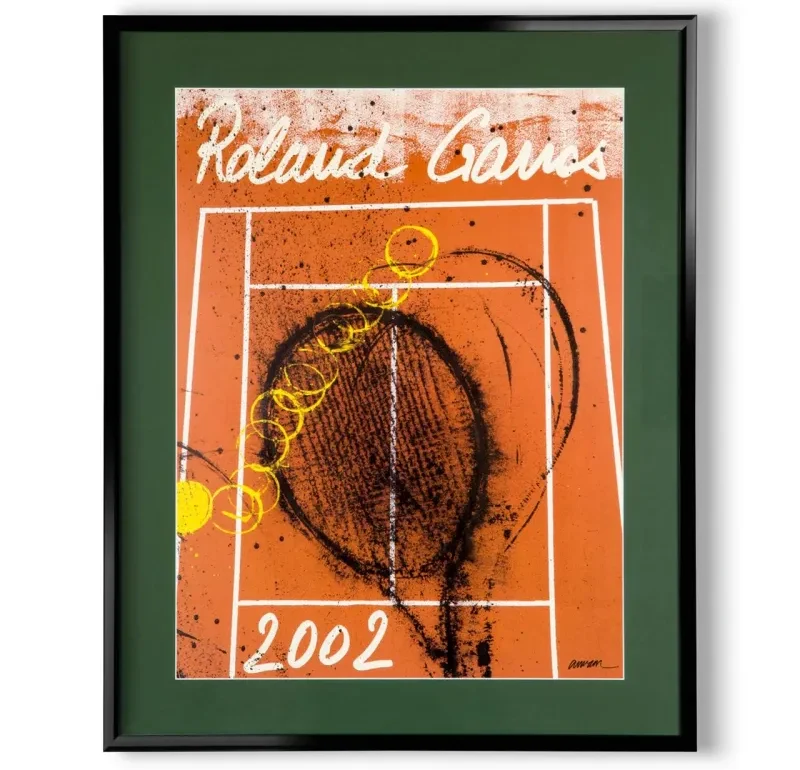
Passion, character, fitness? Or maybe talent and determination? Or perhaps simply a court, a racket, and a ball? A coach or a playing partner? Inspiration? Whether you play sports professionally or just for fun, tennis is a way of life for many. What does a tennis player need to pursue their passion? What can you give them to truly make them happy? What surrounds a tennis fan in their everyday life?
What does a tennis player need?
I remember how narrow the margin for error is on a tennis court, how little space separates greatness from mediocrity, fame from anonymity, happiness from despair.
Andre Agassi
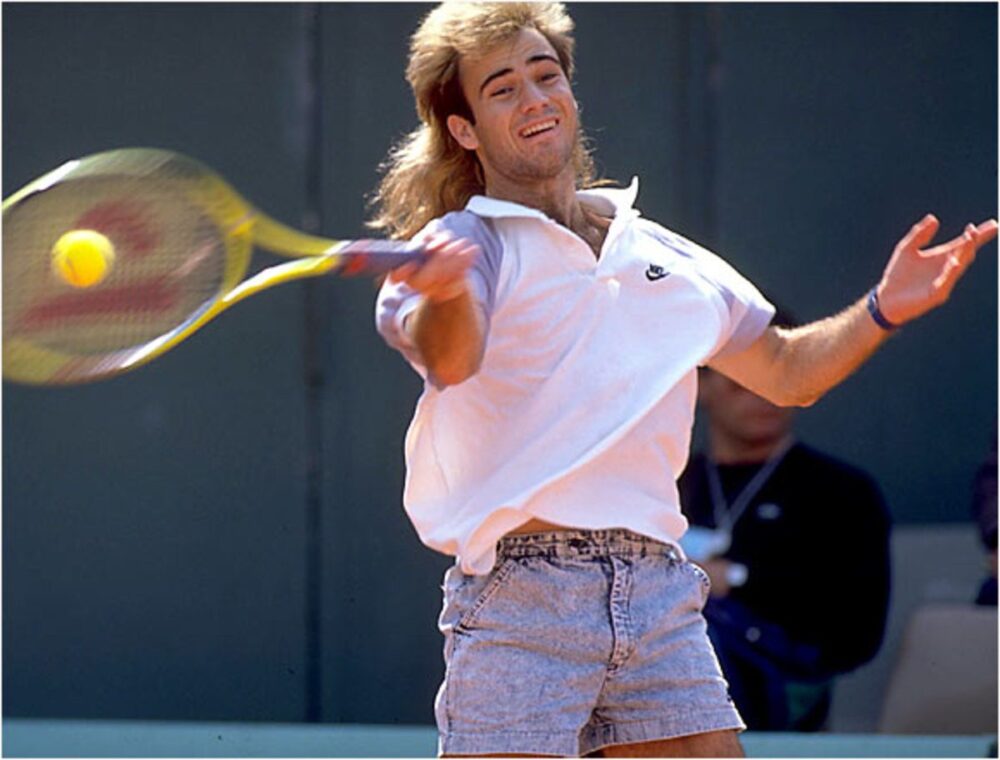
This quote perfectly illustrates why tennis has always stirred such strong emotions and remains a passion that fuels life. Tennis is the heartbeat not only for athletes, but also for fans and their families.
Regular tennis practice makes this sport an important part of everyday life. That’s why tennis apparel appears in your wardrobe, a stylish racket bag sits in the hallway, and there’s a dedicated spot for tennis gear and shoes. Training sessions and must-watch matches are marked in the calendar. Wimbledon tickets are booked far in advance. Themed gifts.
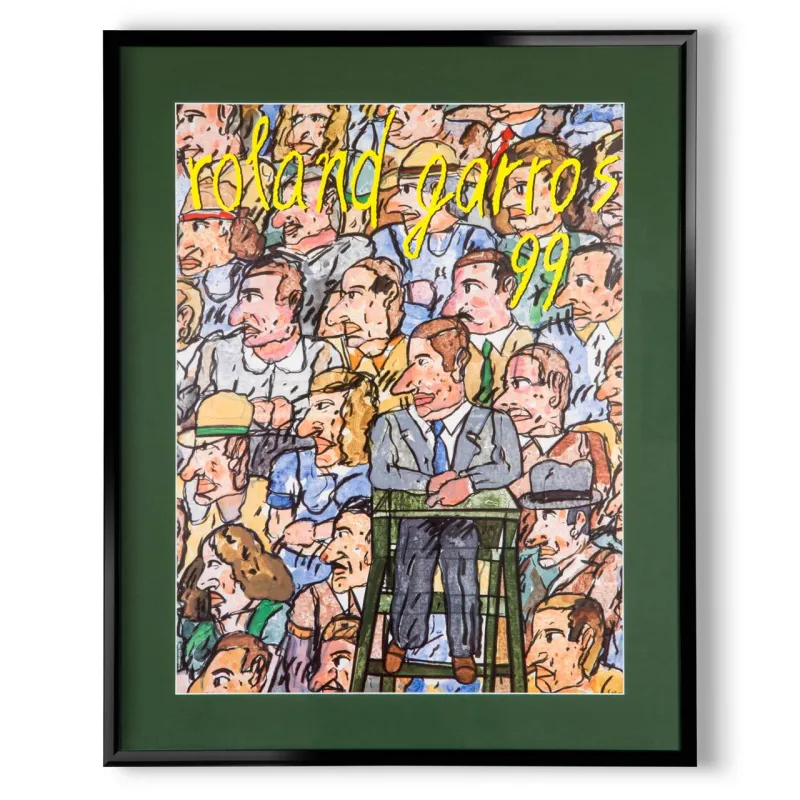
Additionally, sports fans are often surrounded by albums, accessories, and decorations related to their favorite game and the stars of the court. If you have a tennis enthusiast at home, it’s worth considering what to choose as a gift for a tennis player to truly delight them. Among the beautiful accessories, you can find both a practical racket bag and a stylish painting or sculpture.
However, when we consider what a tennis player needs, the first thing that comes to mind is equipment. So now, let’s dive into some professional insights.
How to choose the right tennis racket?
Tennis is most commonly associated with the racket, which is the true symbol of the game. The primary parameter to consider is weight. A light racket (250-300g) is easier to maneuver and ideal for beginners and juniors. A medium racket (300-320g) offers a good balance between power and control, making it suitable for intermediate players. A heavy racket (320g and above) provides greater stability and power, which is recommended for advanced players.
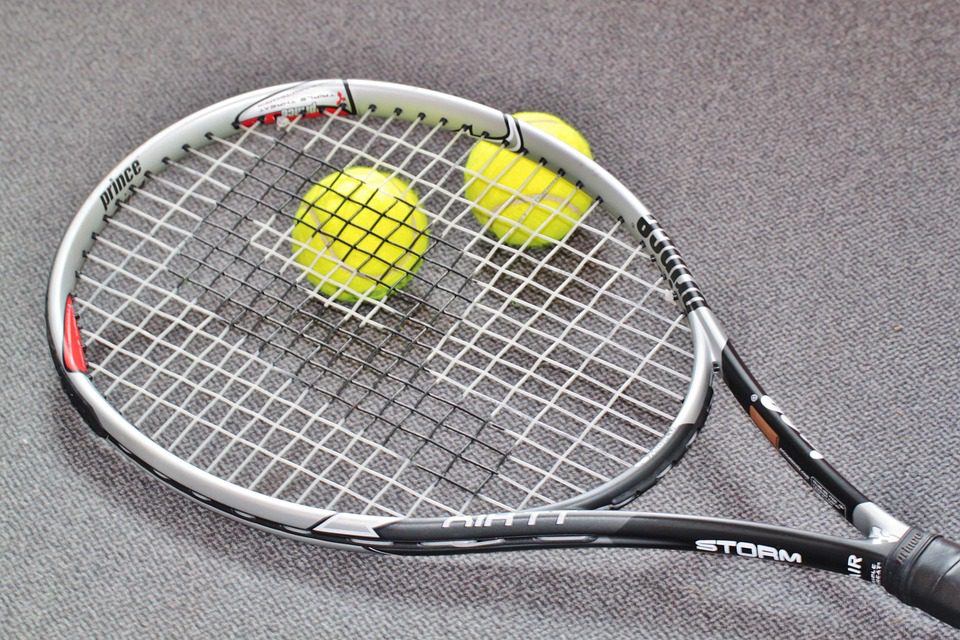
Not only weight matters, but also the balance tailored to your preferred style of play. Rackets with a handle-heavy balance (Head Light) offer better maneuverability, which benefits players who favor quick rallies and net play. Those with a head-heavy balance (Head Heavy) provide more power, ideal for players who rely on strong, long rallies. Even balance rackets are a versatile choice, offering a compromise between power and maneuverability. Another important parameter is the racket head size. The smaller it is, the faster and more effective it becomes—but only in the hands of advanced players.
String tension in a racket – what should you pay attention to?
Natural provides better feel and comfort, but is more expensive and less durable. Synthetic strings are more durable, offer various flexibility options, and are also more affordable. Polyester, on the other hand, offers greater control and durability, making it recommended for advanced players.
Low tension (50-55 lbs) provides more power and comfort, but less control. Medium tension (55-60 lbs) offers a balance between power and control. High tension (60+ lbs) delivers greater control, but less power and comfort.
The perfect tennis ball
On clay courts, soft rubber balls work best, offering greater grip and slower bounce. On grass courts, harder balls are the top choice, providing a faster bounce. For hard courts, medium-hard balls are ideal, known for their durability.
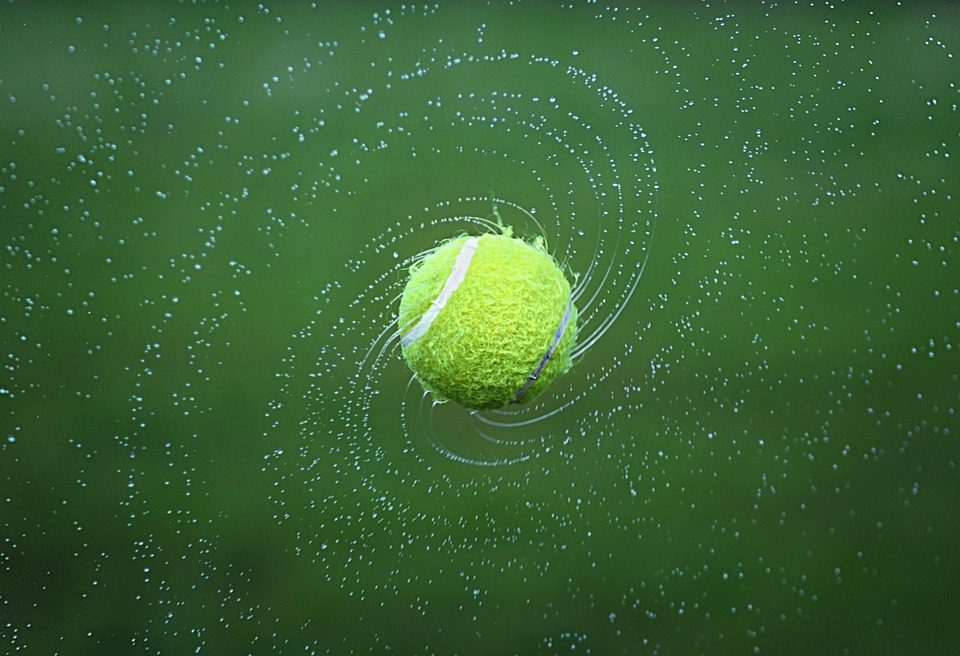
Beginner players are advised to use medium-hard balls, which offer a balance between control and rebound power. More experienced players may look for harder balls that provide better precision and allow for generating greater hitting power.
Stylish and comfortable
Short-sleeved or sleeveless shirts provide freedom of movement in the arms and torso. It’s worth choosing models with ventilation in strategic areas, such as the back and underarms. Tennis shorts should have an elastic waistband and deep pockets for extra balls. For women, tennis skirts—often featuring built-in shorts—offer elegance combined with practicality and comfort.
Comfortable footwear is the key to success on the court
Obviously, tennis shoes must fit your feet perfectly—not too tight and not too loose. A breathable upper material ensures comfort even during long matches.
Once you have all the gear and equipment a tennis player needs, the next step is to find a coach, a playing partner, and a tennis court or club.
History of tennis
Once we know what a tennis player needs to play the sport, it’s worth exploring the history of this prestigious game. Its origins date back many centuries.
The prototype of tennis was the French medieval court game jeu de paume (game of the palm), which became so popular that in 1480 Louis XI ordered the production of suitable balls. In the 16th century, rackets were introduced, and the modern version of tennis was created in England in 1874 thanks to Major W. C. Wingfield, who called the game lawn tennis. The first rackets were wooden, and the balls were made of rubber covered with flannel. In 1877, tennis courts took on their current rectangular shape, and the first tournament was held in London’s Wimbledon. The four most important tournaments—Wimbledon, US Open, French Open, and Australian Open—make up the Grand Slam. Since 1924, the rules of the game have not changed significantly, except for the introduction of the tie-break in the 1970s. In 1968, the Open Era began, abolishing the division between amateur and professional tennis and allowing all players to compete in the same tournaments. The sport returned to the Olympic program in 1988 in Seoul, after being excluded since 1924.
Exclusive or mainstream—what does tennis look like today
Tennis is one of the most popular and prestigious sports in the world. Its roots go back to the 14th century, but the modern form of the game developed in 19th-century England. Today, tennis players enjoy immense popularity, and the most important tournaments attract millions of viewers worldwide. Sometimes all a tennis enthusiast needs—not a professional athlete, but a true fan—is a ticket to an event like a tennis tournament. It can be the most beautiful experience of a lifetime.
The most important tennis tournaments
- Wimbledon
- Location: London, England
- Date: Since 1877
- Surface: Grass
- US Open
- Location: New York, USA
- Date: Since 1881
- Surface: Hard (acrylic)
- French Open (Roland Garros)
- Location: Paris, France
- Date: Since 1891
- Surface: Clay
- Australian Open
- Location: Melbourne, Australia
- Date: Since 1905
- Surface: Hard (acrylic)
These four tournaments make up the so-called Grand Slam, which is every tennis player’s dream. Winning the Grand Slam—that is, claiming victory in all four tournaments within a single season—is an extremely difficult feat, last achieved by Steffi Graf in 1988.
Other important tournaments
- Masters Tournaments
Season-ending tournaments for women and men, which also carry great significance and prestige. - Davis Cup and Fed Cup
Team tennis competitions for men and women, respectively, highly regarded in the world of sports.
Tennis is also accessible to people of all ages and players with different abilities, including wheelchair users, the deaf, and the visually impaired. Thanks to its diversity and global reach, tennis remains one of the most important sports, combining tradition with modernity.
What will make a tennis fan happy?
Sometimes tennis is a way of life, sometimes it’s a sport, and sometimes it’s a passion for following matches and attending tournaments, cheering actively. No matter how your life is connected to this passion, it’s worth knowing what can bring joy to any fan of this sport. And there are plenty of useful items and beautiful decorations to choose from.
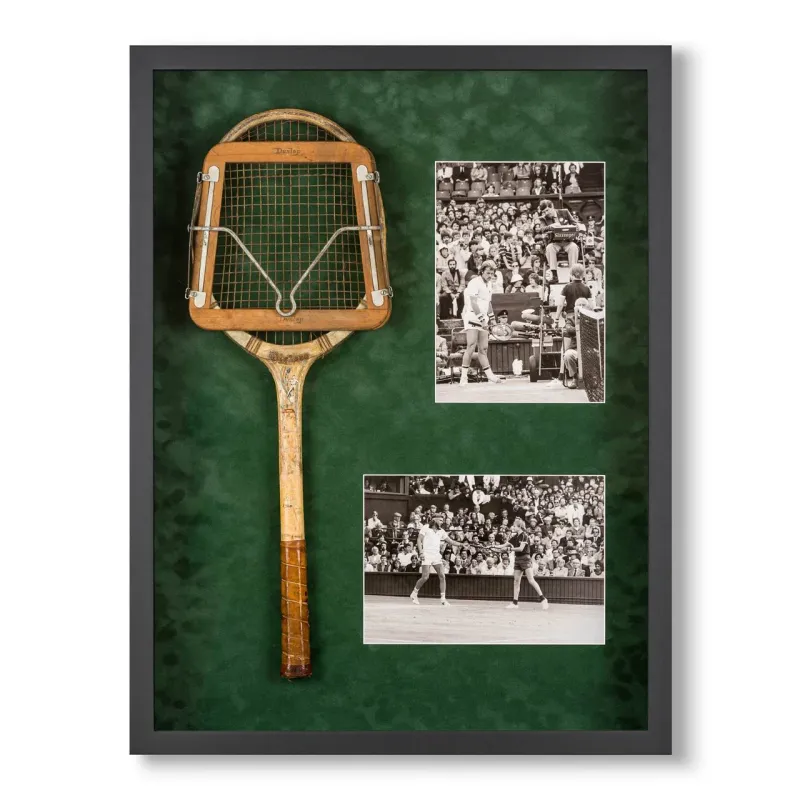
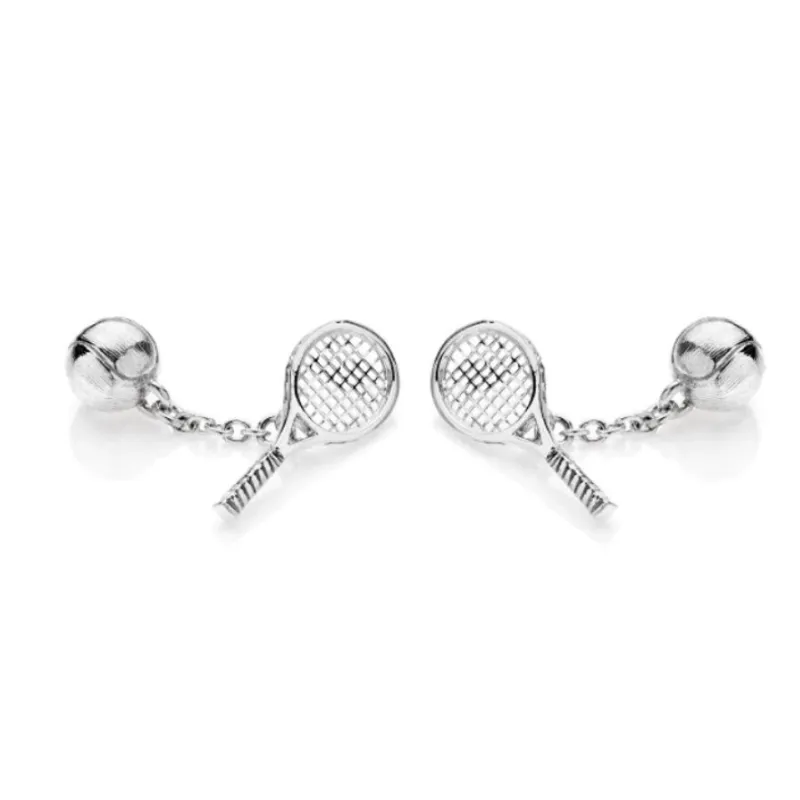
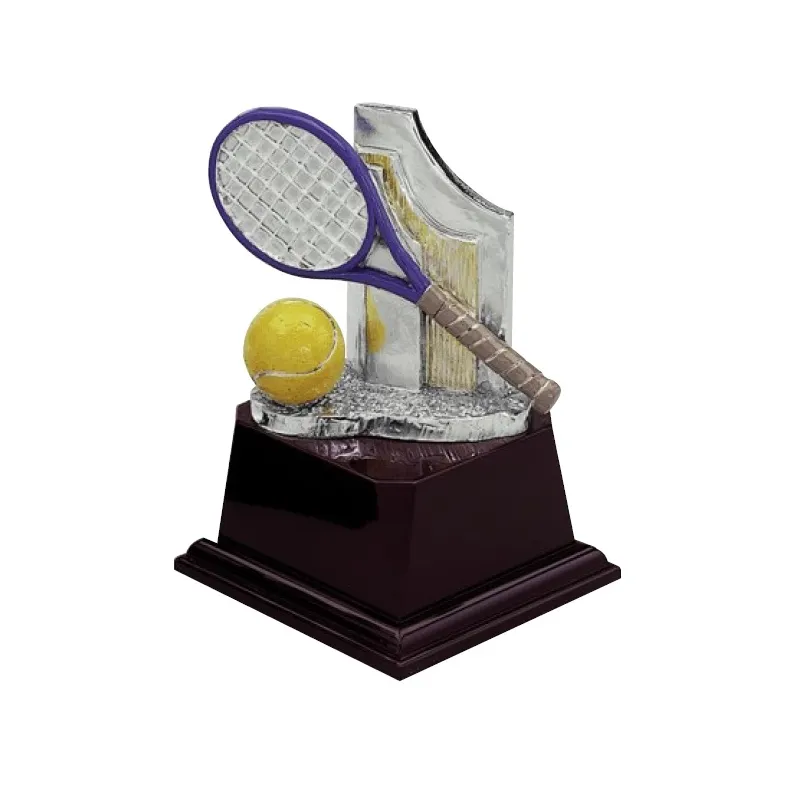
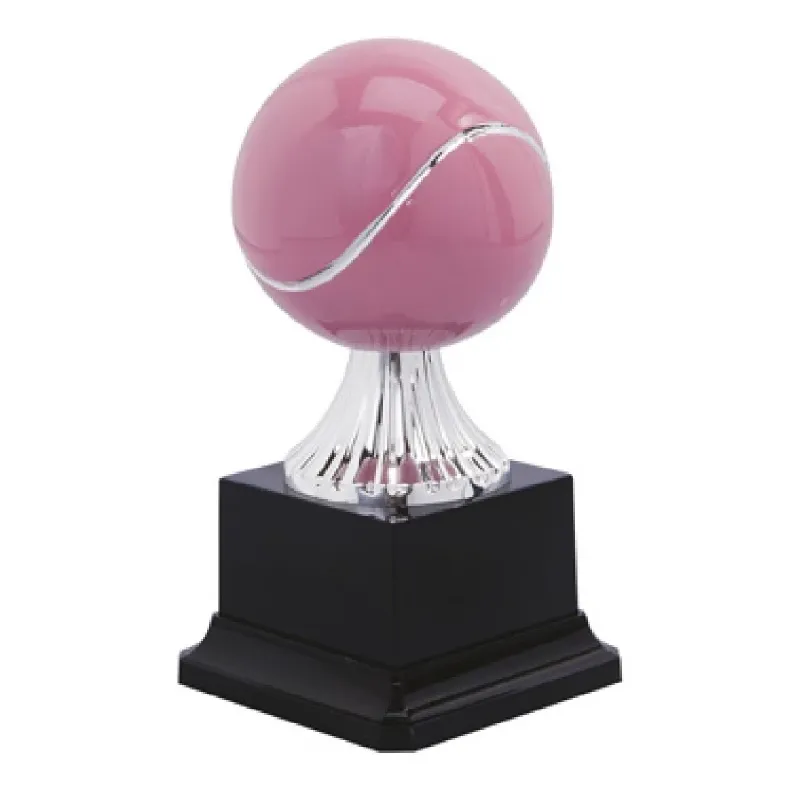
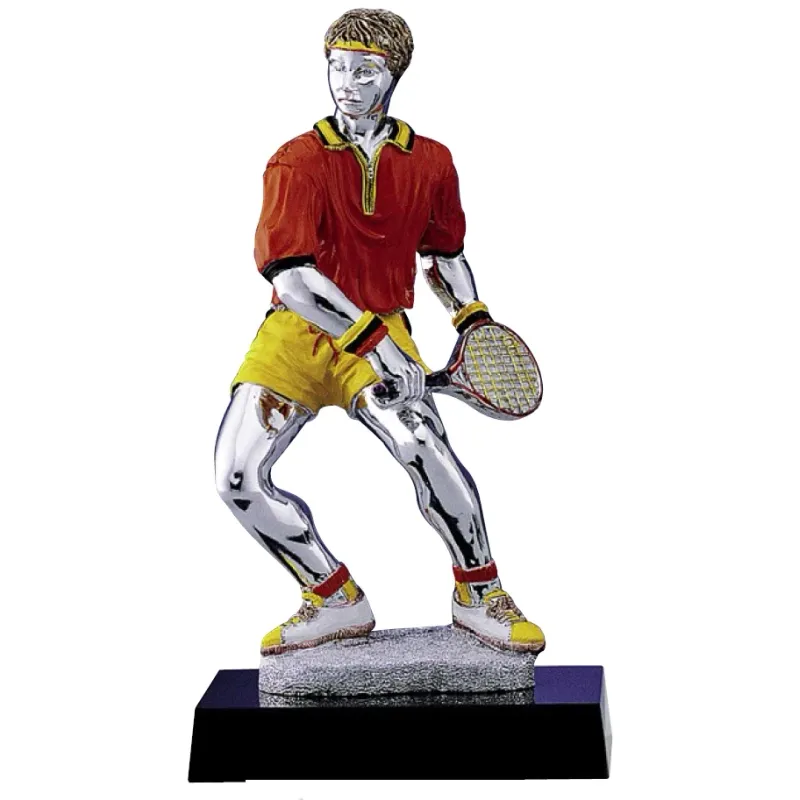
Among the inspirations are racket bags, durable and made from the finest materials. Each day is enhanced by unique decorations, such as posters and paintings referencing major tennis tournaments.
Intricate figurines crafted from the finest materials also look stunning in the office or study of a tennis enthusiast.
Athlete or fan – tennis is a lifelong passion
A tennis player needs the right equipment to support their individual playing style, from the proper racket and string to shoes suited to the court surface and clothing that ensures comfort and freedom of movement.
However, tennis is not just about equipment, but above all about passion, which can last a lifetime. It’s a sport that combines exclusivity, beauty, and a spirit of competition. Prestigious tournaments like Wimbledon and Roland Garros attract both players and fans from around the world, highlighting the sport’s unique character. Playing tennis is not only about perfecting technique and fitness, but also about the immense pleasure of every match, the elegance of movement on the court, and the joy of competition and making new connections.
So what does a tennis player need? Opportunities to play, to cheer, and to pursue their passion at every turn. To experience emotions and share them with loved ones.





Leave a Comment