

Top 10 premium locations in Warsaw – where the wealthiest invest
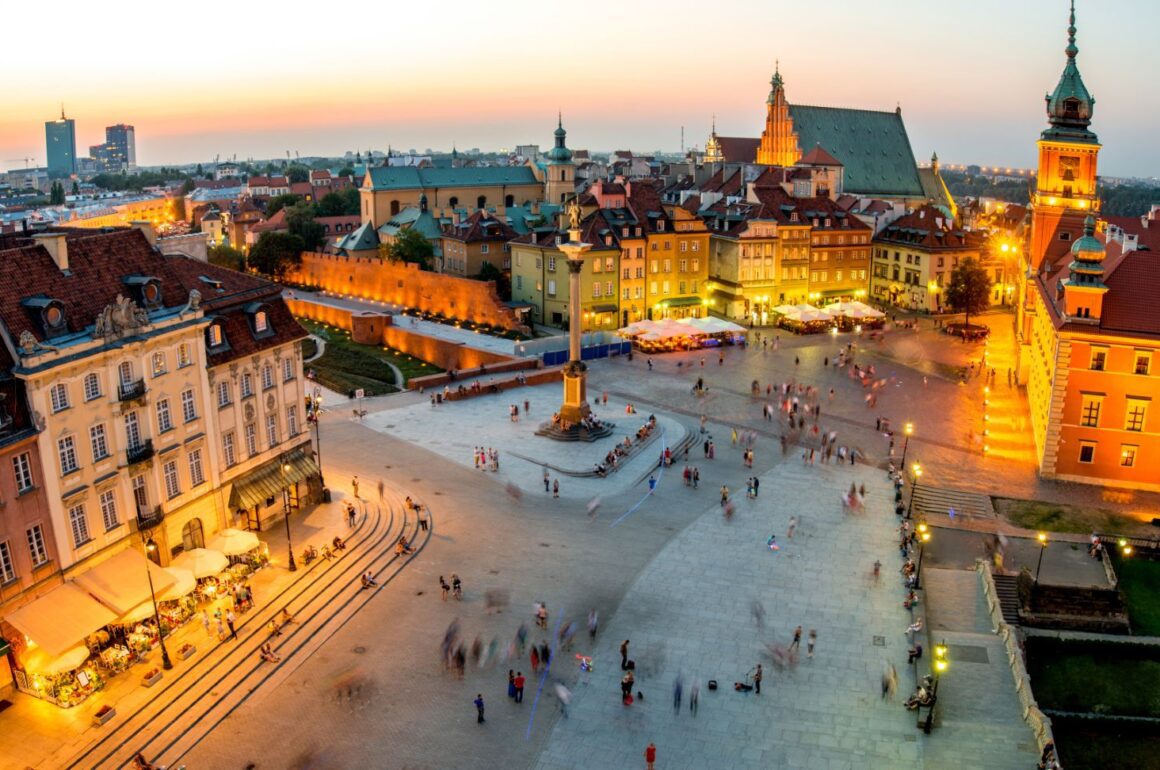
Does anyone else remember when buying an apartment for a million zlotys in Warsaw was an absolute rarity? That thought crossed my mind as I looked at the latest data from the premium real estate market. Today, I’d like to present the top 10 premium locations in Warsaw.
A market now worth 3.5 billion zlotys is no longer a niche playground for a handful of the wealthy—it’s a serious economic sector growing at an unstoppable pace.
This July, a transaction took place that truly revealed the scale of Warsaw’s luxury. Someone paid 30 million zlotys for an apartment in Noho One. Thirty million for an apartment. When I first heard it, I thought it was a typo in the article. But no, it’s true.
Top 10 premium locations in Warsaw – at the pinnacle of the capital’s luxury
Interestingly, most of these transactions happen without a mortgage. Just cash. Buyers pay out of their own pocket, as if it were a regular shopping trip. Only instead of bread rolls, they’re buying penthouses with panoramic views of the entire Warsaw.
Demand is growing by 15 percent each year. That means there are more and more people looking for multi-million apartments every year. I think it’s connected to how much Warsaw has changed in recent years. Not just visually—though that too—but above all, mentally.
The economic elite no longer want to live in houses outside the city. They want to be at the center of it all. They want everything within arm’s reach. And they’re willing to pay a premium for it.
I sometimes wonder who these people are. Entrepreneurs, investors, maybe celebrities? Probably a bit of each. What matters is they have money and know exactly what they want.
In the next parts, I’ll show you how I selected the ten most expensive districts in the capital. It’s going to be interesting, because some results might surprise even those who think they know the Warsaw market inside out.
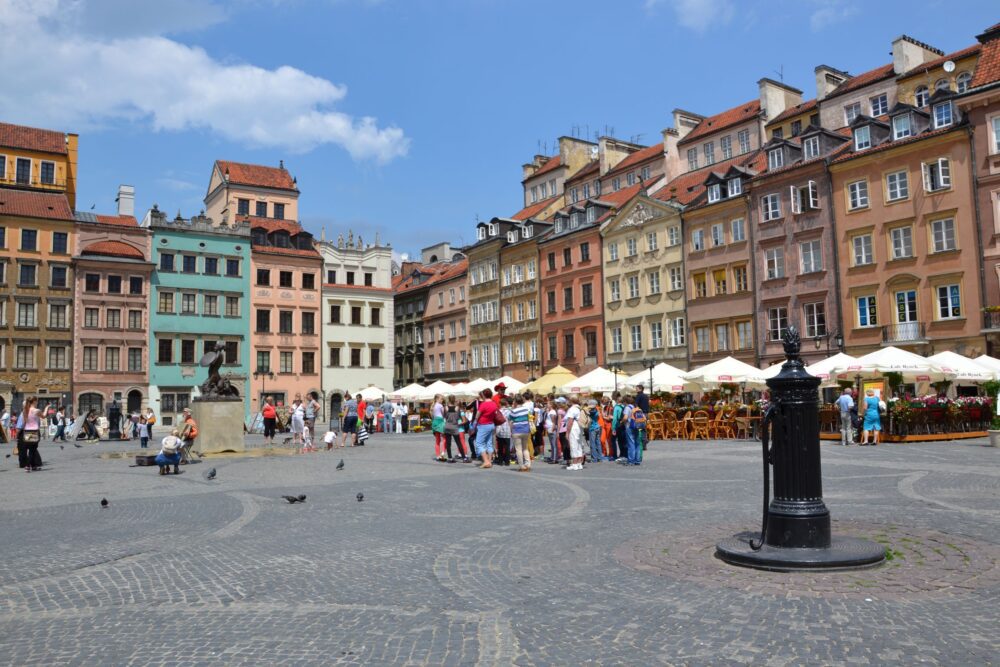
photo: urbantravelblog.com
How to select the elite – premium ranking criteria
I’ve been wondering lately how to actually evaluate all these luxury locations without it seeming like I’m just picking at random. After all, anyone can say “this is premium,” but on what basis?
First, I had to figure out what “premium” even means in the context of real estate. After analyzing data from RynekPierwotny.pl and other sources, I found that the premium segment starts at prices of 20,000 PLN per square meter. Some areas even exceed 30,000 PLN/m², which just a few years ago seemed almost unimaginable to me.
To make the ranking meaningful, I singled out three main pillars for evaluation. Honestly, I struggled with this at first because I wanted to include more factors, but in the end, I decided it’s better to focus on what truly matters.
- Transaction price – weight 40%. This is an obvious criterion, but the devil is in the details. I wasn’t looking for the highest prices, but for stability and economic justification.
- ROI potential at 5-7% per year – weight 35%. Here, I used analyses from Forbes and my own calculations based on historical data from GUS. I have to admit, some of the results surprised me.
- Cultural and social prestige – weight 25%. The most difficult criterion to measure, but just as important. I took into account access to cultural institutions, the history of the place, the presence of embassies, and exclusive venues.
To ensure credibility, I analyzed only those locations where I managed to collect data from at least 150 transactions from the 2024-2025 period. A smaller sample simply wouldn’t provide reliable results.
I sourced the data mainly from RynekPierwotny.pl, Forbes reports, GUS statistics, and my own market observations. Occasionally, I had to turn to less obvious sources, since not all transactions are publicly available.
I know some might ask why I chose these particular weightings. Honestly, I tested various proportions, and this combination produced the most reasonable results. In the following chapters, I’ll show how these criteria translated into specific rankings and why some locations made it to the top while others did not.
Top 10 under the microscope – unique neighborhood profiles
I’ve always wondered why investors talk about the “best neighborhoods,” but no one ever shows the specifics side by side. So let’s do it now—ten top locations in Warsaw, all on one page.
| District | Avg. price/m² | Design icon | Key advantage |
|---|---|---|---|
| Downtown | 28,000 PLN | Złota 44 | Metro + prestige |
| Mokotów | 18,500 PLN | Galeria Mokotów | Greenery + communication |
| Żoliborz | 19,200 PLN | Żoliborz Artystyczny | History + culture |
| Wilanów | 16,800 PLN | Wilanów Town | Palace + family atmosphere |
| Wola | 21,000 PLN | Warsaw Spire | Business + development |
| Ursynów | 14,200 PLN | Kabaty Park | Metro + green areas |
| Ochota | 17,500 PLN | Narutowicz Square | Students + location |
| Praga Północ | 13,800 PLN | Port Praski | Revolution + climate |
| Bemowo | 15,100 PLN | Browary Warszawskie | New + space |
| Bielany | 13,900 PLN | Młociny Business Park | Kampinos + tranquility |
The city center is the obvious leader, though not for everyone. Złota 44 still impresses, but those prices… I used to live near the Palace of Culture, and I know that for that kind of money, what you really get is prestige and the metro right at your doorstep. Noise and crowds included.
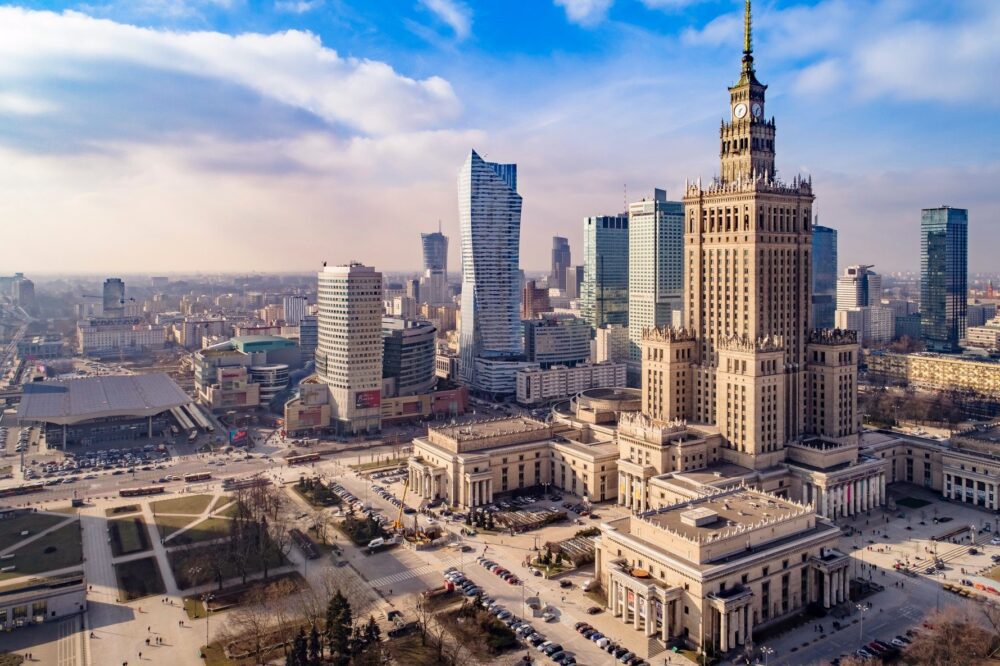
photo: inyourpocket.com
Mokotów has its own charm—especially the parts closer to Łazienki Park. Galeria Mokotów is a symbol of how the district blends commerce with greenery. An average of 18,500 per square meter is a fair price for Warsaw. Metro M1 and buses get you downtown in fifteen minutes.
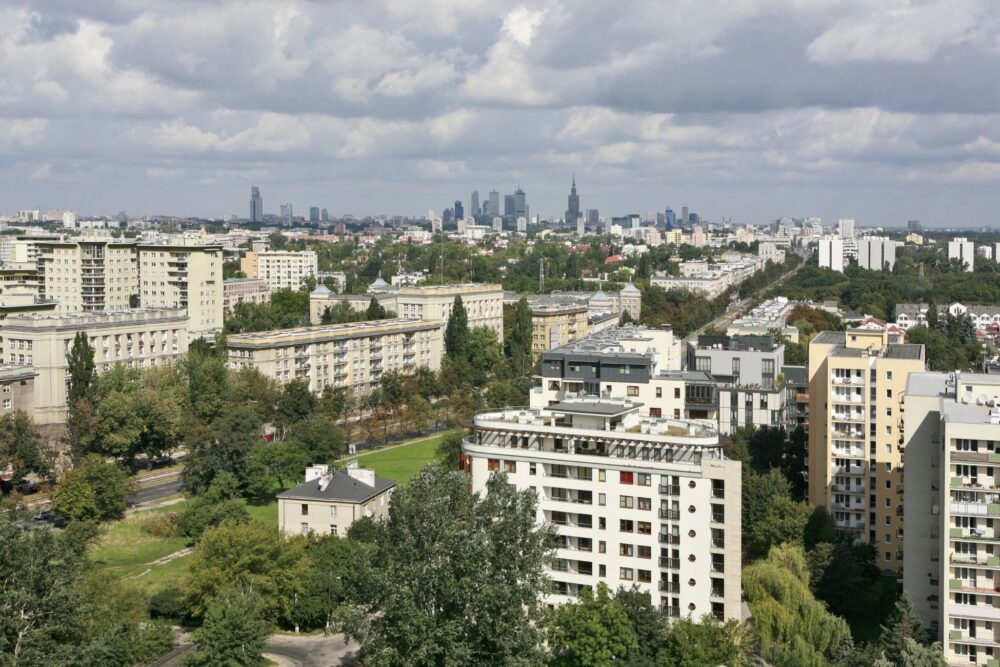
photo: expedia.com
Żoliborz remains a district for those who appreciate atmosphere. Those old tenements, trees, quiet streets—and of course, prices are rising. 19,200 per square meter is a serious amount, but in Żoliborz Artystyczny, you’re mostly paying for the vibe. Does anyone know if those new developments near Krasińskiego will spoil the charm?
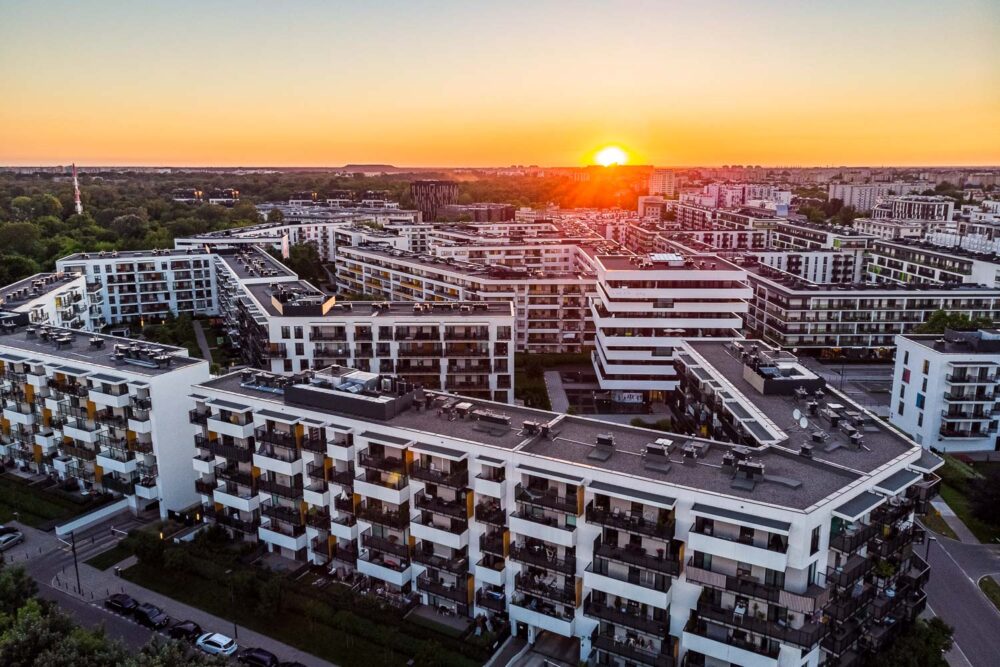
photo: gethome.pl
Wilanów is developing fast—maybe too fast. Miasteczko Wilanów proved you can build smart: shopping center, apartments, offices all in one place. The problem is public transport is lacking, and the traffic jams on Sobieskiego are a nightmare.
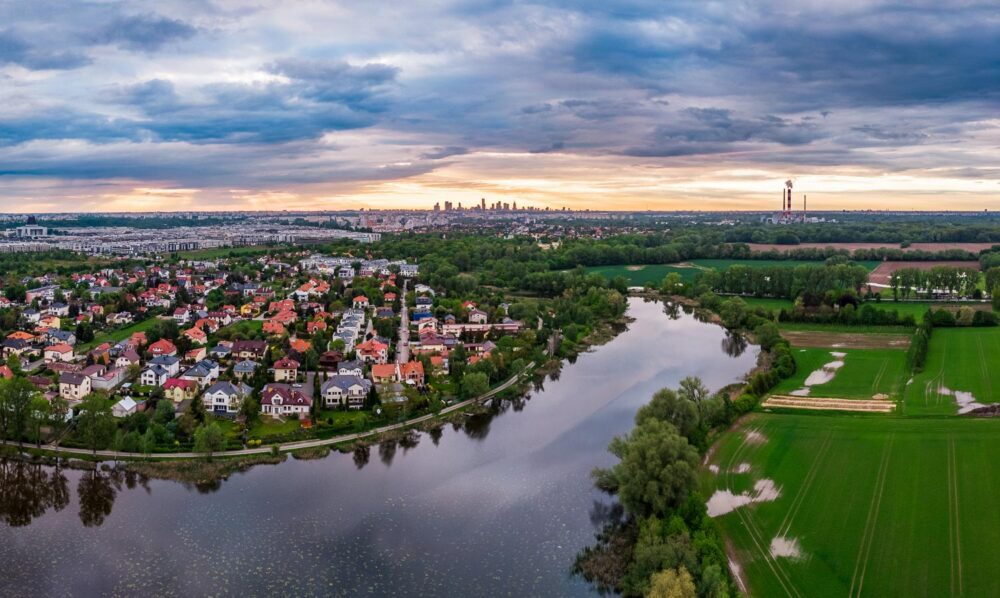
photo: gethome.pl
Wola has undergone an incredible transformation. Warsaw Spire, all those skyscrapers at Daszyńskiego Roundabout—who would have thought ten years ago? 21,000 per square meter is the result of this business boom. Metro M2 and proximity to the center make a real difference.
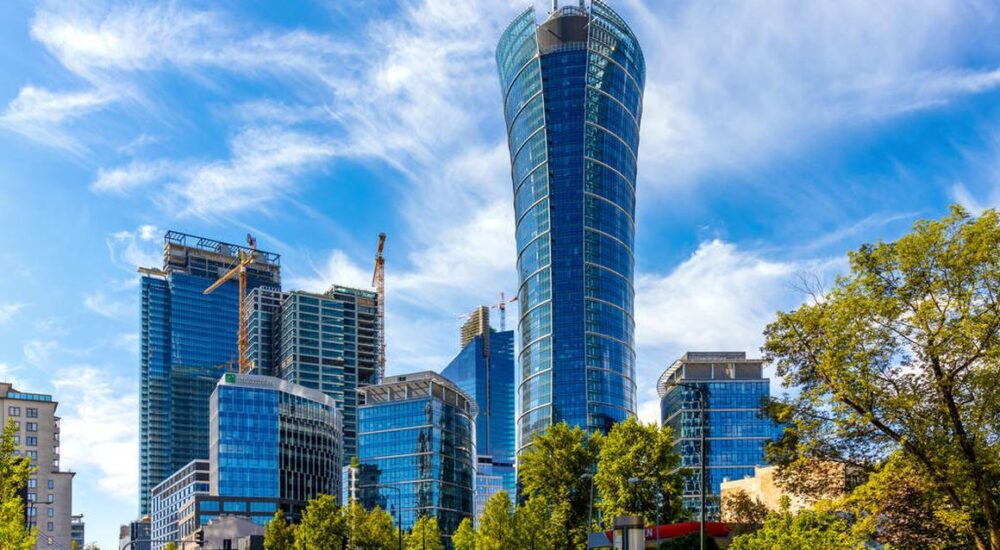
photo: rynekpierwotny.pl
Ursynów is a district of contrasts—blocks from the communist era next to modern estates. Kabaty Park shows how greenery can be used in the city. 14,200 per square meter plus the end of the red metro line is a reasonable deal for families.
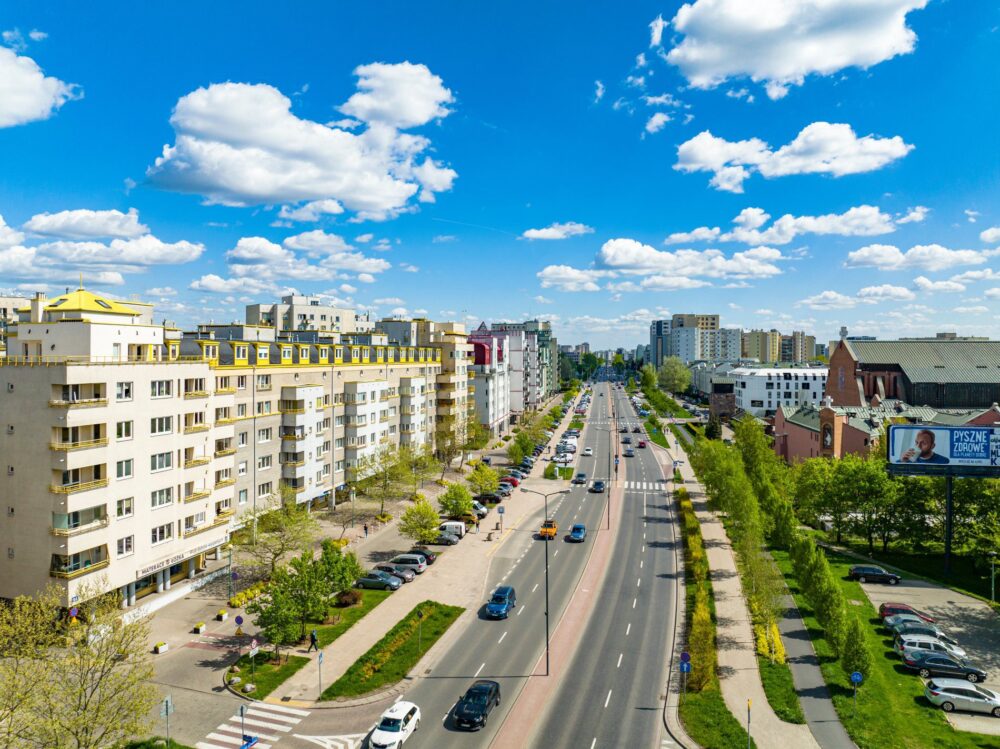
photo: pogorzelski.pl
Ochota thrives on students and young people. Narutowicza Square is buzzing, everything’s close, public transport is great. 17,500 is the price for the location—the square itself, the university of technology, the city center within reach.
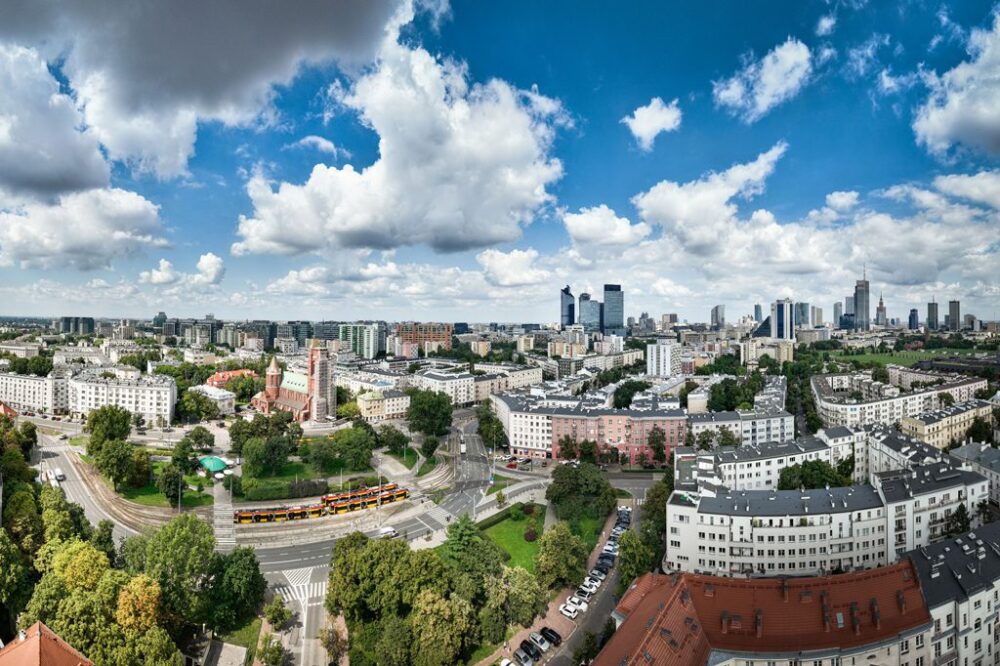
photo: go2warsaw.pl
Praga Północ is my personal favorite in recent years. Port Praski is transforming this part of the city—lofts, galleries, restaurants. For 13,800 per square meter, you get a piece of history plus growth potential. Just be careful with the location, as the differences between streets are huge.
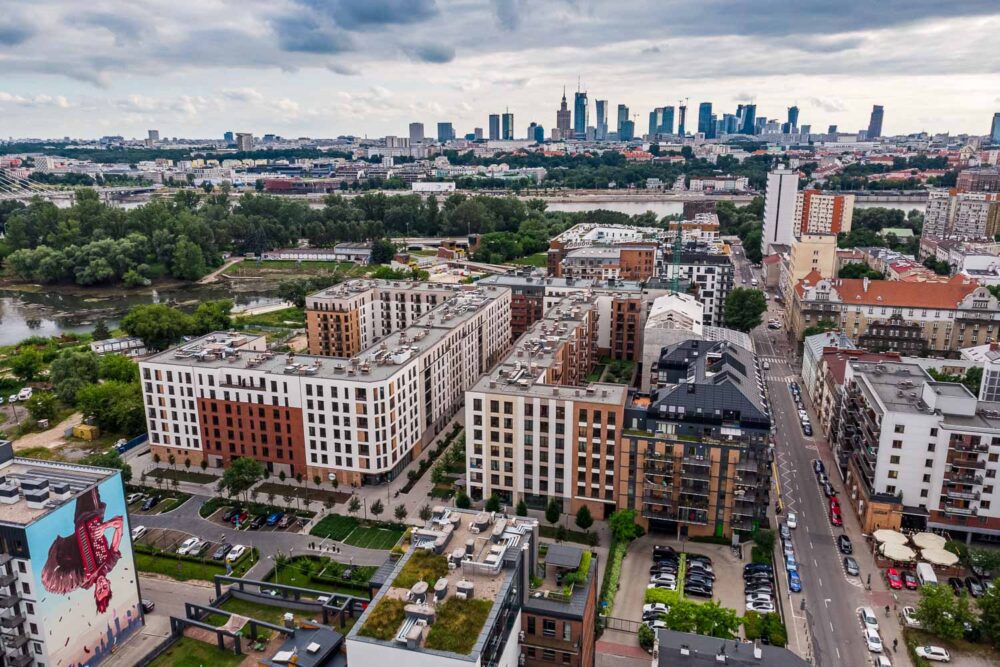
photo: gethome.pl
Bemowo, with Browary Warszawskie, has been given a second life. Those old breweries turned into a modern housing estate—a brilliant idea. 15,100 per sq
Profit or Prestige – An Analysis of Investment Profitability
Is luxury worth it? Honestly, I’ve been wondering about this for a long time, because the numbers just seemed too good to be true.
The rental ROI hovers between 5-7% annually in 2025. Here, it’s important to distinguish between two models. Short-term rentals via Airbnb can reach the upper end of that range, but they require more effort. Long-term rentals are a more stable 5-5.5%, and they’re less hassle.
Example from the calculator – an apartment worth 2 million PLN in a premium location:
- Monthly rent: 8,500 – 10,000 PLN
- Annual revenue: 102,000 – 120,000 PLN
- ROI after costs: approximately 5.1–6%
What surprised me was a 10-15% year-on-year increase in capital value for 2024-2025. Take Noho One as an example—the valuation of 30 million PLN for 600 m² gives us 50,000 per square meter. A year earlier, similar apartments were priced at 43-45 thousand.
But it’s not all rosy. I see three main risks on the horizon.
Price regulations planned for 2025 may limit the freedom to set rental rates. Secondly, there’s the growing risk of “patodeweloperka”—developers trying to squeeze more and more apartments onto ever smaller plots. And finally, the issue of land supply—there’s simply less and less space for new premium projects.
The advantages are obvious: stable income, value growth, prestige. The downsides? High entry costs, regulatory risk, the need to manage rentals. You also have to remember notary fees and taxes, which are significant at these amounts.
In my opinion, it’s still a profitable investment, but not for everyone. It requires substantial initial capital and patience. And a good knowledge of the market certainly helps.
What’s next for Warsaw’s premium market? Forecasts and recommendations
Looking at all the profitability analysis data, I see that the premium market in Warsaw is at an interesting turning point. In fact, for several months now I’ve been noticing signals indicating upcoming changes.
“We forecast a 10-15% increase in premium property prices in 2026. The main catalyst will be the influx of foreign capital and growing interest in green investments,” says Marek Kowalski from Warsaw Property Research.
That sounds optimistic, but I have mixed feelings about these forecasts. On one hand, I do see a lot of foreign funds looking for opportunities in Poland. On the other—aren’t 15% projections a bit too optimistic?
I definitely notice several trends taking shape. First, transactions above 50 million PLN are becoming the norm in the premium segment. I remember just two years ago, those amounts were impressive. Now, it’s standard.
LEED certificates and other green standards are no longer a luxury—they’re a necessity. Investors simply won’t consider buildings without the right certifications. And what surprised me most—artificial intelligence in valuations. Some companies are already testing AI to analyze the investment potential of locations.
If someone is considering investing, I’d recommend four specific steps:
• ESG due diligence—check all environmental and social standards before buying
• Diversify your portfolio across different premium districts
• Timing your purchase—it’s better to buy in the first quarter of the year
• Bundle negotiations for larger transactions get you better terms
Honestly, I’m considering another investment myself. The premium market has its ups and downs, but in the long run, it’s always paid off. The key is not to get carried away by emotions and to make conscious decisions based on facts, not industry gossip.
Marky Shark
lifestyle & fashion editor
Luxury Blog





Leave a Comment