

The Tiffany & Co. Foundation on a mission to protect the environment
Tiffany & Co. is renowned for its exceptional quality jewelry and watches. Founded in 1837 in New York, today it stands as one of the biggest names in the industry. Its most iconic product is the diamond engagement ring, commonly referred to as a “tiffany” or “tiffanyka.” The brand is also famous for its distinctive blue fabric, used to wrap their products. This color, known as “Tiffany Blue,” is a registered trademark of the brand. However, it turns out that the company also makes a significant contribution to protecting the planet. The Tiffany & Co. Foundation has already donated over $100 million to environmental protection.

For years, this foundation has been guided by the belief that a successful company is, in fact, responsible to a broader community. That’s why Tiffany & Co. Foundation embodies this conviction by striving to make a meaningful impact on society and the planet for future generations. As we know, such investments—especially when made by major corporations—genuinely help reduce the negative impact of business activities on the natural environment. It’s definitely a positive step towards balancing the consequences of luxury goods production.
Visible trace
The Tiffany & Co. Foundation is now entering its third decade of activity and shows no signs of slowing down. The fact that it has already donated over $100 million to non-profit organizations speaks to its commitment and determination in this area. So, what initiatives has it already accomplished?
Ocean protection
The institution has supported the creation and implementation of over 30 Marine Protected Areas. In doing so, it has safeguarded around 11 million square kilometers across five of the world’s oceans. This perfectly reflects the Foundation’s commitment to advancing the global “30 by 30” movement, which aims to protect 30% of the world’s land and ocean areas by 2030.
Coral reef protection
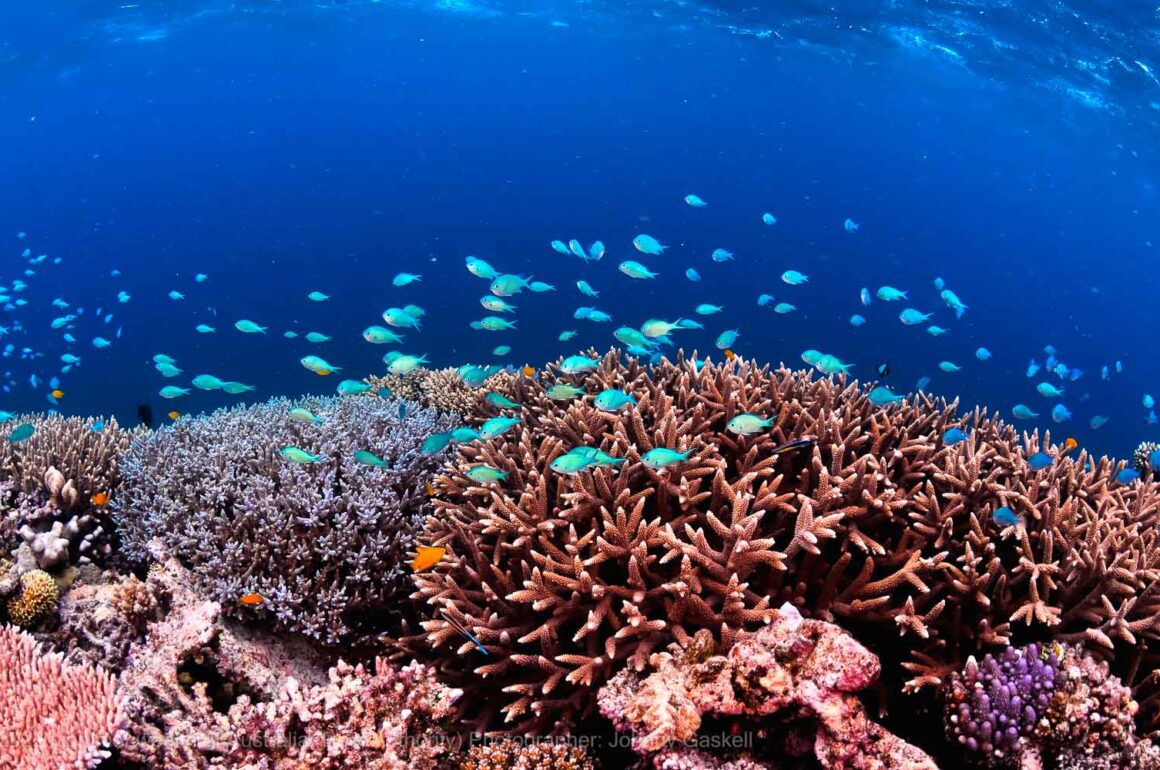
The foundation has also supported the protection and promotion of coral reefs in over 30 countries around the world. To this day, it funds all kinds of research into new methods of protecting and restoring coral reefs. One such method is the use of artificial reefs, which can help rebuild damaged ecosystems. Coral reefs themselves are among the most diverse ecosystems on the planet and provide an important livelihood for many organisms. Unfortunately, for some time now, they have been threatened by factors such as climate change, water pollution, overfishing, and tourism. That’s why taking action to protect them is so crucial.

source: www.theceomagazine.com
Landscape protection
In addition, the Tiffany & Co. Foundation is also involved in projects aimed at protecting landscapes—geographical areas distinguished by exceptional aesthetic, historical, cultural, or natural value. Activities in this area include, among others, building and maintaining national parks and nature reserves, restoring degraded areas, land reclamation, and educating the public about the importance of landscapes.
So far, the organization has protected 10 million acres of ecologically rich and culturally significant lands. It has contributed to the reclamation of abandoned diamond mines in Sierra Leone and the cleanup of deserted mines across the American West. It has also funded a project aimed at protecting the waters of the Yellowstone River in the United States from pollution and overuse of natural resources.
Tiffany & Co. Foundation: How to Raise Awareness in the Industry
All donations to the foundation help fund activities such as scientific research, educational and awareness projects, and investments in environmentally friendly technologies. By supporting these initiatives, the luxury brand Tiffany & Co. not only has a direct impact on the sustainable development of our planet, but also helps raise public awareness about the threats we face in the context of the climate crisis and other negative changes.






Leave a Comment