

The most luxurious hotels in Europe – top 10 and 2026 guide
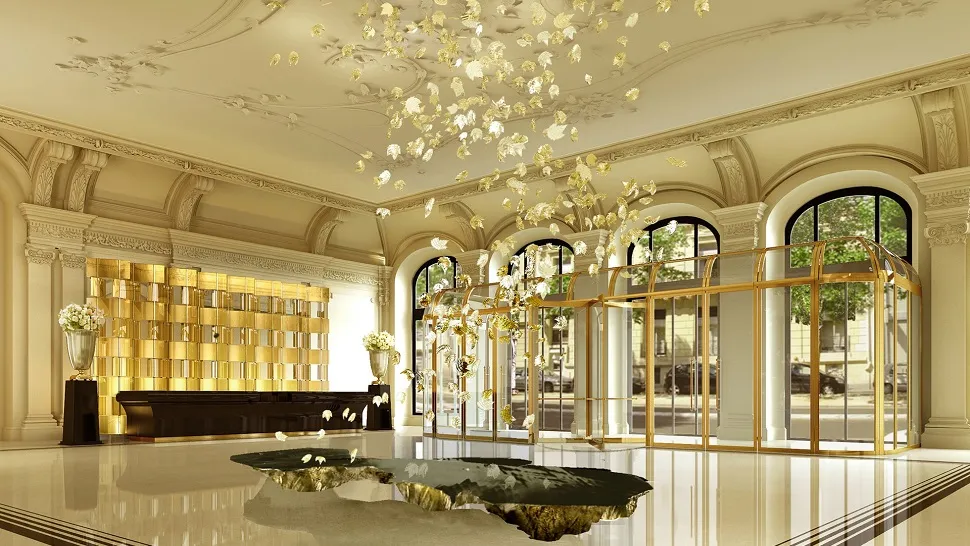
The European luxury hotel market, currently valued at €33.44 billion, will grow to €53.36 billion by 2033. RevPAR in the premium segment has jumped by 57% compared to 2019. This is no coincidence. After the pandemic, people want to spend on experiences, not things, and European five-star hotels offer something you can’t buy anywhere else: a history that can’t be copied.
But what does “luxury hotel” actually mean in 2026? In the past, marble and gilded faucets were enough. Now, true luxury means a private butler who knows your name, suites starting from 80 m², pools accessible to just a handful of guests, and locations others can only dream of. These are suites for €1,500–10,000+ per night, where you don’t just get a room, but a stage for your own life. Affiliations like Relais & Châteaux or Leading Hotels of the World are a mark of quality, but not a guarantee—I’ve seen average hotels with those seals.
The most luxurious hotels in Europe according to rankings!
The problem with ” top 10 ” lists is that each uses a different methodology. Readers of portals vote for their favorite brands, inspectors in white gloves check the thickness of towels, algorithms count stars in reviews. That’s why in this ranking I present a consensus — places that appear in many lists and truly maintain a high standard.
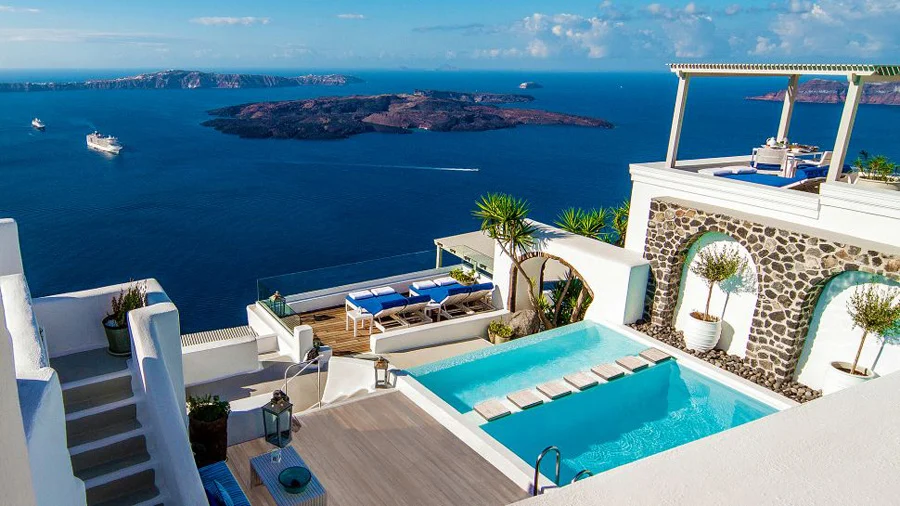
photo: hospitalityinsights.ehl.edu
You’ll see Italian palaces on Lake Como, Parisian icons in the golden triangle, London’s Mayfair, and a few surprises from regions that are just starting to heat up. But to understand why these hotels in particular, we first need to establish the criteria.
Definition of luxury and methodology
Compiling such a list is a bit like looking for a needle in a haystack—except here, each needle costs several thousand euros per night. The problem is, there’s no single, universal ranking of “the best hotels in Europe.” Every institution has its own criteria, its own board, its own algorithm. That’s why we’ve created our own methodology, combining various sources to extract a common denominator.
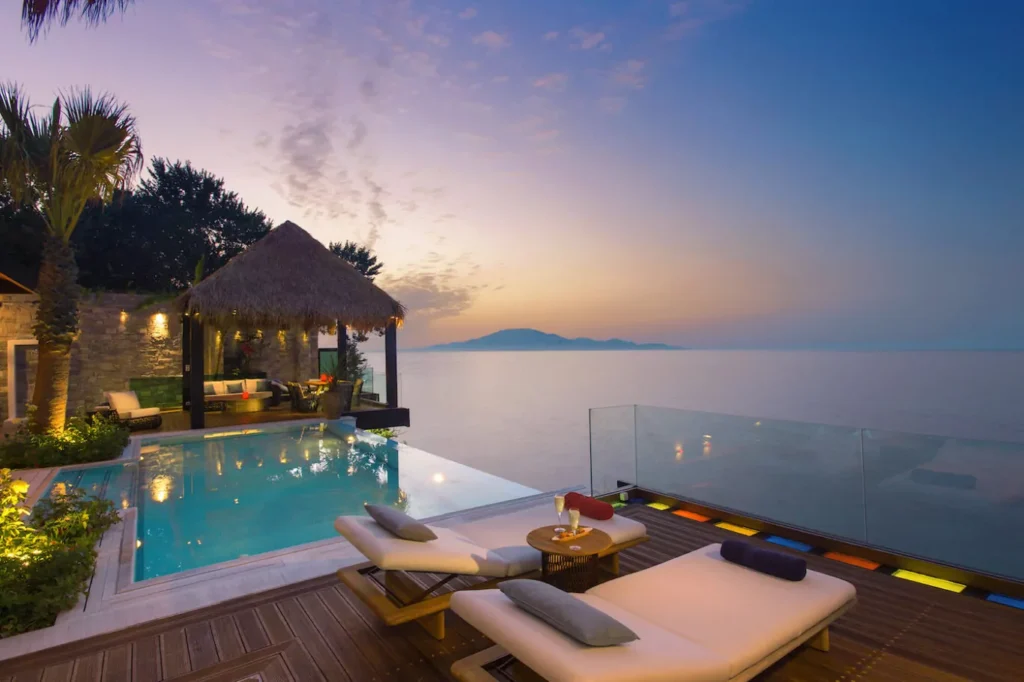
photo: portozante.com
Criteria that really matter
What makes a hotel not just a place to stay, but an experience? We looked at:
- Service and personalization – presence of a dedicated butler, ability to fulfill unusual requests, level of discretion
- Rooms and suites – spacious, designer interiors, views, quality materials
- Spa and wellness – from pools to signature therapies, often with certifications
- Fine dining – restaurants with Michelin stars (sometimes even three), renowned chefs
- Location and context – not just the address, but also the unique scenery or historical character of the building
- Tailor-made experiences – helicopter tours, private tastings, access to places unavailable to others
- Sustainability – increasingly important, especially in the context of ecological certificates
Sources and weights: how we build consensus
We used several key rankings: Travel + Leisure World’s Best Awards 2025 (reader votes), U.S. News Best Hotels 2026 (an algorithm combining expert and guest reviews), World’s 50 Best Hotels 2025 (a panel of 580 experts), Forbes Travel Guide 2026 (anonymous inspectors evaluating hundreds of criteria), and the Condé Nast Traveler Gold List. Additionally, we considered industry publications and guest reviews from platforms like Booking and TripAdvisor.
Each source weighs things differently. Forbes focuses on operational perfection, World’s 50 Best on innovation and the wow factor, Travel + Leisure on guest emotions. Our consensus? Hotels that regularly appear in many of these rankings and meet at least 7 out of the 8 listed criteria.
Affiliations as a signal of quality
Belonging to Relais & Châteaux or Leading Hotels of the World is not just about marketing. It’s a guarantee of audits, standards, and philosophy. We also paid attention to new distinctions, such as Michelin Keys (a hotel rating system introduced in 2024), although its coverage in Europe is still expanding.
Top 10 in a nutshell: European icons 2025-2026
Below you’ll find a condensed summary of all ten properties that dominate the luxury hospitality rankings for 2025-2026. No lengthy stories or detailed price lists—just names, locations, and one concise reason why each place made it to the top.
Top 10 ranking
| Hotel | Location | Why in the top 10 | Typical prices |
|---|---|---|---|
| Passalacqua | Lake Como, Italy | A villa residence by the lake with exclusive water experiences | from approx. €1,200 |
| Adare Manor | Ireland | Golf resort with castle architecture and unique service | from approx. €900 |
| Le Bristol Paris | France | Parisian elegance on Faubourg Saint-Honoré, three Michelin stars | from approx. €1,000 |
| Four Seasons Firenze | Italy | Renaissance garden and art gallery in the heart of Florence | from approx. €1,100 |
| Claridge’s | London, UK | Art Deco icon of Mayfair, royal pedigree | from approx. €850 |
| The Connaught | London, UK | Discreet luxury of Carlos Place, exquisite gastronomy | from approx. €900 |
| Raffles Istanbul | Turkey | View of the Bosphorus, a fusion of European and Oriental aesthetics | from approx. €700 |
| Hôtel de Crillon, A Rosewood Hotel | Paris, France | The historic palace on Place de la Concorde after extensive renovation | from approx. €1,300 |
| Villa d’Este | Lake Como, Italy | Renaissance gardens and floating spa on the lake | from approx. €1,000 |
| Badrutt’s Palace | St. Moritz, Switzerland | Alpine glamour since 1896, the winter capital of the jet set | from approx. €1,400 |
It’s worth noting that different sources ( T+L 2025, U.S. News 2026, W50BH 2025, FTG 2026, Condé Nast) slightly shift the order; here you see a consensus based on all major rankings. The Italian lakes and London townhouses represent two poles of European luxury, but more on that in a moment.
Passalacqua, Villa d’Este, Four Seasons Firenze
Passalacqua: the villa that stole Europe’s heart
When I talk about Italian luxury, it’s Como and Florence that set the standards. Passalacqua? This 18th-century villa on Lake Como has been a true sensation in recent years. Restored in 2022 as a boutique hotel, it quickly earned the title of the best in Europe according to the World’s 50 Best Hotels (2025) and ranked second globally. And for good reason. Private cruises on the lake, terraced gardens overlooking the Alps, interiors filled with original frescoes. It’s like stepping into a private aristocratic residence, only with tailor-made service.
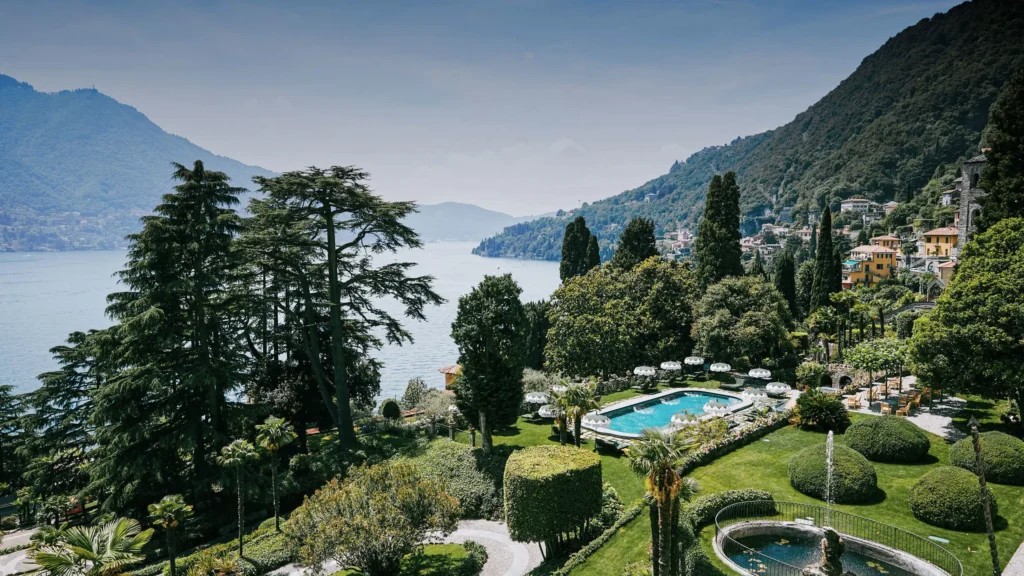
photo: passalacqua.it
Villa d’Este: classic on Lake Como
Villa d’Este is a completely different story, though just as iconic. Opened in 1873 as a spa resort, for 150 years it has proven that classic style never ages. Italians have fallen in love with this place for its legendary gardens and floating pool on the lake. Sources often cite it as a model for Grand Hotels in Poland. Indeed, it is a larger property than Passalacqua, more traditional in its approach, but it is precisely this stability and experience that hold value. If you’re looking for tried-and-true luxury without experiments, Villa d’Este will not disappoint.
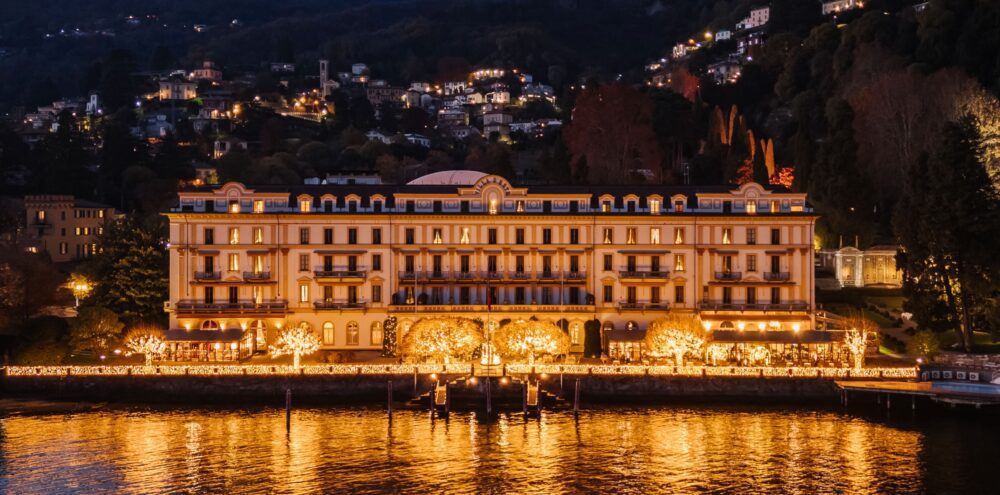
photo: villadeste.com
Four Seasons Firenze: Renaissance in the Service of the Guest
Florence plays a different hand. Four Seasons Firenze occupies a 15th-century Renaissance palazzo and a garden that seems impossible in the city center. U.S. News ranked this hotel second in Europe (2026), mainly for its combination of historic architecture and flawless service. Here, you have city life at your fingertips, access to galleries and restaurants, yet at the same time the tranquility of a private garden. A completely different atmosphere than by the lake. Como is privacy and nature, Florence is art and urban luxury. The choice depends on what you need at the moment.
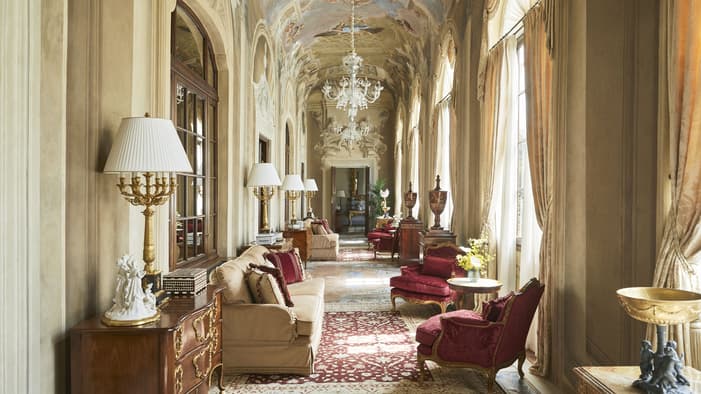
photo: fourseasons.com
Parisian palaces: Le Bristol and Hôtel de Crillon
Le Bristol: Parisian classic with a garden
Le Bristol Paris is one of those places that simply work. Since 1925, this address on rue du Faubourg Saint-Honoré has maintained its “palace” status effortlessly. In the U.S. News 2026 ranking, the hotel took third place in Europe, which sounds impressive but surprises no one who has been there. The biggest charm? Probably that private garden (the only one of its kind in the center of Paris) and suites that look like 18th-century residences, only with a better bathroom. Butler service is treated here as a standard, not an extra. Michelin-starred cuisine is, of course, present, but what matters more is that everything works seamlessly.
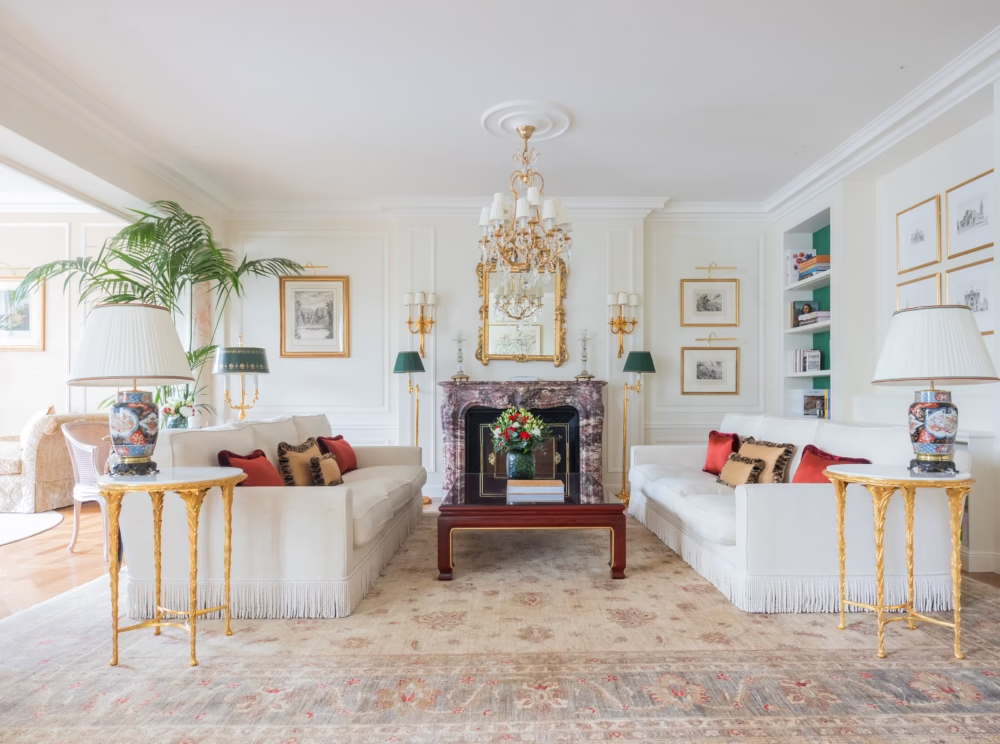
photo: oetkerhotels.co
Hôtel de Crillon: Rosewood on Place de la Concorde
Crillon is a different kind of palace. Its location on Place de la Concorde is an argument in itself, with the views coming second. Since being taken over by Rosewood, the hotel has strengthened its position (Forbes Travel Guide Five-Star 2026), maintaining that balance between historical craftsmanship and contemporary service. Suites designed like an art collector’s apartment. There’s no rush here; everything is played out in privacy and detail. The address does its job, but it’s the service standard that keeps clients coming back.
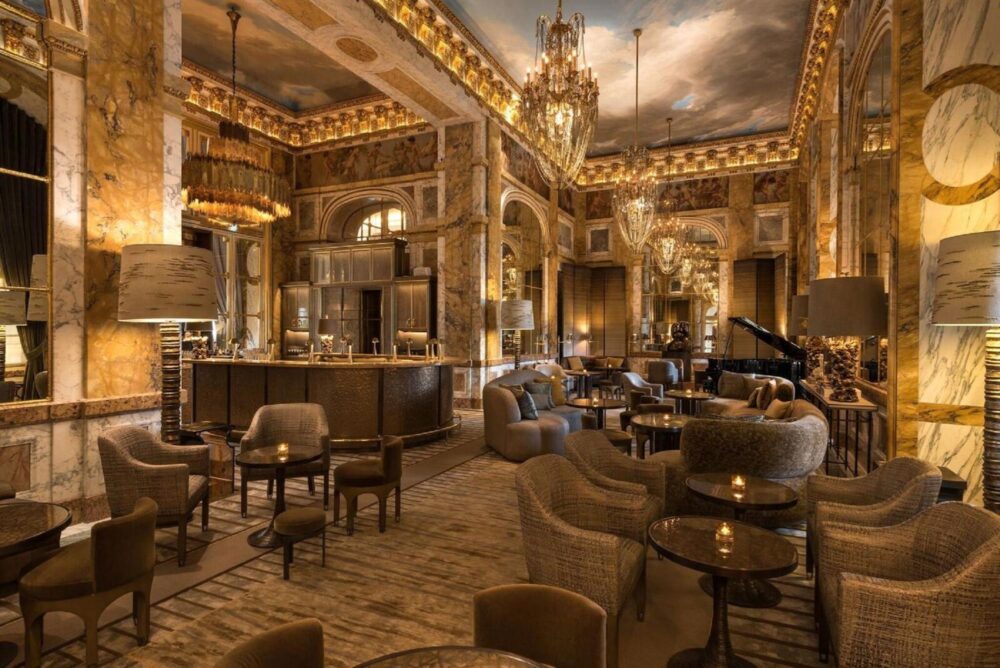
photo: de-crillon.parishotelsweb.com
The Parisian “palace” scene is still a rivalry for status and reputation. Le Bristol and Crillon showcase two approaches to the same goal: timeless luxury. One focuses on the garden and discretion, the other on the address and the views. Both understand that in Paris, the building alone is not enough; it’s the experiences that count, the ones that are hard to replicate anywhere else.
The Heart of Mayfair: Claridge’s and The Connaught
Claridge’s: the aristocracy of Art Deco
Mayfair is an address that speaks for itself. And Claridge’s? It’s been an icon of this place since the 1850s. The hotel has hosted so many royal families that it could easily claim the status of an embassy. The Art Deco opulence here is not just a design choice—it’s the very DNA of the hotel. Geometric shapes, brass details, black-and-white checkerboard floors in the foyer… all of it breathes the spirit of the 1920s and 1930s.
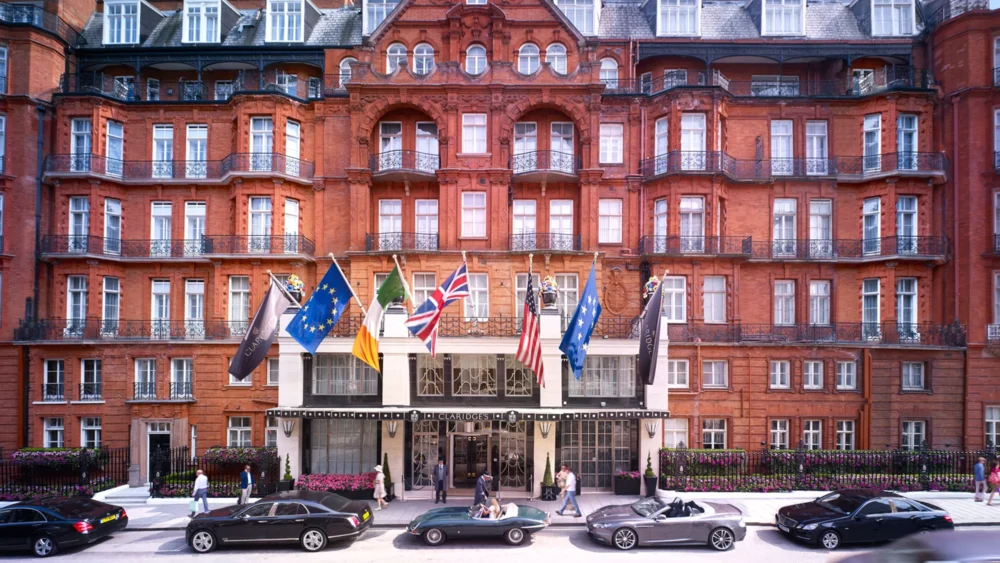
photo: cntraveler.com
U.S. News 2026 ranks Claridge’s as number 5 in Europe, which doesn’t surprise me at all. Forbes regularly recognizes this hotel because the level of service here is simply unquestionable. The waiters know your preferences before you even voice them, and the concierge solves the impossible with a smile. This isn’t random politeness—it’s precision honed over decades.
The Connaught: the essence of Mayfair
A few streets away, The Connaught plays in a slightly different stylistic league. Here, elegance is more subdued and discreet. U.S. News ranks it 4th in Europe, actually placing it a bit higher than Claridge’s. The difference? The Connaught is the essence of British restraint, where luxury comes without fanfare.
The hotel bars (especially the famous Connaught Bar) and the contemporary art collection give this place a modern edge. The service? Even more invisible and even more effective. This is a hotel for those who have nothing to prove.
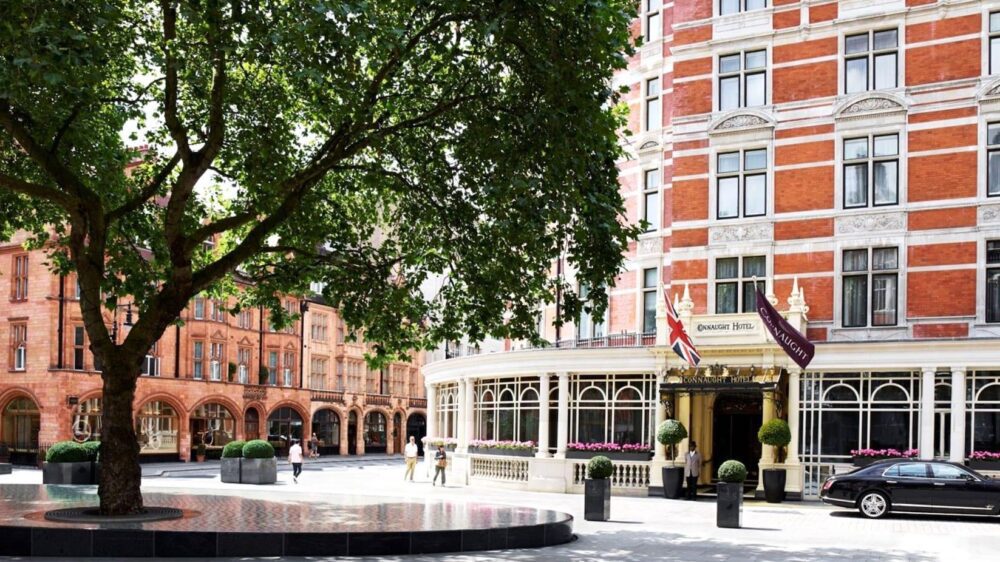
photo: cntraveler.com
Both hotels demonstrate what urban luxury truly means: an address, service, and style perfected down to the last detail.
Heritage and Mountains: Adare Manor and Badrutt’s Palace
Adare Manor: Irish excellence
U.S. News World Report 2026 ranked Adare Manor as number one in Europe, which may sound like big words, but once you arrive, you start to understand why. This is not just a castle hotel, it is a sprawling estate in County Limerick, where every detail has undergone a thorough renovation, and the golf course was designed by Tom Fazio. The finest Irish hospitality means you feel both like royalty and at home. The La Mer Spa offers world-class treatments, but you might just as well stroll the grounds and admire the neo-Gothic architecture.
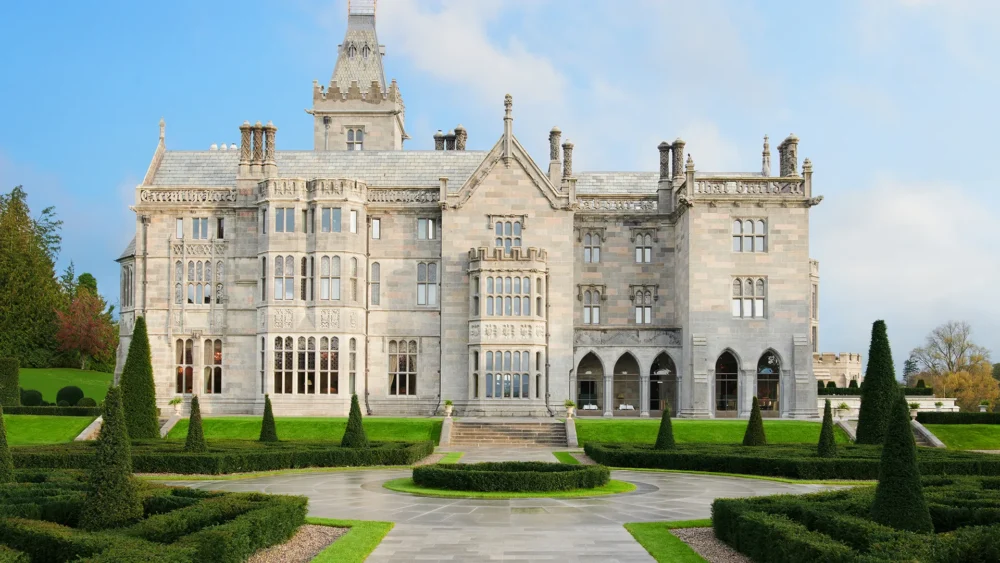
photo: cntraveler.com
Badrutt’s Palace: the legend of St. Moritz
Badrutt’s Palace is a completely different story, though luxury remains the common denominator. An icon of St. Moritz, featured on the Condé Nast Gold List, which for decades has attracted those who take the Alps seriously. In winter, the social scene revolves around dinners, après-ski, and evening gatherings in an atmosphere you can only describe as “old money meets new energy.” In summer? Hiking, golf, the purity of mountain air. The tradition of winter luxury is in its DNA, but the hotel operates year-round and each season has its own unique culture.
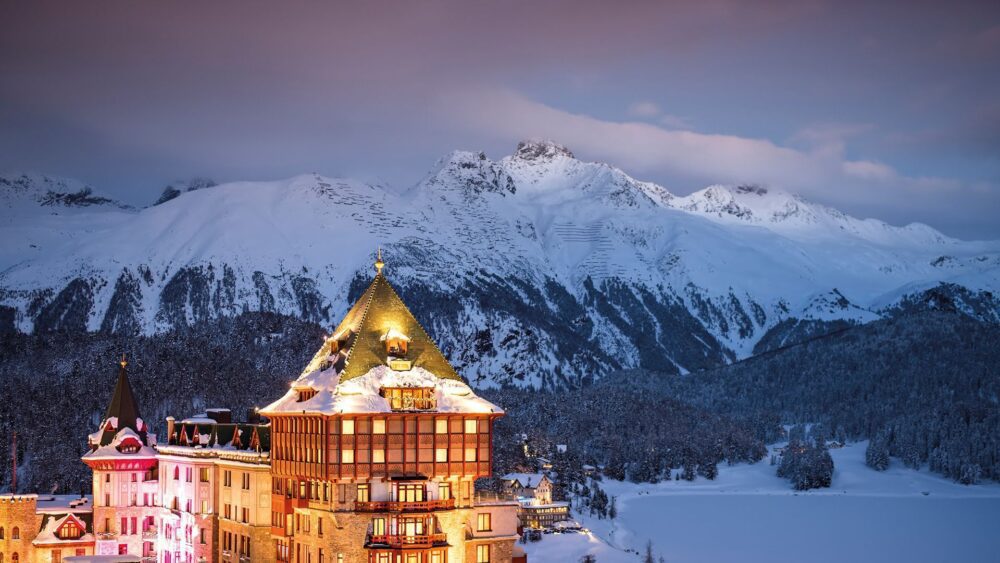
photo: cntraveler.com
Adare is heritage and tranquility, Badrutt’s is energy and Alpine identity. Both show that European luxury can be authentic, rooted in place and history, not just in the nightly rate.
At the crossroads of continents: Raffles Istanbul and the emerging East
Istanbul has always been that strange place you try to fit into a single box, but it just doesn’t fit. Europe? Asia? A bit of both. And that’s exactly why, when Travel + Leisure asked its readers about the best city hotel in Europe, the winner was… yes, Raffles Istanbul.
Raffles Istanbul: why readers love it
Travel + Leisure 2025: Raffles Istanbul #1 in Europe (cities), 99.91/100.
This is an almost perfect result. Interestingly, it’s not about historic palaces or the traditional luxury we’ve seen in the Alps. Raffles is all about modernity: glass, steel, minimalist elegance, and through the windows, a view of the Bosphorus that’s better than most works of art. Guests praise the service (always attentive, never intrusive) and the fact that the hotel truly understands contemporary comfort. It doesn’t try to be a museum—it simply works.
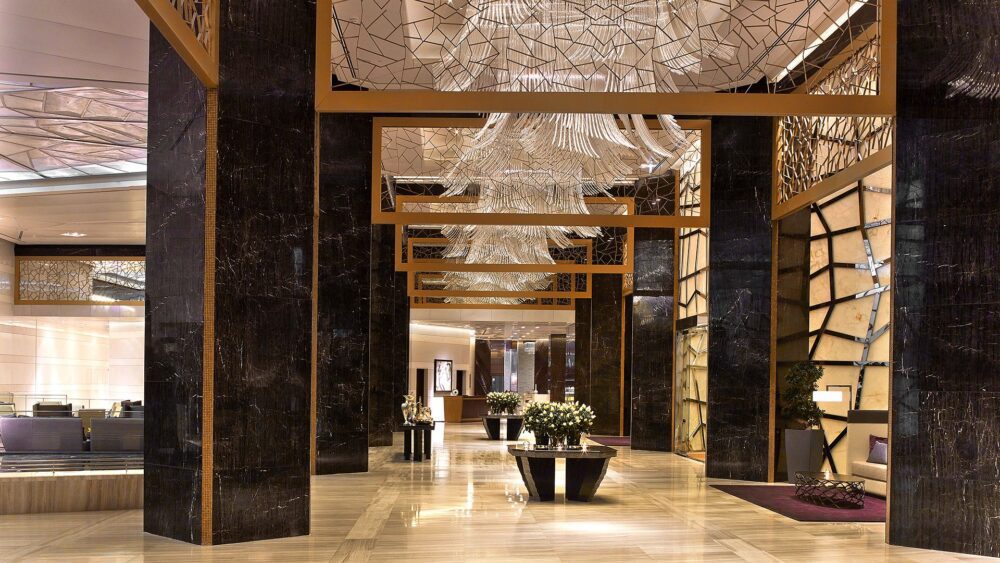
photo: myvisaluxuryhotels.com
The Balkans and the new five stars
Forbes Travel Guide 2026 has sent an interesting signal: One&Only Portonovi in Montenegro received a Five-Star rating. This isn’t the top 10 of the list, but it shows the direction. The Balkans, Turkey, and southeastern Europe in general are no longer just exotic add-ons to western routes. Quality is rising, investments are flowing in.
And not only there. FTG 2026 also recognized Maybourne Riviera (France), Mandarin Oriental in Barcelona and Zurich. The momentum is clear, with new addresses raising the bar every year. What does this mean? That European luxury is not standing still. The eastern part of the continent is starting to write its own chapters.
Prices, seasons, and reservations
Are we talking numbers? A standard room in a 5* palace hotel starts at €1,000–5,000 per night. Suites are a whole different league: €1,500–10,000+, and if you want to see what the financial peak of luxury looks like, the Royal Penthouse at the President Wilson hotel in Geneva costs €50,000–80,000 per night. Yes, you read that right.
It’s worth knowing that suites already generate 42.86% of all room revenue in the luxury segment, even though they make up a minority of the offer. Villa prices are rising the fastest (CAGR 7.93%), as guests are increasingly seeking maximum privacy and space.
Seasons, occupancy, and GOPPAR in practice
Seasonal peaks can be relentless. Occupancy rates at the best hotels then reach 75-85%, which means booking several months in advance is not a whim, but a necessity. In 2025, the average GOPPAR in Europe (gross operating profit per available room) was €69.3, up 2.1% year-on-year. London during peak season reaches around €155 GOPPAR, which shows just how volatile this market is depending on location and season.
The worst booking periods? Como and the Alps from June to August, the French Riviera in July, Santorini in August. During these times, every day of delay can cost an extra €500-1,000.
Channels and affiliations
Direct booking through the hotel often offers flexibility (late check-out, upgrade), but it’s worth checking the portfolios of Leading Hotels of the World or Relais & Châteaux, as they sometimes have better packages. Flexibility with dates is your best ally: shifting your stay by a week can lower the price by 30-40%. And remember, in luxury, the rule “the earlier, the cheaper” usually applies, though not always.
How to read rankings?
Each ranking uses different criteria, and suddenly a hotel that T+L puts at the top barely makes it into the top ten in U.S. News. If you’re wondering whom to trust, it helps to understand who is actually evaluating and on what basis.
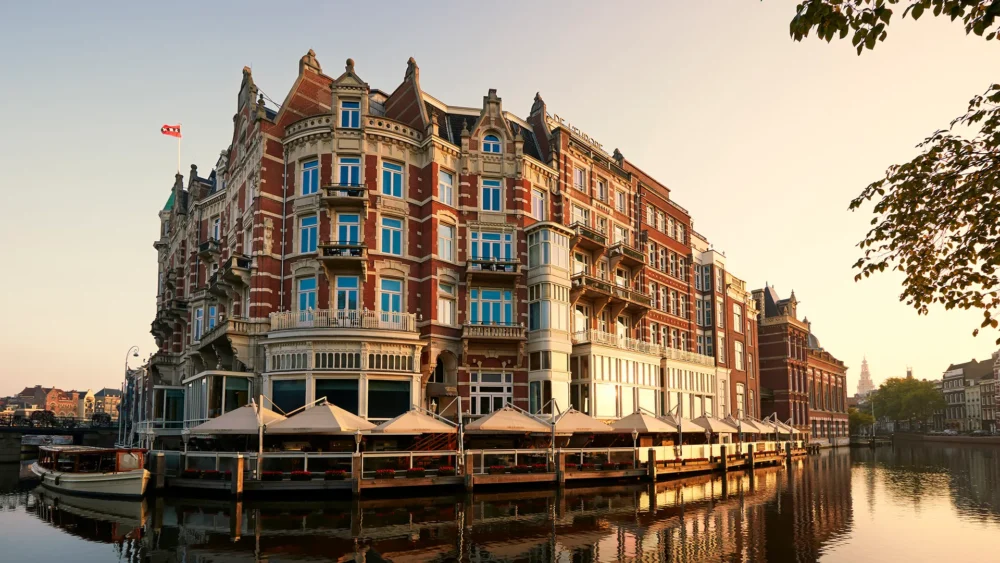
photo: cntraveller.com
Who evaluates and how
Travel + Leisure is based on readers’ votes, meaning a large survey built on guests’ impressions. U.S. News gathers expert reviews and industry awards, runs them through an algorithm, and produces a ranking. The World’s 50 Best Hotels relies on a panel of around 580 nominated voters from around the world, similar to the approach in gastronomy. Forbes Travel Guide sends anonymous inspectors who check hundreds of criteria, and hotels can receive anywhere from one to five stars. Michelin has been associated with restaurants for decades, but starting in 2024, it is also introducing “Keys” for hotels (although in Europe, the most important thing remains that about 20 three-star restaurants operate within hotels).
Comparison of lists: same Europe, different podium
| List | Top 3 in Europe (2025/26) | Methodology |
|---|---|---|
| T+L | Raffles Istanbul, Fauchon Paris, Shangri-La Bosphorus | Readers’ voices |
| U.S. News | Adare Manor, Four Seasons Firenze, Le Bristol | Algorithm + reviews |
| W50BH | Passalacqua (#2 globally), Cheval Blanc Paris, Cap-Eden-Roc | Expert panel |
Caution advised: where objectivity ends
Every system has its weaknesses. Reader votes in T+L are democratic, but they can be easily swayed if a hotel has a large guest base or a cool social media campaign. U.S. News sounds scientific with its algorithm, but what it actually weighs, no one really knows. There are suspicions of “pay-to-play” in some rankings, although W50BH and FTG have a better reputation in this regard.
Five-star inflation is a real problem: more and more establishments are awarding themselves the highest standards without external verification.
Therefore, don’t treat any list as objective truth. It’s better to compare several sources and pay attention to who pays for placement and who actually tests things firsthand. And remember, not every luxury sounds the same to every guest.
Wellness, ecology, and technology: the new face of luxury
Luxury is no longer about golden faucets. Now it’s about how the hotel cares for the planet and how well it knows your diet before you even ask about breakfast.
Wellness and regeneration as the new standard
Hotels no longer just need to have a spa. Forestis in the Dolomites goes further, integrating wellness with the mountain landscape so seamlessly that it’s hard to tell where nature ends and architectural design begins. Six Senses is developing the concept of regeneration, which in practice means that after your stay, the surroundings should look better than before you arrived. Sounds ambitious? But this is already the standard at the top end.
AI-powered hyperpersonalization
“Hyperpersonalization is intimacy at scale” (Gensler), which sounds like an oxymoron, but that’s exactly how modern CRM works. The system knows you drink espresso at 7:30 and prefer an east-facing room, but it does so discreetly. Akelarre in San Sebastian has achieved zero waste, which requires precise knowledge of every guest. Here, technology doesn’t replace people—it allows them to be more attentive.
Why villas win
Numbers speak for themselves: the luxury hotel market is set to grow to €53.36 billion by 2033 (CAGR 5.33%), but the villa category is racing ahead fastest with a CAGR of 7.93%. The outlook for 2034? Up to €66 billion for the entire sector. Guests want privacy, their own space, and the feeling that this slice of paradise belongs exclusively to them. Sustainability has become a “core pillar” (ESCP), not just a marketing add-on. And honestly? It’s no longer a trend—it’s the new rule of the game.
Luxury that stays in your memory
The best hotels in Europe combine several elements that together create something more than just a place to stay. Breathtaking architecture, service that anticipates your every wish, world-class culinary experiences. And that special detail that makes you keep thinking about a particular place long after you’ve returned home. It might be the view from the window at Hotel de Russie, the scent of citrus in an Andalusian patio, or perhaps the way the sommelier at Le Meurice talked about wine as if it were a personal story.
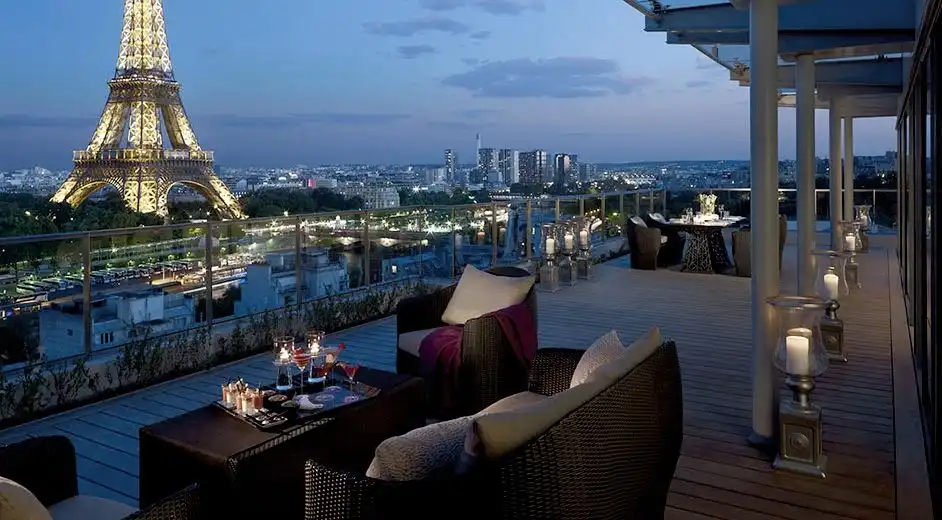
photo: mypremiumeurope.com
True luxury doesn’t shout. You feel it in the gesture, in the atmosphere, in the fact that no one has to ask twice about your preferences. That’s the difference between expensive and valuable.
Because ultimately, when you’re planning your next trip, you’re not thinking “I want five stars.” You’re thinking of a specific place where you felt truly special. And that’s what it’s all about.
San Diego Maestro
real estate & lifestyle editorial team
Luxury Blog





Leave a Comment