

The most expensive luggage brand – who truly reigns in luxury?
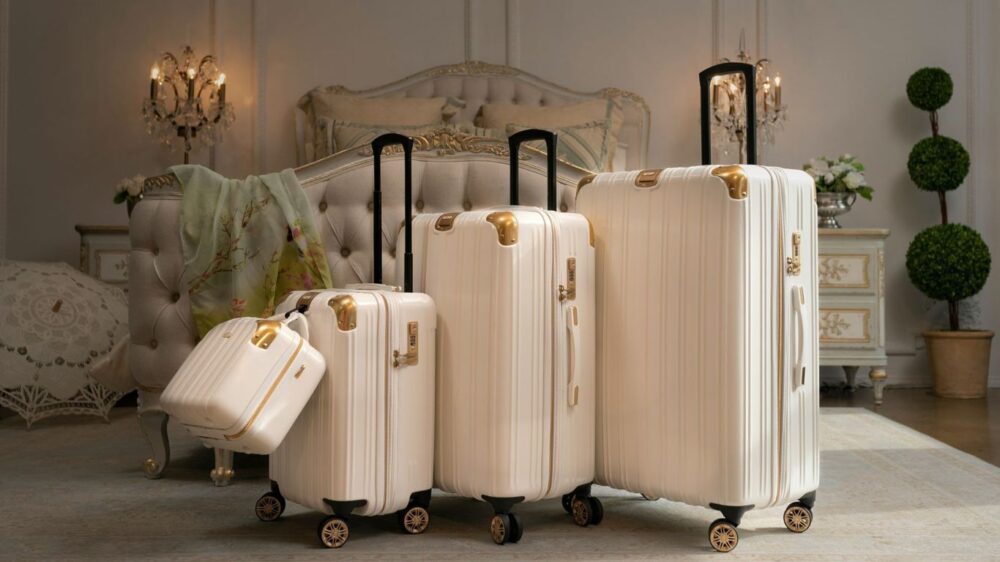
Imagine an airport in Warsaw, a business terminal – two suitcases stand side by side. One costs 300 PLN from an outlet, the other is made of crocodile leather and costs 180,000 PLN. Both serve the same purpose, but the owner of the latter sends a completely different message to the world. And that’s exactly why everyone asks: which luggage brand is really the most expensive?
Luxury luggage is not just something you pack for a holiday. It’s a symbol of belonging to a very exclusive circle, where price ceases to matter and what counts is craftsmanship, exotic materials, and a logo everyone recognizes from afar. According to current data from December 2025, the title of the most expensive brand belongs to Louis Vuitton – although Hermès and Goyard are close behind, depending on the model and limited editions.
The most expensive luggage brand – luxury enclosed in a suitcase
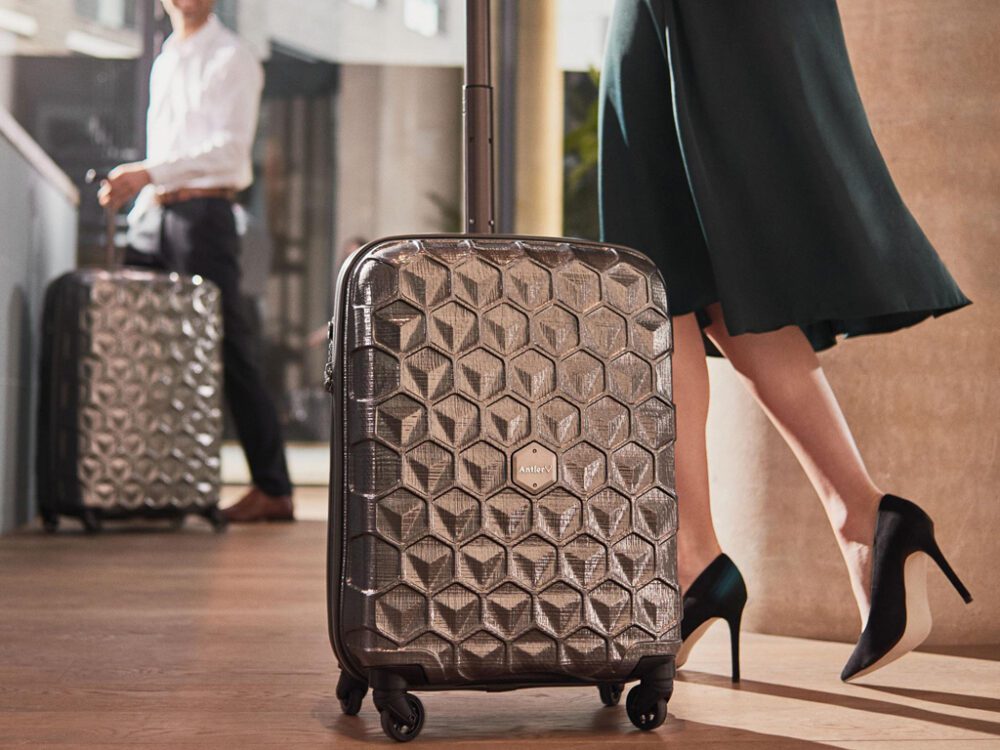
photo: peaklife.in
Why are we even interested in this? Because these suitcases are more than just a practical item:
- A showcase of status and life aspirations
- Often a better “address” than an apartment or a car
- Collector’s investment (some models increase in value)
- A way to feel part of an exclusive world
In the following sections, we will break down the brand ranking in detail, see where these astronomical prices come from, and find out whether such a suitcase is really a sensible purchase. Or just a beautiful dream of first class.
Louis Vuitton at the top – ranking of the most expensive luggage brands
Who is the most expensive today? The answer in numbers
According to the latest market data from December 2025, the most expensive luggage brand remains Louis Vuitton —although Hermès and Goyard compete for the top spot with specific models. However, LV leads in terms of average price level and the number of models in extreme price ranges.
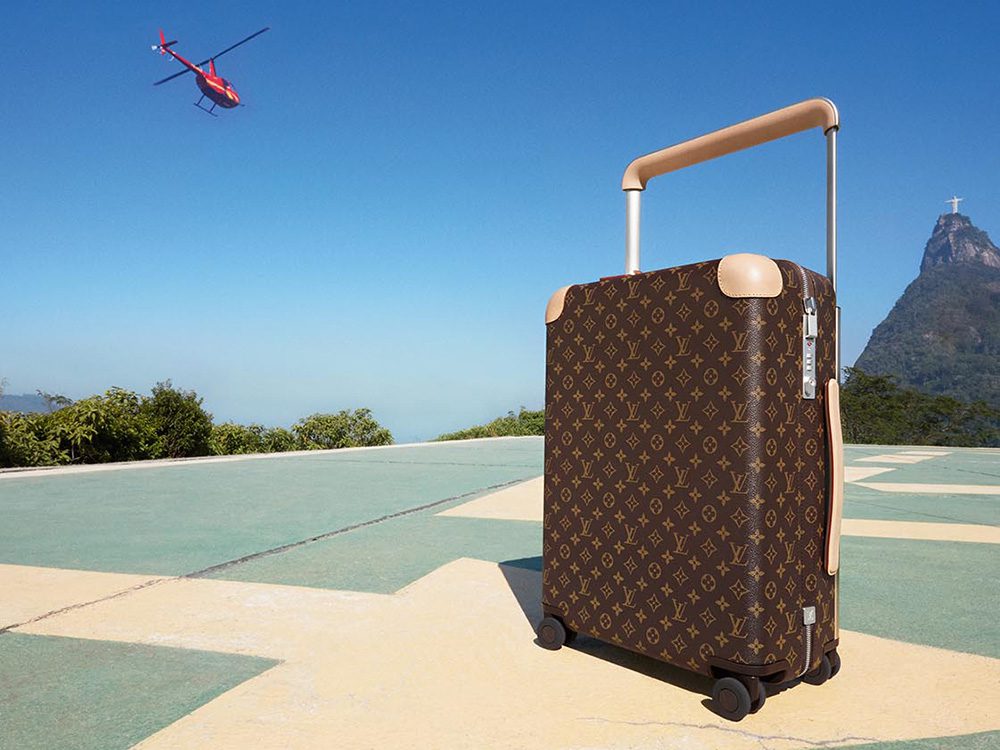
photo: purseblog.com
When it comes to typical purchases, the average price of a Louis Vuitton suitcase ranges from 20,000 to 150,000 PLN, with record-breaking models reaching several hundred thousand PLN (for example, the limited Artist Collaboration collection goes up to 500,000 PLN). Hermès offers suitcases starting at 30,000 PLN, but their top crocodile leather models can cost over 1 million PLN. Meanwhile, Goyard presents a slightly wider range—from 15,000 PLN for smaller models to around 300,000 PLN for hand-painted suitcases.
Top 5 luxury luggage brands and their prices
Here is a concise ranking of the most expensive brands along with approximate prices:
| Brand | Typical price range (suitcase) | Example record |
|---|---|---|
| Louis Vuitton | 20,000 – 150,000 PLN | 500,000 PLN (Artist Collaboration) |
| Hermès | 30,000 – 200,000 PLN | 1 million PLN (crocodile suitcase) |
| Goyard | 15,000 – 100,000 PLN | 300,000 PLN (hand-painted) |
| Globe-Trotter | 8,000 – 40,000 PLN | 120,000 PLN (vintage edition) |
| Rimowa | 5,000 – 25,000 PLN | 80,000 PLN (Dior x Rimowa) |
As you can see, the term “most expensive brand” is relative—it depends on the specific model and the materials used. However, at the brand level, Louis Vuitton maintains its position as the price leader.
From trunks to cabin bags – the birth of luxury luggage
Travel used to be a ceremony—heavy trunks loaded onto train cars, staff carrying leather bundles. Today, we just toss a carry-on into the trunk and go. But these luxury brands we’re talking about today? They remember those times.
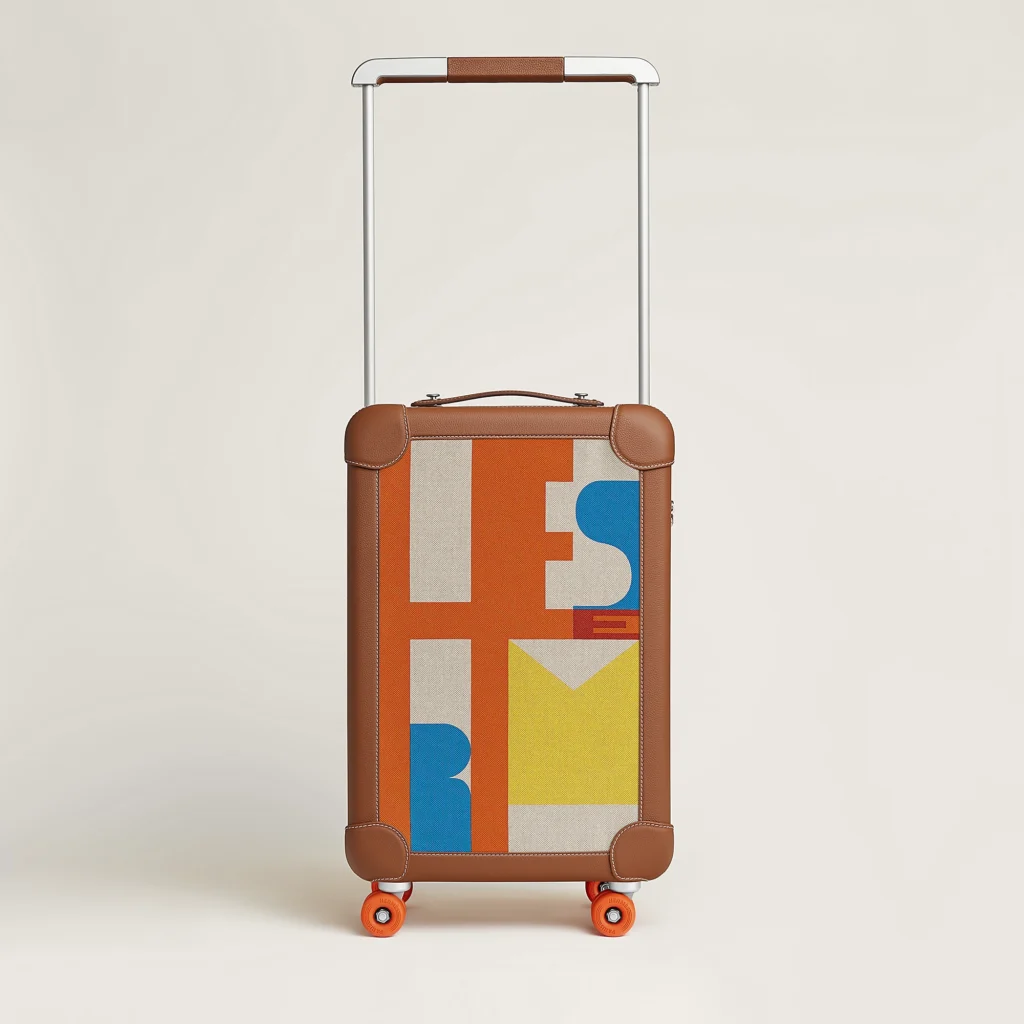
photo: hermes.com
French pioneers: Louis Vuitton and Goyard
It was France that gave the world luxury luggage as we know it today. Louis Vuitton opened his workshop in 1854 and immediately did something revolutionary—he created a flat trunk instead of the traditional domed one. It may sound simple now, but at the time it was groundbreaking—finally, luggage could be stacked one on top of another in a carriage. A year earlier, in 1853, Goyard introduced encrypted patterns on canvas—combining aesthetics with durability. Both brands quickly became synonymous with traveling in grand style.
From aluminum to collabs: The 20th century and beyond
The 20th century brought new players and new materials. Hermès, operating since 1837, entered the luggage market only in the 1920s, introducing trunk-style pieces with saddle-making craftsmanship. Globe-Trotter (1897, United Kingdom) opted for vulcanite—a composite as light as air. In 1933, Rimowa shocked the world with an aluminum suitcase.
| Year | Event | Brand |
|---|---|---|
| 1854 | The first flat trunk | Louis Vuitton |
| 1896 | Monogram Canvas | Louis Vuitton |
| 1933 | Aluminum suitcase | Rimowa |
| 1970 | Wheels in the suitcase | Rimowa |
| 2017 | Collab LV × Supreme | Louis Vuitton |
From aristocratic trunks to mobile cabin suitcases on wheels — but a status symbol? Still the same.
What makes up the price? Materials, craftsmanship, margins
Are we paying for the leather, or for the logo? When it comes to luxury luggage – for both, but the proportions might surprise you.
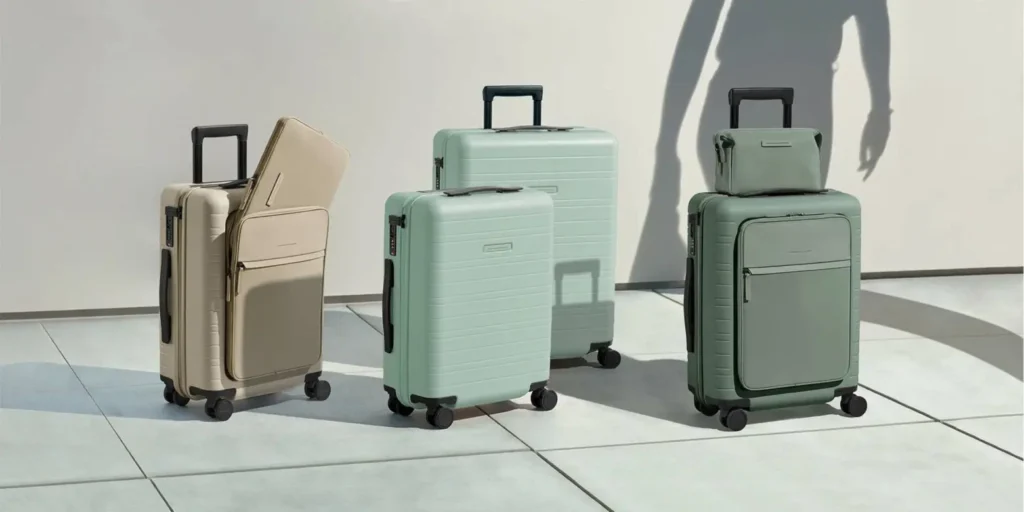
photo: luxe.digital
From crocodile leather to carbon fiber
Premium materials are the first expense that’s visible to the naked eye. In top models, you’ll find:
- Alligator or crocodile skin (one suitcase requires about 3-4 skins)
- High-quality calfskin leather with a density of 60+ fibers/cm²
- Monogram Canvas Louis Vuitton – five-layer lacquered canvas
- Carbon fiber and special aluminum alloys (as in Rimowa Topas)
- Vulcanite (Globe-Trotter) – layered composite made of paper and resin
Sounds expensive? That’s just the beginning.
Handcrafted workmanship and markups: what are we really paying for
At Hermès, a single suitcase requires about 48 hours of artisan work, uses around 200 meters of thread, and is produced at a rate of one piece per person per day. Limited production increases collectible value, but the real magic happens in… the margins.
According to Bain & Company, about 70-80% of the value of luxury luggage comes from intangible elements — the logo, heritage, and prestige. Margins in the luxury sector hover around 90%, while Samsonite or American Tourister operate at 40%. Louis Vuitton Horizon 2025 (55×40×23 cm, 4.7 kg, capacity 52 l, TSA and GPS system) costs ~18,000 PLN. What are you paying for? For functionality, yes, but above all for the monogram on the lid.
As a result, we pay for three things at once: material quality, craftsmanship, and brand exclusivity. The latter carries the most weight.
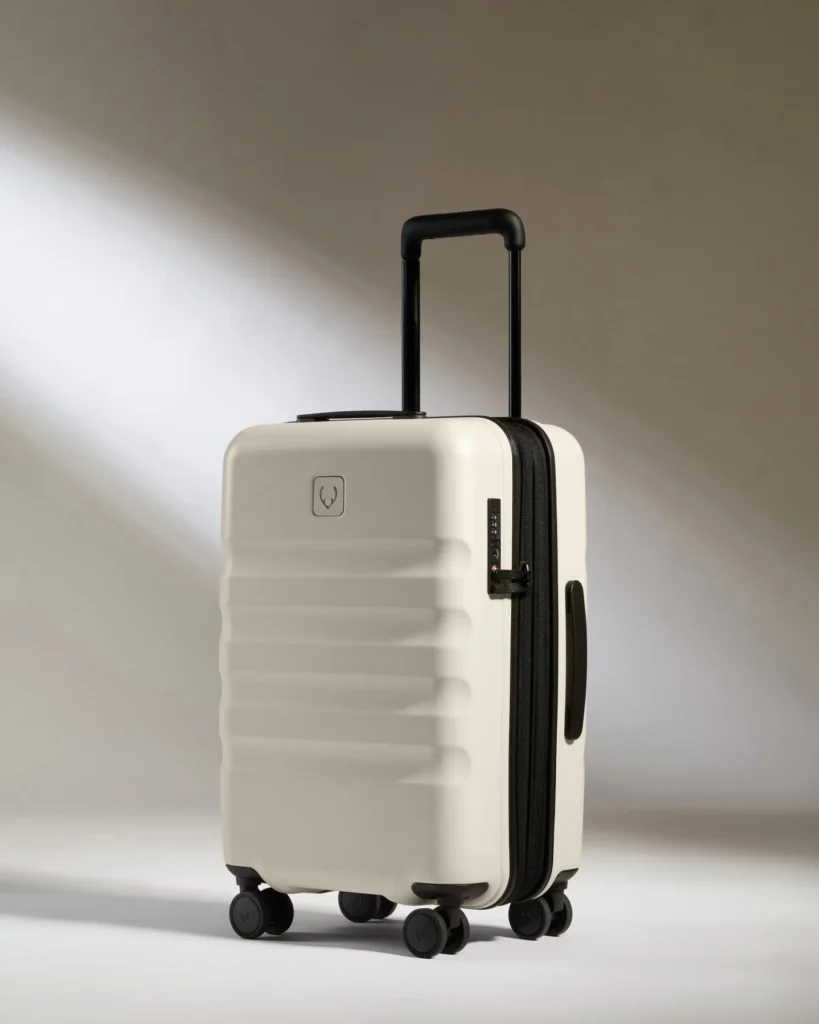
photo: theluxuryeditor.com
The luxury luggage market today – figures and trends
The global luxury luggage market is currently worth around $15 billion, growing at a rate of about 8% per year—an impressive figure, but still a niche compared to the mass-market suitcase sector, which is worth tens of billions. Interestingly, it is precisely in this premium segment that the most dynamic developments are now taking place.
Luxury luggage in numbers: the 2025 market
What trends are shaping the current offerings? From my research, three key directions stand out:
- Sustainable materials – recycled fibers, reduction of production waste, ecological certificates
- Smart suitcases – GPS for luggage tracking, built-in USB ports for charging (e.g. Rimowa Essential)
- High-profile collabs – Rimowa x Dior, Rimowa x Tiffany & Co., the latest Louis Vuitton “Horizon Soft” model from 2025
These innovations are not just marketing — customers genuinely pay for these premium features.
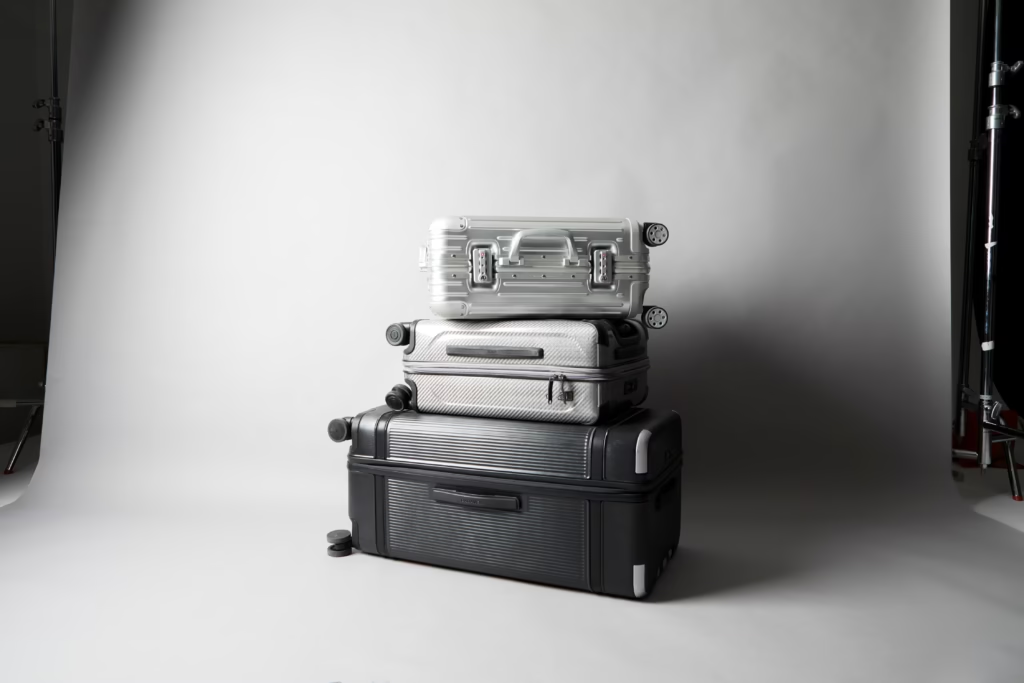
photo: esquire.com
Poland between Samsonite and Louis Vuitton
In Poland, the mass market segment is dominated by Samsonite, American Tourister, and local brands such as Ochnik and Puccini —the typical price range is 500–2,000 PLN. Premium starts at around 3,000 PLN and up. Luxury? Available mainly in boutiques: Louis Vuitton in Galeria Mokotów, Hermès in Vitkac.
Prestige or excess? Status, investment, and the shadows of luxury
Is a luxury suitcase an investment or just a show-off piece for Instagram? This question divides the market into two camps—and neither is entirely right.
Luggage as an investment and status symbol
Some experts take top models seriously. LookBerry (2025) directly calls Louis Vuitton luggage “travel gold” — selected collections can gain around 20% in value over five years, especially limited editions or models made from exotic leathers. This is no myth: auctions of vintage LV trunks regularly break records. And then there’s the social aspect. According to Statista, nearly 65% of luxury goods buyers admit they do it mainly to show off their status. The airport is the new stage — the logo is visible in photos, in posts, in stories. Harvard Business Review confirms: luxury luggage is one of the strongest “silent signals” of status.
Criticism, ethics, and the problem of counterfeits
But social media is buzzing. Twitter is full of comments like: “11,000 PLN for a bag? Ridiculous” or “a label for the nouveau riche.” FCforum calculates that production costs are often 53 EUR, while the sale price is over 2,000 EUR “just for the logo.” Ethical concerns are also growing: exotic leathers spark protests (CITES regulations, threats of boycotts), and the scale of counterfeiting is breaking records — over 80% of fakes come from China, and Louis Vuitton files thousands of lawsuits every year. Prestige? Yes. But with an asterisk and controversy included.
How to Approach Luxury Luggage – Conscious Decisions for the Future
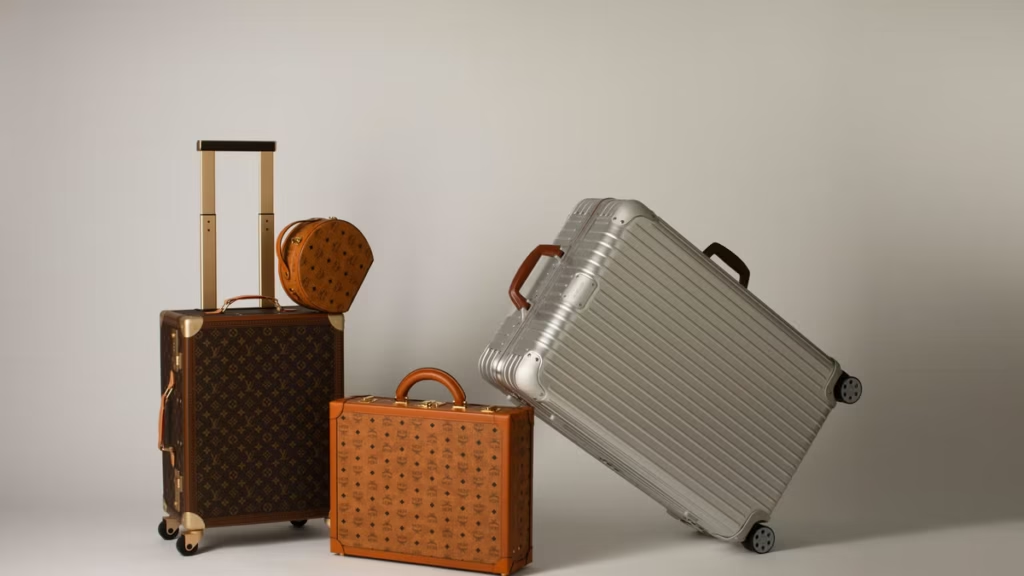
photo: elle.com
So, let’s return to the question from the beginning: is it worth chasing after the most expensive luggage brand? Honestly? It depends. Louis Vuitton currently reigns in terms of price, Hermès in exclusivity, but neither of these brands makes sense if it doesn’t fit your lifestyle.
When does luxury luggage really make sense?
Before you spend tens of thousands of zlotys, ask yourself a few specific questions:
- Travel frequency – do you fly a few times a year or every weekend? For an occasional traveler, a good Samsonite or Ochnik will be more than enough.
- Purchase function – is it meant to be a work tool, a part of your collection, or an investment to resell in a few years?
- Security – do you have a place to store luggage worth a fortune? With luxury, it’s not just about the price, but also insurance, service, and authenticity.
And one more thing: buy only from authorized boutiques (LV, Hermès, Goyard) or from a documented secondary market. Check certificates and serial numbers—the scale of counterfeits is enormous, and a “bargain” from an unreliable source is usually a trap.
What’s next for luxury luggage – technologies and new markets
The future? Smart luggage with AI tracking, geolocation, and mobile apps. Digital certificates of authenticity (blockchain, NFT), sustainable materials, increasing pressure for eco-friendliness. The market is expected to grow to around USD 20 billion at a rate of +12% annually – with the highest growth in Asia and the Middle East. Hermès may take the lead in exclusivity, but LV probably won’t give up the crown easily.
The decision is always yours – just make sure it’s conscious, not impulsive.
MY MOnia
luxury blog editorial team






Leave a Comment