

Scandinavian style and stone? They’re not mutually exclusive
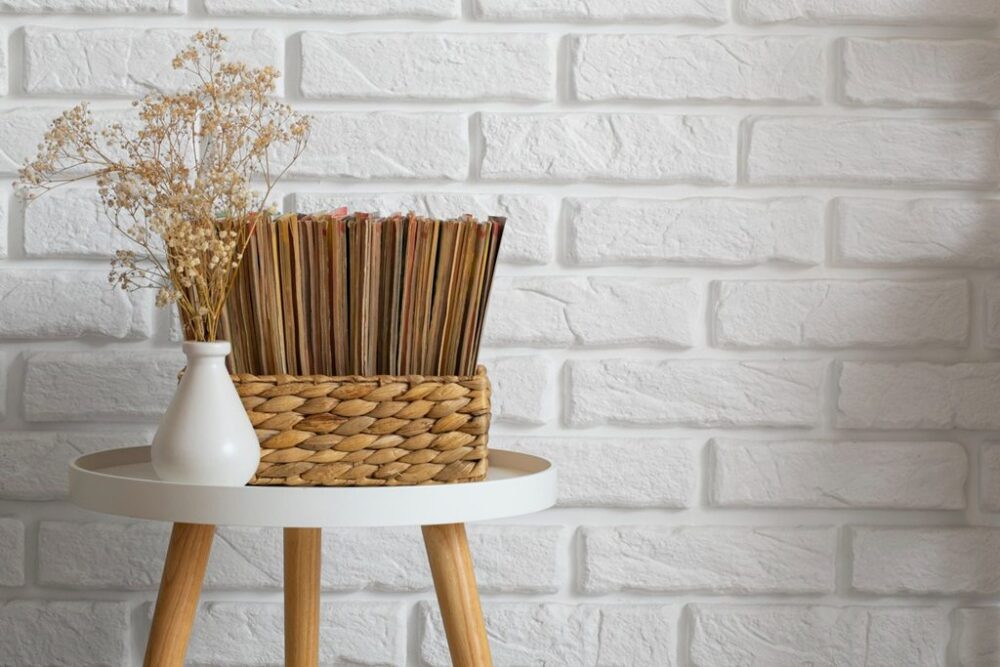
Bright light, simple forms, and natural materials—these are the hallmarks of Scandinavian style. Stone, on the other hand, is often seen as cold and too austere. In reality, the two complement each other perfectly. Granite, marble, travertine, or quartz in neutral tones can highlight the calm of northern interiors and add a sense of solidity. All it takes is choosing the right texture and finish to strike a balance between coziness and durability.
Why does stone work so well in Scandinavian interiors?
Scandinavian design is a celebration of simplicity. White, grey, sand, and warm wood dominate, with every detail thoughtfully placed and justified. In such an environment, stone doesn’t serve as decoration but rather as a backdrop— organizing the space and adding a sense of balance.
Natural materials come together here in a harmonious rhythm: wood, linen, wool, and stone. All of them age gracefully and don’t need constant replacement. What is meant to last, truly does.
Light-colored stone surfaces reflect light, making rooms appear more spacious. A matte finish or gently brushed texture—especially in granite and travertine—adds a softness to interiors that cannot be achieved with synthetic materials.
Which stones suit the Scandi style?
- Granite in shades of grey and graphite is a reliable choice for those who appreciate order and harmony. In its brushed version, it features a subtle, slightly rough texture that diffuses light and creates a natural, gently warm effect.
- Marble —preferably in a light shade with subtle veining—adds a touch of lightness and elegance. It works well not only as a countertop, but also as a windowsill or a detail by the fireplace.
- Quartz (quartz conglomerate) offers a smooth, uniform surface that looks great on larger areas—such as between kitchen cabinets. It’s practical and helps maintain a clean, cohesive look.
- Travertine with its porous texture brings warmth and a natural feel. Paired with light wood and soft fabrics, it creates an inviting space perfect for relaxation.
You’ll find more examples and completed projects at kamieniarstwo.com.pl – it’s a great reference point if you’re looking for inspiration for your own project.
Where does stone work best?
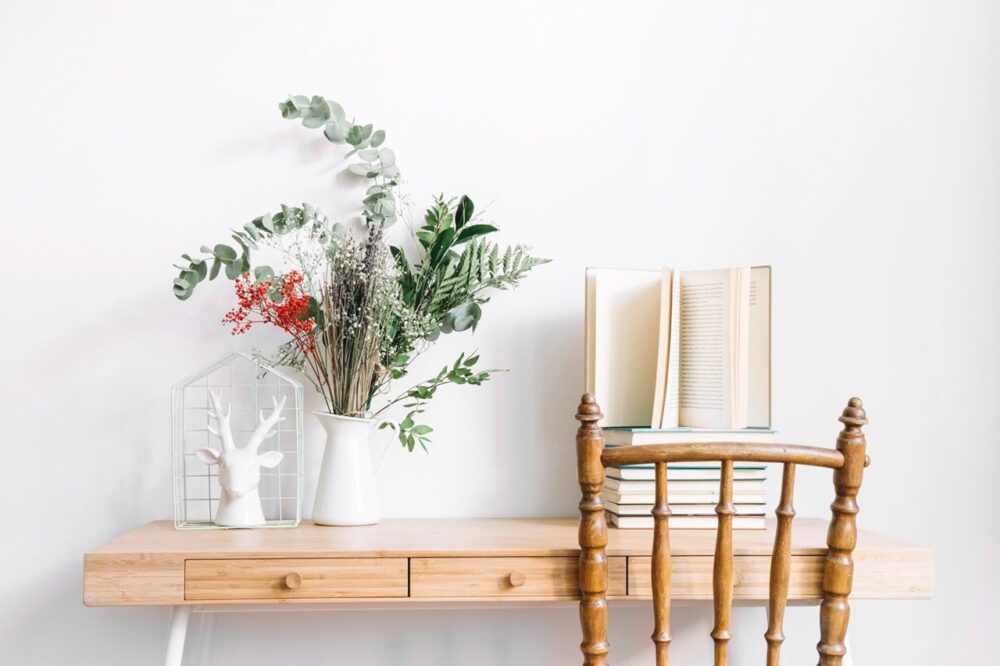
In the Scandinavian style, nothing is left to chance. Every material has its purpose and place, and stone can be found in almost every area of the home.
In the kitchen, a light-toned granite or quartz countertop creates a calm foundation for white cabinetry and wooden accents. Using the same stone on the windowsill emphasizes the flow of natural light and gives the space a cohesive look.
In the bathroom, marble or travertine tiles work perfectly—they’re matte, understated, and easy to maintain. Their uniform tone brings order to the space and lets you focus on function rather than pattern.
In the hallway and on the stairs, brushed granite is a practical and durable solution. It doesn’t get slippery, is resistant to dirt and scratches, and maintains its natural look.
In the living room, stone often appears in the details: on the fireplace surround, the coffee table top, or in a niche by the wall. Subtle accents are enough to create material harmony and add a sense of solidity to the interior.
The practical side of stone
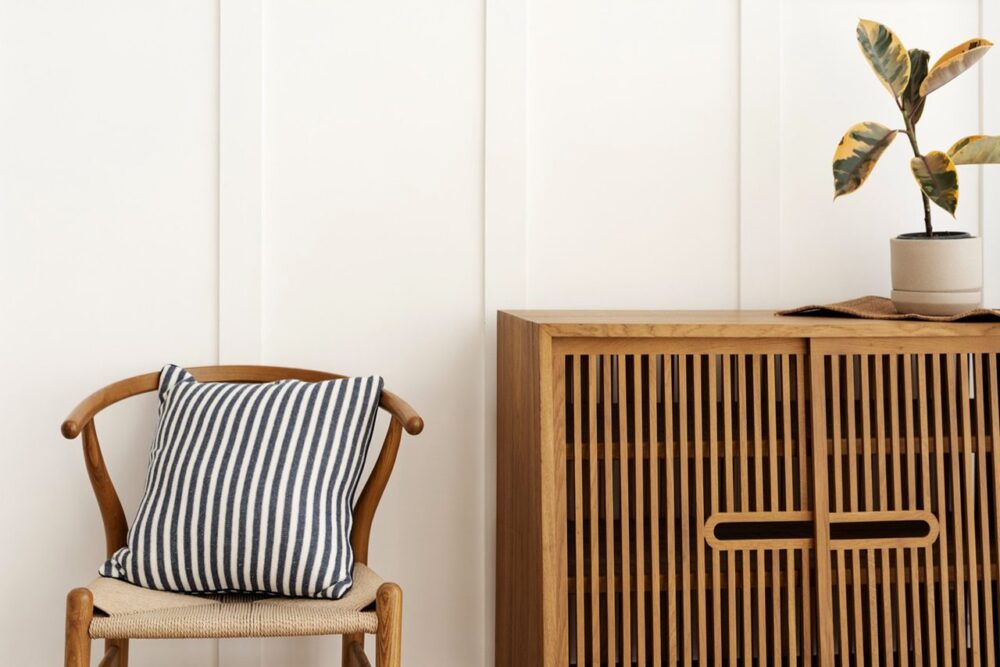
Stone has something that most modern materials lack – it doesn’t pretend to be anything else. It’s resistant to heat, moisture, and everyday use. It doesn’t require complicated care: just a soft cloth and a neutral pH cleaner are enough.
A well-impregnated countertop or floor retains its fresh appearance for many years. This is essential in interiors designed to withstand changing trends and everyday use.
Why is stone a solution that stands the test of time?
Scandinavian style avoids excess—simplicity and authenticity are what matter most. Natural stone fits perfectly with this philosophy. It’s durable, versatile, and always appropriate, whether your interior is classic, japandi, or new nordic.
It’s also an economical choice in the long run: once installed, a countertop or floor will last for decades without the need for replacement or renovation.
Consistency, light, naturalness
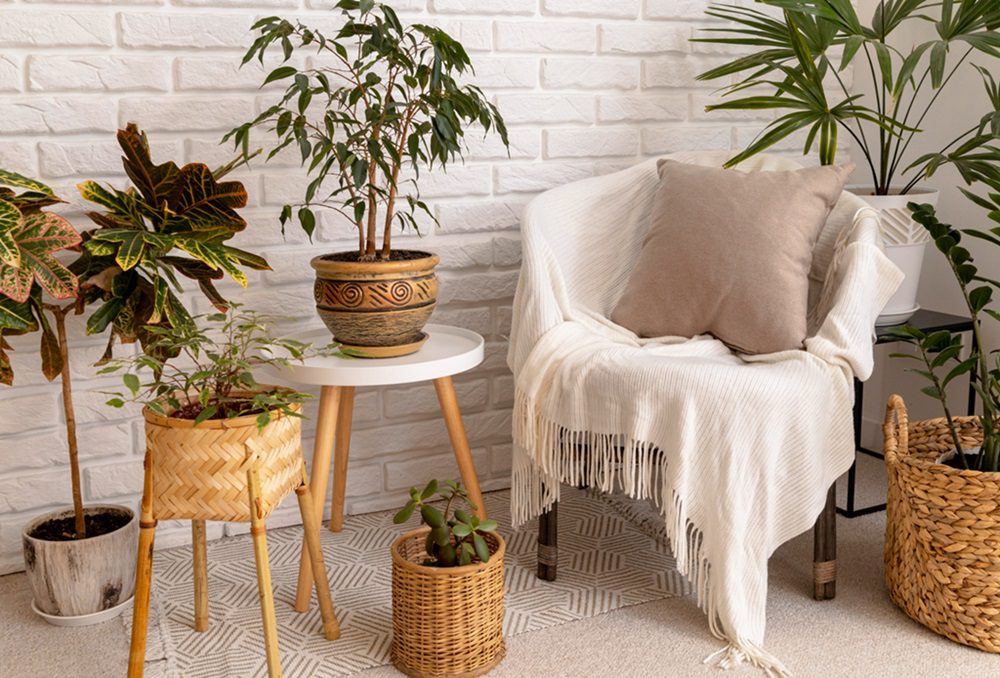
Stone in Scandinavian style doesn’t cool down the space—in fact, it brings balance and a sense of order. Combined with wood and textiles, it creates an interior that’s bright, functional, and serene. If you’re planning a renovation or decorating your home in the spirit of northern minimalism, visit kamieniarstwo.com.pl—you’ll find examples of completed projects, types of stone, and practical inspiration for blending it with your lifestyle.
Sponsored article




Leave a Comment