

Ranking of Luxury Men’s Watches – Top 10 for Prestige and Value
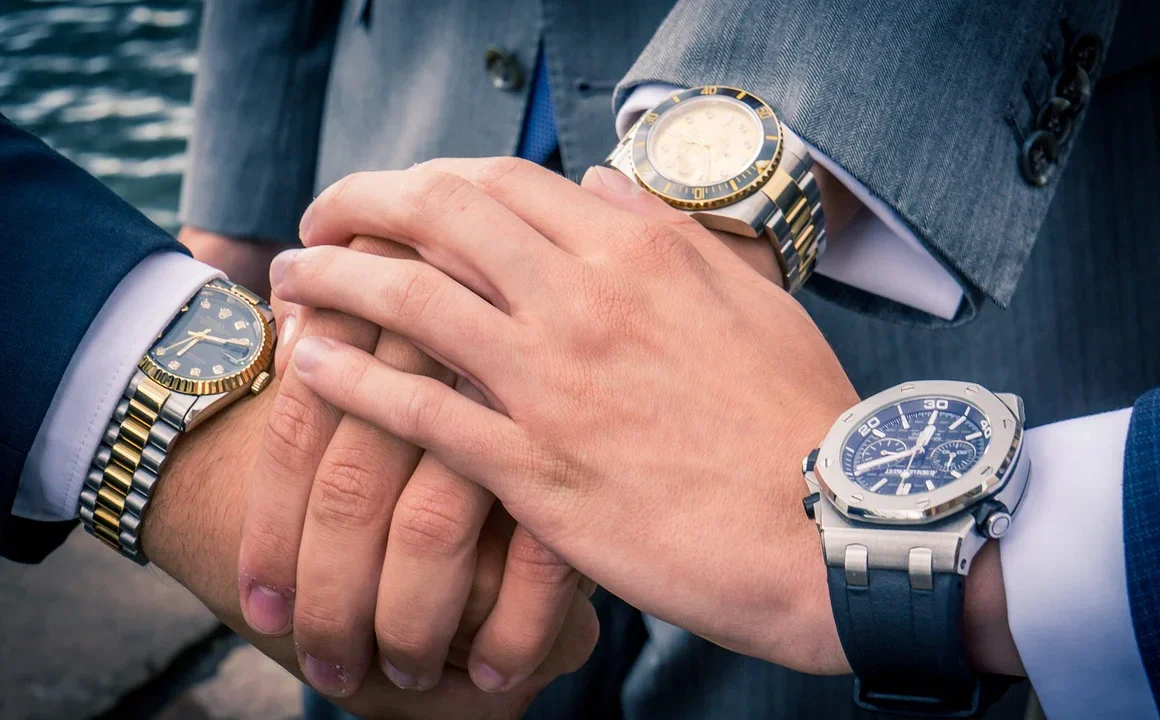
Did you know that last year collectors spent over $85 billion on luxury men’s watches? That’s more than the entire GDP of Slovakia. The premium market is growing at a rate of 6-8% per year—and it shows no signs of slowing down. Today, I’ve put together a ranking of luxury men’s watches just for you.
In 2025, we’re witnessing something fascinating—the emergence of what experts call the “prestige pyramid.” It’s a new brand hierarchy that’s completely reshaped previous rankings. Having a good watch is no longer enough. What matters now is your position in this pyramid.
“A modern men’s watch is more than just a way to tell time—it’s a statement of social status and personal taste.”
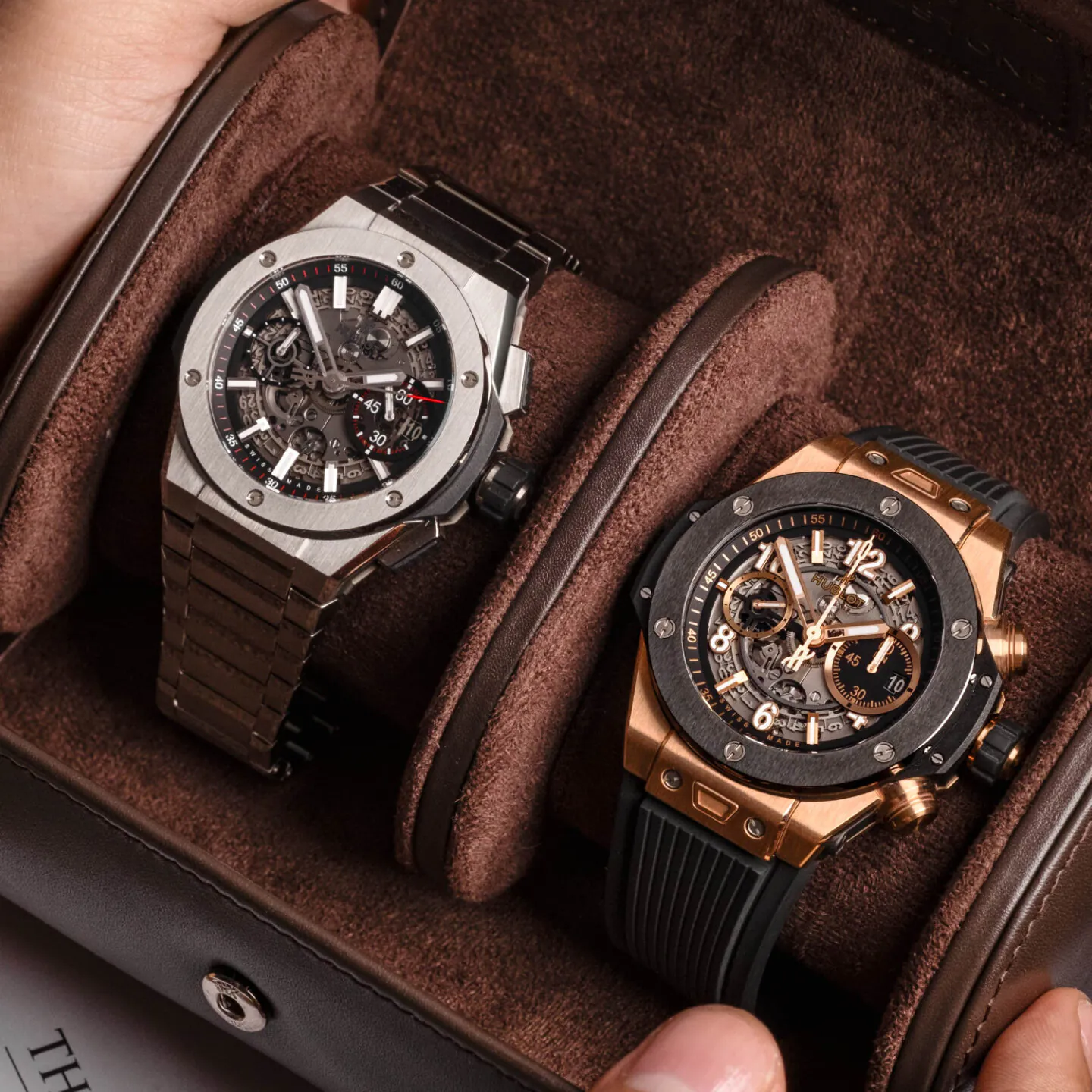
photo: blog.luxehouze.com
Ranking of Luxury Men’s Watches – Prestige on Your Wrist
Actually, this topic is close to my heart for another reason as well. Antoni Patek, co-founder of the legendary Patek Philippe manufacture, was Polish. An émigré from the November Uprising, he created one of the world’s most prestigious brands in Geneva. To this day, every piece from this brand carries a fragment of Polish history.
It’s not just about nostalgia. Poles are buying more and more luxury watches. Statistics show that we’re among the European leaders in the growth of premium timepiece purchases. Perhaps it’s because we’re finally appreciating the value of things that last for decades.
This year’s ranking isn’t just another “best brands” list. It’s an analysis of real market trends, collector preferences, and… auction prices. Because one watch can cost as much as an apartment, while another—despite similar class—loses value within a year.
In the following paragraphs, we’ll take a closer look at how this ranking was created. What criteria determined the positions of each manufacture. Why some brands dropped, while others—quite unexpectedly—rose to the top.
You’ll also discover the secret behind the prices of watches worth a fortune.
How is the prestige pyramid created – ranking criteria
You know, the prestige ranking isn’t just a random list. Every percentage point matters here, and each category is carefully considered. Because how do you really decide if Hermès is more prestigious than Cartier?
The prestige pyramid is divided into four levels. At the top, you have the iconic brands—this is where Chanel, Louis Vuitton sit. These are empires that have survived everything. The second level is luxury brands— Gucci or Prada, strong but not immortal. The third level, premium accessible—you’ll find Hugo Boss, Michael Kors here. And at the bottom, accessible luxury—Coach, Tommy Hilfiger.
The scoring system is based on six criteria, each with a different weight:
| Criterion | Weight |
|---|---|
| History and heritage | 25% |
| Innovation | 20% |
| Market value | 20% |
| Exclusivity | 15% |
| Craftsmanship | 10% |
| Cultural influence | 10% |
History is the foundation. A brand with two centuries of tradition automatically earns points. Innovation—do they introduce new technologies or materials? Market value speaks for itself. Exclusivity is about availability—can anyone buy it at a shopping mall?
The formula looks like this:
Final_Score = (History × 0.25) + (Innovation × 0.20) +
 (Value × 0.20) + (Exclusivity × 0.15) +
 (Craftsmanship × 0.10) + (Culture × 0.10)
The year 2025 brought changes to the scoring system. Sustainability has influenced the innovation criterion— eco-friendly brands now receive extra points. The Chinese market is a story of its own. Cultural impact has suddenly become more important, as prestige works differently there.
Fun fact—in 2024, history accounted for 30%. Now it’s dropped to 25%, since younger generations are more future-oriented than focused on the past.
The system isn’t perfect, but it offers an objective perspective. Every brand goes through the same filter, the same criteria. No connections, no deals.
Now let’s get down to specifics and see how individual brands performed in this ranking.
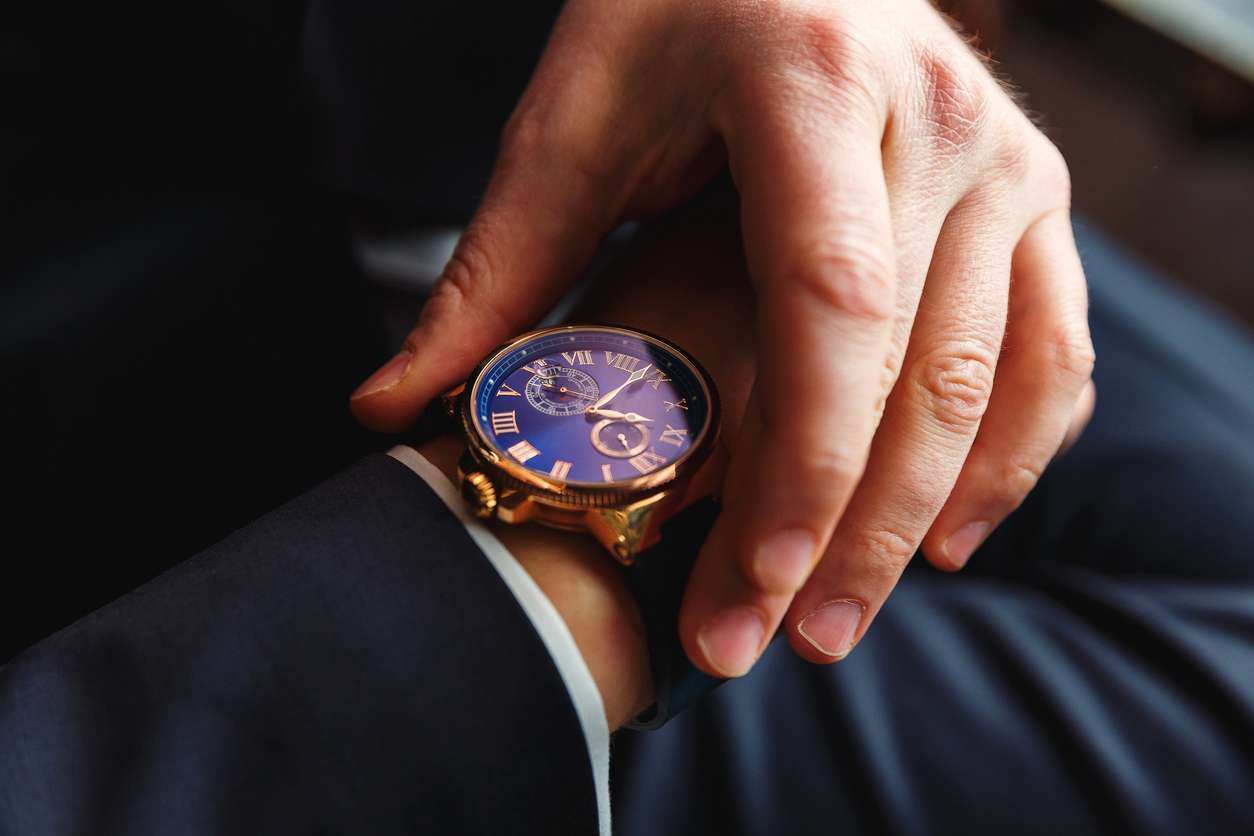
photo: hco.com
Top 10 brands 2025 – detailed position analysis
The analysis of the 2025 ranking positions is a fascinating lesson in how various factors influence the success of watch brands. Some results may surprise you, while others only seem obvious after a deeper analysis.
| Position | Brand | Revenue 2025 | Annual production | Flagship model |
|---|---|---|---|---|
| 1 | Rolex | 12,580,000,000 USD | 1,200,000 pcs. | Submariner |
| 2 | Patek Philippe | 3,420,000,000 USD | 85,000 pcs. | Nautilus |
| 3 | Audemars Piguet | 2,890,000,000 USD | 52,000 pcs. | Royal Oak |
| 4 | Omega | 2,650,000,000 USD | 680,000 pcs. | Speedmaster |
| 5 | Cartier | 2,340,000,000 USD | 450,000 pcs. | Santos |
| 6 | Richard Mille | 1,980,000,000 USD | 6,800 pcs. | RM 11-03 |
| 7 | Breitling | 1,720,000,000 USD | 320,000 pcs. | Navitimer |
| 8 | Tudor | 1,580,000,000 USD | 410,000 pcs. | Black Bay |
| 9 | TAG Heuer | 1,450,000,000 USD | 285,000 pcs. | Carrera |
| 10 | Jaeger-LeCoultre | 1,390,000,000 USD | 95,000 pcs. | Reverso |
Rolex maintains its dominance thanks to a perfect blend of heritage, accessibility, and social status. The launch of the GMT-Master II in new colors and the limited availability of sports models are driving demand. The brand strikes an ideal balance between an exclusive image and relatively high production. Chinese clients especially value the Daytona, which has significantly boosted revenues. Rolex is simply the gold standard of luxury watches.
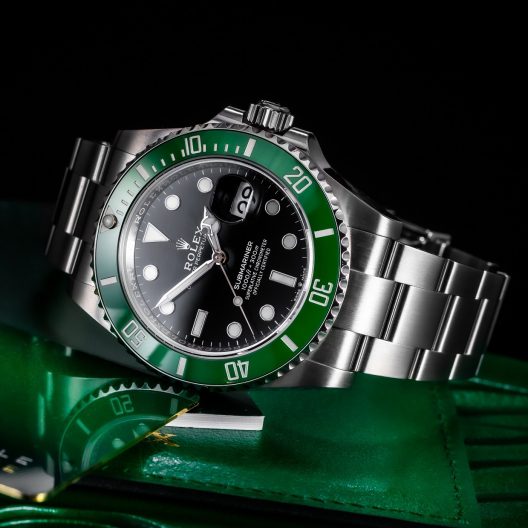
photo: mmgold.pl
Patek Philippe holds its position thanks to unparalleled heritage and handcrafted production. The introduction of new complications in the Grand Complications line and growing interest from European collectors in traditional Swiss manufacturing have strengthened its standing. Limited production and long waiting lists create an aura of exclusivity adored by Asian millionaires.
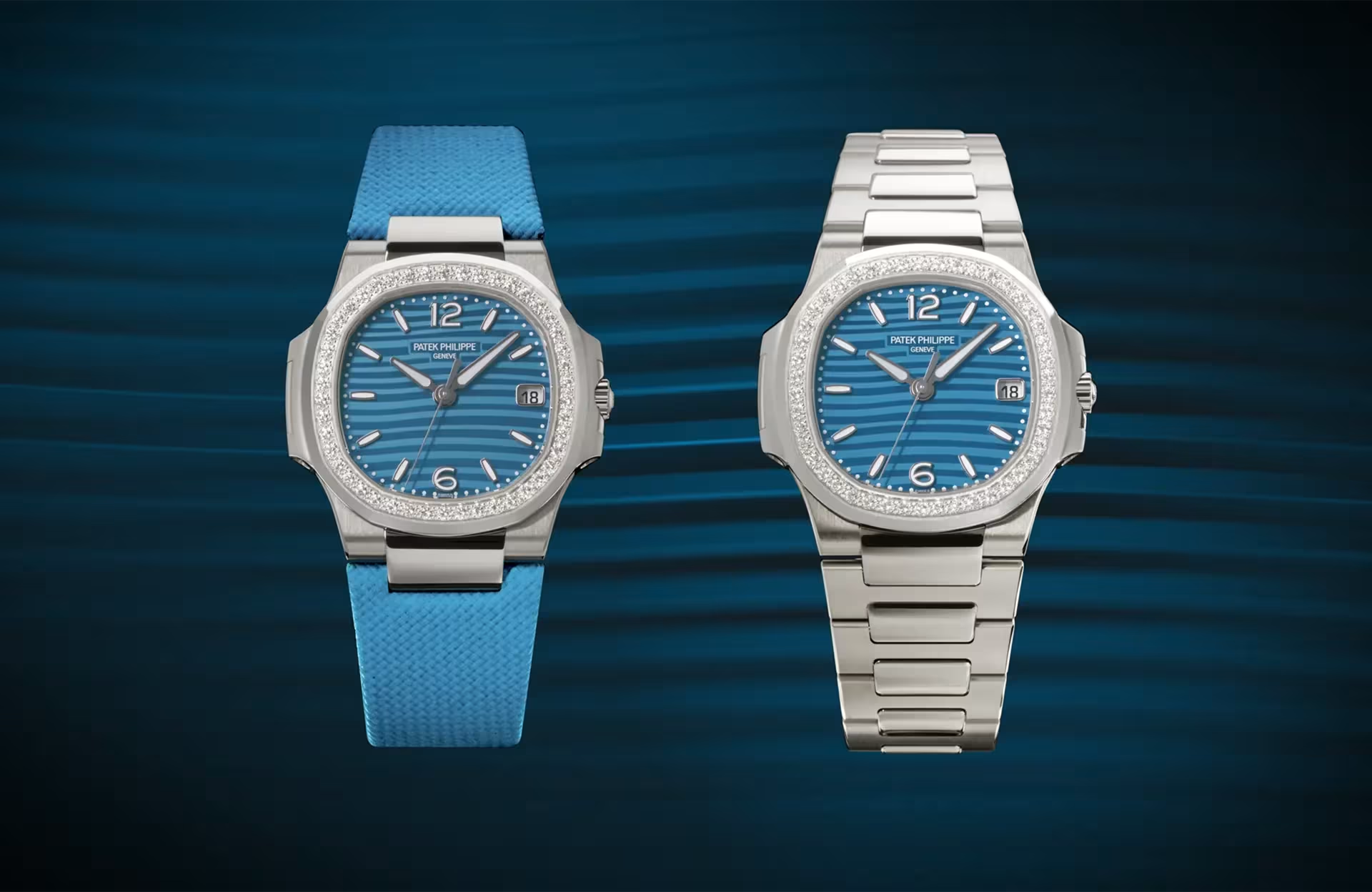
photo: patek.com
Audemars Piguet is gaining ground thanks to the iconic Royal Oak and collaborations with celebrities. Limited AP × Marvel editions and growing popularity among younger buyers are fueling sales. The brand cleverly combines tradition with modernity, which is especially appreciated by American clients. However, some critics accuse it of over-commercializing its heritage.
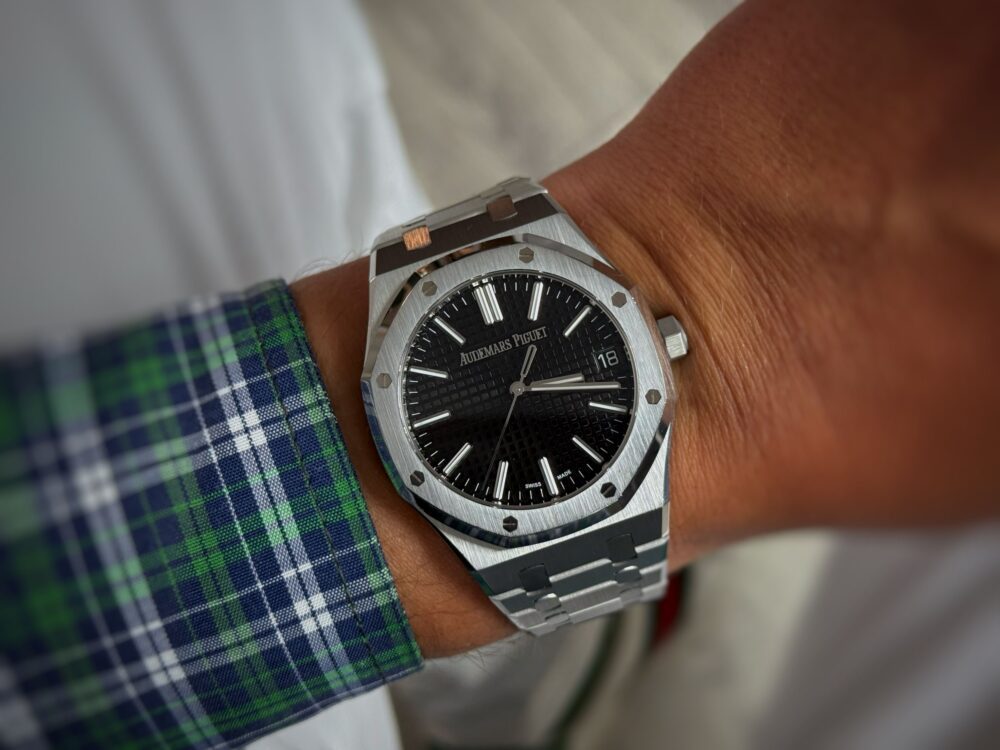
photo: lesabre.pl
Omega strengthens its position through collaborations with NASA and the Bond franchise. New Speedmaster models from the Moon collection and rising interest in sports watches among European customers are driving growth. The brand perfectly targets the premium segment accessible to a broader audience. Marketing based on historical achievements works brilliantly.
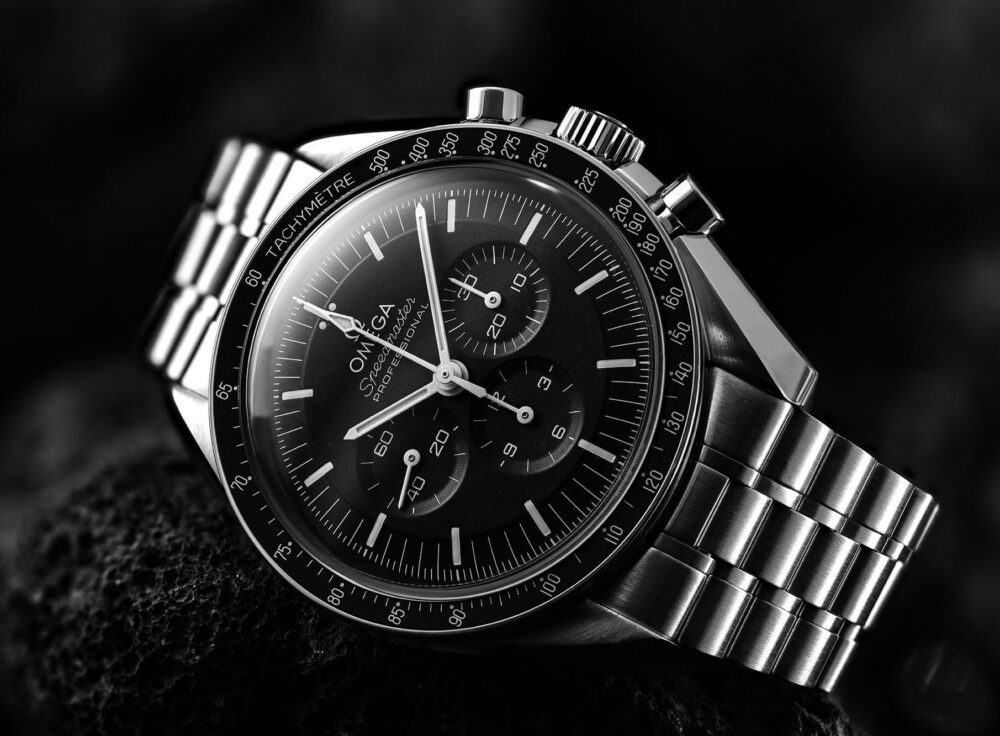
photo: watchesworld.com
Cartier combines jewelry heritage with watchmaking craftsmanship. New women’s models and growing interest in the Santos among young professionals are driving sales. The brand is particularly strong in China, where gold models enjoy immense popularity. French elegance still has its charm.
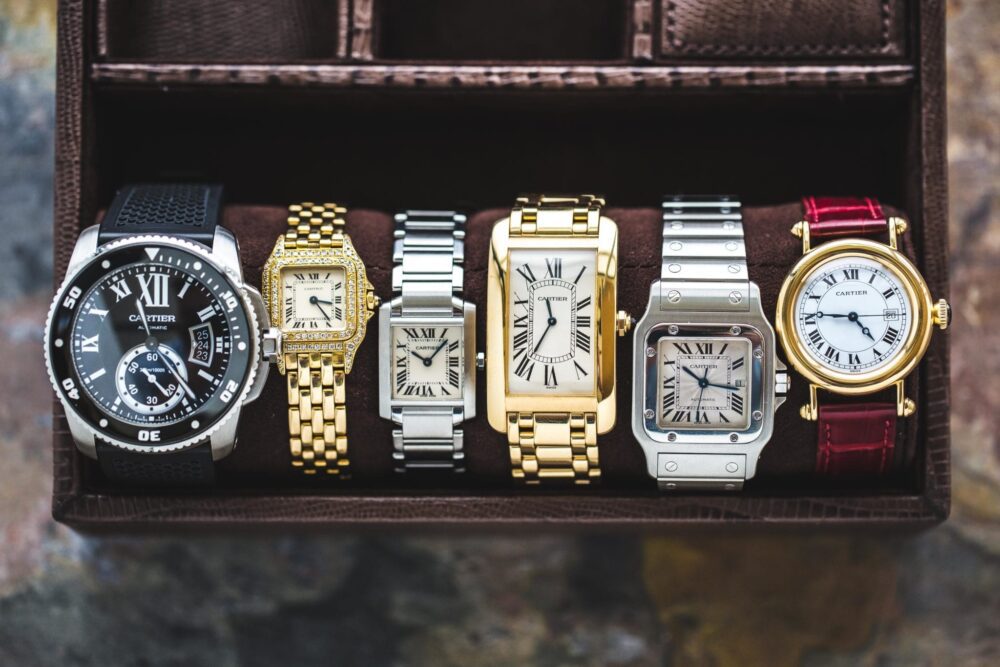
photo: blog.crownandcaliber.com
Richard Mille sparks controversy but generates enormous revenue. Despite criticism for its “nouveau riche” image, the brand attracts athletes and influencers.
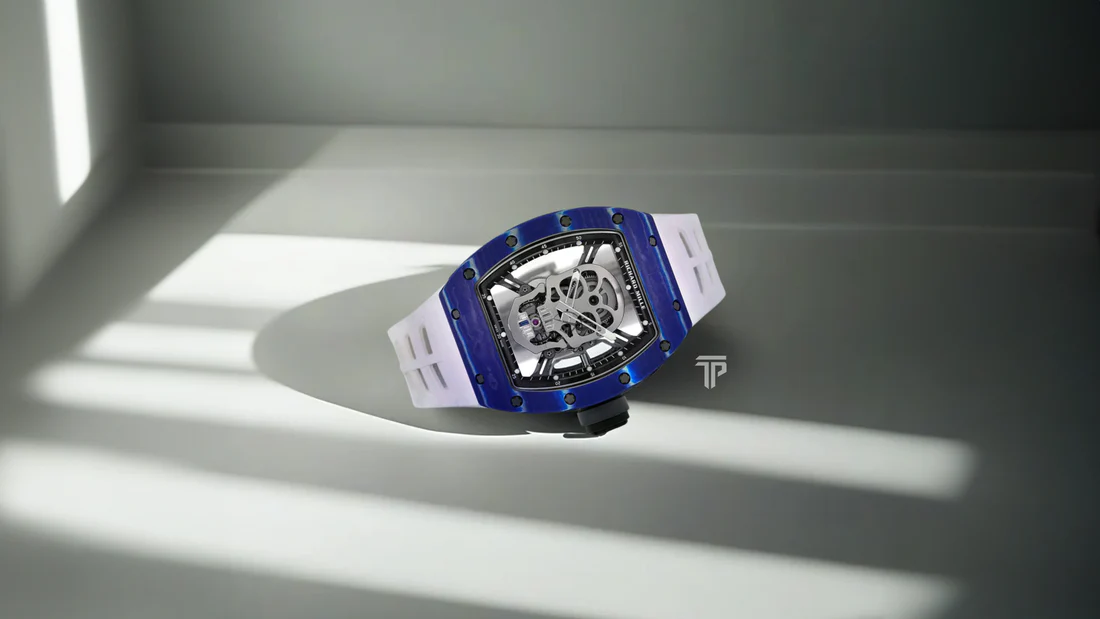
photo: timepiecetradingllc.com
From Selection to Investment – What’s Next for Luxury Watches?
The choice has been made, the analyses are behind us. Now the question is: what to do with this knowledge? Because understanding the watch market is one thing, but entering it wisely is something else entirely.
There are a few key takeaways worth remembering. First, the brand isn’t everything—the specific model and its story matter most. Rolex might be a safe bet, but sometimes Lange or Vacheron offer more satisfaction. Second, condition is crucial—it’s better to have a well-preserved piece from a lesser-known brand than a damaged classic. Third, documentation matters, but it’s not always essential. Fourth—the market changes rapidly, so what’s trendy today might lose its appeal next year.
How to assess a specific purchase? A proven approach:
- Define your goal – to wear, invest, or collect
- Set a budget with a 20% buffer for unforeseen expenses
- Verify authenticity with a trusted expert
- Check the price history from the past 2-3 years
- Assess the resale potential in 5-10 years
NOTE: Watch out for fakes—especially online. Flippers can also artificially inflate prices, so always check several sources.
What does the future hold? Watches will become increasingly hybrid —mechanical with smart features. Recycled materials will become the norm, not just a novelty. NFTs and blockchain may replace traditional certificates. It all sounds like science fiction, but manufacturers are already testing these solutions.
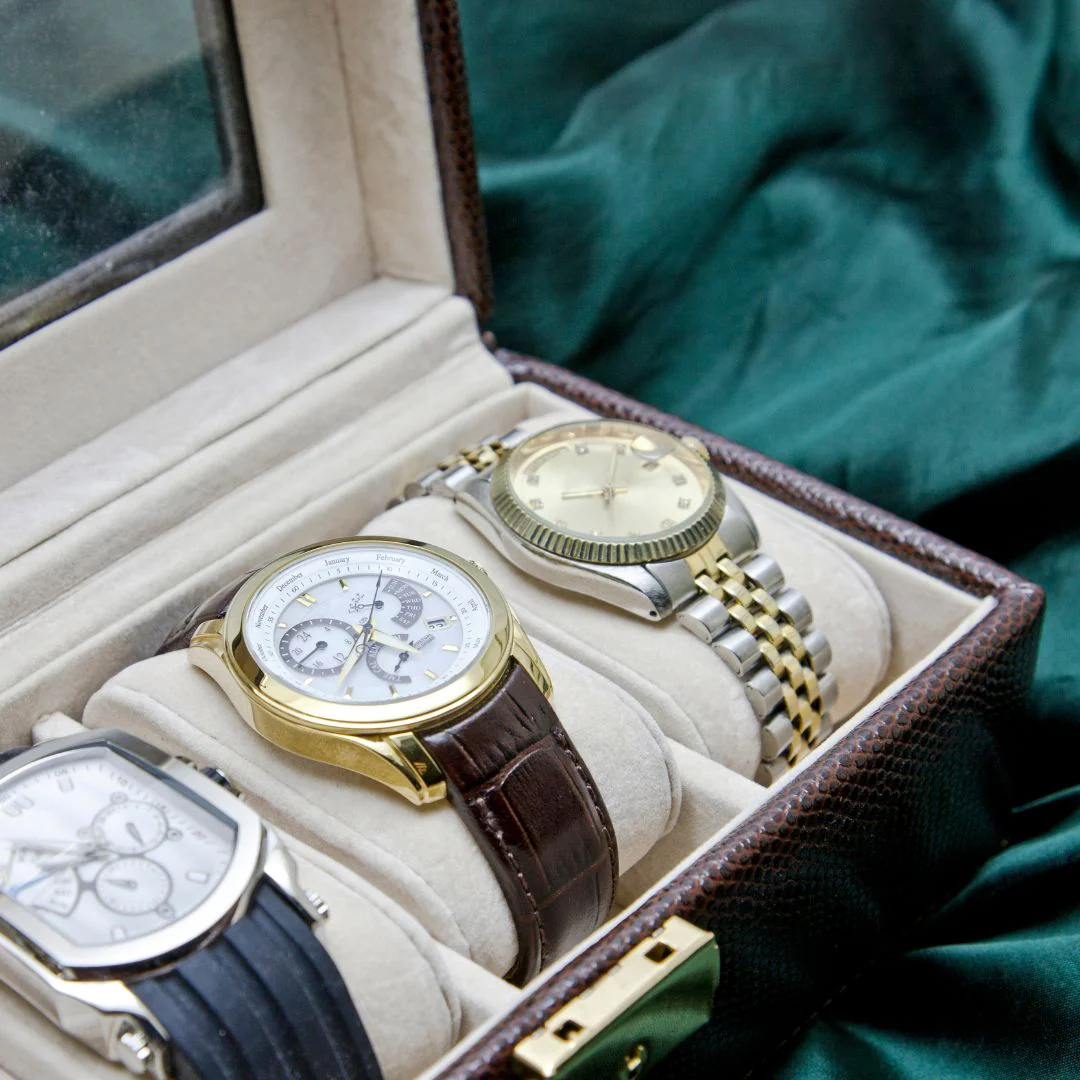
photo: lifestylebyps.com
Practical steps for today? Start following auction houses —Christie’s, Antiquorum, Watches.com. Set up price alerts on Chrono24. Find a local collectors’ group; that’s where you’ll learn the most. And remember—the first watch is rarely the last.
The market never sleeps, and prices fluctuate. But with the right knowledge, you can find your place in all of this.
Marky
lifestyle & business editor
Luxury Blog





Leave a Comment