

Michelin-starred restaurants in Poland
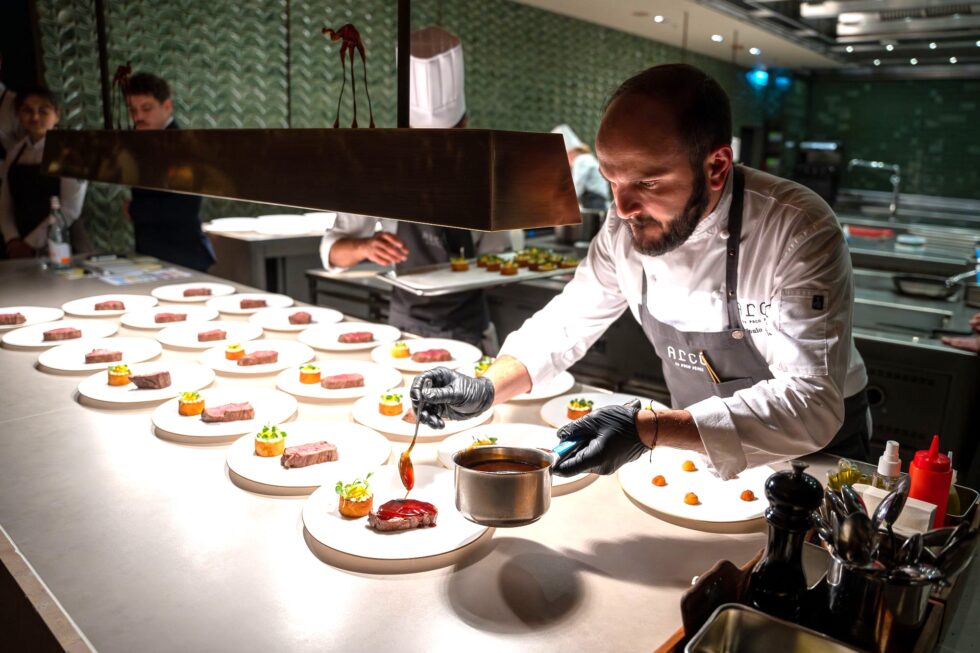
Have you ever wondered why suddenly everyone is talking about Michelin stars in Poland? Just a few years ago, it was something abstract, something from another world.
From 1 star in 2013 to 7 in 2025 —that’s a 600 percent increase. It sounds like a stock market statistic, but it’s actually our culinary reality. I remember when Atelier Amaro received its first star in 2013 and I thought—well, that’s nice, but will it really catch on? Now I see that was just the beginning.
A Michelin star isn’t just some accolade from food bloggers. It’s the verdict of inspectors who visit restaurants anonymously, usually two to four times a year. No one knows when they’ll come or what they look like. They could be sitting at the next table, judging every detail—from the taste to the service.
Michelin-starred restaurants in Poland – a feast for the senses
What fascinates me about the Polish fine dining scene is how our restaurants combine local ingredients with techniques that, just a decade ago, sounded like science fiction. Fermentation, sous-vide, molecular gastronomy—all of these have found their way into Polish kitchens. And yet, chefs never lose sight of our culinary traditions.
Actually, it’s quite fascinating how quickly all of this has evolved. Ten years ago, fine dining in Poland was mostly associated with pricier versions of classic dishes. Now we have restaurants that compete with the best in Europe.
There are several fascinating threads in this whole story. First of all—how did Michelin even come to Poland, and why at that particular time? Secondly—where are those stars today, and is there any geographical logic to it? And finally—what does all this mean for us, the everyday diners?
These questions deserve a thorough discussion, as the topic is broader than it might seem. Let’s start from the beginning—with how it all began and why the Michelin inspectors eventually took an interest in Poland.
From Amaro to Expansion: The History and Evolution of Michelin Stars in Poland
When I think about how Michelin stars made their way to Poland, I always start with one question—could anyone in 1900 have predicted that a guide for drivers would become the bible of global gastronomy?
André and Édouard Michelin created their guide as a practical tool for motorists. They wanted to sell more tires, so they encouraged people to travel. As simple as that. But over time, this little handbook became a cultural icon.
Poland had to wait over a hundred years for its first recognition. A long time, right? But when it finally came, it was worth the wait.
| Date | Event |
|---|---|
| 1900 | The Michelin brothers publish the first guide in France |
| 2013 | Atelier Amaro in receives Poland’s first star |
| 2016 | Senses joins as the second Michelin-starred restaurant |
| 2020 | Atelier Amaro loses its star during the pandemic |
| 2024 | Expansion of the guide to the Tricity and Podhale |
| 2025 | Seven Michelin-starred restaurants across Poland |
This turning point in 2013 changed everything. Wojciech Modest Amaro proved that Polish cuisine can compete with the best in the world. It was the moment when our gastronomy stopped being just local and became part of the global scene.
I remember how the media went wild after that announcement. Suddenly, everyone was talking about fine dining, molecular techniques, and local products with a modern twist. It wasn’t a coincidence—Poland had finally developed a middle class that could afford culinary experiments.
The pandemic in 2020 showed just how fragile it all can be.
But the real boom has only just begun. Michelin’s expansion into other regions of Poland turned out to be a brilliant move. Kraków, Gdańsk, Zakopane—each city brought something unique to the table. Suddenly, it became clear that Warsaw isn’t the only place where you can dine at a world-class level.
Seven restaurants in 2025 may not sound impressive compared to France or Japan, but for us, it’s a huge leap. From zero to seven in twelve years — not bad for a country that, not so long ago, was mostly associated with pierogi and pork cutlets.
Today, we have a map of stars scattered across the country, each with its own story and character.
Today’s flavor map: the current list and profiles of 7 Polish Michelin-starred restaurants
Actually, I didn’t expect there to be as many as seven. When I first checked the list of Michelin-starred restaurants in Poland, I thought there might be three, four at most.
| Restaurant | City | Kitchen style | Chef | Tasting price (PLN) |
|---|---|---|---|---|
| Note | Warsaw | Italian contemporary | Andrea Camastra | 450 |
| Rozbrat 20 | Warsaw | Modern Poland | Przemek Klima | 380 |
| Senses | Warsaw | Fine dining fusion | Artur Grajber | 520 |
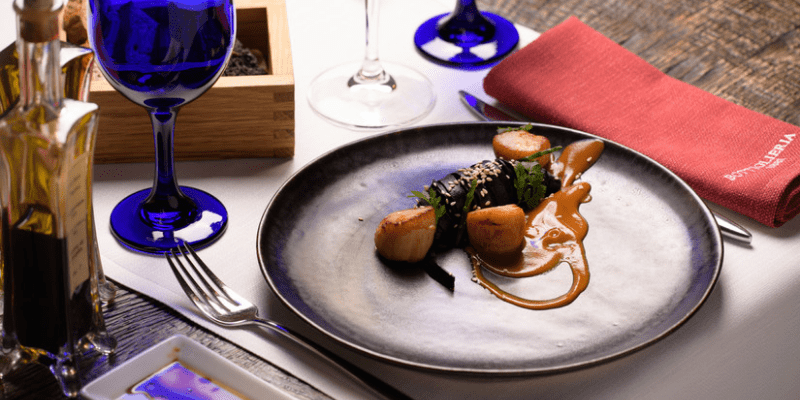
| Bottiglieria 1881 | Kraków | Italian classic | Przemysław Klima | 320 |
| Arco by Paco Pérez | Gdańsk | Catalan | Paco Pérez | 680 |
| Muga | Poznań | Polish regional | Marcin Popielarz | 350 |
| Giewont | Kościelisko | Highlander premium | Jan Bober | 480 |
In Warsaw, we have three stars, which comes as no surprise—the capital has always attracted the best chefs. Nuta is Andrea Camastra’s Italian dream, where the truffle risotto tastes just like it does in the finest spots in Milan. Sometimes I think this guy simply knows more about pasta than I do about life.
Rozbrat 20, on the other hand, is the Polish spirit in a modern take – Przemek Klima takes traditional recipes and does things with them I thought were impossible. His confit duck pierogi are something you could sell your soul for.
Senses by Artur Grajber is a completely different story – a fusion that doesn’t feel like a desperate attempt to mix everything with everything. Here, every ingredient has its place and purpose.
In Krakow, Bottiglieria 1881 maintains the standards of Italian classics – Przemysław Klima serves dishes that Dante himself likely once tasted.
From Gdańsk, Paco Pérez brought a piece of Catalonia – Arco is the most expensive spot among the seven, but for those 680 PLN you get something you won’t find anywhere else in Poland. His take on seafood is pure poetry on a plate.
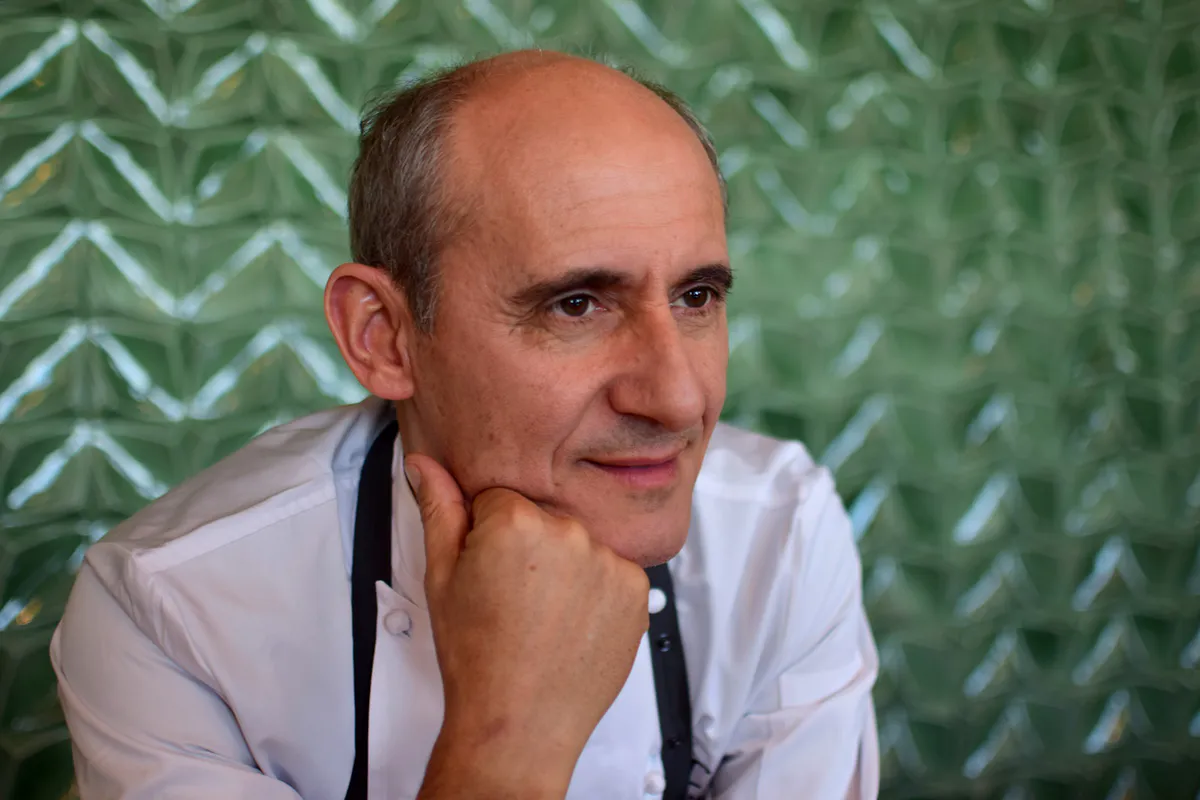
Poznańska Muga by Marcin Popielarz is proof that Polish regional cuisine can be just as sophisticated as French or Italian. This guy knows how to turn sauerkraut into something that looks like a work of art.
Giewont in Kościelisko is probably the most surprising place—who would have thought that there would be a Michelin-starred restaurant in the Tatra Mountains? Jan Bober has proven that highlander cuisine is much more than just oscypek cheese and sausage.
Wine pairing everywhere costs an additional 200 to 500 PLN. It’s quite a lot, but honestly—without it, the tasting menu loses half its charm.
In total, we have seven restaurants with one star each and 77 recommended venues without stars. This shows how much the fine dining culture has developed here in recent years.
More Than Prestige: The Economic, Social, and Cultural Impact of Stars and the Controversies
Michelin-starred restaurants in Poland report annual revenues ranging from 1 to 5 million PLN. These are not just empty numbers—behind each one are months-long waiting lists for reservations and phones ringing nonstop.
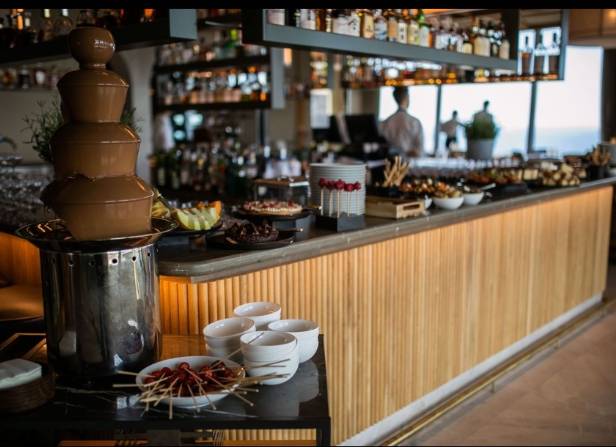
I remember when a friend of mine tried to book a table at Atelier Amaro for his wedding anniversary. He waited three months. And he didn’t complain, because he knew that’s just the standard.
Benefits vs. Challenges
| Benefits | Challenges |
|---|---|
| Revenue growth of 200-400% | Pressure to maintain standards |
| Increasing customer loyalty by 30-50% | Operating costs are rising dramatically |
| Attracting foreign tourists | The team is working under immense stress |
| Positioning Poland on the culinary map | Criticism for exclusivity and high prices |
The impact on culinary tourism is immense. Foreign visitors now come to Poland not only to explore Kraków or Gdańsk. They want to dine at Michelin-starred establishments. This is a trend that will only intensify—just look at Expo 2025 in Osaka, where cuisine will be one of the main attractions.
But not everything is rosy. Social media is buzzing with controversy. On X, you’ll find posts like: “The Michelin star system is an elitist and Eurocentric invention that has nothing to do with Polish culinary tradition,” or “Losing a star is a media drama, but does it really mean the food is worse?”
These concerns are not unfounded. Prices at Michelin-starred restaurants do, in fact, exclude a significant portion of society from this type of culinary experience. A tasting menu costing 400-600 PLN is an expense that only a small percentage of Poles can afford.
However, academic research reveals something interesting – a Michelin star increases customer loyalty by 30-50%. This means that those who visit once are likely to return. And they pay without complaint, because they know exactly what to expect.
The pandemic was especially brutal for starred restaurants. Closures, restrictions, no tourists. Some places barely survived. Owners admitted openly—it was a nightmare to maintain standards with zero income.
Today, we see that the places which survived have emerged stronger. But the question remains—does the Michelin star system truly serve Polish gastronomy, or does it impose foreign standards upon it?
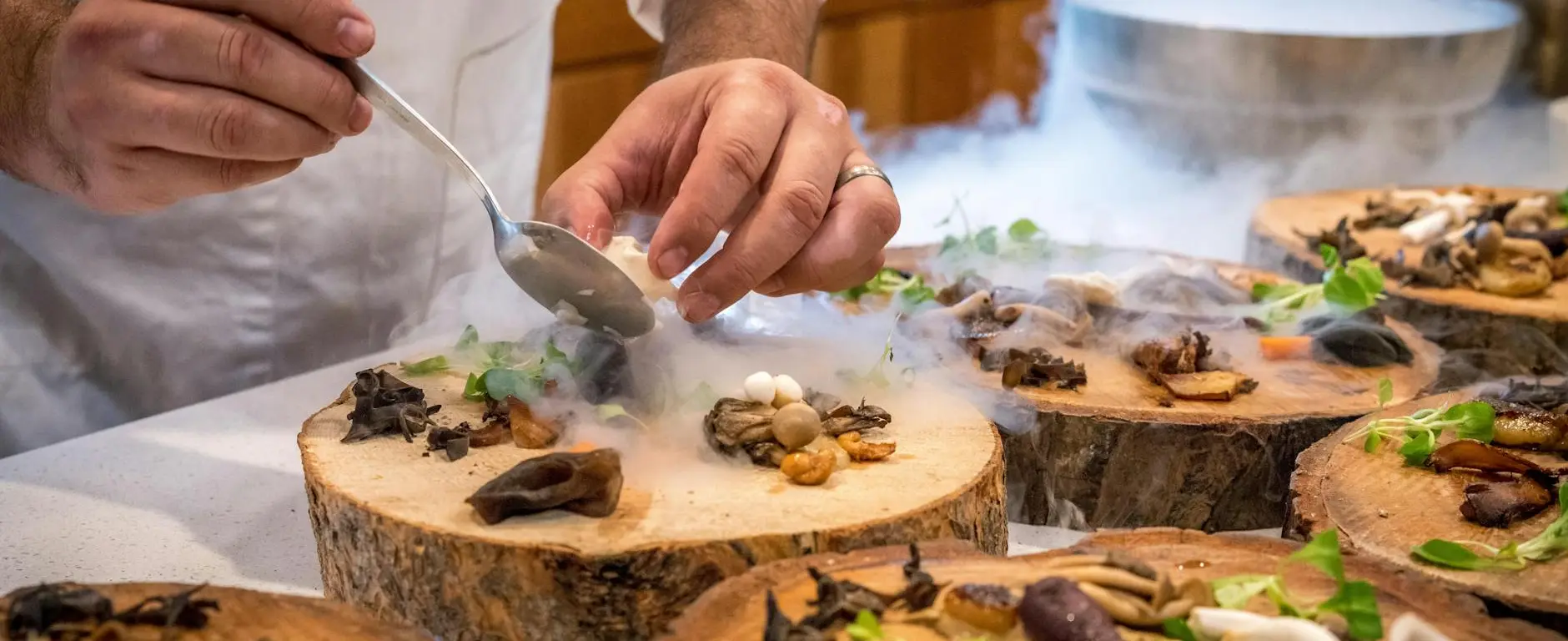
What’s next on the plate? Trends and tips for foodies and the industry
The restaurant industry in Poland is on the verge of a breakthrough. Michelin is just the beginning—the real changes are yet to come. It’s time to think about what comes next.
The outlook is optimistic: by 2030, we could have more than 10 Michelin stars in Poland. And I’m not just talking about Warsaw or Krakow. Wrocław, Łódź—these cities have real potential. Honestly? Łódź might surprise everyone.
Trends are changing at lightning speed. Sustainable menus, more plants on our plates. This is no longer just a trend, it’s a necessity. International collaborations are also gaining momentum – the Four Hands Dinner scheduled for 21.09.2025 is just the beginning of such events.
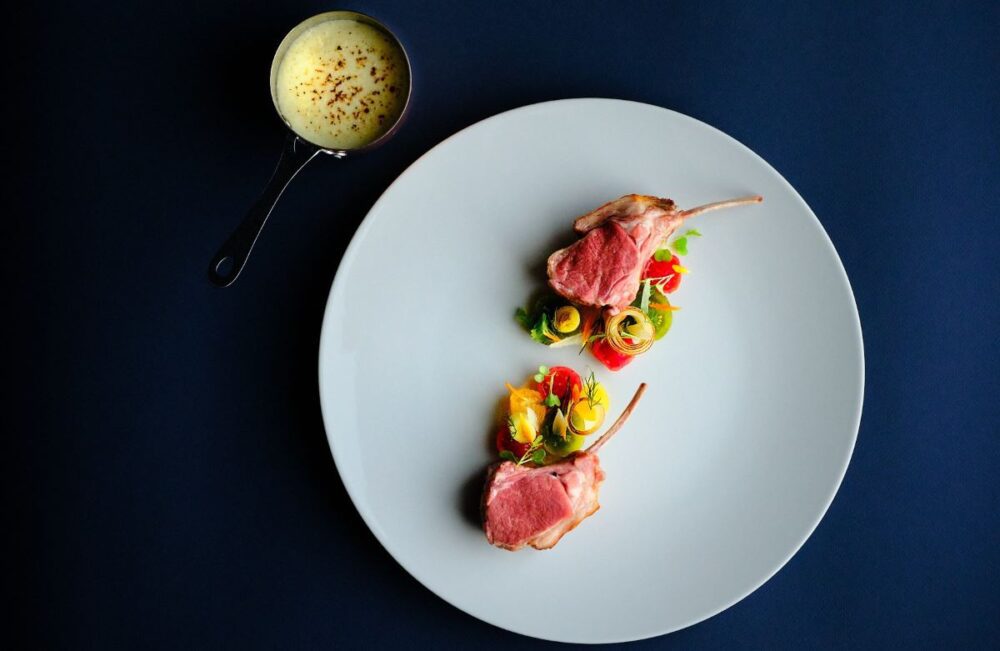
What do I need to do as a foodie:
- Book tables up to three months in advance, sometimes even earlier
- Check out alcohol-free pairing options – they’re no longer just an add-on, but a full-fledged alternative
- Follow the restaurant’s social media – that’s where the most is happening
What do I need to do as a head chef:
- Invest in local ingredients and build relationships with suppliers
- Train the team regularly – not just the kitchen staff, but also the service team
- Tell the story of your brand – guests want to know more
What do I need to do as an investor:
- Look beyond Warsaw – other cities are untapped potential
- Support sustainable projects – this is the future
- Build long-term strategies, don’t chase quick profits
The market will grow faster than we think. Young chefs are coming back from abroad with experience and ambition. Investors have noticed the potential. And we, as diners, are becoming increasingly demanding.
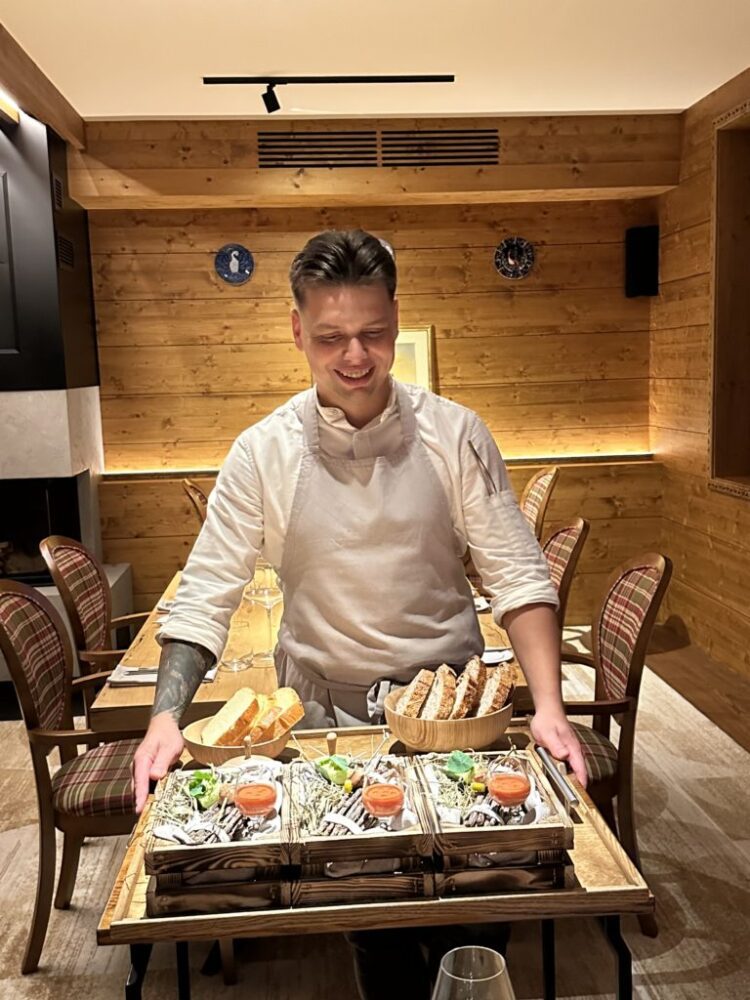
I am convinced that in five years we will be talking about Polish gastronomy in a completely different tone—not as a rising star, but as a mature, internationally recognized culinary segment.
Kris
lifestyle editor
Luxury Blog






Leave a Comment