

Masters of the Canvas – a Ranking of the Most Acclaimed Contemporary Painters
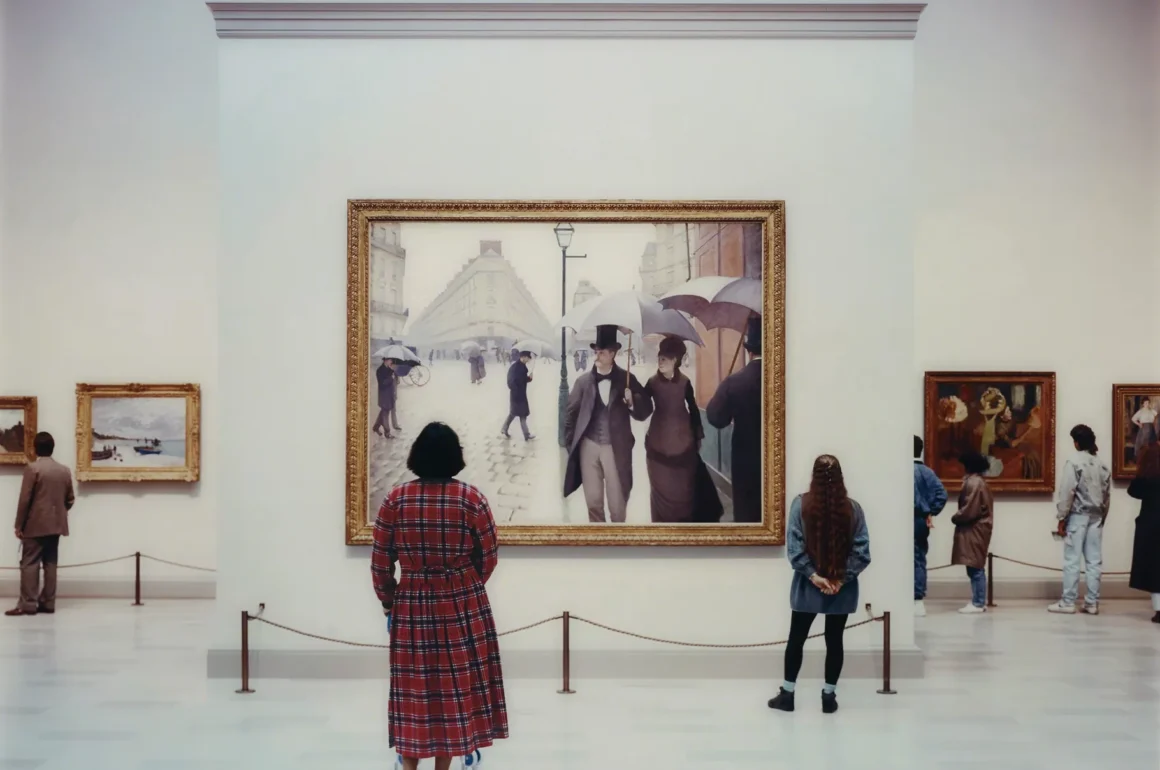
$65 billion—that’s how much the global art market was worth in 2024, with the contemporary art segment growing by 10% year over year. Discover the ranking of the most highly regarded contemporary painters.
You’re probably wondering why you should even care. Gone are the days when art was reserved for collectors with generational fortunes. Today, the ranking of contemporary painters is more than just snobbish small talk over wine.
I still remember the frenzy at the Sotheby’s auction, when two phones battled over a Cy Twombly canvas. The bidding lasted maybe ten minutes, but the tension felt like a casino. In the end, someone paid $46 million for something that looked like a child’s doodle. But those “doodles” turned out to be a better investment than most tech stocks.
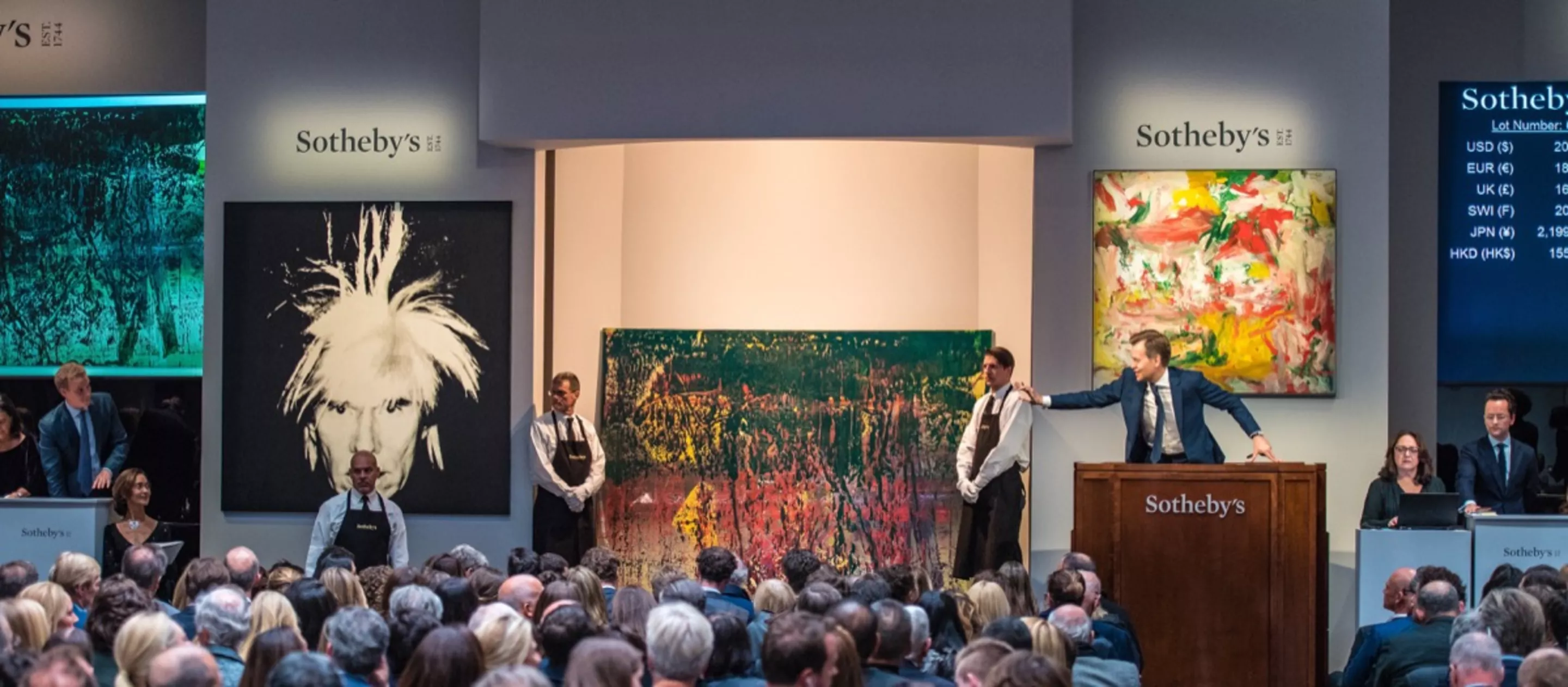
photo: artsy.net
A ranking of the most acclaimed contemporary painters: art with a capital A
The art market is no longer an exclusive club of old men in suits. More and more young female investors are entering the business, and women now hold 40% of the spots in top rankings. This is no coincidence—it’s a revolution that’s transforming the entire industry.
In fact, the ranking of contemporary painters has become something like a stock index. Only instead of shares, we have paintbrushes, and instead of quarterly reports—exhibitions in prestigious galleries. Some names are soaring like cryptocurrencies, while others drop faster than you can say “speculative bubble.”
Why is all this happening now? Because contemporary art has become accessible. Instagram has changed the way we discover talent. Online platforms let you buy works for thousands, not millions. And the younger generation sees art as an alternative to traditional investments.
In this article, we’ll look at three key aspects of this phenomenon. First—how these rankings are actually created and which criteria matter most. Second—who currently dominates the world of contemporary painting and why these particular names. Third—how these rankings shape the future of the entire industry and what that means for everyday people.
Before we dive into the specific criteria and methodology, it’s important to understand that we’re not talking about abstract aesthetic concepts here.
Behind the List – Criteria and Sources for Evaluating Painters
I remember that day at Christie’s when Hockney’s “Swimmers” went under the hammer. The room fell silent at 90 million dollars. But does that price automatically make him the most important painter? Not quite.
Our list was created based on four main criteria. Auction turnover is the most tangible indicator—it’s easy to measure that Picasso generates hundreds of millions annually at auctions. We assess critical acclaim by looking at prestigious awards and reviews in “Artforum” or “Flash Art.” Cultural impact? That’s how often an artist’s works appear in textbooks or inspire other fields. And we track media popularity through mentions in the press and on social media.
| Criterion | Weight (%) |
|---|---|
| Auction turnover | 35% |
| Critical acclaim | 25% |
| Cultural influence | 25% |
| Media popularity | 15% |
We collect data from several sources:
• Artprice – a global auction results database
• Sotheby’s and Christie’s – sales reports
• Brandwatch and similar analytics tools
• Citation indexes in art journals
Interestingly, these rankings have a political history. In the 1950s, the CIA deliberately promoted American abstract art as “free art” in opposition to Soviet realism. Jackson Pollock’s rise was no accident. Today, major galleries and collectors play a similar role—their choices shape the market.

photo: life.com
We update the data quarterly, as the art market changes at lightning speed. A single exhibition at MoMA can double an artist’s ranking within months. That’s why we introduced a weighting system—so one spectacular sale doesn’t skew the entire picture.
Admittedly, the methodology isn’t perfect. How do you measure the impact of Van Gogh, who sold just one painting in his lifetime? Or compare Renoir to Banksy? It’s a bit like comparing apples to oranges, but at least the rules are clear.
With the criteria set, it’s time to reveal the names…
The most acclaimed contemporary painters of 2025 – top 10 and brief profiles
The ranking changes every year, and 2025 is no exception. This time, the list brings a few surprises, although some regulars have held their spots.
Position | Artist | Country | Style | Auction record (USD)
- | Gerhard Richter | Germany | Photorealism/abstraction | 46,300,000
- | David Hockney | United Kingdom | Pop art/landscapes | 90,300,000
- | Jeff Koons | USA | Neoclassicism | 91,100,000
- | Yayoi Kusama | Japan | Conceptual art | 7,100,000
- | Kerry James Marshall | USA | Figurative | 21,100,000
- | Adrian Ghenie | Romania | Neo-Expressionism | 9,700,000
- | Cecily Brown | United Kingdom | Abstract Expressionism | 6,900,000
- | Peter Doig | Scotland | Surreal landscapes | 39,900,000
- | Amy Sillman | USA | Gestural painting | 1,800,000
- | Liu Ye | China | Contemporary Realism | 8,300,000
Richter still dominates, though his position is no longer as secure as it once was. Hockney, on the other hand, keeps breaking auction records—that 2018 result is still impressive. Kusama’s high ranking may surprise some, but her dots and infinities have become a true market phenomenon.

photo: commons.wikimedia.org
Marshall deserves special attention. His paintings about the African American experience are gaining increasing recognition among collectors. Ghenie brings an Eastern European perspective—his dark, distorted portraits capture the spirit of our times.

photo: theguardian.com
Brown is one of the few women breaking into the highest segments of the market. Her abstract compositions balance between control and chaos. Doig paints like in a dream—his landscapes feel familiar, yet entirely imagined.

photo: artsy.net
Sillman represents the younger generation, though her prices have yet to catch up with the rest of the field. Liu Ye closes the list as a representative of the Chinese art scene—his works blend Western iconography with Asian sensibility.

photo: asianwiki.com
The list shows a certain diversity. There are four women, which is not a bad result for this market. Geographically, the USA and Europe dominate, but Asia is also represented.
The total value of record sales for these ten artists exceeds $320 million. This illustrates the scale of the contemporary art market—figures that seemed unreal just a decade ago.
What do these results mean for the market and for collectors?
Brushing into the future – how the ranking will impact the market and your decisions
Are you wondering how this ranking might change your approach to art? Because I am. I see a few trends here that could really turn the market upside down.
First of all, this Asian wave is unstoppable. Collectors from China and Korea are paying more and more, and their artists are gaining prominence. That means the money will be flowing in that direction. If you have any works from that region, hold on to them. But be careful—it could also mean that European artists will become more affordable.
I’m thinking of a friend of mine who’s currently considering some serious investments in contemporary art. She already owns a few small pieces, but wants to take the next step. For people like her, I have three specific tips:
- Start with regions underrated by the rankings—Eastern Europe or South America are true treasures waiting to be discovered.
- Choose young female artists under 35—they often bring a fresher perspective and have a deeper understanding of contemporary issues.
- Follow online galleries and local fairs, not just major auctions – that’s where you’ll find real gems at reasonable prices.
And now, let’s talk about what’s coming. The art market is expected to reach $100 billion by 2030 —that’s an incredible growth rate. AI-generated art is no longer just an experiment; it’s becoming a reality. Some say it’s not real art, but prices keep climbing.
Ecological themes and sustainability are another major trend. More and more female artists are addressing climate issues and using recycled materials. This isn’t just a fad—it’s a response to real-world problems.
Honestly, sometimes it’s hard to keep up with all these changes. But one thing is certain—art has always been a mirror of its era. Now, that mirror reflects a digital, global world full of environmental challenges.
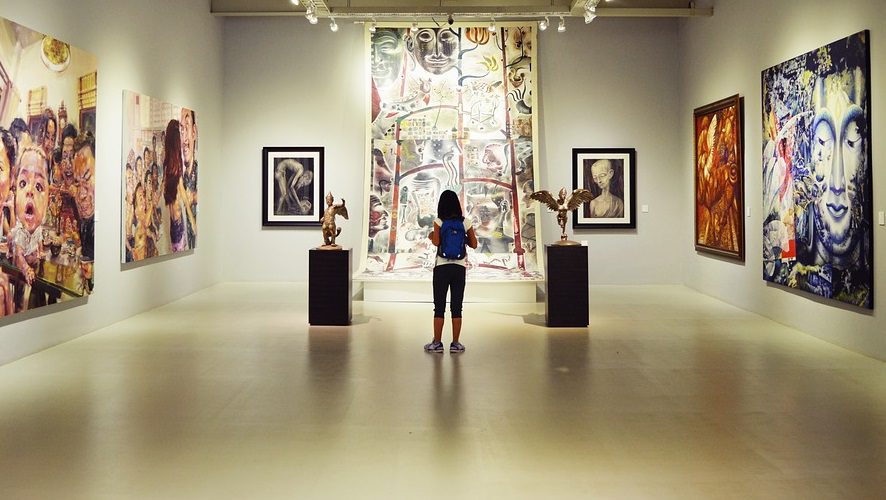
photo: contrado.co.uk
If you want to stay up to date, follow not just the prices, but also the themes contemporary creators are exploring. These are what will shape tomorrow’s market.
Legal note: The above information is for educational purposes only and does not constitute investment advice.
Nadia
art & lifestyle editor
Luxury Blog






Leave a Comment