

Luxury jewelry brands – a guide to icons and trends
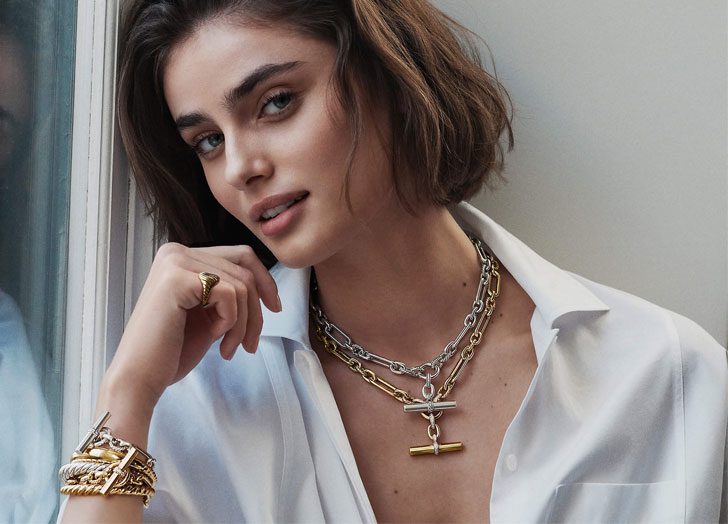
“The luxury jewelry market is worth around USD 62 billion (2026) and is growing at a rate of 8.3% per year.”
Does it sound like dry numbers? But it’s precisely this dynamic that makes the topic relevant right now. Because when we talk about “luxury” in jewelry, it’s not just about a high price. In practice, it’s 18-carat gold or platinum, rare gemstones, handcrafted artistry, and a design heritage that some houses have nurtured for generations. It’s the difference between a product and an object meant to tell a story.
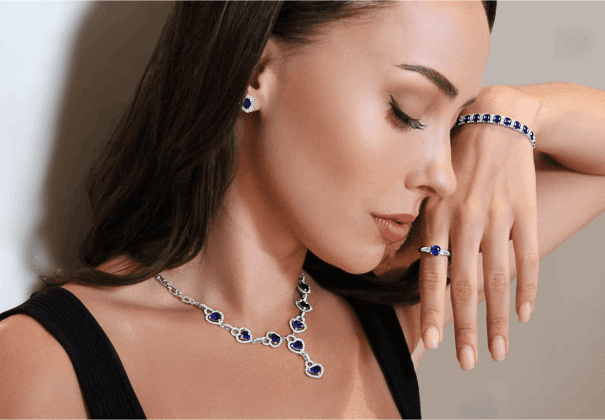
Luxury jewelry brands according to Luxury Blog
The global context is key here: the Asia-Pacific region accounts for 39-45% of total sales, and China drives a significant portion of this demand. By 2033, the market could reach as much as 108-130 billion dollars. What does this mean for us? That luxury houses are changing their strategy, moving more strongly into e-commerce, and experimenting with lab-grown diamonds.
What will you find next?
In the following sections, you’ll see what truly sets luxury brands apart from the rest (and why some terms are just marketing, not a standard), discover iconic houses with their brief histories, figures from 2025-2026, and the realities of shopping in Poland. I’ll also touch on ethical issues, as this topic is coming up more and more often. So, we have plenty to discuss.
What does “luxury” really mean in jewelry?
You know, I think most people look at the price and think, “well, that’s luxury.” But when you start digging deeper, you realize it’s a whole puzzle of details that together create something truly exceptional. And it’s not just about making the client dizzy with the number on the tag.
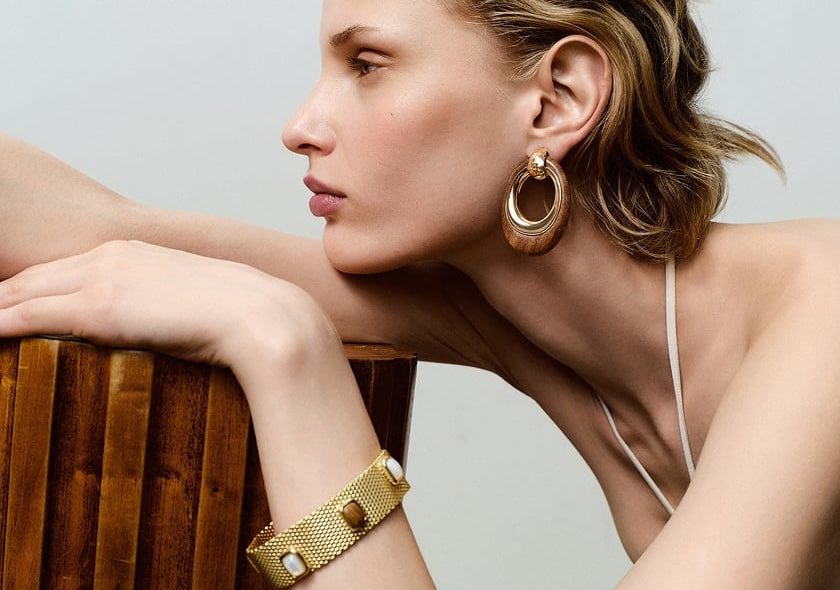
Materials, certifications, craftsmanship
What distinguishes true luxury from a pretty trinket? A few things that really matter:
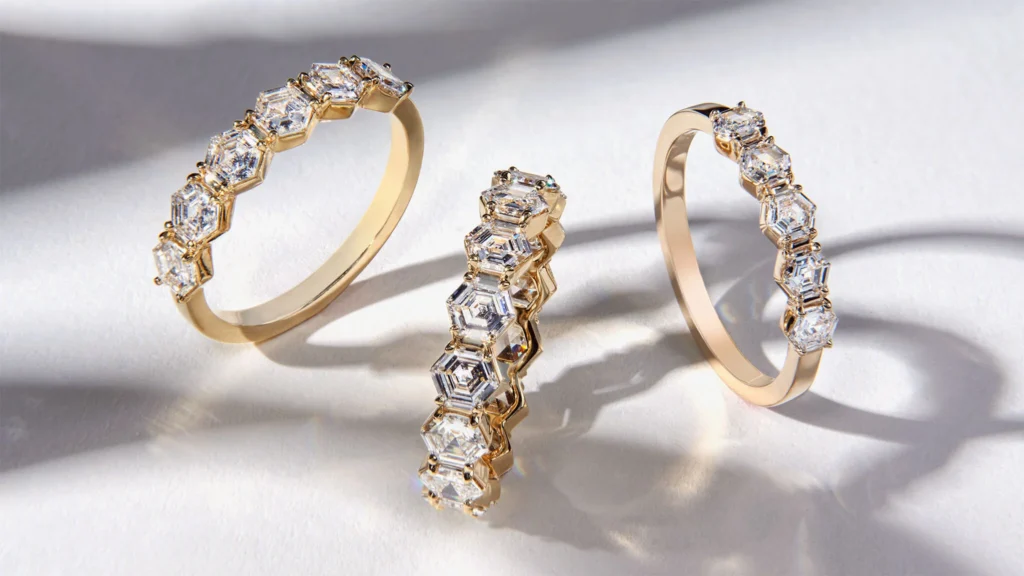
- 18-karat gold or platinum as a base (not 14K, which you commonly find at jewelers)
- Diamonds with Kimberley Process certification and GIA grading – you know exactly what you’re buying
- RJC (Responsible Jewellery Council) certification, which guarantees ethical origin
- Recycled metals are increasingly common, because today luxury also means awareness
Design is a world of its own. I’m thinking here of icons you recognize without a logo: the panther, the clover, the snake. These motifs have become the language of luxury, the unique alphabet of the top houses. And this is exactly what distinguishes “haute joaillerie” (one-of-a-kind pieces, handcrafted and set with stones) from “fine jewelry” (timeless quality for everyday wear).
Prices and where to buy it all?
Price levels? “Entry-level” items from luxury brands start at €2,000–10,000. High jewelry starts at €100,000+, often unique pieces made to order.
The purchase experience is part of the luxury. Flagship boutiques on Place Vendôme or Fifth Avenue, but also online with AR try-on (you can virtually try on before buying). And then there are auction houses like Christie’s and Sotheby’s, where historic pieces change owners for millions.
From Napoleon’s crowns to LVMH acquisitions
The history of luxury jewelry is essentially a journey from royal commissions to global conglomerates that now manage brands worth billions. It began in royal courts and ended on the stock exchange and through strategic acquisitions.
- 1780 – Chaumet is founded in Paris, quickly becoming a supplier of crowns for Napoleon
- 1837 – Charles Lewis Tiffany opens a store in New York; in 1845 he publishes the first Blue Book
- 1847 – Louis-François Cartier begins operations (the famous Panthère will not appear until 1906)
- 1896 – Alfred Van Cleef and Estelle Arpels found Van Cleef & Arpels, later revolutionizing the market with the Mystery Set technique.
- 1920s. – the heyday of Art Deco, geometric shapes, and platinum on the runway
- 1932 – Harry Winston acquires the Hope Diamond, building the legend of the “jeweler to the stars”
- 1960 – Laurence Graff founds a company that will become synonymous with the world’s largest diamonds
- 2000s – the Kimberley Process comes into effect, an attempt to protect against “blood diamonds”
- 2011 – LVMH acquires Bulgari for EUR 3.7 billion
- 2021 – LVMH finalizes the acquisition of Tiffany & Co. for a record $15.8 billion
From manors to fashion houses
Paris, Place Vendôme, has been the epicenter of luxury since the 18th century, later joined by Rome (Bulgari, baroque aesthetics) and New York (Tiffany, American confidence). The clientele has evolved: first the aristocracy, then Hollywood in the 1950s, and today global billionaires and collectors from Asia.
Designers such as Elsa Peretti (Tiffany) or Jean Schlumberger have given brands a “recognizable signature,” something like an author’s handwriting that distinguishes a collection from anonymous jewelry. And it is precisely these signatures that now drive the valuations of conglomerates.
Top brands 2026 and their iconic collections
If you want to navigate the world of high jewelry, above all you need to know the key names. Here are ten who set the standards in 2026:
- Cartier (France) – The Love Bracelet is an absolute icon, with revenues of around USD 5 billion, accounting for approximately 15% of the high jewelry segment.
- Tiffany & Co. (USA) – Elsa Peretti Bone, approx. $4 billion, ~12% share in high jewelry.
- Bulgari (Italy) – Serpenti collection, revenues approx. 2 billion USD, sensuality in precious metals.
- Van Cleef & Arpels (France) – Alhambra, approx. 1.5 billion USD, the four-leaf clover is the brand’s signature motif.
- Harry Winston (USA) – Winston Cluster, the absolute leader in the high jewelry category, diamonds of the highest purity.
- Graff (United Kingdom) – specializes in exceptional-sized stones, approximately USD 500 million in turnover.
- Chopard (Switzerland) – Happy Diamonds (moving diamonds in glass), a family-owned company with traditions.
- Boucheron (France) – Serpent Bohème, approx. 485 million USD, Place Vendôme embedded in the brand’s DNA.
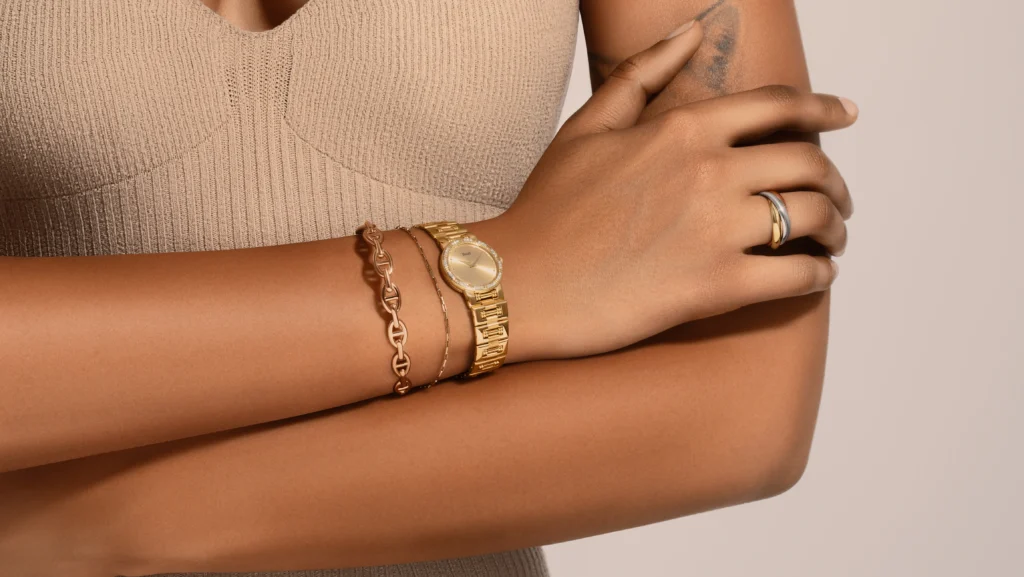
- Piaget (Switzerland) – a pioneer of watch-jewelry, ultra-thin movements in artistic settings.
- Buccellati (Italy) – distinctive engraving and brushed gold, true artisanal craftsmanship.
In 2025-2026, the LVMH and Richemont groups dominate; the TOP5 brands control about 38% of the high jewelry segment. This is a tremendous concentration of power.
Who else is worth following
Outside the top tier, there are a few noteworthy names: David Yurman, Mikimoto, Chaumet, Pomellato, and Damiani. They may not be revenue giants, but they have a loyal clientele and distinctive stylistic signatures.
Market in numbers
Numbers have a way of bringing order to a discussion. When you talk about luxury, it’s easy to get lost in aesthetics and images, but data shows what this market really looks like.
Data and dynamics 2025-2026
The global luxury jewelry market will reach a value of around USD 62 billion in 2026. Forecasts for 2033? Between USD 108 and 130 billion, with an average annual growth rate (CAGR) of 8.3%. The APAC region accounts for 39-45% of the entire market, with China alone generating around 16% of global luxury demand.
Interestingly, branded jewelry is growing faster than the overall category: +8.3% year-on-year between 2021 and 2024. Why? Because brand matters—a lot. 61% of customers declare that brand choice is the most important purchasing factor for them. In China? As much as 82%. Online already accounts for 13-21% of sales (projections for 2025), and the five largest brands control around 38% of the high jewelry segment.
56.8% of engagement rings in the USA are lab-grown diamonds.
This is no longer a niche. Lab-grown is becoming the norm, especially among younger buyers. Aesthetically? In 2026, sculptural forms dominate, with a return of onyx and black stones, chunky silver (gold has become more expensive), ear stacking, vintage, and personalization.
Ethics and Sustainable Luxury
The standards are Kimberley Process, RJC (Responsible Jewellery Council), GIA. Sounds good, but controversies exist. The 2018 HRW report pointed to limited transparency in supply chains, and there are accusations of greenwashing. The direction? Full traceability of stone origin by 2030. Examples include initiatives by brands like Prada, which are introducing lab-grown diamonds as part of their sustainability strategy.
The market is changing. Customers are asking about origin, and brands have to respond.
When craftsmanship becomes heritage
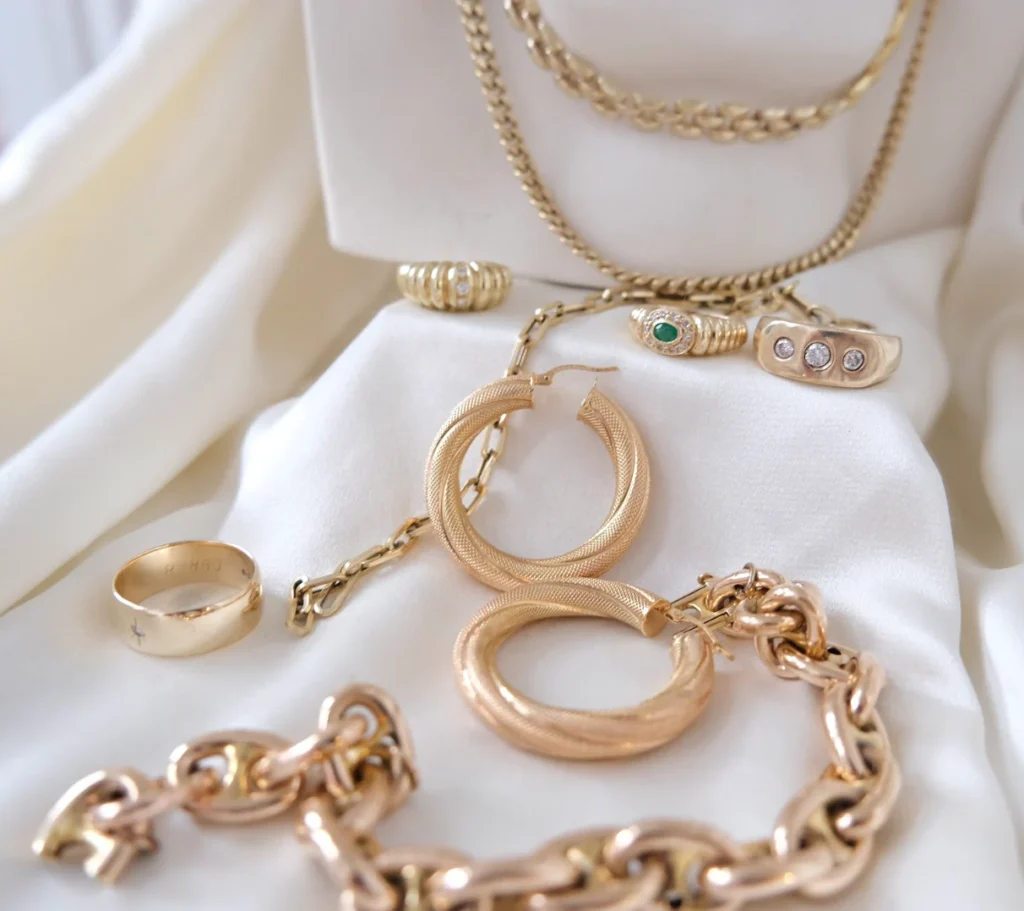
Luxury jewelry is more than just an ornament. It is a fusion of heritage, emotion, and often a truly wise investment. Cartier or Van Cleef & Arpels endure for generations not because of clever marketing, but because every piece of their craftsmanship carries cultural value. A ring from the 1920s still captivates, because someone truly knew what they were doing.
Today’s icons share the same values: precision, ethics, and emotion. The numbers show the scale (a market worth hundreds of billions), but the real story unfolds on an individual level. Each piece of jewelry is a microcosm of decisions and details.
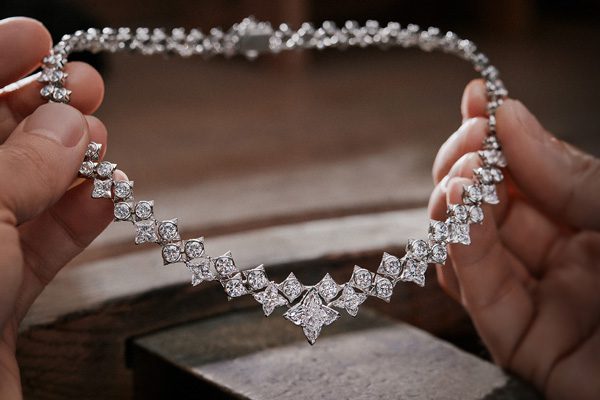
And that’s exactly why these brands stay in our memory. Because they offer something that can’t be mass-produced: authenticity.
Marii SI
editorial lifestyle & products



Leave a Comment