

Lilium Tower in Warsaw – an organic skyscraper in suspension
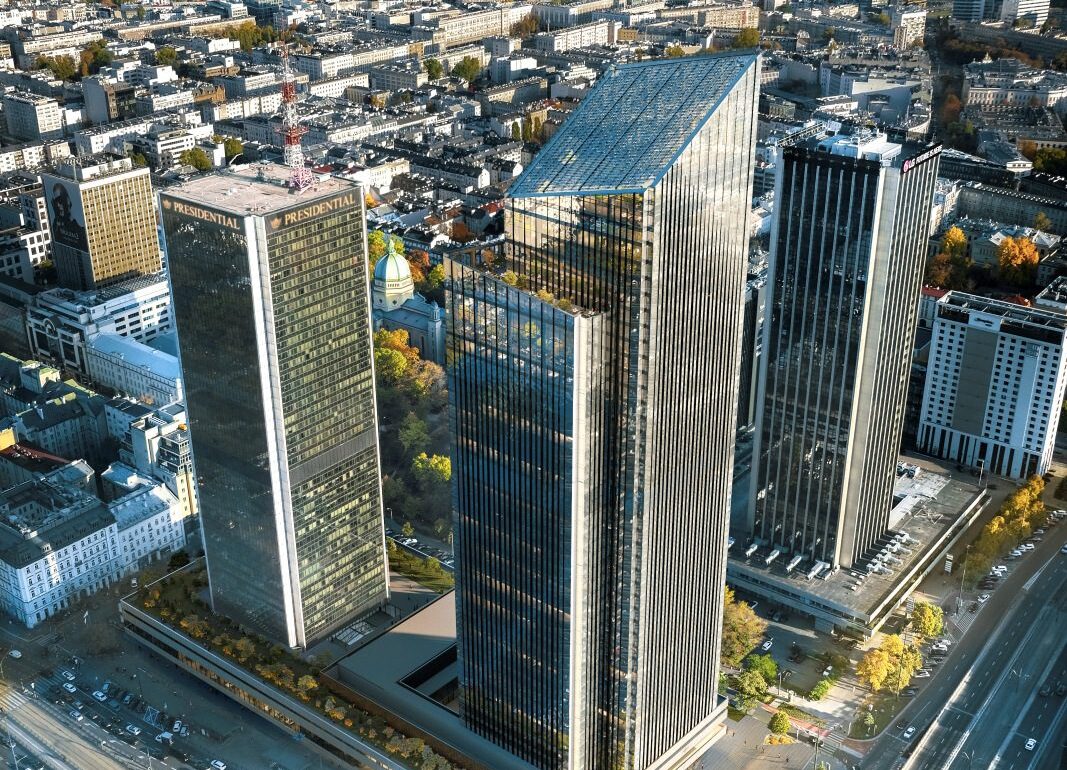
W arsaw may soon gain a new icon in 2025. Lilium Tower, planned to reach 260 meters, will finally surpass the legendary Palace of Culture and Science by a full 23 meters. This is no ordinary project—it’s the work of Zaha Hadid’s studio, awaiting realization for over a decade.
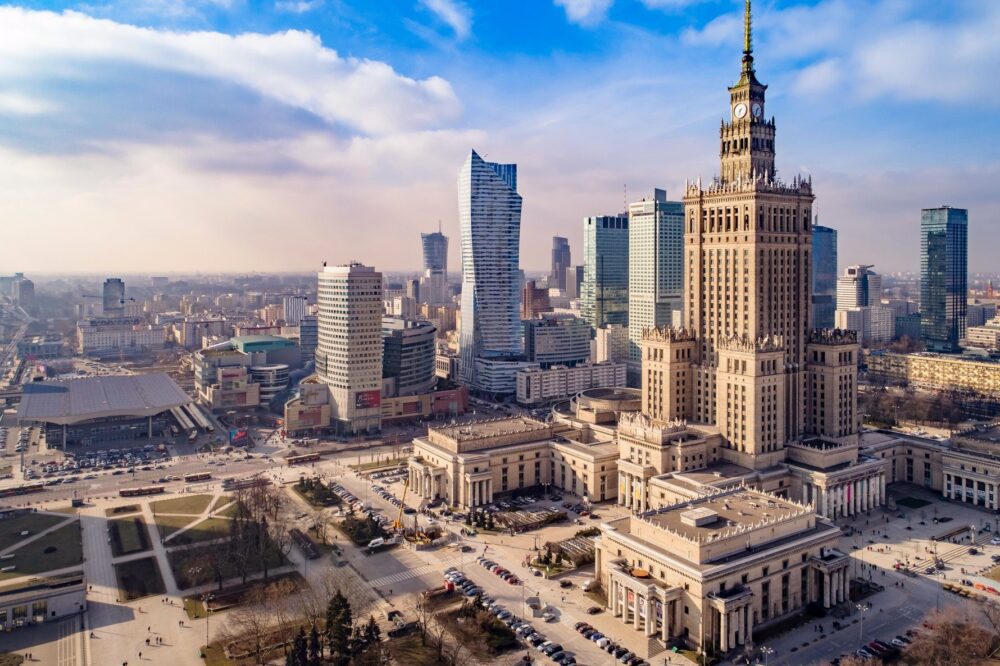
photo: inyourpocket.com
Why is it worth following the fate of this skyscraper right now? Because after years of stagnation, the project has come back to life. In 2024, new signals emerged from developers, and 2025 may bring the decision to start construction. Who knows—maybe in a few years, we’ll be looking at a completely different skyline of the capital.
Instead of the LIM building – an introduction to the phenomenon of Lilium Tower
The shape of the skyscraper is inspired by a lily—hence the name. Its distinctive, organic form is designed to make the building stand out among the rectangular blocks of the city center. Zaha Hadid, the 2004 Pritzker Prize laureate, was renowned for such unconventional solutions. Her buildings appear as if they have grown naturally from the ground, rather than being constructed by human hands.
“Architecture should speak of its time and place, but yearn for timelessness”
– Zaha Hadid
The Lilium Tower project is about more than just height or aesthetics. It’s a symbol of Warsaw’s ambition to compete with other European capitals. The city needs new icons, especially after decades of dominance by the Soviet-era Palace of Culture.
It’s also worth remembering that every major construction project in the city center affects property prices in the surrounding area. Residents of nearby districts are already wondering what the potential construction will bring. Some hope for an increase in the value of their apartments, while others worry about traffic and noise.
Lilium Tower is a story with three dimensions: the architectural legacy of Zaha Hadid, Warsaw’s economic ambitions, and the social emotions surrounding the changing city skyline. Each of these threads deserves a separate analysis.
How did it happen that the project is still waiting to be realized after all these years? The history of Lilium Tower is full of twists and turns that are worth exploring from the very beginning.
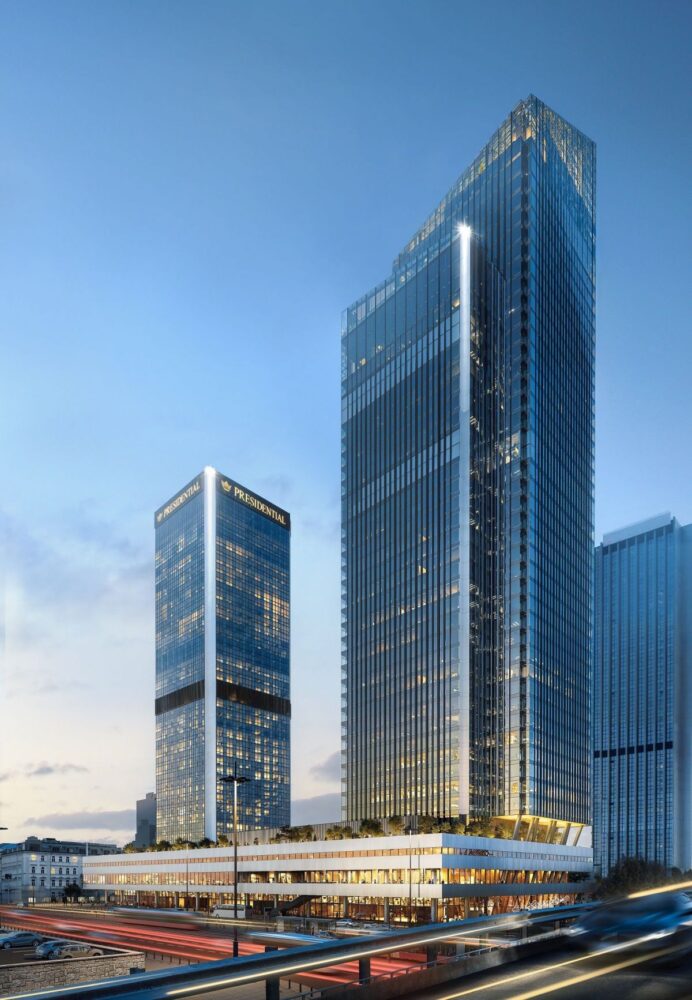
photo: eurobuildcee.com
From Concept to Suspension – The History and Evolution of the Project
In 2008, a project was unveiled that was supposed to change Warsaw’s skyline forever. Zaha Hadid’s Lilium Tower looked like something from the future—180 meters of modern architecture in the heart of the capital. Except that future never quite arrived.
2008 – The grand project announcement. Zaha Hadid Architecture presented their vision for a skyscraper in Wola. The media wrote about an “architectural revolution,” and investors assured everyone of their determination (Dezeen, 15.01.2008). Back then, no one expected the world was about to turn upside down.
2008-2009 – The financial crisis hit hard. Banks stopped lending money for risky investments, and a futuristic skyscraper in Warsaw was the very definition of risk. The main investor pulled out, leaving behind only beautiful renderings.
2011 – An attempt at revival. The city tried to find a new investor, but without success. On top of that, urban planning regulations changed—new guidelines for central Warsaw complicated things further (Architektura & Biznes, March 2011).
2013-2015 – Silence. The project sat in a drawer, though rumors of “serious talks with new partners” surfaced from time to time. Zaha Hadid mentioned Warsaw in interviews, but nothing concrete ever materialized.
2016 – Zaha Hadid’s death in March of that year was a real blow. The world lost a brilliant architect, and Lilium Tower lost its “mother.” Without her personal involvement, the project became even harder to sell to investors.
2018 – Official suspension. Zaha Hadid Architects confirmed that “the project requires a new strategic approach.” In practice, that meant another drawer (The Calvert Journal, June 2018).
2024-2025 – New hope? There are signs that a Warsaw developer is planning to revive the project. This time, there’s talk of “real money and a concrete timeline.” We’ll see if it’s not just more wishful thinking.
So why did construction never start? It’s a mix of bad luck and poor timing. The 2008 crisis killed the funding, then regulations changed, and Hadid’s death took away the project’s star power. Each passing year meant more expensive materials and new legal requirements.
What was actually supposed to be built there? The technical parameters show the scale of the challenge—a challenge that, over the years, proved impossible to overcome.
Parameters and features – what makes the skyscraper stand out in the plans
Who would have thought that so many numbers could be written about a single building? But with Lilium Tower, the sheer scale of the project is truly impressive.
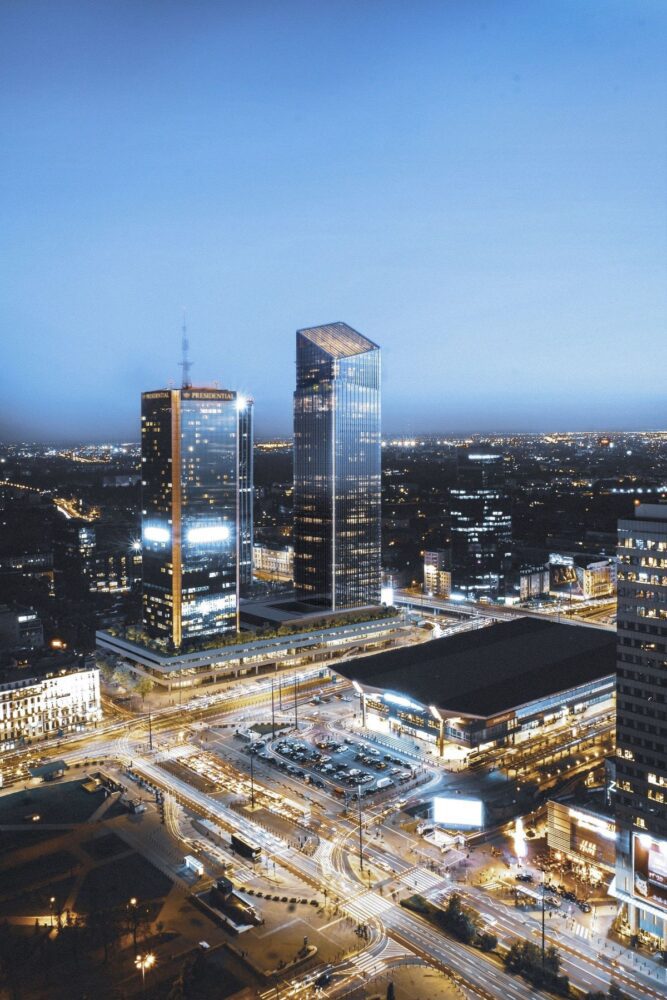
photo: eurobuildcee.com
Just to be clear, we’re talking about a 260-meter-high structure with 70 floors and a total of 62,300 m² of usable space. That’s quite a lot by Warsaw standards.
| Building | Height | Floors | Surface |
|---|---|---|---|
| Lilium Tower | 260 m | 70 | 62,300 m² |
| Palace of Culture | 237 m | 42 | 123,000 m² |
| Warsaw Spire | 220 m | 49 | 100,000 m² |
The functional program of the skyscraper has been planned quite ambitiously. Inside, there will be 288 residential apartments plus another 292 units operating under the condo hotel system. On top of that, there’s a wellness center—most likely with a swimming pool and gym, as is usually the case. There will be 245 parking spaces available.
The most intriguing idea is the parametric façade, which is meant to reference the shape of a lily. I’m not sure if it will actually resemble a flower, but the very concept of organic forms in architecture always looks impressive in renderings.
The designers are also planning eco-friendly solutions. They mention a double-skin façade, rainwater recovery systems, and other such amenities. This is intended to help secure international sustainable building certifications, though specific names have not yet been disclosed.
The floors will be divided by function—the lower levels likely for services and retail, the middle for the hotel, and the upper floors for residences. It’s a standard approach for this type of development.
Do Warsaw residents really need another building this tall? That’s already sparking lively debates in various parts of the city.
Debates, controversies, and impact on Warsaw
“People, is this officially the end of Warsaw as we know it? This Lilium Tower is some kind of joke”—that’s the kind of post that appeared on X right after the skyscraper’s visualizations were unveiled. And that’s pretty much how the whole controversy began.
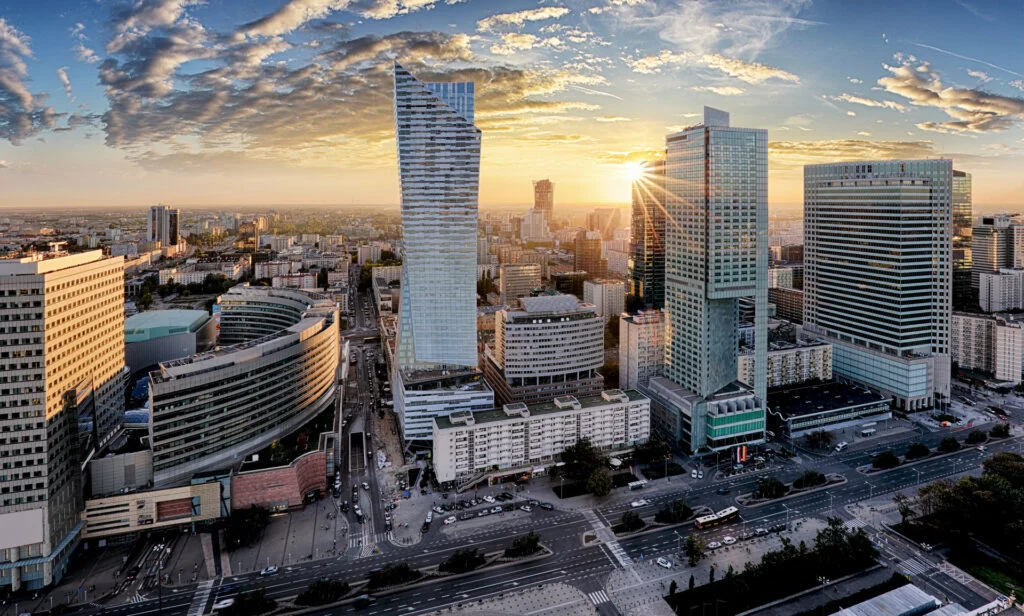
photo: triverna.pl
The debate has split the city in two. On one side are the enthusiasts, who see the project as a chance for international prestige. On the other—critics, worried that Warsaw will lose its unique character.
The arguments in favor of construction sound convincing. A new skyline icon, a catalyst for further investment, increased appeal for tourists and business. Supporters emphasize that every major capital needs modern symbols. Plus—jobs, taxes, and revitalization of the area.
Opponents bluntly call it a “corncob.” In their view, the skyscraper will overshadow historic landmarks and ruin the city’s panorama as seen from the Vistula. There are also concerns about vacancies—will there really be enough buyers for dozens of luxury apartments in the clouds?
Interestingly, similar disputes surrounded Warsaw Spire. That project cost around PLN 1.2 billion, and today, no one complains anymore.
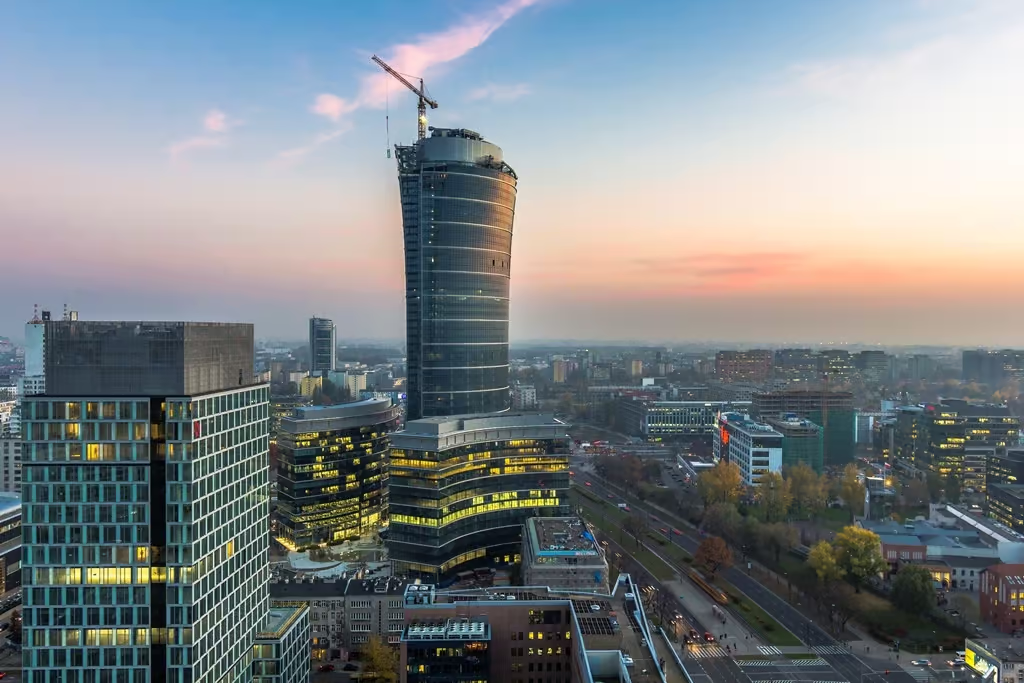
photo: remer.com.pl
Lilium Tower is expected to be even more expensive—estimates put the cost at over PLN 2.0 billion.
The problem is, no one knows where the money will come from. The developer claims to be ready, while the city is hesitant about tax breaks. And the residents? Some hope for new jobs in retail and services, others fear the gentrification of the neighborhood.
The truth is, without concrete financial decisions, the whole debate feels like arguing about a bear in the woods. It might turn out that a year from now, we’ll be talking about Lilium Tower in the past tense.
What’s next for Lilium Tower? – possible scenarios and conclusions
The situation surrounding Lilium Tower highlights just how complex the luxury skyscraper market in Poland has become. After years of planning and debate, it’s time for a realistic look into the future.
Three possible scenarios for 2026-2030:
- Optimistic scenario – Construction begins in 2026 after obtaining final permits and securing financing. The złoty stabilizes, interest rates fall, and the developer finds a strategic partner.
- Intermediate scenario – The project is delayed until 2028-2029 due to further administrative setbacks and funding issues. It is eventually completed, but in a reduced form.
- Pessimistic scenario – By 2027, the project is officially abandoned due to lack of profitability and changes in construction law.
It’s worth keeping an eye on the future of Lilium Tower—it will serve as a barometer for the health of the entire luxury real estate sector in Poland.
Maciej Z.
lifestyle & real estate editor
Luxury Blog





Leave a Comment