

How much does an expedition to Mount Everest cost? – a complete cost guide
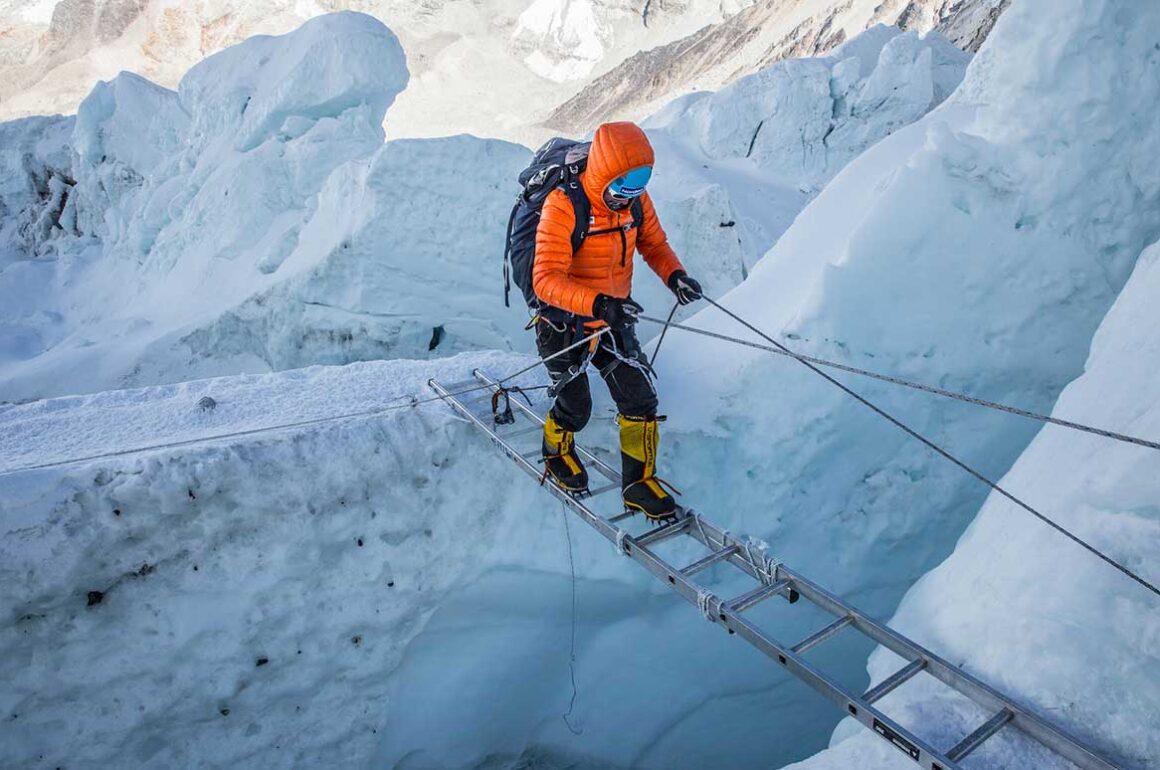
In 2025, the cost of an expedition to Mount Everest may exceed 1,600,000 PLN—that’s more than the price of an apartment in the center of Warsaw.
I remember the first time I read about George Mallory and his famous answer to the question of why he wanted to climb Everest: “because it’s there.” It sounded so romantic, so simple. The mountain is there, so you have to climb it. But I wonder what Mallory would have said if someone had explained to him back then that seventy years after his death, on the slopes of the world’s highest mountain, a coffee at base camp would cost 40 PLN, and the whole expedition… well, exactly.
Today, the dream of Everest is, above all, a matter of your wallet. And I’m not talking about minor expenses. We’re talking about sums that can make your head spin. From a modest 120,000 PLN for a trip with a local agency to a staggering 1,600,000 for a VIP package with a Western operator.
How much does an expedition to Mount Everest cost? – from dreams to the final bill
What actually happened? On May 29, 1953, Edmund Hillary and Tenzing Norgay stood on the summit for the first time. Back then, no one thought of it as a business. Now? Everest is one of the most expensive entertainments in the world.
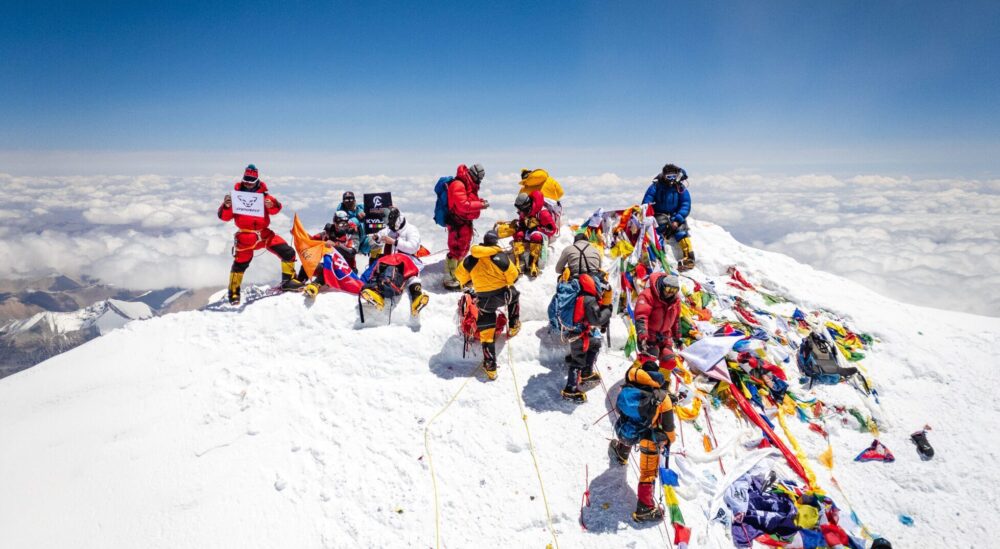
photo: alpinistclimberexpeditions.com
And 2025 is a turning point. New regulations from the Nepalese government, rising insurance costs, inflation reaching even Everest Base Camp. On top of that, high-altitude tourism is becoming increasingly popular among wealthy entrepreneurs from all over the world. Demand is soaring, and prices are skyrocketing.
I know these numbers might seem abstract at first glance. That’s why I decided to break them down. To show exactly what you’re paying those staggering amounts for. Because maybe it turns out there’s a way to do it cheaper? Or maybe the real cost is even higher than you think.
To understand these numbers, let’s break them down to the basics first.
Step-by-step cost breakdown
Sometimes I wonder why people even ask about the cost of Everest. As if the number would actually stop them. But since you’re here, you probably want specifics—how much, and for what.
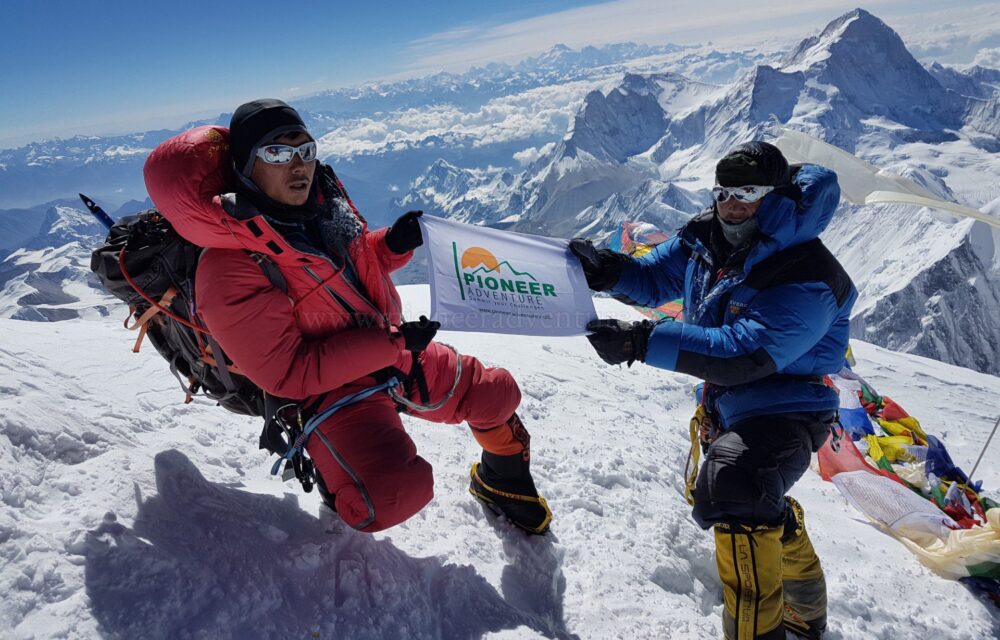
photo: pioneeradventure.com
The truth is, every item on this bill has its own story. I once started tallying up my expenses for smaller peaks, and that’s when I realized—the devil is in the details. On Everest, those details cost a fortune.
Permits are the first blow. Nepal currently charges $11,000–$15,000 per person just for the paperwork. These are the new rates for 2025—it was cheaper just last year. Tibet charges $7,000, but there you face different issues. The current dollar-to-zloty exchange rate is about 4.20, so just multiply the dollar amount by four and a bit.
| Component | USD | PLN |
|---|---|---|
| Nepal permit | 11,000-15,000 | (46,000-63,000) |
| Tibet permit | 7,000 | (29,000) |
| Sherpa team | 10,000–20,000 | (42,000–84,000) |
| Equipment and oxygen | 5,000–10,000 | (21,000–42,000) |
| Local transport | 1,000–5,000 | (4,200–21,000) |
| Evacuation (option) | 10,000 | (42,000) |
Sherpa is another essential element you can’t skip. They earn around $5,000 per season, but you pay the expedition $10,000–20,000 for their services. The difference goes to the organizer. That’s how it works.
Oxygen is a separate issue. One bottle costs about $500. You need at least four, preferably six. Do the math. Plus mask, regulator, spare parts—it quickly adds up to the price of a decent car.
Transport seems like the cheapest part, but that’s an illusion. Flight to Kathmandu, then to Lukla, helicopter to base camp—that’s already $1,000–5,000. And if something goes wrong and you need a helicopter evacuation, another $10,000 disappears from your account. Insurance sometimes covers it, sometimes not.
The minimum expedition costs around $35,000—about 150,000 PLN. The average is around $65,000 (270,000 PLN). Luxury expeditions can cost over $100,000—that’s nearly half a million PLN.
These numbers don’t lie, but they don’t tell the whole story either. There are factors that make the total go up or down depending on how you approach the whole thing.
What influences the price: factors and trends for 2025
Everest expedition prices in 2025 are a real rollercoaster. Just two years ago, I thought $50,000 was already insane. Now? That’s just the beginning.
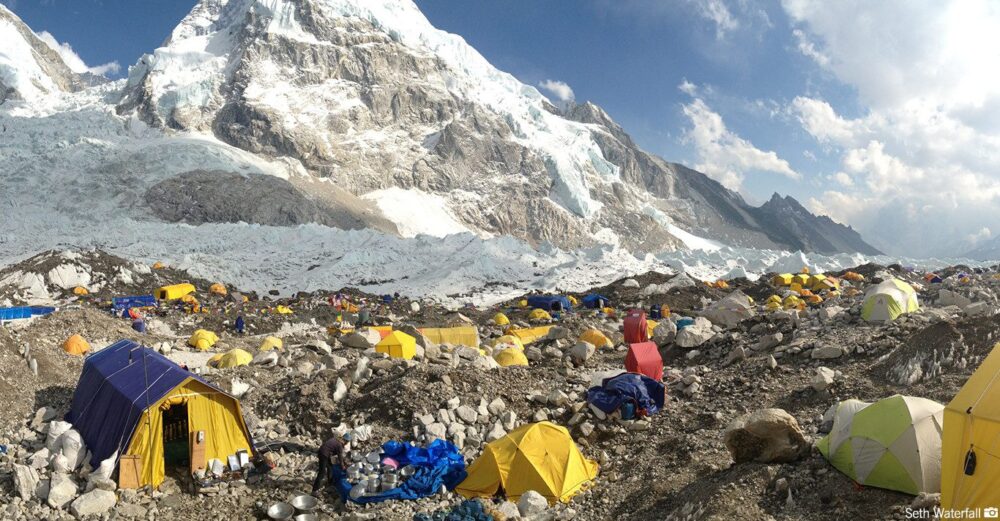
photo: rmiguides.com
Nepal regulations – new requirements, new costs
Nepal has introduced several groundbreaking changes this year. The first is a requirement for documented experience at an altitude of at least 6,500 meters. It sounds reasonable, but it means additional preparatory expeditions. The second is a waste removal fee—$4,000 deposit per climber. If you don’t bring back 8 kilograms of waste, the money stays in Nepal.
These changes increase total costs by about 20 percent. Operators have no choice—they have to pass the expenses on to their clients.
Post-COVID boom and inflation
I remember conversations with expedition organizers in 2022. Everyone was saying the same thing—people were going crazy. After two years locked at home, suddenly everyone wanted to go to Everest. Demand exploded, and prices followed.
Since 2023, the average cost of expeditions has risen by 20–30 percent. It’s not just inflation. It’s simple supply and demand economics. Sherpas cost more, transportation is more expensive, and spots in the queue to the summit are limited.
Route selection – South Col vs North Col
Here, the differences are really significant. The Nepali side (South Col) now costs around $65,000–70,000 for a standard expedition. The Chinese side? $45,000–55,000. But keep in mind—logistics from Tibet are more complicated. Permits, transportation, unpredictable borders.
I know people who saved $15,000 by choosing the North Col, but lost two weeks dealing with paperwork in Lhasa.
Luxury madness
Some clients no longer want ordinary adventures. A helicopter from Kathmandu straight to Base Camp? No problem—just add $8,000. A gourmet chef preparing sushi at 5,300 meters? Why not. I’ve seen premium packages that exceed standard costs by $40,000.
This isn’t climbing anymore—it’s a science fiction expedition.
Everest Cost Trend 2019-2025 (thousand USD)
2019: ████████████████████████ 45k
2021: ██████████████████████████ 50k
2023: ██████████████████████████████ 58k
2025: ████████████████████████████████████ 68k
Case study: my friend paid 62,000 in 2024 for an expedition with a renowned company. The same company in 2025? 74,000 for an identical package.
Now that we know the catalysts behind the price increases, it’s time to look at expenses that are often overlooked…
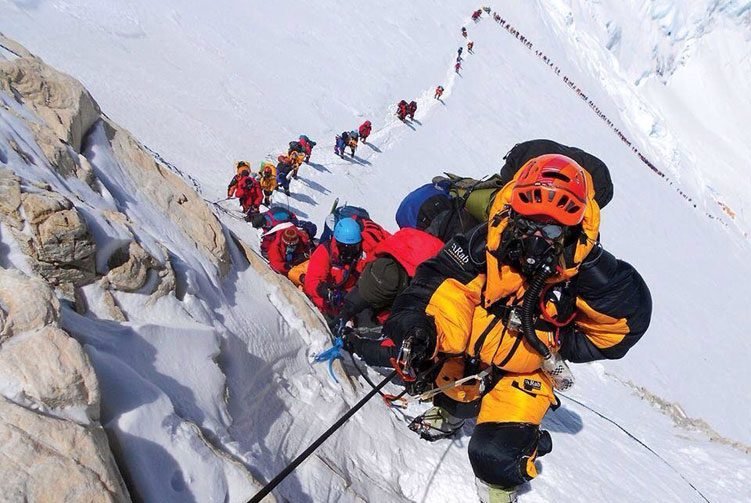
photo: friendsadventure.com
Hidden expenses and budgeting strategies
I remember when a friend told me about his expedition to Everest. Everything was going according to plan until the weather turned bad and he had to call a rescue helicopter. Twelve thousand dollars in five minutes. It was like being hit with a hammer.
That’s exactly why I believe budgeting for Everest isn’t just about the obvious expenses. Hidden costs can financially ruin any expedition.
High-altitude training is the first trap—most people completely forget about it. A course in the Alps plus gear testing easily adds up to $2,000–$10,000. And without it, you really shouldn’t go to Everest. I’ve seen guys try to save money here and… well, it never ended well.
Insurance above 6,000 meters is another item that tends to hide. $500–$2,000 for a policy, but if you don’t have it, a rescue bill can hit $10,000. Simple math.
A backup budget for the weather—I recommend at least 15 percent of your total. Waiting for a weather window, extra nights at base camp, changing plans.
INFO: The Polish YouTuber initially planned to spend around 400,000 PLN on Everest. In the end, he paid 608,000 PLN after including all the extras—mainly due to prolonged bad weather and changes in logistics.
I have a few tried-and-true saving strategies:
Strategy | Potential Savings
Shared cargo transport with a group | 30-40%
Renting equipment instead of buying | 2000-5000 USD
Buying oxygen in Kathmandu | 1500-2500 USD
Splitting guide costs | 25-35%
Honestly, all these hidden costs can double your budget. But it’s manageable if you know where to look.
Pre-trip checklist:
✔ Check your insurance altitude limit
✔ Add a 15% buffer for unexpected expenses
✔ Review your training preparation costs
✔ Look for opportunities to share transport costs
✔ Compare gear prices – buying vs renting
With a financial plan in place, the only question left is: is it really worth it?
photo: rmiguides.com
Is it worth it? Conclusions and next steps
After reviewing all the costs and hidden expenses, I return to the fundamental question—is Everest a reasonable investment? We’re talking about an amount equal to the price of an apartment in a smaller city.
On one hand, there are the hard numbers. $50,000–$60,000 is a lot of money. On the other, the connections made during the expedition often pay off for years. One friend told me that thanks to conversations at base camp, he found a business partner. Of course, not everyone comes back with a mountain of contracts, but networking at this level definitely has its value.
Prestige matters too, even if it sounds a bit superficial. People who have climbed Everest simply look different in the eyes of others. It opens doors, builds credibility. Personal satisfaction? Hard to put a price on, but for many, it’s priceless.
Looking at forecasts for 2030, I can see that costs will only keep rising. Experts estimate an average of $50,000–$70,000 per expedition. Climate change is shortening weather windows, which means more competition for good dates. Nepal is also introducing new safety regulations—more mandatory guides, better equipment. All of this adds to the price.
photo: environmentaltrekking.com
If you’re seriously considering Everest, here’s your action plan:
- Take a calm, thorough look at your finances. Calculate not only the basic costs of your trip, but also add a 30% buffer for unexpected expenses. Make sure you can afford this expense without jeopardizing your family budget.
- Choose your operator at least a year in advance. The best companies have waiting lists. Read reviews, talk to participants from previous expeditions. The cheapest option isn’t always the worst, but very cheap can be risky.
- Plan an 18-month training program. It’s not just about fitness—it also includes altitude tests, climbing courses, and psychological preparation. Without this, even the most expensive operator won’t help you.
photo: namasadventure.com
Everest is more than just a mountain —it’s a true test of how much your dreams really mean to you. Either I’ll find a way to fund the expedition and head for the summit, or I’ll invest the money in another dream!
Mark
lifestyle editor
Luxury Blog




Leave a Comment