

How much does a Lamborghini Huracán cost – prices, expenses, and the future of the model
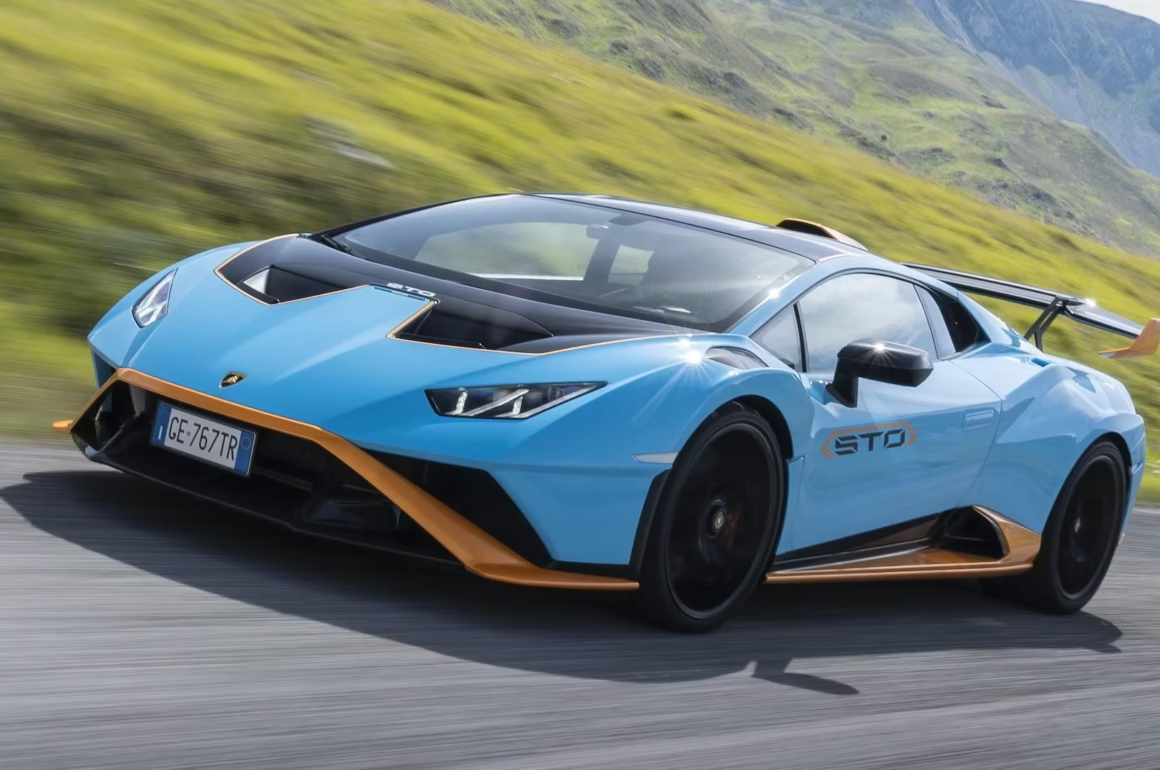
Is accelerating from 0 to 100 km/h in 2.9 seconds really worth as much as a two-room apartment in the center of Warsaw? This is a question car enthusiasts are asking more and more often when they look at the price lists for how much a Lamborghini Huracán costs. I asked myself the same thing a few weeks ago while browsing listings.
I remember the launch of this car in March 2014 in Geneva. Back then, it seemed like just another exotic toy for the chosen few. Journalists wrote about a “new era” in Sant’Agata Bolognese. The Huracán was meant to replace the legendary Gallardo and… it really did. But no one could have predicted just how much the market would change in a decade.
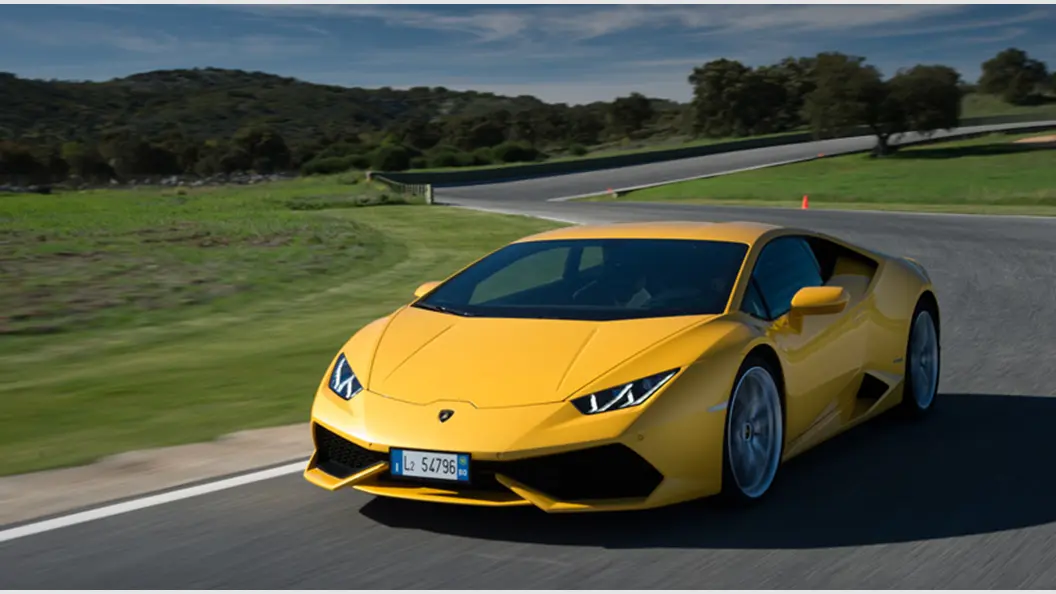
photo: carmagazine.co.uk
How much does a Lamborghini Huracán cost – from dreams to price list
Today, the situation is completely different. The Huracán is no longer just a dream—it’s become a matter of calculation. Cryptocurrencies, the real estate boom, inflation, and more recently, environmental concerns have all led people to view these cars as investments. Or, conversely—as the last chance before the electric era arrives.
“The supercar market has undergone a revolution. These are no longer just millionaire toys, but assets,” a dealer from Warsaw told me recently. He’s right, even if it sounds odd.
In 2025, buying a Huracán isn’t just about excitement. Above all, it’s an economic calculation on three levels. First—the current prices, which vary dramatically depending on the version and year. Second—the hidden costs that dealers prefer not to discuss openly. Third—the market outlook, because no one wants to be left with a car worth half of what they paid for it.
That’s exactly why I decided to take a closer look at this topic. From a financial perspective, not an emotional one.
So let’s get down to specifics—analyzing current prices and what you can actually get for a given amount.
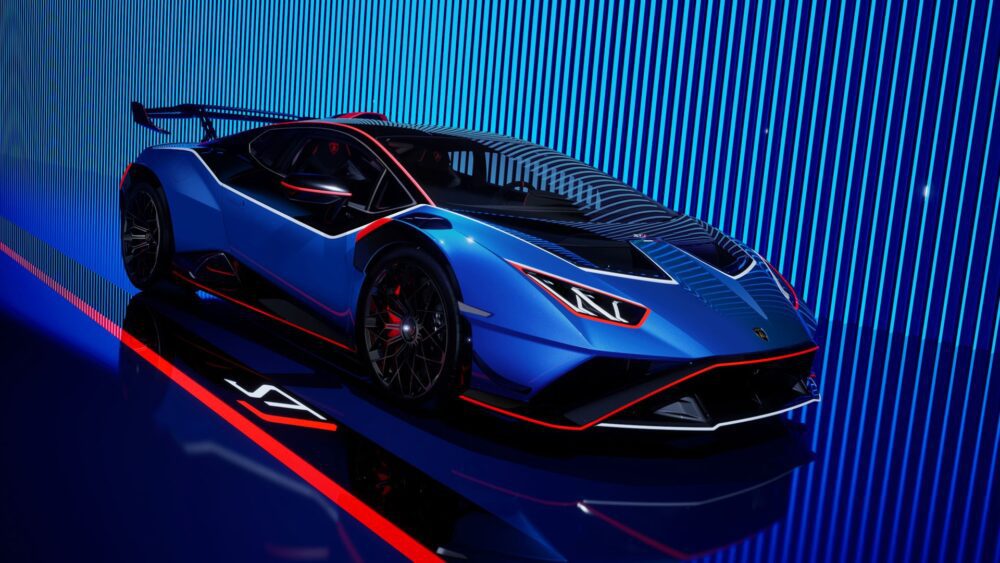
photo: headlight.news
Current prices and model variants in 2025
I recently browsed through the Lamborghini catalogs and I have to admit, those prices are truly impressive. Especially when you convert euros to zlotys.
The Lamborghini Huracán for 2025 is available in several main variants. There’s the base EVO RWD, the more powerful EVO AWD, the track-focused STO, and the versatile Tecnica. On top of that, there are Spyder versions with a soft top.
| Variant | Net price € | Gross price PLN |
|---|---|---|
| EVO RWD | 194,079 | 1,101,000 |
| EVO AWD | 214,031 | 1,215,000 |
| Tecnica | 239 296 | 1,359,000 |
| HUNDRED | 327,838 | 1,862,000 |
| EVO Spyder RWD | 223 189 | 1,267,000 |
| EVO Spyder AWD | 243 141 | 1,381,000 |
The difference between the coupé and the spyder is roughly 15%. That’s quite a lot for a folding roof, but the mechanism is complex and adds significant weight.
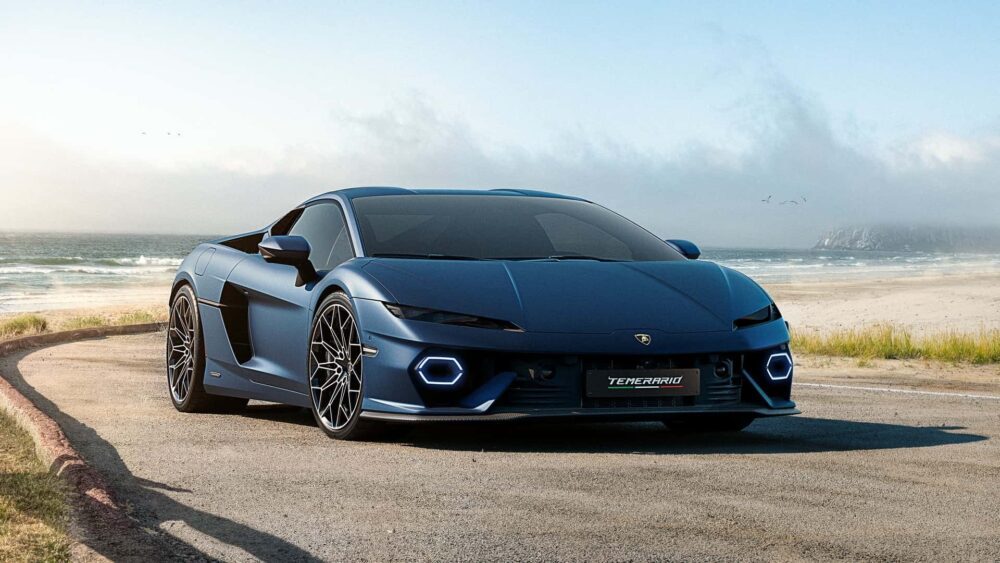
photo: en.arabgt.com
Ad Personam personalization is a whole different story – that’s where you can really go wild.
I’ve seen cars with options totaling an extra 80,000 euros. On average, clients spend around 50,000 euros on paint, leather, Alcantara, or carbon fiber. My friend chose a special Verde Mantis color and paid 6,500 euros just for that.
The biggest blow comes at the end – VAT. In Poland, it’s 23 percent on the total amount. So if you buy a base EVO for around 900,000 net, you’ll add over 200,000 in tax. In Germany, VAT is 19 percent, so the difference is noticeable.
Interestingly, the STO variant costs almost twice as much as the base EVO. That’s mainly due to the carbon fiber aerodynamics and race-track suspension. Is it worth it? Depends if you plan to hit the track or just drive around town.
All these amounts are just the beginning of your Lamborghini adventure. The real expenses start after the purchase.
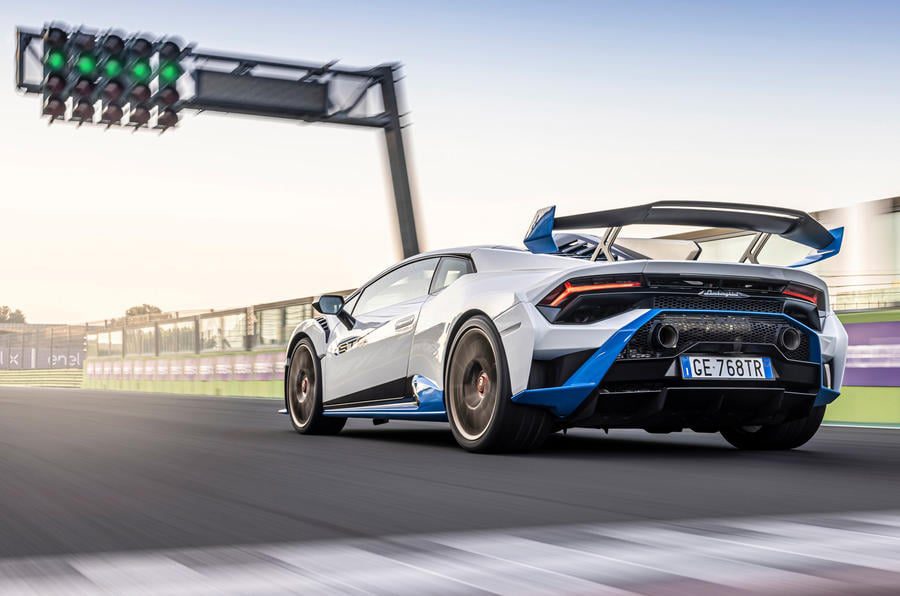
photo: autodaily.com.au
Hidden costs and the economics of ownership
When Sebastian picked up his dream Porsche from the dealership, he thought the worst was behind him. The first month was pure joy. The second too. But then the bill for comprehensive insurance arrived.
50,000 PLN per year. That’s what a young driver with one minor accident on record pays. No joke—that’s the amount I saw on my friend’s policy. The insurance agent didn’t even flinch at that number.
COST ALERT
The first year means at least 80,000 PLN in extra costs—without a single repair!
Servicing is a whole different story. A basic annual check-up at an authorized service center starts at €5,000. Brake pad replacement? €10,000, just like that. I remember a school friend hoping for “cheap maintenance” on his 911. After a year, he looked like he’d just been to a funeral.
• €5,000 – basic annual service at an authorized center
• €10,000 – brake replacement (discs + pads)
• 15,000 PLN – a set of tires per year (with normal driving)
• 25,000 PLN – fuel for 15,000 km per year
Depreciation hurts the most. In the first year, the car loses 10–15% of its value. That’s just how it is. Buy for a million, after a year it’s worth 850,000. The good news? After the third year, it stabilizes.
The 5-year TCO model looks roughly like this: servicing 150,000, insurance 200,000, fuel 100,000, tires 60,000. Add depreciation of about 300,000. Total? 810,000 PLN over five years.
But wait, there’s more. Hidden damages can wreck your budget. Electronic issues, oil leaks, worn clutch—each item can cost tens of thousands. Scams happen too. A “certified” car from an authorized dealer might have a repainted bumper after a fender bender.
The worst part is that most owners don’t calculate these costs before buying. They only look at the price in the showroom and think that’s it. Then it turns out the car costs as much as an apartment—not just to buy, but to keep running.
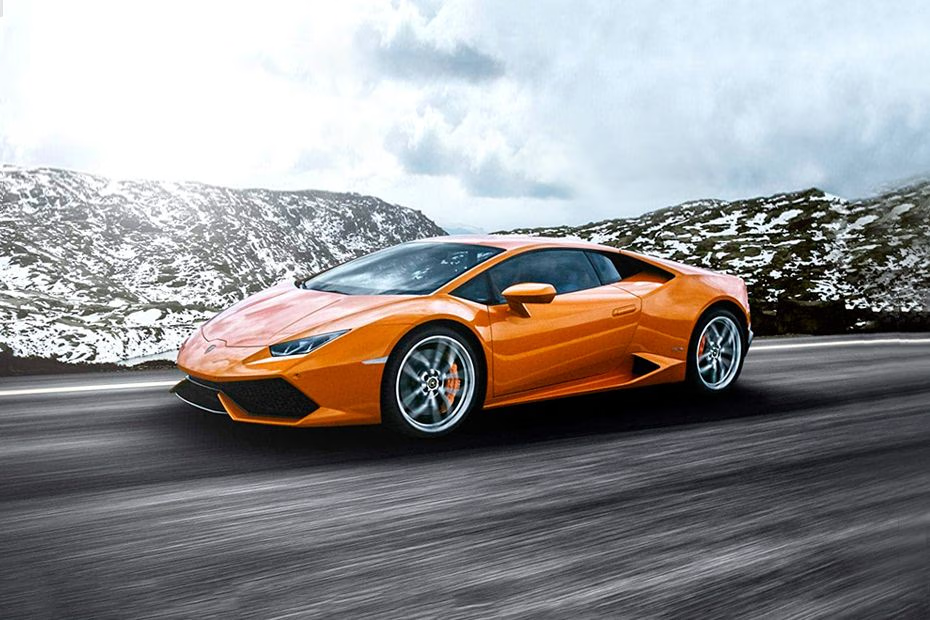
photo: oto.com
What’s next – a practical plan for the future owner
After analyzing all the financial and practical aspects, I feel that it’s crucial to move on to specifics now. There’s no point in postponing the decision any longer if the budget allows.
First and foremost, verify your finances—not just the purchase price, but also a reserve for the first few months. I remember when a friend bought a Gallardo without a proper safety net and had to sell it after three months due to an unexpected gearbox repair.
Here’s my checklist before making a purchase:
Service history – every inspection, every oil change matters- VIN check in databases – accidents, thefts, legal issues
- Independent inspection by a Lamborghini specialist
- Dynotest – the V10 engine should deliver its full power
- Documentation of all modifications and tuning
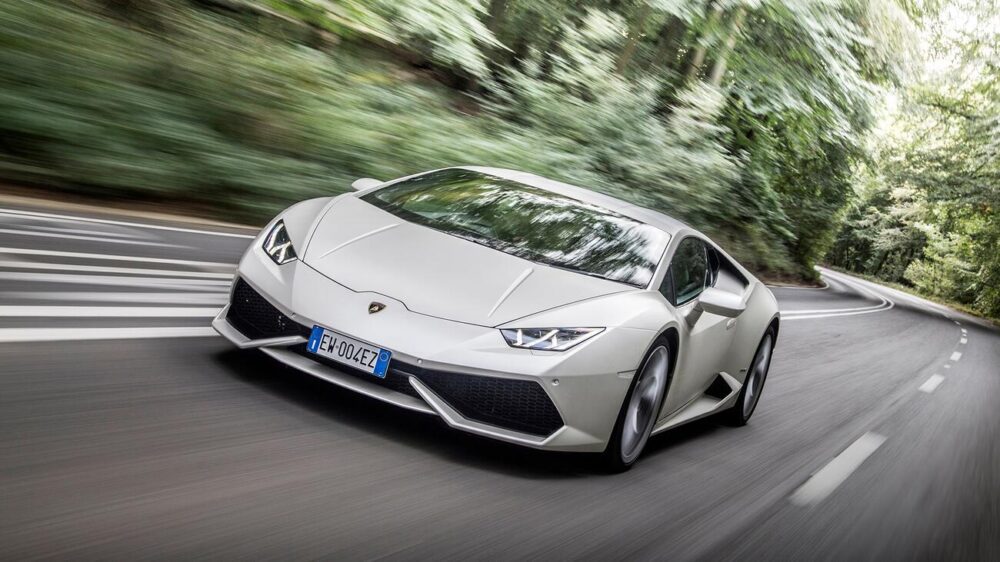
photo: autotrader.co.uk
The price forecast for the coming years looks very promising—I expect an increase of 10-15% by 2030, mainly due to the discontinuation of the V10 engine.
An interesting situation awaits us in 2026. Lamborghini will introduce a hybrid successor to the Gallardo, which could cause a temporary dip in the prices of used models. But this will be short-lived—the purist V10 will quickly recover its value.
Dealers are a separate topic. I always negotiate the price, even if the car seems perfect. Often, you can get additional warranties or have minor repairs included.
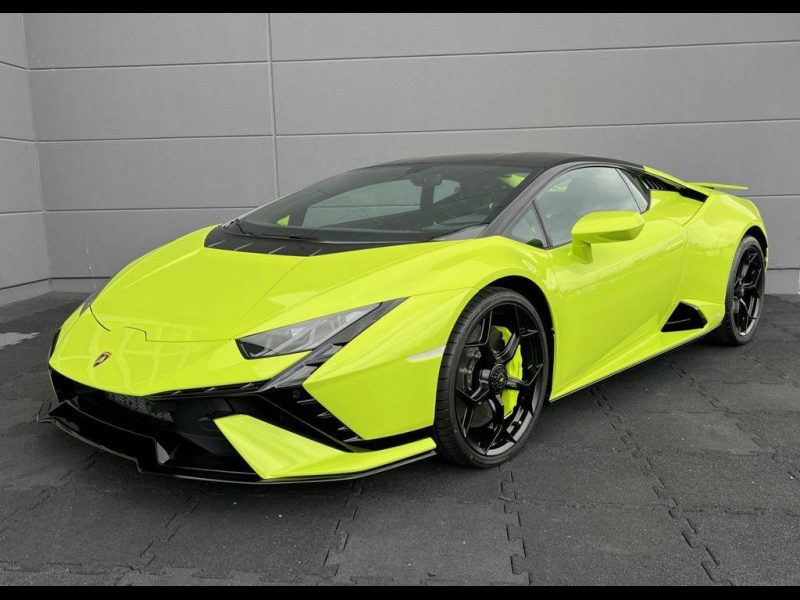
photo: vip-car.com.ua
I think 2025 is the last moment for a relatively calm purchase. After that, prices may rise quickly, especially for the best examples.
If you’re considering this step, don’t wait too long—the used Lamborghini market won’t wait for you.
Check owners’ forums, look for local service specialists, and above all—go for a test drive. You need to feel this car to understand if it’s the right choice.
Ross
moto & lifestyle editorial team
Luxury Blog






Leave a Comment