

How much does a bottle of Moet champagne cost?
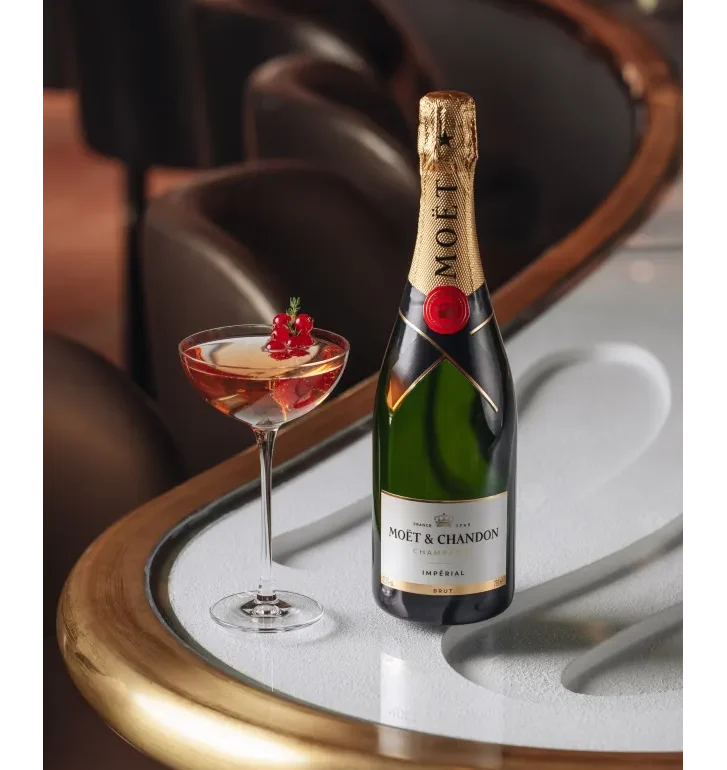
Every second, somewhere in the world, someone opens a bottle of Moët & Chandon. That means that by the time you finish reading this sentence, at least three corks will have already popped.
I remember how, back in the nineties, the first bottle of champagne at home felt almost symbolic—it finally meant being able to afford something that used to be associated only with Western movies. Today, a standard bottle of Moët Impérial costs between 150 and 250 zlotys in Poland, but why exactly that much? And is that a lot, or maybe even not enough?
How much does a bottle of Moet champagne cost? – I’ll reveal the details
In 2025, asking about the price of Moët is more than just a matter of curiosity. It’s a glimpse into the entire machinery of global luxury, which operates by its own rules. With inflation running wild and people counting every penny, spending two hundred zlotys on a single bottle might seem like madness. Or an investment in moments that no amount of money can truly buy.
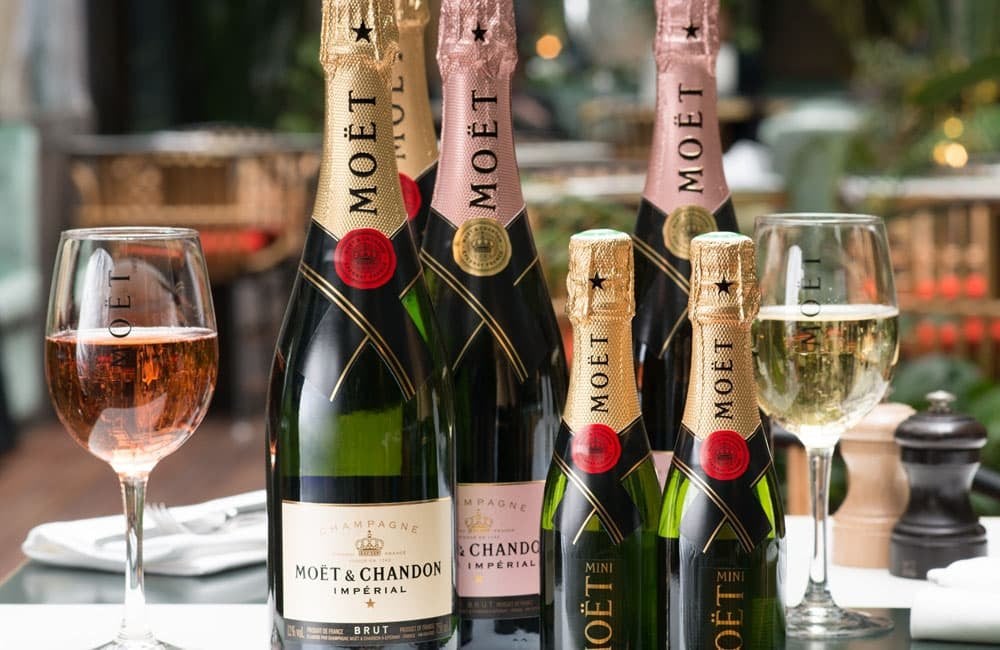
The matter is more complicated than it might seem. Moët is not just champagne —it’s a brand that has built its reputation over centuries. Napoleon Bonaparte reportedly took their bottles on military campaigns. Today, rappers flaunt them in music videos, and Polish newlyweds pop them open at weddings.
But to truly understand why we pay what we pay, we need to ask ourselves three key questions. First: what exactly determines the price of this bottle—from the vineyard in Champagne to the shelf in a Warsaw store? Second: is the Polish price a fair valuation, or are we paying a “prestige tax”? And finally: when is it worth spending that money, and when is it better to choose an alternative?
It’s not just about the alcohol in a glass bottle. It’s about the entire story, the marketing, the distribution, and that strange mechanism that makes some products cost ten times more than similar ones. So let’s take a closer look—from production costs to the psychology of shopping.
How much, where, and what are you paying for?
Have you ever wondered why Moët prices in Poland can vary so much? Sometimes I see a bottle for 150 złoty, other times for 400. It’s no coincidence—every penny has its reason.
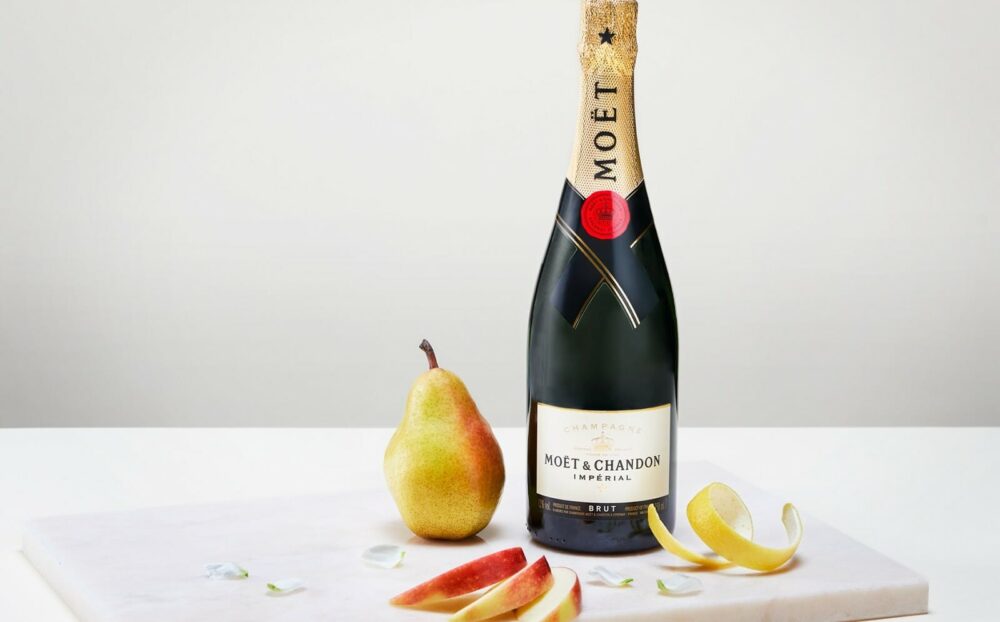
To break it all down, I’ve prepared a table with the current prices in Poland:
Add row aboveAdd row belowDelete rowAdd column to leftAdd column to rightDelete columnVariant200 ml750 ml1.5 lBrut Impérial45 PLN149 PLN289 PLNRosé Impérial55 PLN179 PLN349 PLNIce Impérial65 PLN199 PLN389 PLNGrand Vintage-399 PLN799 PLN
The first factor is, of course, the variant. Brut Impérial, as the basic line, is the least expensive. Rosé costs more due to its complex production process—it requires adding red wine from pinot noir. Ice Impérial is a specialty designed to be enjoyed over ice, so you’re paying for innovation.
The size of the bottle matters too, but not in the way you might think. You pay much more per liter for a small bottle—this is due to packaging costs and positioning as a gift or sample.
Taxes are a hidden cost that many people overlook. Each 750 ml bottle carries an excise duty of 1.18 PLN plus 23% VAT. If a store buys champagne for 100 PLN net, you’re already paying 124.18 PLN—and that’s before their markup.
The difference between vintage and standard is a huge price gap. Grand Vintage 2013 costs 300-500 PLN today because it’s a wine from a specific year that must “mature” for at least three years. The producer takes a risk—if the vintage doesn’t turn out well, they lose money.
The place of purchase is a whole different story. In a premium restaurant, you’ll pay 280-320 PLN for the same bottle of Brut instead of 149 PLN in a store. The restaurant markup averages 100%, sometimes even more. The waiter, the atmosphere, the service—all of that comes at a price.
You can already see that price is not a lottery. Every component has its own economic justification. That’s why it’s worth considering your purchasing strategy before you reach for your wallet.
Where to buy and how not to overpay?
A friend recently bragged about buying Moët online for 169 PLN, while I paid 200 at Makro. That motivated me to look into it—the price differences are really significant.

Online stores often offer the best prices because they have lower operating costs. Discount wholesalers like Makro or Selgros are more expensive, but you can be sure of authenticity. In restaurants and hotel bars, you might pay up to 350 zlotys for the same bottle.
When shopping online, I always check for authenticity. On an original Moët bottle, you’ll find the “MH” signature engraved in the glass, the AOC Champagne designation on the label, and a hologram on the cap. Counterfeits often have blurry lettering or lack these details.
A promotion calendar is essential for saving money. Black Friday offers discounts of up to 20%, but be aware—not all stores participate. Before New Year’s Eve, prices usually go up due to increased demand. International Women’s Day is a good time to shop, as stores often run champagne promotions then.
Pro Tip: Sign up for newsletters from several liquor stores. They often send exclusive discount codes just for subscribers.
For businesses, the situation is different. Bulk orders offer a chance for significant savings. The “Duży Ben” discount card provides up to 15% off on larger quantities. Some wholesalers have loyalty programs—it’s worth checking the terms before placing your first order.
Duty-free at airports is a myth when it comes to savings. Prices are often higher than in good online stores. I’ve checked this many times and only once did I actually find a real bargain.
Seasonality matters. In summer, demand drops, so stores run promotions more often. In winter, especially in December, prices go up. It’s logical, but it’s worth keeping in mind when planning shopping for bigger events.
The future of the champagne market looks promising, especially in the context of changing consumer preferences and new distribution channels.
When the corks pop – what’s next?
Actually, all the fuss about champagne prices always ends up in the same place. The corks pop, the bottle is empty, and we’re left wondering—was it really worth the money?
After analyzing the entire Moët & Chandon market situation, a few simple conclusions can be drawn. First, price differences between stores can be significant—sometimes even 40-50 PLN for the same bottle. Second, timing is crucial. Buying before the holidays is financial suicide. And third—sales channels matter, but online doesn’t always mean cheaper.
If you want to shop smart, set up price alerts in store apps. Seriously, it works. Also, check your import options if you live near the border—sometimes the excise duty is quite favorable. Most importantly, plan your shopping at least a month before the event. Don’t leave it until the last minute.
And what can we expect in the coming years? Experts predict a price increase of 10-15 percent by 2030. Climate change is affecting grape yields in Champagne, and demand from Asian countries is skyrocketing. China is discovering champagne, and that’s not good news for our wallets.
However, there is one thing that gives hope. Moët has committed to fully sustainable production by 2030. This means fewer chemicals, more eco-friendly practices, and better water management. Prices may go up, but at least we’ll be drinking something made with respect for the environment.
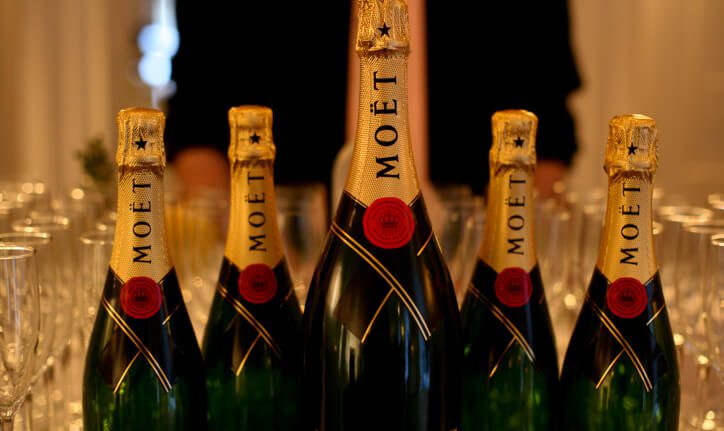
The truth is, luxury doesn’t have to mean spending money thoughtlessly. You can shop expensively, but wisely. You can celebrate important moments without ruining your budget for the months ahead.
Next time you’re standing in front of the champagne shelf, think not only about what you want to buy, but also when and where. Spending just a few minutes planning can really save you a lot of money. And the corks will pop just as loudly, whether you paid 150 or 200 zlotys.
Tony M.
lifestyle editor
Luxury Blog



Leave a Comment