

Green certificates in luxury real estate – the new market standard
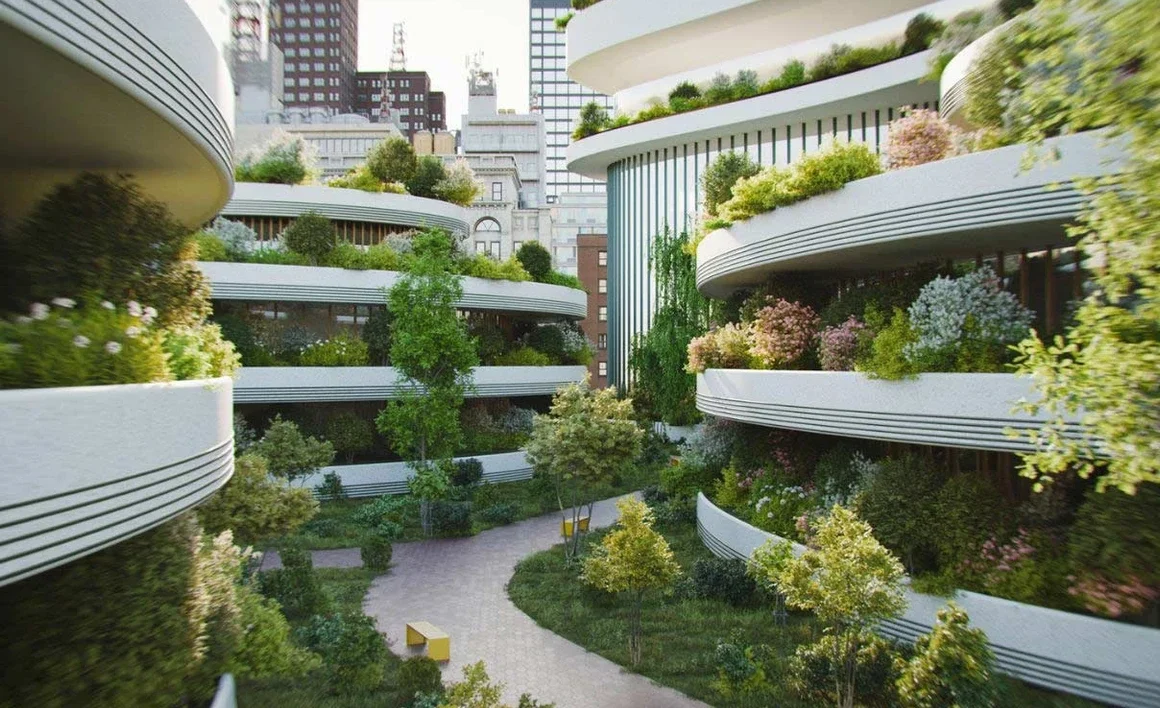
Imagine a scene from last week in a Warsaw office building. A potential tenant, an international corporation, refuses to sign a lease for 3,000 square meters of space. The reason? No WELL Gold certificate. “Our ESG standards require it,” the developer is told. And just like that, ecology is no longer an option—it’s the price of entry.
This isn’t an isolated case. Globally, LEED certifies 2,600,000 square feet of space every single day. Just imagine the scale of this shift—buildings are going up with ready-made passes to a world where green certificates call all the shots.
90% of new premium office buildings in Warsaw will have a sustainability certificate by 2025.
Green certificates in luxury real estate – uncompromising sustainability
Poland has caught up with the trends faster than anyone expected. Just five years ago, eco-friendly solutions were an add-on—today, they’re the foundation. This acceleration is no coincidence—EU Green Deal, growing ESG pressure, and the pragmatism of investors who have realized one thing. Certified buildings aren’t a whim; they’re good business.

photo: dreamerealestate.com
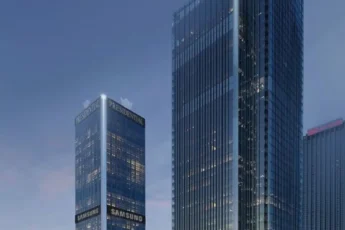
I see it with my own eyes, walking through the city center. Every façade now displays a logo—LEED, BREEAM, WELL. These small plaques have become tickets to the exclusive real estate club. But what do they actually mean?
The revolution started quietly, in facility management departments and sustainability offices. Suddenly, tenants were willing to pay more for better air, lower bills, and the prestige of a green headquarters. Developers, initially skeptical, are now competing for the highest ratings as if they were Michelin stars for restaurants.
The thing is, behind every certificate lies a point system, strict technical criteria, and some very tangible numbers when it comes to benefits. The market forces driving this change operate by clear rules—even if not all of them are obvious at first glance.
Before we dive into the numbers, let’s take a look at what those logos on building façades actually mean in practice…
What’s behind the LEED, BREEAM, and WELL labels – key criteria and levels
When we look at modern buildings with certifications, we see various labels—but what do they actually mean? Each system has its own thresholds and points that are worth knowing.
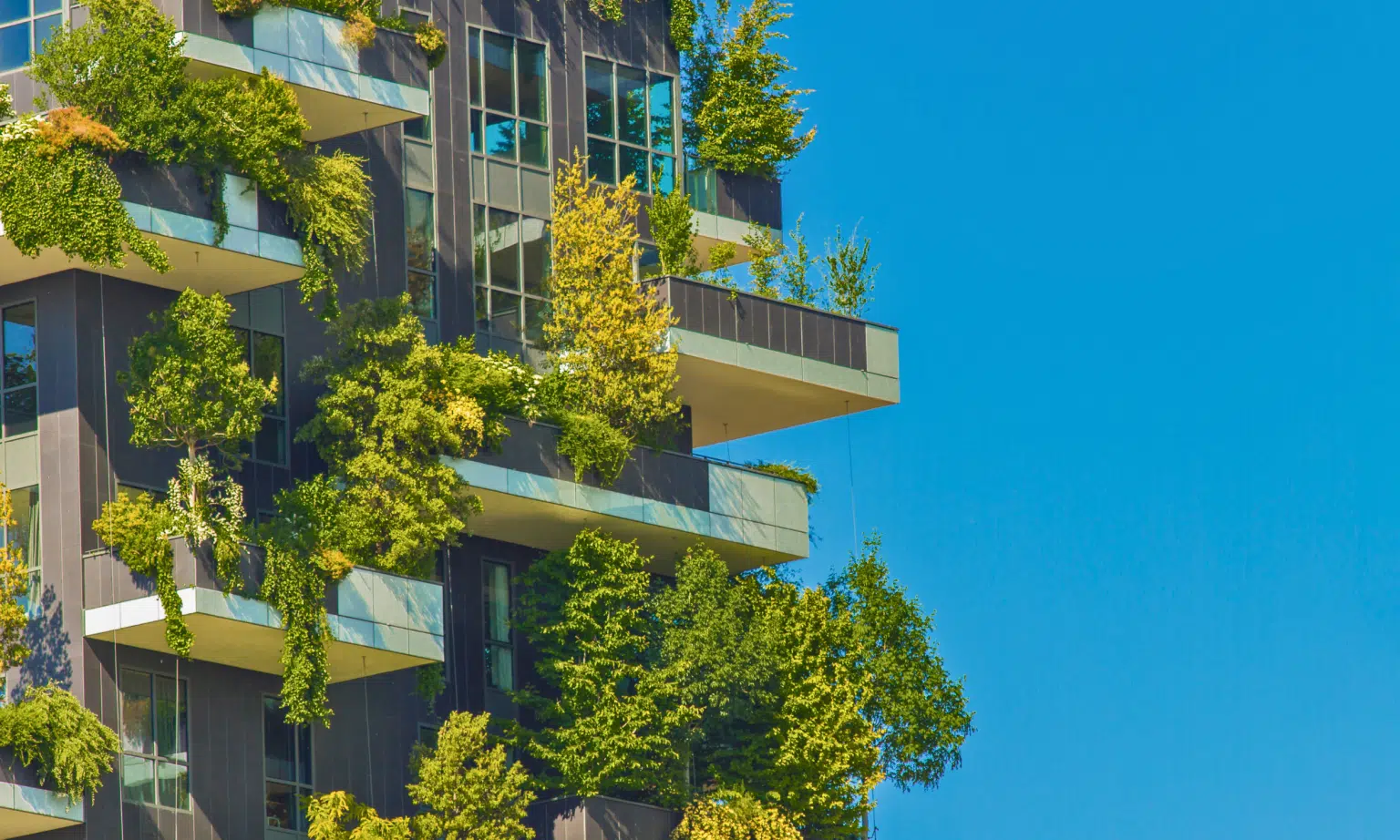
photo: dreamerealestate.com
LEED v5 – the American scale up to 110 points
LEED works on a straightforward point system. You collect points for various actions, then see which category you fall into. Certified is 40–49 points, Silver 50–59, Gold 60–79, and Platinum starts at 80 points and above.
What always made me wonder—why is 110 the maximum? It turns out it’s because of extra points for innovation and regional priority. There are seven main categories: location and transportation, sustainable sites, water efficiency, energy and atmosphere, materials and resources, indoor environmental quality, and innovation.
BREEAM v7 – a European approach with weightings
Here things get more complicated, as each category has a different weight. Energy counts for as much as 19% of the total—which makes sense, since it’s the biggest operating cost. Health and wellbeing get 15%, management 12%, transport 8%.
The system rates from Pass (30% of points), through Good (45%), Very Good (55%), Excellent (70%), all the way to Outstanding (85%). These thresholds are pretty strict—you really have to go the extra mile to reach the highest level.
WELL v2 – people at the center
WELL is a completely different story. Instead of focusing mainly on the building, it looks at how it affects us. Ten concepts: Air, Water, Nourishment, Light, Movement, Thermal Comfort, Sound, Materials, Mind, Community.
Silver requires meeting all the basic prerequisites plus 20 points from optional features. Gold is 40 points, Platinum 80. Sounds simple, but the devil is in the details—some requirements are really complex to implement.
| Criterion | LEED v5 | BREEAM v7 | WELL v2 |
|---|---|---|---|
| Point scale | 0-110 pts | % with weights | Preconditions + credits |
| The highest level | Platinum (80+) | Outstanding (85%) | Platinum (80 pts) |
| Main focus | Sustainability | Environment + performance | User health |
More and more investors are opting for double or even triple certifications. LEED plus WELL is becoming popular—one focuses on the building, the other on the people inside. BREEAM plus WELL also happens, especially in Europe.
I’ve noticed that developers often don’t understand the differences between these systems. They think “a certificate is a certificate,” but that’s not true. Each one measures something different and has its own priorities.
Now that we’re clear on what each system measures, let’s see why the market practically demands them by default.

photo: rcm-international.com
From Trend to Necessity – Market Forces and Regulations Driving the Standard
I still remember when, just a few years ago, green certificates were more like a gadget for the wealthiest developers. Nice little extras you could show off at trade fairs. Now? They’re a fundamental requirement in the premium segment.
So, what actually happened? Above all, regulations started coming in from every direction.
The regulatory timeline looked roughly like this:
19.12.2019 – announcement of the “European Green Deal”
14.07.2021 – “Fit for 55” package with concrete measures
01.01.2023 – mandatory thresholds for large assets in the EU
2025 – planned introduction of LEED v5 with a focus on decarbonization
But regulations are just one piece of the puzzle. The real game-changer came from the capital side. Global investment funds started including certification clauses directly in their term sheets. No BREEAM or LEED? No financing. As simple as that.
ESG is no longer just a buzzword—it’s a hard business requirement. Funds have their own obligations to end investors, so they pass the pressure down the line.
On the other hand, tenants have changed too. International corporations have implemented procurement policies that require at least LEED Gold or BREEAM Excellent. Their sustainability teams simply won’t sign a lease in a building without certification.
An interesting example is Warsaw Spire—virtually 100% of the space is leased to companies whose procurement policies included certification requirements. Coincidence? I don’t think so.
In Poland, the first BREEAM certification appeared in 2010. For a long time, it seemed like an experiment for the few. But when European regulations arrived and global tenants started setting strict requirements, the market flipped. Overnight, it went from “nice to have” to “must have.”
It was really a natural evolution. Like with all standards—first the pioneers adopt, then the early majority, and finally it just becomes the norm. Only this time, the process sped up due to external pressure.
These forces not only drive demand but also have a real impact on financial results—as the numbers we’ll see in a moment clearly show.

photo: nar.realtor
Numbers that speak for themselves – financial, operational, and reputational benefits
I was just talking yesterday with the building manager in Mokotów, and he told me something that sounded like a joke. “My tenants pay me 15% more because I have a piece of paper on the wall.” That piece of paper is a BREEAM certificate.
It turns out he wasn’t joking at all.
| Metrics | Standard building | Certified building | Delta |
|---|---|---|---|
| Rent per m² | 85 PLN | 102 PLN | +20% |
| Energy consumption | 180 kWh/m²/year | 135 kWh/m²/year | -25% |
| Team productivity | Baseline 100% | 112% | +12% |
| Transaction value | 1,200,000 €/building | €1,416,000/building | +18% |
These figures come from the latest research by Globalworth Polska and USGBC. These are not forecasts or wishful thinking. This is hard market data.
Let’s take a concrete example from Warsaw. Two identical office buildings in Służewiec, side by side. The first, without certification, rents space at 89 PLN per square meter. The second, with LEED Gold certification, charges 106 PLN. The difference? 2,300 PLN more per month for every 100 square meters. Over a year, that’s nearly 28,000 PLN in additional revenue from each tenant.
The owner of the certified building also pays less for electricity. How much less? USGBC studies show a 25% reduction compared to conventional buildings. For 10,000 square meters, that’s a saving of around 180,000 PLN annually at current energy prices.
But the real game-changer lies in productivity. The WELL certificate, which focuses on user comfort, boosts employee performance by 10-15%. Sounds abstract? Not at all. It means a team of 50 works like 56. In practice, this translates to fewer absences, faster project delivery, and better financial results for tenant companies.
A friend of mine manages a team in a WELL-certified building in Wola. He says people get sick less often and complain less about fatigue after work. Maybe it’s a coincidence, but the numbers don’t suggest so – IWBI studies confirm this trend in hundreds of buildings worldwide worldwide.
And what about reputation? Boston’s carbon-neutral tower with LEED Platinum certification was sold in 2025 for 18% more than comparable properties in the area. Buyers literally paid extra for the green image. We’re seeing similar trends in Poland – tech companies, law firms, and international corporations are choosing certified spaces because it’s part of their ESG strategy.
I know a developer who initially thought certification was an unnecessary expense. Today, all his new projects have at least BREEAM Very Good. Why? Because investors pay more, tenants stay longer, and operating costs are lower.
Sometimes I wonder if all these certificates are just a trend. But when I look at energy bills, rent rates, and tenant turnover ratios, the doubts disappear. The numbers don’t lie.
If the numbers are so clear, the only question is how to leverage the trend to get ahead of the competition…
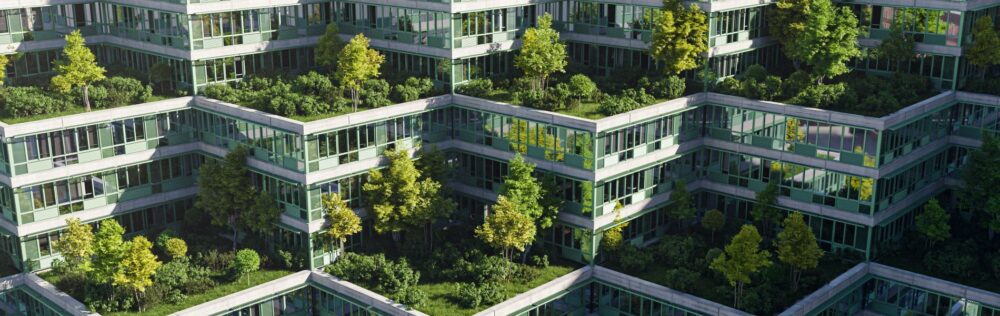
photo: inogenalliance.com
Course for a Green Future – Strategic Steps for Market Leaders
When I look at what’s happening in the premium real estate market, I feel like we’re at a turning point. Either we step up now, or we’ll be left behind for years. It’s no longer a question of “if,” but “when” and “how fast.”
By 2030, 100% of premium buildings in the European Union are to be certified — it sounds like science fiction, but that’s exactly where we’re headed. EU regulations are no joke, and investors are already focusing exclusively on properties with the right certifications.
We have a concrete action plan that has already proven effective in several projects:
- Portfolio audit – assessment of the current condition of each building
- Choosing the right certifications (BREEAM, LEED, or perhaps WELL)
- Integration of BIM systems with IoT technologies
- Planning for multiple recertifications every 3-5 years
Let’s be honest – it costs money. But the alternative is even worse.
I see some interesting trends on the horizon. Artificial intelligence in energy optimization is no longer science fiction, it’s reality. Materials from the circular economy are moving out of the niche. Multi-certification is becoming the standard, not the exception.
Sometimes I wonder if we’re going overboard with this whole “green craze.” Then I look at energy bills and the new regulations coming in, and I know there’s no turning back. Developers who don’t catch on will have trouble selling in just 2-3 years.
You can actually start with small steps. A pilot audit of one building, just to see where you stand. Ninety days is enough to get a clear picture and an action plan.
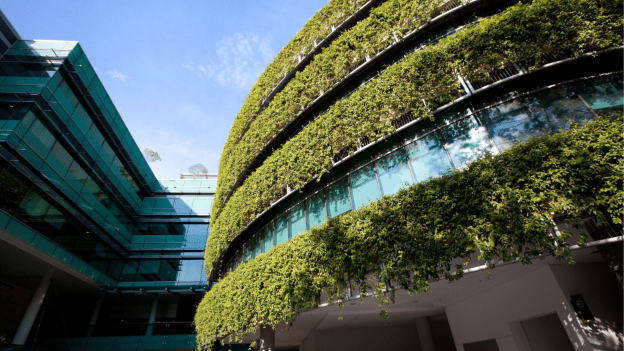
photo: spacewell.com
The premium market won’t wait for latecomers. Clients are already asking about certifications, energy consumption, and environmental impact. Soon, this will determine whether anyone is interested in our offer at all.
See how your building scores on the green test.
Mark 90
lifestyle & real estate editorial team
Luxury Blog




Leave a Comment