

Chanel No. 5 – a timeless fragrance that changed the face of perfumery

You should know that Chanel No. 5 was no accident. It was a revolution captured in a bottle”—that’s what Coco Chanel reportedly said when, in 1921, she changed the world of fragrance forever.
On May 5, 1921, something extraordinary was happening at the Parisian atelier on rue Cambon. Coco sat across from Ernest Beaux, the Russian perfumer who had just prepared a series of samples for her. Paris at that time pulsed with new energy— women after the war had abandoned corsets, shortened their skirts, and started smoking cigarettes. Those famous flappers were tired of sweet, one-dimensional scents like rose or jasmine.
Chanel No. 5 – Coco’s fragrant revolution!
Chanel knew exactly what she wanted. She told Beaux she desired the scent of a woman, not a bouquet of flowers. Something modern, complex. When the perfumer showed her the samples, she chose number 5 without hesitation. Apparently, five was her lucky number. Or maybe this fragrance simply captured her vision best?
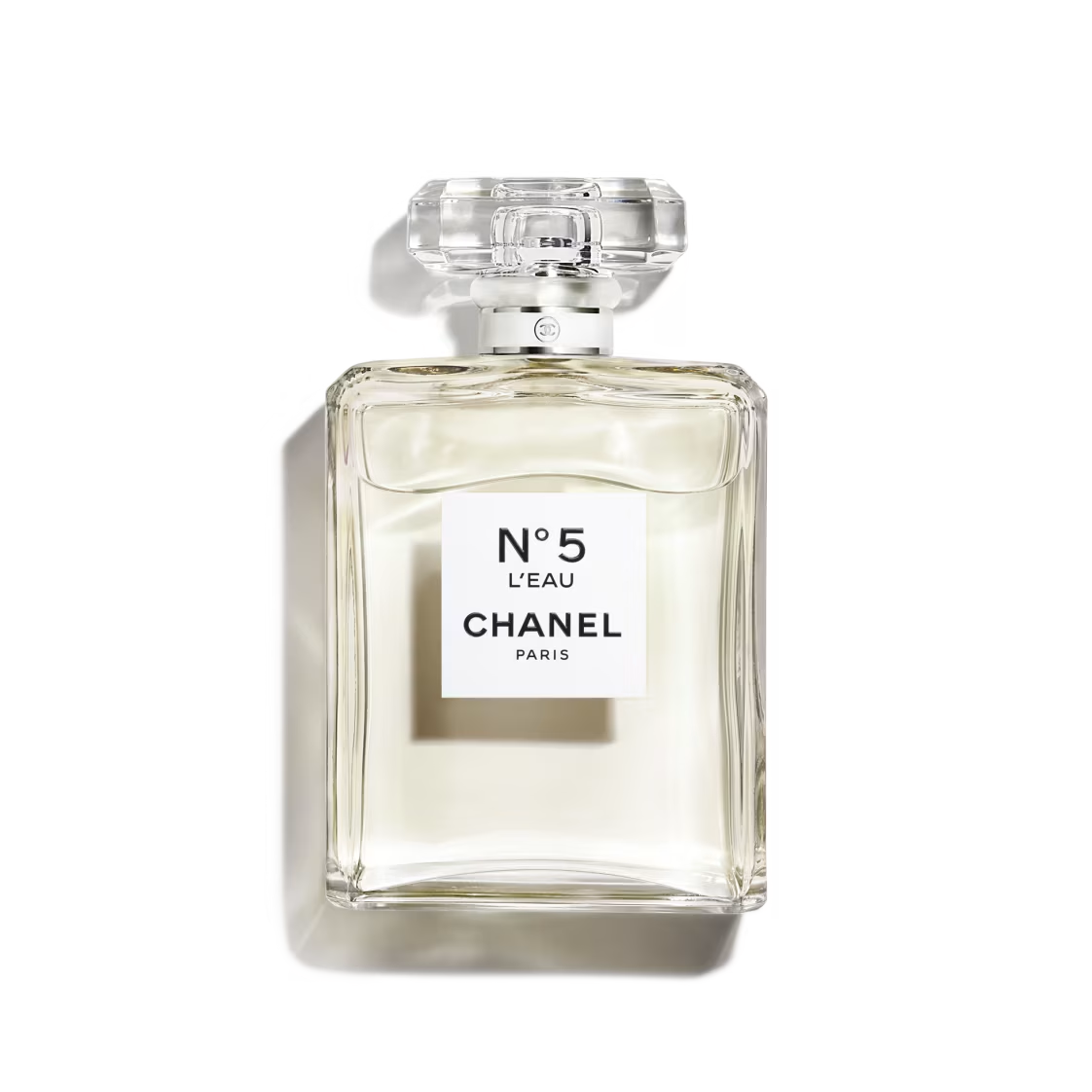
photo: chanel.com
The true innovation lay in three things:
- Aldehydes – these synthetic ingredients gave the fragrance a sparkling, metallic note that had never been used in such quantity before
- Minimalist flacon—no ribbons, ornaments, or colored glass. Its simple, geometric shape resembled a whisky bottle.
- A complex composition instead of one dominant note – this was a symphony of scents, not a solo violin performance
The luxury market wasn’t ready for such boldness. Other brands were still selling perfume in ornate, floral bottles. Chanel went in the opposite direction—elegance through simplicity.
It’s actually a bit crazy that this particular scent survived. After all, the 1920s were a time of experimentation, and not every attempt was a success. But maybe that’s exactly why—because Coco didn’t try to please everyone, she created something truly authentic.
That May day in 1921 set off an avalanche. Chanel No. 5 was about to experience decades of highs, lows, and unexpected comebacks.
From a bottle to an icon – a century of history and evolution
It may sound strange, but the real story only begins after the launch. Creating a perfume is one thing, but surviving a hundred years on the market is another. Chanel No. 5 not only survived—it kept evolving.
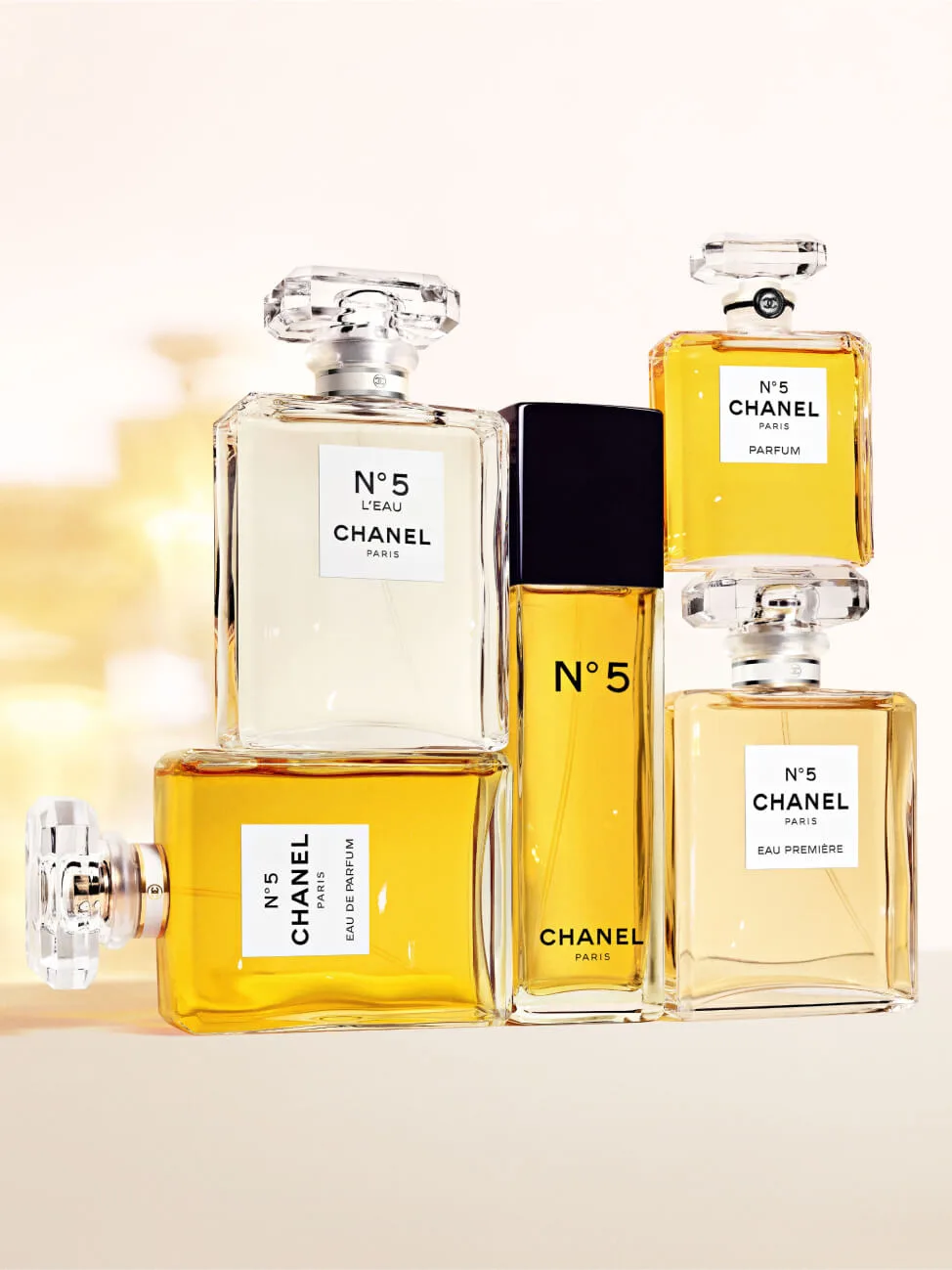
photo: chanel.com
You know what fascinates me? The fact that people think perfume is something unchanging. Yet No. 5 has gone through dozens of modifications. Some were necessary, others intentional. All of them left a mark.
| Year | Milestone |
|---|---|
| 1921 | Perfume launch at the boutique on 31 rue Cambon |
| 1937 | The first official advertising campaign in Harper’s Bazaar magazine |
| 1945-1950 | Sales boom among American soldiers in – a 300% increase |
| 1952 | Marilyn Monroe’s statement about wearing only No. 5 to bed |
| 1986 | Introduction of the Eau de Parfum version with a new concentration |
| 1998 | First reformulation due to IFRA regulations – 15% reduction of aldehydes |
| 2012 | The controversial campaign featuring Brad Pitt as the brand’s first male face |
| 2021 | The brand’s centenary and a limited edition with the original bottle |
World War II was a turning point. Not just because Coco escaped to Switzerland —though that mattered too. It was about the American soldiers. Those boys were buying No. 5 like crazy. For wives, fiancées, sisters. Sometimes for local girls, if they got lucky. Sales between 1945 and 1950 tripled thanks to this phenomenon alone.
Monroe was a stroke of genius, even though no one planned it. Her famous answer in the interview was spontaneous. But the effect? Instant. Sales jumped by 200% within a year.
The eighties brought something new—a version called Eau de Parfum. It wasn’t just a marketing move. The proportions changed, the intensity was adjusted. Women wanted something subtler for everyday wear. The original extract remained, but EDP quickly gained popularity.
The real problems began in the late nineties. IFRA—the International Fragrance Association—introduced more and more restrictions. In 1998, aldehydes had to be reduced by 15%. In 2003, eugenol was limited by 40%. Every change was a balancing act to preserve the character.
Perfumers at Chanel did what they could. They replaced banned ingredients with similar ones. Sometimes it worked, sometimes not quite. Older women complain that “it’s just not the same anymore.” Maybe they’re right. Or maybe their noses just changed.
Brad Pitt in 2012? It was a PR disaster and a sales triumph at the same time. The internet went wild with memes, critics wrote about the brand’s desperation. But the numbers don’t lie—sales rose by 73% in the 25-35 age group.
The centenary in 2021 brought a wave of nostalgia. The limited edition with a replica of the original bottle cost a fortune. It sold out in two weeks. Collectors later paid double at auctions.
These hundred years are a story of constant adaptation. Regulatory changes, new markets, shifting tastes. No. 5 survived because it knew how to evolve. Not always gracefully, not always without losses.
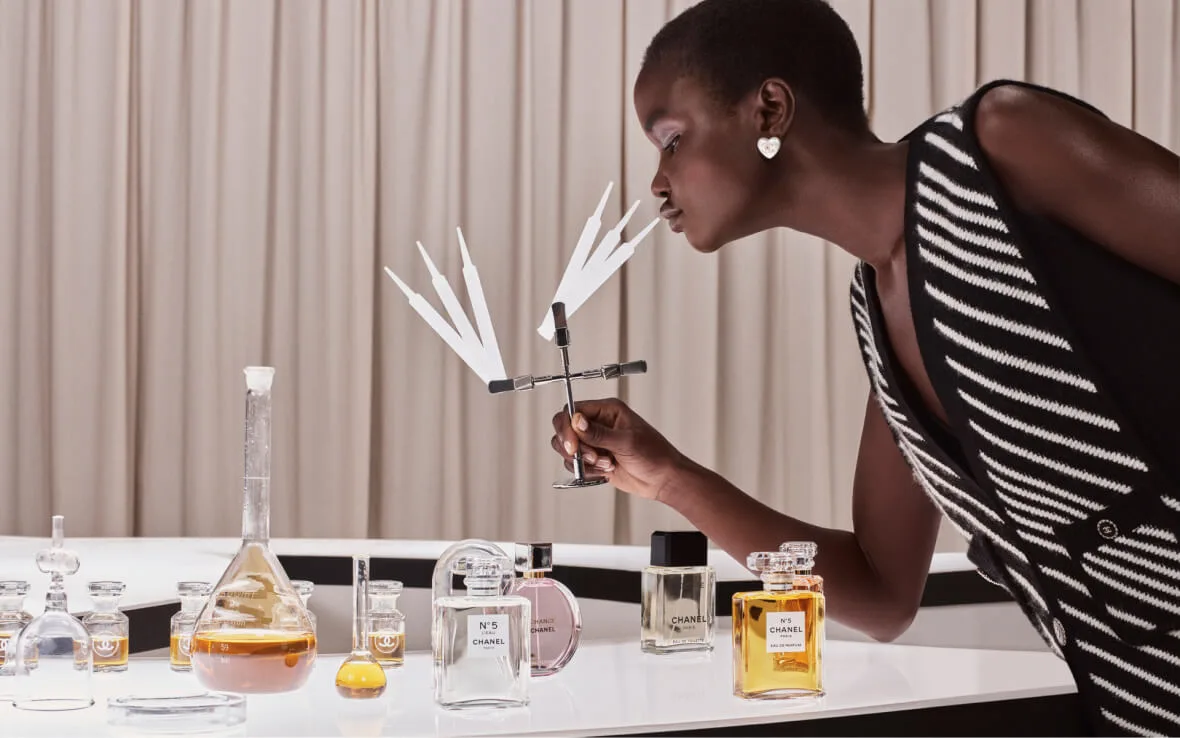
photo: chanel.com
Aldehydes, jasmine, and magic – the secret of composition and cultural impact
When you first spritz Chanel No. 5, the aldehydes hit you like a burst of champagne bubbles. That’s no accident. These synthetic molecules, making up just about 1% of the entire formula, are responsible for that signature “fizz” at the start. Without them, the fragrance would be ordinary.
CHANEL No. 5 FRAGRANCE PYRAMID

TOP NOTES (first 15 minutes)
├── Aldehydes (sparkling effect)
├── Neroli from orange blossom
└── Bergamot

HEART NOTES (2-6 hours)
├── Jasmine from Grasse
├── May rose
├── Ylang-ylang
└── Lily of the valley

BASE NOTES (up to 8+ hours)
├── Vetiver
├── Synthetic musk
├── Vanilla
└── Sandalwood
Speaking of jasmine—those numbers are no joke. For every 30 ml of parfum, about 1,000 jasmine flowers are needed, all hand-picked in Grasse. The women gather them at dawn, when the essential oil is at its most intense. These days, ethical cultivation is a priority, which wasn’t always the case.
Aldehydes do something fascinating—they create a sort of “space” around the other ingredients. Without them, jasmine would be too heavy, rose too sweet. They add lightness to the whole composition and make the scent almost “glow.” Ernest Beaux, the perfumer, probably didn’t fully realize what he was creating.
Culturally, this fragrance became more than just a cosmetic product. Marilyn Monroe once said she wore only a few drops of Chanel No. 5 to bed. That quote stuck to the brand and made the scent synonymous with feminine sexuality—but of a refined kind.
The flacon made its way to MoMA in New York as an example of perfect design. This shows just how much this product transcended the boundaries of ordinary cosmetics. It became an icon, a symbol, almost a work of art.
Interestingly, this fragrance behaves differently on different women—jasmine reacts with the skin’s natural pH.
May rose, the other key ingredient after jasmine, also comes from Grasse. It’s harvested only a few weeks a year, early in the morning. It costs a fortune, but without it, the whole composition would fall apart. It softens the aldehydes and balances the intensity of the jasmine.
In pop culture, Chanel No. 5 is everywhere—from films to songs. It’s become a synonym for luxury, but an accessible kind. Any woman can have it, even though it’s pricey. That’s the paradox—a democratic luxury.
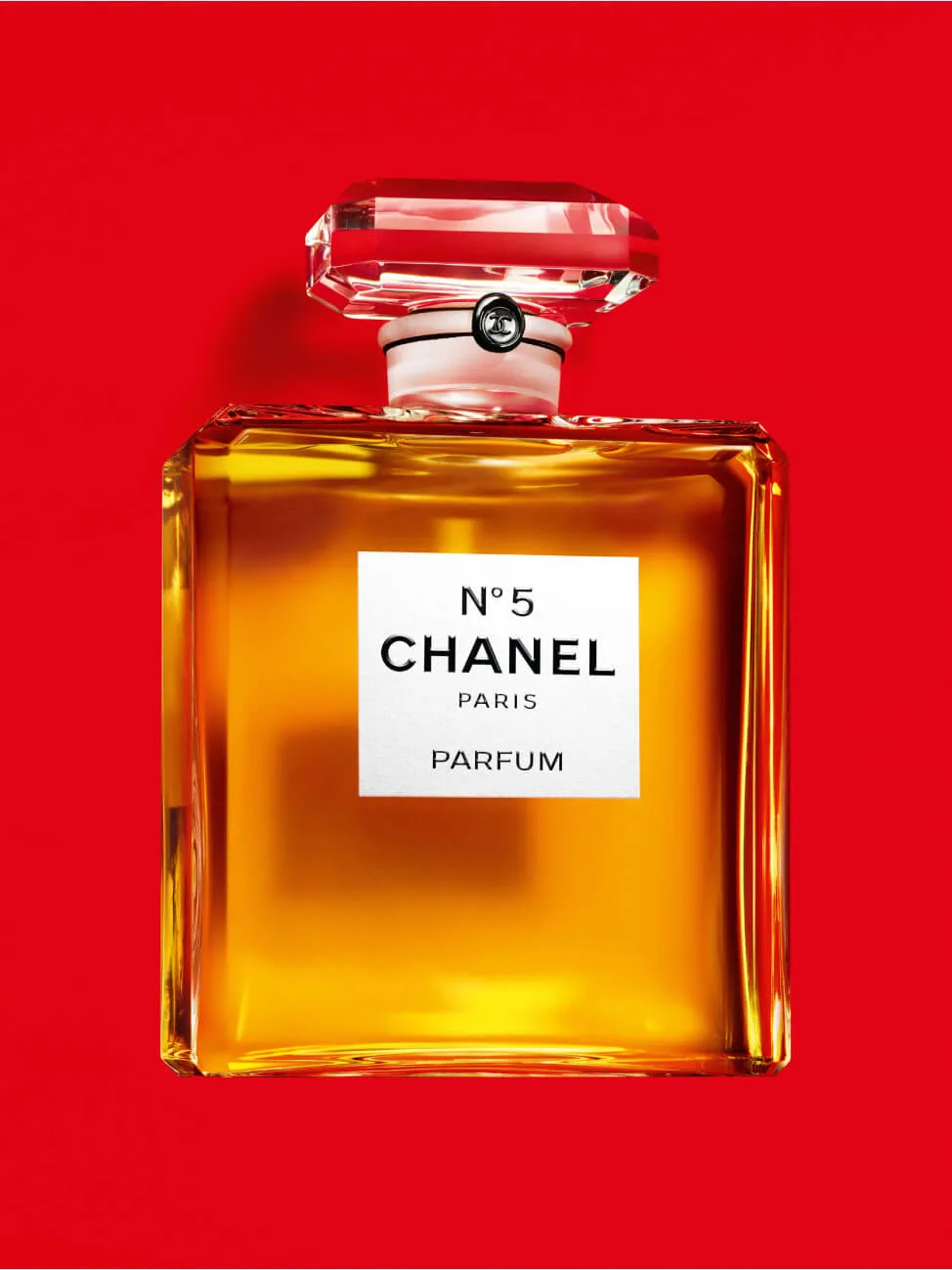
photo: chanel.com
Synthetic musk in the base replaced the natural kind for ethical reasons. It works similarly but doesn’t require harming animals. Most users didn’t even notice the change, which speaks to the artistry of perfumery.
This scent doesn’t age like others. It still smells modern, even though it’s over 100 years old. That’s thanks to the aldehydes and the precise balance between natural and synthetic ingredients.
The future smells like classics – what’s next for Chanel No. 5?
Chanel No. 5 is more than just a fragrance—it’s an investment in the future. Its timeless formula now meets new technologies and evolving expectations.
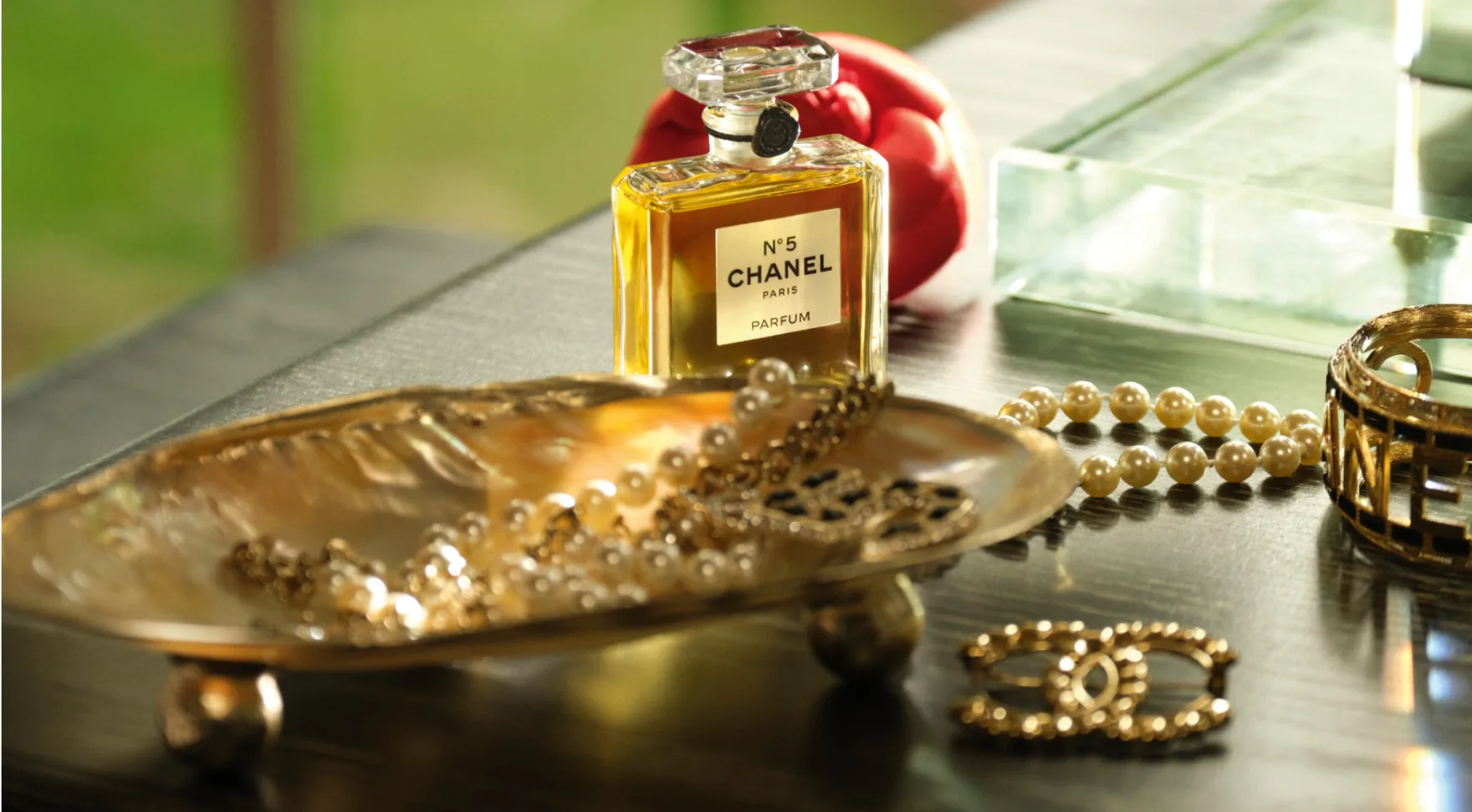
photo: chanel.com
The digital revolution in the world of perfume
AR experiences in boutiques are no longer futuristic. In 2024, I tested such a solution in Paris —I virtually “wore” different concentrations of No. 5 throughout the day. Artificial intelligence now analyzes our scent preferences and suggests the perfect proportions. It works remarkably well.
The Asian market is demanding lighter formulas. Data shows a 23% increase in demand for eau de toilette in the region. Chanel is responding with limited editions featuring a more delicate composition.
A green future from Grasse
Sustainable agriculture initiatives in the Grasse region are more than just marketing. By 2027, a 40% reduction in CO₂ emissions is planned for jasmine and damask rose cultivation. Local producers are implementing irrigation systems that save 2.3 million liters of water annually.
These changes will affect prices, but also the quality of raw materials. Maybe it’s worth stocking up on classic versions now?
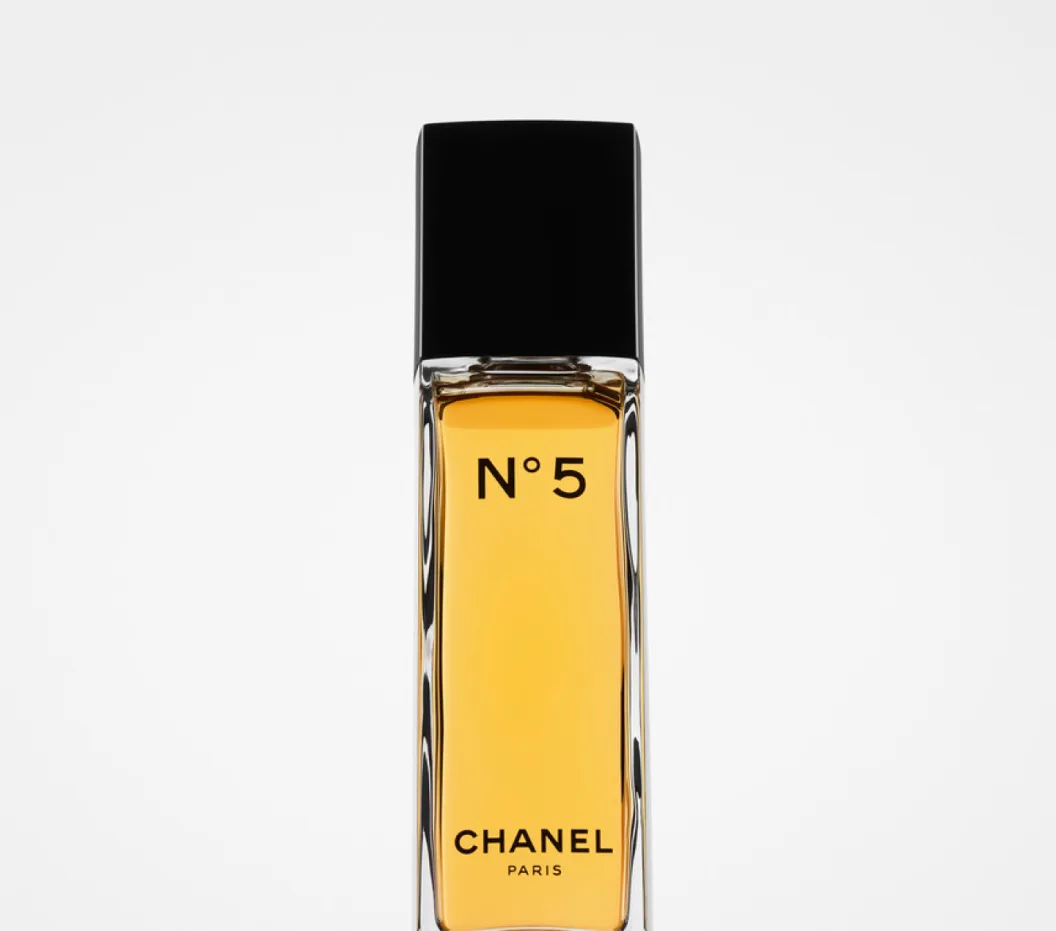
photo: chanel.com
Demographic shifts
Generation Z buys No. 5 differently than their mothers. They seek authenticity, but also convenience. Online sales are growing by 15% each year.
Here are three steps to help you choose the perfect No. 5 for 2025:
✓ Test concentrations gradually – start with EDT on cooler days, EDP in summer, parfum for special occasions
✓ Follow the official Chanel Instagram and newsletter – limited editions appear there first, often in advance
✓ Check certified online stores in January and June – that’s when exclusive variants are released
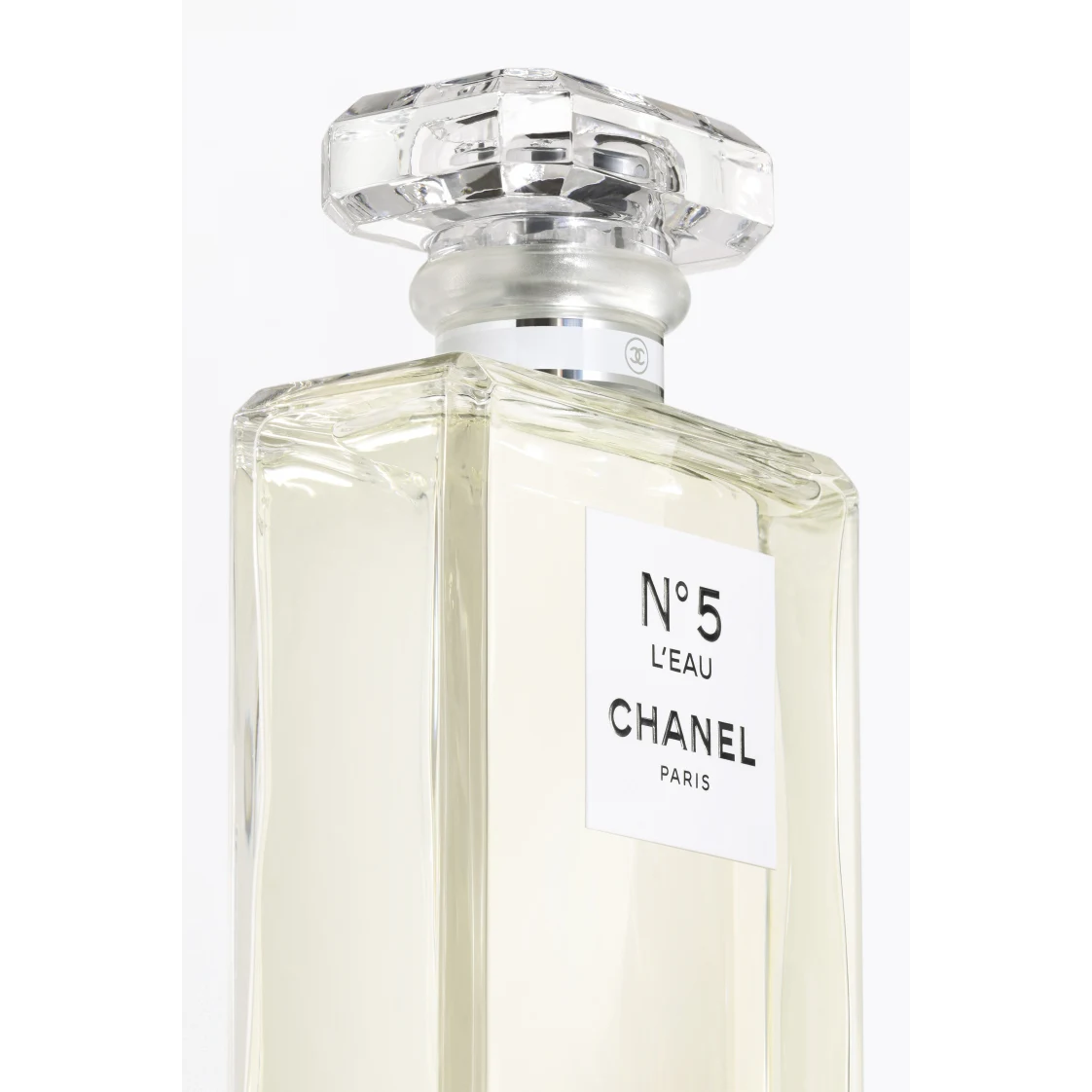
photo: chanel.com
The future of No. 5 is in your hands. Every purchase is a vote for the continuation of the legend, but also for its evolution. Classic doesn’t have to mean stagnant.
Dama 90
lifestyle & fashion editor
Luxury Blog



Leave a Comment