

BYD Yangwang U8 redefines luxury off-road
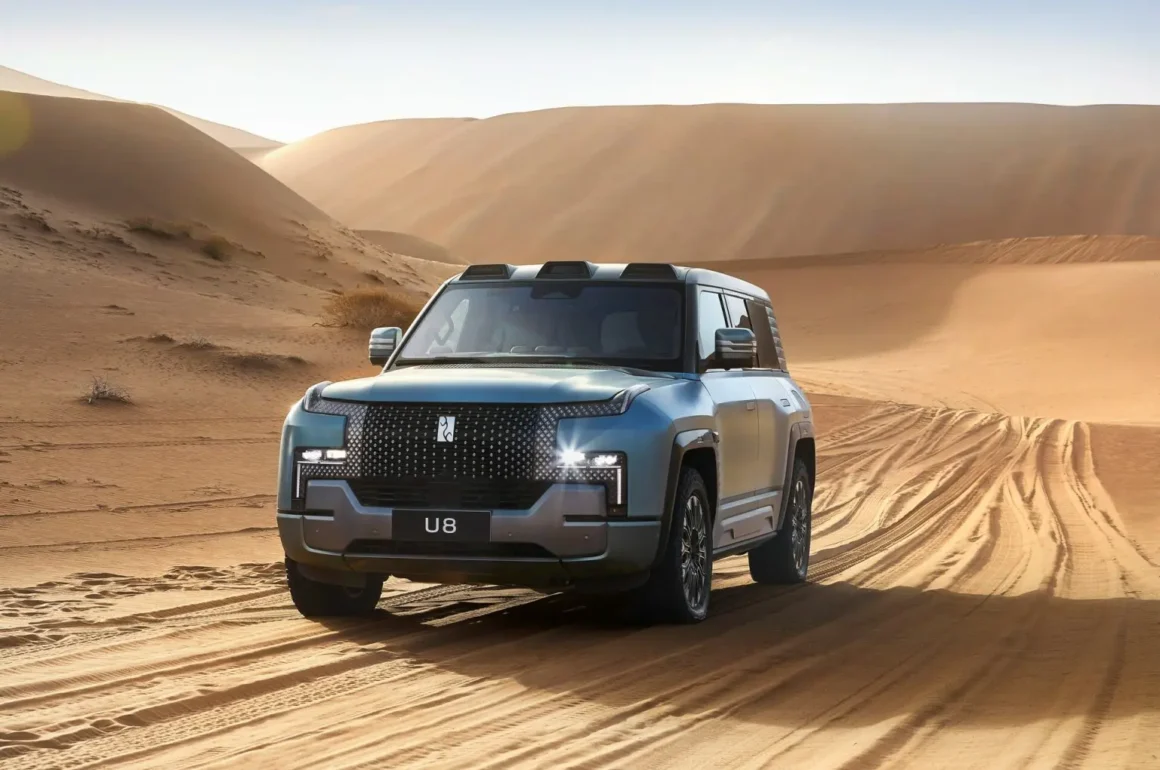
Imagine a car with 1,100 horsepower that can float on water for half an hour. Sounds like science fiction? That’s exactly what the BYD Yangwang U8 is—a vehicle that’s both a limousine and an off-road amphibian.
BYD has launched something that’s hard to categorize. The U8 is a luxury hybrid SUV with an e4 platform and IWD drive, but those terms don’t capture the scale of this phenomenon. This car accelerates to 100 km/h in 3.6 seconds, and then can calmly drive into a river and float like a boat.
BYD Yangwang U8 – an electric beast
The premiere on January 5, 2023 caused a real sensation. Media in China wrote about an “automotive revolution,” while European journalists tried to understand how a single vehicle could break so many conventions of what an SUV is supposed to be. The first tests revealed things that once seemed impossible.
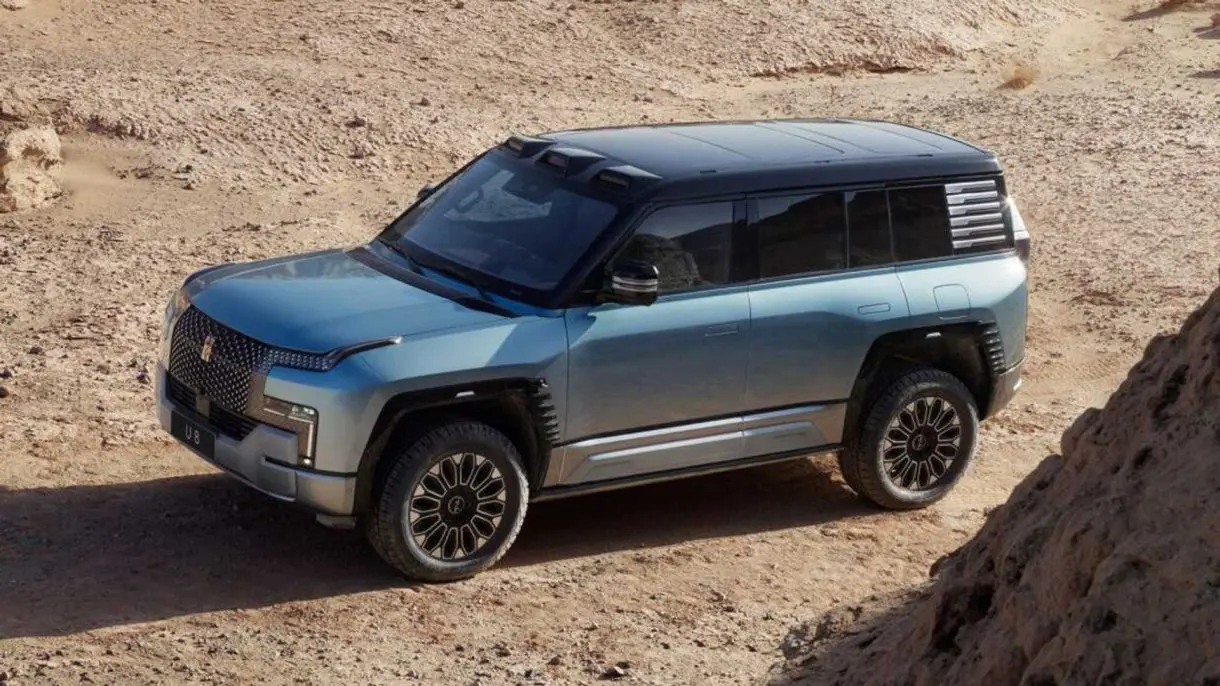
photo: highmotor.com
I’ve seen people’s reactions to videos of the U8 floating on a lake. At first, they think it’s edited. Then they check the sources. Finally, they ask: how is this even possible?
This isn’t just another electric SUV with a bigger battery. The U8 is a game-changer, combining the power of a supercar with the capabilities of a military vehicle and the comfort of a limousine. Other brands suddenly had to rethink their entire product strategies.
The Yangwang U8 proves that the boundaries between automotive segments are far more fluid than we thought.
The Chinese weren’t satisfied with simply copying Western solutions. They created something entirely new—a car that can replace three different vehicles in a wealthy client’s garage.
But how exactly does the technology behind these engineering marvels work?
e4 Technology and DiSus-X – the heart of extreme capabilities
Technology is one thing, but how it actually works in practice is a whole different story. The U8 isn’t just another SUV with an “electric” sticker. It’s the e4 platform, which completely changes the game.
Four electric motors, one at each wheel. Sound familiar? Except here, each one delivers around 275-300 hp. Combined, that’s over 1,100 hp. But the real highlight isn’t the horsepower—it’s torque vectoring. Each wheel can operate independently, at different speeds, even in opposite directions.
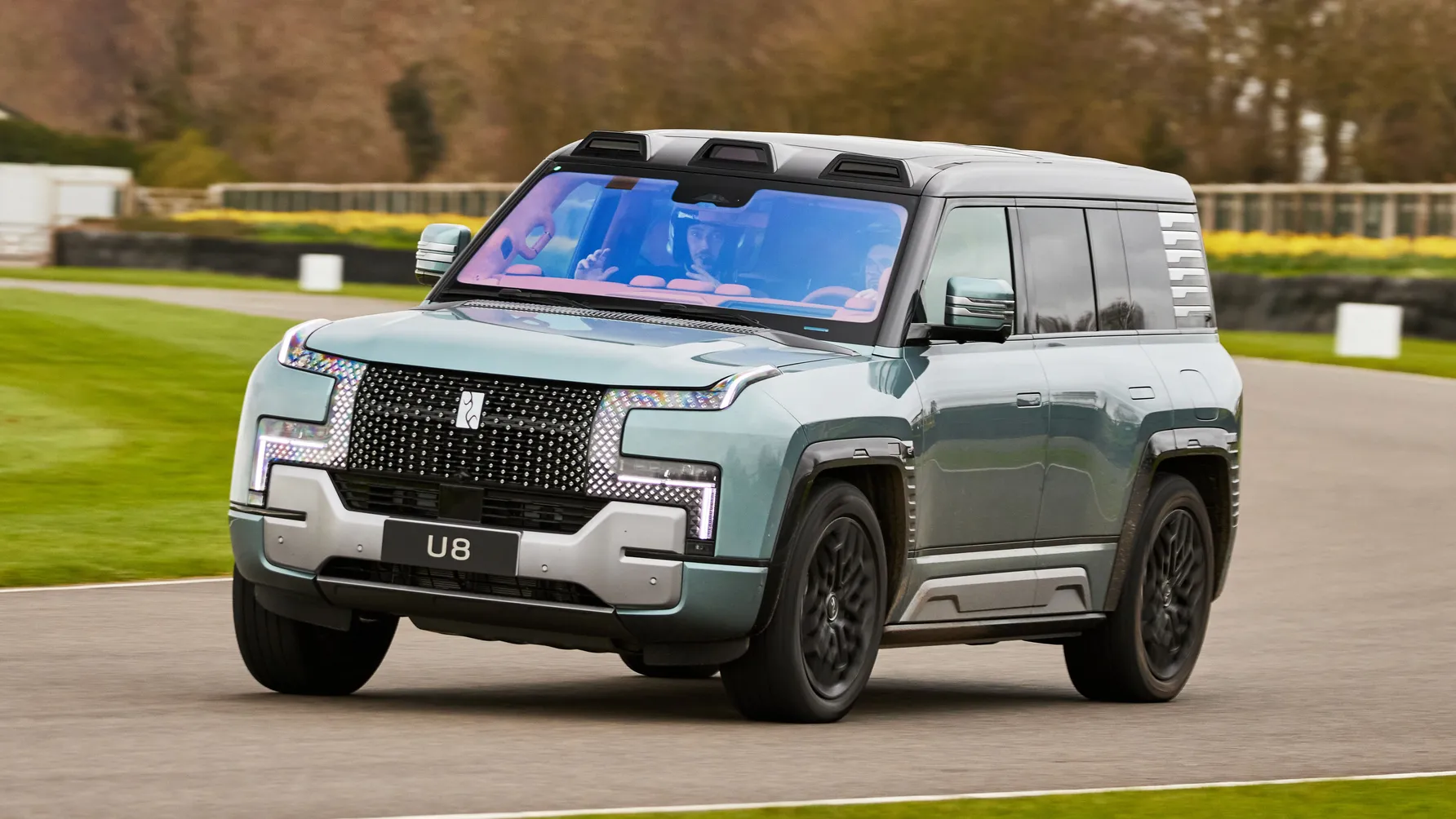
photo: topgear.com
That’s why the U8 can spin in place like a tank. Tank turn—the left wheels move forward, the right wheels backward. Turning circle? Zero meters. Or crab walk—all wheels turn at the same angle, the car moves sideways like a crab. It might look like a show trick, but in a parking lot or off-road, it makes perfect sense.
And that 2-liter turbo? It doesn’t drive the wheels. It’s a generator, a range extender. The combustion engine only charges the battery, never sending power directly to the wheels. This way, the system stays fully electric, but the total range goes up to about 1,000 km.
The Blade battery itself (LFP technology) is enough for 150-200 km of pure electric driving.
| Function | What does it offer the driver |
|---|---|
| Torque vectoring | Precise maneuvers, stability in all conditions |
| Range extender | Range of 1,000 km without charging |
| DiSus-X | Driving even with a damaged wheel, body bouncing |
| IP68 waterproof rating | Safe wading up to 1 meter deep |
DiSus-X is a system that controls each wheel individually. The pneumatic system can lift a single wheel by several dozen centimeters. Got a flat tire? The car levels the body and keeps going. This isn’t just theory—it actually works.
The wildest feature is its ability to float. The body is sealed like a submarine, with an IP68 rating. The U8 can stay afloat for 30 minutes. The electric motors work underwater, driving the wheels like propellers. The speed is just under 3 km/h, but that’s enough to cross a river or flooded area.
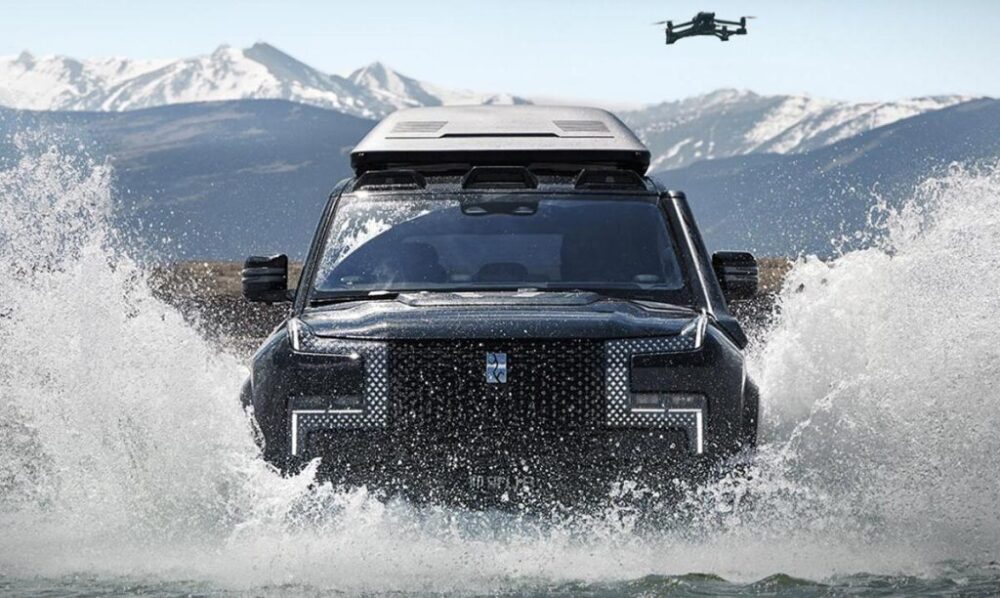
photo: auto-in-china.com
All of this sounds like science fiction, but it’s simply engineering. Every component has its purpose, and together they create a system unprecedented in automotive history. The only question is how it all works in real life.
Luxury meets off-road – user experience and real benefits
A colleague from the editorial team returned from testing the Yangwang U8, and the first thing he said was, “This isn’t an SUV, it’s a spa lounge on wheels.” It sounded odd, but once I got into the cabin myself, I understood exactly what he meant.
The interior truly impresses. Wolfgang Egger, the same guy who designed for Audi, created something called the “Time Gate” design. Top-quality leather, a cockpit screen that spans half the dashboard, and everything finished with meticulous attention to detail. You sit in that seat and feel like you’re in a limousine, not an off-roader.
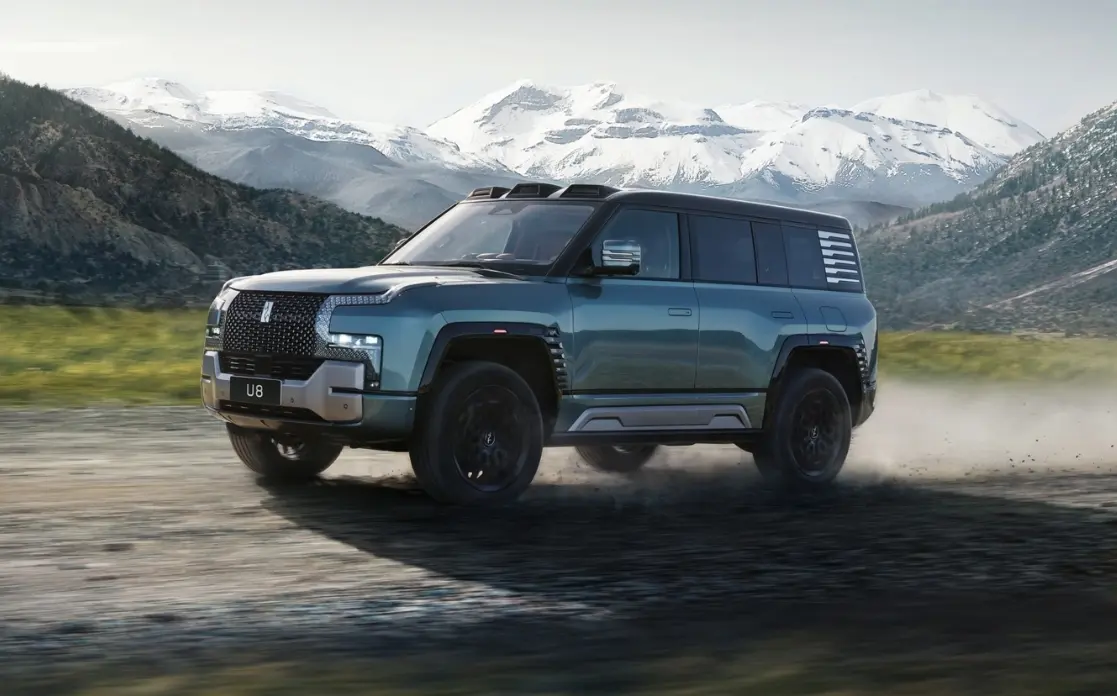
photo: autocango.com
But the real test comes off-road. The American MotorTrend had the chance to try out the U8 in desert conditions and were blown away.
“This isn’t just an ordinary SUV—it’s a super-SUV that redefines our idea of off-road luxury,” the reviewers wrote in September 2024.
In China, they tested the Off-road Master Edition in the Gobi Desert. The car tackled dunes, mud, and rocks as if it were cruising down a city street. And the driver sat in an air-conditioned cabin the whole time, listening to music on a premium sound system.
Practical benefits? Here’s where it gets interesting. The “tank turn” isn’t just handy in the mountains —in a tight shopping mall parking lot, you can spin on the spot like a tank. Floating? When Houston was hit by floods, U8 owners calmly drove through submerged streets. The car floats on water and moves like a boat.
The roof ladder comes off with a single move. The trunk has compartments for everything—from climbing ropes to a full set of tools. And the suspension system automatically adapts to the terrain.
The Chinese desert expedition revealed something else—the comfort zone in the U8 isn’t limited to asphalt. Passengers slept in their seats during nighttime dune rides. The air conditioning kept running, even when the engine was off.
It’s this combination of luxury and off-road capability that makes the U8 truly unique on the market. You don’t have to choose between comfort and adventure.
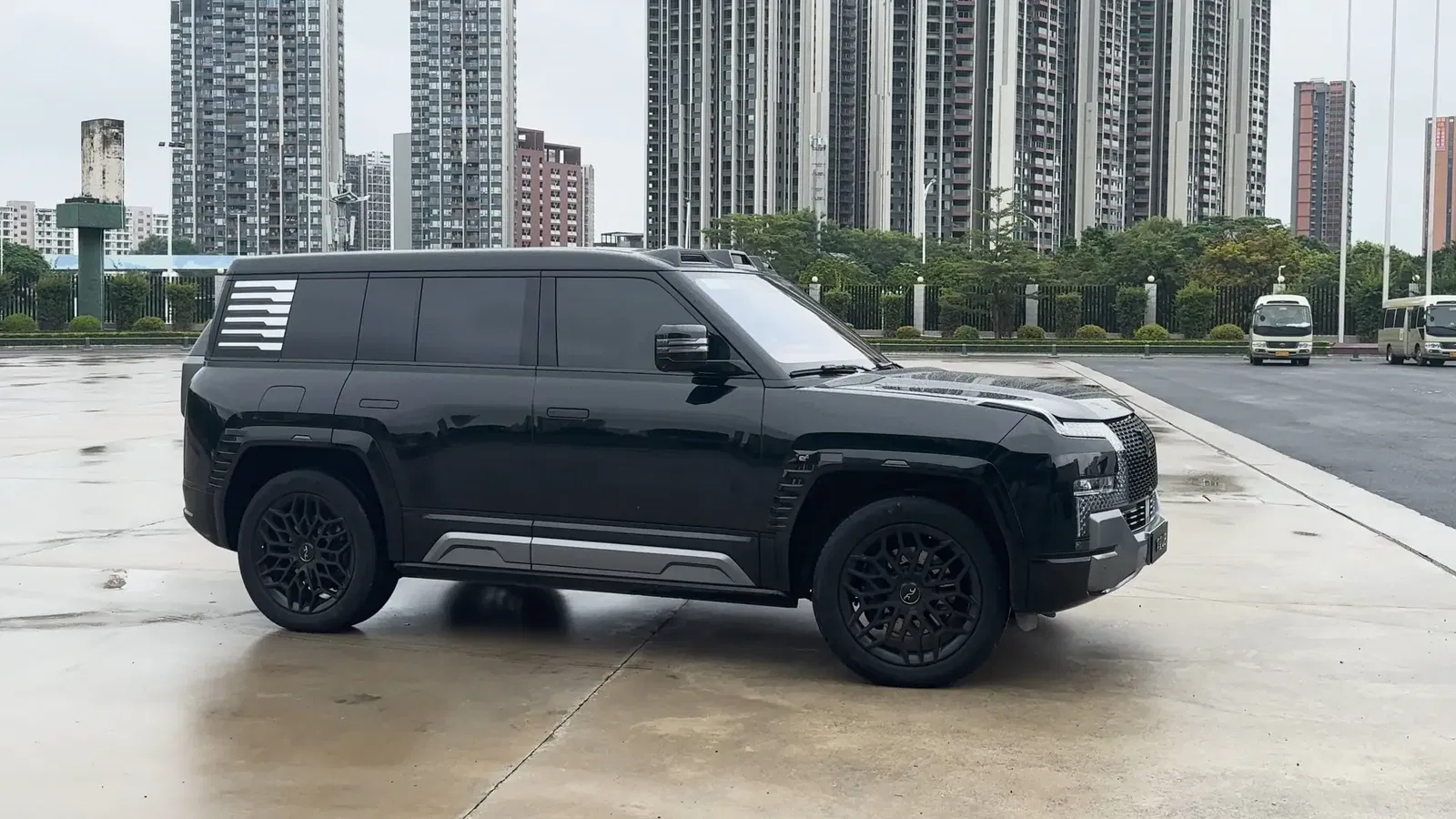
photo: carsauce.com
Market, price, and controversy – where does the U8 fit in the global EV landscape
The price of 1,098,000 RMB for the Yangwang U8 may sound abstract, but when you convert it to dollars—about 125,000—it starts to get interesting. This is the most expensive Chinese electric vehicle of 2023, and honestly, I can’t say I’m surprised by the valuation.
When you compare it to the competition, you can clearly see where BYD has set the bar:
| Model | Price (USD) | Segment |
|---|---|---|
| Yangwang U8 | 125,000 | Luxury SUV |
| Tesla Model X Plaid | 109,990 | Premium SUV |
| BMW iX xDrive50 | 83,200 | Premium SUV |
| Mercedes EQS SUV | 104,400 | Luxury SUV |
Chinese NEV subsidies are a hotly debated topic. On one hand, they helped China capture over 50% of the global EV market according to CSIS data from 2023—a tremendous achievement. But is it fair?
Arguments for subsidies: accelerating the energy transition, creating jobs, fostering technological development.
Arguments against: unfair competition, market distortion, dependence on state aid.
The truth lies somewhere in between. As early as 2019, the Belfer Center warned about emissions from battery production—a problem China is only now starting to address seriously. And now there’s the added risk of tariffs in the EU and USA, which could completely reshape the economics of exports.
What intrigues me most about the U8 is the marketing of these stunts. Driving on three wheels, “floating” on water—it sounds spectacular, but isn’t it a bit much? People buy cars for everyday use, not for circus tricks. Still, I admit it’s an impressive showcase of technical capabilities.
Controversy around Chinese EVs will only intensify. There are already voices raising concerns about excessive subsidies and unfair competition. The U8 could become a symbol of this debate—a luxury product from a country that, thanks to state support, dominates the global electric vehicle market.
Time will tell whether this pricing strategy will hold up. For now, BYD is testing how much people are willing to pay for a Chinese luxury brand.
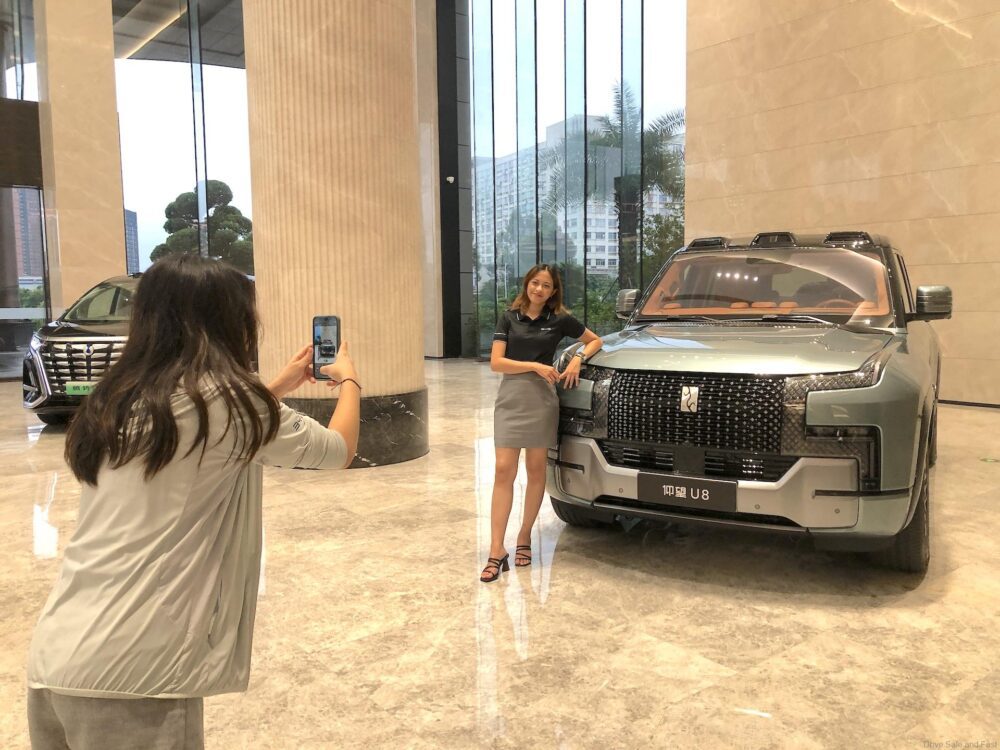
photo: dsf.my
Towards the horizon – future trends and steps for drivers and the industry
The Chinese electric vehicle market is entering a new phase, with the BYD U8 poised to become a symbol of this transformation—but only if the industry and drivers understand what lies ahead.
The forecasts are quite clear. According to analysts at CSIS, China could capture up to 70% of the global NEV market by 2030. This isn’t science fiction—it’s simple math. Every month brings new data on the soaring sales of electric cars from the Middle Kingdom.
BYD is planning to expand the availability of the U8 beyond China’s borders as early as 2026-2027. There’s talk of possible local assembly plants in South America. This means that in a few years, we might see these cars on European roads—maybe not in Poland right away, but certainly in Germany or France.
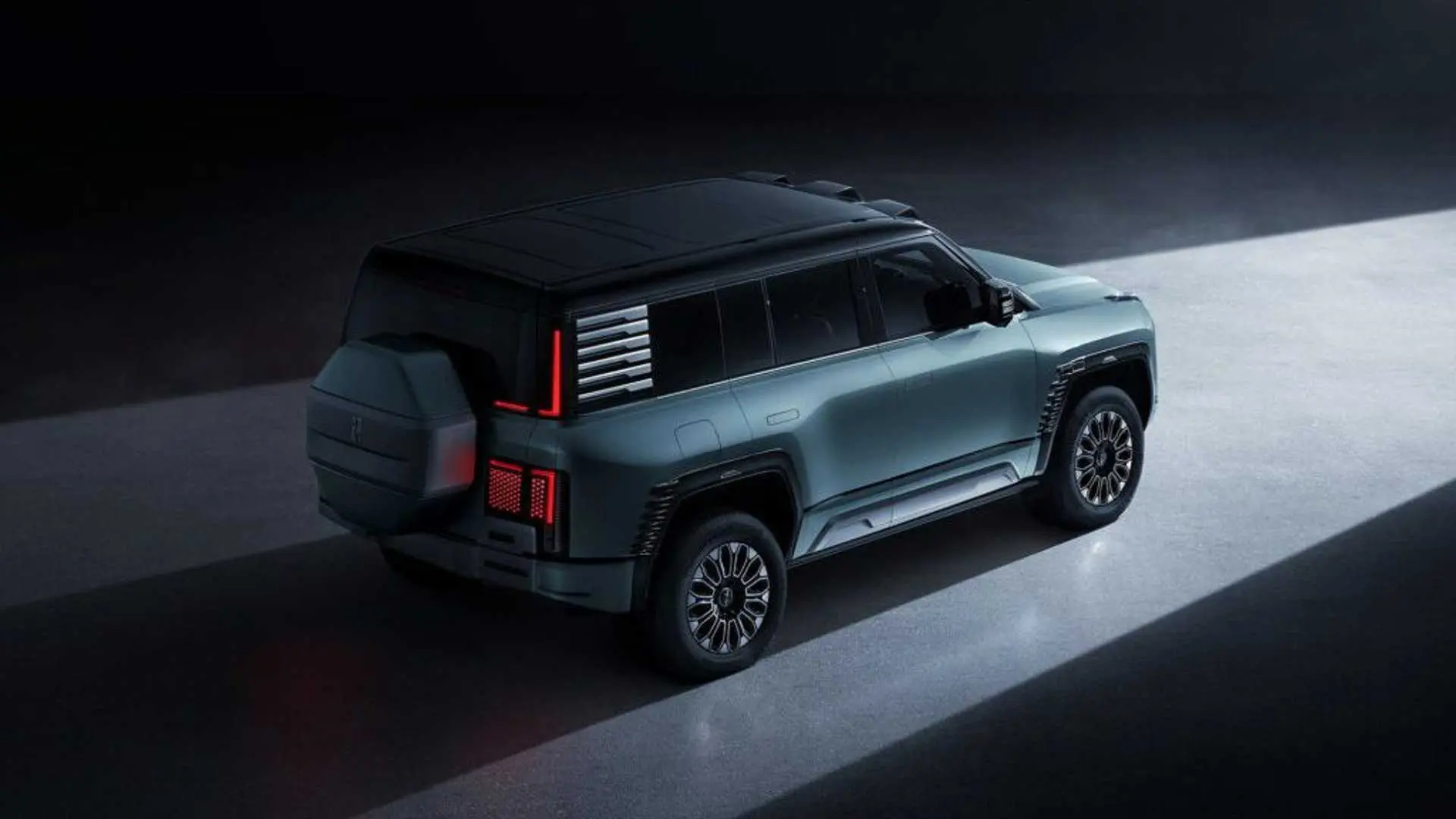
photo: highmotor.com
Current electric vehicle owners have reason to celebrate. Upgrading range through software updates will become standard. And battery recycling? That’s an opportunity for extra income when it’s time for a replacement.
“The automotive industry is undergoing its biggest transformation since the introduction of Ford’s assembly line. Those who don’t prepare will be left behind,” says Paolo Gerbaudo, automotive technology analyst.
The rise of automation means that in a decade, driving a car will look very different from today. Some people fear this, others can’t wait. The truth is, change is coming—regardless of how we feel about it.
The question is: will we be mere observers of this revolution, or will we take an active part in it?
Tom SI
moto & lifestyle editor
Luxury Blog





Leave a Comment