

Blade massage – a new approach to muscle tension therapy
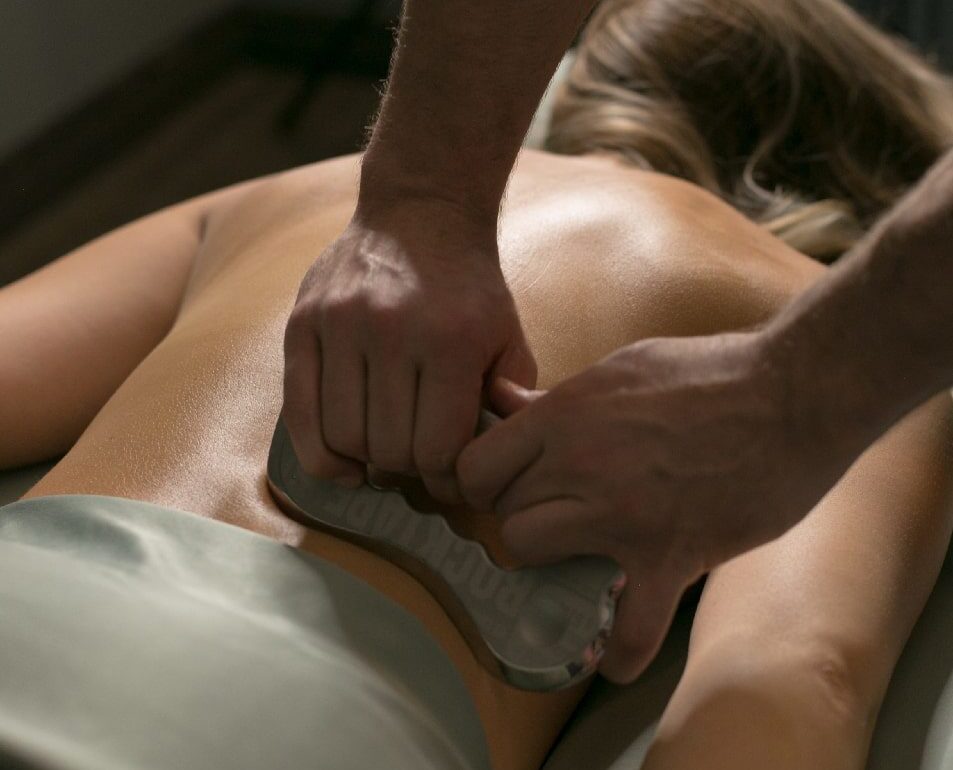
Blade massage is a gentle yet highly effective tissue therapy that combines the precision of metal tools with up-to-date knowledge of how our bodies function. Inspired by gua sha, it uses smoothly contoured “blades” that allow the therapist to reach deeper layers while working calmly and without unnecessary pressure. The tools glide softly over the skin, helping to identify areas that are stiff, painful, or overloaded. More and more people are choosing this method, as it often brings relief where traditional massage is no longer enough. The blend of tradition and modern physiotherapy makes blade massage a natural choice for those seeking greater freedom of movement.
How does blade massage affect the musculoskeletal system?
The technique works by deeply relaxing tissues that, for various reasons, have lost their elasticity and proper function. The tool is moved along the muscle fibers, stimulating stiff and “closed” areas, allowing the body to respond more freely and naturally. Gradually, the proper glide between tissue layers is restored, resulting in increased mobility, reduced discomfort, and improved, more efficient functioning of the entire musculoskeletal system.
As accumulated tension is released, the arousal of the nervous system also decreases. Muscles gradually “let go,” joints move with ease and stability, and movement itself becomes smoother and more integrated. The method does not work only locally—its effects encompass the entire body, as improvement in one area influences the function of other segments, restoring better coordination, balance, and an overall sense of comfort.
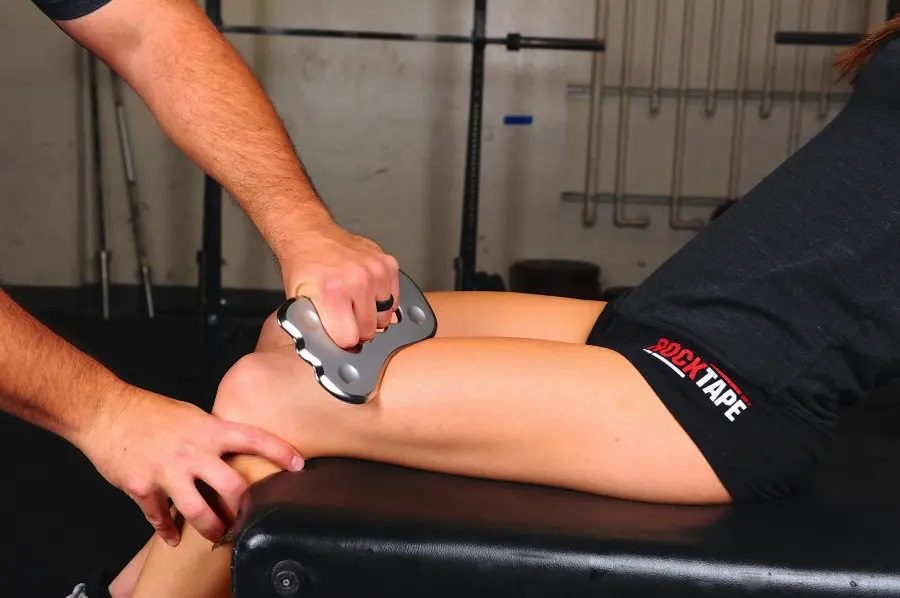
Applications – when is blade massage used?
The technique is used wherever the body requires precision. It works well for both people who work at a desk and those who train intensively. Most often, it is applied in situations such as:
- stress and chronic tension, especially in the neck, shoulders, and lower back;
- overuse injuries resulting from repetitive movements, e.g. in athletes, musicians, manual workers;
- recovery after injuries, when the goal is to improve mobility and stimulate regeneration;
- morning stiffness and discomfort that increases throughout the day;
- limited range of motion after prolonged immobilization.
The technique was not designed as a relaxation treatment, although many patients experience noticeable relaxation afterwards. Above all, it is a tool that restores tissues’ freedom of movement and natural function.
Contraindications and important notes
Although lymphatic massage is safe, it should not be used in every situation. It’s worth consulting a specialist beforehand, especially if you have any health concerns. The main contraindications include:
- fresh injuries and inflammations;
- skin diseases at the treatment site;
- advanced coagulation disorders;
- active infections;
- advanced stage of pregnancy (depending on the therapist’s recommendations).
Ignoring these restrictions may worsen symptoms, delay healing, or cause unnecessary tissue irritation. That’s why consultation is essential—it allows you to choose a technique that is safe, appropriate, and truly supports the regeneration process.
Blade massage is one of the more intriguing innovations in addressing muscle tension. It combines precision with gentleness and helps restore the freedom of movement that is often lost in the fast pace of everyday life. If you feel the need to improve mobility or release deep tissue tension, it’s worth exploring this method with the guidance of a specialist and scheduling a session to see how your body responds.
Sponsored article



Leave a Comment