

Alpina ski helmets – are they really that good?
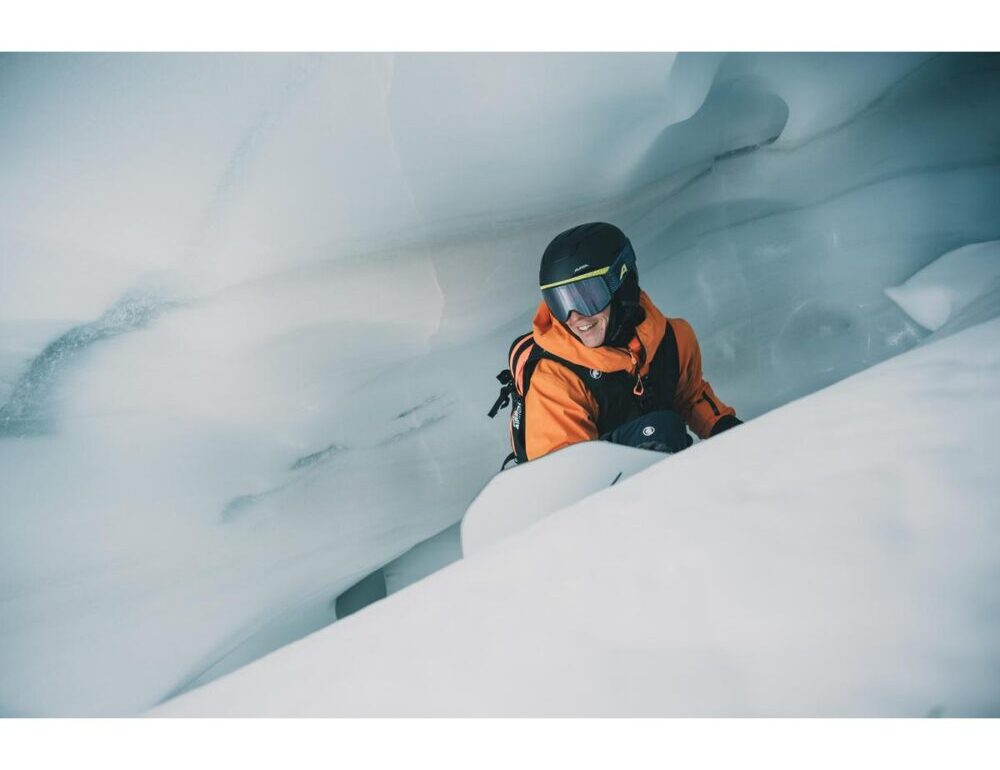
You’re standing at the top of the lift, checking your bindings—and suddenly the thought hits you: “Will my helmet really protect me if something happens?” That’s not paranoia, it’s growing awareness that every detail of safety matters on the slope. And that’s exactly where Alpina helmets come in.
Who is Alpina and where does its popularity come from?
Alpina Sports is a German manufacturer founded in 1980 in Hausach (Bavaria), specializing for decades in sports helmets and eyewear. By 2025, over 20 million helmets from this brand have been produced—which speaks volumes about the trust skiers place in them. It belongs to the premium segment, and for good reason:
- A strong reputation for security technology
- Consistently high ratings in independent tests
- Visibility on the slopes – it’s hard not to notice these helmets at the resorts
The answer to the question in the title? Overall, Alpina helmets receive very positive reviews — the 2024/2025 rankings place them high, and average user ratings hover around 4.7–4.9/5. And there’s one hard fact: according to FIS data from 2024, helmets reduce the risk of head injuries by about 60%. So it’s definitely worth knowing what you’re investing in.
We’ll go on to explain which specific technologies ensure this level of safety, how the models differ, and for whom Alpina is truly a worthwhile choice.
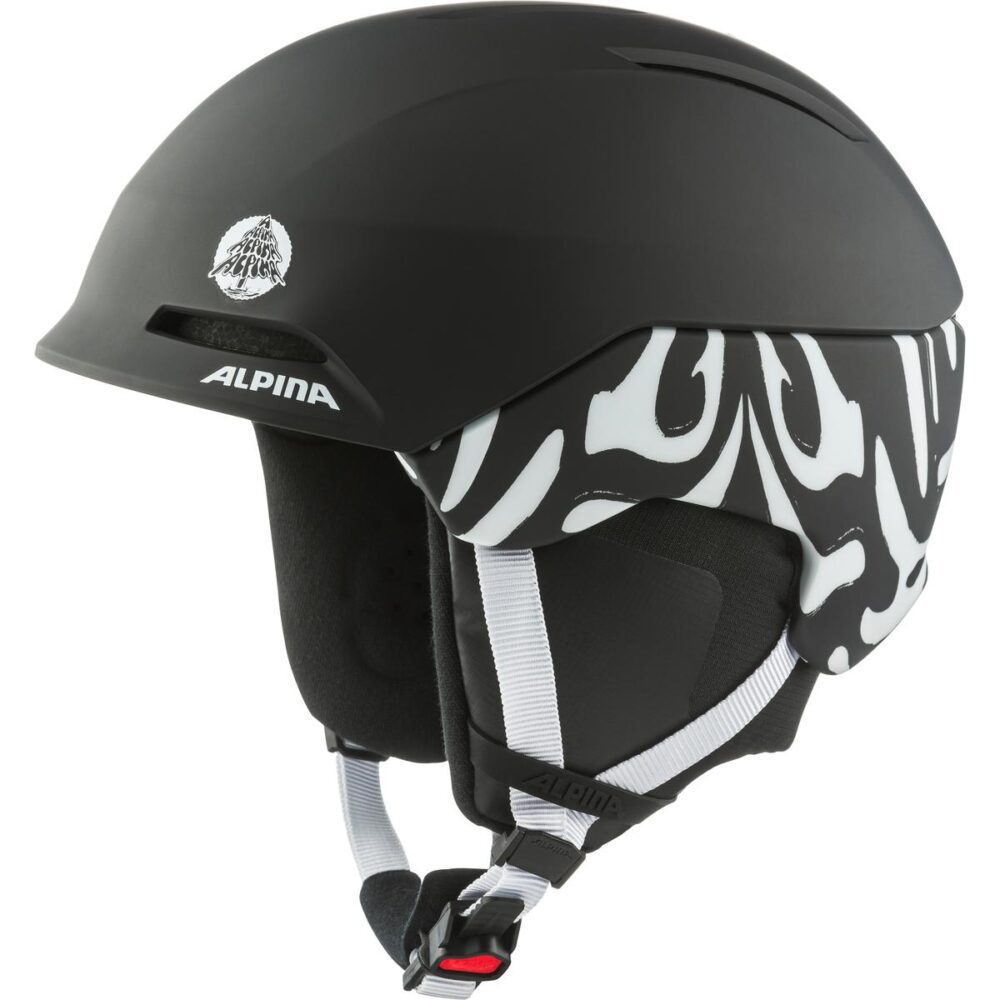
photo: alpina-sports.com
Are Alpina ski helmets good? – safety first
Just putting on a helmet isn’t enough—it’s what’s inside and how it performs during a serious impact that really matters. Alpina relies on proven construction solutions that make sense not just on paper, but most importantly in real-world crash tests.
How is a safe Alpina helmet constructed?
Most Alpina models use In-Mold technology—this means combining a hard polycarbonate (PC) or ABS shell with an inner Hi-EPS foam. The entire structure is fused in a single process, making the helmet lighter (often under 450 g) and more resistant to cracks than traditional helmets with a separate shell. The materials distribute impact energy over a larger area—that’s the key.

photo: alpina-sports.com
MIPS, AirPoc and standards – what do we really gain?
Alright, but what about rotational impacts? This is where MIPS (Multi-directional Impact Protection System) or the proprietary AirPoc comes in—a thin layer that allows the shell to “slide” relative to the head during an angled impact. Laboratory data shows:
- impact force reduction by over 25%,
- a reduction in brain rotation by approximately 48% compared to helmets without MIPS.
All models are certified with CE EN 1077 (Class B for recreational skiing), and some also have ASTM F2040 and FIS RH 2013 certification for athletes. The new EN 1077:2024 standard already includes rotational impact tests—Alpina is ready for this.
Take the Alpina Rootage Visor (2025): In-Mold construction, MIPS, integrated RECCO reflector, CE + ASTM certifications, weight 480 g. TÜV Rheinland tests (2 m drop at -20°C)—rated 5/5 stars. Competitors (Uvex, POC) offer similar specs, but Alpina performs just as well or better in independent tests.
Comfort, ventilation, and riding experience with the Alpina helmet
Now that we know the helmet can withstand impact and meets the standards, it’s time to find out—what’s it like to wear it all day long? Safety is one thing, but real comfort on the slope is another.
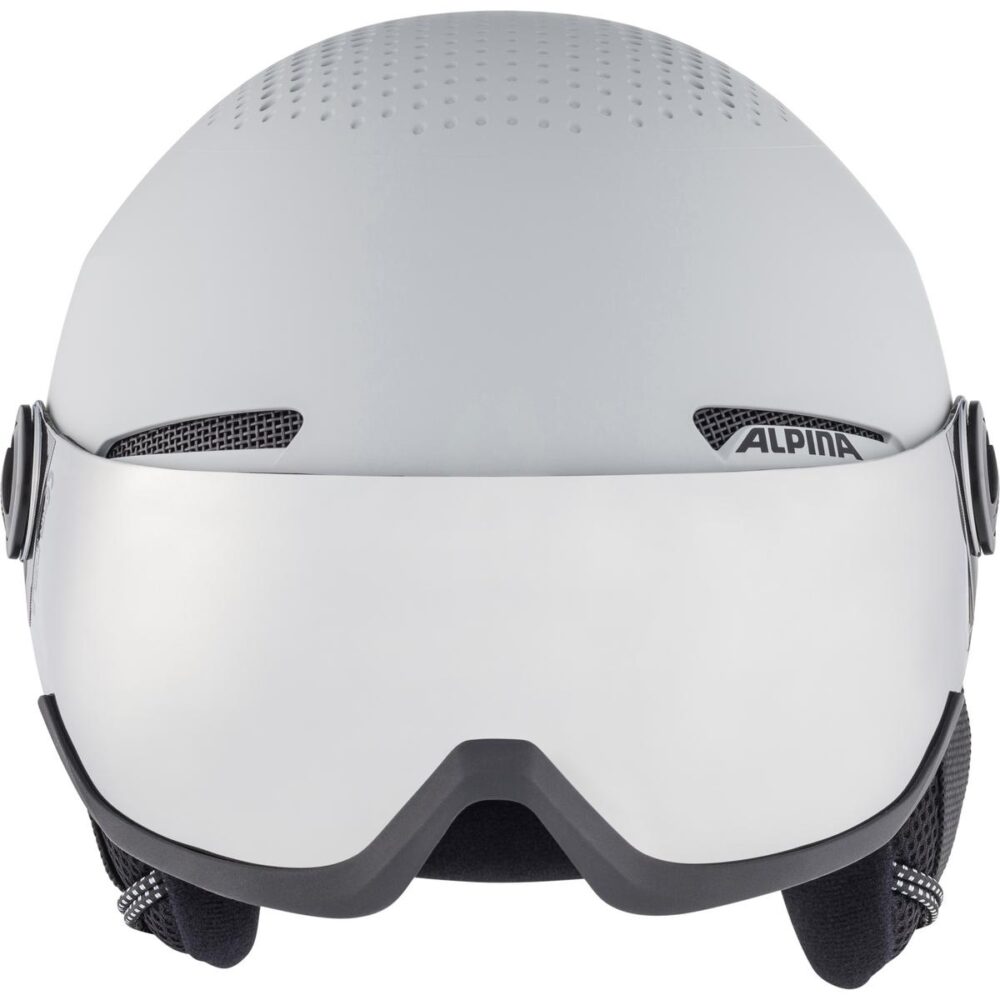
photo: alpina-sports.com
Lightweight comfort and all-day fit for your ride
Alpina keeps the weight of its helmets between 380-650 g, while the market average is more like 500-700 g. Every 50 grams less really makes a difference—not immediately, but after the third or fourth hour of riding, you’ll feel it.
The Run System Ergo Pro offers 3D dial adjustment, fitting the helmet not only to the circumference (48-65 cm) but also to the shape of your head. Y-Clip straps sit comfortably by the jaw, and magnetic buckles let you fasten the helmet even with thick gloves. The Coolmax lining wicks away moisture and is hypoallergenic.
Airflow ventilation (12-20 vents, usually adjustable) performed well in tests, preventing overheating from about -5°C to +5°C. Older models sold before 2020 occasionally received feedback about weaker ventilation above zero, but the newer ones no longer have this issue.
What do users say about the comfort of Alpina helmets?
An average rating of 4.7–4.9/5 means something. People especially praise:
- Lightweight – even after a full day, your neck won’t hurt
- No fogging of goggles (e.g. Quatroflex Visor with anti-fog visor)
- Quiet operation at higher speeds
- Durability – easily five-plus seasons
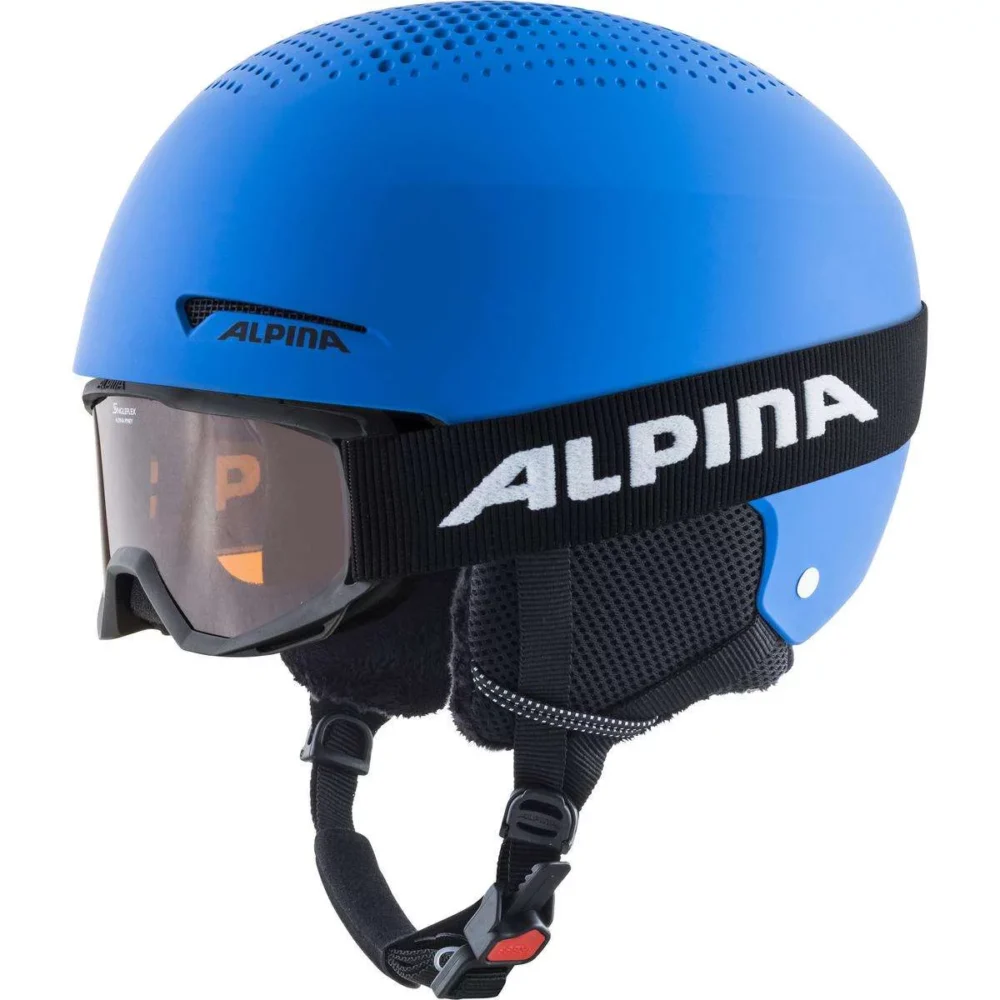
photo: alpina-sports.com
Criticism? Higher price compared to less known brands and limited availability of very large sizes.
Everyone appreciates the comfort: recreational skiers, advanced users, and children (Carapax Jr., Gent MX Jr.). Now the question is—does the comfort justify the price tag?
How to wisely choose an Alpina helmet and what’s next?
Who are Alpina helmets the best choice for?
Yes, Alpina ski helmets are genuinely excellent —when it comes to safety, comfort, and innovation, they’re among the industry leaders. You just need to accept that this is a premium segment. Expect to pay around 499-1499 PLN, with most adult models typically costing 700-900 PLN. However, during Black Week or winter sales, you can score discounts of 20-30%, which really makes a difference. Availability in Poland is fantastic—Intersport, SkiWebShop, Skiland, and even 4F all offer a wide range of Alpina helmets.
Who are these helmets best for? The Mythos is a perfect pick for recreational skiers—you’re not overpaying for racing technology, but you still get solid safety and comfort. Fans of helmets with visors should check out the Rootage, Mythos Visor, or Carapax Visor—one move and you’ve got eye protection without the need for goggles. Competitive racers will go for the Carapax FIS—the FIS RH 2013 certification speaks for itself. And for kids? The Carapax Jr. and Gent MX Jr. deliver the same level of technology, just in a smaller size.
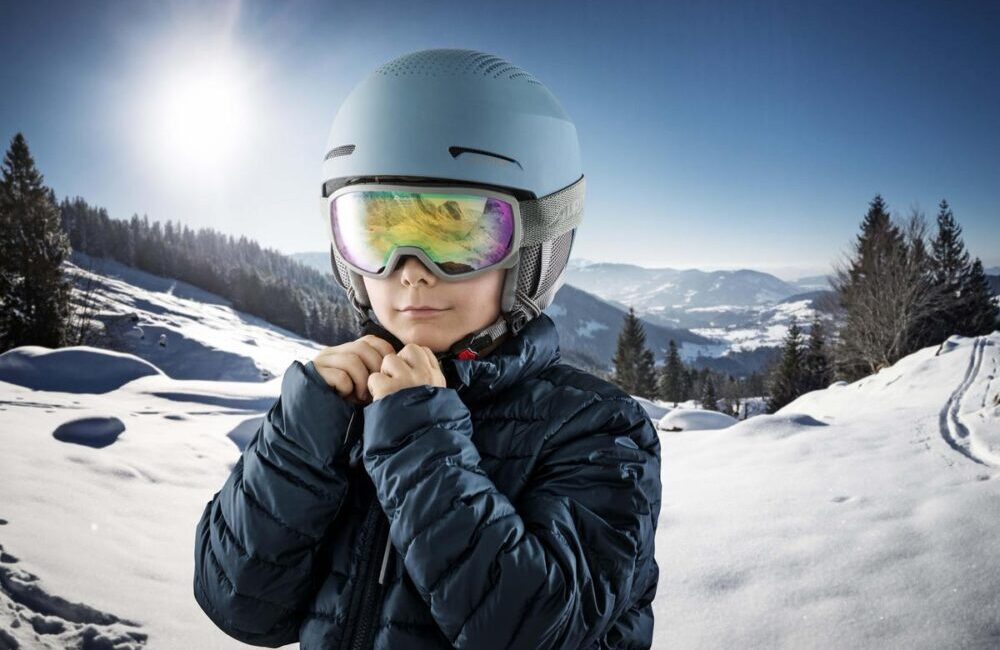
photo: alpina-sports.com
Step by step: how to make a purchase decision?
Before you click “buy now,” go through these four points:
- Measure your head circumference with a tailor’s tape about 2 cm above your eyebrows – size matters even more than the brand.
- Check the certificates – at least EN 1077, for racing ASTM or FIS.
- Fitting with goggles – if you have your own, bring them to the store; or simply go for a model with a visor and save yourself the hassle.
- Plan your budget for 5+ seasons – a quality helmet is an investment, not just an expense for a single trip.
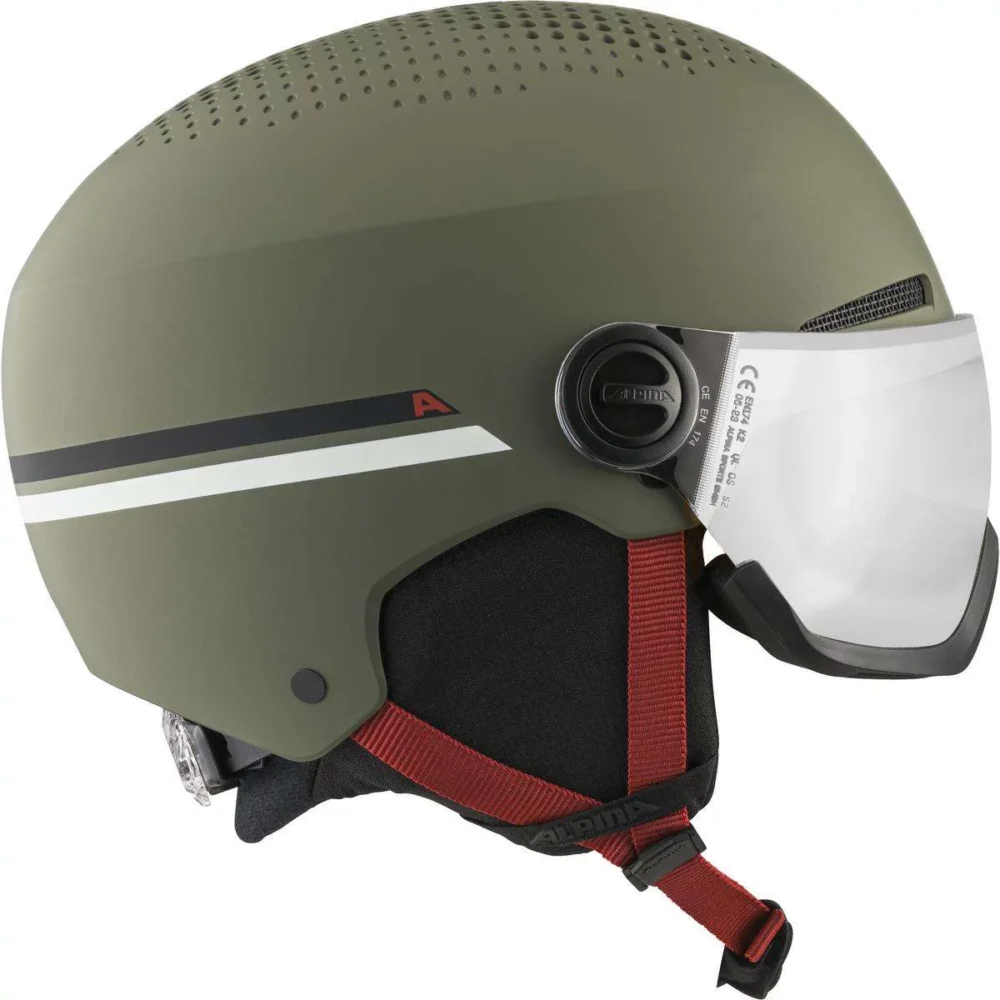
photo: alpina-sports.com
The future? The visor helmet market is projected to grow by 25%, Alpina is testing AI-powered ventilation and AR goggle integration. With MIPS 3.0 and ongoing innovations, they have a real chance to stay at the top for years to come. Think of buying a helmet as a long-term contract with your own safety—then the price stops hurting.
Silver Tom
sports & lifestyle editorial team
Luxury Blog
And here you’ll find the best snowboard brands



Leave a Comment