

Afraid of inflation? Buy yourself a Rolex!
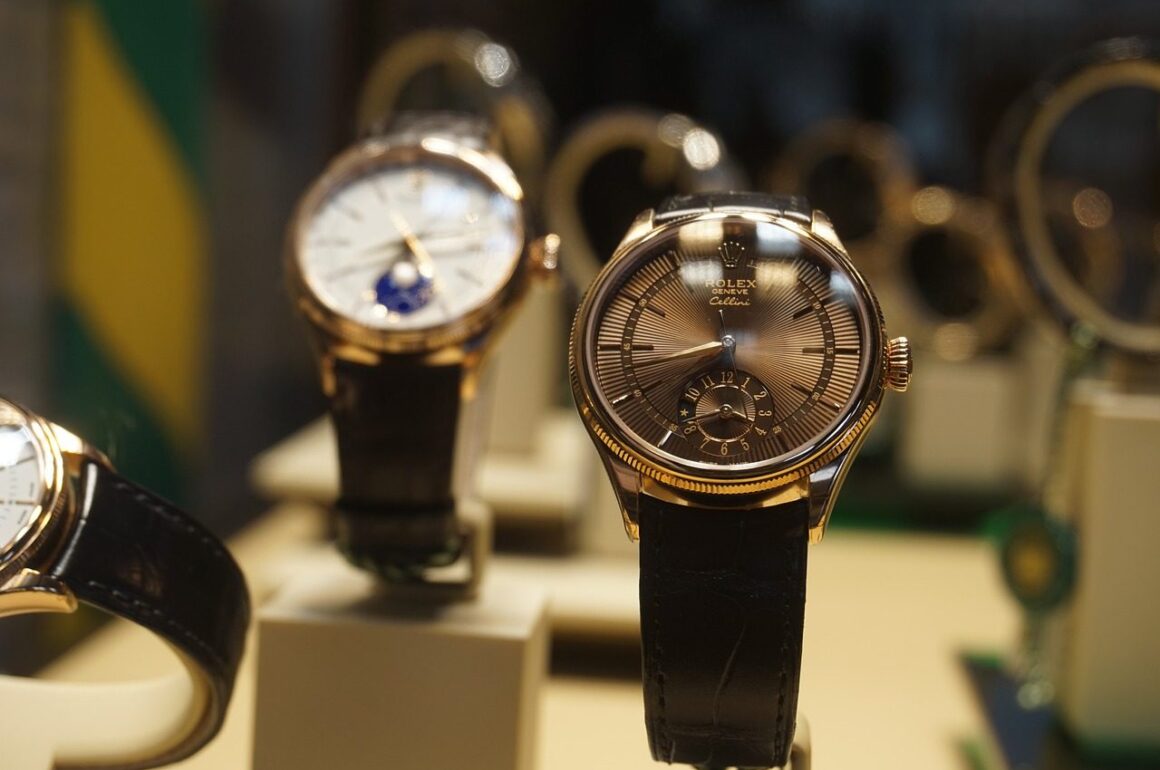
What is the difference between investing and consumption? Investing typically brings benefits in the form of wealth accumulation. Consumption, on the other hand, essentially means spending it. However, consumption and investing don’t always have to be mutually exclusive. A good example is real estate, which serves as a solid capital investment while also providing a living space. Buying a new car is consumption, as it loses value the moment you drive it off the lot, but purchasing a so-called classic car can satisfy your consumer needs and at the same time be an excellent investment. And what about a luxury watch?
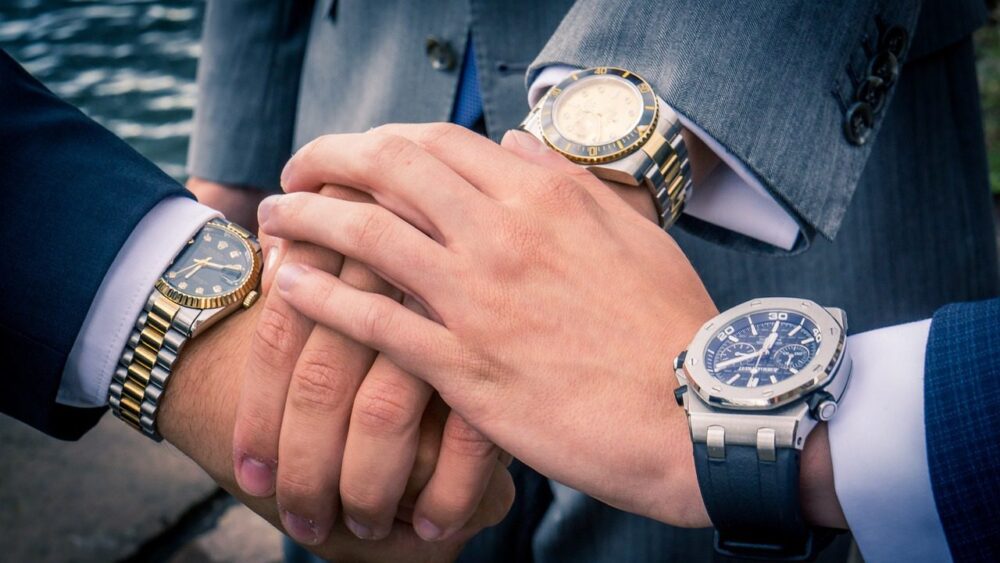
What needs does a luxury watch fulfill? Instead of a Rolex or Omega, you could buy a Casio—it will tell time just as accurately. Does it look good as an accessory with a blazer? Probably yes, but there are more affordable options that can highlight our appearance just as effectively. Prestige? It’s generally associated with how others perceive us, but very few people have an eye sharp enough to tell whether it’s an original or the work of a skilled craftsman from Turkey. In summary, buying a luxury watch could be seen as pure consumption, serving to boost our ego and provide a quick dopamine hit. Well, not quite…
What comes harder is more valuable
Some luxury goods are characterized by limited supply, meaning they are hard to come by. It’s just like at an auction—the highest bidder wins, and the seller can pick and choose among offers. We can see this phenomenon, for example, in the automotive industry. The latest Ford Mustang will generally be cheaper than a well-preserved Ford Mustang from the 1970s. This is precisely due to the limited supply of that particular model. The thing is, 1970s models are no longer produced, so it’s only natural that well-maintained examples fetch high prices. Rolex still manufactures its watches. So what makes them a good investment? It’s all about the production time.
According to Boston Consulting Group, the global luxury watch market is worth $75 billion. As much as 30 percent of this billion-dollar pie is the secondary market. What’s more, as demand grows, the secondary market for luxury timepieces is expanding. This is happening not only because of demand, but also supply. Buying a Rolex watch through an authorized sales channel can mean waiting anywhere from 6 to even 36 months!
That’s impossible! After all, you can buy such a watch instantly in a store or online! Of course—stores stock both new and pre-owned watches from the most prestigious brands to sell to their customers. Rolex is not a scarce commodity. The difference between buying from an authorized dealer and buying from a store lies in the price.
Rolex is not just a gadget. It’s a great investment
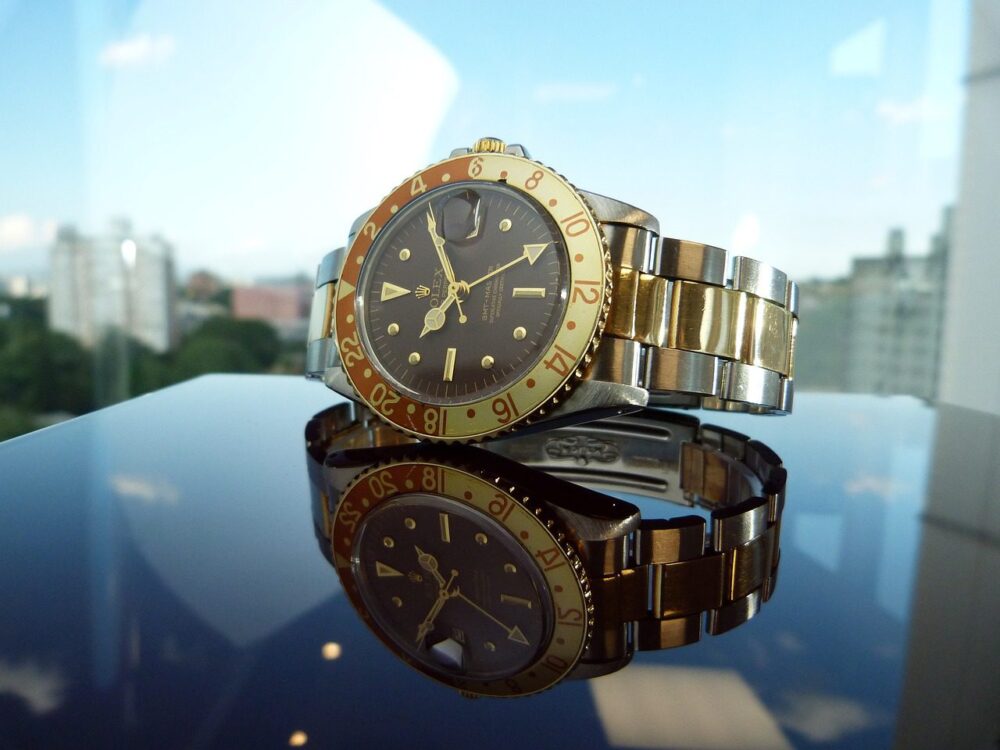
You can purchase the Rolex Oyster Perpetual 36 mm directly from the manufacturer’s website for $6,100. However, the long waiting list means that by the time you finally get your new watch, a thick layer of dust might have settled on your wrist—it can take years! Another option is to buy the watch in-store, right away. The same watch at Prestige Watches in New York doesn’t cost $6,100, but $13,000! It’s easy to see that the difference is over 100 percent. The rarer the model, the more its value increases if it’s available off the shelf.
According to a report by Boston Consulting Group – 29 percent of collectors declared that they paid more for their last pre-owned watch than the retail price of a new one. At the same time, 40 percent of them said they choose to buy second-hand to avoid long waiting lists at manufacturers.
The takeaway? A luxury watch doesn’t have to be seen as a waste of money. Data shows that by selling such a timepiece after some time, we can actually recoup our investment with interest.



Leave a Comment