

Why LVMH Sold Off-White – Strategy Over Hype

In 2024, the world of luxury fashion faced a significant shift: LVMH, the largest luxury goods conglomerate in the world, decided to sell the Off-White brand. This decision sparked a broad discussion about the redefinition of luxury and the role of streetwear in the premium segment.
In 2018, Off-White, founded by Virgil Abloh, symbolized the fusion of streetwear and luxury, attracting younger consumers seeking exclusivity in everyday style. However, by 2024, the perception of the brand had shifted.
Why did LVMH sell Off-White?
The rise in popularity and mass availability of Off-White products caused the brand to lose the aura of exclusivity so highly valued in the world of luxury. This phenomenon prompted LVMH to rethink its strategy and ultimately decide to sell the brand.

Off-White as a “bridge” for young consumers
Off-White has played a key role as a bridge for younger customers, introducing them to the world of luxury. Through collaborations with giants like Nike and a strong presence on social media, the brand has gained global recognition and built a loyal online community. However, as streetwear has become more mainstream over time, the boundaries between luxury and street fashion have begun to blur, impacting the perceived value of brands like Off-White.
Three key questions
LVMH’s decision to sell Off-White raises three fundamental questions that will serve as the guiding pillars of this article:
- Why did LVMH decide to sell Off-White?
- What changes does this decision bring to the company’s strategy and the luxury market?
- What scenarios might unfold by 2030 regarding the relationship between streetwear and luxury?
To understand these issues, it is necessary to look at the evolution of the fashion market in recent years, especially after the death of Virgil Abloh, as well as the tension between mass appeal and exclusivity in the context of redefining luxury.
Let’s move on to an analysis of the concrete premises and LVMH’s strategy behind the decision to sell Off-White, in order to better understand the dynamics of the luxury market in the face of changing consumer trends.
LVMH’s decision: by the numbers and strategy
LVMH’s decision to sell the Off-White brand reflects the group’s strategic focus on the most prestigious and profitable segments of the luxury market. An analysis of financial data and previous corporate decisions by LVMH reveals the key factors behind this transaction.
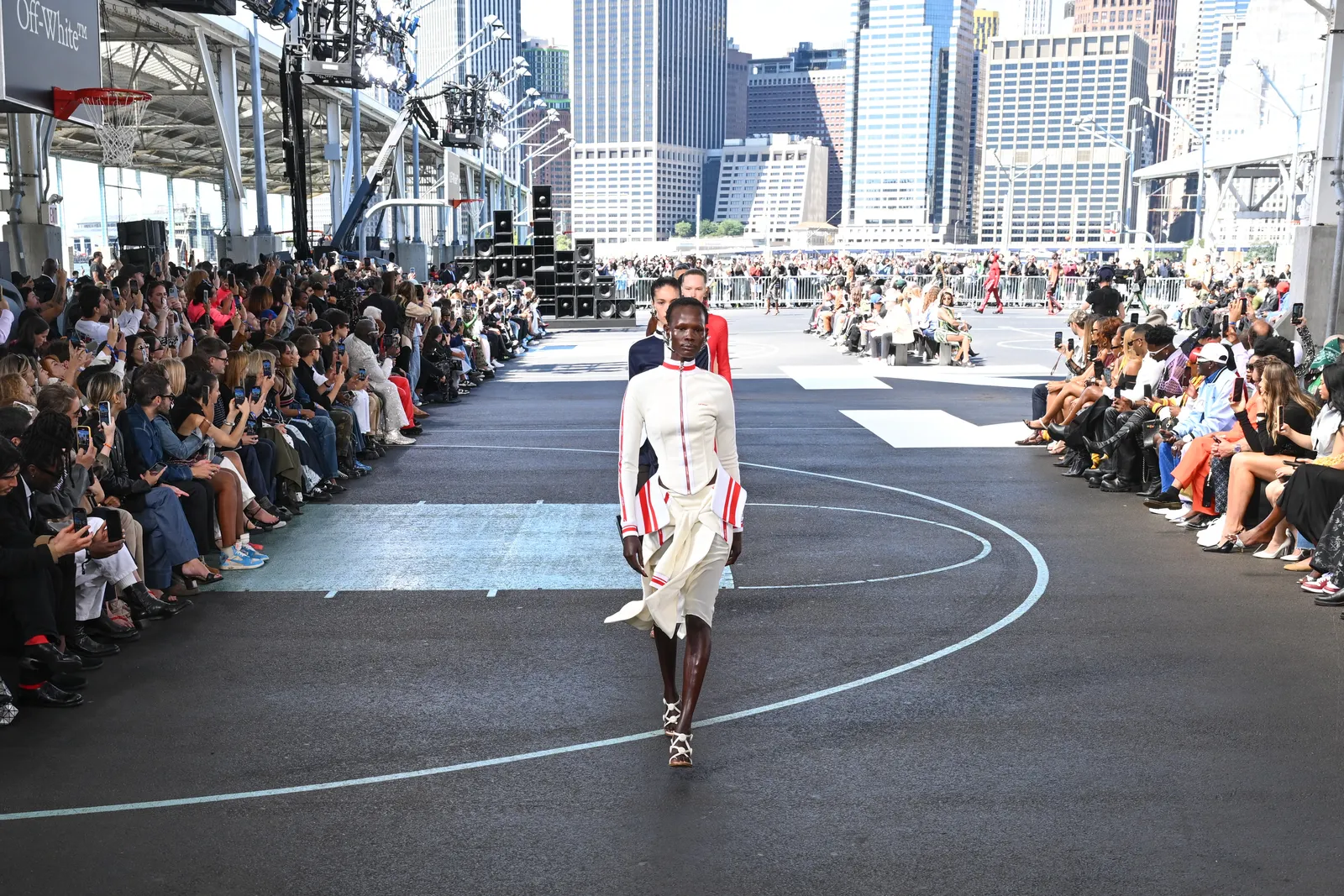
The numbers that explain the decision
In 2019, Farfetch acquired New Guards Group, the holder of the Off-White sales license, for $675 million. Off-White was estimated to generate annual revenues of around $227.6 million, accounting for over 9.8% of Farfetch’s total revenue. Although these figures indicate a significant market share for Off-White, LVMH, holding a 60% stake in the brand, may have seen limitations in further growth and profitability compared to other brands in its portfolio.
Portfolio strategy
LVMH consistently strives to maintain its leadership in the “absolute luxury” segment by focusing on brands with the highest prestige and margins, such as Louis Vuitton, Dior, and Fendi. The presence of Off-White, perceived as a more mass-market brand associated with streetwear trends, could have diluted the luxury image of LVMH’s portfolio. Additionally, potential sales cannibalization between brands and Off-White’s lower margins compared to other luxury brands may have influenced the decision to divest.
Key strategic premises:
- Priority for higher-prestige, higher-margin brands: Focus on brands like Louis Vuitton and Dior.
- Avoiding luxury brand dilution: Removing brands perceived as too mainstream.
- Minimizing cannibalization within a brand ecosystem: Preventing internal competition between brands.
- Portfolio profitability optimization: Focusing on higher-margin brands.
Precedents and analogies
The history of LVMH demonstrates similar decisions to divest from brands that did not align with their luxury strategy. In 2005, the group sold the Christian Lacroix brand, and in 2016, Donna Karan International for USD 650 million. In both cases, the reasons for the sale included a lack of fit with the luxury portfolio and lower profitability compared to other brands in the group.
The decision to sell Off-White aligns with this strategy, highlighting LVMH’s focus on brands with the highest prestige and profitability.
How the sale changed Off-White and the market
After LVMH sold the Off-White brand in October 2024, significant changes occurred in its operations and market positioning. The new owner, Bluestar Alliance, has taken steps to align the brand with current trends and consumer expectations.

Operational status and channels
After being acquired by Bluestar Alliance, Off-White focused on optimizing its retail network. In March 2025, the brand unveiled its new “FRESCO” collection at Galeries Lafayette Champs-Élysées in Paris, demonstrating its continued presence in prestigious locations. However, in response to global trends of brick-and-mortar store closures, Off-White reduced the number of its boutiques, concentrating on key markets and increasing investments in online sales.
Facts now:
- Presentation of the “FRESCO” collection at Galeries Lafayette in March 2025.
- Reducing the number of brick-and-mortar boutiques in favor of online sales.
- Introduction of a sustainable street fashion strategy in April 2025.
Sentiment and image
On social media, especially on platform X (formerly Twitter), a variety of reactions to changes at Off-White can be observed. Users often highlight Virgil Abloh’s legacy, expressing concerns about whether the brand will maintain its authenticity after his departure. There are also discussions about the balance between prestige and product accessibility, as well as the transparency of sales transactions, particularly regarding the undisclosed transaction amount.
Impact on the industry
LVMH’s decision to sell Off-White may signal a shift in how luxury conglomerates approach the streetwear segment. Other brands might also reduce their exposure to pure streetwear, aiming for a more balanced positioning. Competitors could respond by adjusting their strategies to better align with evolving consumer preferences and dynamic market trends.
The future of Off-White in its new ownership and strategic context remains a subject of interest for both consumers and industry analysts.
What’s next? Conclusions and scenarios for 2030
After the sale of Off-White by LVMH, the luxury market faces crucial decisions regarding the future of streetwear brands and their integration with traditional luxury. When analyzing possible scenarios for Off-White and the strategies of luxury conglomerates through 2030, it is worth paying attention to several key trends and actions.
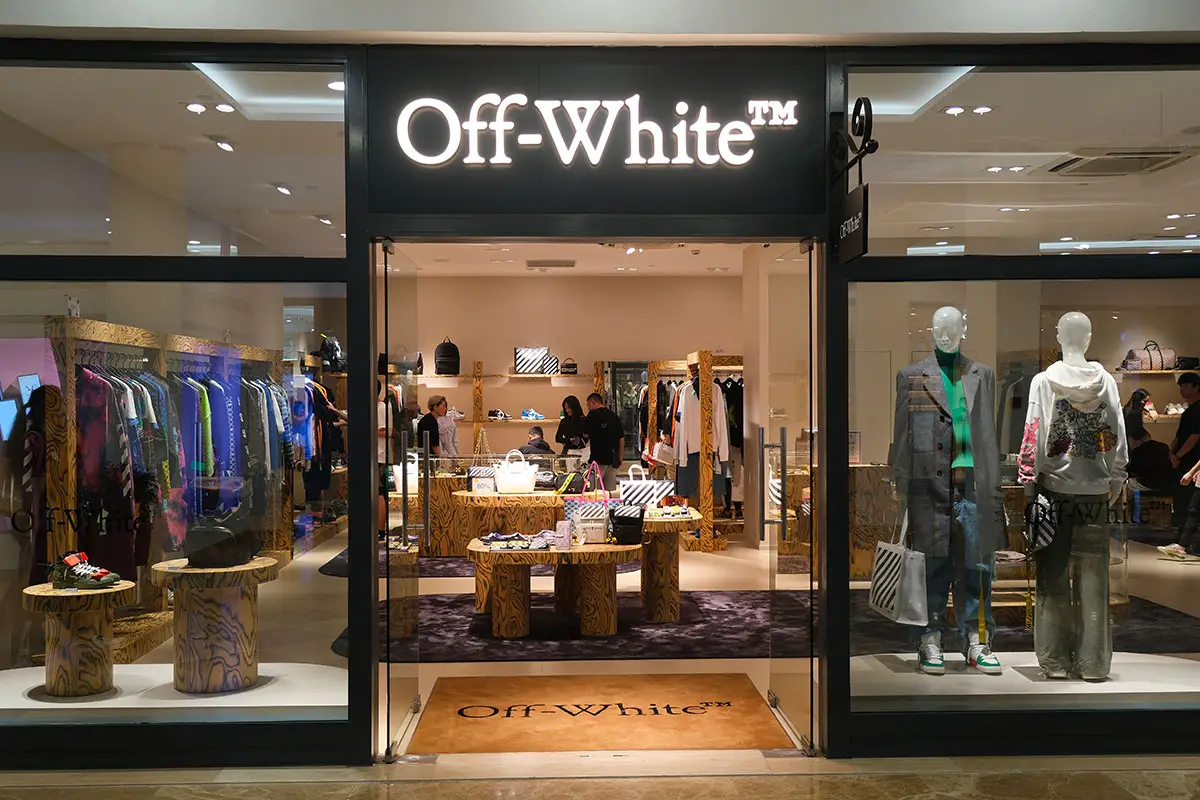
What are the possible scenarios for Off-White by 2030?
- Rebound to EUR 250 million: In this scenario, Off-White regains its leadership position in the luxury streetwear segment, reaching revenues of EUR 250 million. The key to success is an effective reorientation of the brand towards more exclusive collections and limiting product availability, which increases their desirability.
- Stabilization: The brand maintains stable revenues by focusing on key markets and products. Success depends on retaining existing customer loyalty and gradually expanding the portfolio with premium products.
- Further decline: Off-White is losing relevance and revenues are falling. This may be due to a failure to adapt to changing trends and an inability to attract new customer segments.
What will luxury conglomerates do?
- Focus on jewelry and watches: The global luxury jewelry market is projected to reach $82.1 billion by 2030, growing at an annual rate of 8.7%. Conglomerates may increase investments in these segments to capitalize on rising demand.
- Use of AI and demand analysis: Over 50% of luxury brands use AI to analyze customer preferences and personalize marketing campaigns. Integrating artificial intelligence enables better trend forecasting and product offering optimization.
- Limiting pure streetwear: There is a noticeable shift away from streetwear towards more classic and timeless collections, which may prompt conglomerates to scale back investments in strictly streetwear-focused brands.
The future of Off-White and the strategies of luxury conglomerates through 2030 will depend on their ability to adapt to evolving market trends, leverage new technologies, and manage the brand effectively in a dynamic environment.
Nadia
editor of Luxuryblog.pl






Leave a Comment