

Which premium watch brands are most often chosen by collectors?
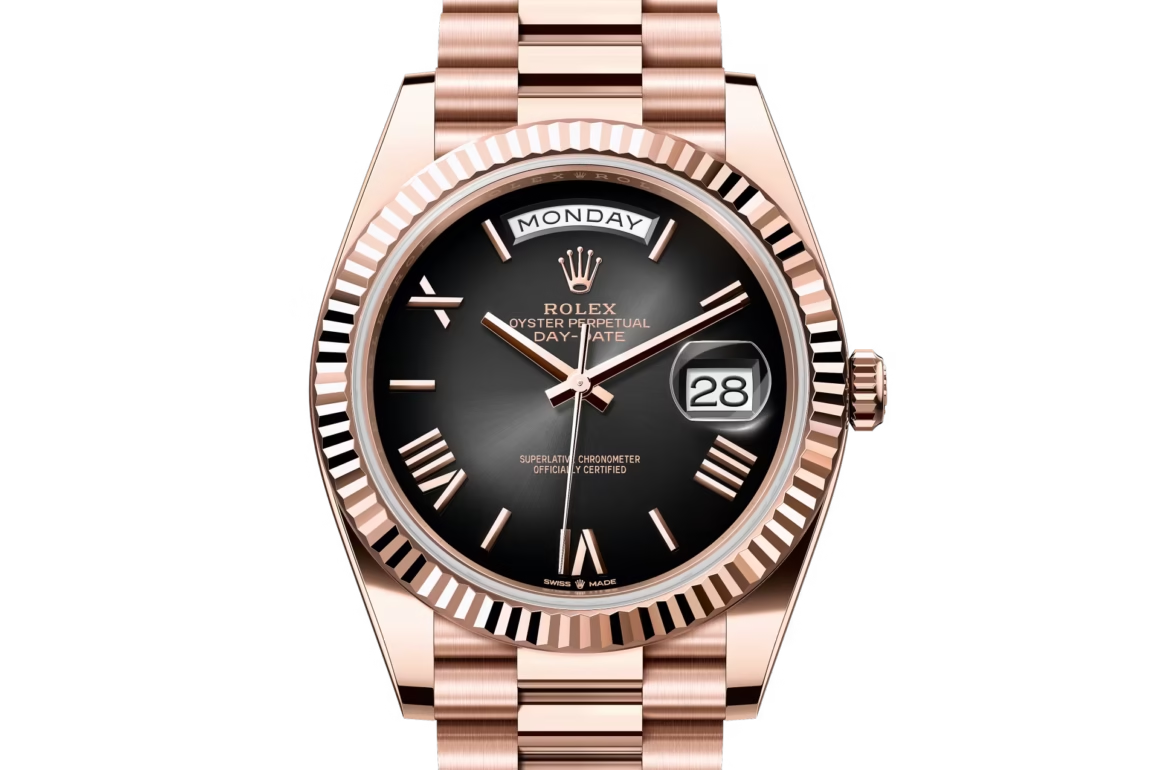
What do an astronaut, a sultan, and a Warsaw start-up founder have in common? They all wear watches worth more than the average apartment. And it’s not just about telling the time.
Sometimes I think watches are one of the last bastions of true craftsmanship in a world where everything is made cheaper and faster. Or maybe I just love looking at these tiny marvels of mechanics. Either way, the numbers don’t lie.
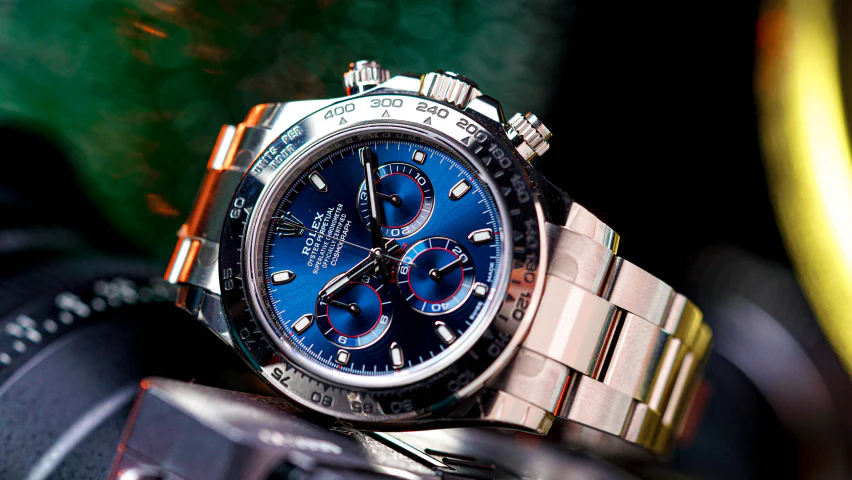
photo: oneluxe.id
“The global luxury watch market reached a value of USD 52 billion in 2024, with forecasts predicting growth to USD 60 billion by 2030 – that’s more than the entire investment wine market.”
Which premium watch brands are most often chosen by collectors?
Few people know that there’s a Polish connection here. Antoni Patek, a participant in the November Uprising who emigrated to Geneva after its fall, co-founded the legendary Patek Philippe. The irony of history—a Pole helped lay the foundations of a brand that today costs a fortune and stands as the ultimate symbol of prestige. Maybe that’s why I have a particular fondness for this industry.
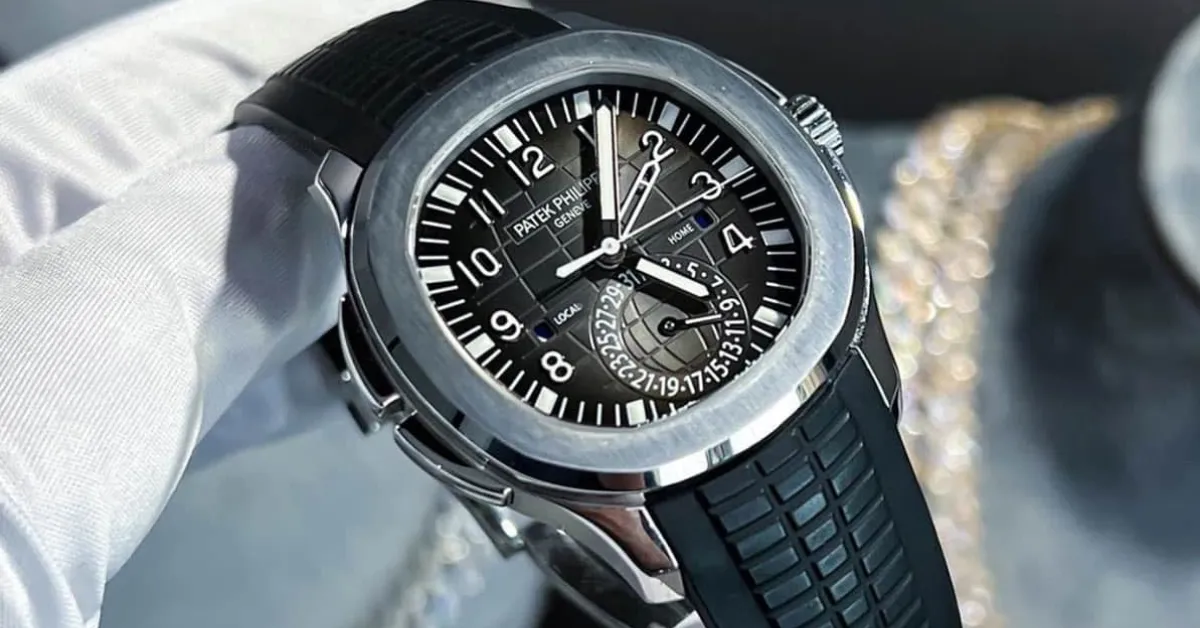
photo: gmtwatches.ae
Watches are no longer just accessories. They’ve become a language spoken by those who understand social codes. It’s a pyramid of prestige—from brands accessible to enthusiasts, to those you can only buy from a waiting list. And every level has its own rules.
Why is it worth talking about this in 2025? Because the market is maturing. Young entrepreneurs are buying watches instead of stocks. Collectors treat them as wearable works of art. And investors have discovered that a mechanism from 1960 can yield better returns than investment funds.
I intend to show you three things: how the modern brand hierarchy works, which models truly appreciate in value, and where to buy so you don’t overpay for a brand without substance.
Now that we know why the market is growing, it’s time to see which brands are taking the spotlight…
The prestige pyramid in practice – brands that reign supreme in collections
The prestige pyramid isn’t an abstraction—it’s a living organism shaped by specific brands and models. I’ve seen more than a few collectors’ portfolios and I know these choices are never random. Every brand has its place in the hierarchy, and collectors understand this perfectly.
photo: gmtwatches.ae
The criteria are simple but ruthless. Brand heritage, craftsmanship, exclusivity of production, and social prestige—these are what determine a brand’s position. Here are seven brands that reign supreme in the most important collections:
| Brand | Year established | Iconic model | Average price | Pyramid level |
|---|---|---|---|---|
| Patek Philippe | 1839 | Nautilus | 850,000 USD | Summit |
| Audemars Piguet | 1875 | Royal Oak | 420,000 USD | Summit |
| Vacheron Constantin | 1755 | Overseas | 380,000 USD | Summit |
| A. Lange & Söhne | 1845 | Datograph | 320,000 USD | Summit |
| Rolex | 1905 | Daytona | 65,000 USD | Center |
| Omega | 1848 | Speedmaster | 8,500 USD | Center |
| Breitling | 1884 | Navitimer | 12,000 USD | Center |
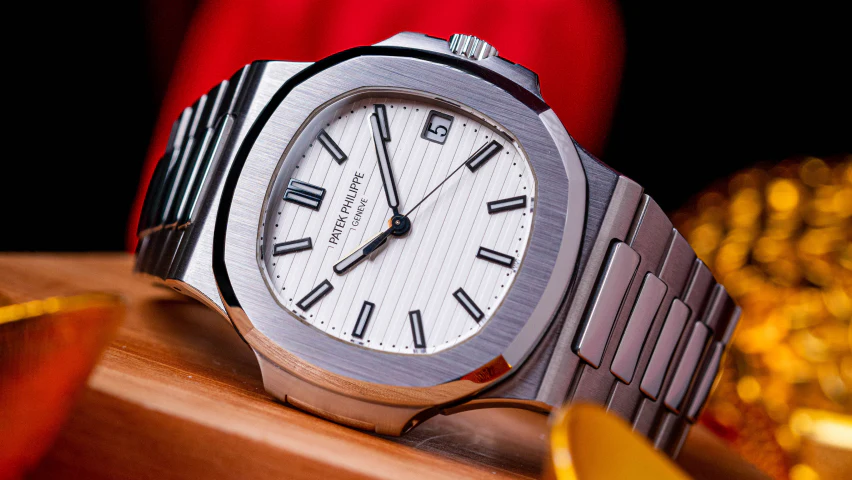
photo: oneluxe.id
The Pinnacle of the Pyramid – The Holy Trinity Plus the German Ace
Patek Philippe reigns supreme. Their Nautilus 5712/1R-001 in rose gold fetches prices above $1.2 million. But it’s not just about the price—it’s a status symbol passed down from generation to generation. “You never actually own a Patek Philippe”—that slogan isn’t just marketing, it’s the truth.
Audemars Piguet revolutionized luxury sports watches with the Royal Oak. Genta created an icon in 1972, and today every Royal Oak is a guarantee of prestige. Vacheron Constantin, the oldest continuously operating manufacture, represents tradition in its purest form. A. Lange & Söhne? German perfectionists whose comeback after the fall of communism is one of the industry’s most inspiring stories.
These brands have one thing in common—they produce on a micro scale, obsess over every detail, and never compromise on quality. Collectors know this.
The middle tier forms the foundation of every serious collection. Rolex dominates thanks to its reliability and recognizability—the Submariner was worn by Bond, the Daytona is a motorsport legend. Omega conquered space with the Speedmaster, literally. Breitling? Pilots and their Navitimers are a lifelong bond.
Here, the arguments differ from the top tier. Durability, functionality, history. These watches are bought not just for prestige, but to be worn. And that’s exactly why they’re so important in collections.
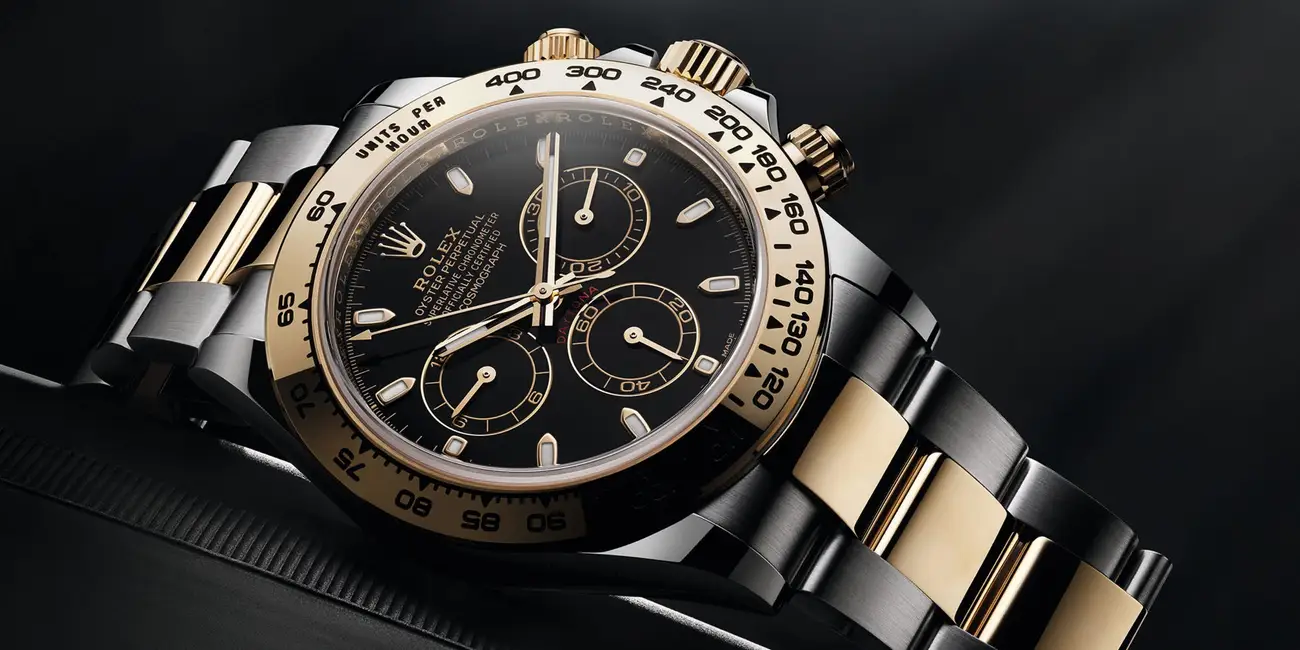
photo: businessinsider.com
The case of Grand Seiko is fascinating. For years, the Japanese were ignored by purists. Now? It’s one of the hottest brands among connoisseurs. Their Spring Drive technology is something even Switzerland envies. Sometimes, an outsider can surprise the establishment.
The numbers will back up these choices—but that’s a topic for the next chapter.
Expert’s note “Collectors don’t buy brands, they buy stories. Patek Philippe isn’t just a watch; it’s a piece of watchmaking history. Rolex isn’t just a tool; it’s a symbol of success. Each of these brands has its own narrative and a place in the prestige pyramid.” – Jakub Roskosz, expert in the collectible watch market
Market 2025 under the microscope – data, trends, and profitability of choices
“Are watches the new gold?” — a friend asked me recently, right after selling his coin collection. Well, numbers don’t lie, but the answer isn’t that simple.
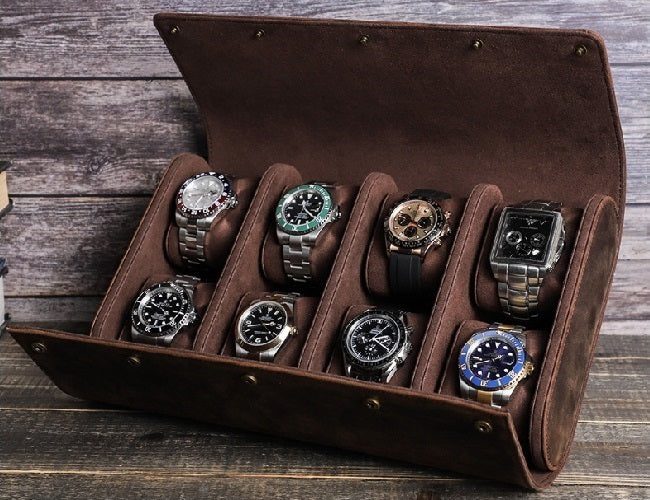
photo: watchesofdistinction.com
The global watch market is growing at a rate of 5-7% per year, but in Poland it’s even 10%. I was surprised myself when I saw the stats from the last five years. In 2020, the market value hovered around $7 billion, and now we’re talking over $9 billion. Chrono24, the biggest online platform, offers more than 500,000 models. It’s like having an entire watch store in your phone.
But here’s the catch — this year, things are getting complicated because of US tariffs. 15% on Swiss watches is no joke. I checked what this means for us in Europe. Paradoxically, it might actually be better, since Americans will buy more often in Europe, which could drive up demand here. On the other hand, manufacturers might pass some of the costs onto all markets.
➕ Europe could benefit from US price pressure
➖ The Swiss might raise prices globally
➕ Asia is becoming more attractive for arbitrage
The secondary market is a different story. Rolex prices have been dropping for a year now — they’re at their lowest in four years. I remember when a Submariner went for 12k on the grey market; now you can snag one for 9. But don’t worry — historically, the Daytona appreciates by 20-30% per year over the long term. That means a decade, not just a year or two.
The Polish perspective is interesting. Our market is young, so the fluctuations are bigger. I’ve seen Speedmasters in Warsaw for 15k, while in Krakow you can find them for 12. That’s the effect of a small market — regional differences are significant.
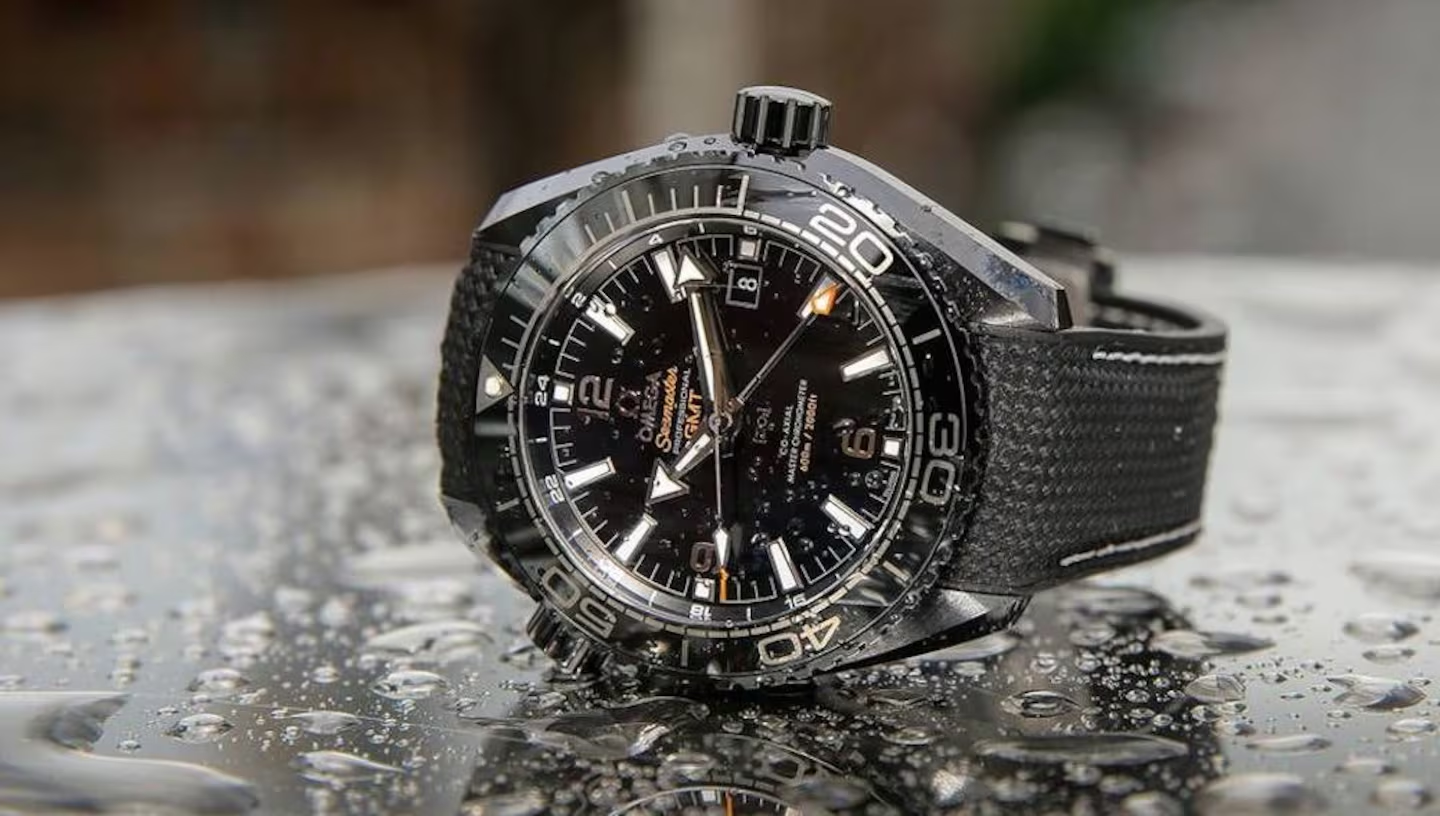
photo: businessoffashion.com
Japan is a real goldmine for deals right now. Grand Seiko is 30% cheaper there than in Europe. A friend came back from Tokyo with a Spring Drive that would have cost him 3k more here. The yen is weak, and they have overproduction for the local market. The catch? You have to fly there, and not every model comes with an international warranty.
Arbitrage in Asia works, but you need to know where to look. Singapore, Hong Kong, even Bangkok — prices there can be 20-25% lower. But you have to factor in travel costs and risk.
With these numbers in hand, it’s time to think about how to use this knowledge in practice. Because knowing the market is growing is one thing — actually making money from it is another.
How to Enter the World of Collectors – Your Next Steps After Reading
I remember standing in front of a watch display, wondering—where do I even start? All those models, prices, brands… it made my head spin. But honestly, getting into the world of luxury watch collecting isn’t rocket science. You just need to know which steps to take.
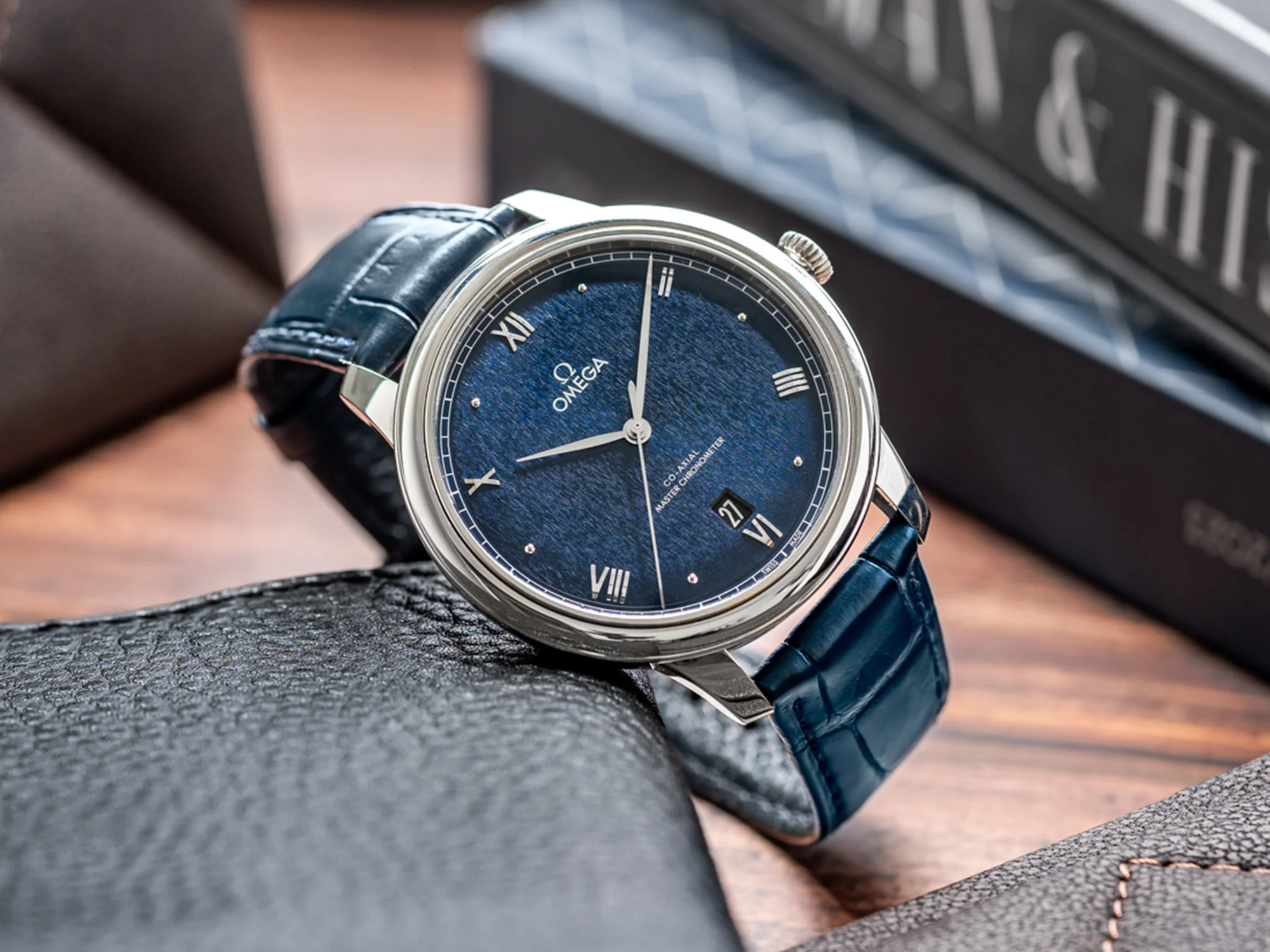
photo: teddybaldassarre.com
Building your own collection is a process that requires a thoughtful approach—but anyone can do it.
Here’s a practical checklist to help you get started:
- Set a realistic budget for the first 2-3 years. Not for a single watch—for your entire strategy. Because it’s about strategy, not random purchases.
- Choose one category to start with. For example, vintage Omega or modern Tudors. Stick with it for at least a year.
- Spend a month just learning. No shopping! Read forums, look at watches in stores, talk to people.
- Find a trusted dealer or authentication service. That’s your insurance policy.
- Make your first purchase thoughtfully, not impulsively. This watch will be the foundation of your collection.
Now, let’s talk about tools that will save you tons of time and money. Chrono24 has a great alert feature—just set your dream model’s parameters and wait for the right deal. WatchCharts shows real price trends, not marketing fluff. From Polish sources, check out Facebook groups like “Zegarki – kupno, sprzedaż, wymiana.” That’s where people with real expertise hang out.
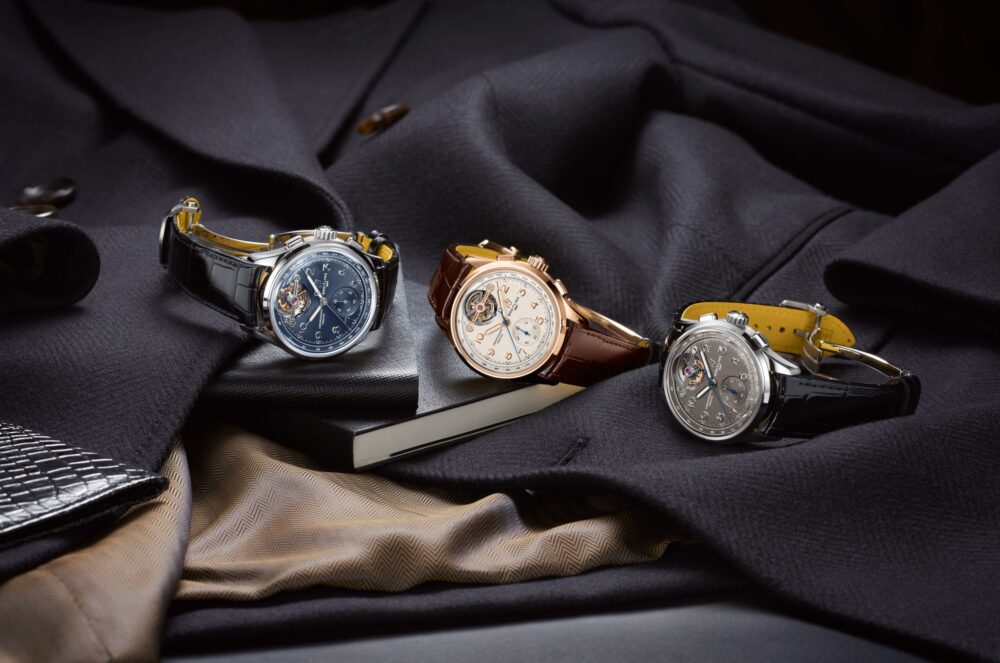
photo: esquire.com
But as you can see, the whole market is changing. By 2030, experts predict around 20 percent growth. Hybrid models are emerging, blending tradition with technology. Brands are experimenting with sustainable materials—recycled steel, leather alternatives. It’s no longer just an investment; it’s a statement about who you are.
Some say it’s a bubble. Maybe they’re right, maybe not. But one thing’s for sure—a good watch will always be good. No matter the trends.
Mati 77
lifestyle & business editor
Luxury Blog




Leave a Comment