

Which diamonds are best to invest in?
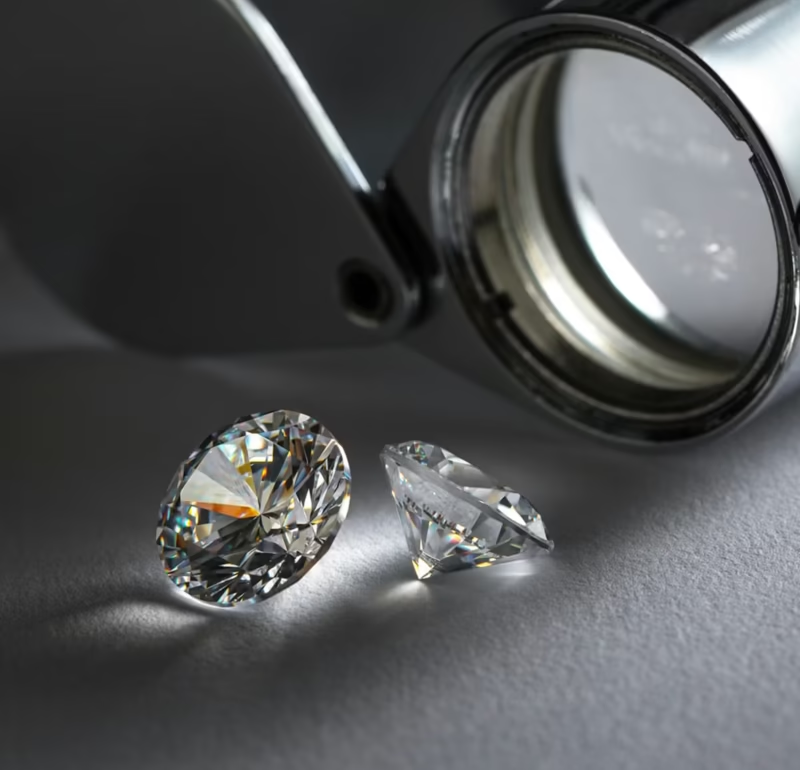
Which diamonds are truly worth investing in for 2026 if your goal is not only to protect your capital but also to genuinely grow it? The secret lies in rarity and quality—can an average jewelry stone really compete with a colorless investment diamond of D–F grade and VVS+ clarity, or a flawless specimen over 3 carats? The market clearly shows that it is the highest quality and larger sizes that drive long-term value, despite short-term price fluctuations.
And what about colored diamonds – aren’t their spectacular increases due to the fact that their supply is practically exhausted? In a world where synthetic stones are flooding the market and losing value, shouldn’t investors focus even more on natural, certified investment diamonds with documented provenance?
Trends in the diamond market
The diamond market in the short term (2025–2026) is undergoing a clear phase of transformation and caution. The decline in prices of natural stones—especially smaller and medium-quality ones—is directly linked to the dynamic expansion of synthetic diamonds. These have taken over a significant portion of the mass segment. According to PriceScope, a substantial share of diamond jewelry today is already based on lab-grown stones. As a result, prices of popular 1-carat diamonds dropped noticeably in 2025. Meanwhile, demand has become more selective, focusing on trusted investment diamonds.
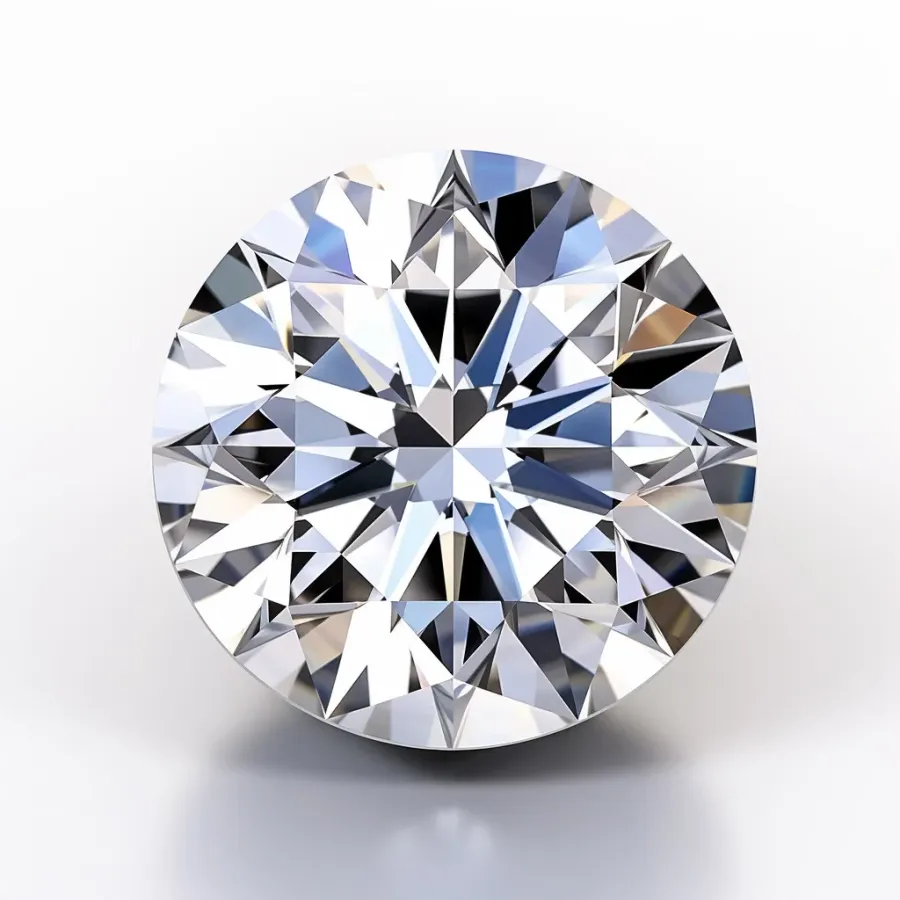
At the same time, the market is becoming polarized: smaller stones are losing value, while diamonds over 1–2 carats and specimens of the highest quality are maintaining relative stability and buyer interest. In the short term, this is not a market collapse, but rather a selection process — capital is shifting away from average assets toward the best ones.
In the long term, an even more significant trend is clearly emerging—a structural division of the market into two distinct segments. According to PriceScope, synthetic diamonds are gradually becoming a mass-market product—cheaper, widely available, and susceptible to further price declines. Natural investment diamonds, on the other hand, are shifting toward luxury and collectible goods, where rarity, quality, and provenance are of particular importance. In practice, this means that the future of the market does not lie in direct competition between these two categories, but rather in their separation. Synthetics dominate the utility segment. Meanwhile, natural diamonds—especially large and exceptional stones —are strengthening their position as a “store of value” investment asset. It is this long-term division, not short-term price fluctuations, that matters most to informed investors.
Ethical diamonds – the value of a trusted source
The ethical origin of diamonds is no longer just a marketing add-on. Today, it is a genuine factor that builds their investment and reputational value. After all, can an investor now afford to purchase a stone of unclear origin, risking not only a loss of value but also credibility? Certification systems such as the Kimberley Process Certification Scheme, along with standards adopted by industry leaders like De Beers, are designed to eliminate so-called “conflict diamonds” and ensure full transparency of the supply chain—from the mine all the way to the final buyer. In practice, this means that a diamond with documented, ethical origin not only minimizes risk. Increasingly, it also commands a price premium, resulting from the market’s growing awareness.
In the long term, the importance of a trusted source will only continue to grow. This is especially true in the context of digitalization and the development of tracking technologies such as blockchain. These enable precise verification of a stone’s history. As market observations show, consumers and investors are increasingly asking themselves: is the value of a diamond determined solely by its physical parameters, or also by the story it carries? In the world of luxury goods, the answer is becoming increasingly clear—transparency, responsibility, and provenance are now an integral part of value.
As a result, ethical diamonds not only meet the expectations of modern buyers. They also build a lasting advantage as assets that are more resilient to changing trends and market reputation pressures.
Where do the best diamonds on the market come from?
The finest diamonds in the world are not a matter of chance, but the result of unique geological conditions and stable mining regions. After all, can every stone achieve investment-grade quality if it was not formed in the right crystallization environment? The absolute top deposits are found in Botswana, especially the Jwaneng and Orapa mines, which supply some of the purest gem-quality diamonds in the world. Equally important are the sources in Lesotho, where the Letšeng mine is renowned for exceptionally large and remarkably clear stones, often fetching record prices at auctions. Meanwhile, South Africa, with the legendary Cullinan mine, provides diamonds of unique colors and historical significance, while Russia remains one of the largest producers of consistently high-quality rough stones.
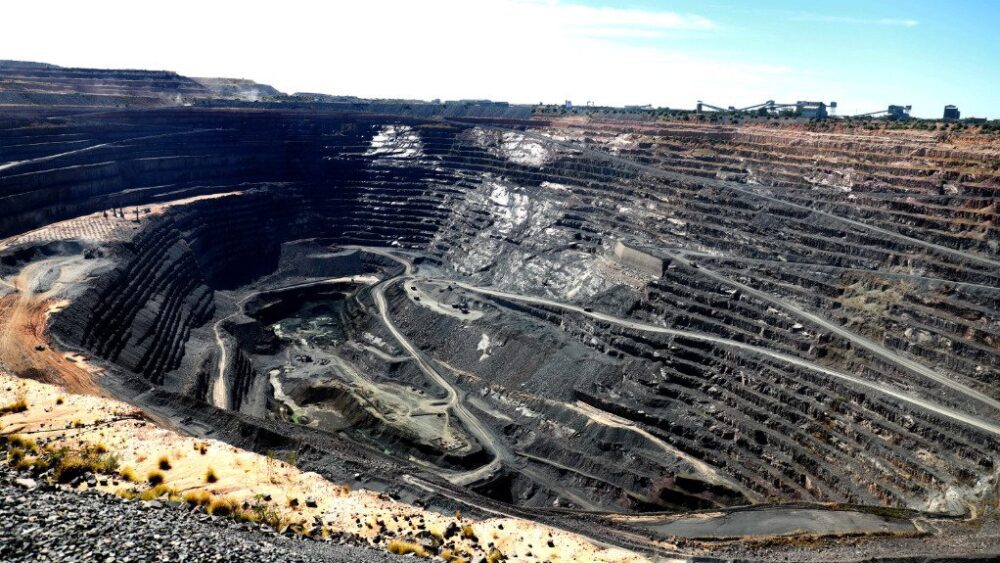
Particular attention should also be paid to colored diamonds, the most valuable of which came from the Argyle mine in Australia—now closed, which further increases their rarity and value. It is the origin that determines not only the physical parameters of the stone, but also its history, prestige, and investment potential. In practice, this means that the investor is not only purchasing the diamond as a mineral, but also its “geological DNA.” And in the world of luxury goods, it is rarity and history that determine true value.
Certificates – what are they and which ones are worth trusting?
In the world of investment diamonds, a certificate is more than just a piece of paper. For investment diamonds, a certificate is a guarantee of quality, origin, and reliable valuation. Without a certificate, even the most beautiful stone loses its value. Can a diamond be considered a serious asset if we don’t know exactly what we’re buying? The certificate answers this question by documenting the 4C parameters (carat, color, clarity, cut). It often also confirms the origin and history of the stone. For the investor, it is not only a quality control tool. It is a safeguard of liquidity. A diamond with a credible certificate is easier to sell, and its market value is more stable.
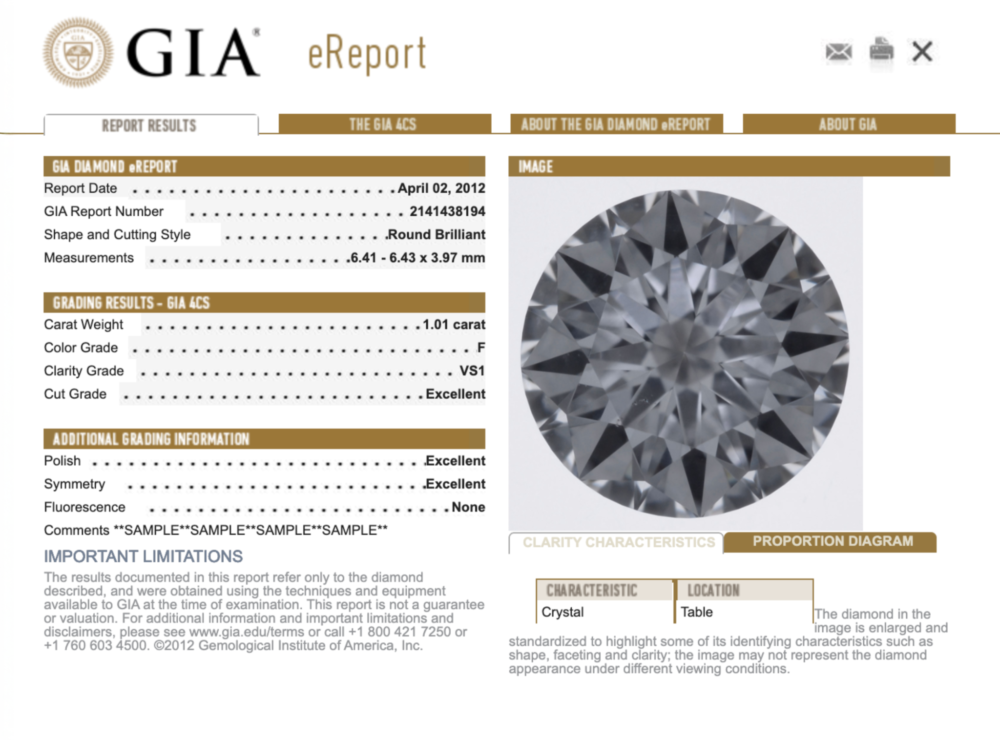
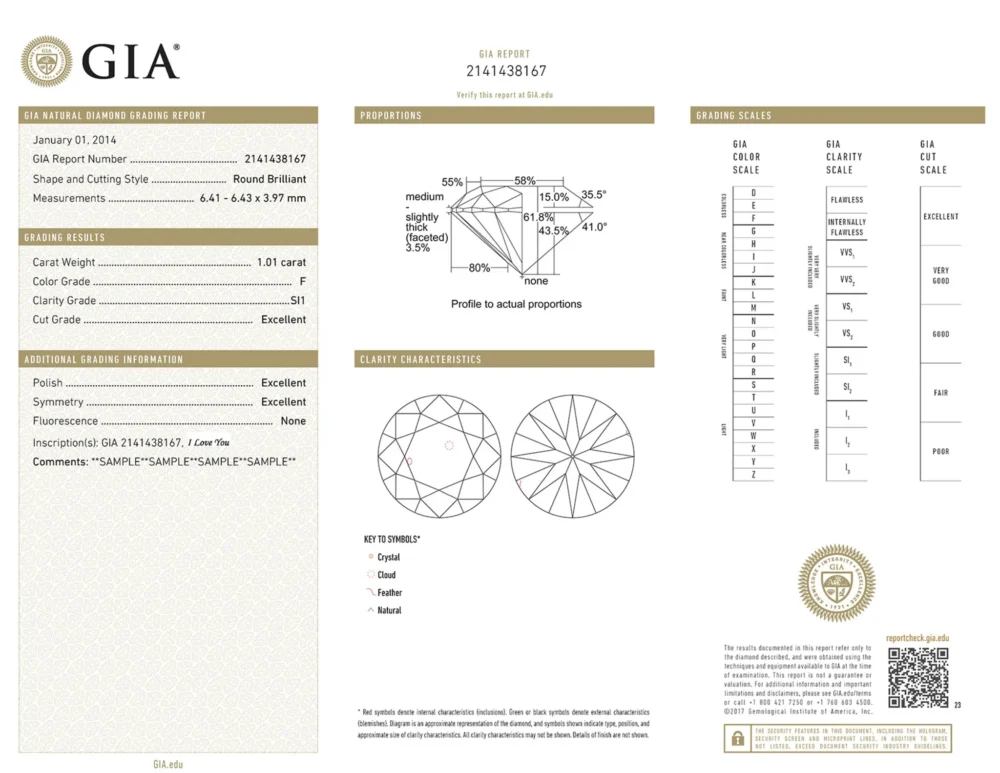
The most reliable investment diamond certificates on the market are:
- GIA (Gemological Institute of America, USA) – the gold standard in the industry. The GIA certificate provides a detailed description of all 4C parameters and is widely recognized at auctions and in investment trading. A stone with a GIA certificate gains prestige and valuation certainty.
- HRD Antwerp (Belgium) – the European equivalent of GIA, particularly popular in the European market. HRD is valued for its reliability, although when it comes to assessing stone clarity, it tends to be slightly more conservative than GIA.
- IGI (International Gemological Institute, international) – widely used in the jewelry segment. However, it is less prestigious than GIA or HRD, but still provides a solid basis for evaluating a stone, especially for colored diamonds.
For investors, GIA and HRD are the most important, as their certificates are the most recognized and accepted on the auction and investment markets. IGI, on the other hand, works very well for commercial diamonds and in retail trade. However, it does not always provide maximum certainty for large investments. In 2026, the importance of traceability through blockchain is also increasing, allowing the history of a stone to be tracked from the mine to the final buyer. This is an element that is increasingly enhancing the value of ethical and rare diamonds.
Fancy diamonds – value beyond compare
Fancy diamonds are a world of their own – it’s not just about color, but also about history, rarity, and investment potential, which can multiply a stone’s value several times over within a decade. How are these extraordinary gems formed? Their hue results from unique crystallization conditions and the presence of trace elements: blue diamonds owe their color to boron, pink ones to distortions in the crystal lattice over hundreds of millions of years, while yellow and green diamonds get their shades from nitrogen and natural radiation. It is these subtle chemical and geological differences that make every fancy diamond truly unique.
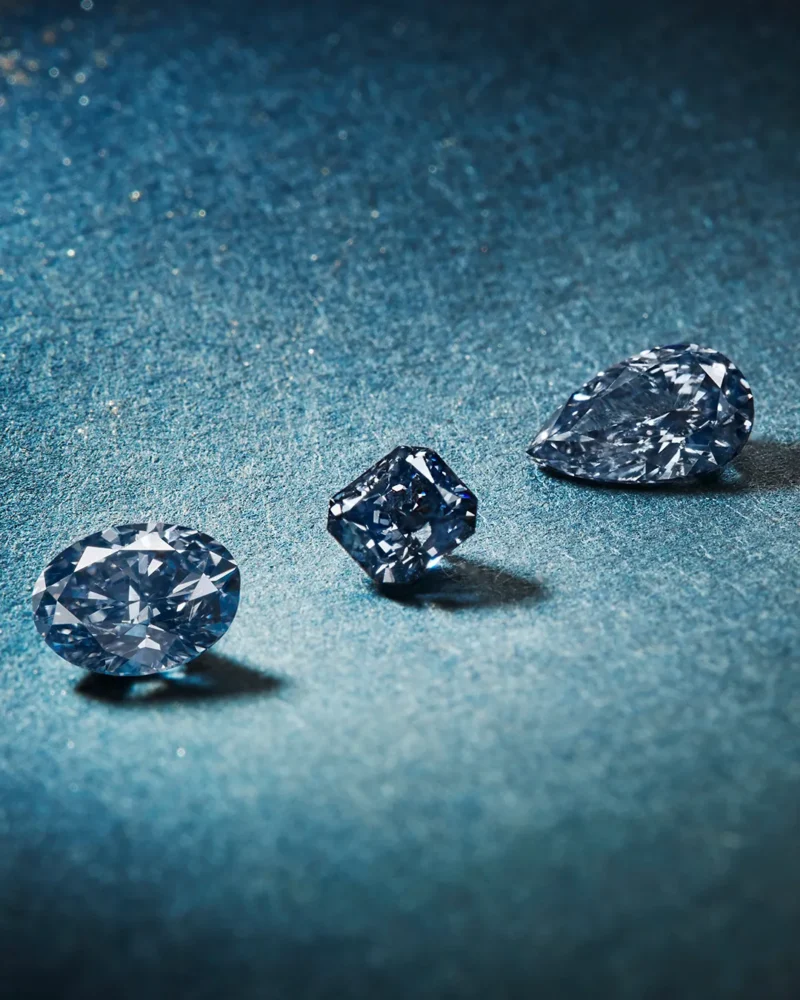
The most expensive specimens reach record prices at global auctions: Pink Star, sold for 71 million USD in 2017, and Mellon Blue for 26.6 million USD in 2025, demonstrate that the market values rarity and spectacular colors. Unlike colorless diamonds, whose value increases linearly with carat weight, fancy stones often show exponential growth, especially when mines supplying a particular color are closed—such as Argyle in Australia, famous for its pink stones.
Why is this the best investment? Because in a world where synthetic diamonds are increasingly driving down the prices of “standard” stones, natural fancy diamonds remain extremely rare, inflation-resistant, and independent from the mass jewelry market. The investor acquires not just a mineral, but a unique specimen of geological art whose value increases not only due to its weight, but also thanks to its color, history, and prestige. This means that for a serious investor, a fancy diamond is an asset with growth potential unattainable for standard colorless diamonds—and at the same time, a symbol of luxury whose rarity is a measurable form of capital.
Which diamonds are worth investing in, and is it still worthwhile?
In 2026, investing in diamonds still makes sense, but it requires a decisive approach and choosing the right market segments. The key factors are quality, rarity, and certification. Natural D–F diamonds with VVS+ clarity, especially those over 1 ct, maintain stable value and are resistant to the pressure from the synthetic stone market. The greatest growth potential lies in large stones over 3 ct and fancy colored diamonds. Their rarity and unique origin allow for spectacular returns, sometimes reaching hundreds of percent within a few years.
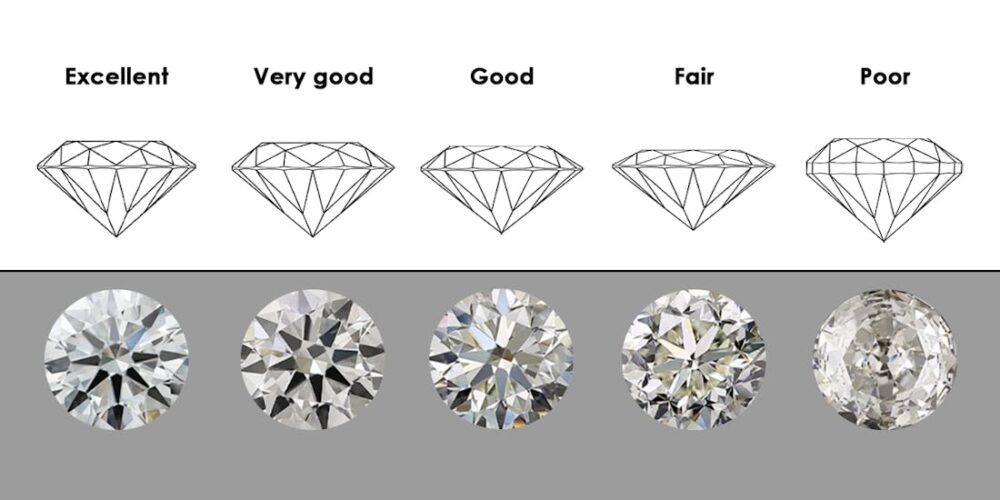
The investor must remember that diamonds are a low-liquidity asset. Therefore, they require a long-term investment horizon (10+ years), ethical origin, and solid certification (GIA, HRD). Shorter-term trends show price declines for smaller stones and pressure from synthetics. However, structurally, natural, rare diamonds remain a safe haven and a store of value, much like gold. In practice, this means that diamonds are no longer just an ornament. They are a conscious investment choice that combines rarity, beauty, and prestige with real financial potential.
It is therefore worth asking: is investing in diamonds still profitable? The answer is yes – if we choose stones of the right quality, with certification, and understand the market, diamonds can become a unique asset that not only protects capital but also offers the chance for impressive appreciation.






Leave a Comment