

Which brand is the snowboard from? – Quick methods and reliable identification
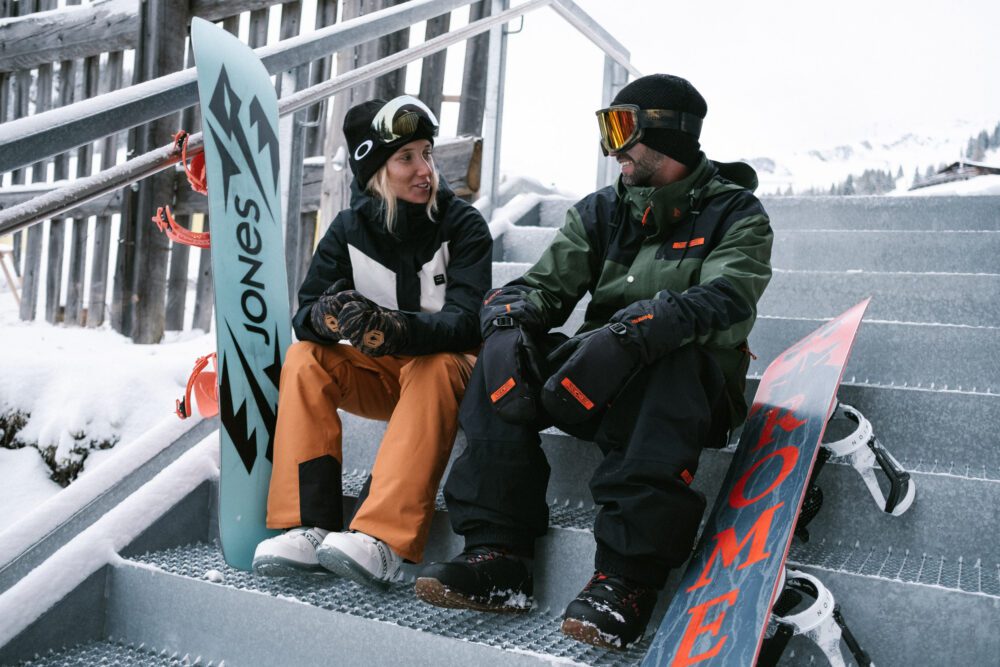
“Burton or some no-name?”, this is exactly the question that pops up in dozens of threads on Facebook groups every season. Which brand of snowboard and what exactly is trending, I’ll present to you in this article!
Because as you know, a complete, good-quality used set costs around 500/800 euros, sometimes more, so you want to be sure you’re not overpaying for a fake or that the bindings fit the mounts.
When the question arises about snowboarding
Alright, but why even bother with this in the first place? Above all, it’s about value. Burton from the 2010s and later is in a different price range than a no-name board. When buying used gear, it’s good to know if you’re not overpaying, and when selling, whether you’re not letting valuable equipment go for pennies. Plus, it’s a way to check authenticity— Burton or CAPiTA counterfeits hit the market more often than you might think. And then there’s compatibility: the mounting system (4×4, 2×4, Channel) varies between brands, so it’s smart to know what you have before buying new bindings.
This might be tricky vocabulary for those just starting their adventure with this sport, but I’ll help you unravel this mystery further…
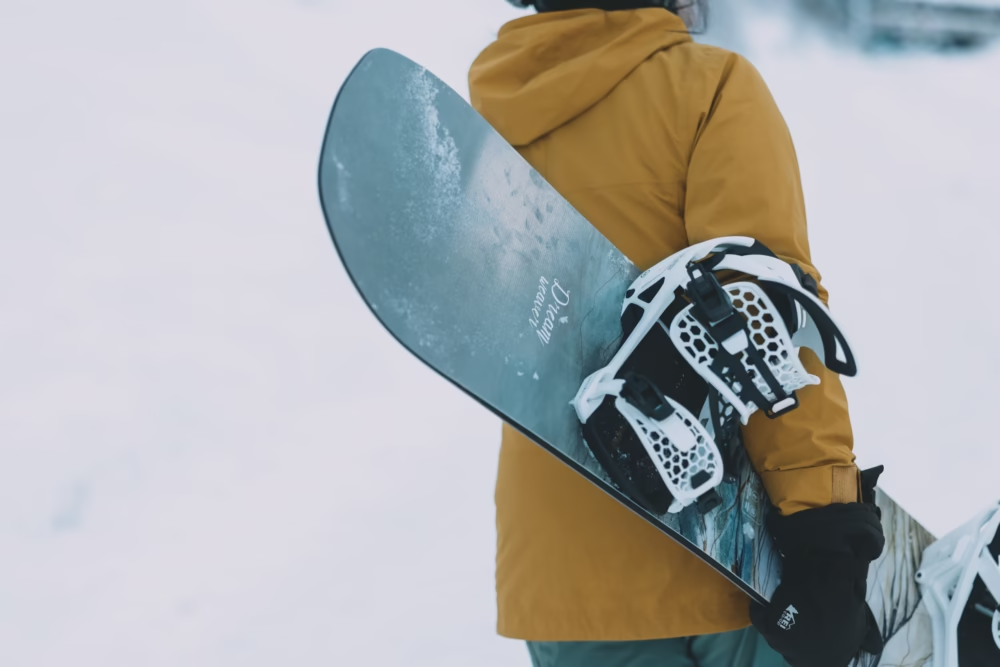
photo: rei.com
Which brand of snowboard – why identifying your board matters!
The history of identification is a bit of a bumpy ride. In 1977, Jake Burton founded the company and started numbering boards by hand. In the 1990s, serial number standardization became the norm (for most brands). In 2020, CAPiTA added NFC chips to selected models. Since 2022, every season on Reddit there are long threads titled “help identify this old board” with photos from twenty years ago.
In this article, we’ll go step by step: first, a quick identification by logo and topsheet, then serial numbers and NFC (if present), next, online tools and AI-based recognition, and finally, the specifics of the Polish second-hand market. We’ll start with the simplest—what you can see with the naked eye.
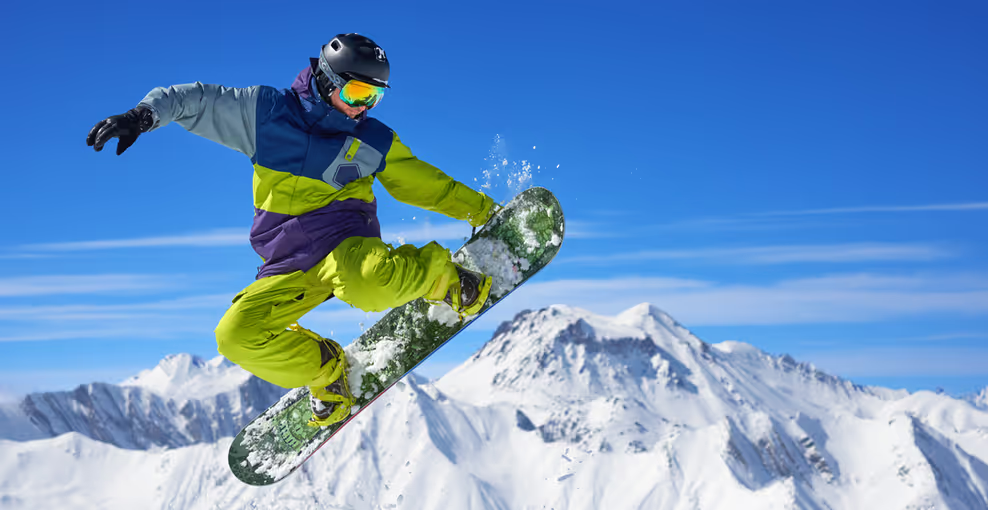
photo: dailyhive.com
Logo, graphics, distinctive motifs
When I pick up a board, I start by quickly scanning a few key spots with my eyes. Most manufacturers place markings in predictable locations, so identifying them “at a glance” usually takes just a few dozen seconds.
Topsheet, base, edges
The largest logo is almost always found on the base, either in the center or closer to the nose. The topsheet, or upper surface, features the model name and often repeated branding. Also check:
- Area near the inserts – sometimes manufacturers hide small markings there
- Edges – less commonly, but sometimes there is a small inscription embossed on the metal
- Sidewalls – some brands add the name or series there
- Tail – the rear part is often overlooked, but with Burton, you’ll find a distinctive mark there
Interestingly, boards from before 2000 were often more “anonymous,” with artistic graphics overshadowing the branding, so identifying them requires more expertise.
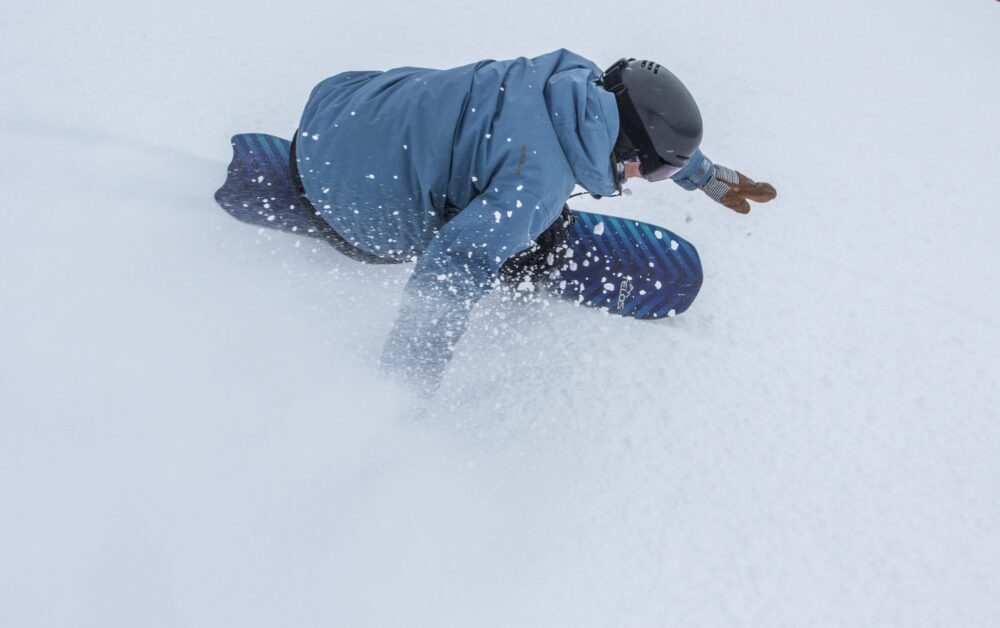
photo: boardsportsource.com
Examples of recognizable motifs
Burton uses the famous “mountain logo” or a vertical bar (bar identity), which is hard to mistake for anything else. CAPiTA features distinctive, colorful streetwear-style graphics and bold lettering. Lib Tech? There you’ll see technological motifs and bright colors, often highlighting Magne-Traction. Arbor focuses on eco-friendly, hand-drawn designs, leaves, mountains, and natural textures.
The problem arises with budget brands from hypermarkets, which used simple “pill logos” (an oval badge with the name) without a clear visual identity. Such boards become practically unrecognizable visually after a few seasons. Also remember that the graphic layout changes between model years—a 2018 model may look completely different from the same one in 2020.
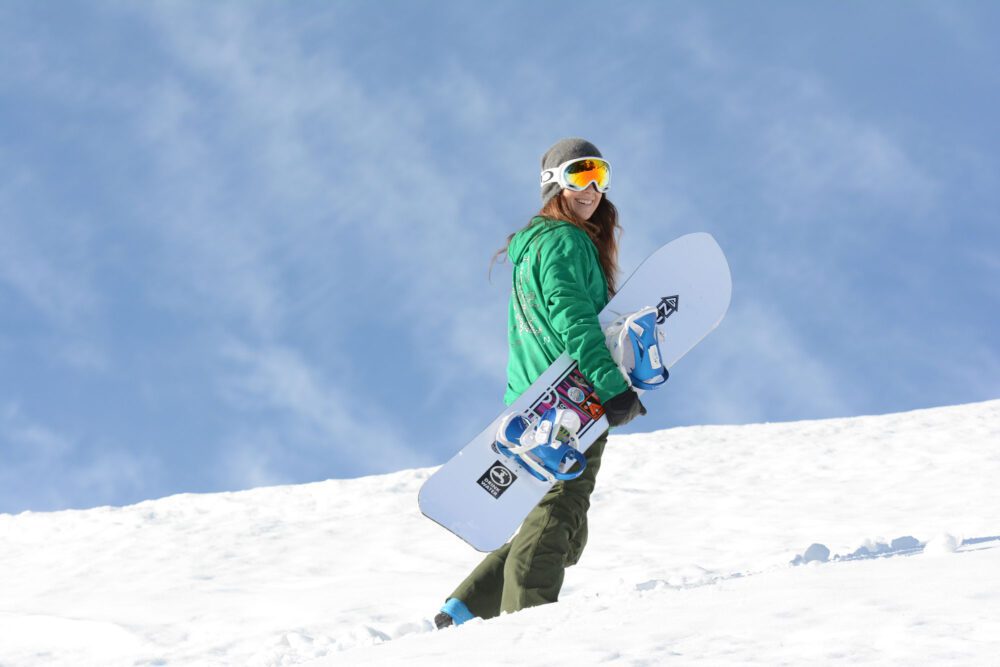
photo: whitelines.com
Serial numbers,
The serial number is your best friend when all other methods fail. It can be found in specific places and sometimes reveals more than you might think.
Where can I find the serial number on the board?
The most popular locations are:
- the edge near the tail of the board (just above the base)
- between the binding inserts (sometimes under a transparent sticker)
- topsheet, close to the tail or nose
- directly on the slide (less often, but it happens)
Never Summer, for example, places the number on the left side between the bindings or right near the tail. Sometimes you really need to shine a light and check the board from every angle, because these numbers can be really small.
What do the numbers mean
Burton in the 90s encoded information directly in the first digit of the number. The first “1” meant a regular retail/production model, “8” was a sample used for catalog photos, and “9” indicated an employee board or pro model. Sounds cool, right? The problem is, not every manufacturer reveals their coding logic.
Often, the only option is to write directly to the manufacturer with your question. The snowboard community confirms that this is standard practice, and most brands will respond if you provide the number.
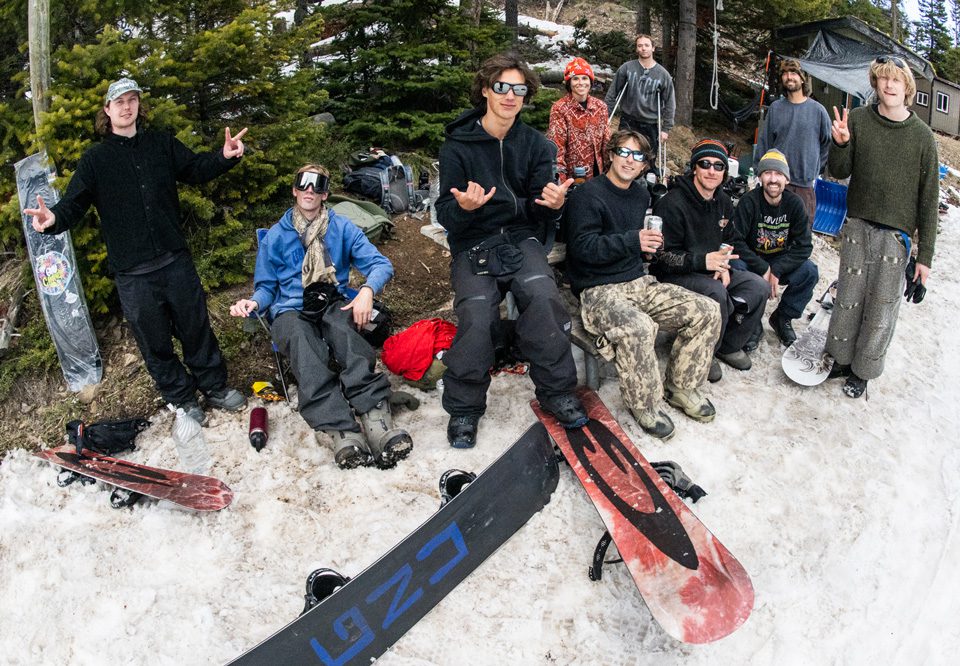
photo: gnu.com
NFC and warranty registration
CAPiTA has been installing NFC chips in its boards since 2020. All you need is a smartphone to access information about the model, register your warranty, and confirm authenticity. It makes life easier, especially when buying second-hand.
It’s also worth taking a photo of the number for insurance purposes and checking it in theft registries like SnowboardSecrets before purchasing a used board. You never know.
Where to ask and what photos to add?
The best starting point is snowboardingforum.co m and Reddit (especially r/snowboarding). People there can recognize a board from 2003 just by a single piece of its graphic. You just need to add decent photos. What should they include?
- topsheet with full graphic (daylight, perpendicular to the surface)
- base (there are often more markings there)
- close-up of the serial number or stickers
- a short note about the size (“156 cm”), if visible on the topsheet
The better the photos, the faster the response. Blurry pictures with artificial lighting are a waste of time for everyone.
Annual catalogs and AI for brand recognition
photo: avalancheshop.com
Catalog archives on issuu.com and the snowdb database (models from around 2000 onwards) are helpful once you know what to look for. You can compare graphics from specific years and match the design to your board. The problem? It takes a bit of time.
A faster option is the Nyckel classifier, which is AI trained on snowboard photos. It recognizes over 20 brands (Burton, CAPiTA, Arbor, Jones, and others) with an accuracy of about 90% or higher. All you need to do is upload a good photo of the topsheet, and you’ll often get the brand right away. With older boards or more exotic brands, the AI sometimes makes mistakes, but as a first step, it works really well.
On forums from 2009 (yes, I read the archives) people recommended, for example, Voelkl Stroke as a reasonable quality choice. Fun fact: Voelkl supposedly produced boards for other brands (Nitro, Hammer), at least according to forum users. Is it true? Hard to say, but it shows that OEM production in the industry is a common thing.
Budget
photo: vtsports.com
A used set (board, bindings) can be much cheaper, but the warranty is often a big question mark. With some brands (e.g., CAPiTA), the warranty does not transfer to the second owner. Check this before making a purchase.
Another issue: counterfeits. Rare, but they do happen. It’s worth asking for photos of the serial number and logo, or comparing them with official sources (as I mentioned earlier).
Confidence in equipment
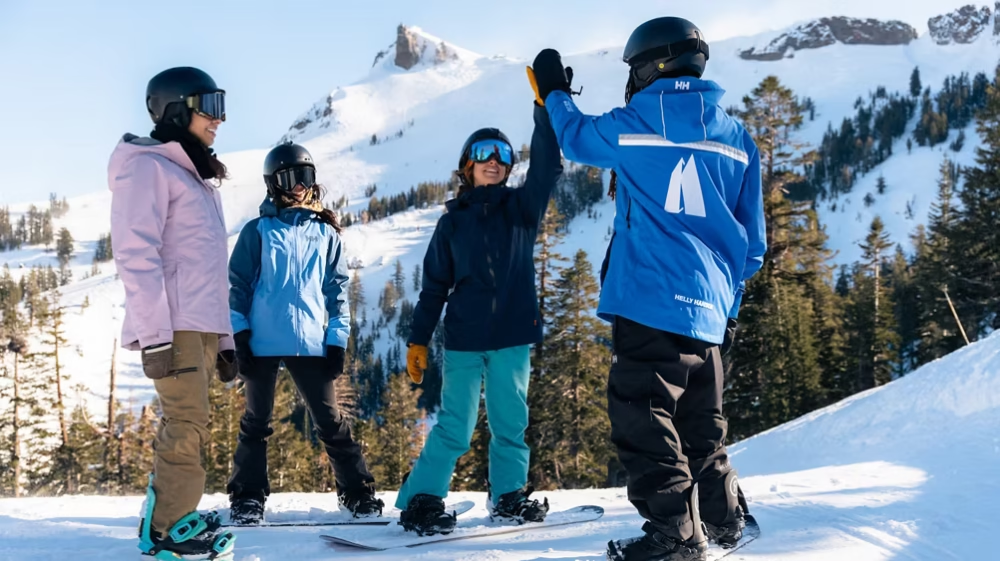
photo: snow.com
When you finally know which brand is behind your board, you gain more than just a fun fact for conversations on the slope. You have a starting point to understand how your gear was designed, what materials it’s made from, and what you can expect from it. Burton is not the same as Arbor, Ride is not Capit a—every company has its own philosophy and production standards.
This certainty also has a practical side. You’ll find the right spare parts faster, get tailored advice in service centers, and match your bindings or boots better to your board’s specifics. And let’s be honest, you’ll know whether you’re holding a top-shelf model, a solid mid-ranger, or a budget board for beginners. That changes your perspective, especially when you’re thinking about the next season and possibly upgrading your gear.
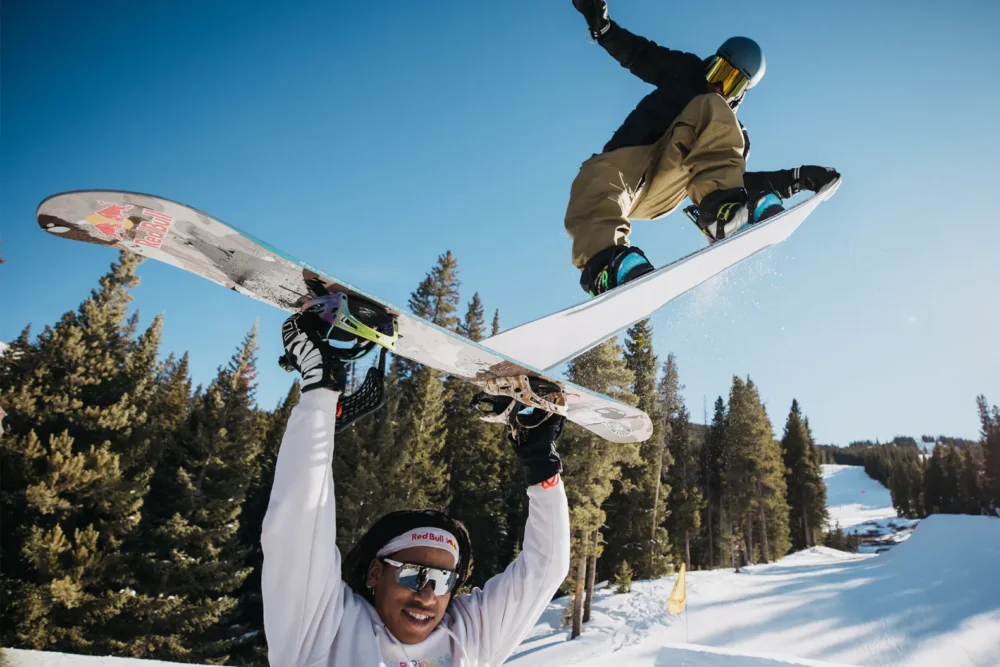
photo: rollingstone.com
Identifying the brand isn’t just a collector’s whim. It’s the foundation of conscious equipment use—gear that’s meant to keep you safe on the mountain.
SONNY
lover of winter madness
sport & lifestyle
Luxury Blog


Leave a Comment