

Where to Ski in Austria – A Guide to the Top Resorts
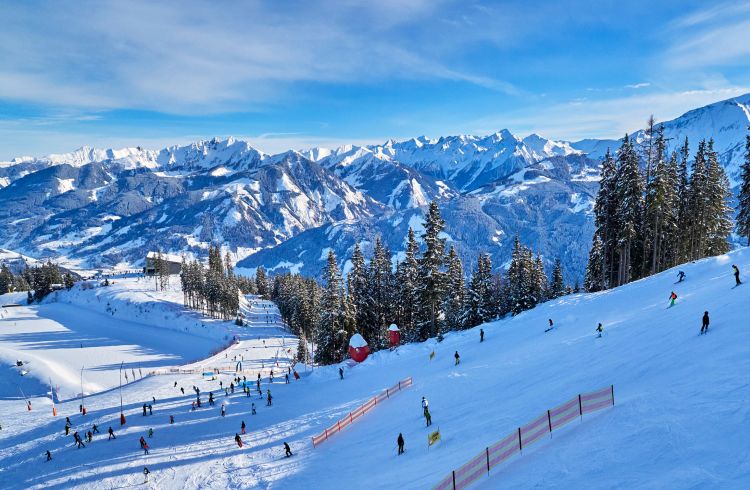
Do you hear that distinctive whistle of the first morning lift? In the Alps, that sound means only one thing – another day on the slopes is about to begin. And when it happens in Austria, you know you’re in for something truly special.
Austria is a skiing empire. More than 400 ski resorts, 7,000 kilometers of slopes, lifts that run as precisely as a Swiss watch. These numbers are impressive, but the truth is, statistics are one thing and atmosphere is another. It’s this combination that has made Austrians reign supreme in skiing for decades.
Where are the best places to ski in Austria?
Besides, this season started exceptionally early. Record-breaking rainfall in September 2024 meant that some glaciers opened their slopes as early as October. Snow was lying thick where usually, only in November, people would start thinking about skiing. It was a sign that the 2024/2025 winter could be truly remarkable.
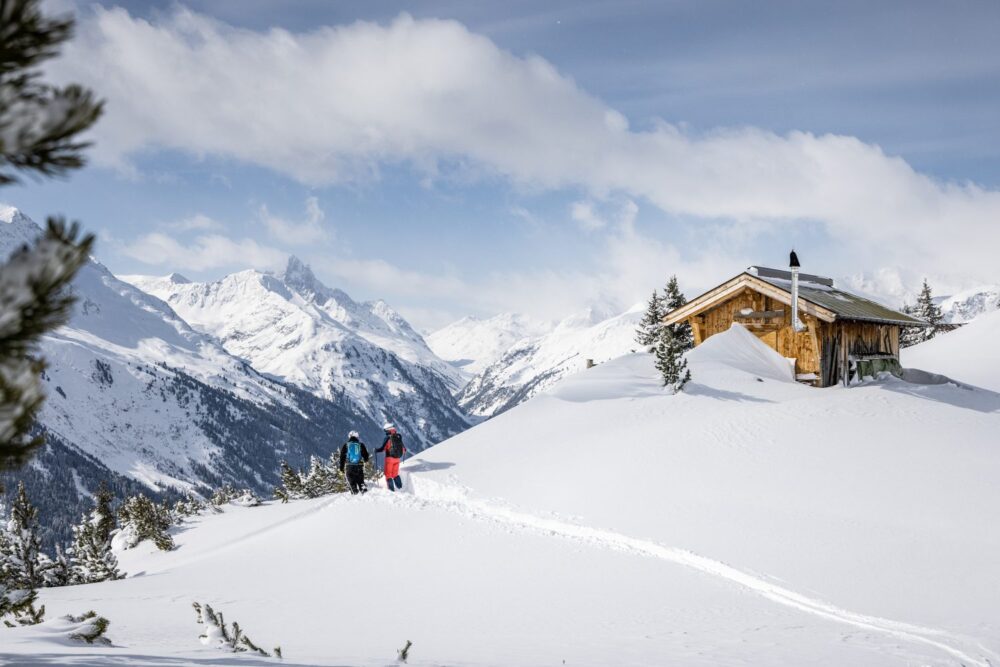
photo: snowmagazine.com
In the morning, you stand by the lift, breathing in the crisp air. All around you hear German, English, sometimes Polish. Your goggles are still fogged up, your skis freshly waxed. That moment before the first run—that’s exactly why you keep coming back to Austria year after year.
But to make this trip truly unforgettable, you need to know what to choose:
- Which resorts are best for your skill level and budget
- When to go to catch perfect snow conditions
- How to plan your stay to avoid overpaying for accommodation and ski passes
Each of these points can determine whether you return from Austria with a smile on your face or with regret that things could have been better.
Before you decide, you need to know what matters most to you—whether it’s family-friendly slopes or perhaps extreme off-piste runs.
Key criteria for choosing the perfect center
What does the “best” ski resort mean to you? That’s a question I get from friends almost every time we’re planning a trip. And honestly, there’s no single right answer.
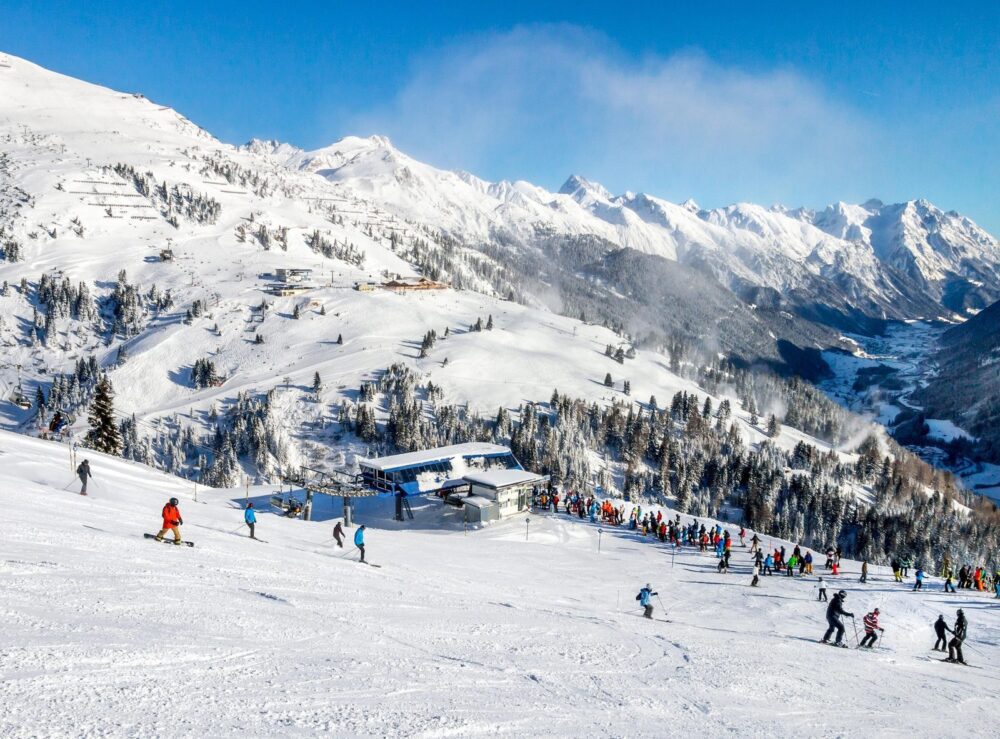
photo: austria-parks.com
I always start with the same thing – I check the breakdown of slope difficulty. That’s key. If you’re going with family and everyone has a different skill level, you need a resort with a good mix. Ideally, about 30-40% blue runs, a similar amount of red, and the rest black. But if you’re advanced, you might look for a place with a higher percentage of challenging descents.
Budget is the next thing you just can’t ignore. Skipasses in Austria for the 2025/2026 season range from 45 to 75 euros per day, depending on the resort and the dates. During winter holidays, prices jump by 15-20 euros. My tip? Check multi-day offers – often with a 6-day pass, the daily rate drops by 10-15 euros.
If you have kids, family-friendly amenities can make or break the whole trip. Ski kindergartens, heated chairlifts, play zones – these aren’t luxuries, they’re things that really make life easier. Especially those heated rest areas. Anyone with small children knows exactly what I mean.
And then there’s the style of your getaway. Après-ski or peace and quiet? Some people want to party all night after skiing, others prefer a quiet evening by the fireplace. It really changes the whole vibe of the place.
| Criterion | How to assess |
|---|---|
| Route schedule | Do the proportions of blue/red/black suit your group? |
| Skipass cost | Is it within your budget? Check off-peak vs. peak prices |
| Family-friendly amenities | Are there ski kindergartens and children’s zones? |
| Atmosphere | Do you prefer lively après-ski or peaceful relaxation? |
The truth is, any of these factors can make or break your trip. I learned this firsthand a few years ago when I chose a resort mainly because of the price, only to find out it was simply boring for intermediate skiers.
So, let’s see which places come out on top in each category…
The best Austrian ski resorts tailored to your needs
Choosing the right Austrian resort is a bit like picking out ski boots—there’s no one-size-fits-all solution. Each of us has different needs and expectations.
For beginners: Schladming
Schladming is a place that truly understands the fear of your first day on the slopes. Most runs are gentle blue pistes, instructors speak both German and English, and the atmosphere is incredibly welcoming for those just starting their skiing adventure.
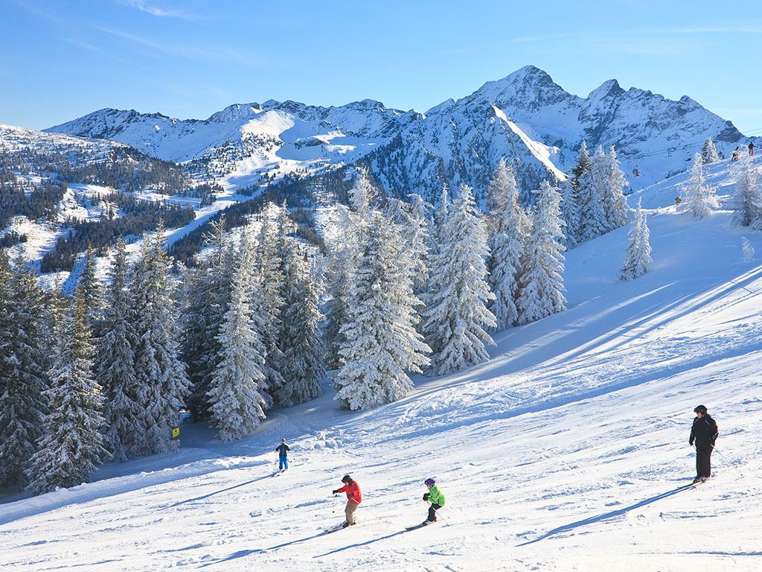
photo: igluski.com
Pros:
- 123 km of slopes, 60% of which are suitable for beginners
- Excellent ski school
- Modern lifts
Cons:
- It may be boring for advanced users
- Weekends can get crowded
“My first time skiing and I didn’t break my neck! The instructor in Schladming was incredibly patient,” wrote one user on X last season.
For families: Serfaus-Fiss-Ladis
This resort was designed with parents who want to relax in mind, but also for children who need to have fun. There’s a special area for the youngest guests with fairy-tale characters and gentle slopes.
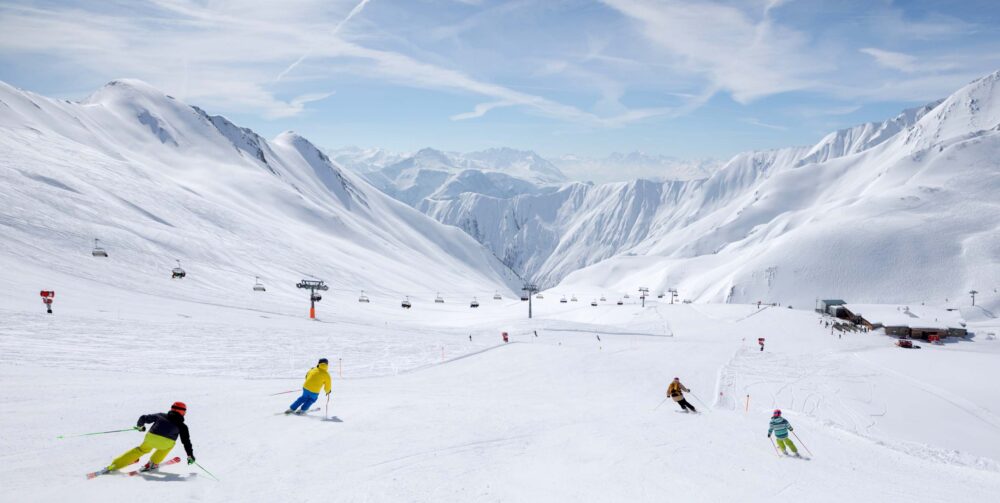
photo: serfaus-fiss-ladis.at
Pros:
- Great ski kindergarten
- Underground metro – kids love it
- 214 km of diverse trails
Cons:
- More expensive than other places
- During the season, a large number of families
For experts: St. Anton am Arlberg
This is a place for those who truly know how to ski. St. Anton is a legendary name in the skiing world—World Championships have been held here. The slopes are challenging, often very steep.
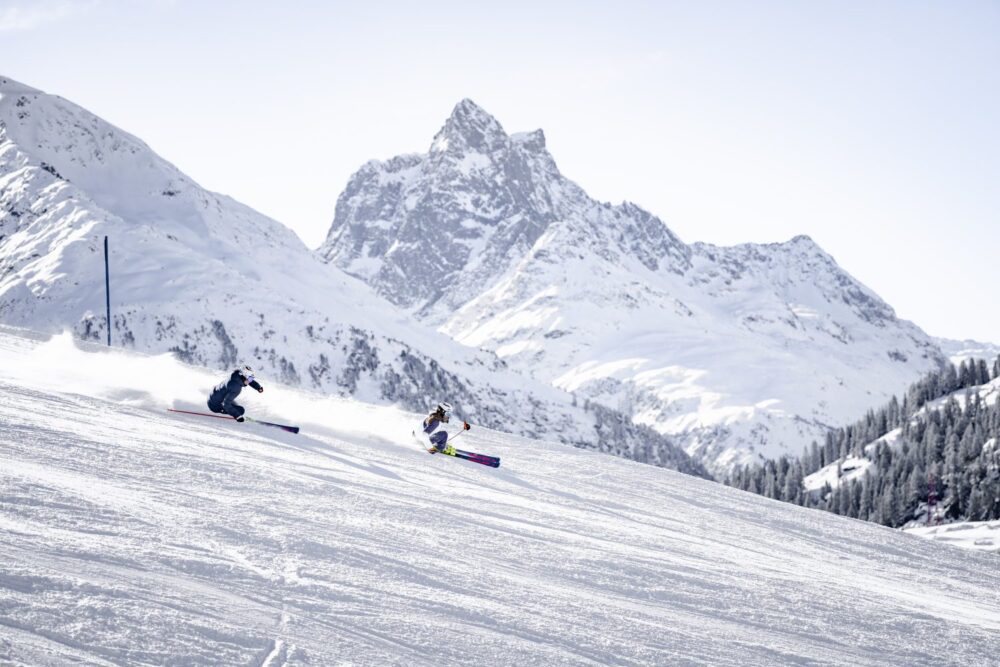
photo: snowmagazine.com
Pros:
- 305 km of premium trails
- Perfect off-piste snow
- A prestigious resort with tradition
Cons:
- Very expensive
- Beginners will feel lost
“St. Anton is no joke – it’s only the third day and my legs are already protesting, but the adrenaline is incredible!” – someone commented after a week spent on the slopes there.
Budget-friendly options: Kaprun
Kaprun offers pretty decent conditions for a reasonable price. Especially if you stay in the valley and take the local bus to the Kitzsteinhorn glacier.
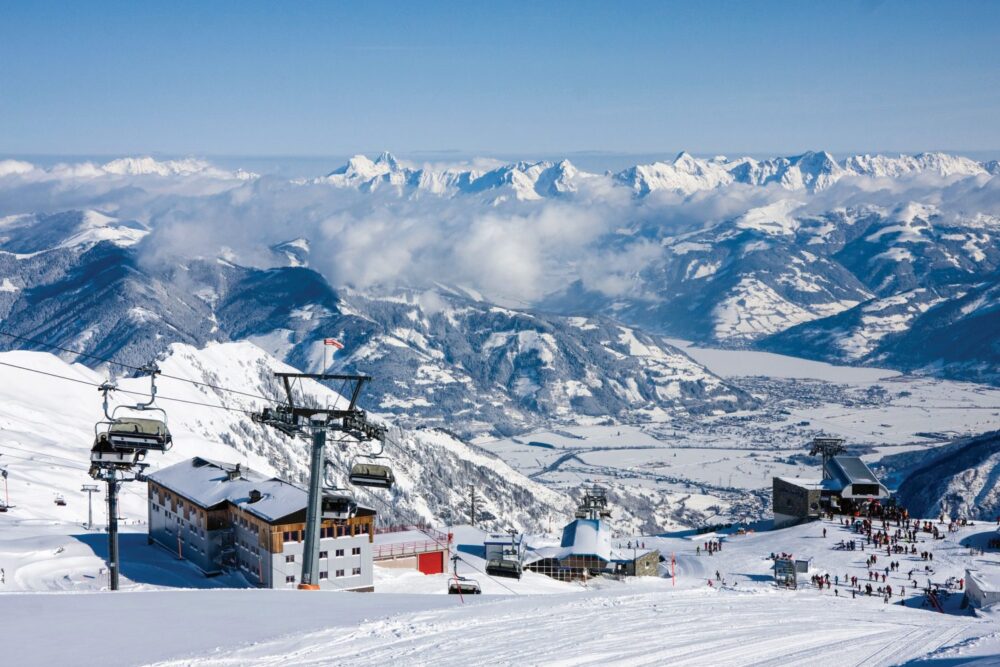
photo: snowmagazine.com
Pros:
- Relatively inexpensive passes
- Riding possible almost all year round
- Views of Grossglockner
Cons:
- Limited number of routes – only 61 km
- The weather can be unpredictable
Après-ski: Ischgl
Ischgl is essentially two resorts in one – fantastic skiing by day and legendary parties by night. World-class concerts, clubs, bars – here, the fun lasts until dawn.
Pros:
- 239 km of perfect slopes
- The best après-ski in Austria
- Modern infrastructure
Cons:
- Very expensive food and drinks
- Noisy evenings
“In Ischgl, I slept maybe 4 hours a day for a week and every minute was worth it” – that’s how one of the skiers summed up his trip.
Year-round glaciers: Hintertux
Hintertuxer Gletscher is the only place in Austria where you can ski 365 days a year. The glacier guarantees snow even in August.
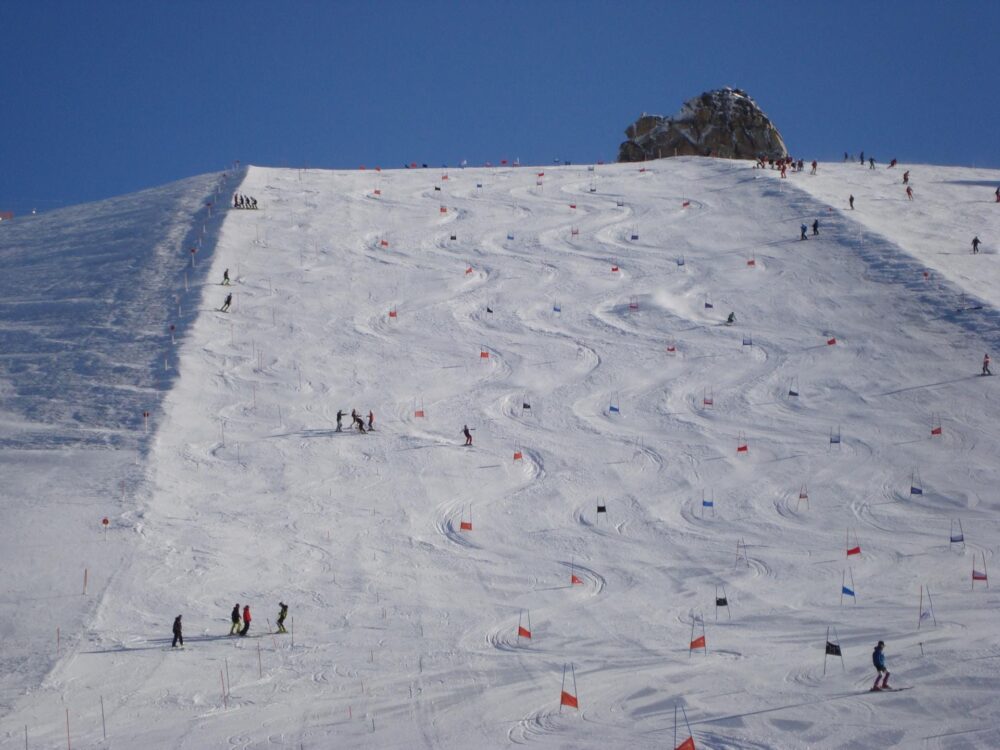
photo: hintertuxergletscher.at
Pros:
- Skiing all year round
- Snow guarantee
- Amazing high-mountain views
Cons:
- Only 60 km of trails
- The weather can be very unpredictable
| Resort | Category | Km of routes | Max. height | Price € |
|---|
Pack your skis and go – how to make the decision and what’s next?
Decision made, resort chosen – now it’s time to take action.
Before you head to the mountains, go through a basic booking checklist. First, check date availability and book your accommodation as early as possible—especially if you’re planning a trip during winter break or holidays. Second, buy your skipass online; it’s often cheaper than on-site. Third, get sports insurance, since standard travel insurance may not cover accidents on the slopes. Fourth, prepare your gear—make sure your skis don’t need servicing and your boots still fit. Fifth, plan your transport and parking, as spots fill up quickly during peak season.
Saving money is an art worth mastering before your trip. Early-bird bookings can cut costs by up to 30 percent—I always try to sort everything out by the end of October. Family packages are a great deal if you’re traveling with children. Apps like Skiline or local loyalty programs offer discounts for future trips. Some hotels include skipasses in the price of your stay—it’s worth asking directly, even if it’s not listed online.
Austria’s ski industry is gearing up for the future in a big way. Resorts are investing in eco-lifts powered by renewable energy, and by 2030, most Austrian stations aim to achieve carbon neutrality. AI-based snow forecasting systems are becoming standard—they help make the most of natural snowfall and reduce artificial snowmaking. Smart skipasses are also emerging, automatically adjusting prices based on weather conditions.
Austria isn’t slowing down when it comes to modernizing its resorts. That’s good news for us—every season brings better infrastructure and more amenities.
The skis are waiting in the basement, and the Austrian slopes are ready—it’s just a matter of packing your suitcase and heading for the mountains.
Martin
lifestyle & sport editor
Luxury Blog





Leave a Comment