

Where is the best place to live in Europe – top 10 cities in 2025
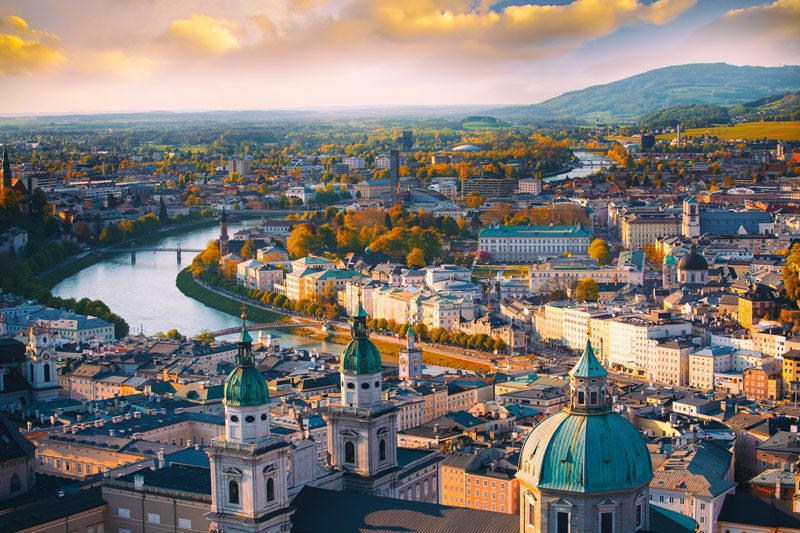
I often ask myself the question, ” Where is the best place to live in Europe?” – in 2025, this question feels like an obsession for an entire generation. And honestly, I understand why.
Vienna has just broken its own record, scoring an incredible 98.4 out of 100 points in the prestigious EIU ranking. Just five years ago, such a result seemed out of reach. But is it a coincidence that right now everyone is searching for the perfect place to live?
Where is the best place to live in Europe?
I remember sitting with my laptop at three in the morning two years ago, scrolling through hundreds of pages about the “best cities in the world.” Remote work opened my eyes—it suddenly turned out I could live anywhere. The problem is, “anywhere” means a hell of a lot of options.
photo: travelandleisureasia.com
The pandemic changed all of us. Suddenly, it started to matter whether I had a park around the corner, whether I could take a peaceful evening walk, whether I could get things done without losing my nerves. The things that used to be “nice to have” became essentials.
Europe dominated the global ranking—7 out of the 10 best cities in the world are right here. That’s no coincidence. It’s the result of years of investing in what truly matters: transport, safety, health, culture.
In this article, I’ll show you a concrete ranking of cities that attract people from all over the world. I’ll also explain how all these points and indicators are created—because the devil is in the details. At the end, you’ll get practical tools to help you figure out which place is the best fit for you.
Because one thing is certain—there’s no perfect city for everyone. But there is a perfect city for you.
So let’s start with number one…
photo: thetimes.com
Top 10 European cities to live in 2025 – ranking and profiles
I’m about to present a detailed ranking with numbers and facts. I’ve spent several days preparing for this, so I won’t be making empty statements.
| City | EIU 2024 Result | Avg. rental cost for 50 m² | An asset in one sentence |
|---|---|---|---|
| Vienna | 98.4 | €850-950 | Social housing for everyone |
| Copenhagen | 98.0 | €1200-1400 | Bikes everywhere, even in winter |
| Zurich | 96.3 | €1800-2200 | Salaries offset high costs |
| Melbourne | 95.7 | €1100-1300 | Coffee culture at its finest |
| Calgary | 95.4 | €900-1100 | Rocky Mountains 90 minutes from downtown |
| Geneva | 95.2 | €1600-1900 | Neutrality and stability |
| Sydney | 95.0 | €1300-1600 | Beaches within metro reach |
| Vancouver | 94.6 | €1200-1500 | Rain, but at least the air is clean |
| Osaka | 94.2 | €700-900 | The best cuisine in the world |
| Auckland | 94.0 | €1000-1200 | Two oceans in one city |
1. Vienna (98.4 pts) Austria’s capital comes out on top mainly thanks to its social housing and incredible cultural infrastructure. Rent is around €17-19 per square meter, which sounds like a joke by European standards. The world’s oldest zoo – Tiergarten Schönbrunn, founded in 1752 – is still running and attracts millions of visitors. Public transport runs like clockwork, and cafés have been serving sachertorte for two centuries.
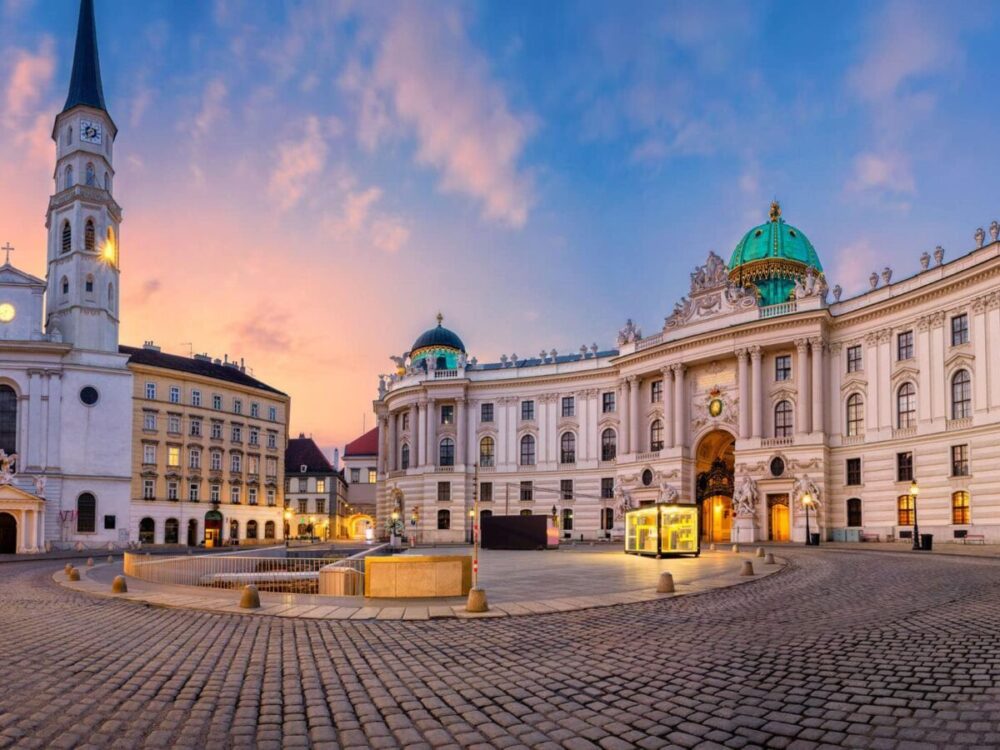
photo: earthtrekkers.com
2. Copenhagen (98.0 pts)
The Danes have achieved the impossible – they’ve created a city that’s bike-friendly even at -10 degrees. Rent is €24-28 per square meter, but the quality of life makes up for it. There are more bikes than people in Copenhagen – about 675,000 bikes for 650,000 residents. Hygge isn’t just a word; it’s a way of life you see everywhere.
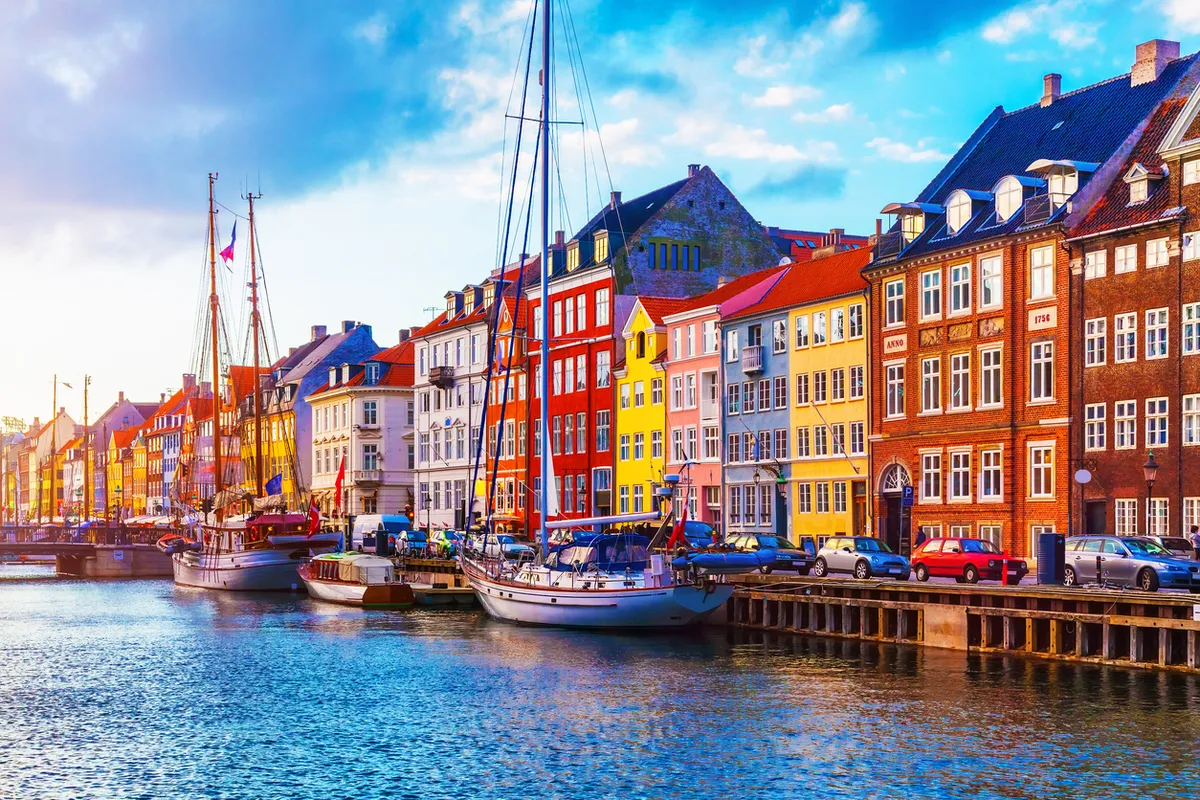
photo: travelweekly.com
3. Zurich (96.3 pts) The Swiss city costs a fortune – rent reaches €36-44 per square meter. But salaries are proportionally high, and the quality of everything is simply stunning. Zurich has the highest density of millionaires in the world – one for every 125 people. The lake in the city center is a bonus even the wealthiest metropolises can’t offer.

photo: switzerland-tour.com
4. Melbourne (95.7 pts)
This Australian city is famous for coffee so good that Starbucks had to close most of its locations. Rent at €22-26 per square meter is fair given Australian salaries. Melbourne has more coffee shops per capita than any other city – one for every 300 people. The weather can be unpredictable, but the culture makes up for everything.
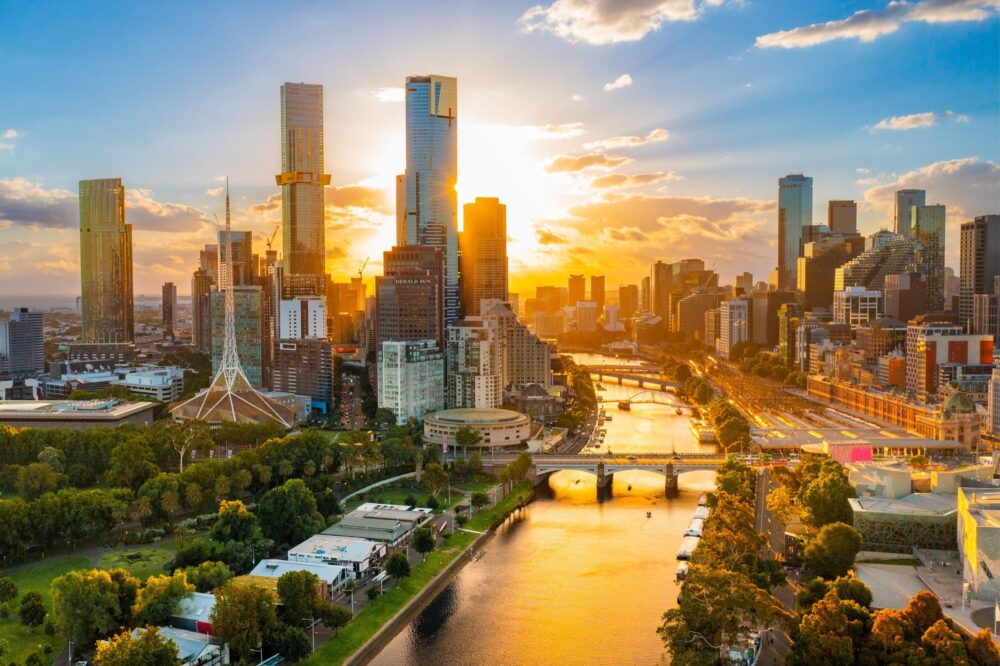
photo: businessevents.australia.com
5. Calgary (95.4 pts)
This Canadian oil city has mountains on the horizon. For €18-22 per square meter, you get space and proximity to nature. Calgary hosted the Winter Olympics in 1988, and the ski jump is still in use even though it’s prairie land. The oil-based economy has its ups and downs, but Canada’s stability is a guarantee.

photo: lifeincalgary.ca
6. Geneva (95.2 pts)
A city of international organizations and Swiss precision. Rent is €32-38 per square meter, but salaries in international organizations make up for it. Geneva is home to more international organizations than New York – about 40 major institutions. Lake Geneva and the Alps in the background are a bonus.
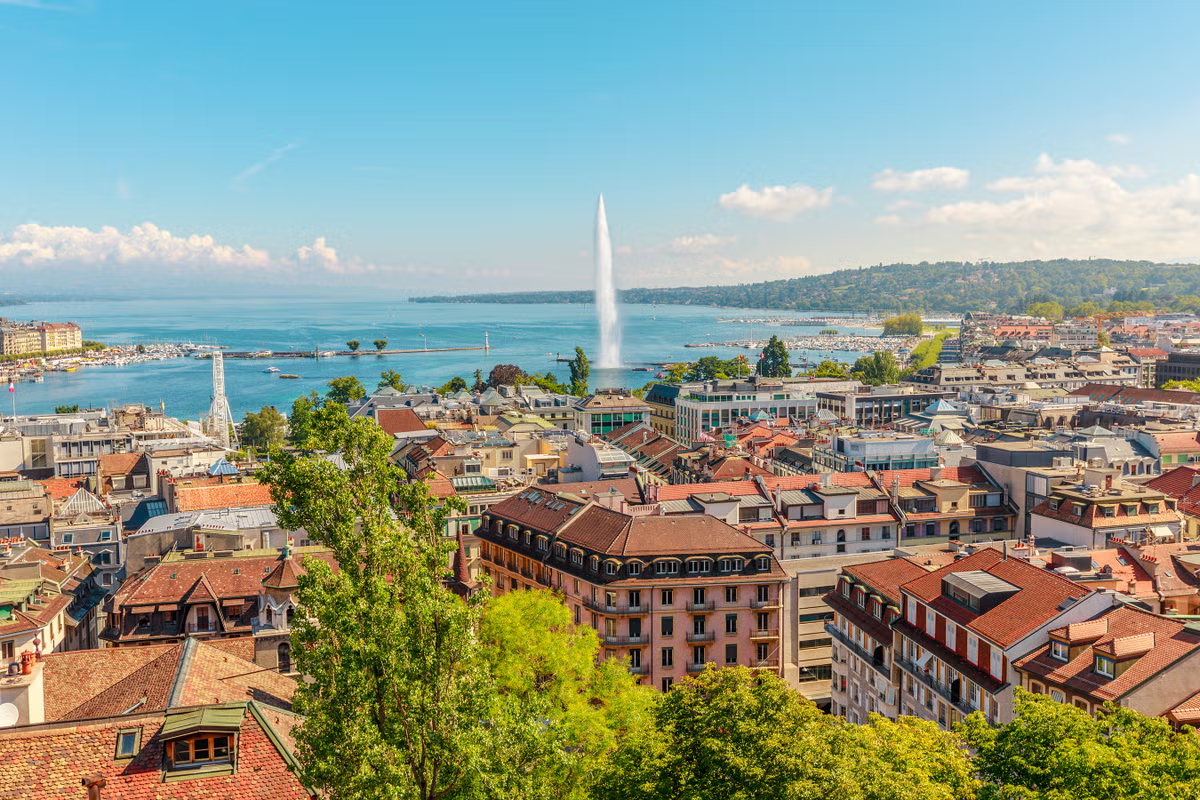
photo: countryliving.com
Factors that determine quality of life – what lies behind the numbers?
Everyone talks about quality of life rankings, but does anyone really know how those numbers are made? For years, I thought it was just some algorithm rolling dice and voilà—we have a winner.
The livability index is essentially a mathematical attempt to measure the immeasurable—human happiness in a specific place. Sounds abstract, right? But the mechanics are actually quite concrete.
EIU (The Economist Intelligence Unit) has its own formula, which looks like this:
• 40% political and social stability
• 25% culture and environment
• 20% healthcare
• 10% education
• 5% infrastructure
Stability makes up almost half the score! Who would have thought that peace matters more than hospitals or schools? But when I think about it… honestly, what’s the point of great infrastructure if you’re afraid to leave your house?
The European Commission does it completely differently. They ask residents directly: “How do you rate your city?” And here’s a fun fact—in Zurich, overall satisfaction exceeds 90%. That means nine out of ten people say “I’m happy.” Impressive, though maybe the Swiss are just polite in surveys.
In reality, these indicators aren’t abstract. We’re talking about things like PM2.5 below 10 µg/m³ (air quality), the number of hospital beds per 1,000 residents, or the percentage of children finishing primary school.
The year 2025 brought one major change—suddenly everyone fell in love with “sustainability.” The EU Green Deal made it so that now every city has to boast about 15-minute zones and bike lanes. Before, nobody really cared, but now this criterion is weighted more and more heavily.
It’s interesting how different organizations look at the same city and see something else. EIU focuses on stability, Mercer on conditions for expats, and the European Commission simply asks, “Are you happy?” It’s a bit like having the same movie reviewed by a critic, the audience, and the director.
Sometimes I wonder if all these formulas and percentages really describe what life is like. But at least we have some kind of reference point, right?
Now that we know how these rankings work, let’s see how to use them in practice when making life decisions.
What next? How to use the ranking and plan your own move
Imagine you’re packing your suitcase to move abroad. You have a city ranking in front of you, but what now? For years, I’ve been helping women plan their relocations, and I know the biggest challenge is turning theory into practice.
There’s no point dreaming about the perfect city if you don’t know where to start. That’s why I created a simple system that works in every situation.
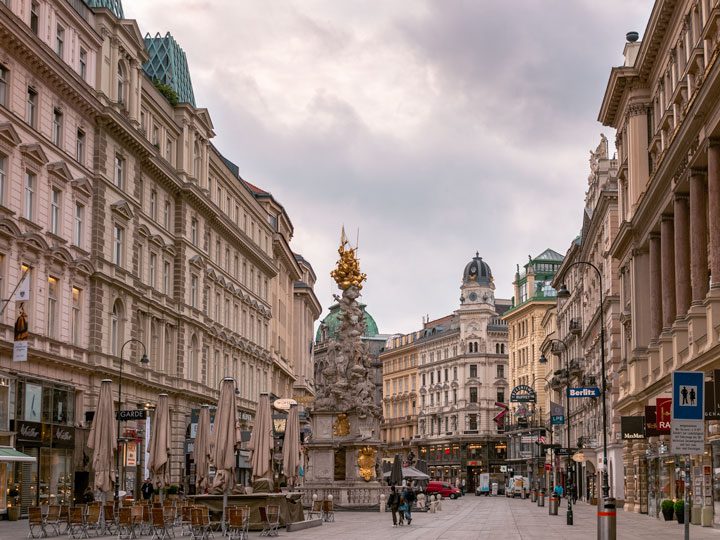
photo: theportablewife.com
Here’s my proven four-step checklist:
- Self-assessment of priorities – list up to three things that matter most to you (cost of living, climate, career opportunities)
- Set a realistic budget—not just for the move, but for your first six months of living.
- Check the visa requirements for your chosen country – this often eliminates half of the options
- Plan a soft landing – an initial exploratory visit for 2-3 weeks
Point three is crucial, and this is where knowing specific solutions really comes in handy.
————————————————-
CASE STUDY: Portuguese D7 Visa
My friend Ania used the D7 visa to move to Porto in 2023. The requirements? Around 820 euros in monthly passive income or remote work earnings. The process took four months, but now she lives 10 minutes from the ocean and pays 600 euros for a studio apartment in the city center.
————————————————-
Looking ahead, I see interesting changes on the map of attractive destinations. Eastern European cities like Tallinn or Cluj-Napoca will be gaining importance—especially after Estonia introduces new facilitations for digital nomads in 2025.
Fun fact—more and more women are choosing places with stable climates. Bergen in Norway might seem like an odd choice because of its rainy weather, but the temperature there hardly fluctuates throughout the year. In an era of extreme weather events, that’s actually a pretty smart strategy.
The trend for 2025 -2030? We’ll be choosing cities not just based on cost, but also climate stability and digital infrastructure.
Stop just reading rankings. Pick one city from your list and plan a scouting trip for the next quarter. Your future won’t wait for the perfect moment.
Magdalena 89′
lifestyle editor
Luxury Blog






Leave a Comment